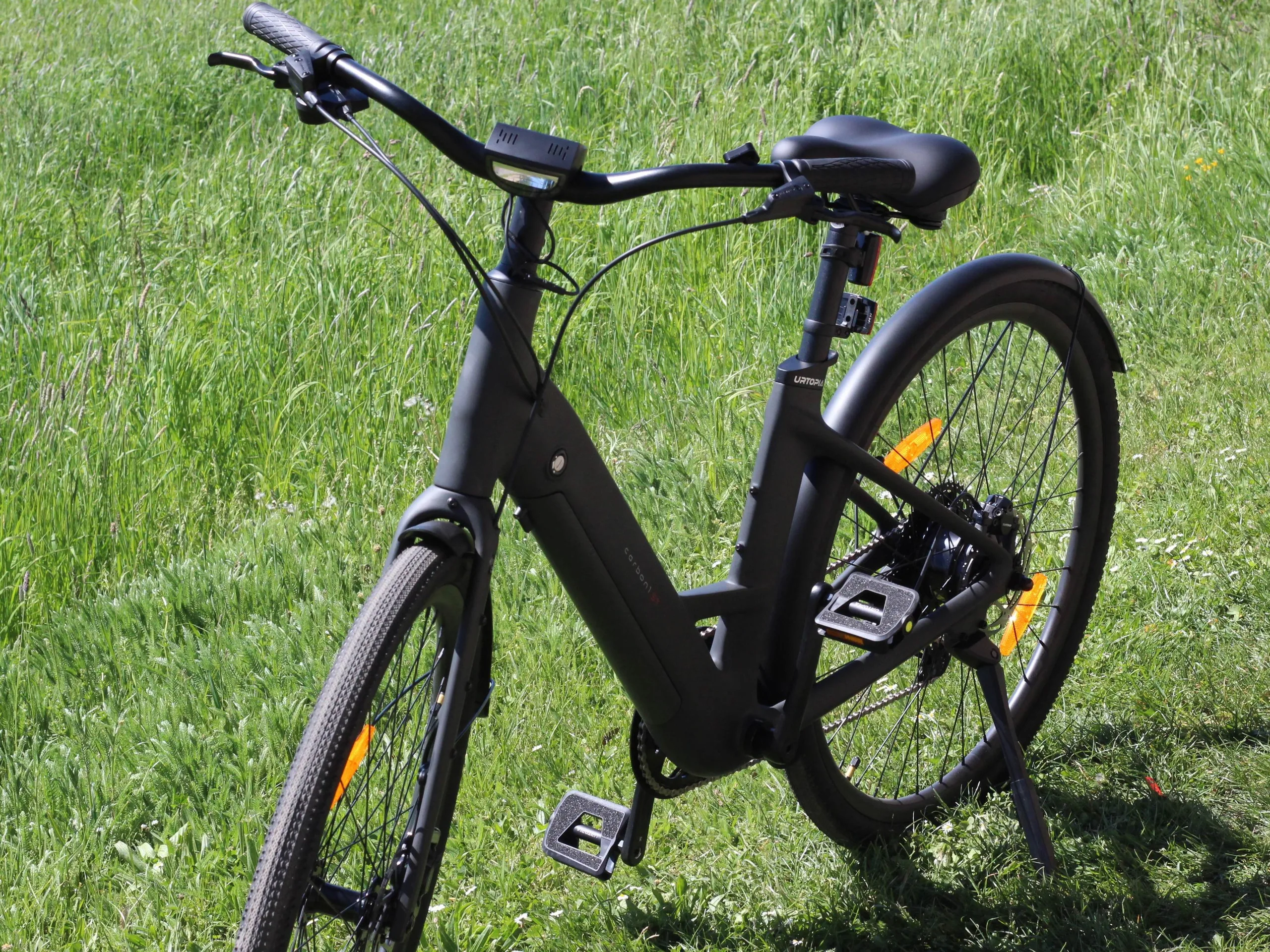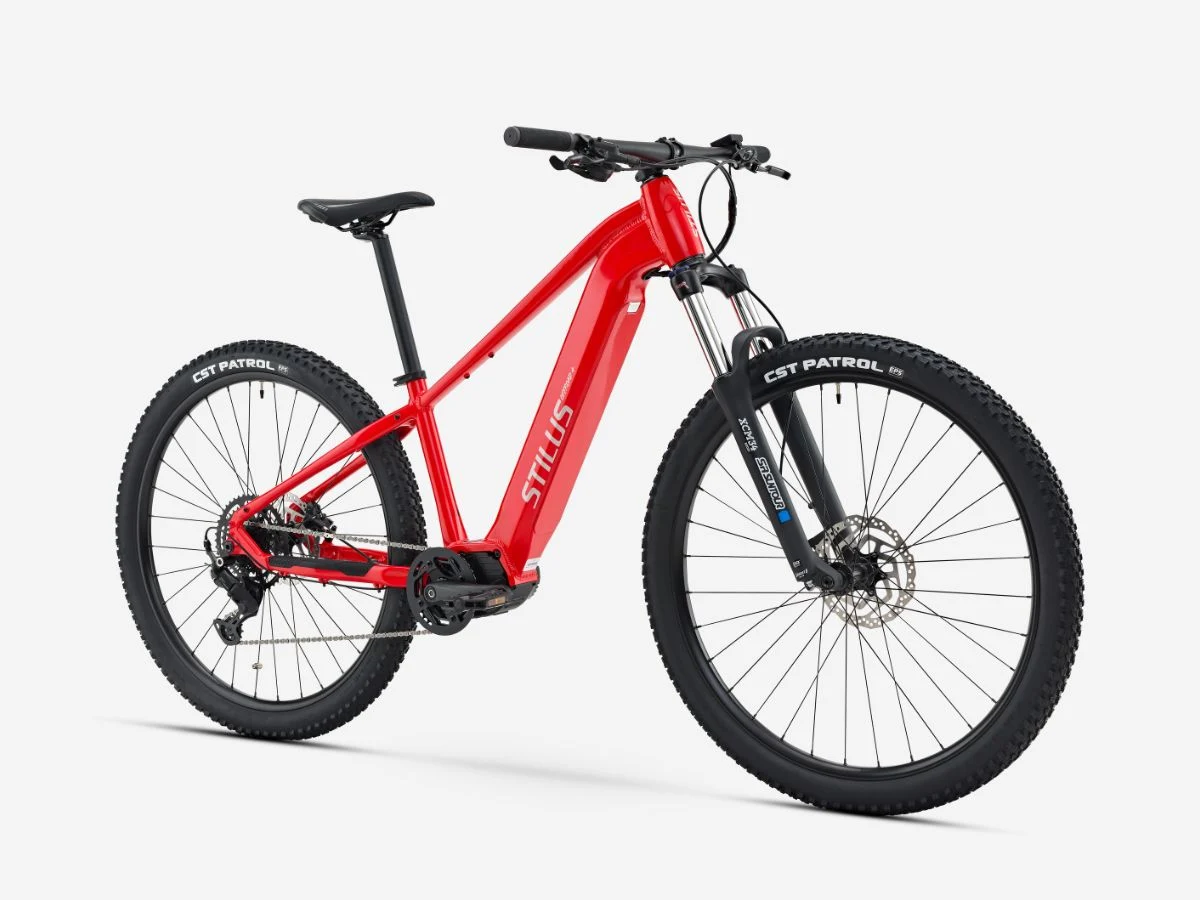
– Upgraded motor and battery: 500W peak, 110Nm torque with a 720 Wh battery, offering up to ~120 km (75 miles) of assist.
– Heavier bike: weight around 25.0 kg (55.1 lbs) compared to the predecessor’s ~22.6 kg.
– Improved front suspension and drivetrain: Suntour XCM 34 fork with 120 mm travel and Shimano Cues U4000-compatible rear derailleur replacing the previous Microshift unit.
Decathlon Stilus Offroad+ hardtail electric mountain bike overview
The Decathlon Stilus Offroad+ hardtail electric mountain bike has appeared on several of the brand’s official websites. This model appears to be an upgraded version of the older Offroad, or Off Road, e-bike, which launched in 2025. The writing here keeps a straightforward, informational tone but introduces some variations in phrasing as we go.
Performance and power specifications
Decathlon’s newer Stilus Offroad+ offers several improvements over its predecessor. Firstly, it has a more powerful Star Union motor, delivering up to 500W power and 110Nm torque, with five modes on offer. This is accompanied by a larger 720 Wh battery, for an extended assistance range of up to 120 km (~75 miles). These two changes appear to make the e-bike heavier, weighing around 25.0 kg (~ 55.1lbs), rather than 22.6 kg (~49.8 lbs).
Suspension and drivetrain updates
Another difference between the Stilus Offroad+ and Offroad models is the front suspension. The latest e-bike uses a Suntour XCM 34 suspension fork with 120 mm travel. Plus, the 9-speed Microshift Advent RD-M619M rear derailleur of the original model has been swapped out for a Shimano Cues U4000 equivalent. The Offroad+ also offers accessories like a handlebar-mounted display, a bell, lights and reflectors.
Pricing and availability
At Decathlon’s online stores in France and Malta, the Stilus Offroad+ hardtail electric mountain bike is priced at €2,199.99. While three sizes – S, M/L and XL – are listed on the product page, all versions of the e-bike are currently out of stock. It is unclear when this model will become available.