Category: EV vehicles

  • Elon Musk Purchases Inventory as Cybertruck Sales Slow Down

    Elon Musk Purchases Inventory as Cybertruck Sales Slow Down

    Key Takeaways

    1. Tesla’s Cybertruck sales have significantly disappointed, with only about 5,000 sold in Q1 2025, far below the 300,000 annual target.
    2. Elon Musk’s businesses, SpaceX and xAI, have purchased several hundred unsold Cybertrucks, raising skepticism about the true motive behind the acquisitions.
    3. A large number of unsold Cybertrucks are accumulating at Tesla’s Austin factory, despite recent price reductions failing to boost sales.
    4. The Cybertrucks bought by SpaceX and xAI are being deployed at various company sites, possibly to replace older vehicles or for employee use.
    5. Critics question whether the purchases by Musk’s companies will effectively address weak demand for the Cybertruck in the long term.


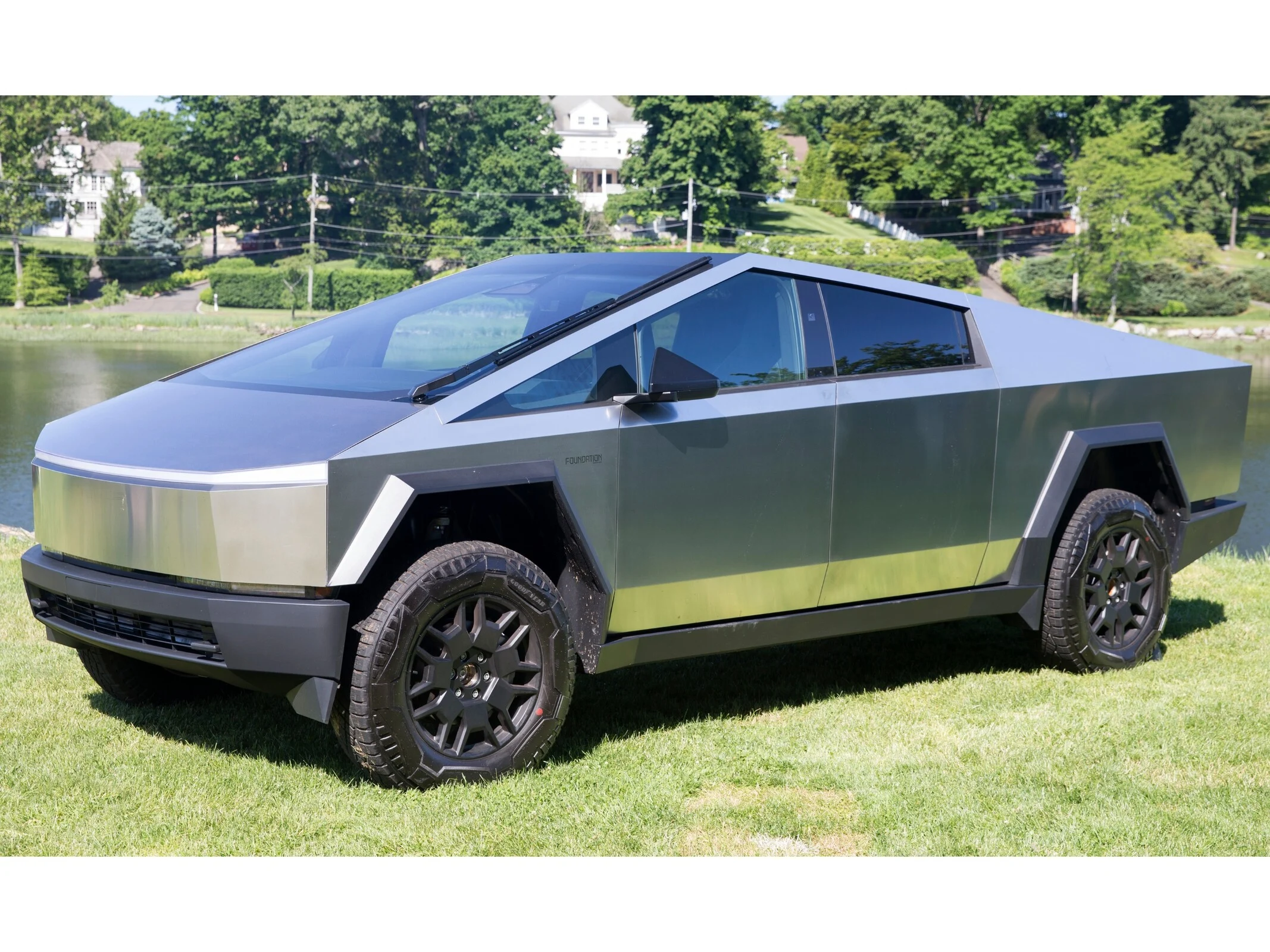
    Tesla faces challenges: The Cybertruck, once seen as a revolutionary project, is increasingly turning into a headache for the automaker. Recent reports show that sales of the Cybertruck have significantly disappointed, leading Elon Musk to seemingly buy up the unsold stock of this advanced electric vehicle through his own businesses. As stated by Electrek, SpaceX and xAI have recently acquired several hundred units of the Cybertruck. While the company claims this strategy is part of a shift from gas-powered vehicles to electric ones, skeptics suspect the real aim is to clear out unsold inventory and boost sales numbers, which currently don’t reflect well for the American car manufacturer.

    Sales Expectations vs. Reality

    Tesla initially estimated that it could sell up to 300,000 Cybertrucks annually. However, the actual number sold in the first quarter of 2025 is estimated to be only around 5,000. Reports indicate that a large number of unsold Cybertrucks are accumulating at Tesla’s Austin factory. Even significant reductions in price have not led to a lasting improvement in sales.

    Deployment of Cybertrucks

    The Cybertrucks bought by SpaceX and xAI are being deployed across various sites, including Starbase in Boca Chica, the Starlink manufacturing facility in Bastrop, and xAI locations. Observations from the YouTube channel NASASpaceflight confirm that multiple Cybertrucks have been relocated to the Starbase site recently. A YouTube video hints that these vehicles are meant to replace older company cars, although there are some who speculate that they may be given to employees.

    The conclusion: Elon Musk seems to be trying to tackle the weak demand for Cybertrucks from the inside. While supporters view this as a sensible move towards electrifying the fleet, critics argue it’s merely a superficial fix. Whether the purchases by SpaceX and xAI will alleviate the strain on Tesla in the future is still uncertain. For the moment, though, the electric vehicle company can at least find some relief.


    Source:
    Link


  • GM Teases Affordable 400-Mile Electric Trucks with New Battery Tech

    GM Teases Affordable 400-Mile Electric Trucks with New Battery Tech

    Key Takeaways

    1. GM’s electric trucks will standardize a range of over 400 miles on a single charge, starting with high-end versions.
    2. The new manganese-rich battery (LMR) with LG will begin mass production in 2027, offering affordable 400-mile trucks by 2028.
    3. LMR batteries offer better energy density and affordability compared to lithium ferrophosphate (LFP) and nickel-based batteries.
    4. GM is establishing a domestic supply chain for rare-earth magnets to reduce reliance on China amid export restrictions.
    5. Two rare-earth magnet manufacturing plants are set to open by year-end, supporting GM and U.S. defense needs.


    Select General Motors’ electric trucks already have high-end versions that can travel over 400 miles on a single charge, but the company is gearing up to make this standard across their entire truck range.

    Exciting Battery Developments

    GM has been working on a manganese-rich battery (LMR) in partnership with LG for ten years and is set to start mass production in 2027, with plans for more affordable 400-mile trucks to launch in 2028. The innovative LMR technology earned the title of “Battery Innovation of the Year” at the 2025 battery expo held in Detroit, largely due to its impressive energy density and cost-effectiveness.

    Comparing Battery Technologies

    The lithium-manganese battery developed by GM and LG has an energy density that surpasses that of the commonly used lithium ferrophosphate (LFP) batteries, which are found in many electric vehicles and even popular devices like Anker Prime power banks. While LFP batteries are budget-friendly and safe, they offer only average energy density. On the other hand, nickel-based batteries provide great performance and long range but are pricier and less stable because they contain metals like nickel and cobalt.

    Manganese is more widely available, making the LMR battery from LG and GM more affordable than those that rely on nickel. It still offers impressive energy density that enables the creation of 400-mile trucks at a lower price and allows for 100% charging without harming battery life. Kurt Kelty, the VP of Batteries and Electrification, states:

    “LMR represents the outcome of a decade of research and is a technology that will provide excellent performance at a fair price. By enhancing battery quality and controlling the supply chain, we can boost our competitiveness in North America.” GM is refining its electric vehicle range by utilizing three types of battery chemistry simultaneously: high-nickel for top performance, LFP for durability, and LMR for a good mix of performance and pricing.

    Industry Insights

    Elon Musk has also identified manganese technology as an ideal compromise between cost and performance, while CATL is now producing M3P manganese batteries with high energy density as well.

    Sadly, American companies face challenges in accessing Chinese batteries because of tariffs and export limitations, so GM’s plan to centralize production is yielding results. Not only is its domestically developed LMP battery moving into mass production, but GM stands as the sole American car manufacturer unaffected by China’s recent restrictions on the export of rare earth mineral magnets.

    These magnets play a crucial role in the electric vehicle sector, leading GM to establish a rare-earth magnet supply chain in the U.S. since 2021. They have been identifying partners and entering into long-term contracts that carry some risk. This is risky because Chinese magnets are less expensive, but with China’s ban on rare earth exports—even if they’re only for magnet production using their minerals abroad—GM’s strategy seems justified.

    The company is now starting to benefit from its choice to reduce reliance on China, with two rare-earth magnet manufacturing plants expected to begin operations by the end of the year, primarily serving GM. A portion will also supply the Pentagon, which has invested $400 million in one U.S.-based magnet firm. However, the government remains a smaller client, so GM’s bet on independence in EV battery and magnet production is crucial for scaling up their operations in the U.S.

    Source:
    Link


  • Model 3 Premium Adds Non-Retrofit Front Bumper Camera & $595 Stalk

    Model 3 Premium Adds Non-Retrofit Front Bumper Camera & $595 Stalk

    Key Takeaways

    1. The refreshed Model 3 Highland in the US lacks the front bumper camera, unlike initial leaked images.
    2. The front bumper camera and washer system are now standard on all Tesla models except the pricier Model 3 Premium.
    3. Tesla has started manufacturing the updated 2026 Model 3 Premium, which includes a front bumper camera and turn signal stalk.
    4. Owners of older Model 3 Highland refreshes can retrofit the turn signal stalk for $595, but not the front bumper camera.
    5. The front bumper camera is crucial for Full Self-Driving (FSD) features, possibly affecting older models’ eligibility for Robotaxi service.


    While the initial leaked images of the Model 3 Highland refresh showcased a front bumper camera similar to the one first seen on the Cybertruck, the refreshed version released in the US did not include this feature.

    Missing Features

    The camera and washer system that is meant for the front bumper camera has since become standard across all Tesla models, including the more affordable Model 3 Standard and Model Y Standard, leaving the pricier Model 3 Premium out of the loop.

    New Production Begins

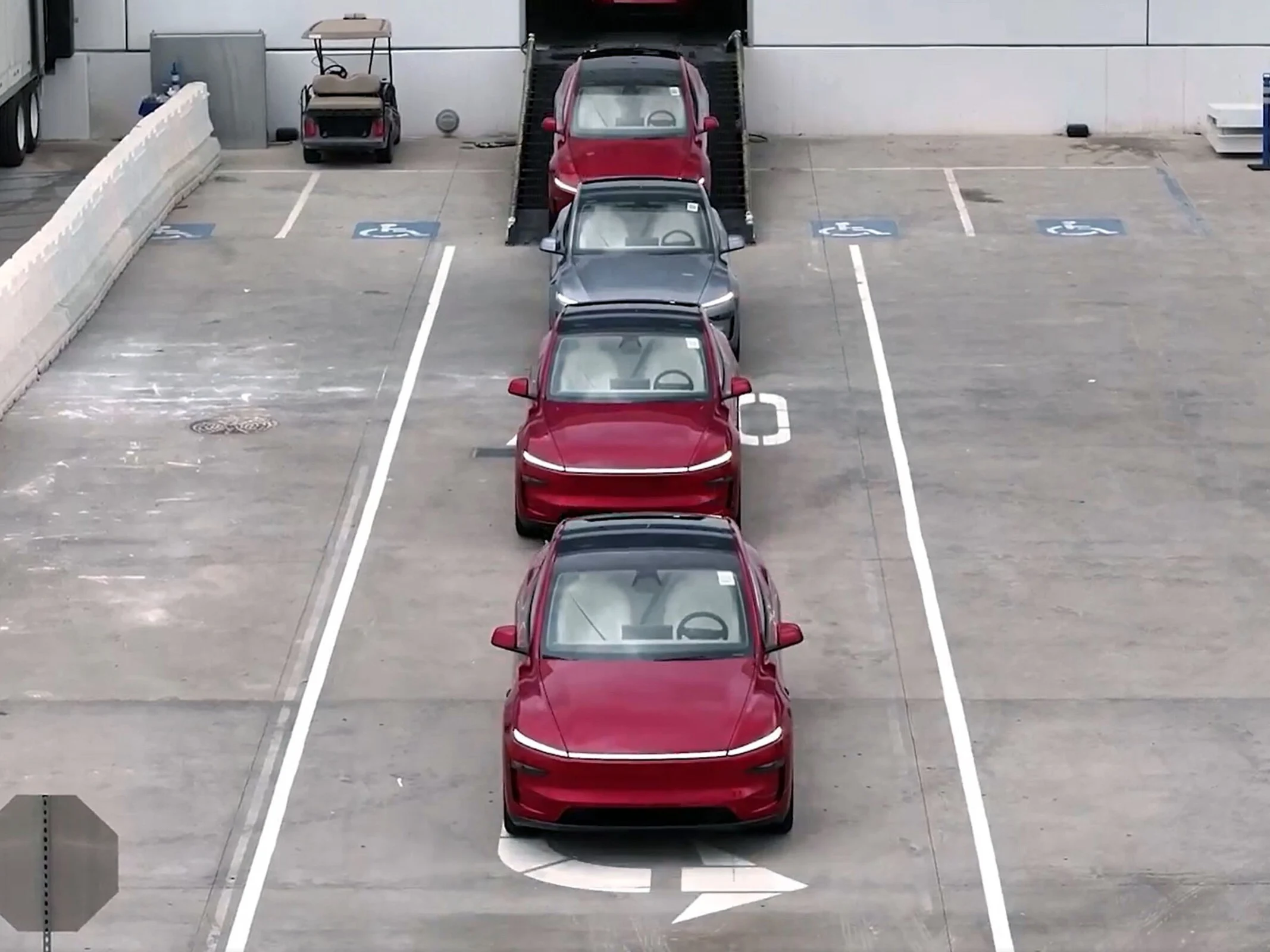
    Tesla has commenced manufacturing an updated 2026 Model 3 Premium at its Fremont factory, and all new units now come equipped with both a front bumper camera and a turn signal stalk. Owners of the previous Model 3 Highland refresh who purchased their cars before this update can retrofit a turn signal stalk by paying $595 through Tesla’s online store.

    Retrofit Limitations

    However, the front bumper camera cannot be retrofitted, even though it seems like it would only require swapping out the Model 3 grille. This is disappointing since the camera is not just for parking assistance; Tesla removed the USS sensors from the bumper to save $144 each. There are indications that Tesla is integrating the feed from the bumper camera into its Full Self-Driving (FSD) algorithms, suggesting that older models lacking this camera may miss out on joining the Robotaxi service if Tesla eventually opens the platform to existing owners.

    Tesla tends to avoid spending on components that will see minimal use, so the inclusion of the front bumper camera might indeed be part of the FSD 14 feeds. This could be the reason Tesla is adding it to their future production units. The new FSD 14 allows users to choose where to park at the end of a journey, and the upcoming v14.2 will feature on-the-spot selection in parking garages, where a front bumper camera feed could prove to be very useful.

    Source:
    Link


  • New Tech Offers 1,000-Mile Range for EVs with Electrode-to-Pack

    New Tech Offers 1,000-Mile Range for EVs with Electrode-to-Pack

    Key Takeaways

    1. 24M ETOP technology integrates electrodes directly into battery packs, eliminating the need for cells, leading to a more cost-effective manufacturing process.
    2. This innovative design increases energy density, allowing for up to 80% of a battery pack’s volume to be dedicated to energy storage, compared to 30-60% in traditional designs.
    3. The new technology could potentially increase the range of electric vehicles by 50%, enabling them to travel up to 1000 miles on a single charge.
    4. 24M ETOP technology allows American manufacturers to enhance their competitiveness in the battery market against international rivals.
    5. The new design has future applications beyond electric vehicles, including in emerging sectors like eVTOL aircraft, which require lightweight and high-power solutions.


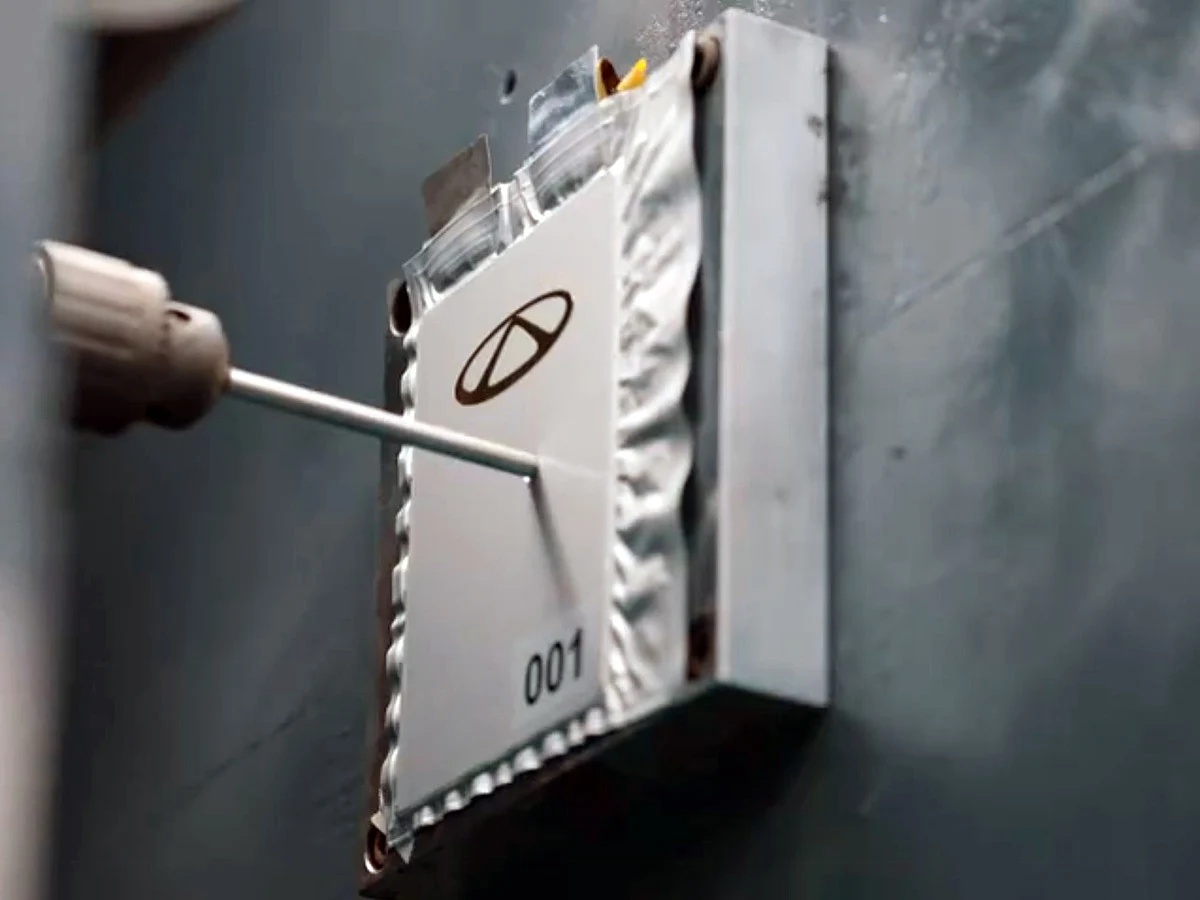
    24M Technologies has revealed its new 24M ETOP (Electrode-to-Pack) technology, which the company describes as a game-changing manufacturing platform that will allow for a cost-effective and safe battery pack capable of lasting 1000 miles on a single charge.

    Innovative Design

    This platform uniquely integrates electrodes straight into the battery pack, doing away with cells altogether. This marks a step forward from the previous cell-to-body (CTB) technology that removed modules and allowed cells to fit directly within the battery pack. With the 24M ETOP, there’s a promise of a more affordable way to create small, high-voltage batteries that maximize energy density.

    Increased Efficiency

    Standard battery designs rely on cells and modules, meaning that many parts of battery packs only serve structural or safety purposes without contributing to energy storage. The 24M ETOP approach reduces this inefficiency by utilizing sealed anode and cathode pairs that are directly integrated into the pack. The company claims this boosts the energy-storing material volume to 80% of a pack’s total volume, compared to just 30–60% in traditional designs, which could translate to a 50% increase in range for electric vehicles.

    The U.S. needs to push forward with battery innovation, not just focus on expanding production, to narrow the gap with international competitors. Our 24M ETOP gives American manufacturers the tools necessary to surpass Asian rivals with leading energy density. — Naoki Ota, President and CEO of 24M.

    Future Applications

    In addition to electric vehicles, this technology presents a promising opportunity for emerging sectors like eVTOL (electric vertical take-off and landing) aircraft, where lightweight and compact designs that provide maximum power and extended range are essential.

    Source:
    Link


  • Tesla Explains Cheaper Glass Roof on Model Y Standard

    Tesla Explains Cheaper Glass Roof on Model Y Standard

    Key Takeaways

    1. The Tesla Model Y Standard features a glass roof, similar to higher-end models, despite being a budget-friendly option priced at $39,990.
    2. The roof is described as “closed” due to the addition of a textile headliner, which makes it opaque and non-transparent.
    3. Tesla confirmed the accurate specifications and pricing of the Model Y Standard through leaked information and website code.
    4. The decision to keep the glass roof design while removing the reflective coating was a cost-saving measure, providing insulation benefits with the headliner.
    5. Customer feedback indicated a preference for a closed roof, leading Tesla to incorporate this design choice in the Model Y Standard.


    Tesla caught some attention when a review of the Model Y Standard revealed that this budget-friendly SUV still features a glass roof, similar to its pricier Premium and Performance models.

    While Tesla removed many other flashy elements, such as the hood light bar and the multi-color ambient lighting, to hit the $39,990 price tag of the Model Y Standard, this particular choice stood out.

    Price and Specs Validation

    The leaked information about the Model Y Standard’s price and specifications proved to be accurate, and the code on the Tesla website confirmed the inclusion of a “closed glass roof” as standard for the base model. This is indeed the case, and Tesla refers to it as “closed” because it has a textile headliner on the interior.

    However, the roof itself remains glass rather than metal, which has led potential buyers to question if they could just take off the headliner to have a panoramic roof similar to the more expensive versions of the Model Y. Unfortunately, that’s not the case, as the glass roof on the Tesla Model Y Standard is opaque, meaning it can’t be seen through from either inside or outside.

    Manufacturing Choices Explained

    Lars Moravy, Tesla’s chief engineer, explained that the company managed to cut some manufacturing costs by keeping the Premium’s glass roof design but removing the laminated silver coating that reflects infrared light to help keep the inside cooler. Since the Model Y Standard comes with a headliner, that coating was unnecessary, and the headliner also provides extra HVAC and noise insulation. The silver coating sometimes fails to keep Premium trims cool enough, leading owners in hot climates to seek third-party solutions like the Model Y Sunshade Roof, available on Amazon at a 30% discount, for better A/C performance.

    It was more cost-effective to build the Model Y Standard with the existing glass roof rather than create and source a new metal component. As Moravy puts it, the Model Y Standard still has a glass roof, albeit opaque, due to “cost, supply chain, and manufacturing efficiency in our factories.” Additionally, Moravy noted that many fans expressed a desire for a closed roof with a headliner, so Tesla seemingly fulfilled its customers’ requests.

    Source:
    Link


  • CATL to Start Solid-State Battery Production in 2027 Amid Scale Concerns

    CATL to Start Solid-State Battery Production in 2027 Amid Scale Concerns

    Key Takeaways

    1. CATL will not start large-scale production of solid-state batteries for EVs capable of over 1,200 miles on a single charge by 2027, contrary to some rumors.
    2. The company plans pilot production of solid-state battery cells in 2027 but on a limited scale, with claims of energy density achieving 1,252 miles overstated.
    3. Current advancements in solid-state battery technology are still in the research phase, with a peak energy density of 500 Wh/kg, which is double that of current liquid electrolyte batteries.
    4. CATL has been investing in solid-state battery technology for over a decade and aims for small-scale production by 2027, with a projected manufacturing maturity level of 7 or 8.
    5. Solid-state batteries are costly to produce and currently more suitable for specialized applications like drones and robots rather than mass-market electric vehicles, where LFP battery technology remains dominant.


    CATL has clarified that it will not begin large-scale production of a solid-state battery that can power an electric vehicle (EV) for over 1,200 miles on a single charge by 2027, as some rumors suggested.

    Pilot Production Plans

    The leading battery manufacturer will indeed start pilot production of solid-state battery cells at that time, building on its existing trial production line, although it will be on a limited scale. Furthermore, the claim that its solid-state battery will feature an energy density capable of achieving 2,000 kilometers (1,252 miles) on one charge appears to have been overstated.

    Current Developments in Technology

    While there are advancements in solid-state battery technology that could enable such an EV, these innovations are still in the research phase and not yet ready for market. CATL has already stated that its solid-state battery technology boasts a peak energy density of 500 Wh/kg. This remains the theoretical maximum for mass production-ready solid-state batteries, which is double the capacity of current EV batteries utilizing liquid electrolytes. For example, a solid-state battery with this density recently powered a Mercedes EQS prototype for an impressive 749 miles on a single charge, significantly exceeding the average EV range.

    CATL emphasized that the “commercialization of solid-state batteries, along with the development of the supply chain, is still quite a ways off.” This has been its stance since 2022 when NIO requested the manufacture of its cells using semi-solid electrolytes. At that time, CATL projected that true mass production of solid-state batteries would not commence until around 2030.

    Ongoing Research and Investment

    However, this does not imply that CATL is not advancing its solid-state battery technology. The company has been researching this area for over ten years, involving 1,000 engineers in the development process and operating a pilot production line. “CATL is committed to investing in solid-state battery technology, maintaining its position as a leader in the industry, and expects to achieve small-scale production by 2027,” the company stated, in an effort to manage expectations. Last year, the CEO of CATL rated the industry’s readiness for mass production of solid-state batteries at a 4 on a 9-point scale. He mentioned that by 2027, CATL aims to reach a manufacturing maturity level of 7 or 8, which would enable the production of initial batches, though it remains unclear which EV manufacturer will be the first to receive them.

    Cost and Market Suitability

    While solid-state batteries offer improved energy efficiency and safety, they are also quite expensive to produce. NIO has warned that its 150 kWh pack with a semi-solid electrolyte costs as much as a typical EV, and it is only available for rent during extended summer trips. As production scales up, the costs are expected to gradually become more favorable, but for now, CATL considers solid-state batteries to be more appropriate for applications in drones and robots, where energy density is more critical, rather than for mass-market electric vehicles. In that segment, the widely used LFP battery technology continues to dominate, powering everything from new compact Anker Prime power banks to large energy storage systems.

    Source:
    Link


  • Tesla Launches New Blue Model Y and Affordable Standard Trim in Europe

    Tesla Launches New Blue Model Y and Affordable Standard Trim in Europe

    Key Takeaways

    1. Tesla opened a new advanced paint shop at its Berlin Gigafactory, featuring multi-layered colors.
    2. The Model Y is now available in three unique blue shades: Glacier Blue, Deep Blue Metallic, and the new Marine Blue.
    3. Marine Blue costs an additional €1,500 and is exclusive to the Premium and Performance trims.
    4. The Model Y Standard trim in Europe is priced at €39,990 and includes full Autopilot features, unlike the US version.
    5. Tesla is still waiting for Full Self-Driving (FSD) approval in Europe and has bundled Autopilot with the Standard model as a strategy.


    Tesla has opened its most sophisticated paint shop at the Gigafactory in Berlin, showcasing its expertise in multi-layered colors. The latest addition to their lineup is the Model Y, now available in a striking new color called Marine Blue.

    New Shades of Blue

    With this new release, Tesla offers the Model Y in three unique blue shades: Glacier Blue from Giga Shanghai, Deep Blue Metallic available in the US, and the newly introduced Marine Blue from Giga Berlin.

    Pricing and Availability

    This fresh color option is exclusive to the Premium and Performance trims, costing an extra €1,500. Meanwhile, the recently launched Standard trim in Europe is offered in three different colors without the additional price for the new hue. The Model Y Standard is priced at €39,990, staying beneath the important psychological threshold of €40,000, similar to its launch price in the US. However, the price gap between the Standard and Premium RWD trim in Europe is considerably larger than in the US. The Long Range RWD version in the US is priced at €50,990.

    Features and Limitations

    The new Model Y Standard trim is €10,000 cheaper in Europe compared to its US counterpart, and it includes full Autopilot features, such as Autosteer. On the other hand, the US version only comes with the basic traffic-aware Cruise Control and lacks the comprehensive Autopilot suite.

    Sadly, Tesla still awaits approval for Full Self-Driving (FSD) in Europe, which might explain their strategy to bundle Autopilot with the Standard model, similar to what’s offered in the more expensive trims.

    Source:
    Link


  • Chevy Bolt with Tesla Port: Cheapest Electric Vehicle in the US

    Chevy Bolt with Tesla Port: Cheapest Electric Vehicle in the US

    Key Takeaways

    1. Affordability: The 2027 Chevrolet Bolt EV will start at $28,995, potentially making it the most affordable electric SUV in the U.S.

    2. Competitive Range: While the Bolt EV offers a range of 255 miles per charge, it is priced $10,000 lower than Tesla’s budget-friendly Model Y, which has a range of 321 miles.

    3. Legacy of Value: The new Bolt continues the tradition of previous models as one of the least expensive electric vehicles, featuring a built-in NACS charging port for Tesla Supercharger access and a CCS adapter included at no extra charge.

    4. Enhanced Features: The Bolt now has a 65 kWh battery with fast charging capabilities, bidirectional charging for home power delivery, and a single front electric motor producing 210 hp, though some features like Apple CarPlay and Android Auto are not supported.

    5. Design Improvements: The Bolt features a redesigned exterior and interior for a cleaner look, with updates including a wireless charging pad, adjustable cup holders, and increased cargo space of 57 cubic feet when seats are folded down.


    Chevrolet has introduced its 2027 Bolt EV, which is set to launch in early 2026 with a starting price of $28,995. This price could make it the most affordable electric SUV in the United States when it hits the market.

    Competitive Timing

    This announcement from Chevy follows the recent unveiling of Tesla’s more budget-friendly Model Y, the Standard trim. While the Tesla boasts a range of 321 miles, the 2027 Chevy Bolt is only capable of 255 miles per charge, but it comes in at a price that is $10,000 less.

    Continuing a Legacy

    The previous versions of the Bolt were the least expensive electric vehicles available in the US, and this new model, which no longer carries the EUV name, continues that legacy. With a starting price of $28,995, which includes the destination fee, the 2027 Bolt features a built-in NACS charging port that allows access to the Tesla Supercharger network. Additionally, it includes a CCS adapter at no extra charge for use at other charging stations.

    Improved Features

    To address past concerns with its EUV model, Chevy has added a 65 kWh LFP battery that can be charged at a speed of 150 kW. This allows for a quick charging time of 26 minutes to go from 10% to 80%. Unlike many Tesla Model Y variants, the budget-friendly Chevy Bolt offers bidirectional charging with a 9.6 kW vehicle-to-home (V2H) power delivery option.

    At this price, the 2027 Chevy Bolt comes with a single front electric motor that produces 210 hp, along with a smaller 11-inch touchscreen and gauge displays. The infotainment system does not have direct support for Apple CarPlay or Android Auto, and the GM Super Cruise hands-free system, which includes lane changes and trip following, is an additional cost.

    Design Updates

    The Bolt has received a makeover in both its exterior and interior designs. The front has been simplified compared to the previous EUV model, which appeared quite cluttered, and the taillights have been repositioned. Inside, there’s a new central stack featuring a wireless charging pad, adjustable cup holders, and updated ambient lighting. When the rear seats are folded down, the Bolt now provides 57 cubic feet of cargo space.

    The new Chevy Bolt is expected to launch in early 2026 and will be offered in three different trims, starting with the most premium option. The Base LT trim is priced at $28,995, the next LT Comfort trim is available for $29,990 (including destination fee), and the sporty RS trim will cost $32,000, all very competitively priced for the post-tax credit period.

    Source:
    Link


  • Flexible Solid-State Battery Boosts Energy Density by 86%

    Flexible Solid-State Battery Boosts Energy Density by 86%

    Key Takeaways

    1. Major companies like CATL, Toyota, Samsung, BYD, and Mercedes aim to launch electric vehicles with solid-state batteries by 2027.

    2. Solid-state batteries use a solid electrolyte, offering up to 400 Wh/kg energy density, with potential to reach 500 Wh/kg, significantly higher than current LFP batteries.

    3. These batteries promise greater range and enhanced safety due to fewer reactive components, despite high production costs and challenges with layer connections.

    4. Researchers have developed a flexible polymer electrolyte that improves energy density by 86% and allows for bending, enhancing safety and durability.

    5. The advancements in solid-state battery technology could enable electric vehicles like the Mercedes EQB prototype to achieve over 1,300 miles on a single charge if production costs become competitive.


    Solid-state batteries are moving beyond research and entering the stage of prototypes and small-scale production.

    Several major firms, including CATL, Toyota, Samsung, BYD, and Mercedes, have set their sights on 2027 as the critical year for launching their first electric vehicles equipped with genuine solid-state batteries.

    Distinction in Technology

    These batteries utilize a solid electrolyte, which is different from the hybrid semi solid-state systems found in models like the NIO ET7, which consists of 95% solid and 5% liquid electrolyte. The solid-state batteries revealed so far boast an energy density of around 400 Wh/kg, with the theoretical capability to reach 500 Wh/kg. This is more than double the density of widely used LFP batteries that power everything from mainstream electric vehicles to the well-known Anker Solix power station, which is currently available at a significant discount of over 50% on the Amazon Prime Big Deal list.

    Advantages of Solid-State Batteries

    In addition to potentially doubling the range on a single charge within the same size, solid-state batteries are also considered safer due to their reduced number of reactive components when compared to those utilizing flammable liquid electrolytes. However, true solid-state batteries come at a high cost, as the process requires fusing the electrolyte with the electrode at elevated pressures and temperatures, leading to weaker connections between the layers and a decrease in lithium-ion transport efficiency.

    Breakthrough Innovations

    This limitation hampers solid-state batteries from achieving their full capabilities. To address this issue, researchers from the Chinese Academy of Sciences have created an innovative solid-state battery electrolyte solution.

    They removed the “solid” aspect from the solid-state electrolyte by developing a flexible polymer incorporating ethoxy groups and short sulfur chains, which are intended to enhance ion conductivity and bond with the cathode on a molecular level.

    The new polymer electrolyte within a composite cathode not only improved the energy density of the solid-state cell by a remarkable 86% due to reduced transfer resistance, but it is also capable of bending. Indeed, this flexible solid-state battery system can endure 20,000 bending cycles, further improving its impact resistance and safety compared to traditional sulfide solid-state batteries that companies like Samsung and Toyota are set to launch in 2027.

    Future Implications

    Such a significant increase in energy density could allow the Mercedes EQB prototype, equipped with a genuine solid-state battery currently undergoing range testing, to potentially travel over 1,300 miles on just one charge. Furthermore, a solid-state battery featuring a flexible polymer electrolyte would enhance the longevity and safety of electric vehicles, provided it can be manufactured at a scale that reduces production costs to a competitive level.


  • Tesla Model Y Standard Review: Opaque Glass Roof Details

    Tesla Model Y Standard Review: Opaque Glass Roof Details

    Key Takeaways

    1. Tesla removed the Autopilot with Autosteer feature from the Model Y Standard to maintain its under-$40,000 price point.
    2. The Model Y Standard features a “closed” glass roof with a textile headliner for cost reduction and improved insulation, sacrificing natural light.
    3. The lower trim lacks basic features and amenities, raising doubts about the value of the $5,000 price difference compared to the Premium trim.
    4. The audio system is reduced to seven speakers without a subwoofer, and the interior has limited color options and design changes.
    5. Experts estimate Tesla cut about $2,000 in components and made other changes to achieve a lower price, potentially impacting profit margins and future pricing strategies.


    According to the initial reviews of the Model Y Standard, Tesla has made numerous sacrifices to achieve the under-$40,000 price tag for its most affordable SUV. This includes the controversial choice to eliminate the Autopilot with Autosteer feature, leaving only the basic traffic-aware cruise control.

    Unusual Design Choices

    One of the strangest choices involves the Model Y Standard’s “closed” glass roof, which no longer allows light to pass through. Instead, it has been covered with a textile headliner. Tesla claims this was done to reduce production costs instead of creating a new metal piece. The headliner is said to provide better insulation for HVAC and reduce noise levels.

    Comparing Trims

    When comparing the Tesla Model Y Standard to the Model Y Premium, it is noticeable that the lower trim lacks even basic features like a drain plug in the frunk or hooks for jackets. This raises questions about whether the $5,000 price difference is justified.

    Apart from a smaller battery and less powerful motor, the Model Y Standard is equipped with regular passive shock absorbers and a standard particulate filter instead of a HEPA filter, although HEPA filters can be purchased easily on Amazon for $20 each. Additionally, it doesn’t feature adaptive high beams, as its headlights are not of the matrix LED variety.

    Sound and Interior Changes

    The audio system comprises seven speakers instead of 15 and lacks a subwoofer, which contributes to a somewhat unsatisfactory package that is limited to three color options and a single textile interior. Nonetheless, some redesigns are appreciated, such as the removal of the central console storage space, which results in a larger area that can accommodate a backpack.

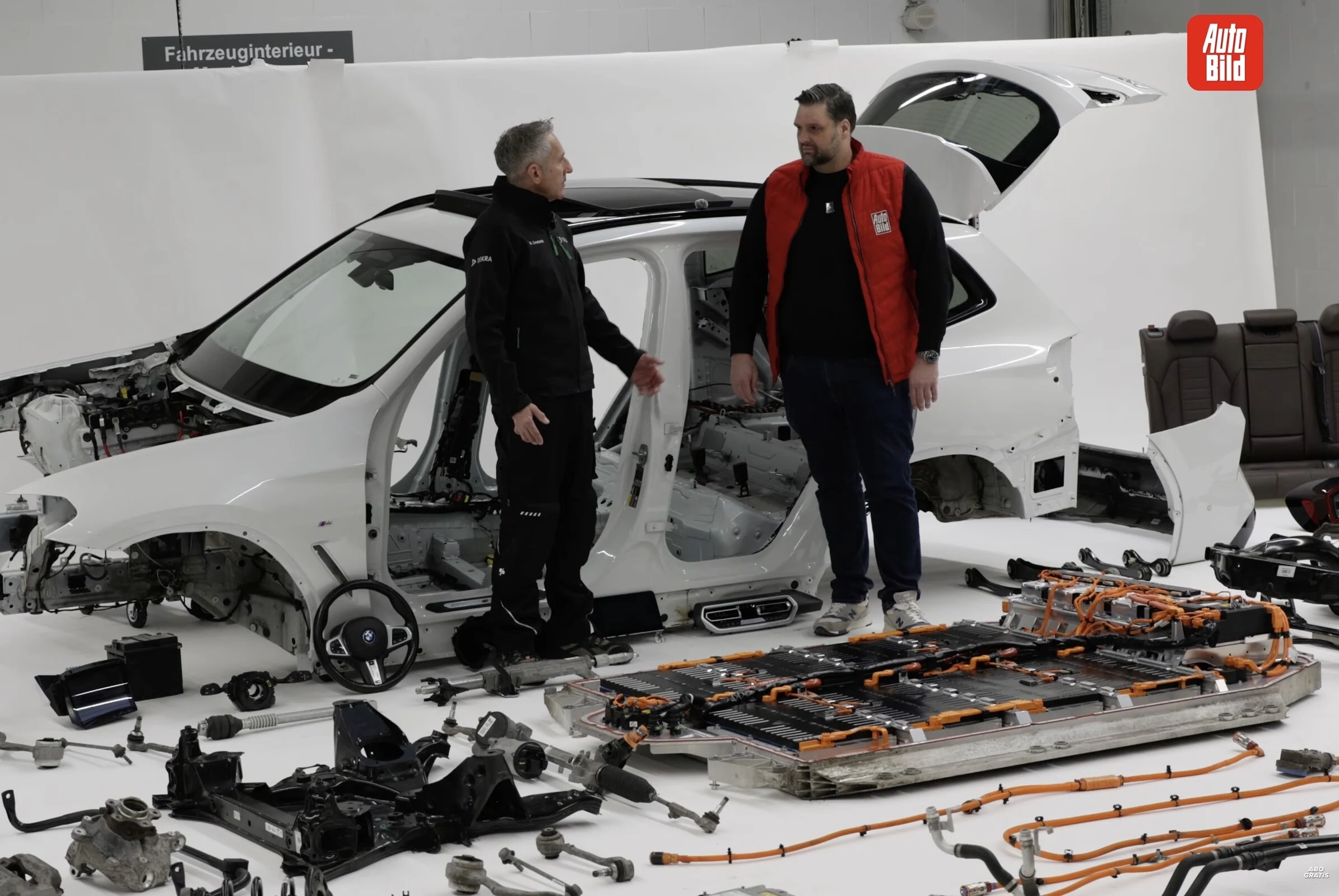
    Experts who dissect the vehicle estimate that Tesla has cut around $2,000 worth of components based on OEM prices, alongside significant savings from the smaller battery and less expensive motor, to price the Model Y Standard at $5,000 less. This may be their strategy to maintain a minimal profit margin and allow for potential promotional pricing or APR financing in the fourth quarter, though the effectiveness of this cost-saving approach remains to be seen.

    Kim Java (X)

    Source:
    Link