Key Takeaways
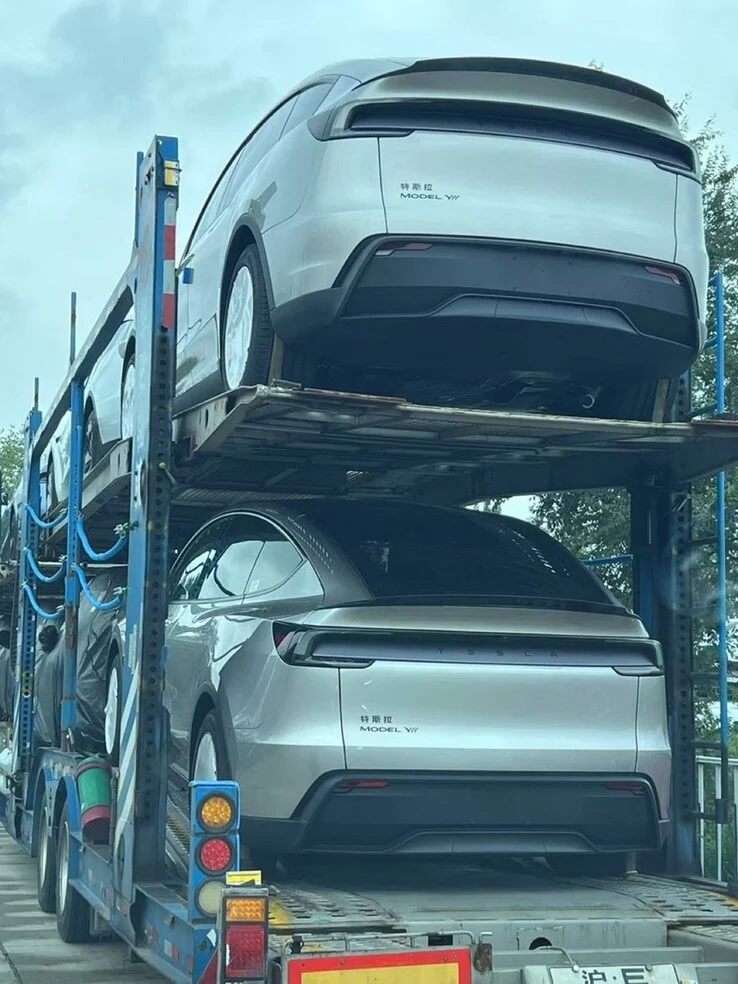
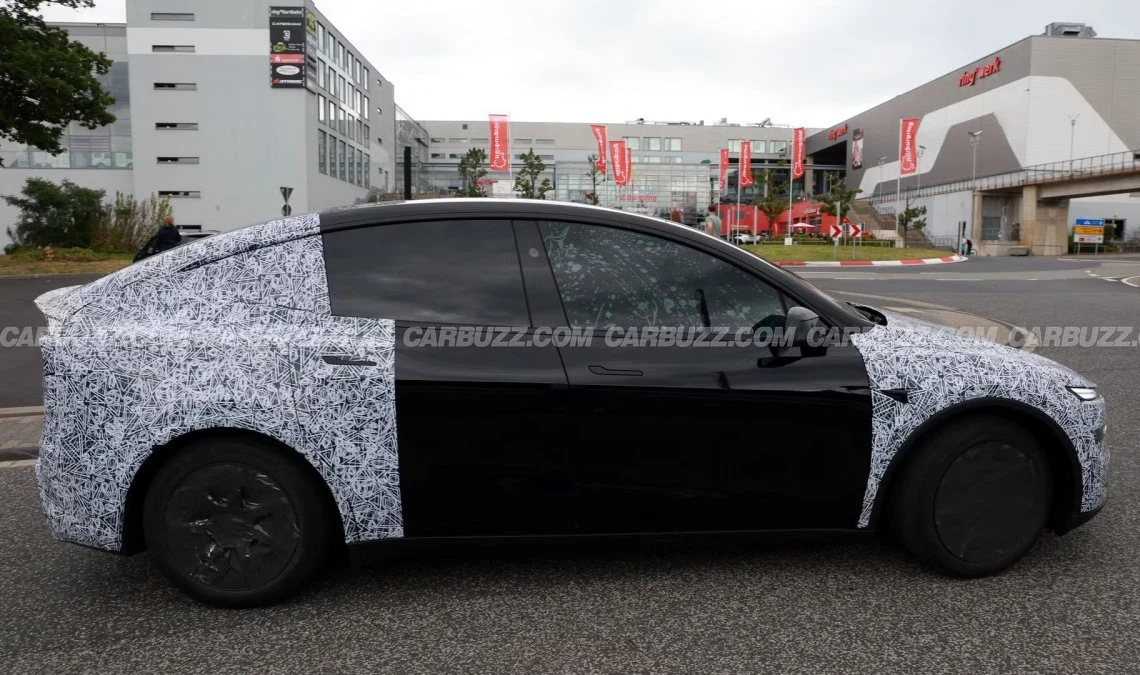
1. Leapmotor’s D19 SUV is its first high-end model, competing with the Tesla Model Y L.
2. The company saw nearly double sales year-on-year in the first half of 2025, driven by the D19’s introduction.
3. The D19 is priced about 10% lower than its competitor, the Tesla Model Y L, and offers quicker charging and premium features.
4. A unique feature of the D19 is its integrated oxygen generator, providing up to 8 liters of oxygen per hour, beneficial for high-altitude driving.
5. The competitive landscape in China’s automotive sector demands innovative technologies and distinctive features for electric vehicle startups to succeed.
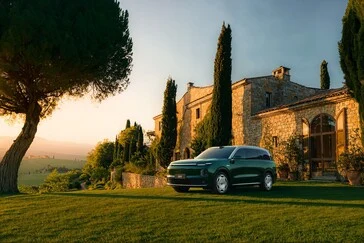
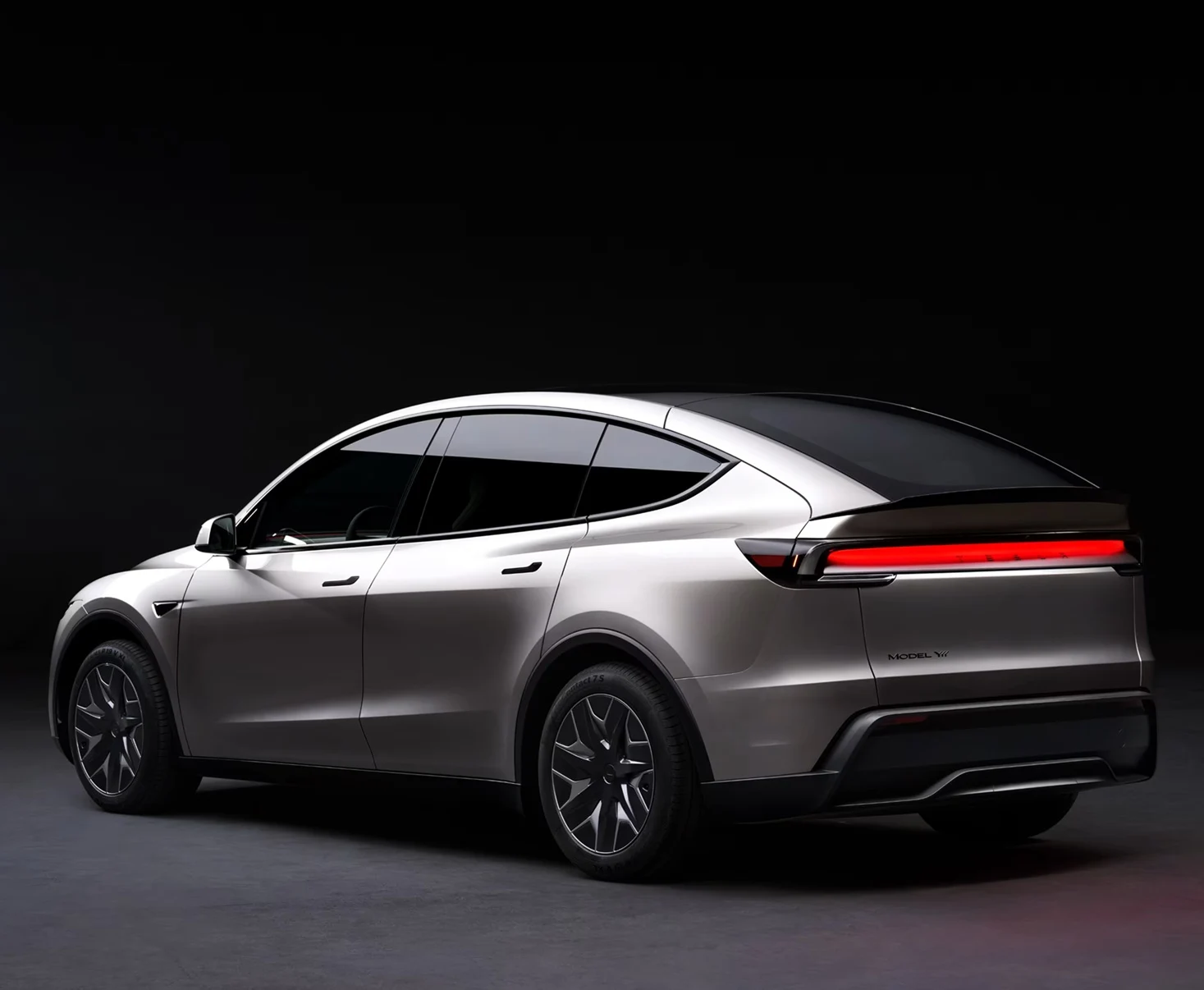
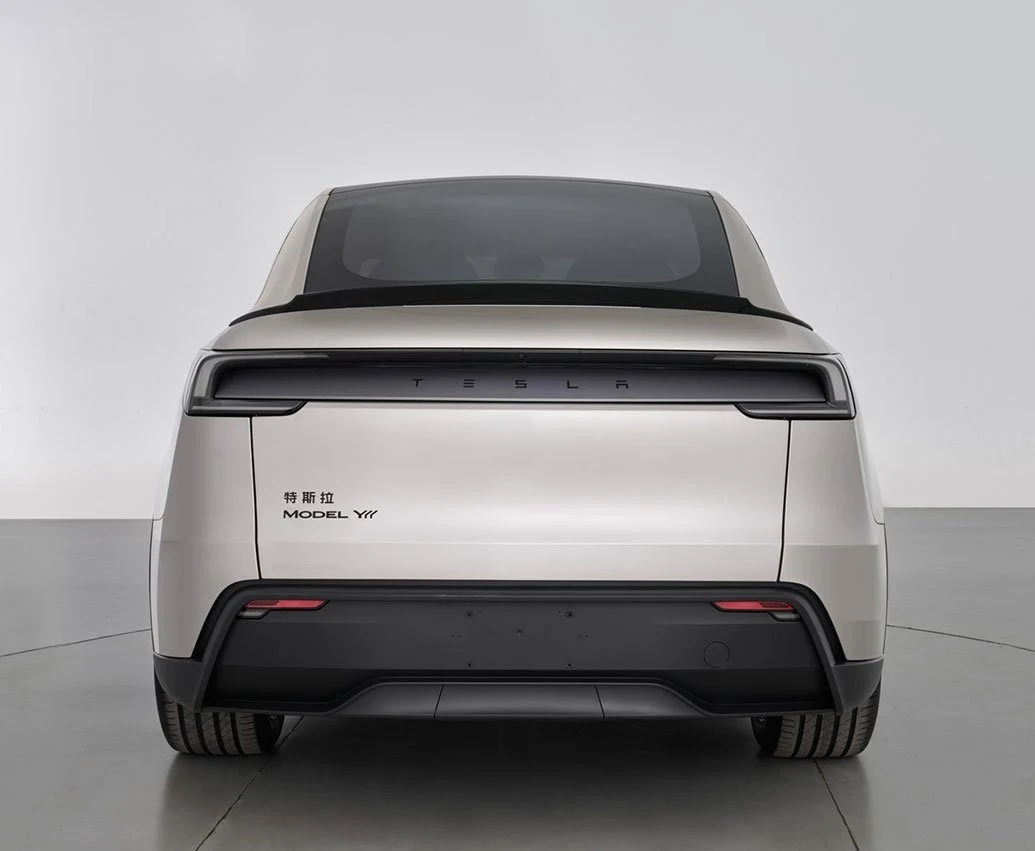
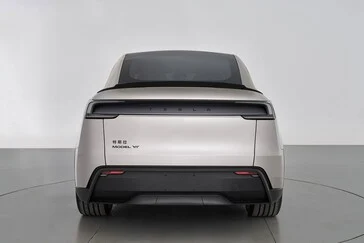
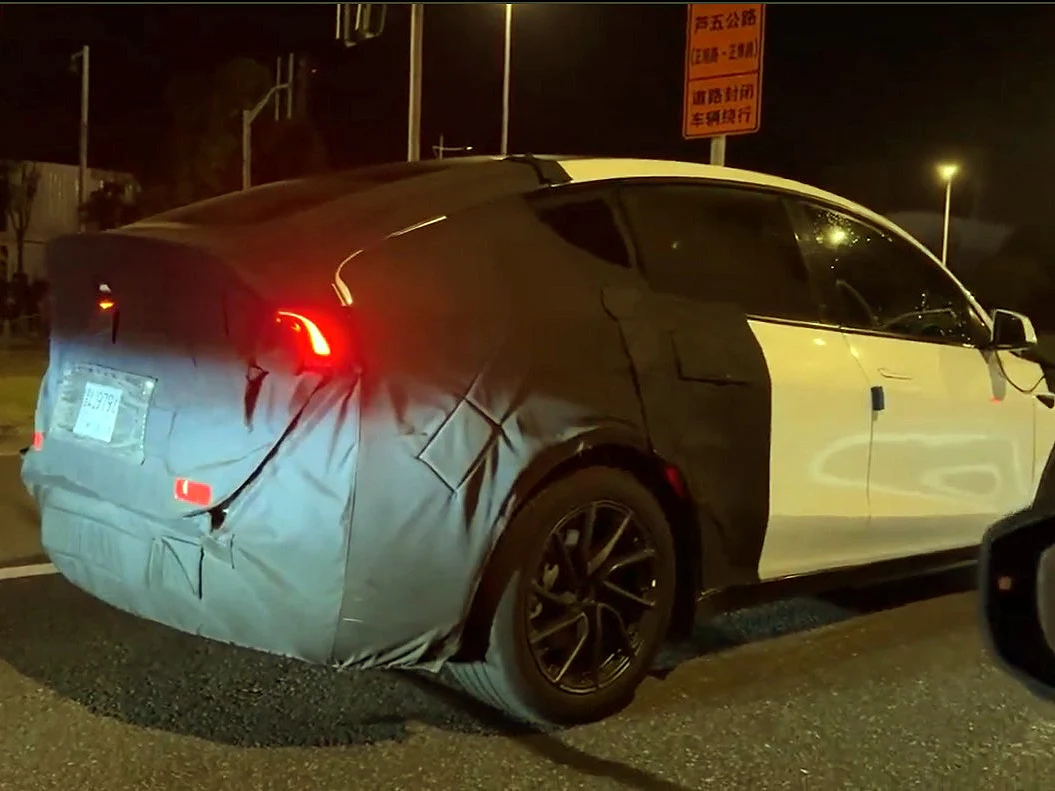
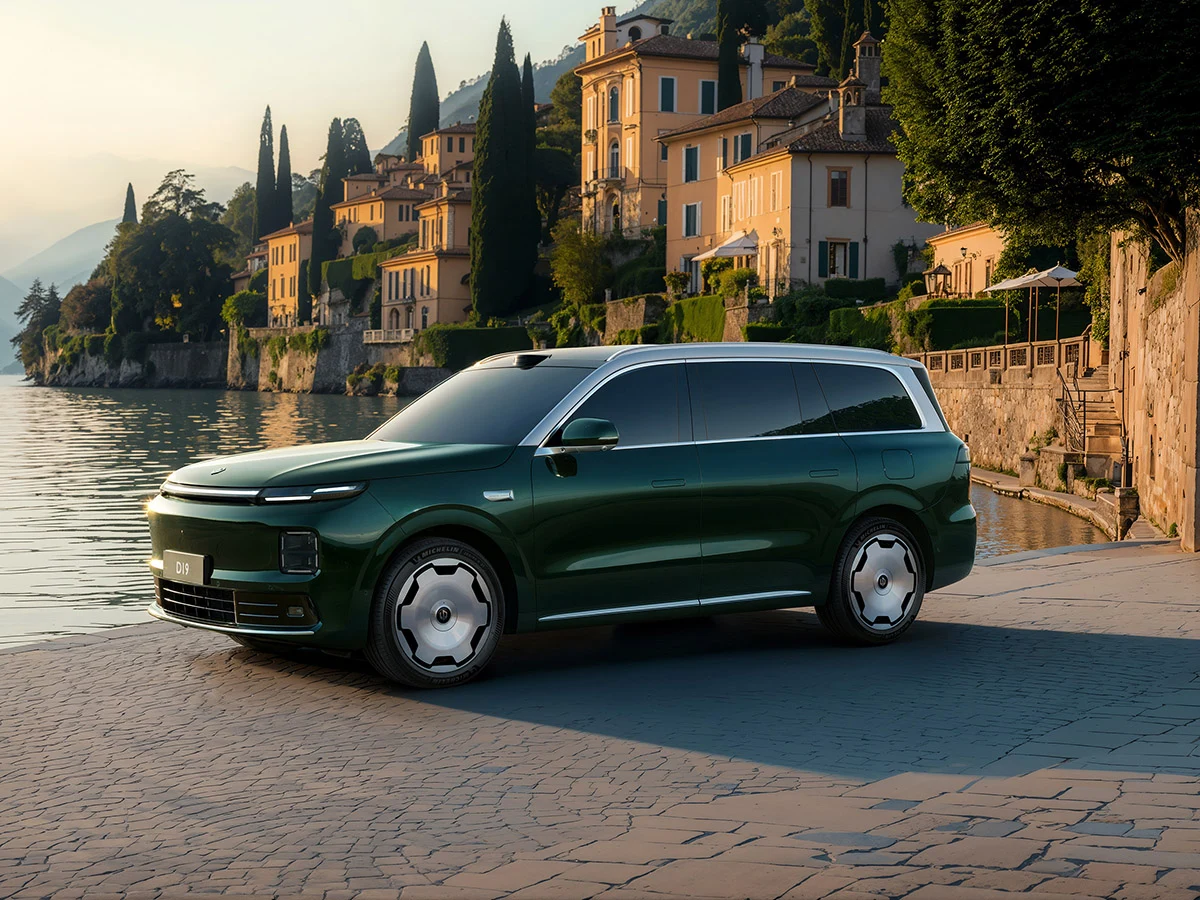
Leapmotor, a leading car maker among “new energy” vehicle startups in China for the first half of this year, has introduced its first high-end model, the D19 SUV. This vehicle is set to go toe-to-toe with competitors like the Tesla Model Y L.
Sales Surge and New Model
The company, partly owned by Stellantis with a 20% share, saw its sales nearly double year-on-year in the first half of 2025. The new D19 is a key reason for this growth. The SUV is available in a fully electric variant featuring a 115 kWh hybrid LFP/nickel battery pack, alongside an extended-range model equipped with an 80 kWh battery and an internal combustion engine generator.
Competitive Pricing and Features
The Leapmotor D19 is projected to be priced about 10% lower than the Tesla Model Y L. It promises quicker charging times, a more spacious and bold design, and numerous premium amenities. Notably, it is the first SUV—electric or otherwise—to include an integrated oxygen generator.
While it may not be as advanced as the dual Qualcomm Snapdragon 8797 chips that deliver 1,280 TOPS AI computing for cabin control and self-driving features, or the 60-inch augmented reality heads-up display, the oxygen generator on the D19 offers a distinctive advantage. This feature can generate up to 8 liters of oxygen per hour, similar to the P8 portable generator found on Amazon. It could be really useful during long family drives in high altitudes, especially on trips to the Tibetan Plateau, which is becoming a popular vacation spot.
Addressing Altitude Challenges
The Tibetan Plateau, averaging an altitude of 4,500 meters (2.8 miles), often causes altitude sickness for unaccustomed visitors. For example, the Tibetan railways activate a diffused oxygen supply via a generator when their trains reach specific heights, enhancing cabin air with up to 23% oxygen. Those journeying in a Leapmotor D19 can enjoy the same comfort from their SUV.
This scenario illustrates the fierce competition in the automotive sector in China, which is home to numerous electric vehicle startups producing a vast array of models. These companies must not only offer great value for their prices but also increasingly need to differentiate themselves with innovative technologies and unique features like the D19’s oxygen generator.
Source:
Link