Category: EV vehicles

  • Tesla Model Y Standard: Affordable SUV with Shorter Range & Fabric Seats

    Tesla Model Y Standard: Affordable SUV with Shorter Range & Fabric Seats

    Key Takeaways

    1. Tesla has shifted its focus from the budget-friendly Model 2 to the more affordable Model Y Standard SUV.
    2. The Model Y Standard features downgraded specifications, including reduced range and a weaker motor compared to the Long-Range RWD Model Y.
    3. The pricing challenge arises as the Standard trim is only $5,000 less than the Long-Range version, making it less attractive to buyers.
    4. Many features common in previous Tesla models have been removed, resulting in a more basic interior and manual adjustments.
    5. Deliveries of the Model Y Standard are delayed until December 2025 to January 2026, raising doubts about its market success despite its under $40,000 price point.


    The much-anticipated budget-friendly Tesla Model 2, initially thought to resemble a smaller Model Y, has transformed into a self-driving Cybercab. Instead, Tesla has opted to launch its most affordable SUV yet, named the Model Y Standard.

    Changes and Specifications

    In the quest to lower production costs, Tesla has cut or downgraded numerous specs, features, and design options in the Model Y Standard. The success of this model in the market will depend largely on its pricing and the promotional offers Tesla introduces.

    Sadly, the Model Y Standard cannot be priced lower than the previous base RWD trim, even with the federal tax credit discount. This was somewhat anticipated, especially since just a week ago, buyers could obtain the Long-Range RWD Model Y for $44,990, which included the $7,500 federal tax credit applied at the time of purchase.

    Pricing Challenges

    The Standard trim, priced only $5,000 less than the Long-Range RWD Model Y, might struggle to attract buyers due to the lack of features and downgraded specifications. As was rumored, the Model Y Standard presents a significantly reduced range on a full charge and has a less powerful motor. It boasts a range of 321 miles, which falls well short of the Long-Range RWD Model Y’s impressive 357 miles, suggesting that Tesla has indeed cut back on battery capacity. In fact, even the Model Y AWD now offers a longer range compared to the Standard trim.

    In addition to a smaller and more affordable battery, the Model Y Standard features a weaker motor, as evidenced by its 0-60 mph acceleration time of 6.8 seconds, compared to the 5.4 seconds of the Long-Range RWD Model Y.

    Feature Reductions

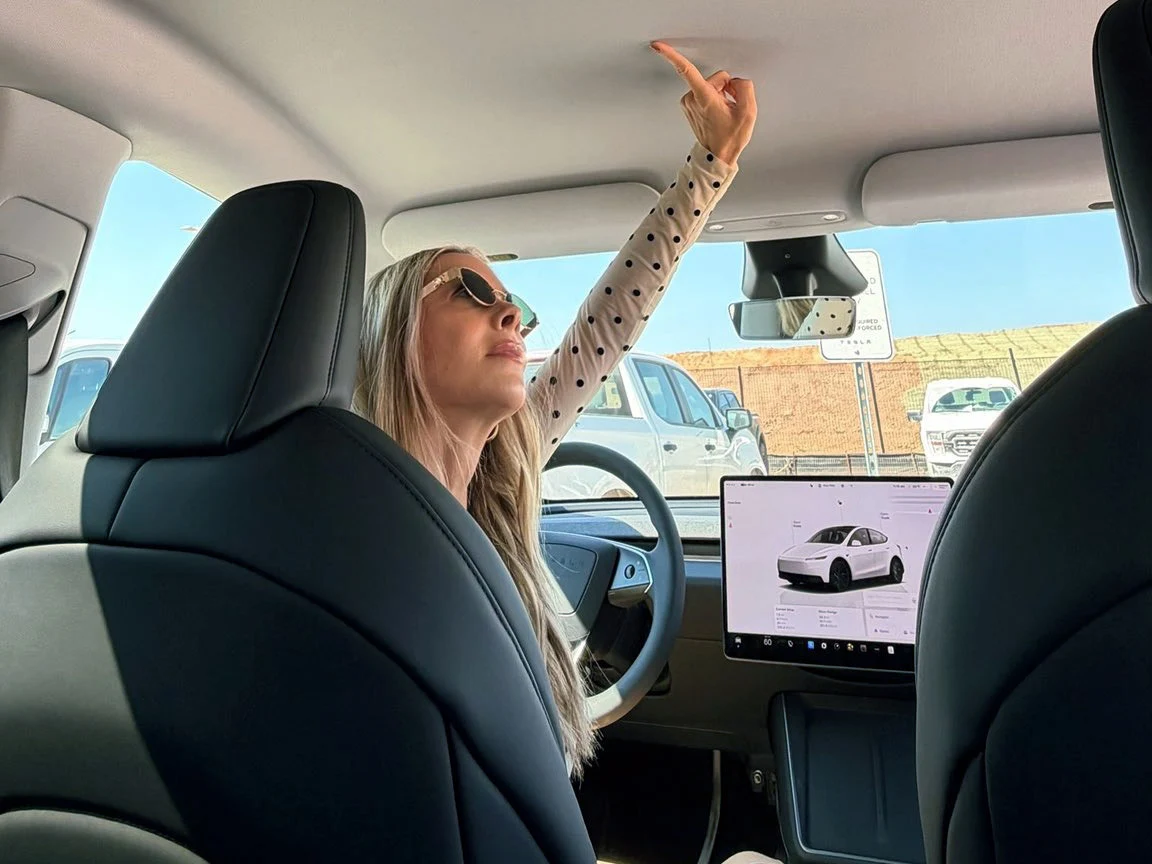
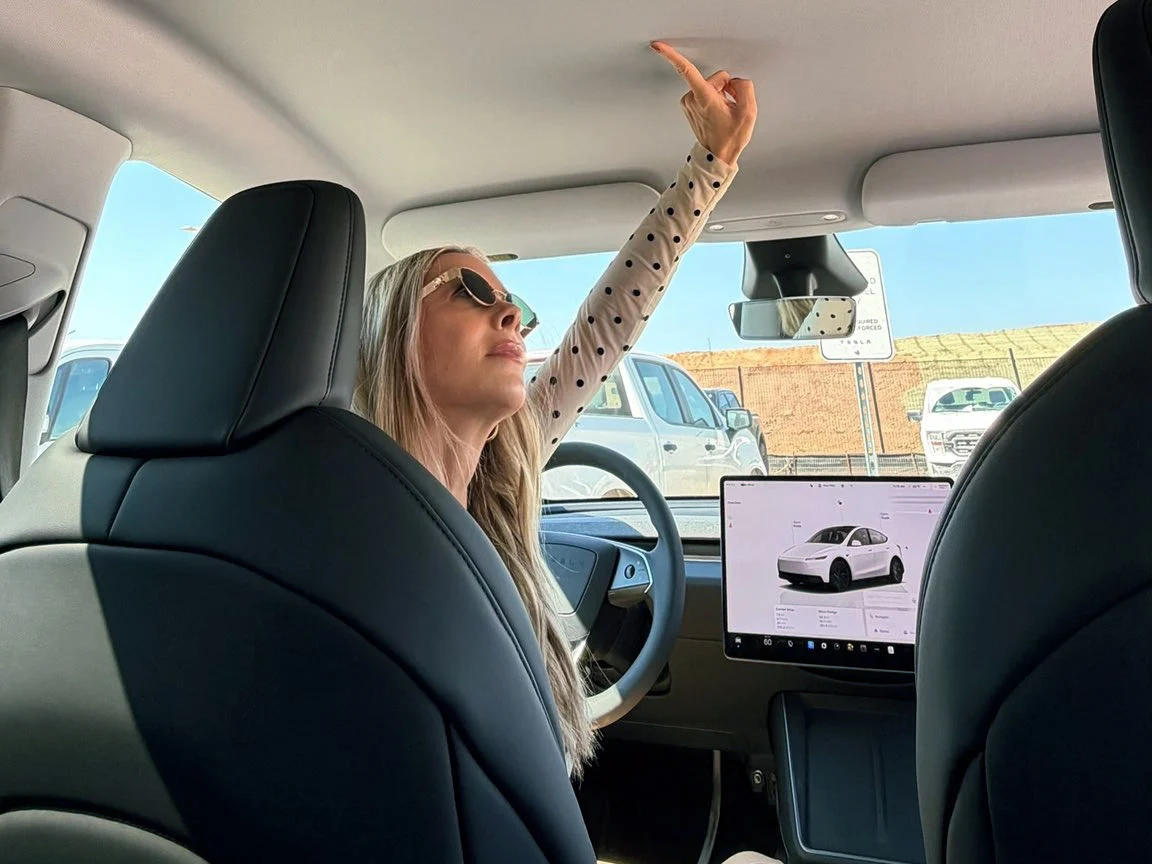
    The Model Y Standard is missing many features that have been standard in Tesla’s popular SUV for years. All folding mechanisms, from the side mirrors and steering wheel to the rear seats, are now manual, and the interior design appears quite basic.

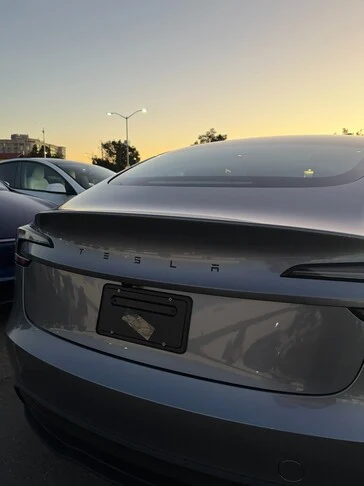
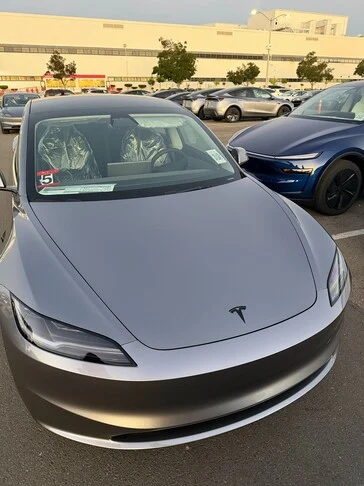
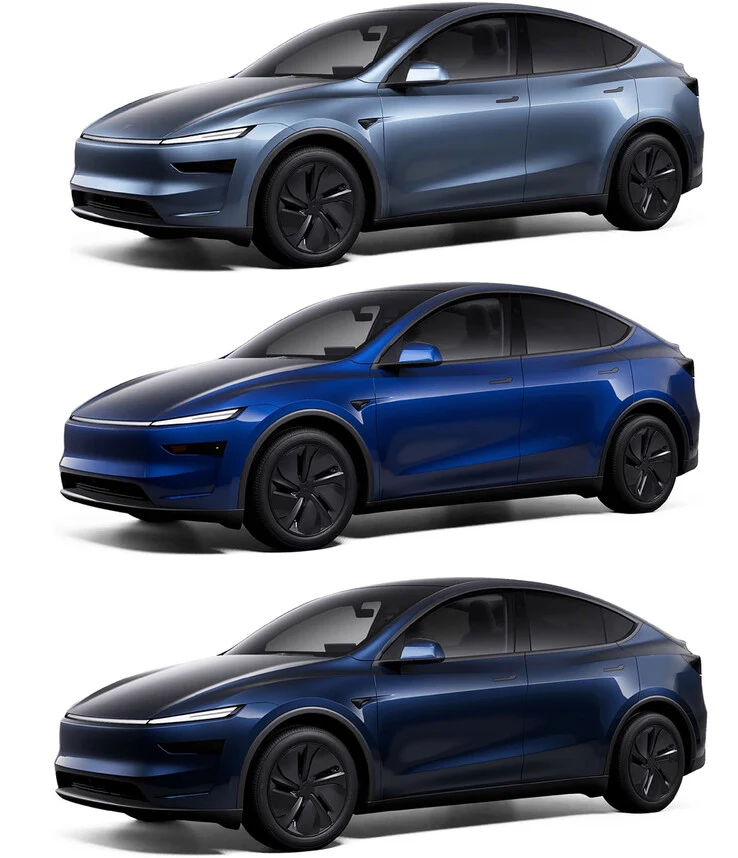
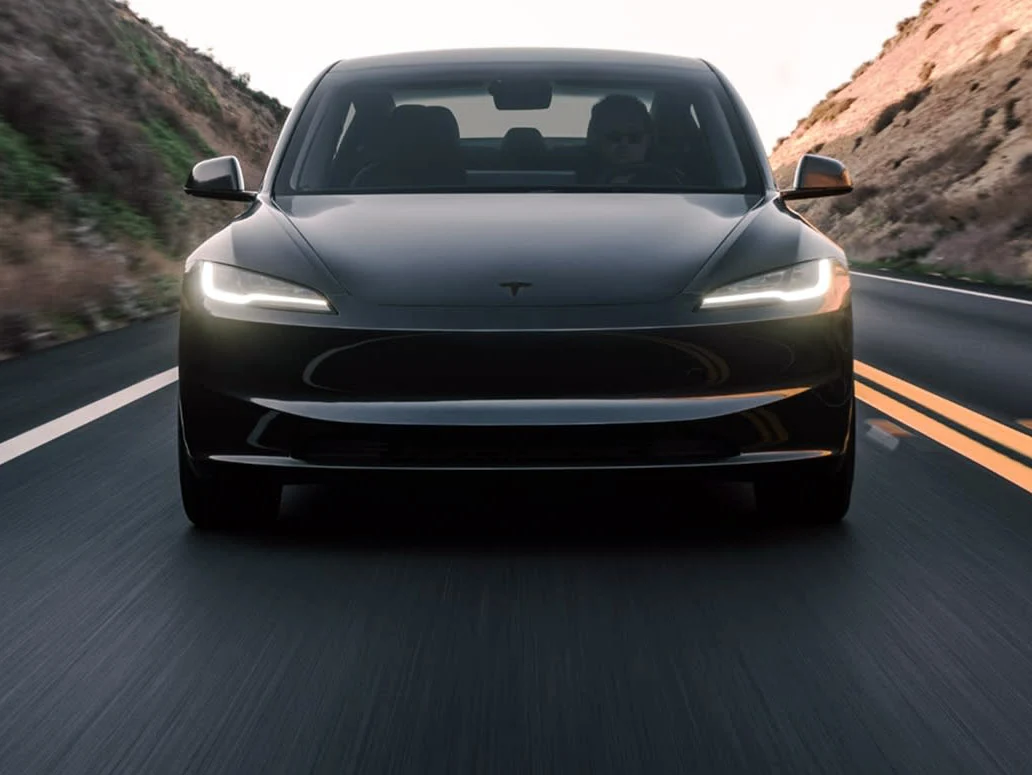
    This model includes textile seats, with only the front ones heated. On the exterior, Tesla has replaced the front light bar with single-piece headlights, giving it a unique appearance, especially when coupled with the new 18-inch Aperture wheels that look less premium.

    To make matters worse, Tesla won’t be launching the Model Y Standard immediately as they typically do after announcements. This could explain why the Model Y Standard was quietly released, with actual deliveries scheduled for December 2025 to January 2026.

    In conclusion, it remains uncertain whether the Model Y Standard can succeed with just a $5,000 price difference compared to the Long-Range RWD version, given its numerous specifications and features that fall short. However, Tesla can still market it as the first SUV under $40,000, especially now that the tax credit is no longer applicable.

    Source:
    Link


  • Tesla Model 3 Standard Price Drops $6,000 with FSD 14 Hardware

    Tesla Model 3 Standard Price Drops $6,000 with FSD 14 Hardware

    Key Takeaways

    1. Tesla unveiled the budget-friendly Model 3 Standard alongside the anticipated Model Y Standard, surprising enthusiasts.
    2. The Model 3 Standard has a range of 321 miles and a 69 kWh battery, making it the most affordable Tesla vehicle.
    3. Premium Model 3 trims offer better features, including faster acceleration and additional comfort options, for a higher price.
    4. The Model 3 Standard includes unique specifications like dual-tone textile seats, heated front seats, and no physical buttons for seat adjustments.
    5. Deliveries of the Model 3 Standard are expected between December 2025 and January 2026, potentially affecting Tesla’s Q4 financial results.


    While all the Tesla enthusiasts in the US eagerly anticipated the budget-friendly Model Y Standard, the company surprised everyone by also unveiling a Model 3 Standard.

    Affordable Price and Range

    This most affordable Tesla vehicle shares the same 321-mile range as the Model Y Standard, powered by a 69 kWh battery. However, when compared to the more premium Model 3 trims—now labeled as Premium—the drop in range is even more significant.

    Premium Features

    For example, the Premium Model 3 RWD, which is $6,000 pricier, offers a range of 367 miles, quicker acceleration, ventilated leather seats, and a wider selection of colors to pick from.

    The pricing for the 2026 Model 3 Standard is only $3,000 lower than the new Model Y Standard SUV, reflecting Tesla’s ongoing efforts to cut production costs in a similar fashion.

    Unique Specifications

    It’s important to note that the Model 3 Standard isn’t the same as the cloth-seated version already available in Mexico; it has not simply been transferred across the border for the US market. Instead, it features dual-tone textile seats with vegan leather highlights. The front seats are heated, and the steering wheel is manually adjustable. The front row seats can be adjusted through the touchscreen, as there are no physical buttons for this purpose.

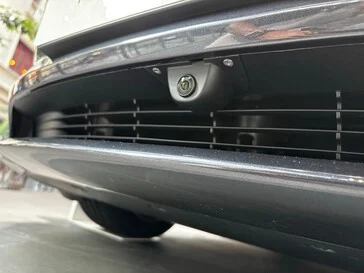
    The rear seats and mirrors also fold manually, but it does come with a panoramic glass roof, which is not available on the Model Y Standard. Every new Model 3 now includes a front bumper camera and washer, even in the base Standard trim, which will be ready for FSD 14 off the assembly line. Although it lacks a HEPA filter and matrix LED headlights, Tesla has still managed to equip the Model 3 Standard with adaptive high beams.

    Exterior Options

    On the outside, the Standard trim is fitted with basic 18-inch Prismata wheels in Stealth Grey, while the 19-inch Nova Wheels and colors like Pearl White Multi-coat and Diamond Black are offered as extra-cost options.

    Similar to the Model Y Standard, the most affordable Model 3 trim won’t launch immediately. Tesla has projected that the first deliveries will occur between December 2025 and January 2026.

    This delay means that nearly the entire quarter will pass without revenue from Tesla’s least expensive sedan and SUV, possibly impacting its Q4 financial results. Nevertheless, the Model 3 Standard appears to offer slightly better value compared to the Model Y Standard, as it comes with fewer missing features and a larger price gap from the next RWD trim.

    Source:
    Link


  • Tesla FSD 14 Launches for HW4: Sloth Mode & Parking Selection

    Tesla FSD 14 Launches for HW4: Sloth Mode & Parking Selection

    Key Takeaways

    1. Tesla has released Full Self-Driving (FSD) version 14.1 as part of the 2025.32.8.5 software update, available soon for early testers and select customers.

    2. FSD 14 is only compatible with newer Tesla models using the HW4 camera and computer system, facing challenges integrating FSD 13 into older HW3.0 vehicles.

    3. This update offers significant improvements, including six times the parameter count of FSD 13, resulting in smoother performance and a new safety-focused Sloth driving mode.

    4. New features include the ability to select parking spots at the end of a journey, with a “sentient” driving experience expected in the upcoming FSD 14.2 version.

    5. Many of the updates in FSD 14.1 are bug fixes and enhancements addressing past performance issues, alongside the eagerly awaited new functionalities.


    Tesla has begun releasing its next Full Self-Driving (Supervised) version 14.1, which is integrated into the new 2025.32.8.5 software update. Early access testers and certain customers are expected to receive it soon.

    Compatibility Issues

    Sadly, FSD 14 is designed exclusively for newer Tesla models equipped with the HW4 camera and computer system. Tesla is struggling to integrate even the previous FSD 13 into older Hardware 3.0 vehicles.

    Enhanced Driving Experience

    Nonetheless, FSD 14 represents a significant advancement in self-driving technology, boasting six times the parameter count compared to FSD 13, according to Elon Musk. In actual use, users can expect smoother performance and a new Sloth driving mode that prioritizes safety over speed, even more so than the Chill mode. The update also highlights the ability to select a parking spot at the end of a journey, while Musk’s anticipated “sentient” driving experience will reportedly be featured in the forthcoming FSD 14.2 version.

    Features to Anticipate

    The anticipated “sentience” of FSD is among the planned enhancements, alongside the new features for autonomous parking spot selection that are currently available only as options at the end of a trip. These are the functionalities that users are eagerly awaiting, while many of the other new features in FSD 14.1 appear to be primarily bug fixes and enhancements addressing situations where FSD has previously underperformed.

    Source:
    Link


  • BYD Solid-State Battery: 932-Mile Range & 12-Minute Charge Target

    BYD Solid-State Battery: 932-Mile Range & 12-Minute Charge Target

    Key Takeaways

    1. BYD has been developing solid-state batteries for over ten years, aiming for demonstration vehicles by 2027 and full-scale production by 2030.
    2. Unofficial test data suggests these batteries may achieve an energy density of 400 Wh/kg, allowing for driving ranges of up to 932 miles and rapid charging in twelve minutes.
    3. Solid-state batteries use a solid electrolyte, enhancing energy density, charging speed, and safety compared to traditional liquid electrolyte batteries.
    4. BYD is actively testing solid-state batteries in models like the Seal, with energy densities that could nearly double current battery capacities.
    5. While ambitious claims about range and charging speed remain uncertain, BYD’s solid-state batteries could represent significant progress in electric vehicle technology if they achieve cost parity with existing lithium-ion batteries.


    Chinese electric car maker BYD has been focused on creating solid-state batteries for over ten years. They aim to introduce the first demonstration vehicles featuring this technology in 2027, with plans for full-scale production by 2030.

    Promising Test Results

    The Driven has shared some unofficial test data suggesting that these solid-state batteries might achieve an energy density of about 400 Wh/kg. This could allow for driving ranges of up to 932 miles (or 1,500 kilometers) and a quick charging time of just twelve minutes.

    Solid-state batteries are seen as the future of energy storage. They use a solid electrolyte instead of the usual liquid, which leads to higher energy density, quicker charging, and better safety. The solid electrolytes help to stop leaks or evaporation of liquids, lowering the chance of thermal runaway and fire risks. Electrek mentions that BYD was already trialing prototype cells with capacities of 20 Ah and 60 Ah back in 2024.

    Testing in Progress

    Furthermore, The Driven indicates that BYD has fitted test vehicles, such as the Seal model, with these solid-state batteries. These batteries reportedly achieve energy densities of 400 Wh/kg. For context, typical lithium iron phosphate (LFP) batteries have energy densities of around 160–180 Wh/kg, while standard nickel manganese cobalt (NMC) cells range from about 220–260 Wh/kg, and advanced NMC types can reach up to 300 Wh/kg. Achieving an energy density of 400 Wh/kg would nearly double the capacity per kilogram, allowing for significantly greater ranges without increasing vehicle weight.

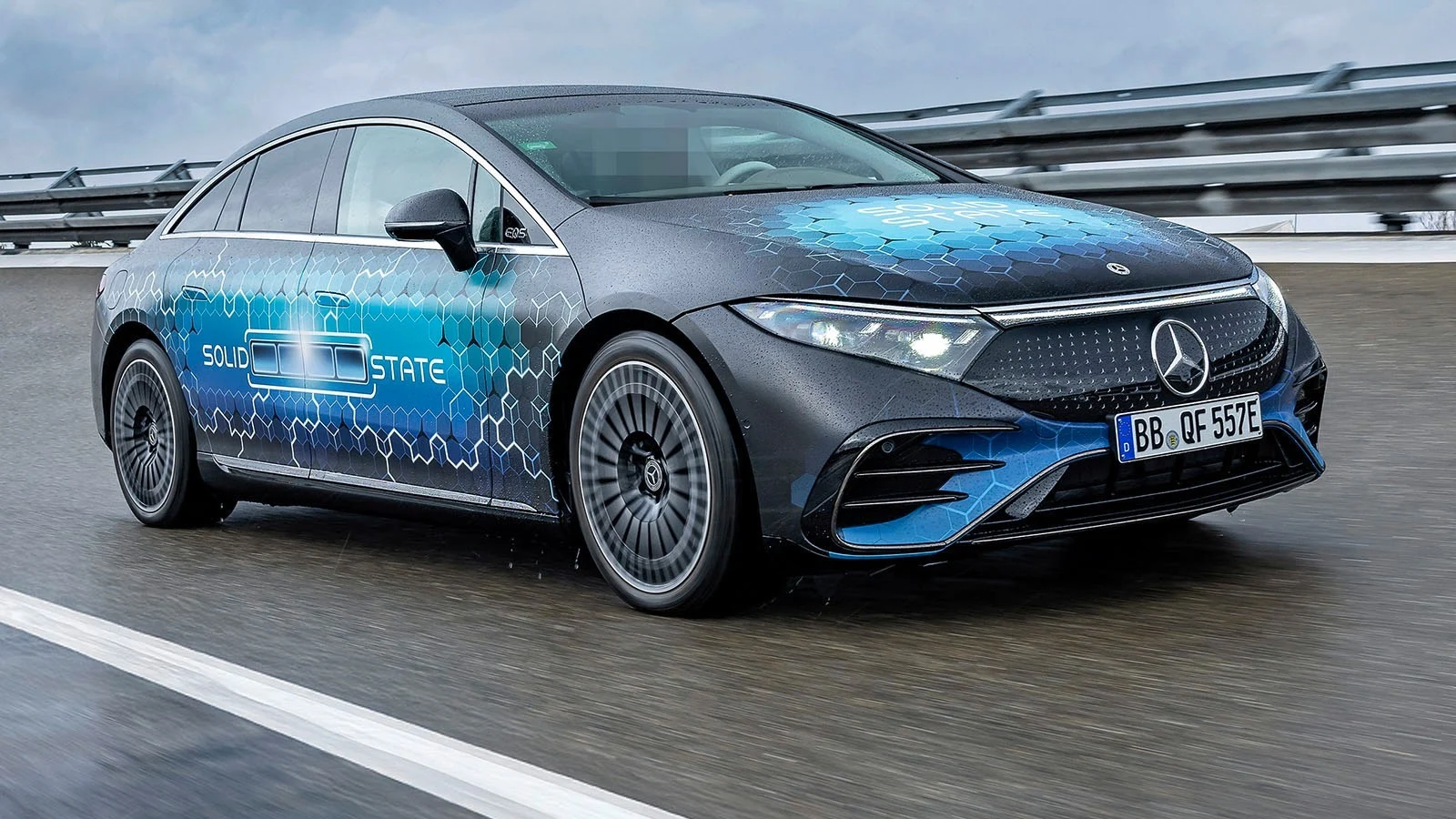
    Other European car makers, like Mercedes and BMW, are also testing solid-state batteries. Mercedes is collaborating with companies like ProLogium, while BMW is working on its own prototypes alongside Solid Power. BYD may have an advantage in bringing this technology to market due to its strong integration of research, production, and vehicle manufacturing.

    Future Uncertain

    It remains unclear if the lofty claims of reaching 932 miles (1,500 kilometers) in range and charging in just twelve minutes will be realized. Even if the actual performance falls short, BYD’s solid-state batteries could still signify a major leap forward for electric mobility, particularly if they can achieve cost parity with the current lithium-ion batteries.

    Source:
    Link


  • Budget Tesla Model Y Standard: Lower Battery and Motor Specs

    Budget Tesla Model Y Standard: Lower Battery and Motor Specs

    Key Takeaways

    1. Tesla is launching a Model Y Standard trim, which will be the most affordable option.
    2. To lower the price, features like the front light bar, metal roof, fabric seats, and manual controls will be included.
    3. There are concerns about reduced range and performance due to cost-cutting measures in the battery pack and motor.
    4. The anticipated $5,000 price difference from the current lowest-priced Model Y might not attract buyers if performance is compromised.
    5. Previous experiences, like the discontinuation of the bare-bones Cybertruck RWD trim, suggest that minimal features may not appeal to consumers.


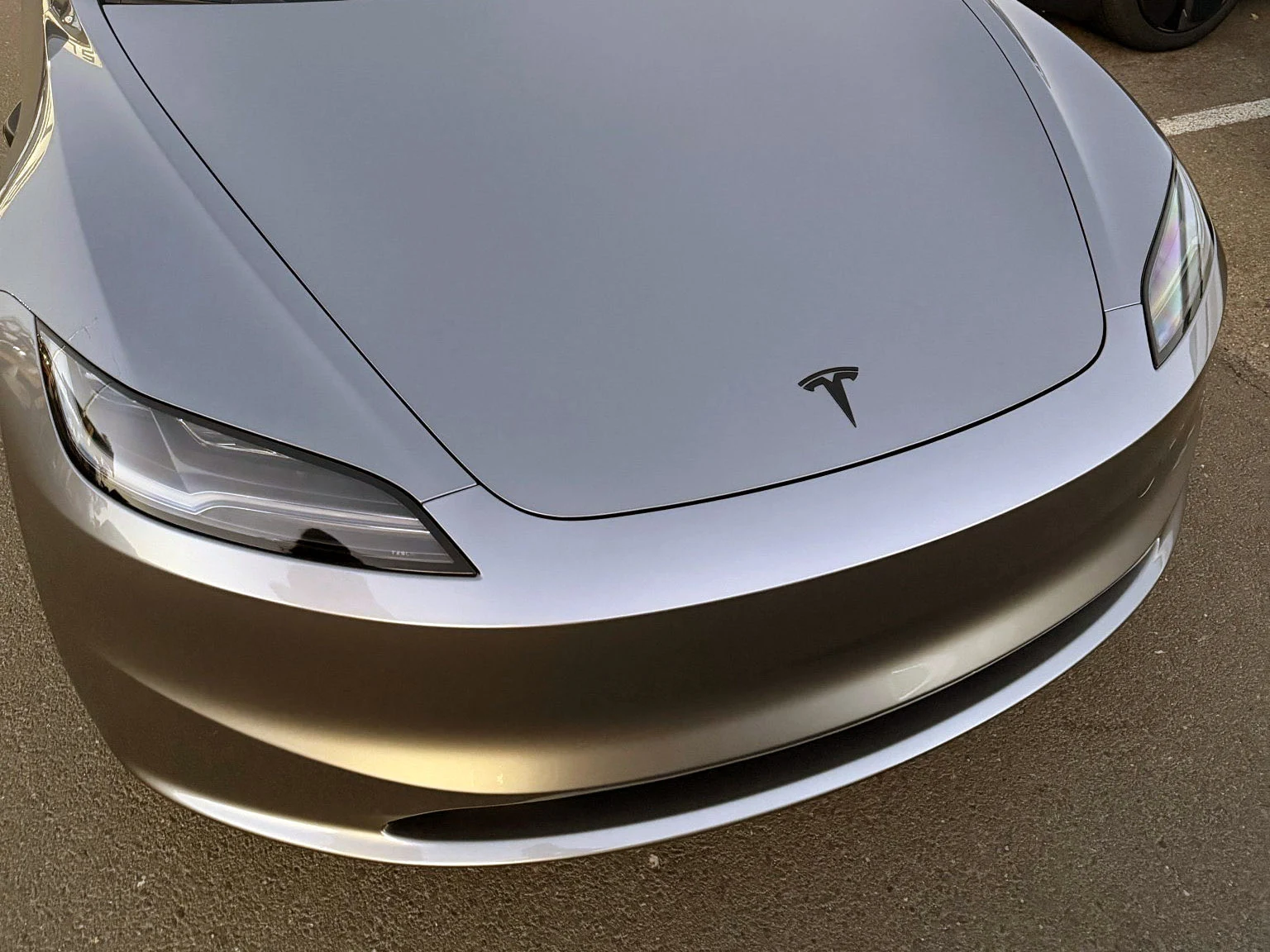
    Tesla is preparing to launch a Model Y Standard trim, which will be the most affordable option. Over the weekend, they gave a sneak peek of the vehicle, showing its hood without a front light bar.

    Changes to Features

    To achieve a lower price, not only the light bar will be eliminated. The Model Y Standard is expected to feature a basic metal roof, fabric seats, and manual controls for items like folding mirrors, rear seats, and the steering wheel.

    The absence of other interior features, such as storage in the console or hooks for clothing, might not be a major issue, depending on the final price Tesla sets for the Model Y Standard. Some sources from within the company have indicated that the cuts to specifications might be more significant than many initially believed.

    Suspension and Performance Concerns

    While it’s been rumored for some time that the suspension could be less capable, Bloomberg has now reported that “Tesla managed to engineer cost out of the Model Y [Standard] in part by focusing on the battery pack and motor.”

    This raises concerns that there could be a decrease in range or horsepower for the Model Y Standard, or possibly both. The current lowest-priced Model Y RWD starts at $44,990 and provides 357 miles of range, while the AWD variant only offers 30 miles less per charge.

    Pricing and Market Response

    Should Tesla introduce a Model Y Standard that is less powerful with a significantly reduced range, the anticipated $5,000 price difference compared to the RWD model might not be appealing for many buyers. For example, the RWD trim of the Cybertruck was quickly discontinued after Tesla recognized that a bare-bones version wasn’t attracting interest, even with its $10,000 lower price.

    Source:
    Link


  • SpaceX Wins $714 Million Pentagon Launch Contract, Outsmarts Rivals

    SpaceX Wins $714 Million Pentagon Launch Contract, Outsmarts Rivals

    Key Takeaways

    1. SpaceX won a $714 million contract from the Pentagon for launching missions until 2027.
    2. The company will conduct five out of seven major missions for the US Space Force’s NSSL Phase 3 initiative.
    3. SpaceX will manage three classified missions and launch the Boeing-made WGS-12 satellite.
    4. United Launch Alliance (ULA) received contracts for the remaining two missions, totaling $428 million.
    5. Elon Musk aims for SpaceX to handle over 95% of Earth’s payload weight in orbit once Starship is operational.


    Elon Musk’s SpaceX has emerged victorious in the competition for Pentagon contracts related to launching missions. The latest agreement is worth $714 million and is set to last until 2027.

    SpaceX’s Significant Role

    SpaceX received approval to carry out five out of seven major missions, supporting the US Space Force’s National Security Space Launch (NSSL) Phase 3 Lane 2 initiative. As per details shared by the US Space Systems Command, SpaceX will assist in placing classified payloads and communication satellites into orbit, enhancing the military’s capabilities in communication and surveillance, while also managing reconnaissance operations.

    Missions Undertaken

    SpaceX will manage three classified missions for the Space Force, specifically USSF-155, USSF-149, and USSF-63. Additionally, it will conduct the USF-206 flight, which aims to launch the Boeing-manufactured 12th Wideband Global Satcom (WGS-12) satellite. The contract also includes the NROL-86 reconnaissance mission for the National Reconnaissance Office (NRO).

    Competitors in the Field

    The remaining two missions were awarded to the United Launch Alliance (ULA), a collaboration between Boeing and Lockheed Martin, totaling $428 million. Jeff Bezos’ Blue Origin lost out because its New Glenn rocket does not have military certification.

    SpaceX has high hopes to further its dominance in the global rocket launch industry. Musk mentioned that the company could potentially handle over 95 percent of the total weight of Earth payloads launched into orbit once the Starship begins regular flights. This enormous multi-stage rocket is currently undergoing development and testing at Starbase in Texas.

    Elon Musk shared this update on X, Drive Tesla Canada.

    Source:
    Link


  • Tesla Sales in Germany Drop 9.4% While BYD Grows 20x

    Tesla Sales in Germany Drop 9.4% While BYD Grows 20x

    Key Takeaways

    1. Tesla experienced a 9.4% decline in new car registrations in Germany in September, with 3,404 units sold.
    2. The overall electric vehicle market in Germany grew by 31.9%, with battery-electric vehicle sales reaching 45,495 units.
    3. BYD, a Chinese electric vehicle manufacturer, registered 3,255 vehicles in September, increasing its sales significantly compared to last year.
    4. Tesla’s total sales in Germany dropped by 50.3% year-to-date, with only 14,845 units sold from January to September.
    5. Tesla is expected to announce plans for more affordable electric vehicles at an event on October 7, aiming to regain market competitiveness.


    Tesla saw a 9.4% decrease in new car registrations in Germany in September compared to the same month last year. Data from the German road traffic authority, KBA, shows that the American car maker had 3,404 new registrations during this period.

    Electric Vehicle Market Growth

    This decline happens even as the overall electric vehicle market in Germany continues to grow. The KBA reported a 31.9% year-on-year increase in battery-electric vehicle sales, reaching 45,495 units sold in September. Though Tesla’s figures have slowed down, rival models, especially those from Chinese companies, have experienced a rise in demand.

    Competition from BYD

    BYD, the biggest electric vehicle manufacturer in China, managed to register 3,255 new vehicles in September, marking an increase of over twenty times its sales from the previous year. Since January, BYD has sold 11,810 cars in Germany, significantly closing the gap with Tesla’s total for the year.

    Tesla’s Year-to-Date Sales

    From January to September, Tesla’s total sales in Germany dropped by 50.3% compared to last year. In the first nine months of this year, the company managed to sell only 14,845 units.

    Despite these challenges, Tesla has seen better results in other European markets. The launch of the refreshed Model Y has likely played a part in this upward trend.

    On a brighter note, the company recently shared a teaser video on X, hinting at an event on October 7. This event is expected to discuss plans for more affordable electric vehicles to help the company regain its market edge.

    KBA, Reuters.

    Source:
    Link


  • Dacia Unveils Affordable Hipster EV Under Half Tesla Model 3 Price

    Dacia Unveils Affordable Hipster EV Under Half Tesla Model 3 Price

    Key Takeaways

    1. Dacia’s Hipster Concept is a budget-friendly all-electric city car expected to be priced under €15,000, significantly lower than Tesla’s entry-level Model 3.
    2. The compact car measures three meters long, weighs less than 800 kg, and offers a maximum speed of 90 km/h with an approximate range of 150 km on a single charge.
    3. The design prioritizes simplicity and cost-effectiveness, featuring basic materials like canvas seats and manual windows to keep production costs low.
    4. Production of the Hipster is contingent on EU approval for a new vehicle category for lightweight cars, which Dacia is prepared to pursue.
    5. The introduction of the Hipster could help counter the rise of low-cost Chinese electric vehicles and promote affordable electric transportation in Europe.


    Renault’s budget brand Dacia has unveiled the Hipster Concept, a compact all-electric city car aimed at being budget-friendly. Anticipated to be priced under €15,000, it would be less than half the cost of Tesla’s entry-level Model 3 RWD. Currently, the standard trim of the Tesla Model 3 sells for around €40,000 in Denmark, which is Europe’s cheapest market for Tesla.

    Design and Specifications

    The Hipster is designed with simplicity and cost-effectiveness in mind. It is shorter and lighter than many city cars available today, measuring only three meters long and weighing less than 800 kg. According to a report from Reuters, this electric mini car is projected to achieve a maximum speed of about 90 km/h and travel roughly 150 km on a single charge. This range is suitable for usual city driving, which averages around 40 km daily, based on Dacia’s research.

    To keep the production expenses minimal, the prototype includes features like canvas seats, manual windows, basic electronics, and door straps instead of conventional handles.

    Production Prospects

    Unveiled on October 10, the Hipster could begin production if the European Union grants approval for a new vehicle category for lightweight cars. Dacia’s CEO Katrin Adt, who previously worked at Mercedes-Benz, characterized the concept as a vision for “local, affordable, and everyday mobility.” She mentioned that Dacia is prepared to move forward once they receive EU clearance.

    Industry Impact

    Other leaders in the EV sector, such as Renault and Stellantis, have also been calling on the EU to establish a light vehicle classification similar to Japan’s Kei cars. If this is eventually accepted, it will streamline safety regulations for smaller electric vehicles, allowing manufacturers to lower costs and make EVs more affordable.

    If approved, the Hipster could be manufactured in Europe, which would help combat the increasing influx of low-cost Chinese electric vehicles in the market. While Tesla maintains its lead in the higher-end segments, brands like Dacia are gearing up to spearhead the next wave of affordable, compact electric transportation in Europe.

    Dacia, Reuters’

    Source:
    Link


  • Tesla Model Y Standard Price and Specs Revealed Before Launch

    Tesla Model Y Standard Price and Specs Revealed Before Launch

    Key Takeaways

    1. Elon Musk revealed that the upcoming budget-friendly Tesla is a simplified version of the Model Y, possibly named Model Y Standard.
    2. The Model Y Standard is expected to be priced at $39,990, but this may be a placeholder as it lacks several premium features found in the current Model Y.
    3. Key specifications removed from the Model Y Standard include a hood light bar, glass roof, electric folding mirrors, and upgraded interior features.
    4. Tesla’s strategy of offering simplified models has had mixed results, as seen with the Cybertruck RWD trim that failed to attract buyers despite a lower price.
    5. To increase demand for the Model Y Standard, Tesla may need to lower the price to around $35,000 to offset the loss of tax credits and boost Q4 sales.


    At the recent quarterly earnings call, Elon Musk let slip that the much-anticipated budget-friendly Tesla is actually “a Model Y, let the cat out of the bag there.” He did, however, emphasize that this version is still a “singing and dancing” Model Y, packed with all the features that its avid followers have come to expect.

    Leaked Specifications

    The less expensive Model Y has seemingly been unveiled in the website’s code just prior to the teased release on October 7, showcasing much of its specifications and price details.

    This new, affordable Model Y is likely going to be named Model Y Standard, which means that social media debates could easily abbreviate it as Model Y S. This name would fit neatly just under the existing Model Y trim levels available in the US, as well as the larger six-seater Model Y L that is offered in China.

    Pricing Insights

    The advertised price of the Model Y Standard is set at $39,990, although this figure might just be a placeholder, considering that the current cheapest RWD version costs around $5,000 more. With several design features and interior options stripped away from the Model Y Standard, it’s uncertain whether it will see significant demand if Tesla sticks to a $40,000 price tag.

    Notably, this version lacks a hood light bar, glass roof, and electric folding mirrors, and the suspension system has been downgraded. Inside, Tesla has opted for a basic interior with textile seats, manual rear seating, a standard steering wheel, and air vents, while the HEPA filter has been exchanged for a less expensive particulate filter. There are no rear screens or central console storage, and even the clothing hooks have been removed. However, the matrix headlights, which enable automatic high beams, and the front bumper camera for FSD 14 are still included.

    Market Strategy

    Tesla has already been delivering such simplified models in other countries like Mexico, and they made a similar decision with the Cybertruck RWD trim in the US. Unfortunately, despite being priced $10,000 lower, the Cybertruck’s cloth seats and absence of air suspension didn’t appeal to many buyers, leading to its quiet phase-out.

    To make the Model Y Standard appealing, Tesla will need to set its price at least $7,500 lower, the amount of the lost tax credit, aiming for around the $35,000 range if they want to boost sales numbers for Q4.

    Source:
    Link


  • Tesla Launches Costly Model 3 Turn Signal Stalk Retrofit for Highland

    Tesla Launches Costly Model 3 Turn Signal Stalk Retrofit for Highland

    Key Takeaways

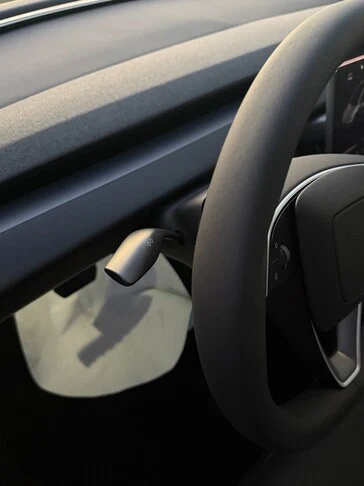
    1. Tesla has updated the Model 3 with a bigger battery, front bumper camera, and a more common turn signal stalk for regions like Europe.
    2. Older Model 3 owners can retrofit their vehicles with the new turn signal stalk for approximately $770 in Europe and $350 in China.
    3. The design change replaced traditional turn signal levers with controls on the steering wheel, leading to customer complaints and regulatory issues, especially in Europe.
    4. The retrofit option is available for all 2023-2025 Model 3 vehicles in Europe, while in China, it is limited to models made after February 7, 2025.
    5. The new turn signal stalk is only for signaling turns and does not control other functions like high beams or windshield wipers, which remain managed by buttons.


    Tesla has made some updates to the Model 3, which now comes with a bigger battery, a camera on the front bumper, and a turn signal stalk that is becoming more common in regions like Europe. For those who own older versions of the Model 3, Tesla is providing a retrofit option for the turn signal stalk, priced at around $770 in that area.

    Changes in Design

    In the Model 3 Highland refresh, the traditional lever was replaced with turn signal controls on the steering wheel. Tesla marketed this change as a way to create a more simplistic interior, aiming to cut costs. However, customers missed the familiarity of the turn buttons, leading to complaints. Furthermore, this change caused regulatory issues, especially in Europe, where driving schools avoided Teslas for students, and officials hinted that the car’s safety ratings might be affected because of the absence of the turn signal lever.

    Reaction in Different Markets

    A similar situation unfolded in China, where Tesla brought back the turn stalk for the Model 3 during the summer. For those who had already purchased the refreshed Model 3, Tesla initiated a retrofit program. In China, the cost for the turn signal stalk assembly, which includes both the component and installation, is about $350. This makes the retrofit in Europe more than twice the cost, which is quite significant.

    In China, the retrofit for the signal lever can only be performed on Model 3 cars without steering stalks that were made after February 7, 2025. Conversely, in Europe, the new turn signal stalk retrofit is available for all 2023-2025 Model 3 vehicles lacking one, covering nearly all Highland refresh models sold in that market.

    How to Get the Retrofit

    The price for the Model 3 turn stalk retrofit includes both the parts and installation. Buyers just need to contact their nearest Tesla Service Center to set up an appointment. The lever appears to be similar to the one used in the 2026 Model Y Juniper refresh. It is designed solely for signaling left or right turns and does not control high beams or windshield wipers, which are still managed by buttons on the steering wheel or through various multifunction Model 3 stalks available on Amazon at a much lower price than Tesla’s official but rather basic retrofit.

    Source:
    Link