Category: EV vehicles

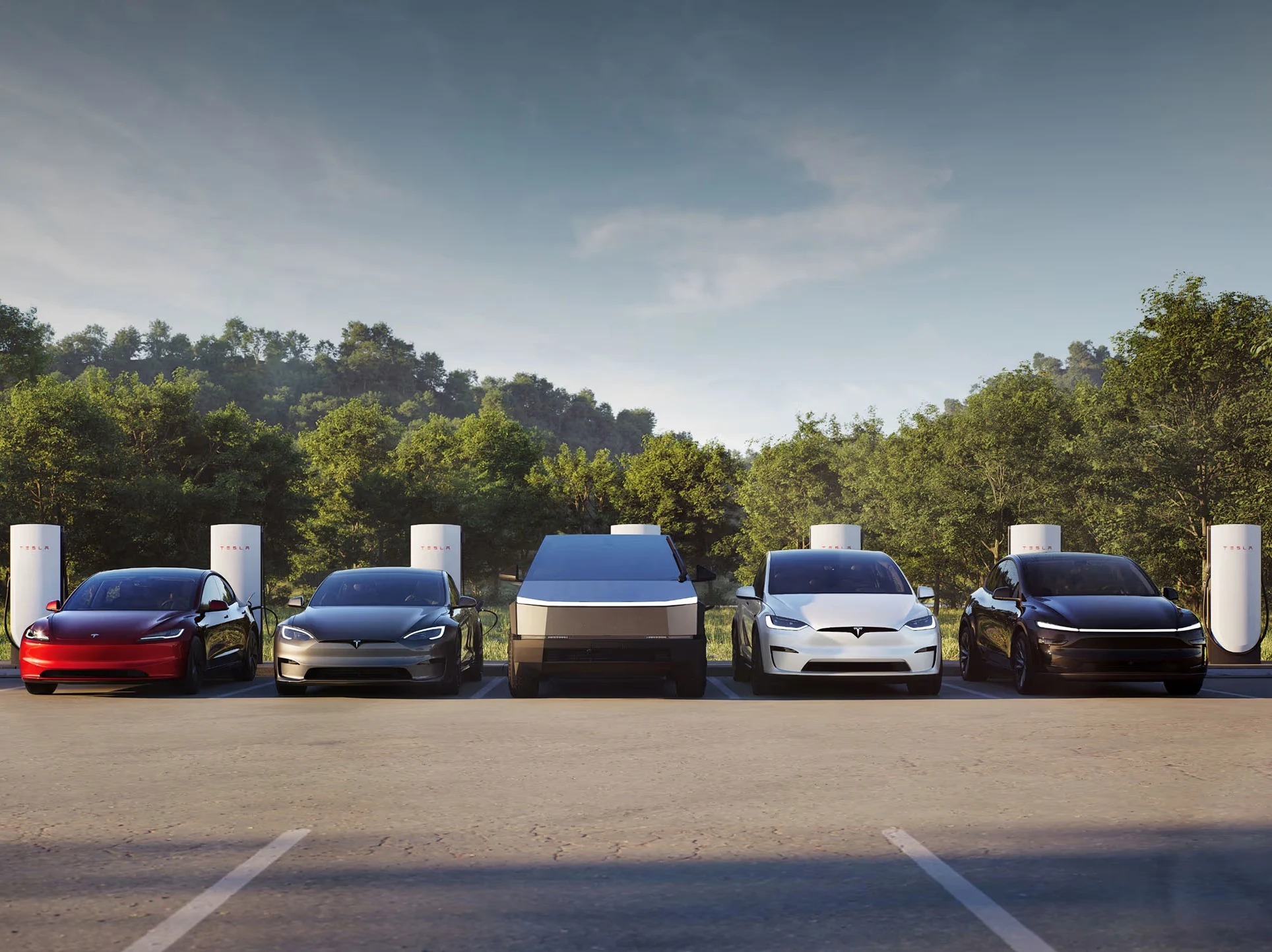
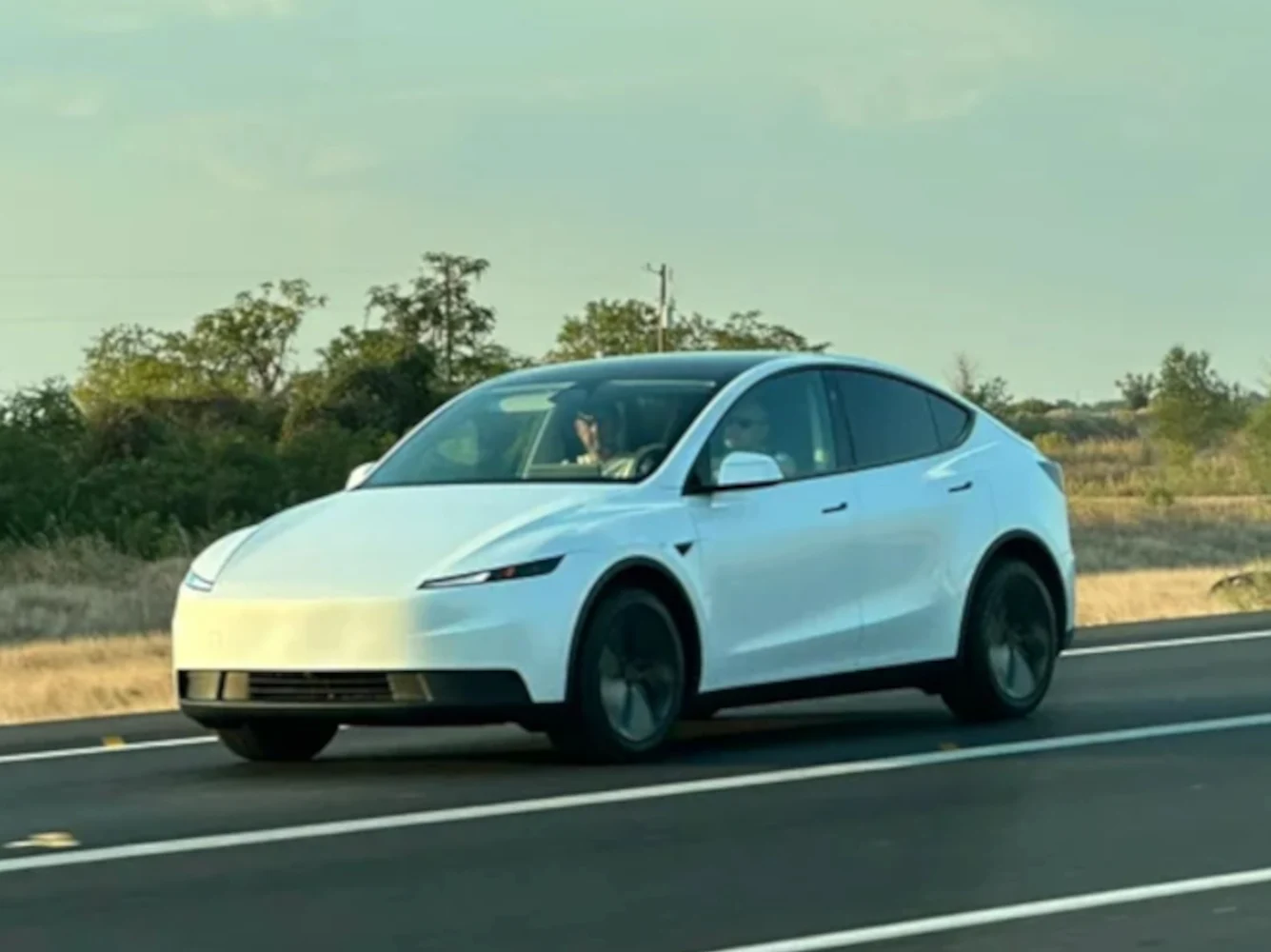
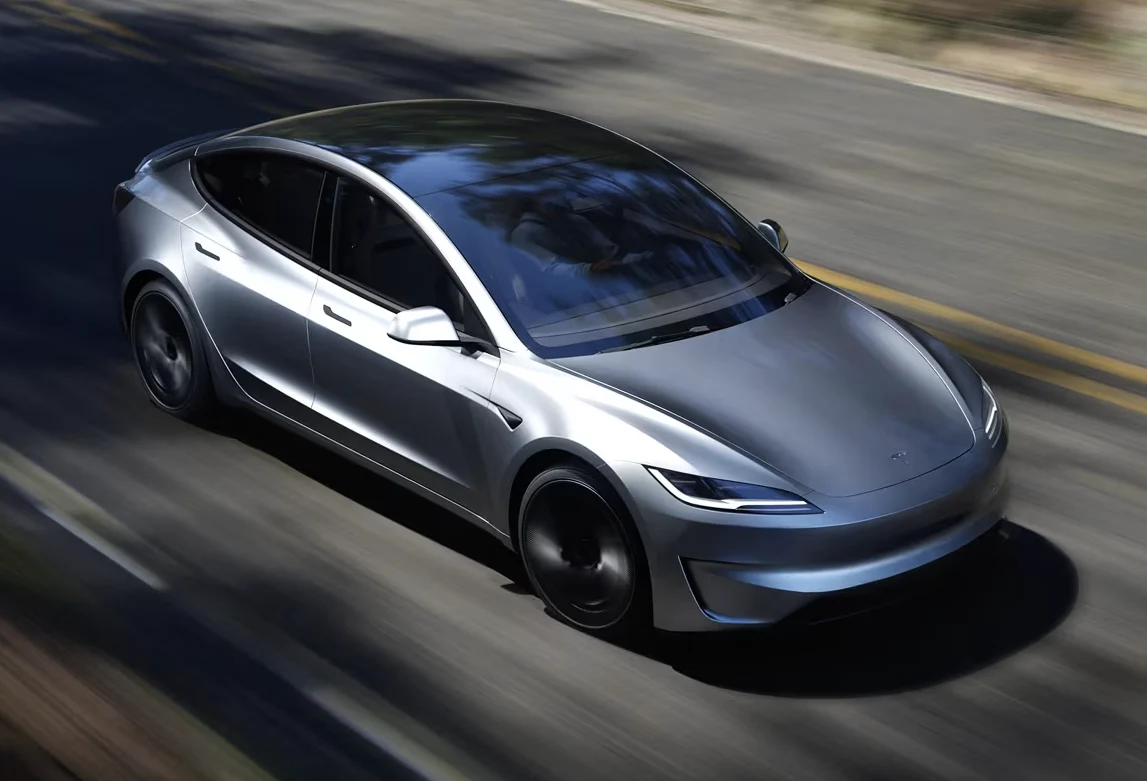
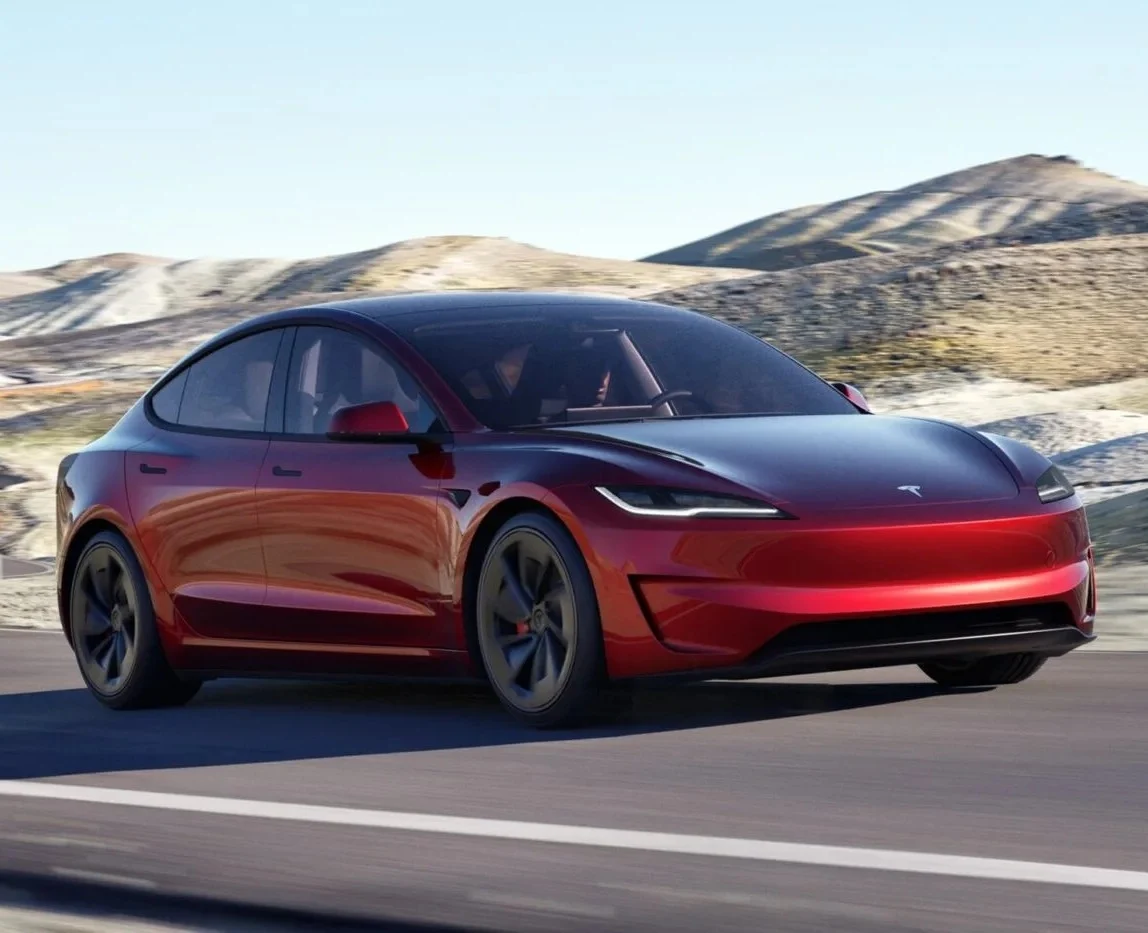
  • Tesla Model 3 Refresh: New Front Camera & Turn Signal Stalk

    Tesla Model 3 Refresh: New Front Camera & Turn Signal Stalk

    Key Takeaways

    1. Tesla has introduced updates for the Model 3 in Japan, South Korea, and Taiwan, enhancing its best-selling model.
    2. A new front bumper camera improves visibility and aids in the development of Full Self-Driving (FSD) capabilities.
    3. The Tesla “T” logo has been removed from the front trunk, while the “TESLA” name remains on the rear trunk.
    4. The traditional turn signal stalk has been reinstated, replacing less user-friendly touch-sensitive controls on the steering wheel.
    5. Updates are currently being rolled out from Giga Shanghai, with plans for availability in North America and other regions soon.


    Tesla has rolled out fresh updates for the Model 3 in Japan, South Korea, and Taiwan, following its earlier launches in China. While these changes do not constitute a complete redesign, they showcase the electric vehicle manufacturer’s continuous efforts to enhance its best-selling model.

    New Features and Improvements

    One of the most significant updates is the addition of a front bumper camera. This enhancement boosts visibility by addressing blind spots, enabling drivers to navigate and park in more compact areas with greater ease. It also aids in the development of Tesla’s Full Self-Driving (FSD) capabilities. With this upgrade, all vehicles in Tesla’s lineup now feature a front bumper camera.

    Subtle Changes Outside

    Another minor exterior tweak is the removal of the Tesla “T” logo from the front trunk. However, the “TESLA” name on the rear trunk continues to be present.

    Enhancements Inside

    On the inside, Tesla has reinstated the traditional turn signal stalk. This feature, which was first brought back in China earlier this year, is now being implemented in other markets across Asia.

    The stalk replaces the touch-sensitive controls on the steering wheel, which many drivers found less user-friendly, especially during heavy traffic situations. For those who bought the stalkless version of the Model 3, Tesla is providing a retrofit option.

    As of now, these updates are being sent out from Giga Shanghai for the Asian market, but it is anticipated that these modifications will soon be available in North America and other parts of the world.

    Source:
    Link


  • Hyundai Slashes Ioniq 5 Price by $9K, Offers 0% APR Financing

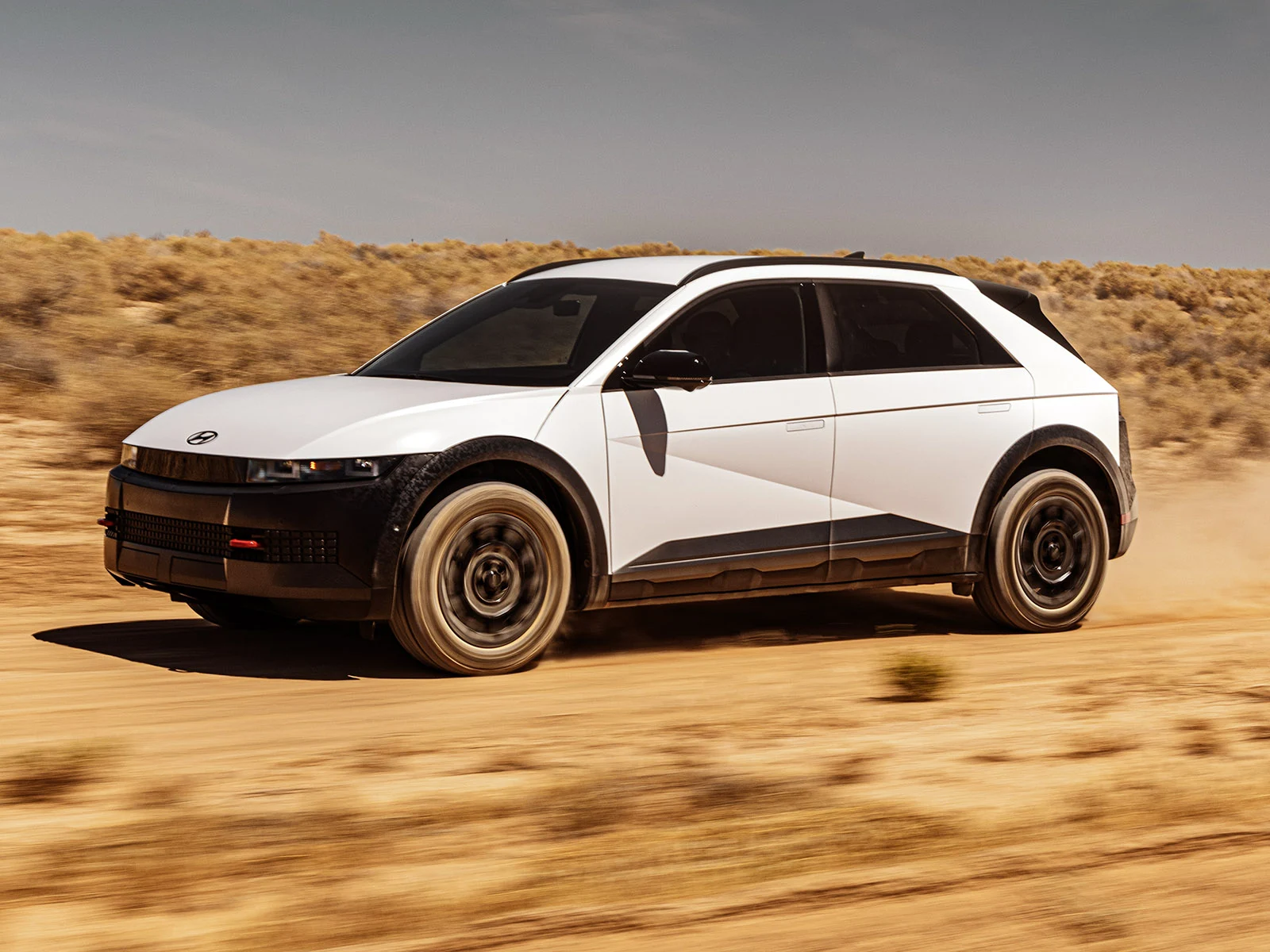
    Hyundai Slashes Ioniq 5 Price by $9K, Offers 0% APR Financing

    Key Takeaways

    1. Hyundai’s electric vehicle (EV) sales have surged by 150% compared to last September, largely influenced by consumer shifts due to Elon Musk’s political activities.

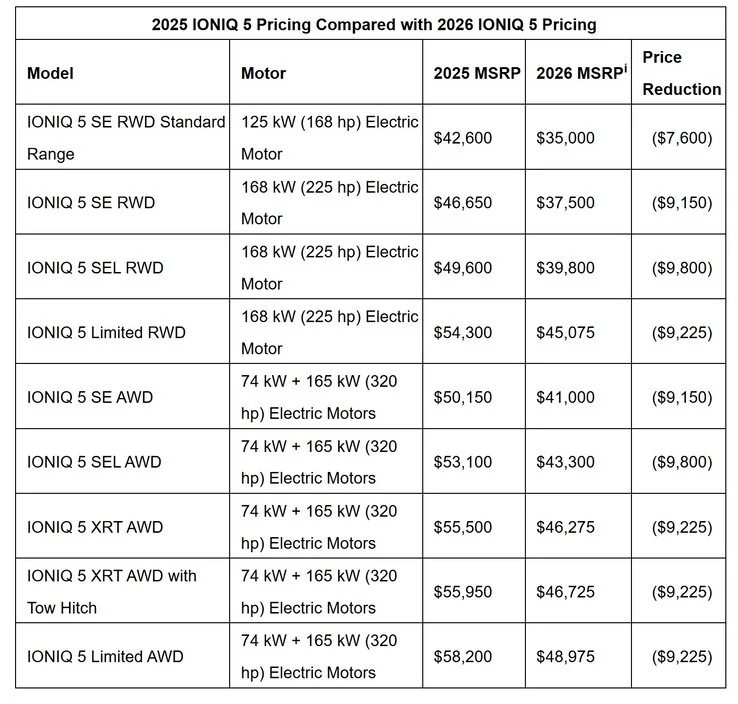
    2. The 2026 Ioniq 5 SUV has received a price cut of up to $9,800, making the starting price for the base model $35,000, thanks to increased demand and economies of scale.

    3. Hyundai is directly competing with Tesla, as Tesla’s U.S. market share has dropped below 50% for the first time this year, positioning Hyundai’s EVs as strong alternatives.

    4. Hyundai is introducing new initiatives to maintain vehicle affordability, including extended cash incentives and significant price reductions on the 2026 Ioniq 5 models.

    5. Additional financial incentives for consumers include $11,000 Retail Bonus Cash on select 2025 Ioniq 5 vehicles and 0% APR financing for up to 72 months on all Ioniq 5 trims.


    Hyundai has seen a remarkable 150% growth in electric vehicle (EV) sales compared to last September. This surge is attributed to many consumers turning towards its electric models due to Elon Musk’s political activities. In response, Hyundai has initiated a significant price competition with Tesla.

    Price Cuts on Ioniq 5 Models

    The 2026 Ioniq 5 SUV, now featuring a Tesla NACS port that allows charging without needing a Lectron adapter at Superchargers, has received a steep price reduction of up to $9,800. The starting price for the base RWD model is now just $35,000.

    Hyundai has stated that this price reduction for the Ioniq 5 is achievable due to the economies of scale gained from the growing demand for its electric vehicles. According to the company, “these changes reflect Hyundai’s commitment to affordability and its long-term EV strategy, including U.S. production at Hyundai Motor Group Metaplant America and a focus on growing sales volume and market share.”

    Competition with Tesla

    This move could be seen as a direct challenge to Tesla, which has experienced its EV market share in the U.S. fall below 50% for the first time this year. Although Hyundai’s electric vehicles are known for their fast charging capabilities and have earned several accolades, they previously faced challenges in the U.S. market due to reliance on mostly homemade batteries and their vehicles not qualifying for the federal tax credit.

    With the recent elimination of the government EV subsidy, Hyundai’s cars have not only stayed competitive, but the latest price cuts for the Ioniq 5 models—over $9,000—along with a continuing $7,500 lease credit, position them as strong rivals for Tesla’s share of the market.

    New Initiatives

    As October approaches, Hyundai is rolling out new programs to maintain vehicle affordability. This includes repositioning the 2025 IONIQ 5 with extended $7,500 cash incentives and offering up to $9,800 in price reductions on the 2026 IONIQ 5 models. This reinforces Hyundai’s tradition of providing great value and support. Despite the expiration of the $7,500 EV credit, Hyundai’s strategy for electrification has always gone beyond just incentives. The company has been investing in EV advancements long before the Inflation Reduction Act and continues to prioritize affordability, quality, and customer service.

    The most significant price reduction for the 2026 Ioniq 5 is for the SEL AWD trim, which has a range of 318 miles and 320 horsepower. Its price has decreased from $53,100 to $43,300. Moreover, there is an $11,000 Retail Bonus Cash promotion available on select 2025 Ioniq 5 vehicles in dealer inventory if delivered between October 1 and November 3, 2025.

    If the cash purchase price reductions or lease bonuses—designed to essentially replace the federal tax credit—aren’t sufficient, Hyundai is also providing 0% APR financing on all Ioniq 5 trims for as long as 72 months, with no down payment required.

    Source:
    Link


  • Tesla Breaks Sales Record, Surpasses Analyst Expectations

    Tesla Breaks Sales Record, Surpasses Analyst Expectations

    Key Takeaways

    1. Tesla achieved a record delivery of 497,099 vehicles in Q3, driven by high demand for the Model Y and Model 3 before the federal tax credit expired.
    2. Nearly 97% of deliveries were for the Model Y and Model 3, prompting price increases and reduced incentives due to high demand.
    3. Analysts underestimated deliveries, predicting 439,600 units, but Tesla surpassed this by 7.4% year-on-year, despite a challenging market.
    4. Tesla is facing future challenges as competitors like Hyundai cut prices, and it has introduced a $6,500 lease credit to counteract the loss of the tax credit in Q4.
    5. The company has begun mass production of a more affordable Model Y trim, but its success is uncertain due to past issues with similar strategies.


    Tesla has announced a record delivery of 497,099 vehicles in the third quarter, as customers rushed to purchase any available Model Y or Model 3 before the federal tax credit expired. This remarkable figure also includes the clearance of all inventory units, although the company was only able to produce 447,000 vehicles during this same period.

    High Demand for Model Y and Model 3

    Almost 97% of all Tesla deliveries consisted of the Model Y and Model 3, which were in such great demand that the company had to increase lease prices during the quarter and cut back on some initial incentives and promotions.

    Analysts’ Predictions and Market Response

    Bloomberg analysts had anticipated that Tesla would deliver significantly fewer vehicles in Q3, estimating an average of 439,600 units. However, the impending tax credit expiration proved to be a strong motivator, providing a direct discount of $7,500 at the point of sale. Tesla exceeded its delivery numbers by 7.4% year-on-year, offering some relief in a challenging year characterized by declining sales and profits, partly due to Elon Musk’s political involvement and a cooling EV market.

    Future Challenges and Strategies

    With the federal subsidy expiration providing a significant boost, Tesla seems to have strategically delayed some new releases until the holiday quarter when it will no longer benefit from government support. The competition is expected to become more intense as companies like Hyundai have initiated a price war by reducing the cost of their 2026 Ioniq 5, a rival to the Model Y, by as much as $9,800.

    To help offset the loss of the tax credit for its customers in Q4, Tesla has introduced a $6,500 lease credit and is set to launch two new versions of the Model Y. Notably, it introduced the 2026 Model Y Performance trim just before the tax credit expiration, allowing early buyers to still take advantage of the $7,500 discount, along with complimentary options for colors, interiors, and tow packages for those who missed the September deadline.

    New Releases and Market Response

    Moreover, Tesla has kicked off mass production of a more affordable Model Y trim that is expected to be priced similarly to what the best-selling vehicle used to cost with the tax credit discount. However, the success of this stripped-down version remains uncertain, especially given that a similar strategy with the RWD Cybertruck did not yield the desired results, leading to a quiet discontinuation of that trim.

    Tesla is set to announce its Q3 2025 earnings on Wednesday, October 22, where further insights will be shared regarding how its record sales have impacted operating profits and what plans are in place for future vehicle releases.

    Source:
    Link


  • Tea as a Solution: New Hope for Recycling Used Batteries

    Tea as a Solution: New Hope for Recycling Used Batteries

    Key Takeaways

    1. The rise in old lithium-ion batteries is linked to the increasing use of electric cars, highlighting a need for effective recycling solutions.
    2. Traditional recycling methods for lithium iron phosphate cathodes are energy-intensive and yield raw materials rather than usable electrodes.
    3. Researchers are developing a direct battery regeneration technique using tea leaf polyphenols, which help restore iron ions and repair defects in battery structures.
    4. Regenerated cathodes maintain over 90% capacity after 400 charging cycles, allowing for potential reuse in electric vehicles and stationary storage.
    5. This innovative method could revolutionize battery recycling by enabling the refreshing of batteries instead of disposal, using eco-friendly and cost-effective materials.


    The amount of old lithium-ion batteries is on the rise, especially with the growing use of electric cars. Lithium iron phosphate cathodes (LiFePO₄) used to be thought of as hard to recycle since they have very few valuable metals. Traditional recycling methods like chemical breakdown or melting require a lot of energy and only produce raw materials, not usable electrodes.

    Innovative Research on Battery Regeneration

    A study published in Advanced Materials reveals that researchers from Hefei, Shenzhen, and Suzhou are working on a direct battery regeneration technique. They are using polyphenols from tea leaves as “electron donors” to help restore iron ions to a functional state and fix defects in the crystal structure. By adding aluminum and phosphate sources, this approach addresses damaged surfaces and builds new conductive layers that allow quick movement of ions and electrons, which is essential for daily use.

    Promising Results After Multiple Cycles

    After undergoing 400 charging cycles, the regenerated cathodes manage to keep over 90% of their initial capacity. This discovery means that batteries once thought to be ‘spent’ can actually be reused in electric vehicles or for stationary storage solutions. It’s especially impressive that a natural and low-cost additive like tea polyphenol, along with a focused repair method, allows for real reuse.

    Future Implications for Battery Recycling

    In the long run, this technique could support the large-scale application of battery regeneration and might even be applicable to other types of batteries. Rather than disposing of batteries when they reach the end of their life, they could be simply ‘refreshed’ in the future. The blend of natural materials and chemistry is not only environmentally friendly, but also economically viable and technologically advanced, potentially revolutionizing battery recycling as we know it.

    Source:
    Link


  • Electric Ford Mustang Mach-E Sales Double Gas Version in Q3

    Electric Ford Mustang Mach-E Sales Double Gas Version in Q3

    Key Takeaways

    1. The Mustang Mach-E electric SUV has outperformed the gasoline Mustang in sales, selling over 100% more units in Q3 2025.
    2. In Q3 2025, Ford sold 20,177 units of the Mach-E compared to 9,267 units of the gasoline-powered Mustang.
    3. The Mach-E’s sales grew by 50% in Q3 2024, partly due to the rush of buyers before the $7,500 federal tax credit ended.
    4. Sales of the F-150 Lightning electric truck also increased by 40% in Q3 2025, with 10,005 units sold.
    5. Ford has obtained IRS approval to extend the $7,500 tax savings by purchasing existing inventory, benefiting dealers and lessees.


    Many car lovers criticized the Mustang Mach-E when Ford first introduced it for not running on gasoline. Nonetheless, this electric SUV is showing its strength by selling more than the gas version by over 100 percent.

    Sales Figures in Focus

    In the third quarter of 2025, Ford sold 20,177 units of the Mustang Mach-E, while the gasoline-powered Mustang only managed 9,267 sales. Yet, numerous automotive experts would agree it was just a matter of time before electric vehicles took the lead, as the Mach-E surpassed the traditional model by more than 4,000 units in 2024, achieving sales of 51,745.

    Year-on-Year Growth

    When comparing sales, the Mach-E’s performance improved by 50 percent in Q3 2024. This surge was not entirely surprising, particularly in the US market. The $7,500 federal tax credit ended on September 30, leading many buyers to rush and grab the opportunity for savings at the last moment.

    Lightning Strikes

    At the same time, sales for the F-150 Lightning enjoyed a 40 percent increase, with 10,005 units sold in Q3 2025. So far this year, Ford has delivered a total of 23,034 of the electric trucks.

    Ford, however, had devised a strategy to extend the $7,500 savings for a few more months. The company received approval from the Internal Revenue Service (IRS) to begin purchasing existing inventory, which would make them eligible for the tax incentive, allowing dealers to pass these savings on to those leasing the vehicles.

    Jalopnik, Carbuzz.

    Source:
    Link


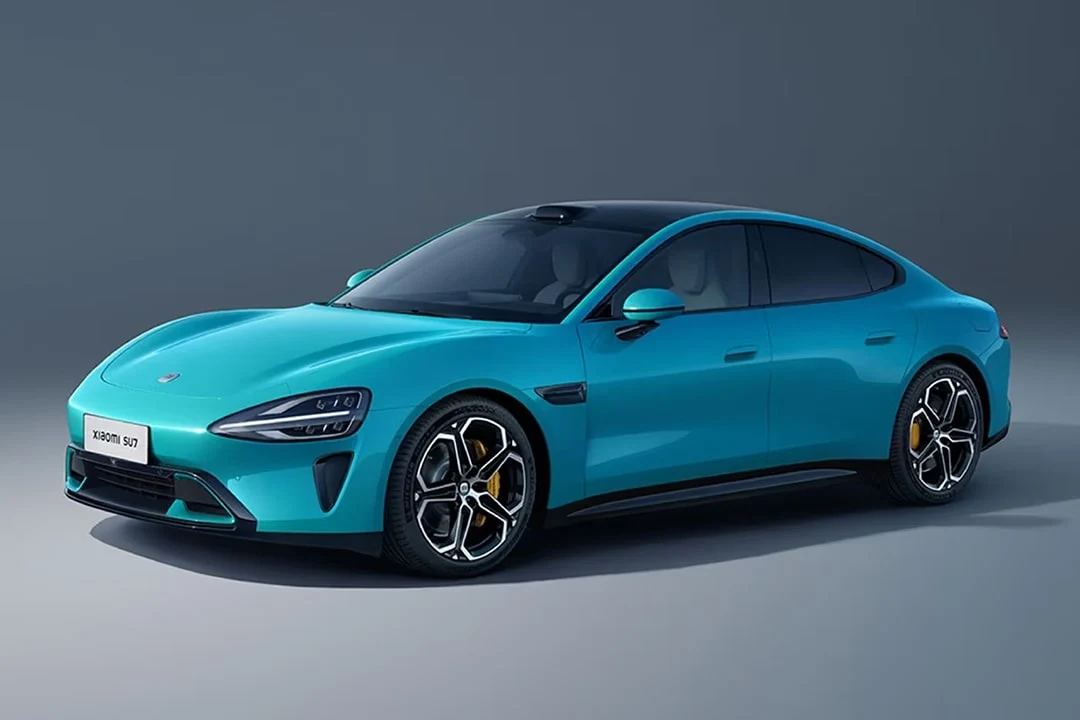
  • Xiaomi EV Sets Record with 40,000 Cars Delivered in September

    Xiaomi EV Sets Record with 40,000 Cars Delivered in September

    Key Takeaways

    1. Xiaomi’s electric vehicle division delivered over 40,000 cars in September, marking a record for the company.
    2. The SU7 sedan and YU7 SUV are designed to compete directly with Tesla’s Model 3 and Model Y, respectively.
    3. The YU7 saw a significant increase in demand, with deliveries nearly tripling from July to August.
    4. New buyers face long wait times of up to 38 weeks for the SU7 and 48 weeks for the YU7 due to high demand and maximum factory capacity.
    5. Xiaomi plans to increase production and adjust delivery schedules to reduce wait times for customers.


    Xiaomi’s electric vehicle division achieved a significant milestone in September by delivering over 40,000 cars to customers in China. This is the first occasion the company has reached such a high number in a single month, showing its rapid progress in the competitive electric vehicle market of the country.

    Competing with Tesla

    The SU7 sedan, which was introduced in March, is designed to compete with Tesla’s Model 3. Alongside it, the YU7 SUV, which launched in June, targets the same market segment as Tesla’s Model Y. The interest in the YU7 has been particularly remarkable, with deliveries nearly tripling in August compared to July, contributing to Xiaomi’s record-breaking month.

    Production Challenges Ahead

    Due to the high demand, the factory is operating at maximum capacity. New buyers of the SU7 are facing wait times of up to 38 weeks, while those ordering the YU7 may have to wait as long as 48 weeks. Nonetheless, Xiaomi’s representatives have stated that they are increasing production and are working on adjusting the delivery schedules to reduce these waiting periods.

    The September deliveries follow a total of 36,396 cars sold in August. Although Xiaomi has not specified the breakdown of these numbers by model, this achievement underscores the company’s rapid ascent in the Chinese market, with global expansion plans anticipated in the near future.

    Source:
    Link


  • Tesla Model Y Performance Powers Tools with $80 Powershare Adapter

    Tesla Model Y Performance Powers Tools with $80 Powershare Adapter

    Key Takeaways

    1. Tesla has introduced vehicle-to-load (V2L) capability for the Model Y, allowing it to function as a power bank.
    2. Currently, V2L is exclusive to the 2026 Performance trim of the Model Y, the version with the least range.
    3. Previously, Tesla offered V2L functionality only through the Cybertruck’s Powershare system with an $80 outlet adapter.
    4. Other Model Y variants can explore third-party options like the NACS V2L EV Discharger, with hopes for broader feature availability in the future.
    5. The V2L feature has been highly anticipated by Model Y owners, but is only available on the more expensive Performance trim, starting at over $57,000.


    Tesla has at last introduced the feature that allows users to power devices at home, camping equipment, or work tools directly from its Model Y, which is the company’s top-selling vehicle.

    New Feature Exclusivity

    Regrettably, this vehicle-to-load (V2L) capability, which converts the Model Y battery into an enormous power bank, is currently enabled only for the latest 2026 Performance trim, or the version of Model Y with the least range available.

    Up until now, Tesla has provided V2L and vehicle-to-home (V2H) functionality only through the Cybertruck’s Powershare system, utilizing a specific Outlet Adapter. This adapter, which costs $80, is now available for powering household items like refrigerators during emergencies or for tools and stoves during camping trips with the Model Y Performance.

    Alternative Options

    For the other variants of the Model Y, third-party options such as the NACS V2L EV Discharger exist, along with the hope that Tesla will extend this feature to additional trims in the future.

    Customer service representatives from Tesla have confirmed that the new Model Y Performance does include V2H output, allowing the electrical system of an entire house to be powered. However, so far, Tesla has only officially acknowledged the V2L feature.

    Long-Awaited Support

    The support for vehicle-to-load has been a long-desired capability among Model Y owners, and they are finally receiving it, though it is limited to the most expensive Performance trim, which starts at over $57,000 after the expiration of the tax credit, unless customers opt for leasing with Tesla’s new $6,500 discount.

    Source:
    Link


  • Tesla Offers $6,500 Lease Discount After Federal EV Incentive Ends

    Tesla Offers $6,500 Lease Discount After Federal EV Incentive Ends

    Key Takeaways

    1. Leasing Costs Rise: Tesla has increased leasing prices for the Model Y and Model 3 by 11% due to the end of the federal EV tax credit.

    2. New Leasing Prices: The Model Y’s leasing rates now range from $479 to $599, while the Model 3’s rates range from $429 to $759.

    3. Lease Credit Impact: Customers now face a $1,000 gap to cover since the $7,500 tax credit is no longer available, despite a $6,500 Tesla lease credit.

    4. Eligibility Uncertainty: Tesla states that ordering does not guarantee eligibility for the lease credit, meaning not all customers will qualify.

    5. Market Adjustments: Other EV manufacturers like Ford and GM are also changing their strategies to maintain savings for customers in light of the tax credit’s expiration.


    EV customers in the United States are quickly feeling the impact of the federal tax credit’s end as Tesla raises leasing costs. To help offset this change, the company has introduced a new discount for leases.

    Increased Leasing Costs

    Both the Model Y and Model 3 have seen an 11 percent increase in leasing prices following the removal of the federal EV incentive. The electric Model Y SUV, which previously had leasing rates between $479 and $529 a month, now has a price of up to $599. Likewise, the Model 3’s leasing costs have surged to between $429 and $759, up from the earlier range of $349 to $699. These prices are based on a $3,000 deposit for a lease duration of 36 months.

    Lease Credit Details

    Tesla mentions on its website that the monthly leasing rates include a $6,500 Tesla lease credit. This means customers will need to cover a $1,000 gap now that the $7,500 tax credit is not accessible anymore.

    Moreover, Tesla clarifies that “ordering does not guarantee eligibility,” indicating that not every lessee will qualify for the credit.

    Market Reactions

    While Tesla aims to keep demand steady with the new discount, it’s clear that its profit margins could take a hit. Yet, Tesla isn’t alone in this; other electric vehicle manufacturers like Ford and GM are also adjusting their strategies to prolong the $7,500 lease savings for a few more months.

    Source:
    Link


  • Germany Bans Tesla Cybertruck Over EU Safety Violations

    Germany Bans Tesla Cybertruck Over EU Safety Violations

    Key Takeaways

    1. The Cybertruck is not allowed on German streets due to local safety laws.
    2. Significant safety concerns arise from the Cybertruck’s unique design, especially its sharp edges and heavy weight.
    3. EU regulations prohibit vehicles over 3.5 tons from having sharp edges and require speed limiters.
    4. A permit for US military personnel to drive the Cybertruck in Germany was denied due to non-compliance with legal standards.
    5. Tesla faces major challenges in making the Cybertruck available in Europe, particularly in Germany.


    Tesla is slowly broadening the reach of the Cybertruck around the world, but it will still not be seen on the streets of Germany due to local safety laws. Recently, the US Army was told it couldn’t bring the truck into the country.

    Safety Concerns Raised

    The Cybertruck has been flagged for “significant passive safety concerns,” which relate to its unique design. The European Union considers the sharp, angular steel exterior a risk for pedestrians, cyclists, and motorcyclists, in addition to the vehicle’s hefty curb weight.

    According to EU regulations, vehicles that exceed 3.5 tons must have speed limiters and should not feature sharp edges. Clearly, the Cybertruck fails to satisfy both of these conditions.

    Permit Denied

    Even with these evident violations, some US military personnel stationed in Germany tried to get a permit to drive the Cybertruck on public roads. This application was possible thanks to an arrangement known as the USAREUUR-AF, which might allow non-EU-approved cars to be driven in Europe.

    Nevertheless, the German Federal Ministry of Transport (FMoT) turned down the request. The ministry determined that the Cybertruck strays too far from legal standards to grant an individual exception. They also mentioned that the truck’s distinctive look would make it stand out in public, undermining the purpose of the USAREUUR-AF exemptions.

    Conclusion

    In summary, while Tesla is working to make the Cybertruck more available, it faces significant hurdles in Germany due to strict safety requirements. The unique design elements that make the Cybertruck stand out also contribute to its inability to meet local regulations, leaving it off the roads for now.

    Source:
    Link


  • Tesla October Incentives for Model 3, Model Y in China

    Tesla October Incentives for Model 3, Model Y in China

    Key Takeaways

    1. Tesla is offering new buying incentives for customers in China until October 31.
    2. The updated Model 3 has an 8,000 yuan insurance subsidy and up to five years of interest-free financing.
    3. The Model Y also benefits from five-year, zero-interest financing and an 8,000 yuan referral paint credit.
    4. The new six-seat Model Y L qualifies for three years of 0% financing along with the referral paint credit.
    5. Tesla allows Full Self-Driving package transfers for high-end models, encouraging upgrades.


    Tesla is introducing new buying incentives for its customers in China this month. According to information found on Tesla China’s official site, these promotions will be available for certain models until October 31.

    Model 3 Benefits

    The updated Model 3 is set to enjoy the most substantial advantages. Buyers can benefit from an 8,000 yuan (approximately $1,100) insurance subsidy along with up to five years of interest-free financing. Additionally, through Tesla’s referral program, customers can receive an 8,000 yuan credit for paint, which lowers the price of premium color choices. Furthermore, any orders made in October will qualify for 5,000 km of free Supercharging.

    Model Y Promotions

    The popular Model Y is also part of this offer. Buyers have the chance to take advantage of five-year, zero-interest financing and the same 8,000 yuan referral paint credit. The newly released six-seat Model Y L, which debuted in August, qualifies for three years of 0% financing in addition to the referral paint credit.

    Full Self-Driving Transfers

    For high-end models such as the Model S, Model X, Model 3, and Model Y, Tesla is providing Full Self-Driving (FSD) transfer options. This incentive allows current owners who have the FSD package to transfer it to a new vehicle, which has been a significant motivation for upgrades in other areas.

    These incentives represent Tesla’s ongoing effort to keep up sales in the competitive Chinese electric vehicle market as Q4 begins.

    Source:
    Link