Category: EV vehicles

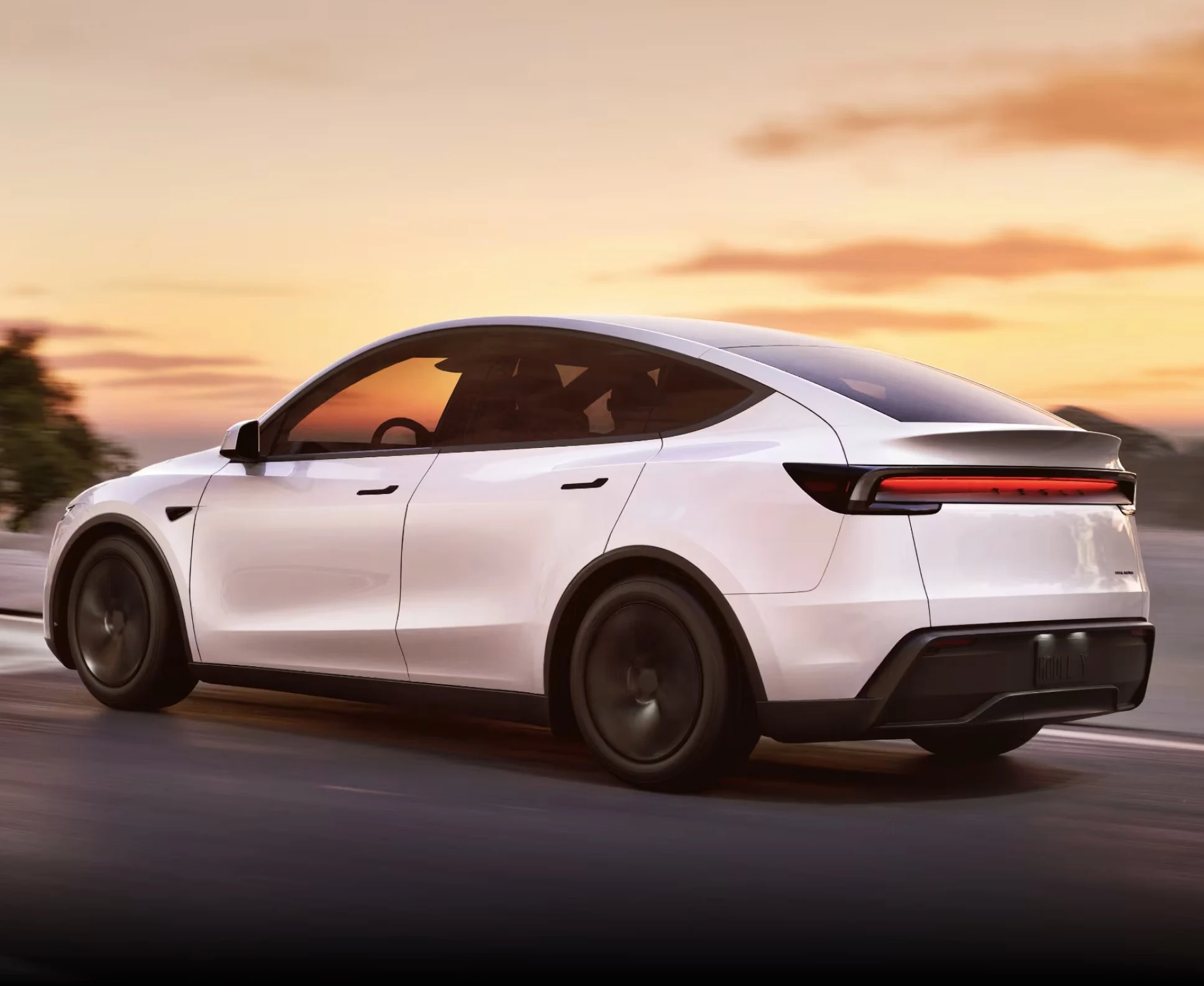
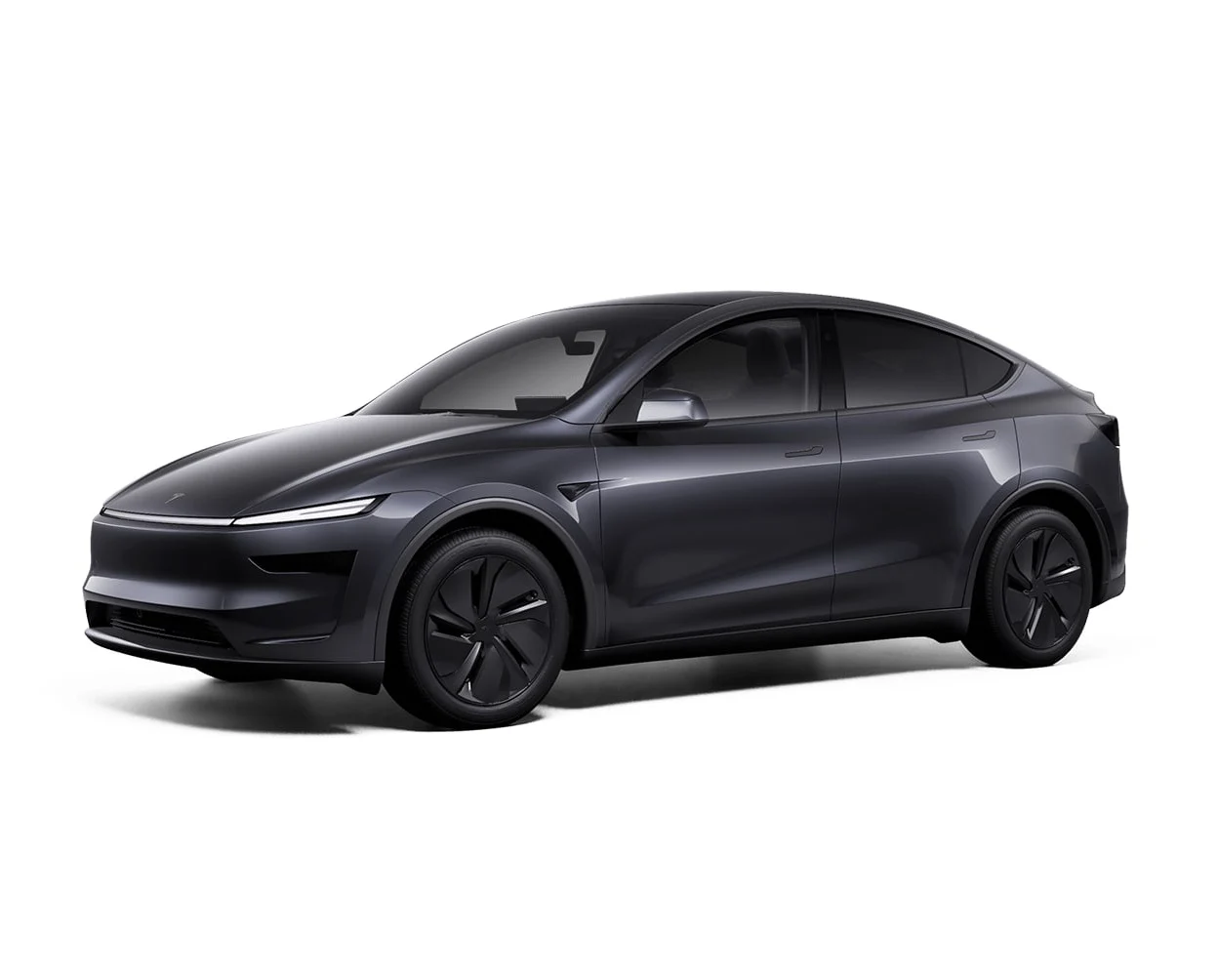
  • US Model Y Performance: Just $2,500 More Than Model 3P

    US Model Y Performance: Just $2,500 More Than Model 3P

    Key Takeaways

    1. Tesla launched the 2026 Model Y Performance trim in the U.S. just before the federal tax credit cut-off, offering a $7,500 discount for early buyers.

    2. The new Model Y Performance is priced at $57,490, returning to this price after the tax credit ends, making it $3,700 cheaper than the original Performance model from 2020.

    3. The 2026 Model Y Performance costs only $2,500 more than the Model 3 Performance, potentially impacting Model 3 sales.

    4. The Model Y Performance has a 3.3-second acceleration time and an EPA estimated range of 306 miles, which is 20 miles less than the AWD version.

    5. The U.S. Model Y Performance features similar specifications to the European version but shows a larger range gap in EPA testing, and includes a complimentary towing package valued at $1,300.


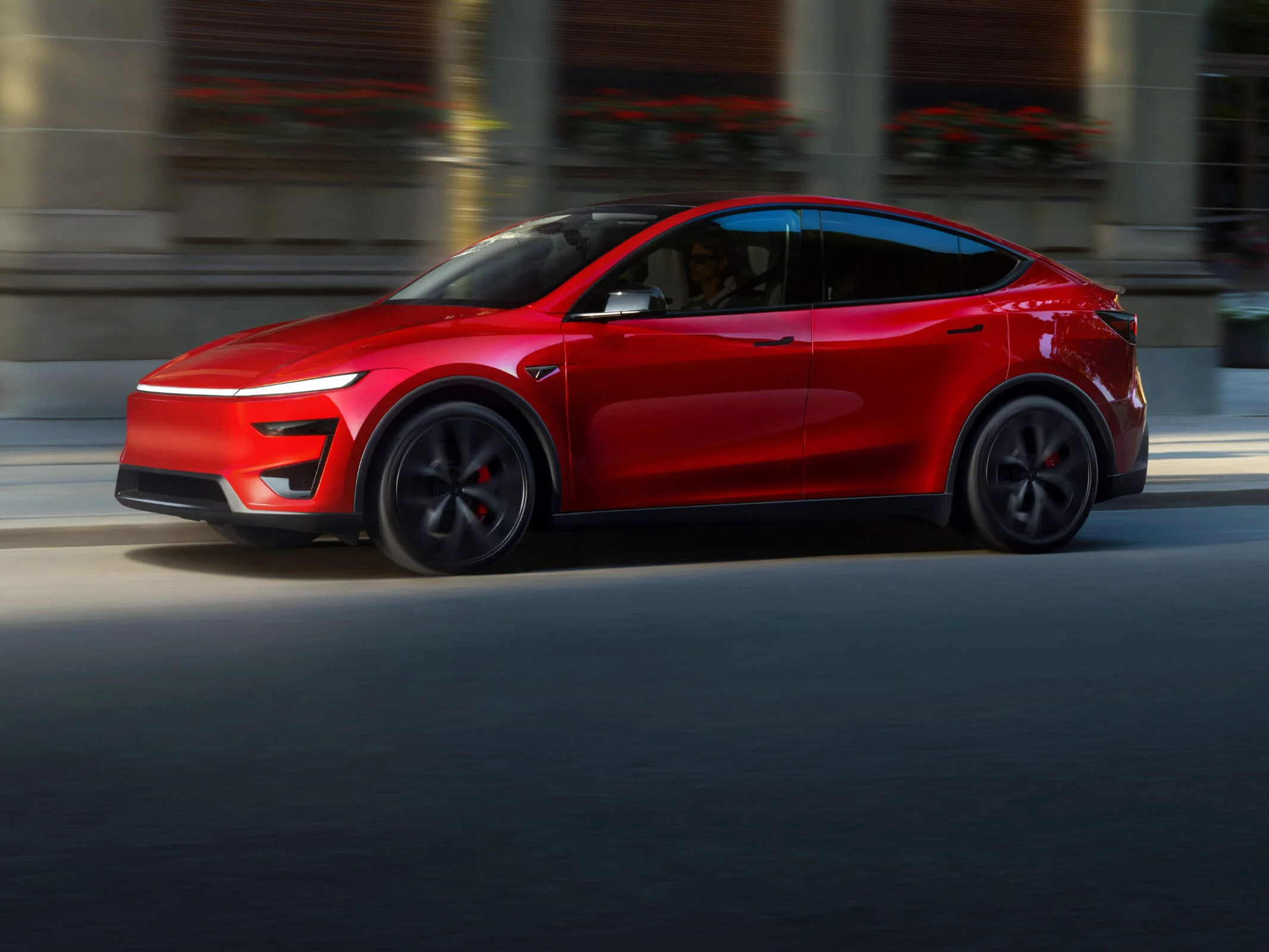
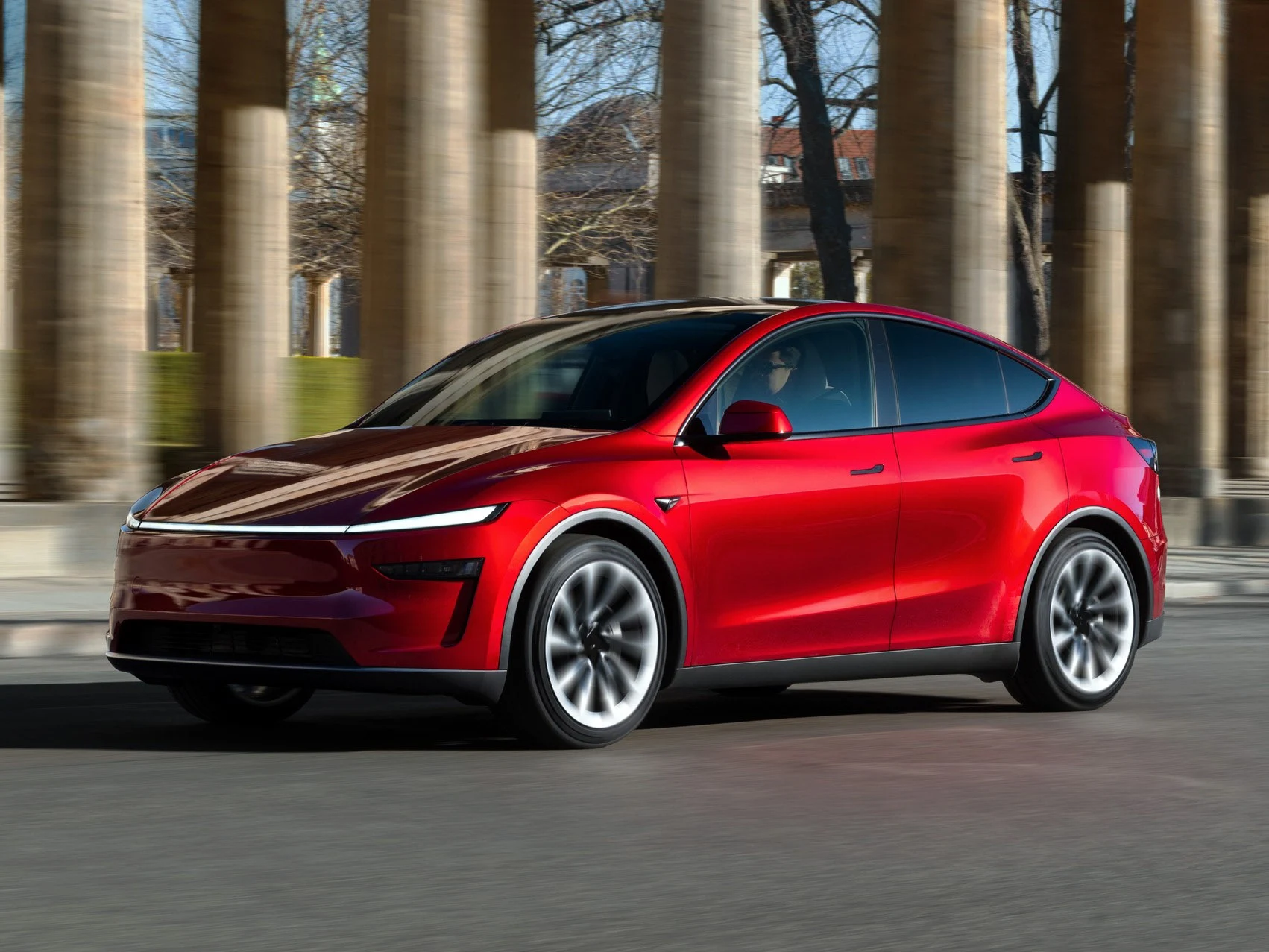
    Tesla has introduced the quickest 2026 Model Y Performance trim in the United States right before the federal tax credit cut-off, giving those who have been waiting for the fastest Model Y a chance to make a purchase and benefit from the $7,500 government discount one last time.

    Last-Minute Tax Credit Opportunity

    The new electric vehicle tax credit ended at midnight on September 30. However, anyone who made even a small down payment or started a trade before the cutoff will still receive the Performance version priced below $50,000 upon delivery.

    Starting October 1, the price of the Model Y Performance will return to its initial price of $57,490, or $59,130 when including destination and order fees. This could possibly change, and Tesla might offer Model Y Performance promotions after the initial rush of early buyers, but currently, the price is $3,700 cheaper than the original Performance that debuted in 2020.

    Pricing Compared to Model 3

    This means the 2026 Model Y Performance refresh is only $2,500 more than the Model 3 Performance, which could lead to a drop in sales for the quicker sedan that can go from 0 to 60 mph in just 2.9 seconds. However, the new Model Y Performance is no slouch either, boasting a 3.3-second acceleration, which is quite remarkable for the heaviest Model Y that weighs 4,466 pounds.

    The 2026 Model Y Performance has an EPA estimated range of 306 miles on a single charge, which is 20 miles less than the AWD version. This is somewhat disappointing, especially since in Europe, the difference between the two on the local WLTP cycle is minimal.

    Specs and Design Consistency

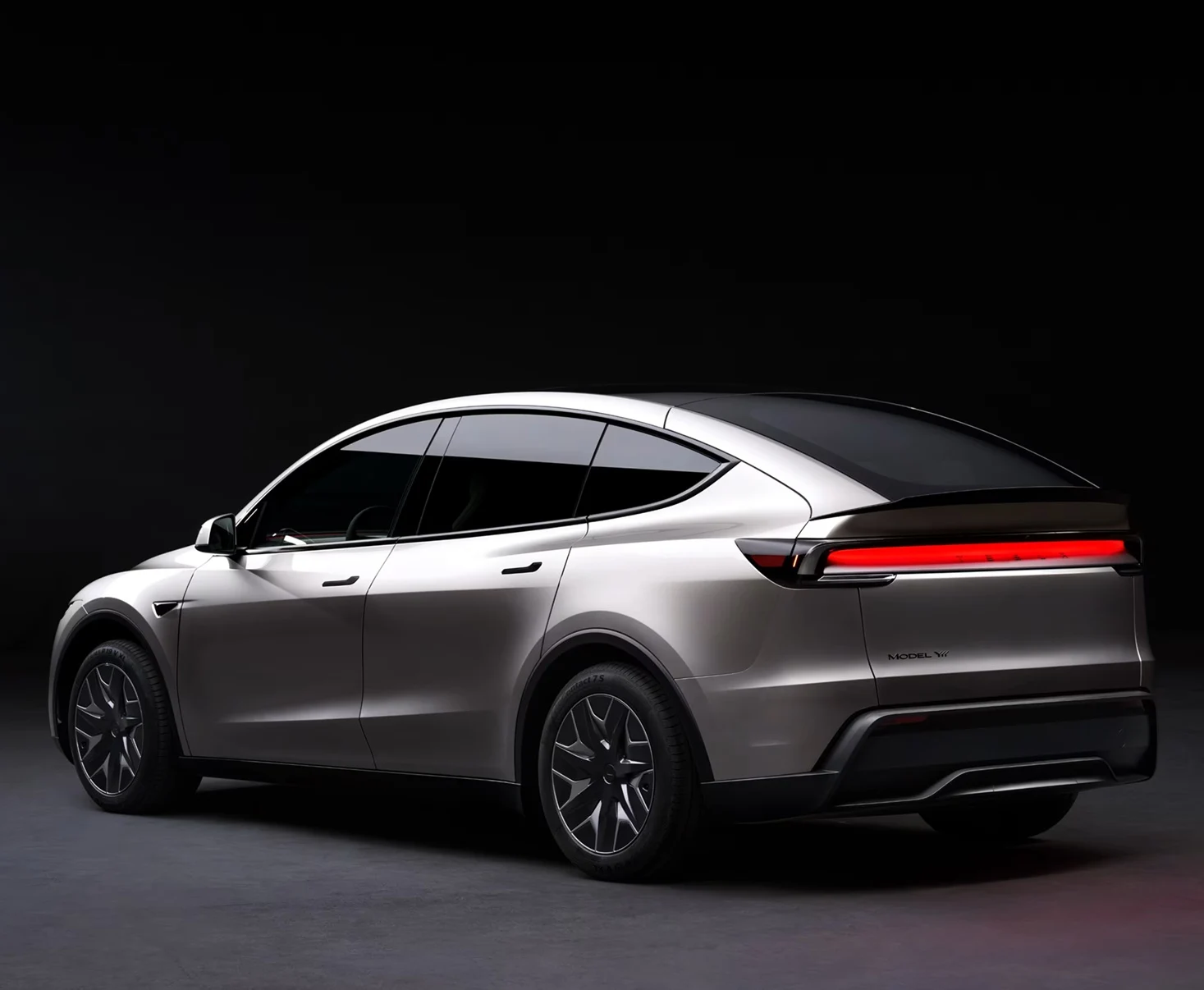
    Regarding the remaining specifications and design enhancements for the US Model Y Performance, they are similar to what was previously released in Europe, according to Tesla:

    In Europe, the 2026 Performance included new LG battery cells that provide more capacity within the same space, aligning the Performance and AWD trim ranges. However, in the US, despite referring to the same “high-density battery cells,” the EPA range testing reveals a much bigger gap between the AWD and Performance versions for unknown reasons.

    Tesla provides the Performance variant in the US in the same color options as the other Model Y trims and includes a complimentary towing package with a hitch capable of pulling up to 3,500 lbs, thanks to the “class II steel tow-bar,” which is valued at $1,300 unless one opts for a class 3 hitch on Amazon for a thousand dollars less.

    Source:
    Link


  • Tesla China Q3 Ends Strong with 19,300 Model Y Registrations

    Tesla China Q3 Ends Strong with 19,300 Model Y Registrations

    Key Takeaways

    1. Tesla registered 19,300 new insurance registrations in China during the last week of Q3 2025, marking an 11.9% increase from the previous week.
    2. The total registrations for Q3 2025 reached 66,250, which is 8.7% lower than Q3 2024 but a 26.9% increase from Q2 2025.
    3. Tesla is currently 6.4% behind last year’s registration figures for the year.
    4. The newly launched six-seat Model Y L was the top-selling vehicle of the week, contributing about 4,000 registrations.
    5. Delivery timelines for the Model Y L are extended to November, indicating strong consumer interest as production increases at Giga Shanghai.


    Tesla finished the last week of Q3 2025 in China with 19,300 new insurance registrations from September 22 to 28. Insights shared by Roland Pircher (@piloly) on X, who typically studies Tesla data, shows this number is an 11.9% rise from the previous week’s 17,300 units. This was the highest weekly total for the quarter.

    Quarterly Overview

    For the entire quarter, Tesla achieved 66,250 registrations in China. Although this number is 8.7% lower than Q3 2024, it shows a 26.9% increase compared to Q2 2025. So far this year, Tesla is still 6.4% behind last year’s figures, but last week was notably its third-best week of 2025.

    Best-Selling Vehicle

    The top-selling vehicle of the week was the newly launched six-seat Model Y L, which hit the market in China on August 19 and began deliveries in early September. This extended-wheelbase version added about 4,000 registrations last week, making up roughly 20% of Tesla’s total. As delivery timelines on Tesla China’s site are now extended to November, it seems that interest in this family-oriented crossover is holding strong.

    If this trend keeps up, the Model Y L could become a key player as we move into Q4, especially with Tesla increasing production at Giga Shanghai.

    Source:
    Link


  • Cybertruck Charging Speed Test Reveals Tesla 4680 Battery Issue

    Cybertruck Charging Speed Test Reveals Tesla 4680 Battery Issue

    Key Takeaways

    1. Tesla’s first V4 Supercharger station is now operational in California, providing up to 500 kW, specifically for the Cybertruck.

    2. Initial charging tests revealed that the Cybertruck could only sustain the 500 kW rate for a few seconds, leading to disappointing performance.

    3. The Cybertruck can recover up to 44% charge in 15 minutes at the V4 station, but this is still slower than earlier expectations of an 18-minute charging time for 10%-80% range.

    4. The charging speed improvement from the V4 Supercharger is minimal, with an average sustained rate of around 170 kW, only a 10%-15% increase over V3.

    5. The Cybertruck’s charging limitations are largely due to its second-gen 4680 battery, which struggles with thermal performance and prevents higher sustained charging rates.


    The first real V4 Supercharger station launched by Tesla is now operational in California, providing a maximum output of 500 kW to the Cybertruck, the only passenger vehicle capable of utilizing this power.

    Charging Expectations vs. Reality

    However, the initial charging test of the Cybertruck at this new 500 kW V4 stall was a letdown. While Tesla did share a brief video demonstrating that the V4 Supercharger could indeed deliver 500 kW to the Cybertruck, the key issue is that the vehicle could only maintain this charging rate for a few seconds.

    As Wes Morrill from Tesla noted, the Cybertruck is now able to “recover up to 44% in 15 minutes” at a V4 station, assuming it starts with a low charge and the battery is preconditioned. Although this is faster than what the V3 Supercharger offers, it’s still quite a distance from the 18-minute charging time for a 10%-80% range that Tesla’s lead engineer Lars Moravy hinted at during early reviews of the Cybertruck.

    Performance Metrics

    Tesla did display a few seconds of the Cybertruck receiving 500 kW, achieving a charging rate of 1441 miles of range per hour. However, the Cybertruck’s charging limiter was active, and the software indicated it would take 35 minutes to reach an 80% charge. This is not significantly better than the current 40-minute charging time at a V3 stall, even on the upgraded 325 kW versions that have V4 hardware but use a V3 cabinet.

    In fact, a 35-minute charge session for the Cybertruck to reach 80% of its 123 kWh battery translates to an average sustained charging rate of around 170 kW. Considering that the Cybertruck’s charging curve has typically peaked at just over 150 kW, the 500 kW V4 Supercharger only enhances the charging speed by about 10%-15%. Wes Morrill confirmed this, stating that the true V4 chargers provide only a 13% increase in charging speed for the Cybertruck.

    Comparative Charging Speeds

    When compared to other electric vehicles with an 800V architecture, this is still quite underwhelming. Even if we set aside Chinese EV manufacturers boasting 10-minute charging times, Hyundai’s electric models available in the US can achieve average charging rates exceeding 220 kW. For example, the Ioniq 6 can recover more than 900 miles of range per hour at an appropriate fast charger.

    The lackluster charging capabilities of the Cybertruck can largely be attributed to its second-gen 4680 battery. The thermal performance of Tesla’s 4680 cell does not measure up to those from companies like BYD or CATL. It struggles to maintain high charging rates for extended periods without overheating, forcing the Cybertruck’s software to reduce the input to prevent damage and maintain safety.

    In summary, even if Tesla’s Supercharger network consisted solely of authentic 500 kW V4 stalls, the overall charging speeds for their vehicles wouldn’t see much improvement, primarily because they only have one passenger vehicle with an 800V architecture, and that vehicle is hampered by a thermally limited 4680 battery.

    Source:
    Link


  • Hyundai to Develop In-House Chips for Its Cars Like Apple

    Hyundai to Develop In-House Chips for Its Cars Like Apple

    Key Takeaways

    1. Hyundai Mobis aims for at least 10% of its semiconductor chips to be made internally by 2030 to reduce reliance on external suppliers.
    2. The company already has experience, having developed 16 system semiconductors and producing around 20 million units annually.
    3. Hyundai Mobis is taking a hybrid approach, combining in-house design with collaborations with major South Korean semiconductor companies.
    4. Upcoming projects include a multi-functional body-control chip by 2026 and a smart LED solution developed with various partners.
    5. Future plans include manufacturing power management ICs and launching silicon IGBT by 2026, enhancing supply chain resilience and supporting South Korea’s semiconductor industry.


    Hyundai Mobis, which is the auto parts branch of Hyundai Motor Group focused on connected vehicles, self-driving tech, and electric systems, is increasing its focus on semiconductor design to enhance its independence. A source close to the situation revealed that the firm aims for a minimum of 10% of the chips used within Hyundai Motor Group to be made internally by the year 2030. This goal comes in light of the global automotive semiconductor shortage that occurred between 2021 and 2023.

    Building on Existing Foundations

    Hyundai Mobis isn’t beginning from ground zero. The company has already collaborated on the development of 16 system semiconductors with various partners and produces around 20 million units each year. Additionally, it runs six production lines that manufacture seven different power module models. In the upcoming two to three years, Hyundai Mobis intends to launch ten new chips. CEO Lee Gyu-suk emphasized the importance of having a long-term plan to lessen reliance on outside suppliers.

    Collaborative Innovation

    Hyundai Mobis is adopting a hybrid approach that mixes in-house design with collaboration throughout South Korea’s semiconductor industry. The firm has announced partnerships with Samsung Foundry, LX Semicon, Cadence, Synopsys, and ADT to work on a network SoC that it has designed and will validate itself. Upcoming projects include a body-control chip, which will incorporate five functions and is expected to be ready by 2026, developed alongside Dongwoon Anatech, DB Hitek, and ASE Korea, plus a smart LED solution co-created with Global Technology, SK Key Foundry, and Dongbu LED.

    Future Prospects

    Looking forward, Hyundai Mobis plans to start manufacturing power management ICs together with its partners and is aiming for a silicon IGBT (Si-IGBT) launch in 2026. The company asserts that this strategy will not only enhance the resilience of Hyundai Motor Group’s supply chain but also contribute to the growth of South Korea’s automotive and semiconductor sectors.

    Source:
    Link


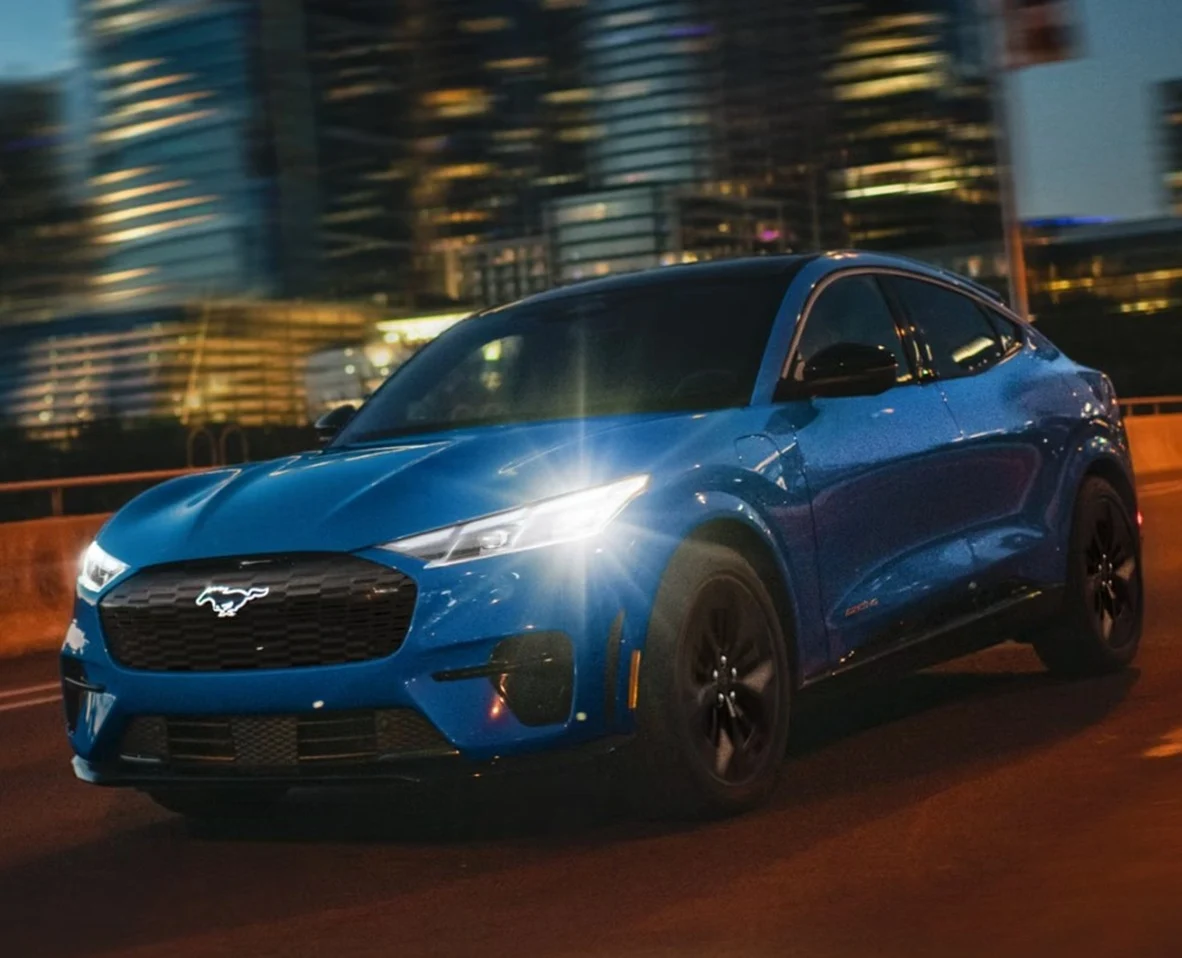
  • Ford and GM Offer $7,500 EV Lease Savings After Tax Credit Ends

    Ford and GM Offer $7,500 EV Lease Savings After Tax Credit Ends

    Key Takeaways

    1. Ford and GM plan to offer up to $7,500 in savings for electric vehicle leases before the federal tax credit program ends on September 30.

    2. Both companies will purchase dealer inventory through down payments, allowing financing branches to qualify for the federal incentives.

    3. Lease savings will be available through Ford Credit until the end of 2025.

    4. The plan was developed after discussions with the IRS, but it’s unclear if other automakers have similar agreements.

    5. The IRS confirmed that drivers can still qualify for the incentive by making a commitment, like a deposit, even if the purchase occurs after the September deadline.


    Ford and GM have set up plans for potential buyers to still obtain as much as $7,500 in savings when they lease electric vehicles (EVs). This is happening just before the 17-year-old federal tax credit program is due to end on September 30.

    How the Program Works

    The American car manufacturers are essentially starting the process by purchasing dealer inventory through down payments. This means the financing branches of both companies will be eligible for the $7,500 federal incentives. Consequently, dealers will continue to provide leases as they usually do, including the savings in the offers. This approach allows customers to benefit from the rebate for a few months even after the September deadline.

    Availability of Lease Savings

    As stated by Ford, these lease savings will be accessible through Ford Credit until the close of 2025.

    Reports from Reuters indicate that Ford and GM created this plan after discussions with the Internal Revenue Service (IRS). It remains uncertain if other automotive manufacturers have reached similar agreements.

    IRS Clarification

    In a related note, the IRS had previously confirmed that drivers could still qualify for the incentive by making a commitment, like putting down a deposit, even if the final purchase occurs after the September 30 deadline.

    The federal tax credit came to an end following US President Donald Trump’s signing of the tax bill in July. This program was intended to encourage the adoption of electric vehicles across the country.

    Source:
    Link


  • Tesla FSD Reaches 1 Million Kilometers in Australia and New Zealand

    Tesla FSD Reaches 1 Million Kilometers in Australia and New Zealand

    Key Takeaways

    1. Tesla’s Full Self-Driving (Supervised) feature has covered over 1 million kilometers in Australia and New Zealand shortly after its launch.
    2. The high mileage reflects strong consumer interest and provides valuable data for Tesla’s software improvements.
    3. Tesla drivers in these regions have accumulated the equivalent of 80 years’ driving experience with the FSD feature in just over a week.
    4. FSD (Supervised) is not fully autonomous; it remains a Level 2 driver assistance system, requiring driver attention and readiness to take control.
    5. Data from right-hand-drive markets like Australia and New Zealand is important for Tesla to refine the technology for global use.


    Just a little over a week after Tesla launched Full Self-Driving (Supervised) in Australia and New Zealand, local drivers have already covered more than 1 million kilometers with this feature. This milestone showcases a robust initial interest in the technology, which became available to Model 3 and Model Y cars equipped with Tesla’s newest HW4 hardware in September.

    Consumer Interest and Data Collection

    As per an update from TechAU on X, the total distance driven reflects both consumer enthusiasm for the system and the extensive data now being utilized for Tesla’s software improvements. The update noted that the launch has proceeded without issues so far, with drivers stepping in when needed and without any major incidents reported.

    Driving Habits and Milestone Achievements

    This accomplishment is notable when considering the usual driving patterns in these two nations. Information from the Australian Bureau of Statistics (ABS) shows that the average motorist drives around 33 km daily. This indicates that Tesla drivers have amassed the equivalent of 80 years’ worth of driving experience using FSD in just over a week since its introduction.

    Safety and System Limitations

    Nevertheless, Tesla maintains that FSD (Supervised) is not a fully autonomous system, despite its ability to manage lane changes, roundabouts, intersections, and highway entrances or exits. It is still classified as Level 2 driver assistance, which means drivers need to stay attentive and be prepared to take control at any moment.

    The strong early uptake in Australia and New Zealand is also crucial for Tesla for another reason. It will deliver essential data from right-hand-drive markets, which can assist in fine-tuning the technology for broader global use.

    Source:
    Link


  • BYD Exports Over 1 Million Vehicles Annually with New Carrier

    BYD Exports Over 1 Million Vehicles Annually with New Carrier

    Key Takeaways

    1. BYD has added the BYD Jinan as its eighth ocean-going ship, enhancing its vehicle export capabilities.
    2. The company can now export over one million vehicles annually, with some ships carrying nearly 10,000 vehicles each.
    3. There are no immediate plans for further fleet expansion after the BYD Jinan.
    4. BYD’s fleet includes vessels named after cities such as Explorer No. 1, Hefei, Changzhou, Shenzhen, Xi’an, Changsha, and Zhengzhou.
    5. In August, BYD sold 373,626 vehicles, with over 80,000 exported, reflecting significant growth in both domestic and international markets.


    BYD has recently expanded its fleet of car-transporting ships, enhancing the company’s ability to export over one million vehicles annually. This update was announced on Weibo.

    Latest Addition to the Fleet

    The BYD Jinan marks the eighth ocean-going ship added by the Chinese electric vehicle manufacturer. True to its tradition, the new vessel is named after a city in the eastern Shandong province, where BYD has a strong manufacturing presence.

    Future Plans Uncertain

    BYD mentioned that this latest ship might be the final addition for some time, as there are no immediate plans for further expansion.

    While the specific carrying capacity of the BYD Jinan hasn’t been shared, it has been disclosed that the company is now capable of exporting more than one million cars each year. Three of its cargo ships can transport nearly 10,000 vehicles, while the majority of the vessels can accommodate around 7,000 vehicles.

    Overview of BYD’s Fleet

    The fleet of BYD includes vessels such as BYD Explorer No. 1, BYD Hefei, BYD Changzhou, and BYD Shenzhen, which had its first trip in April. Other ships in the fleet are BYD Xi’an, BYD Changsha, and BYD Zhengzhou.

    This year has been quite eventful for BYD both in domestic and international markets. In August alone, the company sold 373,626 vehicles, reflecting an 8.52 percent increase from the month prior. Over 80,000 units were exported, which is more than double the amount from the same time last year. So far in 2025, BYD has shipped 625,816 units, marking a 136.27 percent increase compared to the previous year.

    Source:
    Link


  • Tesla UK Revenue Falls by £500 Million in 2024 Financial Year

    Tesla UK Revenue Falls by £500 Million in 2024 Financial Year

    Key Takeaways

    1. Tesla UK reported a decline in revenue, dropping from £2.47 billion in 2023 to £1.94 billion in 2024, with pre-tax profits falling from £32 million to £19.4 million.
    2. Car sales decreased from £1.9 billion to £1.6 billion, and earnings from energy generation and storage dropped significantly from £336.3 million to £135.6 million.
    3. Despite lower performance, Tesla UK distributed a £67 million dividend to its parent company, while the larger Tesla group saw a net income decline of over 70 percent.
    4. Tesla’s UK sales showed resilience, with a 7.63 percent year-on-year increase in August 2025, benefiting from the growing adoption of electric vehicles.
    5. Tesla’s board is optimistic about growth in 2025, exploring new ventures like ‘Tesla Electric’ for providing electricity, and CEO Elon Musk is linked to a historic potential pay package of $1 trillion.


    According to the latest documents filed with Companies House, Tesla’s operations in the UK have seen a notable decline in both sales and profits for the financial year 2024. The report indicated that revenue decreased to £1.94 billion, down from £2.47 billion in 2023, while the pre-tax profit dropped from £32 million to £19.4 million.

    Sales Performance Breakdown

    The division located in Manchester mentioned that total sales volumes were slightly higher than the previous year, but revenue was impacted by the mix of products and incentive programs. When examining the details, car sales fell from £1.9 billion to £1.6 billion, and earnings from energy generation and storage saw a significant drop from £336.3 million to £135.6 million.

    Dividends and Wider Group Performance

    In spite of the lower performance, Tesla UK distributed a £67 million dividend to its parent company in the US during the year. The larger Tesla group also encountered difficulties, reporting a net income of $2.3 billion (£1.83 billion), which is a decrease of over 70 percent. Nonetheless, global sales managed to rise slightly from $96.8 billion to $97.7 billion.

    Positive Trends in the UK Market

    There are indications of resilience within the UK market. Data from the Society of Motor Manufacturers and Traders (SMMT) revealed that Tesla’s UK sales in August 2025 increased by 7.63 percent year-on-year, benefiting from a broader adoption of electric vehicles, even as overall automobile sales fell.

    Future Projections and New Ventures

    Looking forward, Tesla’s board has set growth expectations for 2025, contingent on economic factors and new product introductions. The electric vehicle manufacturer has also recently sought a license to provide electricity to homes and businesses in the UK, potentially launching a new retail energy venture, tentatively called ‘Tesla Electric,’ as early as next year.

    On a different note, CEO Elon Musk made headlines when Tesla’s board suggested a potential pay package of $1 trillion (£820 billion), the largest in corporate history, which is linked to future growth objectives.

    Source:
    Link


  • Mercedes C-Class EQ: New Electric Sedan Design and Range Spy Shots

    Mercedes C-Class EQ: New Electric Sedan Design and Range Spy Shots

    Key Takeaways

    1. The Mercedes C-Class EQ is part of the company’s strategy to electrify its lineup, set to launch in late 2026 to compete with the BMW i3.
    2. The design includes a bold front grille, starlight headlights, and a larger size compared to the current W206 model, with a more upright front and a sloping rear.
    3. Built on the MB.EA electric framework, the C-Class EQ offers battery options of 94 kWh or 64 kWh, using advanced technologies for quick charging and efficiency.
    4. The sedan features an aerodynamic design, allowing for a driving range of up to 800 km (497 mi), which is longer than the GLC EQ’s range.
    5. The C-Class EQ aims to combine comfort, advanced technology, and spaciousness, providing practical usability for everyday driving.


    The Mercedes C-Class EQ represents a significant advancement in the company’s plan to electrify its lineup. Recent spy shots captured in the Italian Dolomites have given us our first look at the electric sedan’s design, size, and technical specs. The launch is planned for late 2026, positioning the C-Class EQ squarely against the upcoming BMW i3.

    Design Features

    The C-Class EQ features a bold new front grille and the distinctive starlight signature in its headlights, similar to those found on the GLC EQ. The front end has a more upright stance compared to the CLA, while the back slopes down almost vertically, which makes it appear less like a coupe. From a side view, the electric sedan shares a resemblance with a larger CLA, boasting bigger windows. The vehicle’s wheelbase and overhangs suggest it’s slightly larger than the current W206 model, which measures 4.75 m in length and has a 2.87 m wheelbase. Variants with the AMG package are highlighted by tinted windows and unique wheel designs.

    Technical Specifications

    The C-Class EQ is built on the MB.EA electric framework and shares its powertrain and battery with the GLC EQ. There are options for a 94 kWh battery using NMC chemistry or a 64 kWh battery that employs LFP chemistry. The sedan features 800-volt technology, enabling quick charging and better efficiency. Its aerodynamically optimized structure allows for ranges of up to 800 km (497 mi), while the GLC EQ with the same battery achieves about 713 km (443 mi).

    The C-Class EQ will be vying for attention alongside the new BMW i3, which is also anticipated to debut at the end of 2026. While both vehicles use similar tech, the sedan is expected to take advantage of improved aerodynamics, resulting in longer driving ranges. When compared to the combustion-powered W206, the electric version seems larger, with a longer rear overhang, and the cabin is likely to feel more spacious due to the larger windows.

    Conclusion

    With the C-Class EQ, Mercedes is introducing a new sedan to its electric offerings that aims to blend comfort, advanced technology, and impressive range. The latest spy photos provide a closer look at its proportions, design elements, and potential equipment options. Thanks to the MB.EA platform, the integration of 800-volt technology, and its sleek body, this sedan is set to deliver efficient ranges and practical usability for everyday driving.

    Source:
    Link


  • Sodium-Ion Batteries Reach Price and Energy Density Parity with LFP

    Sodium-Ion Batteries Reach Price and Energy Density Parity with LFP

    Key Takeaways

    1. Sodium-ion batteries have matched the manufacturing costs and energy density of lithium-based batteries, achieving significant milestones in the market.
    2. The energy density of commercial sodium-ion batteries has improved to 175 Wh/kg, with a lifespan of 10,000 cycles and operational temperatures from -40°C to 45°C.
    3. Sodium-ion technology is nearing parity with lithium iron phosphate (LFP) batteries in energy capacity and has aligned production costs, which is crucial for commercial success.
    4. The drop in lithium carbonate prices in 2023 posed challenges for sodium-ion battery promotion, but advancements in technology are enabling realistic mass production.
    5. By 2027, sodium-ion battery costs are expected to decrease to around $0.04/Wh, allowing them to compete effectively with LFP batteries while offering advantages like safety and faster charging.


    Sodium-ion batteries have finally achieved a milestone, matching the manufacturing costs and energy density of the widely used lithium-based batteries found in electric vehicles, as reported by industry experts at the 2025 Na-ion battery supply chain and standard development conference.

    Energy Density Improvements

    The energy density of commercial sodium-ion batteries has significantly improved, rising from 120 Wh/kg in the first sodium-ion electric car to 175 Wh/kg with CATL’s innovative Naxtra cells, which are expected to go into mass production in 2026. Current sodium-ion batteries reach 165 Wh/kg and promise a lifespan of 10,000 cycles, functioning within a broad temperature range of -40°C to 45°C without losing capacity.

    Competitive Landscape

    When comparing to LFP batteries found in popular models like the RWD Model Y or well-known power stations such as the Anker Solix C1000, it’s clear that sodium-ion technology is nearing equality in terms of energy capacity with the dominant lithium battery solutions.

    Despite this progress, analysts at the expo pointed out that the production costs of these new sodium-ion batteries have also aligned with those of LFP cells. This is particularly crucial for their commercial success, as the key advantage of sodium chemistry was meant to be its lower cost compared to lithium batteries.

    Market Dynamics

    This cost advantage was evident until 2023 when the price of battery-grade lithium carbonate began to drop sharply due to oversupply and declining demand for electric vehicles. As a result, manufacturers faced challenges in promoting sodium-ion batteries, which previously lagged behind LFP cells in energy density and were more expensive to produce due to limited production scales.

    However, significant advancements in sodium-ion battery technology by leading companies like CATL have made mass production of these cells a realistic option. The expected mass production cost for high-energy-density sodium-ion batteries is projected to remain at about seven cents per Wh throughout 2026.

    By 2027, though, it is anticipated that costs will decrease to around $0.04/Wh, similar to LFP batteries, at least within China. This shift would allow sodium-ion batteries to compete based on their various advantages over lithium batteries, including safety, faster charging times, and better performance in cold weather.

    Source:
    Link