Category: EV vehicles

  • Europe’s EV Sales Jump 26% in 2025 as Tesla Sales Drop

    Europe’s EV Sales Jump 26% in 2025 as Tesla Sales Drop

    Key Takeaways

    1. Electric vehicle (EV) sales in Europe have increased by 26% over the past eight months compared to the previous year.
    2. Tesla’s sales are declining, with the Model Y and Model 3 experiencing drops of 34% and 29%, respectively.
    3. Volkswagen has overtaken Tesla, achieving a 45% increase in sales, with notable models like the ID.3 and ID.4.
    4. In August, Tesla sold 14,245 vehicles, marking a 23% decrease year-over-year, while BMW saw a 7% increase in sales.
    5. The overall EV market in Europe remains strong, with electric vehicles making up 20% of all new car sales in August.


    Electric mobility is growing rapidly in Europe. In the past eight months, electric vehicle (EV) sales have jumped by 26% across the continent compared to the previous year. Nevertheless, not all carmakers are benefiting from this trend. Tesla, a major player in the EV market, is experiencing a drop in sales within Europe.

    Sales Figures for Tesla

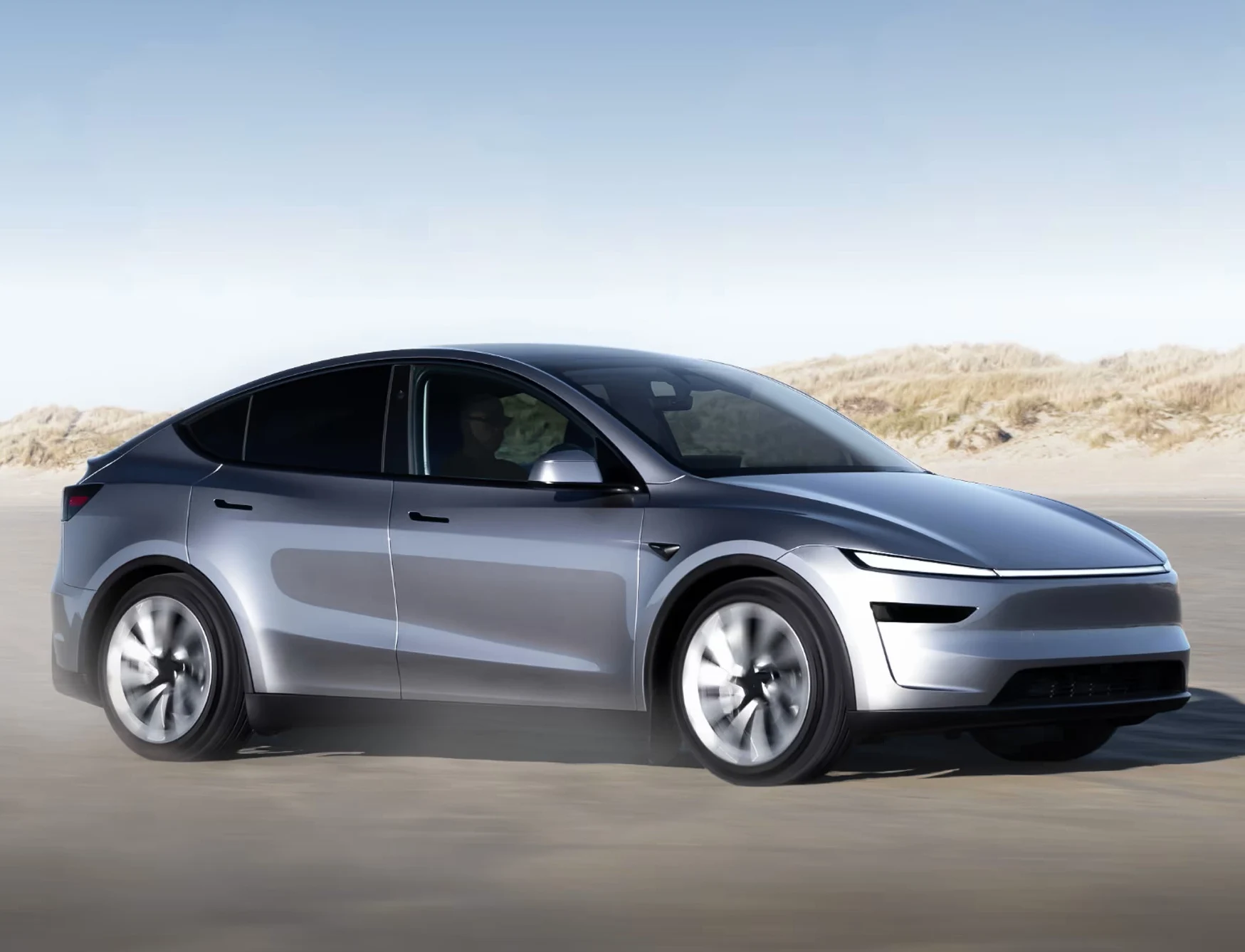
    As per the early statistics from DataForce (reported by Automotive News), the Model Y continues to be the top-selling EV in Europe, even though its sales are decreasing. From January to August 2025, only 83,314 units of the Model Y were sold, marking a notable decline of 34% from the same period last year. Similarly, the Model 3, which ranks as Europe’s third-best-selling EV, also experienced a sales drop of 29%, with 50,237 units sold during the same timeframe.

    Competition in the Market

    While Tesla still ranks among the top 10 EV manufacturers in Europe, its sales are actually declining, unlike other brands that are seeing growth. Volkswagen, for instance, has taken the lead with 16,105 units sold in August, reflecting an impressive 45% increase year-over-year. Notable models from Volkswagen include the ID.3, ID.4, and ID.7.

    In August, Tesla secured the second position with 14,245 vehicles sold, representing a 23% decrease from the previous year. BMW followed closely in third place, selling 12,546 EVs, which is a 7% rise compared to last year.

    Overall Market Performance

    In general, the EV market in Europe remains robust. In August alone, 154,582 electric vehicles were purchased, making up 20% of all new car sales. Analysts indicate that achieving a 20-25% market share is crucial to meet the EU’s emissions goals for 2025-2027, and Europe has successfully reached that target.

    Source:
    Link


  • Human Emotions Challenge Supervised Tesla FSD vs. L4 Robotaxis

    Human Emotions Challenge Supervised Tesla FSD vs. L4 Robotaxis

    Key Takeaways

    1. XPeng has developed its own AI driving chip called Turing, enabling a vision-only self-driving system.
    2. The company plans to launch a Level 4 autonomous robotaxi next year, easier to develop than their current Level 2+ driver-assist system.
    3. The Level 4 system can make quick decisions without driver intervention, unlike Level 2 systems that must consider unpredictable human behavior.
    4. Driver emotions significantly influence the need for technology to align with human thought processes, especially in critical driving situations.
    5. XPeng’s self-driving technology relies on machine learning and cameras, eliminating the need for LiDAR, while they await regulatory approval for deployment in regions like Europe.


    One of the leaders in self-driving technology among Chinese electric vehicle manufacturers, XPeng, has developed its own AI driving chip called Turing. This innovation enables the company to implement a vision-only system, leveraging recent improvements in machine learning. Their driver-assist feature, named XNGP, stands for XPeng Next Generation Pilot, and it is specifically designed for self-driving in dense urban environments.

    Future Plans for Robotaxi

    As per Candice Yuan, head of XPeng’s self-driving division, the firm plans to introduce a dedicated robotaxi akin to Tesla’s Cybercab next year. This vehicle will utilize Level 4 autonomy, which is similar to Tesla’s Full Self-Driving (FSD) without supervision. Interestingly, XPeng found that developing the Level 4 system, which doesn’t require any driver intervention, was simpler than the current Level 2+ XNGP system that their vehicles are operating on.

    Decision-Making Capabilities

    Yuan emphasized that the Level 4 system can make rapid decisions, paralleling the unsupervised FSD employed by Tesla’s pilot robotaxi service in Austin. Conversely, the Level 2 autonomy has to consider the unpredictable nature of human behavior, which can often interfere with the self-driving software’s logical operations. She provided several scenarios where the AI system might assess a situation as safe, but a human driver might feel uneasy and decide to take control:

    For instance, drivers prioritize efficiency. If the Advanced Driver Assistance Systems (ADAS) perform correctly but the vehicle is slower than anticipated, a driver may intervene. In another scenario, the system might deem a situation safe to proceed, but the driver could perceive it as too tight or risky and take over. Lastly, if the vehicle accelerates either too quickly or too slowly, the driver might feel uncomfortable and regain control. Consequently, achieving a higher level of autonomous driving (Level 2) for passenger cars appears more complex than the Level 4 system that Alibaba developed for driverless vehicles.

    Emotions in Driving

    Drivers are influenced by their emotions and feelings, so it’s crucial for the technology to align with their thought processes. The experience matters greatly. For example, if a robotaxi travels off course, it will continue along that path until it can turn around and correct itself. However, in Level 2 scenarios, a driver is likely to take over if the vehicle strays from the intended route; therefore, going the wrong way is not acceptable.

    XPeng’s Level 4 autonomous driving system is built to learn from short video clips showing both effective and ineffective driving methods, similar to Tesla’s unsupervised FSD. The company indicated that advancements in machine learning allowed them to eliminate LiDAR, relying solely on cameras installed in their vehicles for self-driving. However, third-party chip manufacturers were unable to provide the necessary customization for XPeng’s XNGP system to integrate its vehicle hardware with the in-house developed ADAS software, motivating the automaker to create its own specialized AI chip.

    The large language model employed by XPeng’s vision-based system can be utilized in various applications, akin to Tesla’s FSD. XPeng is now just waiting for public regulatory frameworks to catch up before deploying its self-driving technology in regions like Europe, where they recently initiated localized electric vehicle manufacturing to bypass import tariffs.

    Source:
    Link


  • Stellantis IBIS Battery: New AC Prototype Enhances Performance

    Stellantis IBIS Battery: New AC Prototype Enhances Performance

    Key Takeaways

    1. Innovative Design: The IBIS battery system delivers alternating current directly, eliminating the need for separate inverters, onboard chargers, or DC converters.

    2. Efficiency Gains: The system saves 17 liters of space, reduces weight by 88 lbs, charges 15% faster, and decreases WLTP consumption and energy losses by 10%.

    3. Simplified Construction: IBIS streamlines vehicle design compared to standard lithium-ion batteries, which require additional charging systems.

    4. Versatile Applications: The IBIS framework is adaptable, with potential uses for rail transport, aerospace, maritime shipping, and data centers.

    5. Future Integration: Stellantis plans to integrate IBIS into production vehicles by 2029 or 2030, aiming for lighter and more efficient electric vehicles.


    IBIS has been in development for more than six years, working alongside Saft, a battery expert that is part of TotalEnergies. As reported by InsideEVs, this system delivers alternating current straight at the output, which means separate inverters, onboard chargers, or DC converters are no longer necessary. The current prototype is built upon the Peugeot E-3008 and is currently undergoing tests on public roads.

    Efficiency and Space Saving

    Stellantis highlights several benefits of the battery system. It saves around 17 liters of space and reduces weight by nearly 88 lbs. Charging with AC becomes 15% quicker, and both WLTP consumption and energy losses are decreased by 10%. Meanwhile, battery power can increase by as much as 15%, reaching 172 kW without changing the size. Maintenance is made easier, and the battery can also be used for second-life applications.

    Simplifying Vehicle Design

    Unlike standard lithium-ion batteries that store direct current and need extra inverters, IBIS greatly streamlines the vehicle’s construction. Companies like Tesla and Volkswagen still rely on separate charging systems. With its compact design, reduced weight, and improved energy efficiency, IBIS offers distinct advantages.

    Future Potential

    The IBIS framework is quite adaptable as well. A stationary version has been in testing since 2022, and it could potentially be utilized for rail transport, aerospace, maritime shipping, or data centers in the future.

    Stellantis’ battery initiative includes a team of 25 engineers from Saft, CNRS, the Sorbonne, the University of Paris-Saclay, and the Lafayette Institute. Stellantis aims to integrate IBIS into production vehicles by 2029 or 2030. This technology could pave the way for lighter, more efficient, and easier-to-maintain electric vehicles.

    Source:
    Link


  • Recycled EV Batteries: Moon Power’s Modular RE:LIFE Storage System

    Recycled EV Batteries: Moon Power’s Modular RE:LIFE Storage System

    Key Takeaways

    1. Moon Power focuses on reusing batteries for stationary storage to reduce electronic waste and manufacturing costs.
    2. Porsche’s RE:LIFE battery system aims for small-scale production after successful prototypes, emphasizing efficiency and safety.
    3. The storage system in MoonCity Salzburg consists of two modular units with a total capacity of 411 kWh, aiding in energy management.
    4. Collaborative efforts involve Pramac for cabinet systems, B-ON for battery management, and Moon Power for system integration and testing.
    5. RE:LIFE demonstrates that second-life EV batteries can effectively support sustainable energy solutions for businesses.


    Moon Power is concentrating on giving a second life to batteries that are re-used for stationary storage systems. Porsche has announced that after a successful prototype stage, the modular RE:LIFE battery system will soon begin small-scale production. This initiative aims to cut down on electronic waste and decrease manufacturing costs. Project leader Konstantin Pache highlights: “With RE:LIFE, we are showing how modern technology and sustainability go hand in hand—without compromising on efficiency or safety.”

    Storage System Details

    The prototype located in MoonCity Salzburg is composed of two storage units, each having 30 slots. These modules connect to the local energy management system, aiding in self-consumption, peak shaving, and photovoltaic storage. Two inverters deliver a total of 176 kVA of AC power. The setup includes sixty NMC traction batteries sourced from the MEB platform, offering a gross capacity of 411 kWh. The entire outdoor system is air-conditioned and features a modular design, managed by the OptiMoon system, which allows for flexible scaling.

    Production Plans

    Once management gives the green light in the summer of 2025, the small-scale production will begin. The units will be set up and tested at chosen locations. Florian Fürtbauer from Porsche Real Estate GmbH states: “The storage systems enhance the self-sufficiency of our sites.” RE:LIFE illustrates how second-life batteries can effectively contribute to a sustainable energy supply for businesses.

    Collaborative Efforts

    Pramac has created the modular cabinet system and modified the high-voltage batteries. B-ON is responsible for the battery management system, while Moon Power oversees the system’s architecture, integration, and testing phases. These partnerships are said to guarantee the flexibility, efficiency, and reliability of the storage solution.

    RE:LIFE showcases that previously used EV batteries can function as stationary energy storage. The modular design merges flexibility, affordability, and sustainability, serving as a potential model for the energy transition in companies and corporations.

    Source:
    Link


  • BYD Doubles Tesla Megapack Capacity with Affordable ESS

    BYD Doubles Tesla Megapack Capacity with Affordable ESS

    Key Takeaways

    1. BYD’s HaoHan energy storage system (ESS) has the largest battery pack capacity in the world at 14.5 MWh per unit.
    2. The HaoHan ESS can hold 10 MWh in a standard 20-foot container, reducing project costs by 22% compared to competitors like CATL and Tesla.
    3. BYD’s innovative blade battery design increases volumetric density to 233 kWh per cubic meter, over 50% higher than the industry average.
    4. A 1 GWh ESS using HaoHan units requires 76% fewer battery cells, leading to a land requirement that is a third smaller.
    5. The HaoHan system is key for managing renewable energy sources and will support a major 12.5 GWh grid-level energy storage project in Saudi Arabia.


    BYD has recently outdone CATL by claiming the title for the largest battery pack in the world. Their innovative BYD HaoHan energy storage system (ESS) boasts an impressive capacity of 14.5 MWh in a single unit, thanks to significant advancements in the energy and volumetric density of individual cells.

    Impressive Capacity and Cost Efficiency

    The HaoHan ESS can contain a staggering 10 MWh within a standard 20-foot container, surpassing CATL’s Tener system and enabling a 22% decrease in levelled project costs. For perspective, Tesla’s latest Megapack 3 can only accommodate 5 MWh in the same space.

    With a volumetric density of 233 kWh per cubic meter, BYD’s new offering exceeds the industry average by more than 50%. This is supported by their cutting-edge blade battery, which, at 2,710 Ah, is the largest energy storage cell globally.

    Reducing Space and Costs

    Thanks to this massive unit, a standard 1 GWh ESS will require only half as many HaoHan units, utilizing 76% fewer battery cells than conventional systems. This leads to a land requirement that is a third smaller. The cell-to-system volumetric efficiency has reached a record 52%, and with a lifespan surpassing 10,000 charge-discharge cycles, the cost per kWh comes to an astonishing $0.014, marking it as the lowest in the electricity storage market thus far.

    In addition to the high energy density achievable per 20-foot container, the low cost of energy storage is made possible by their internally designed blade structure, which reduces unnecessary components. BYD’s converter and software also allow for instantaneous adjustments to power output, making the HaoHan ESS ideal for balancing renewable energy at the grid level.

    Meeting Industry Needs

    This capability is crucial for the industry, especially considering the numerous blackouts utilities have faced when they fail to effectively manage intermittent energy sources such as solar and wind. The HaoHan system is set to play a pivotal role in constructing the world’s largest 12.5 GWh grid-level energy storage project in Saudi Arabia.

    Source:
    Link


  • Tesla Boosts Referral Bonus by 300% for Three Models

    Tesla Boosts Referral Bonus by 300% for Three Models

    Key Takeaways

    1. Tesla offers a $1,000 discount for ordering the Model S, Model X, and Cybertruck using a referral code.
    2. The referral bonus has decreased from $2,000 last year to $1,000 this year.
    3. Model 3 and Model Y buyers receive a three-month subscription to Full Self-Driving (Supervised) instead of a cash discount.
    4. Tesla’s pricing for the Model S, Model X, and Cybertruck has recently increased by $10,000 and $15,000, respectively.
    5. The referral bonus can be combined with other $1,000 discounts for Military personnel, First Responders, Teachers, Students, and Lyft Drivers.


    Tesla has made changes to its referral bonus in the United States for three of its models. Customers can now enjoy a discount of $1,000 when they order using a referral code.

    Affected Models

    The electric vehicles impacted are Tesla’s pricier options: the Model S, Model X, and the Cybertruck. Previously, referral codes only offered a benefit of $250. For those interested in the Model 3 and Model Y, Tesla is providing a three-month subscription to Full Self-Driving (Supervised) instead.

    Previous Offers

    This new bonus is actually half of what Tesla provided last year, where customers could receive $2,000 across its full range of vehicles. However, every little bit helps, especially since the company has recently raised starting prices by $10,000 for the Model S and Model X, and an increase of $15,000 on the Cybertruck. Also, it’s important to note that the federal tax rebate is about to end soon.

    Changing Incentives

    Moreover, Tesla frequently revises its incentive packages based on seasonal demand and sales goals. This suggests that the company may update its offers in the near future.

    The referral bonus can also be combined with other discounts available for Military personnel, First Responders, Teachers, Students, and Lyft Drivers. Each of these programs also offers a $1,000 discount.

    While customers will receive $1,000 off their purchase through referral codes, those who refer will continue to get $250 for every successful transaction, no matter the model or product purchased.

    Source:
    Link


  • Tesla’s Robotaxi to be Wheelchair-Accessible, Elon Musk Confirms

    Tesla’s Robotaxi to be Wheelchair-Accessible, Elon Musk Confirms

    Key Takeaways

    1. Tesla is developing a vehicle for wheelchair users to enhance accessibility in its self-driving taxi service.
    2. Elon Musk announced this initiative on X, highlighting the focus on inclusive rides for individuals with disabilities.
    3. The Robovan icon indicates that the vehicle is designed for wheelchair access, improving transportation options for users.
    4. Tesla’s Robotaxi aims to provide consistent and reliable rides, especially in less populated areas where traditional services may fall short.
    5. The autonomous nature of Tesla’s Robotaxi allows for more transportation choices for those unable to drive.


    Tesla is working on a vehicle that can be used by people in wheelchairs, aiming to make its self-driving taxi service more accessible. This initiative is designed to help individuals with disabilities have an easier time traveling.

    Elon Musk, the CEO of Tesla, announced this development on X after investor Sawyer Merritt revealed that the company is focusing on inclusive rides as part of its Robotaxi growth. Merritt shared a screenshot from the Robotaxi app, which mentioned that Tesla is indeed working on rides for everyone. The image displayed a Robovan icon and directed users to services that currently provide more accessible transportation.

    The Importance of the Robovan Icon

    The use of the Robovan icon is important because it indicates that the vehicle’s size and layout make it suitable for wheelchair access.

    A Robotaxi designed for wheelchair users could significantly enhance the everyday lives of those who are unable to drive due to disabilities or health concerns. While there are existing ride-hailing services like Uber and Lyft, these options can sometimes be inconsistent, and there may be a lack of available drivers, especially in less populated regions.

    Advantages of Tesla’s Autonomous Approach

    Tesla’s Robotaxi stands out because it operates without a driver. This feature allows it to potentially offer more transportation choices for individuals who have difficulty driving or finding rides in rural settings, at any time they need.

    Source:
    Link


  • Tesla Confirms $7,500 EV Tax Credit Valid for September 30 Orders

    Tesla Confirms $7,500 EV Tax Credit Valid for September 30 Orders

    Key Takeaways

    1. The US federal tax credit for electric vehicles is ending on September 30, prompting Tesla to encourage customers to order before the deadline.
    2. Tesla’s website now prominently displays “Order by September 30 to Qualify” to inform potential buyers about the tax credit timeline.
    3. The IRS has confirmed that orders placed on September 30 can still qualify for the tax credit, even if delivery happens later.
    4. Customers can make a down payment or trade-in to show commitment and secure the tax incentive.
    5. The updated ordering process allows buyers to customize their vehicles while managing Tesla’s inventory more effectively.


    It’s already known that the US federal tax credit is set to end on September 30. In response, Tesla is making an effort to encourage as many customers as they can to utilize the incentive before time runs out. They have refreshed their US website with clear information regarding orders made on the final day of the program.

    Update on Tesla’s Website

    On the homepage, Tesla’s site now shows “Order by September 30 to Qualify” alongside the federal tax credit promotion. This is meant to provide peace of mind for potential buyers who might be confused about what the end date of the program entails.

    IRS Guidance Confirmation

    This update is in line with the most recent instructions from the Internal Revenue Service (IRS). The agency clarified that electric vehicle orders made on September 30 are eligible for the credit, even if delivery doesn’t occur until later. All that customers need to do is show commitment, which could be through a down payment or a trade-in.

    Flexibility for Buyers

    The ability to secure and pay in full weeks or even months ahead gives purchasers some leeway. They can personalize their vehicle and wait for it to be built in the factory instead of hurrying to select from the available inventory.

    This setup helps Tesla manage its stock more efficiently and also aims to increase sales during the final quarter of 2025.

    Source:
    Link


  • Audi E5 Electric Wagon: 10,000 Orders in 30 Minutes

    Audi E5 Electric Wagon: 10,000 Orders in 30 Minutes

    Key Takeaways

    1. The Audi E5 electric wagon gained 10,000 orders in just 30 minutes in China, showing strong demand in the largest automotive market.
    2. The E5 Sportback features a performance boost, with the highest trim producing 776 horsepower and a 0 to 62 mph acceleration time of 3.4 seconds.
    3. The starting model offers an impressive driving range of 385 miles for $33,000, while the premium variant can achieve 402 miles with a 100 kWh battery.
    4. Audi designed the E5 to cater to Chinese market preferences, featuring a 59-inch wide dashboard screen and modern interior amenities.
    5. The E5 Sportback was developed in collaboration with SAIC and will be produced at a SAIC-Volkswagen facility in Shanghai.


    The Audi E5 electric wagon has made a notable debut in China, gaining 10,000 orders within just 30 minutes. This success confirms the German automaker’s choice to introduce a dedicated electric vehicle in the largest automotive market in the world.

    Performance Boost

    The E5 Sportback, which showcases a new Audi logo, was initially introduced as a concept car. Interestingly, the production version delivers an additional 11 horsepower. The highest trim can produce 776 horsepower from its dual electric motors, allowing it to accelerate from 0 to 62 mph in just 3.4 seconds. The base trim comes with a power rating of 295 horsepower.

    Impressive Range

    When it comes to driving distance, many would agree that the Audi E5 Sportback provides great value. The starting model, priced at only $33,000, can achieve a range of 385 miles based on the CLTC standard with a 75 kWh battery. In contrast, the premium variant can cover 402 miles using its 100 kWh battery. The flagship model begins at $45,000.

    Designed for Local Tastes

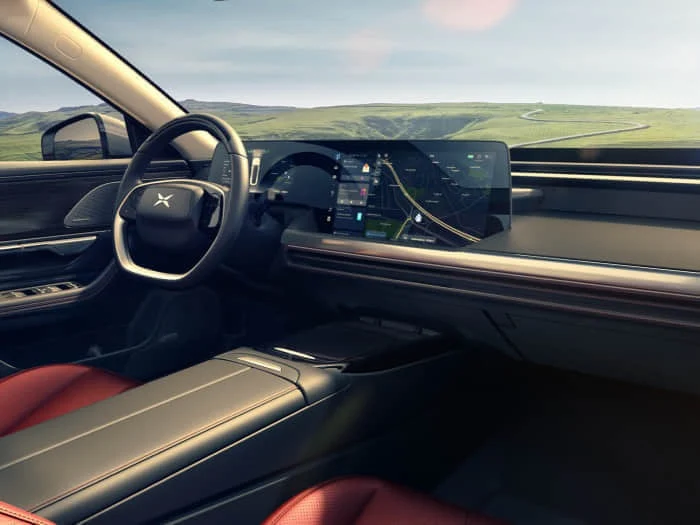
    Audi chose to embrace the design preferences of the Chinese market with the E5, differentiating it from the brand’s offerings in the West. The interior boasts a striking 59-inch wide screen that stretches across the dashboard. This screen is accompanied by two digital side mirrors, and the cabin also features wireless phone charging stations and Alcantara upholstery.

    The development of the E5 Sportback was done in collaboration with SAIC and will be produced at a SAIC-Volkswagen facility located in Shanghai.

    Source:
    Link


  • Electric Vehicles Hit 20% of Car Sales in South Korea

    Electric Vehicles Hit 20% of Car Sales in South Korea

    Key Takeaways

    1. Electric vehicles (EVs) accounted for 18.4% of all vehicle sales in South Korea in August, with over 23,000 new registrations.
    2. There have been 141,986 EV registrations in South Korea this year, a 48.4% increase compared to the previous year.
    3. Imported electric vehicles made up nearly 40% of total registrations in August, with a 100% increase in sales from last year.
    4. The Tesla Model Y has been a top seller, consistently moving over 6,000 units monthly since May, capturing 30% of the imported car market.
    5. Local brands like KG Mobility, Hyundai, and Kia are also experiencing growth, with KG Mobility’s Musso EV already meeting its annual sales target within six months.


    More South Koreans are choosing to buy electric vehicles, as shown by data from Carisyou. In August, electric cars made up 18.4 percent of all vehicle sales in the country.

    Record Sales of EVs

    Over 23,000 new electric vehicles were registered, part of a total of 126,787. This marks the best performance for battery-operated cars since Carisyou began tracking the data in 2020. So far this year, there have been 141,986 EV registrations, reflecting a growth of 48.4 percent compared to the previous year. Industry experts believe that South Korea will surpass 200,000 annual sales for the first time in 2025.

    Rise of Imported Electric Vehicles

    Another noteworthy point is the increasing share of imported electric vehicles. According to the Korea Automobile Importers & Distributors Association, foreign brands registered 10,855 units last month, which is nearly 40 percent of the total. This figure represents a more than 100 percent increase compared to last year.

    The growth in EV sales is largely driven by the popularity of new electric models. The upgraded Tesla Model Y is leading the way, consistently selling over 6,000 units each month since May, and capturing 30 percent of South Korea’s imported car market. To take advantage of this positive trend, the American EV company has also launched the Cybertruck in South Korea, marking its first introduction outside North America.

    Local Brands Making Progress

    Local manufacturers are also seeing success. For instance, KG Mobility’s Musso EV electric pickup achieved its yearly sales target of 6,000 units in just six months after its launch in May. Hyundai and Kia also performed well with their cost-effective Casper Electric and EV3 models.

    Source:
    Link