Tag: Xpeng

  • XPeng Engineers Reveal Humanoid Robot Iron to Prove It’s Real

    XPeng Engineers Reveal Humanoid Robot Iron to Prove It’s Real

    Key Takeaways

    1. XPeng’s bipedal robot, Iron, impressed viewers with its realistic, human-like appearance during a live demonstration.
    2. Audience skepticism was addressed when CEO He Xiaopeng allowed engineers to reveal Iron’s internal components, proving its authenticity.
    3. Iron’s smooth walking and stable stance captivated both live attendees and online viewers.
    4. The event highlighted XPeng’s advancements in AI and mobility, alongside their projects in robotaxis and flying cars.
    5. Iron is envisioned for future applications in museums, retail, and factories, showcasing XPeng’s innovative potential.


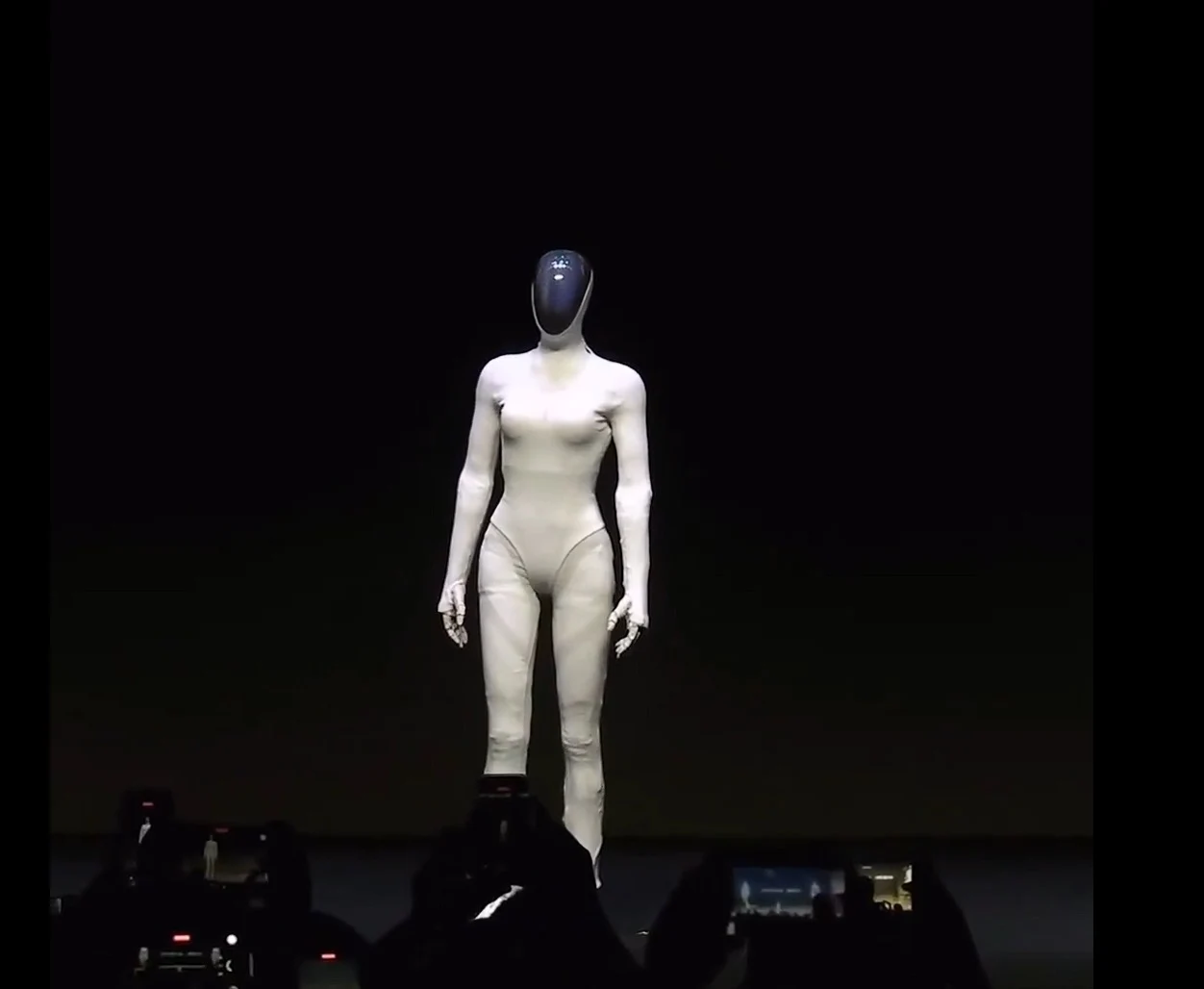
    You can tell you’re excelling in your role as a humanoid engineer when people are convinced that your walking robot isn’t a human. This is what XPeng engineers experienced during the live demonstration of their latest bipedal robot, Iron, in Guangzhou.

    Uncanny Realism

    The life-sized robot showcased an eerily human-like appearance as it walked across the stage towards CEO He Xiaopeng. Many audience members were led to believe that the company had employed an actor dressed in a robotic suit. Iron’s smooth walking style and stable stance amazed both those present and viewers watching the livestream.

    Addressing Doubts

    The skepticism from the event attendees was quite justifiable. The online community still remembers how Elon Musk’s Tesla showcased an actor in a bodysuit pretending to be a humanoid during the 2021 Optimus robot reveal.

    To dispel any doubts about dishonesty, Xiaopeng called engineers back to the stage and asked them to cut open one of Iron’s legs. After carefully slicing through several layers of fabric, the audience could see the robot’s metal joints, actuators, and wiring.

    Iron’s Performance

    Despite this revealing moment, Iron didn’t stop moving. The robot confidently continued its walk across the stage, and videos of the event have rapidly spread across Chinese social media platforms.

    Iron represents XPeng’s commitment to AI and mobility, with the company also working on robotaxis and flying cars. They envision Iron being used as guides in museums, helping customers in retail, or working in factories in the near future. For now, XPeng engineers can feel proud for successfully surprising even the most tech-savvy observers.

    Source:
    Link


  • Human Emotions Challenge Supervised Tesla FSD vs. L4 Robotaxis

    Human Emotions Challenge Supervised Tesla FSD vs. L4 Robotaxis

    Key Takeaways

    1. XPeng has developed its own AI driving chip called Turing, enabling a vision-only self-driving system.
    2. The company plans to launch a Level 4 autonomous robotaxi next year, easier to develop than their current Level 2+ driver-assist system.
    3. The Level 4 system can make quick decisions without driver intervention, unlike Level 2 systems that must consider unpredictable human behavior.
    4. Driver emotions significantly influence the need for technology to align with human thought processes, especially in critical driving situations.
    5. XPeng’s self-driving technology relies on machine learning and cameras, eliminating the need for LiDAR, while they await regulatory approval for deployment in regions like Europe.


    One of the leaders in self-driving technology among Chinese electric vehicle manufacturers, XPeng, has developed its own AI driving chip called Turing. This innovation enables the company to implement a vision-only system, leveraging recent improvements in machine learning. Their driver-assist feature, named XNGP, stands for XPeng Next Generation Pilot, and it is specifically designed for self-driving in dense urban environments.

    Future Plans for Robotaxi

    As per Candice Yuan, head of XPeng’s self-driving division, the firm plans to introduce a dedicated robotaxi akin to Tesla’s Cybercab next year. This vehicle will utilize Level 4 autonomy, which is similar to Tesla’s Full Self-Driving (FSD) without supervision. Interestingly, XPeng found that developing the Level 4 system, which doesn’t require any driver intervention, was simpler than the current Level 2+ XNGP system that their vehicles are operating on.

    Decision-Making Capabilities

    Yuan emphasized that the Level 4 system can make rapid decisions, paralleling the unsupervised FSD employed by Tesla’s pilot robotaxi service in Austin. Conversely, the Level 2 autonomy has to consider the unpredictable nature of human behavior, which can often interfere with the self-driving software’s logical operations. She provided several scenarios where the AI system might assess a situation as safe, but a human driver might feel uneasy and decide to take control:

    For instance, drivers prioritize efficiency. If the Advanced Driver Assistance Systems (ADAS) perform correctly but the vehicle is slower than anticipated, a driver may intervene. In another scenario, the system might deem a situation safe to proceed, but the driver could perceive it as too tight or risky and take over. Lastly, if the vehicle accelerates either too quickly or too slowly, the driver might feel uncomfortable and regain control. Consequently, achieving a higher level of autonomous driving (Level 2) for passenger cars appears more complex than the Level 4 system that Alibaba developed for driverless vehicles.

    Emotions in Driving

    Drivers are influenced by their emotions and feelings, so it’s crucial for the technology to align with their thought processes. The experience matters greatly. For example, if a robotaxi travels off course, it will continue along that path until it can turn around and correct itself. However, in Level 2 scenarios, a driver is likely to take over if the vehicle strays from the intended route; therefore, going the wrong way is not acceptable.

    XPeng’s Level 4 autonomous driving system is built to learn from short video clips showing both effective and ineffective driving methods, similar to Tesla’s unsupervised FSD. The company indicated that advancements in machine learning allowed them to eliminate LiDAR, relying solely on cameras installed in their vehicles for self-driving. However, third-party chip manufacturers were unable to provide the necessary customization for XPeng’s XNGP system to integrate its vehicle hardware with the in-house developed ADAS software, motivating the automaker to create its own specialized AI chip.

    The large language model employed by XPeng’s vision-based system can be utilized in various applications, akin to Tesla’s FSD. XPeng is now just waiting for public regulatory frameworks to catch up before deploying its self-driving technology in regions like Europe, where they recently initiated localized electric vehicle manufacturing to bypass import tariffs.

    Source:
    Link


  • XPeng Partners with Huawei for Innovative AR Heads-Up Display

    XPeng Partners with Huawei for Innovative AR Heads-Up Display

    Key Takeaways

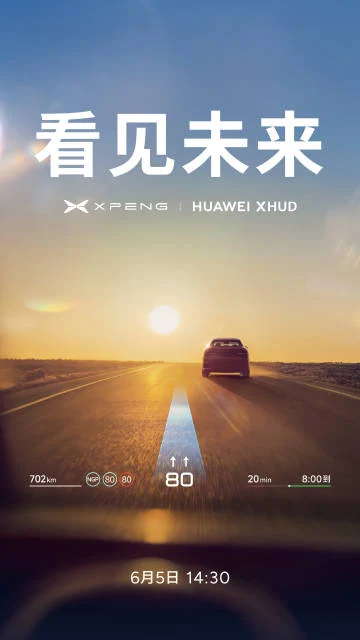
    1. XPeng and Huawei are collaborating to introduce an augmented-reality heads-up display (AR HUD) for XPeng cars, set to be revealed on June 5.
    2. An AR HUD enhances traditional heads-up displays by providing interactive visual guidance, such as lane directions.
    3. Huawei offers automotive solutions, including the Advanced Driving System (ADS), which supports autonomous driving with driver oversight.
    4. Huawei’s ADS is designed to be data-efficient, using LiDAR and cameras to detect obstacles.
    5. Huawei is also launching its Pura 80 Ultra smartphone, with more details available in a separate article.


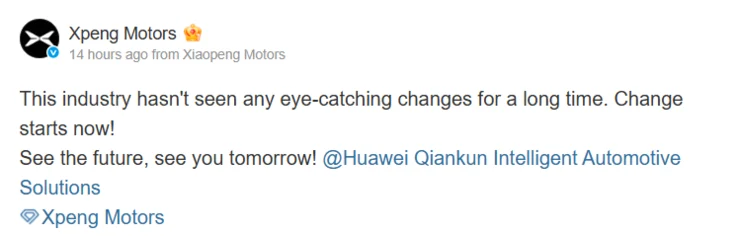
    In a recent post on Weibo, XPeng pointed out that the car industry has been missing groundbreaking innovations for quite a while. The company shared a link to Huawei Qiankun, which then responded by tagging XPeng with a message saying, “See you tomorrow, Xiaopeng Motors.”

    Exciting Collaboration

    XPeng and Huawei are teaming up to bring an exciting new augmented-reality heads-up display (AR HUD) to XPeng’s cars. This advanced technology is scheduled to be revealed on June 5 at 2:30 PM CST during a launch event titled “Light Chasing Panorama” (link to livestream). Both firms are keeping the details of this new system under wraps for now.

    Understanding HUD Technology

    A typical heads-up display (HUD) shows important info like speed and remaining range directly in the driver’s view. An AR HUD enhances this experience by displaying additional features. For instance, it can guide drivers on the correct lane to take by projecting helpful visuals onto the road.

    Huawei’s Innovations in Automotive

    In addition to its well-known smartphones and networking technologies, Huawei also provides automotive solutions. A significant product is the Advanced Driving System (ADS), which is currently in version 3.2. Depending on how it’s set up, ADS facilitates autonomous driving while still requiring a driver to be present in the vehicle.

    Huawei’s ADS is designed to use less data than many other systems, utilizing LiDAR sensors and cameras to identify people, objects, and other obstacles in the environment.

    Upcoming Smartphone Release

    On a similar note, Huawei has also confirmed the launch date for its Pura 80 Ultra smartphone. More information can be found in another article.

    Source:
    Link


  • XPeng and Volkswagen Introduce Ultra-Fast Charging in China

    XPeng and Volkswagen Introduce Ultra-Fast Charging in China

    In 2023, Volkswagen acquired a 4.99% share in XPeng for around $700 million, aiming to work together on creating two electric vehicles under the Volkswagen name by 2026. Since that time, the two companies have come up with a new framework for smart electric vehicles, which will help the well-known German brand offer competitive options in the Chinese market. Currently, they are also collaborating to establish a fast charging network to benefit EVs from both brands across China.

    Joint Charging Network Announcement

    A recent report from Reuters mentions that a joint announcement made yesterday stated,

    “The companies have signed a memorandum of understanding to open their respective fast-charging networks to each other’s customers, which comprise more than 20,000 charging piles across 420 cities in China.”

    Moreover, it’s noteworthy that Volkswagen and XPeng are looking into the possibility of creating additional co-branded ultra-fast charging stations soon.

    Future Collaborations Ahead

    Looking ahead, Volkswagen and XPeng are aiming for even more strategic partnerships. However, no further details on their future plans have been shared as of now. Established ten years ago, XPeng produced over 190,000 vehicles last year. By comparison, Volkswagen sold more than 770,000 electric vehicles globally in 2023. After a drop in sales in 2024, this year might be better for the German manufacturer as it expands its presence in China.

    A Glimpse into Volkswagen’s Legacy

    With an impressive 87-year history, Volkswagen has created numerous iconic vehicles. Those curious about the company’s past but short on time can check out The Complete History of Volkswagen: The Moments that Shaped the German Car Brand, available for only $0.99 (Kindle version only).

    Source: Link

  • China to Witness Flying Cars as Xpeng’s AeroHT

    China to Witness Flying Cars as Xpeng’s AeroHT

    Chinese electric vehicle giants Xpeng and its affiliate AeroHT are venturing into the flying car industry, aiming to revolutionize city transportation. AeroHT, a subsidiary of Xpeng, has been diligently crafting its flying car for ten years, with recent successful low-altitude flight trials in Guangzhou's bustling central business district showcasing its advancements.

    AeroHT's Innovations and Progress

    AeroHT is on the brink of obtaining airworthiness certification for its groundbreaking flying car, a significant milestone in urban air technology. The company's CEO, He Xiaopeng, emphasized the transformative potential of low-altitude air travel during his presentation at Auto China 2024, emphasizing its profound impact on everyday urban living.

    The Future of Urban Mobility

    The upcoming AeroHT flying car, scheduled to open pre-orders in the fourth quarter of this year, boasts a dual-mode electric vertical take-off and landing (eVTOL) vehicle that smoothly transitions between ground and air travel. Although specific launch dates and pricing details are yet to be revealed, industry insiders estimate a price range of approximately 1 million yuan ($138,000), with plans for future cost reductions.

    Xpeng's endeavors extend beyond flying cars, with its robotics division dedicated to developing robots for household chores and human interaction. This diversified approach underscores Xpeng's dedication to innovation across different sectors, cementing its position as a trailblazer in cutting-edge technologies.

    Shaping the Future of Transportation

    Chinese companies like Xpeng and AeroHT are at the forefront of globally commercializing flying cars, capitalizing on China's unparalleled expertise in electric vehicle technologies. With the Civil Aviation Administration of China evaluating type certification for AeroHT's eVTOL vehicle and Xpeng preparing for pre-orders, a transformative shift in urban mobility appears imminent.

  • Intensifying Electric Vehicle Price War in China Amid Declining Sales

    Intensifying Electric Vehicle Price War in China Amid Declining Sales

    To address declining sales within China's electric vehicle (EV) industry, major players BYD and Xpeng have initiated a competitive price battle. In February, both companies faced significant sales drops, with BYD witnessing a nearly 40% decrease and Xpeng experiencing a decline of almost 45%.

    BYD, headquartered in Shenzhen and supported by Warren Buffett's Berkshire Hathaway, adopted an assertive approach by reducing the price of its updated Yuan Plus SUV to 119,800 yuan, marking an 11.8% decrease from its previous pricing. This decision follows a series of price cuts by BYD in recent weeks, demonstrating a concerted effort to boost sales in a challenging market environment.

    BYD's Price Strategy

    BYD has been strategically reducing prices across its Dolphin, Han, Tang, Song, and Seal series in response to the sales downturn. Notably, the revamped Qin Plus DM-i plug-in hybrid now costs 20% less than its previous version at 79,800 yuan.

    Meanwhile, Xpeng, located in Guangzhou, continued offering a 20,000-yuan discount on its popular G6 SUV until the end of the month, bringing the entry-level G6's price down to 189,900 yuan from its original 209,900 yuan. This extension aims to attract hesitant buyers amidst persisting low deliveries.

    Market Observations

    Industry observers anticipate an escalation in the ongoing price war, with more manufacturers likely to engage to safeguard their market shares. Experts warn of the risk of losing market share for companies that do not adjust their pricing strategies in line with market conditions.

    The industry is grappling with multiple factors contributing to the weakening demand for EVs in China, including economic uncertainty, challenges in the property sector, and the discontinuation of subsidies amounting to about 12,000 yuan on EV purchases.

    Industry Response

    The industry response to the pricing strategies of BYD and Xpeng has been significant. Three other carmakers, including a General Motors joint venture, have lowered the prices of their top-selling electric vehicles below the 100,000-yuan threshold, intensifying the pricing competition.

    In February, Xpeng faced a substantial decline in deliveries, dropping by 44.9% month-on-month to 4,545 units, the lowest since March 2021. In reaction to market dynamics, Tesla, a key player in China's premium EV market, introduced an 8,000-yuan subsidy for buyers purchasing car insurance from its partners, valid until the end of March.

    Moreover, manufacturers like Hangzhou-based Leapmotor have adjusted their vehicle pricing lower than initially planned. Leapmotor's new SUV C10 now starts at 128,800 yuan, representing a 17.3% price reduction from its presale price in January.

    Future Outlook

    Industry experts predict that most carmakers will resort to discounts and price wars to maintain market share in 2024. Despite a projected slowdown in EV sales growth by Fitch Ratings, government incentives and favorable manufacturer policies, such as those by Tesla, are expected to drive rapid growth in the car trade-in sector in the near future.

  • Xpeng, a Chinese automaker, aims to commence large-scale production of flying cars by the fourth quarter of 2025.

    Xpeng, a Chinese automaker, aims to commence large-scale production of flying cars by the fourth quarter of 2025.

    XPeng Motors Collaborates to Bring XPeng Huitian Flying Car to Market

    XPeng Motors, a leading Chinese electric vehicle manufacturer, has announced a major collaboration to introduce its XPeng Huitian Flying Car to the market. This groundbreaking project aims to redefine transportation by offering a modular flying vehicle capable of both road and air travel.

    Collaboration for Mass Production

    XPeng Motors has revealed a significant collaboration between Guangdong XPeng and Guangdong Huitian, both subsidiaries of XPeng Motors, through an announcement on the Hong Kong Stock Exchange. This partnership, formalized on January 2, 2024, brings together Guangdong Huitian's expertise in the research and development of flying cars and Guangdong XPeng's proficiency in design and technical development.

    The Innovative Design of XPeng Huitian

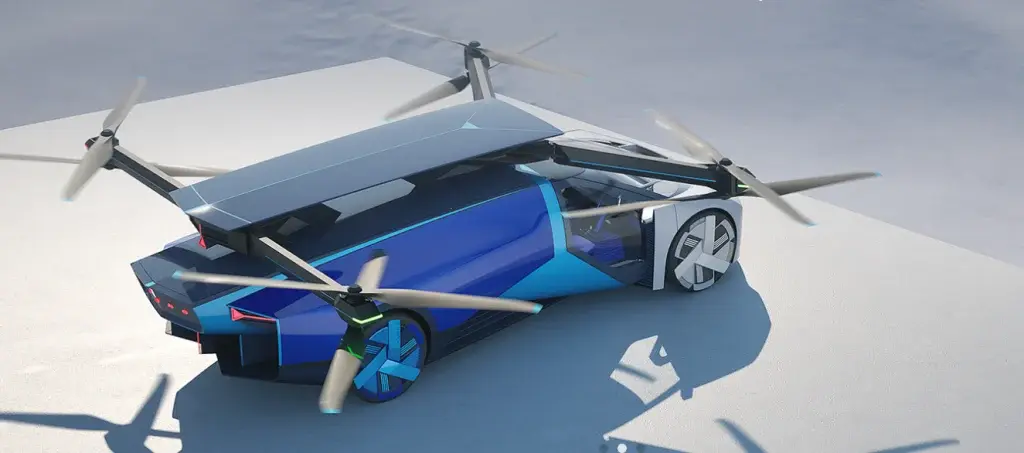
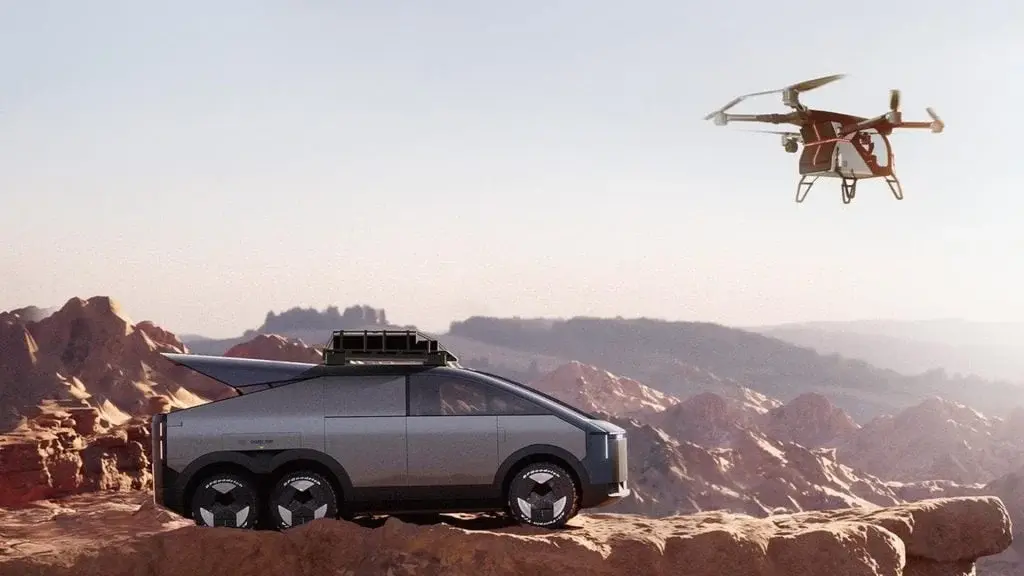
    The XPeng Huitian Flying Car, also known as the "Land Aircraft Carrier," boasts a unique land-air integrated design. It features a detachable and recombining land and flying body. The land body, designed for road travel, can accommodate 4-5 passengers and is equipped with a hybrid power system. Its enhanced mobility is attributed to a three-axle six-wheel automotive design.

    On the other hand, the flying body is a fully electric, manned aircraft with vertical take-off capability. It is suitable for low-altitude flight and offers both manual and automatic driving modes. The flying body can be charged within the cabin, providing protection against environmental elements.

    Ambitious Timeline for Mass Production

    XPeng Huitian aims to achieve mass production of the XPeng Huitian Flying Car by the fourth quarter of 2025. Guangdong XPeng will play a crucial role in the final assembly of these innovative vehicles. This ambitious timeline underscores XPeng's commitment to bringing this revolutionary technology to the market at the earliest opportunity.

    Overcoming Challenges

    While XPeng Huitian's vision is promising, there are challenges that need to be addressed. Regulatory hurdles, infrastructure development, and public safety concerns all pose significant obstacles. However, with its innovative design and determined partners, XPeng Huitian is paving the way for a future where flying cars become commonplace, transforming how we live, work, and travel.

  • China’s EV Growth Accelerates with XPeng’s Remarkable Month

    China’s EV Growth Accelerates with XPeng’s Remarkable Month

    XPeng Sets New Sales Record in November 2023

    Chinese electric vehicle (EV) startup, XPeng, has achieved a significant milestone in the global EV landscape by setting a new sales record in November 2023. This achievement highlights XPeng’s growing prominence and China’s accelerating move towards electric mobility.

    Record-Breaking Sales Figures

    XPeng has recently delivered over 20,000 electric vehicles in a single month, marking a staggering 245% increase from the previous year. This impressive growth is primarily driven by the Chinese market, showcasing the country’s rapidly growing appetite for sustainable transportation.

    XPeng’s Unique Journey

    While often compared to Tesla, XPeng has taken a unique turn in its journey. The company’s commitment to innovation is evident in its latest achievement. The delivery of over 20,000 all-electric vehicles in a single month showcases XPeng’s dedication to pushing the boundaries of electric mobility.

    Dominating the Affordable Segment

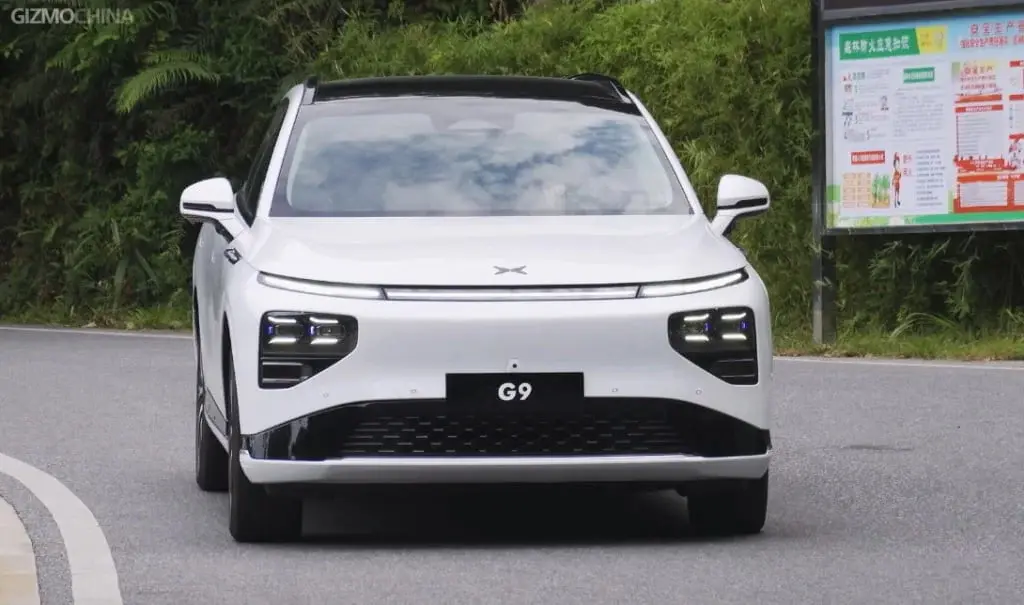
    XPeng’s standout model, the G6, directly competes with Tesla’s Model Y. With 8,750 units sold, it dominates the affordable segment of the market. This dominance has played a critical role in XPeng’s widespread acceptance. Additionally, XPeng’s other models, including the G3/G3i, G9, and P7/P7i, have also experienced significant sales growth, witnessing a 94% year-over-year increase.

    Moving Closer to Profitability

    The surge in sales brings XPeng closer to achieving profitability, a crucial benchmark for any automotive company, especially in the competitive EV sector. With year-to-date deliveries surpassing 120,000 units, marking an 11% increase over the previous year, XPeng demonstrates steady growth and resilience in a challenging market.

    Expanding the Portfolio

    XPeng plans to introduce the X9, a large 7-seater MPV, to its impressive portfolio. This move aims to expand XPeng’s reach in the family vehicle segment and cater to a diverse range of consumers. By diversifying its offerings, XPeng solidifies its position in the EV market and further establishes itself as a key player in the industry.

    Conclusion

    XPeng’s record-breaking sales in November 2023 highlight the company’s growing prominence and China’s continued push towards electric mobility. With its commitment to innovation, dominance in the affordable segment, and plans for expansion, XPeng is well-positioned to thrive in the competitive EV market. As XPeng moves closer to profitability, it further solidifies its status as a key player in the global EV landscape.

  • China’s Luxury EV Market Sees November Surge by Li Auto and Xpeng

    China’s Luxury EV Market Sees November Surge by Li Auto and Xpeng

    November Witnessed Unprecedented Achievements in China’s Electric Vehicle Sector

    Li Auto and Xpeng Reach Remarkable Milestones

    In the realm of luxury electric vehicle (EV) production in China, Li Auto and Xpeng not only made noteworthy strides but also set fresh sales records in November. Both companies notched up numbers that exceeded their prior achievements, thus establishing new standards in the burgeoning Chinese EV landscape.

    Li Auto: Consistent Progress Surpassing Previous Sales Records

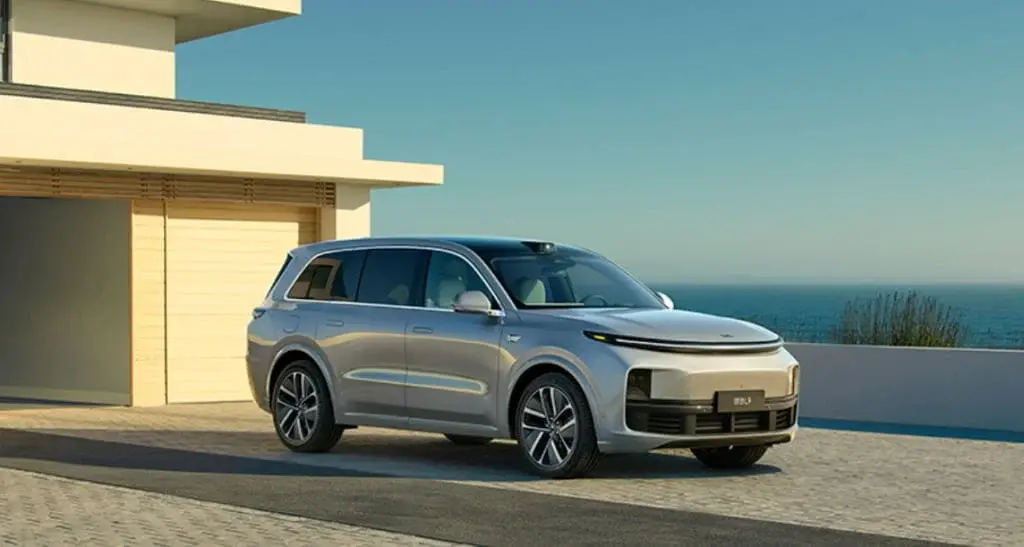
    Demonstrating a pattern of consistent growth, Li Auto, now part of the Hang Seng Index, disclosed delivering 41,030 units in November, slightly edging past its October figures. This particular feat signifies the eighth consecutive month where Li Auto has broken its sales records, underlining a trajectory of unwavering expansion. The upscale sport utility vehicles (SUVs) from Li Auto, such as the L7, L8, and L9, all tagged above 300,000 yuan, have played a pivotal role in this success. This strategic pricing approach positions Li Auto as a formidable rival to Tesla, particularly with the high demand witnessed for its latest models.

    Xpeng: Continual Advancement Fueled by the New G6 SUV Offering

    Hailing from Guangzhou, Xpeng showcased remarkable growth by delivering 20,041 vehicles in November, slightly surpassing its October performance and indicating steady progress. The novel G6 SUV from Xpeng notably contributed significantly to this advancement, accounting for nearly half of the total deliveries in November.

    Evolution of the Chinese EV Market Landscape

    Evolution in Consumer Preferences Driving Market Growth

    The surge in sales figures within the Chinese EV market is not solely indicative of increased transactions but also mirrors the shifting preferences of Chinese consumers, particularly the middle class, who are eyeing battery-operated vehicles as the future of transportation. This transformation in mindset acts as a catalyst for the surging market demand, a trend that both Li Auto and Xpeng are well-positioned to leverage.

    Tesla’s Standing in the Chinese Market

    Deceleration in Deliveries Amid Escalating Competition

    Although Tesla maintains a significant presence in the Chinese market, it abstains from disclosing monthly delivery figures. Notwithstanding, insights from the China Passenger Car Association (CPCA) unveiled a month-to-month descent in Tesla’s deliveries in October, contrasting the upward trajectory of domestic manufacturers.

    Escalating Competition in the Chinese EV Sector

    Entrance of New Tech Giants into the Arena

    The influx of fresh contenders, such as tech giants Xiaomi and Baidu, in the Chinese EV landscape, has been notable. These entities are enticing affluent motorists with their smart vehicle offerings. Huawei’s venture, Aito, in the automotive realm marked a notable uptick in November deliveries, further accentuating the heightened competition within the industry.

    In Conclusion

    The outstanding sales accomplishments by Li Auto and Xpeng in November underscore the continual growth and promise embedded within China’s EV sector. As the market undergoes transformation and consumer inclinations evolve, it remains intriguing to observe the adaptations by established players like Tesla and the influence of emerging competitors in shaping the future of the Chinese EV market.

  • China’s Luxury EV Market Experiences November Surge with Li Auto and Xpeng at the Forefront

    China’s Luxury EV Market Experiences November Surge with Li Auto and Xpeng at the Forefront

    Li Auto and Xpeng Set New Sales Records in November

    In November, China’s electric vehicle (EV) industry reached a significant milestone as luxury EV manufacturers Li Auto and Xpeng not only surpassed their previous sales records but also set a new benchmark in the Chinese EV market.

    Li Auto’s Impressive Growth

    Li Auto, now a member of the Hang Seng Index, reported delivering 41,030 units in November, slightly surpassing its October record. This achievement demonstrates the company’s consistent growth, marking its eighth consecutive month of record-breaking sales. Li Auto, based in Beijing, has experienced great success with its luxury sport utility vehicles (SUVs), including the L7, L8, and L9, all priced above 300,000 yuan. With strong demand for its new models, Li Auto has positioned itself as a formidable competitor to Tesla.

    Steady Progress for Xpeng

    Guangzhou-based Xpeng also showcased impressive growth by delivering 20,041 vehicles in November, slightly exceeding its October figures. The company’s new G6 SUV played a significant role in this success, accounting for nearly half of its November deliveries.

    Shifting Preferences of Chinese Consumers

    The Chinese EV market is not solely about sales numbers; it also reflects the changing preferences of Chinese consumers, particularly the middle class, who increasingly view battery-powered vehicles as the future of mobility. This shift in preference is evident in the growing market demand that both Li Auto and Xpeng are eager to capitalize on.

    Tesla’s Role in the Chinese Market

    While Tesla remains a significant player in the Chinese market, it does not report monthly deliveries. However, data from the China Passenger Car Association (CPCA) revealed a month-on-month decline in Tesla’s deliveries in October, in contrast to the upward trajectory of Chinese manufacturers.

    Increasing Competition in the Chinese EV Market

    The Chinese EV market is witnessing the entry of new competitors, including tech giants like Xiaomi and Baidu. These companies’ intelligent vehicles are starting to attract wealthy motorists, adding to the competition in the sector. Additionally, Huawei’s automotive venture, Aito, experienced a significant increase in November deliveries, further emphasizing the growing competition in the Chinese EV market.

    Overall, November marked a significant milestone for the Chinese EV industry, with Li Auto and Xpeng setting new sales records and showcasing impressive growth. As the market continues to evolve, competition among manufacturers intensifies, and the preferences of Chinese consumers shift towards battery-powered vehicles, the future of the Chinese EV market looks promising.