Key Takeaways
1. The Tesla Model Y’s rear gigacast design is cheaper to repair after accidents compared to traditional multi-link body structures used by other manufacturers.
2. A study found that fixing the Model Y’s single-piece cast aluminum rear is nearly $3,000 less expensive than repairing similar damage on vehicles with multi-panel designs.
3. Tesla’s repairability innovations, like swappable cast rear rail assemblies, simplify repairs for minor damages and reduce costs for insurers.
4. For severe damages, Tesla provides the gigacast rear at cost, saving insurers $700 per claim, although repairs requiring welding must be done at authorized service centers.
5. Tesla’s focus on repair-friendly designs during manufacturing, such as using bolted joints instead of riveted ones, enhances the overall ease of repairs compared to traditional vehicle designs.
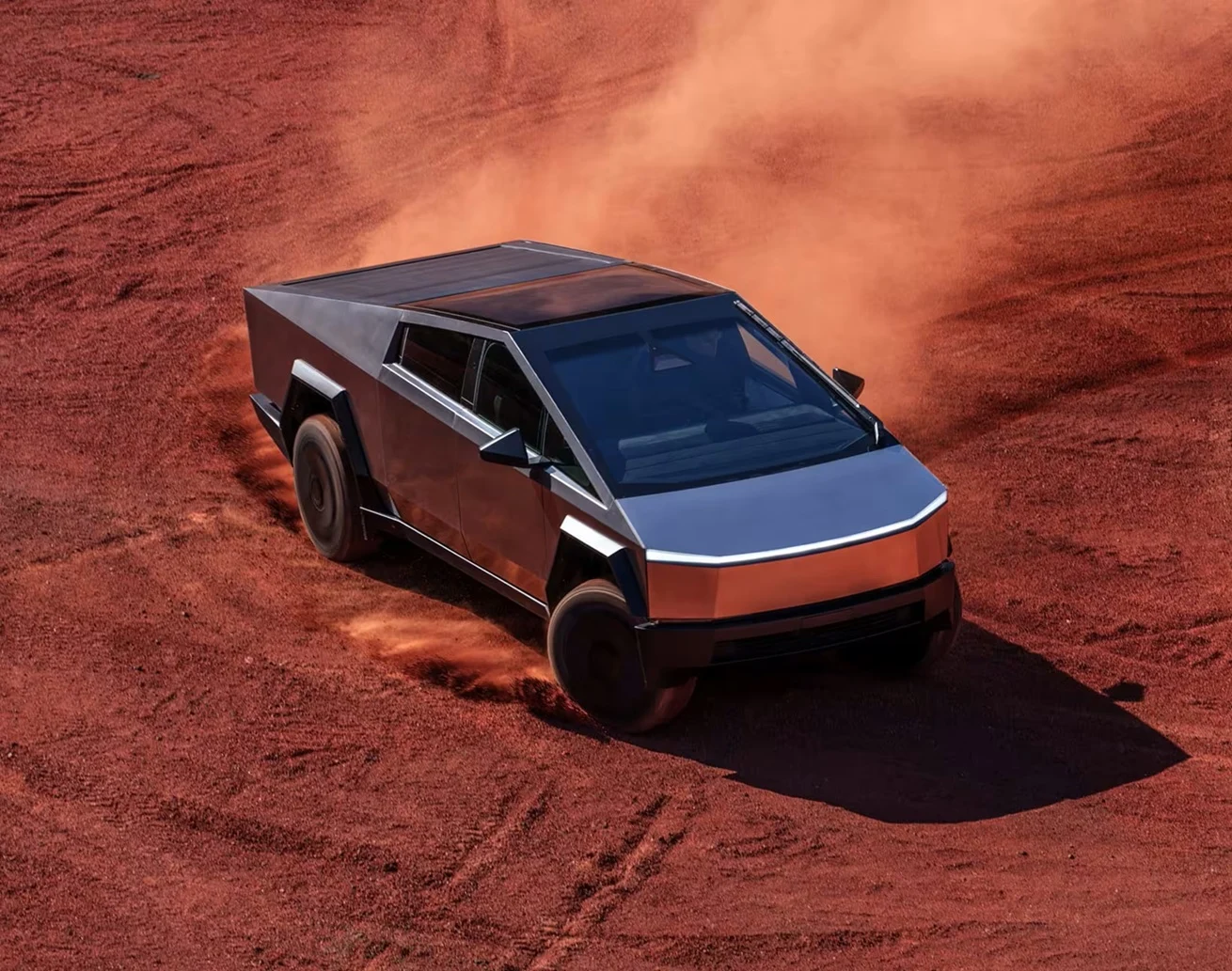
The gigacast rear of the Tesla Model Y is actually less expensive to repair after an accident than the conventional multilink structures used by other automakers for their vehicles.
Study Insights
A new in-depth study focused on Model Y accidents and their repair expenses reveals that Tesla has made significant strides in making its popular vehicle easier to repair. In fact, it is now more affordable to fix or even swap out the single cast aluminum piece that makes up the rear of the SUV compared to similar damage on cars with traditional multi-panel designs.
The Thatcham Research organization collaborates with major insurance companies to offer insights into repair costs and the pricing they need to implement to recover expenses. Tesla owners have frequently voiced concerns about their insurance being pricier than for other car brands, and there’s a valid reason: the Model Y insurance premiums can be as much as 40% higher than the average for its category.
Repair Preferences
One reason insurers often choose to declare electric vehicles a total loss instead of repairing them is the lengthy and costly repairs that can occur if structural damage affects the battery or other components during a collision. Rental company Hertz even backed out of its order for 100,000 Teslas and sold the delivered vehicles at a loss, citing high repair costs and quick depreciation rates.
When Tesla began using one-piece gigacast body components for models like the Model Y, both competitors and insurers raised concerns about how this cost-effective manufacturing method would drive up EV insurance rates. To address these repairability concerns, Tesla took action, prompting Thatcham Research to initiate a two-year analysis to see if they were successful.
Repair Cost Analysis
Thatcham examined several scenarios of Model Y crash damage based on genuine insurance claims. They discovered that the expense to repair the gigacast rear is almost $3,000 less than fixing equivalent damage on the multi-panel Model 3. A similar trend was observed for repairs on internal combustion engine vehicles and other electric models like the Mercedes EQE or the Hyundai Ioniq 5.
Thatcham’s Billyeald has labeled Tesla’s $40 swappable cast rear rail assemblies as a revolutionary development, particularly for minor impacts typical of low-speed city collisions. He explained, “Tesla has figured out how to section these areas, allowing repair parts to be bolted and glued. This means you don’t have to manipulate the aluminum sections, and the repair process becomes almost entirely mechanical, which makes it much easier.”
Repair Challenges
For more serious damage resulting from high-speed incidents, the Model Y also offers lower repair costs compared to other vehicles, as Tesla has opted to supply the entire gigacast rear to service centers at cost, which saves insurers around $700 per claim. However, a downside to the Model Y’s repairability is that if the aluminum gigacast section requires welding, the SUV must go to Tesla-licensed service centers, which smaller repair shops may not be equipped to handle due to space constraints, potentially delaying repairs.
Nevertheless, as noted by the lead engineer of the study, when companies like Tesla prioritize repairability in their design phases, they often use repair-friendly techniques such as welded joints instead of riveted ones. He remarked, “On the Tesla, you can drill out the welds with a few extra bolted fixings… and then you just replace the rivets,” commending the thoughtful design as being easier to manage than standard multi-panel constructions.
Get the 80A Tesla Gen 2 Wall Connector with 24′ cable on Amazon.
Source:
Link