Category: EV vehicles

  • VW California 1.5 eHybrid 4Motion: Modern Plug-in Hybrid Camper

    VW California 1.5 eHybrid 4Motion: Modern Plug-in Hybrid Camper

    Key Takeaways

    1. The California 1.5 eHybrid 4Motion features a 1.5-liter turbo gasoline engine combined with electric motors for a total output of 245 hp and all-wheel drive.
    2. The plug-in hybrid offers a pure electric range of up to 59 miles (95 km), with a more realistic expectation around 50 miles (80 km).
    3. The interior retains classic California features, including a pop-up roof, individual seating, and a kitchenette with modern app control for technology.
    4. The payload capacity is reduced to 844 lb (383 kg), which may limit its utility for families or longer trips compared to the diesel version.
    5. The VW California 1.5 eHybrid 4Motion combines traditional camper charm with modern technology, appealing to users who prioritize sustainability and versatility.


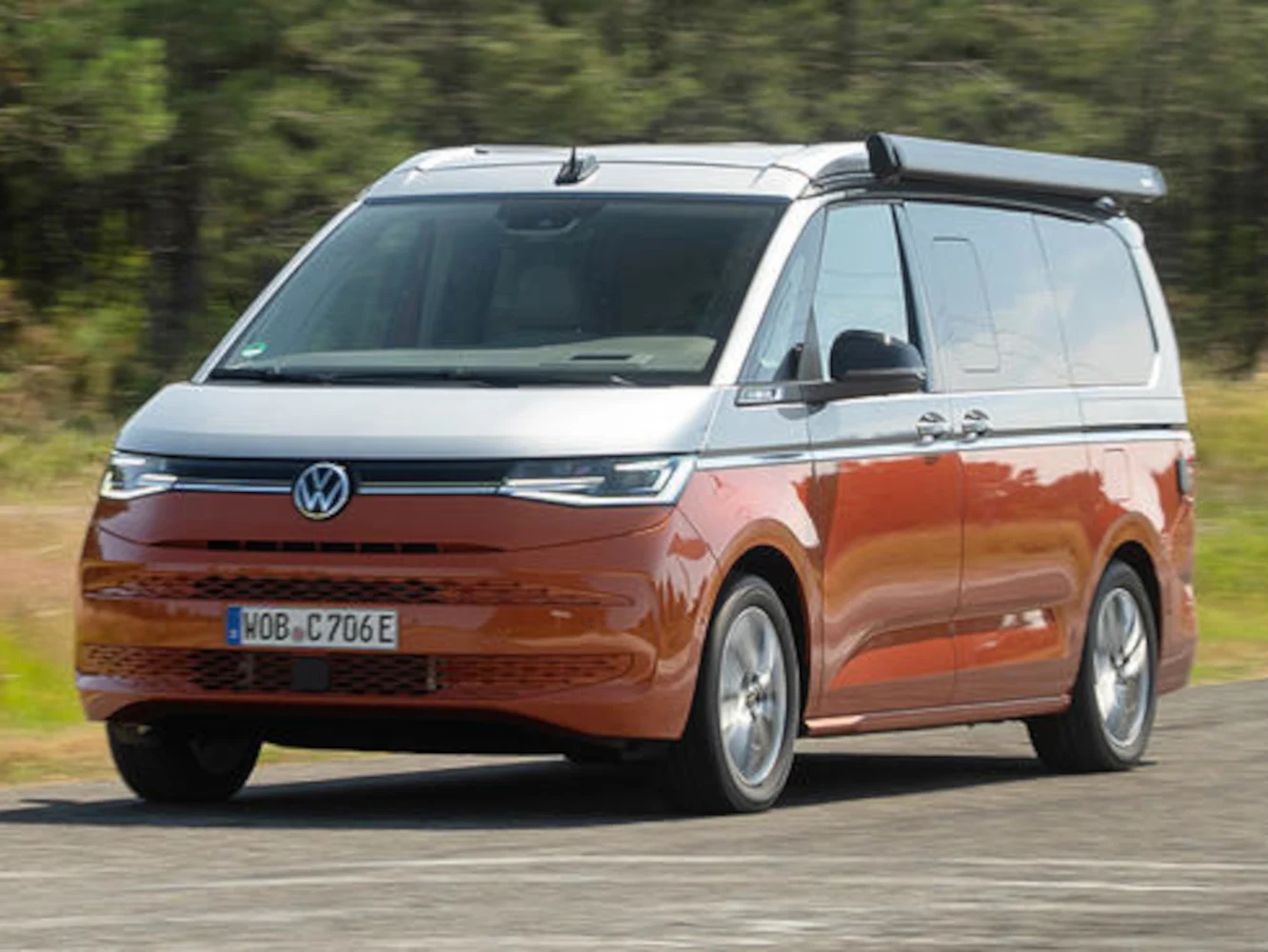
    According to Auto Zeitung, the California 1.5 eHybrid 4Motion is powered by a 1.5-liter turbo gasoline engine generating 177 hp (130 kW). It works alongside an electric motor in the front and another at the back, providing all-wheel drive capabilities. Together, these components yield a total of 245 hp (180 kW) and 350 Nm of torque. The plug-in hybrid can achieve a range of up to 59 miles (95 km) in pure electric mode; however, a more realistic expectation would be around 50 miles (80 km). A 6-speed dual-clutch transmission helps in delivering efficient power. The California has a weight of roughly 2,567 kg and spans 5.17 m in length.

    Classic Features Inside

    The interior design stays true to the classic California essence. With a pop-up roof, individual seating, and an extendable table, it offers a practical living environment. The lower bed is 1.06 m wide, while the upper bed measures 1.14 m. The kitchenette is equipped with a single-burner gas stove and sink. Auxiliary air conditioning maintains a comfortable climate, and app control for the roof and onboard technology adds a modern touch. Access is made easier with two sliding doors, which also enhance movement inside.

    Considerations for Users

    However, the payload capacity is reduced to 844 lb (383 kg) compared to the diesel version’s 1398 lb (634 kg), which might be a drawback for families or those planning longer journeys. The electric range is mainly suited for daily commuters or short trips. Positive aspects include the electric cooling system, lightweight individual seats, and additional storage, which all represent improvements over older versions.

    The VW California 1.5 eHybrid 4Motion aims to merge the charm of traditional campers with contemporary technology. For those who prioritize sustainability and versatility, this new California presents an appealing choice, although its payload and electric range might pose some limitations.

    Source:
    Link


  • 2026 Tesla Models: 7-Year Warranty on Costly EV Parts

    2026 Tesla Models: 7-Year Warranty on Costly EV Parts

    Key Takeaways

    1. Starting with the 2026 model year, Tesla will offer a 7-year or 70,000-mile warranty for high-cost propulsion-related parts.
    2. The new warranty aims to provide customers with greater reassurance regarding costly repairs and replacements.
    3. Key components covered include the power control unit (PCU), crucial for battery charging and vehicle performance.
    4. Tesla’s battery and drive unit will maintain their existing 8-year warranty.
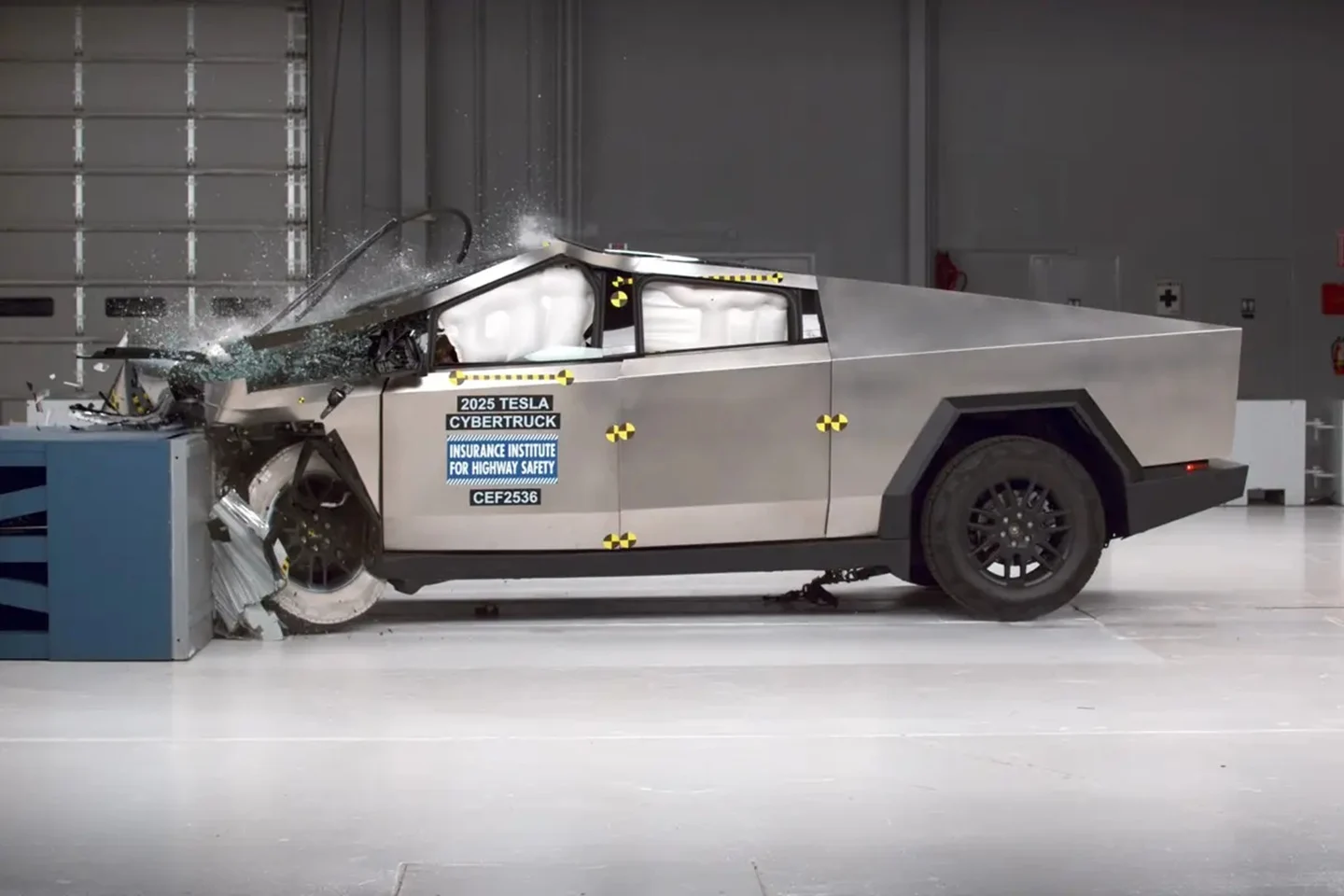
    5. The new warranty does not cover the Cybertruck, likely due to insufficient reliability data.


    Starting with the 2026 model year, Tesla vehicles will feature a longer warranty for costly components. This change means that these expensive parts will now be protected for seven years, which can bring greater reassurance to customers.

    New Warranty Details

    As noted by Mongo on X, Tesla’s updated warranty documents include a section for the “High-Cost Propulsion-Related Part Warranty.” This shows that the electric vehicle manufacturer is now providing a 7-year or 70,000-mile (110,000 km) warranty for specific components. Meanwhile, other essential parts, such as the battery and drive unit, continue to have an 8-year warranty.

    Coverage Expansion

    The newly added warranty includes components that could lead to significant expenses for owners when they need repairs or replacements. Some of these parts are vital for the vehicle’s performance. For instance, the power control unit (PCU) is necessary for battery charging, and it is also among the parts most likely to suffer damage during electrical issues.

    Exclusions from the Warranty

    However, it’s worth noting that the Cybertruck is not included in this new warranty. Although no official explanation has been provided, it’s likely that Tesla hasn’t collected enough reliability data on the electric pickup yet.

    Tesla has been showing more trust in its vehicle components. The company recently rolled out a monthly extended warranty service in both the US and Canada.

    Source:
    Link


  • Lucid’s Tesla Model Y Rival Priced Under $50,000

    Lucid’s Tesla Model Y Rival Priced Under $50,000

    Key Takeaways

    1. Lucid is launching a competitor to the Tesla Model Y in 2026, targeting a price around $50,000.
    2. A smaller, more affordable sedan is expected to follow the SUV, expanding Lucid’s model lineup beyond the premium Air.
    3. Lucid is adopting a strategy similar to Tesla, starting with high-end EVs to fund the development of lower-cost vehicles.
    4. The Lucid Air boasts an impressive range of over 400 miles, with some tests showing over 500 miles, and has surpassed competitors in energy efficiency.
    5. Lucid’s electric cars feature unique designs and advanced interior options, raising questions about whether these advantages will carry over to their more affordable models.


    Lucid is getting ready to launch a competitor to the 2026 Tesla Model Y, aiming for a price around $50,000 or a little less. The CEO of Lucid has shared that this more affordable SUV, set to rival the Model Y, is expected to debut in 2026. Following this, there will likely be a smaller, cheaper sedan introduced, which will be more accessible than the current premium Air lineup.

    Future Lucid Models

    Additionally, a third, more economical Lucid vehicle is in the works, built on the same midsize platform, but the CEO did not disclose what that vehicle would look like. Lucid is mirroring Tesla’s strategy, beginning with high-end, pricey electric vehicles (EVs) and using the profits from those sales to fund the development of more affordable options.

    Cult Following

    Despite the Air Pure sedan starting at over $70,000, Lucid has attracted a dedicated fanbase. The entry-level Lucid model boasts an EPA estimated range of over 400 miles, with tests indicating it can even surpass 500 miles on a single charge. The Gravity, which is Lucid’s first three-row SUV, leads its segment with an impressive EPA range of 450 miles per charge, achieved with a significantly smaller battery than the Rivian R1T.

    Lucid has achieved multiple records for energy efficiency, covering more than five miles per kWh of battery power. Simultaneously, its efficient electric motors generate over 400 HP, even in the rear-wheel-drive version of the Air, while the performance-focused tri-motor Sapphire trim outperforms the Tesla Model S Plaid during drag races.

    Design and Interior Features

    But energy efficiency, rapid charging, and high performance are not the only strengths of Lucid’s electric cars. They also stand out with unique designs and a variety of interior features that are lacking in the more plain Tesla vehicles. It remains uncertain whether Lucid can maintain these advantages in their $50,000 Model Y competitor.

    Source:
    Link


  • Tesla Boosts Berlin Gigafactory Production for Rising EU EV Demand

    Tesla Boosts Berlin Gigafactory Production for Rising EU EV Demand

    Key Takeaways

    1. Tesla will increase production at Giga Berlin through the rest of 2025 to meet rising demand in Europe.
    2. The plant manager reported strong sales figures, prompting an upward adjustment in production plans for the third and fourth quarters.
    3. Tesla has faced declining sales in some European markets, particularly in Germany, due to intense competition from Chinese brands.
    4. Giga Berlin achieved a milestone by producing its 500,000th Model Y in three years and has started making an upgraded version.
    5. Tesla is implementing efficiency measures and planning to double production capacity at the Giga Berlin facility.


    Tesla is set to boost production at Giga Berlin for the rest of 2025. The factory in Germany is responding to a surge in demand throughout Europe.

    Increased Production Plans

    In the upcoming months, Giga Berlin will ramp up its activities as Tesla aims to cater to the growing needs in various European car markets. André Thierig, the plant manager, shared with DPA that the company is seeing “very good sales figures” which has led them to adjust their production plans upward for the third and fourth quarters.

    Positive Shift for Tesla

    This development is a promising change for the American electric vehicle manufacturer, which has experienced declining sales in several European regions. Germany remains a challenging market for Tesla due to fierce competition, particularly from Chinese brands that are aggressively expanding. According to the KBA road transport agency, sales fell by 57.8 percent.

    Milestones at Giga Berlin

    Earlier this year, Giga Berlin celebrated the production of its 500,000th Model Y, reaching this milestone in just three years. The plant also began producing an upgraded version of the Model Y in September. To improve efficiency, Tesla has implemented measures such as autonomously parking completed vehicles in the logistics area. Additionally, the company is working on expanding the facility to increase its production capacity two-fold.

    Source:
    Link


  • Rivian Starts $5B EV Factory in Georgia, Creating 7,500 Jobs

    Rivian Starts $5B EV Factory in Georgia, Creating 7,500 Jobs

    Key Takeaways

    1. Rivian is building a $5 billion manufacturing plant in Georgia, creating around 7,500 jobs.
    2. The facility will cover 2,000 acres and produce 200,000 electric vehicles annually, including budget-friendly R2 and R3 SUVs.
    3. Georgia is supporting the project with a $1.5 billion incentive package, and Rivian previously received a $6.6 billion federal loan.
    4. The development will include 20 million square feet of space for various facilities, marking a significant economic growth initiative in Georgia.
    5. Rivian plans a community event with food, music, and vehicle test drives, alongside a formal groundbreaking ceremony attended by officials.


    Rivian has kicked off the building of its second manufacturing plant in Georgia. This $5 billion facility is expected to create around 7,500 jobs and commence production of electric vehicles in 2028.

    Location and Size

    The large facility will extend across two counties, Walton and Morgan, located to the east of Atlanta, covering 2,000 acres, which is roughly the size of 1,500 football fields. At this location, Rivian plans to produce 200,000 electric vehicles annually, including the R2 and R3 SUVs, as the company aims to enter the more budget-friendly market.

    Financial Backing

    The state is supporting this project with a $1.5 billion incentive package. Earlier this year, before the new administration came into power, Rivian also received a $6.6 billion loan from the federal government.

    Development Plans

    Rivian is set to create around 20 million square feet of space, which will include various facilities like a test track, a training center, and a research and design building. This is considered one of the largest economic growth initiatives in Georgia.

    On Sunday, Rivian will organize a community event that will include food, live music, and opportunities for vehicle test drives to engage with local residents. Additionally, company leaders will conduct a formal groundbreaking ceremony on Tuesday, attended by state and local officials.

    Source:
    Link


  • Tesla Expands Bay Area Robotaxi Service Hours to 2 AM

    Tesla Expands Bay Area Robotaxi Service Hours to 2 AM

    Key Takeaways

    1. Extended Availability: Tesla’s ride-hailing service now operates from 6 am to 2 am, offering 20 hours of service daily to meet late-night customer needs.

    2. Bay Area Launch: The Robotaxi service began in the Bay Area in June 2025, expanding access beyond Tesla owners to a wider audience through the mobile app.

    3. Service Similarity: Tesla’s rides function like Uber or Lyft, using cars equipped with Full Self-Driving (FSD) technology but currently have a human safety driver present.

    4. Data Collection and Safety: The presence of a human driver ensures legal compliance and safety while allowing Tesla to gather data to improve its FSD software.

    5. Future Plans: Tesla aims for fully autonomous vehicles and has received approval in Nevada for testing without safety drivers, with plans to offer Robotaxi services at airports in the Bay Area.


    Tesla has just announced that its ride-hailing service will now be available from midnight to 2 am, allowing customers to book rides for a total of 20 hours daily, starting from 6 am until 2 am. This update was revealed on the Tesla_AI account on X on September 13.

    Extended Availability

    Previously, individuals leaving late-night gatherings, eateries, or finishing work shifts were unable to access Tesla’s service past midnight. By extending its hours, the electric vehicle manufacturer is responding to this need and showing growing trust in its Robotaxi technology.

    Bay Area Launch

    The Robotaxi service in the Bay Area kicked off in June 2025, shortly after its initial launch in Austin, Texas. At first, only Tesla vehicle owners and a limited group of customers could utilize the service. Now, it’s open to a broader audience in the Bay Area via the Tesla mobile application.

    How It Works

    The rides function similarly to services like Uber or Lyft, but the vehicles are Teslas equipped with the company’s Full Self-Driving (FSD) technology. Currently, a human safety driver is still present in California since state laws do not allow completely driverless cars yet. This means that every Tesla Robotaxi has a driver ready to intervene if any issues arise, keeping the service both legal and safe, while also allowing Tesla to gather data and enhance its FSD software.

    Elon Musk, Tesla’s CEO, has frequently stated that the ultimate aim for these vehicles is to operate entirely autonomously without a human driver. Recently, Tesla obtained approval in Nevada to test vehicles without safety drivers on public roads. The company also seeks authorization to provide Robotaxi services at airports in the Bay Area.

    Source:
    Link


  • Honda N-One e: Compact Electric Car with 183-Mile Range

    Honda N-One e: Compact Electric Car with 183-Mile Range

    Key Takeaways

    1. Honda introduced the N-One e on September 11, 2025, as the first battery-electric kei car for individual customers, priced at approximately 2.7 million yen ($18,300).
    2. The N-One e features a 29.6 kWh battery, offering a range of up to 183 miles (295 kilometers), surpassing the Nissan Sakura’s range of 180 kilometers.
    3. Its compact design, measuring less than 3.4 meters, makes it ideal for urban environments with tight streets and limited parking.
    4. The vehicle includes a flat battery layout for more interior space, a Single Pedal Control System for easy driving, and Vehicle-to-Load (V2L) capability for portable power use.
    5. Targeting private consumers, the N-One e aims to compete in Japan’s mini EV market, which accounts for about 40% of new car purchases, against rivals like Toyota and BYD.


    On September 11, 2025, Honda presented the Honda N-One e, marking the introduction of the first battery-electric kei car designed for individual customers. The initial price is roughly 2.7 million yen, which is about $18,300. Honda’s goal is to provide an affordable, practical electric vehicle for city driving.

    Performance and Design

    The N-One e comes equipped with a 29.6 kWh battery, allowing for a range of up to 183 miles (295 kilometers) based on the WLTP testing standard. This performance exceeds that of the Nissan Sakura, the top-selling small electric vehicle in Japan, which offers a range of 180 kilometers. With a compact design measuring less than 3.4 meters, it is perfectly suited for tight streets and small parking spaces.

    Interior and Features

    As reported by Elektrek, the innovative flat battery layout beneath the vehicle’s floor has maximized the interior space, making it feel surprisingly roomy despite its small size. It includes tech features like the Single Pedal Control System, which facilitates smooth acceleration and braking using just one pedal. Additionally, the N-One e supports Vehicle-to-Load (V2L) capability, providing up to 1,500 watts, so it can serve as a portable power source.

    Market Positioning

    Unlike the electric N-VAN e, which is Honda’s first mini EV tailored for commercial use, the N-One e targets private consumers. Mini EVs represent approximately 40% of new car purchases in Japan. Honda is optimistic that this new small electric vehicle will perform well in the expanding market, particularly against competitors like Toyota and BYD, owing to its extended range, roomy interior, and advanced features.

    The vehicle was officially launched for sale on September 12, 2025, in Japan. Currently, there is no information regarding a global release.

    Source:
    Link


  • Tesla Cuts Cybertruck RWD Trim in US Due to Low Demand

    Tesla Cuts Cybertruck RWD Trim in US Due to Low Demand

    Key Takeaways

    1. The Cybertruck’s Long Range Rear-Wheel Drive (RWD) trim has been discontinued in the U.S.
    2. Currently, only two trims are available: All-Wheel Drive (AWD) priced at $79,990 and Cyberbeast at $114,990.
    3. The RWD trim was initially a budget-friendly option at $69,990, potentially dropping to $62,490 with the federal EV tax credit.
    4. The RWD trim offered a range of 350 miles, a towing capacity of 7,500 lbs, and a 0 to 60 mph time of 6.2 seconds, but lacked luxury features.
    5. The Cybertruck lineup is now simplified, with AWD as the entry-level model and Cyberbeast as the high-performance version.


    Tesla’s Cybertruck Long Range Rear-Wheel Drive was launched in the U.S. at the start of this year. However, a closer examination of the company’s online configurator in the U.S. reveals that it is no longer available.

    Current Offerings

    The automaker’s website currently lists only two trims of the Cybertruck. The All-Wheel Drive (AWD) is priced at $79,990, while the Cyberbeast comes in at $114,990.

    The RWD trim, which has been discontinued, was meant to be the more budget-friendly option, originally costing $69,990 before any incentives. With the $7,500 federal EV tax credit in the U.S., the price could have dropped to $62,490.

    Price Challenges

    Yet, with the potential end of the credit approaching, its pricing advantage is fading fast. At nearly $70,000, the RWD trim was positioned as a middle ground between affordability and Tesla’s higher-end trucks. It boasted an estimated range of around 350 miles (563 km) and a towing capacity of 7,500 lbs. It could accelerate from 0 to 60 mph in just 6.2 seconds. Weighing in at 6,117 lbs, it was over 500 lbs lighter than the AWD version.

    Even though it had impressive specs, it lacked the premium leather-like seating found in the AWD trim and had only 7 speakers compared to the 15 speakers in the AWD and Cyberbeast. Essentially, it appeared and felt less luxurious, despite its near $70,000 price without the tax credit. For just $10,000 more, customers could opt for the AWD, which provided greater power and improved traction.

    Simplified Lineup

    The Cybertruck lineup has now been streamlined, with the AWD serving as the entry-level variant and the Cyberbeast positioned as the high-performance choice.

    Source:
    Link


  • Starlink Offers 44% Discount on Roam Plan for New Canada Users

    Starlink Offers 44% Discount on Roam Plan for New Canada Users

    Key Takeaways

    1. Starlink Canada is offering a special promotion for new customers on the Roam plan, designed for travelers needing reliable internet.
    2. The Roam 50GB Plan is available for $39 CAD/month for the first six months, down from $70 CAD/month (44% discount).
    3. The Roam Unlimited Plan is reduced from $189 CAD/month to $110 CAD/month, a 40% price cut during the promotion.
    4. The option to pause the Roam plan for free has been replaced with a paid ‘Standby Mode’ at $7 CAD/month, but users still get unlimited slow internet.
    5. New customers can purchase a Standard dish kit for $249 CAD (down from $599 CAD) and receive six months of Roam service at a low entry cost.


    Starlink Canada is currently offering a special deal for new customers who are interested in the Roam plan. This plan is made for people who travel to areas where standard mobile networks or Wi-Fi connections are not reliable.

    Pricing Details

    The promotion is valid for both the Roam 50GB Plan and the Roam Unlimited Plan. New users can get the Roam 50GB Plan for just $39 CAD per month for the first six months, instead of the regular price of $70 CAD per month. This represents a discount of around 44%.

    Additionally, the Roam Unlimited Plan has been lowered from $189 CAD per month to $110 CAD per month, which is a 40% price cut. However, it’s important to note that once the promotional period ends, the pricing will revert to its original amount.

    Recent Changes

    This offer comes after a recent adjustment that faced backlash from existing users. In the past, Roam customers had the ability to pause their plan for free when they were not traveling. This option has now been substituted with a paid ‘Standby Mode’ priced at $7 CAD per month. Even with this change, users will continue to have access to unlimited slow internet, although high-speed service will not be available.

    While it seems that the free pause feature won’t be coming back anytime soon, the introductory promotion could serve as a tempting incentive to lure in new customers, despite the extra costs involved.

    Additional Offers

    Starlink is also slashing $350 off its Standard dish kit in Canada. New customers can acquire a dish kit for only $249 CAD, down from $599 CAD, and also enjoy six months of Roam service for a really low entry cost.

    In the U.S., the dish is similarly offered at 50% off, and Starlink has also cut monthly fees for Residential plans in select areas.

    Source:
    Link


  • Arcfox T1 SUV: 4x Cheaper than Tesla Model Y, 27,000 Orders in 12 Hours

    Arcfox T1 SUV: 4x Cheaper than Tesla Model Y, 27,000 Orders in 12 Hours

    Key Takeaways

    1. Affordable Pricing: The Arcfox T1 starts at RMB 62,800 ($8,820), making it one of the cheapest electric vehicles in China.

    2. High Demand: The T1 received 26,558 orders within 12 hours of its launch.

    3. Specifications: The T1 features Front Wheel Drive (FWD), offers two electric motor options (94 hp or 127 hp), and has two battery sizes (33.4 kWh or 42.3 kWh).

    4. Driving Range: Depending on the battery, the T1 has a driving range of 320 km or 425 km according to CLTC standards.

    5. Fast Charging: The T1’s battery can charge from 30 to 80 percent in just 16 minutes using DC power.


    Another electric SUV has made waves in the Chinese EV market, gaining thousands of orders within hours. The Arcfox T1 was officially launched yesterday in China and comes in at roughly one-fourth the price of the most affordable Tesla.

    Affordable Pricing

    The compact T1 starts at RMB 62,800 ($8,820), making it one of the cheapest electric vehicles available in China. Arcfox, a brand managed by the Beijing Automotive Group (BAIC), offers a total of five different versions, with the highest-priced variant costing RMB 87,800.

    Impressive Demand

    Arcfox reported that it received an astonishing 26,558 orders for the compact SUV just 12 hours after its debut. The electric vehicle was originally showcased at the 2025 Shanghai Auto Show in April.

    In contrast, the Tesla Model 3 sedan has a starting price of RMB 235,500, while the electric Model Y SUV begins at RMB 263,500.

    Specifications Overview

    The T1’s specifications are in line with its pricing. This EV comes with a Front Wheel Drive (FWD) setup and has an electric motor that generates either 94 hp or 127 hp, combined with a battery option of either 33.4 kWh or 42.3 kWh. This gives it a driving range of 320 km or 425 km according to CLTC standards. Arcfox asserts that the battery can go from 30 to 80 percent charged in just 16 minutes using DC power. Inside the vehicle, drivers will find a 15.6-inch touch display at the center and an 8.8-inch dashboard for easy access.

    Source:
    Link