Category: EV vehicles

  • Rivian Unveils New Tonneau Cover for R1T Pickup Truck Issues

    Rivian Unveils New Tonneau Cover for R1T Pickup Truck Issues

    Key Takeaways

    1. The original powered tonneau cover for the Rivian R1T faced multiple issues, leading to its discontinuation.
    2. An improved version was released in December 2023, but users still reported concerns about noise and reliability.
    3. Rivian has launched a third-generation powered tonneau cover priced at $3,300, featuring better materials and design.
    4. The new cover is designed to be water-resistant, operate quietly, and open quickly with 36 smaller roll-up slats.
    5. Compatibility issues exist, as not all R1T models can use the new cover due to wiring constraints.


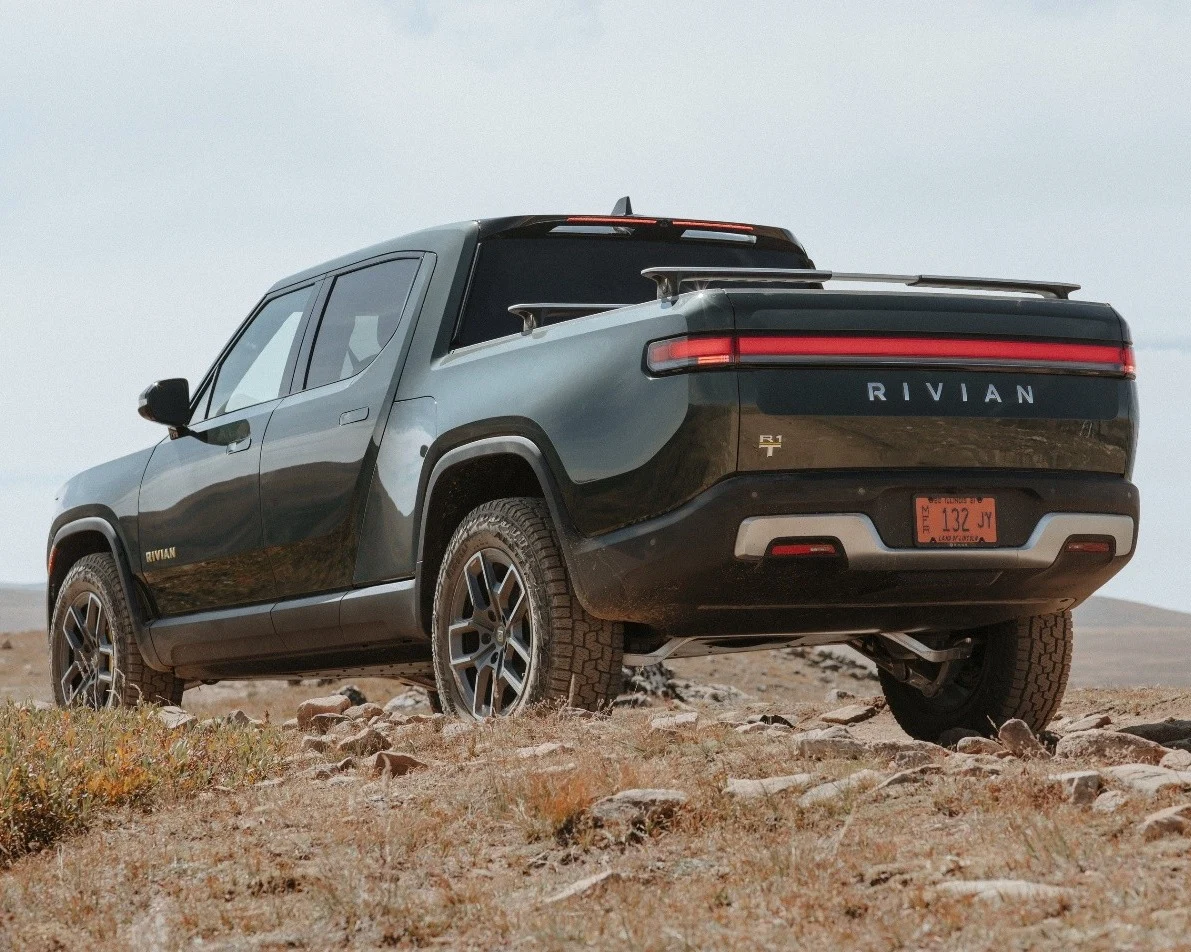
    Rivian’s R1T electric pickup initially featured a powered tonneau cover that slid over the truck bed. Since its launch in 2022, however, this cover has caused many issues for owners. Users experienced jamming, loud sounds, and frequent malfunctions in a short period. Eventually, Rivian discontinued the cover and promised to find a solution.

    New Version Released

    In December 2023, an improved version of the tonneau cover was launched, boasting better springs, a new control panel, and stronger gearing. Despite these upgrades, users continued to voice concerns about noise and overall reliability.

    Third-Generation Tonneau Cover

    Now, Rivian has unveiled a third-generation powered tonneau cover, which can be purchased from its online Gear Shop for $3,300. This price includes the aluminum assembly, mounting hardware, replacement trims, and installation at a Rivian Service Center.

    The American electric vehicle manufacturer claims that the new cover is water-resistant, opens smoothly in just seconds, and operates nearly silently. Unlike the previous design that had eight large slats, this new version utilizes 36 smaller roll-up slats for a quieter and smoother performance.

    Compatibility Issues

    However, some Rivian owners might be let down to discover that not all R1Ts can use this new cover. Trucks that came with a manual cover or no cover may not be able to support it because of wiring constraints.

    Source:
    Link


  • BYD Yangwang U9 Xtreme: 308 mph Breaks Bugatti’s Speed Record

    BYD Yangwang U9 Xtreme: 308 mph Breaks Bugatti’s Speed Record

    Key Takeaways

    1. The BYD Yangwang U9 Xtreme set a new world record for production cars by reaching 308.4 mph in Germany, surpassing its previous record of 293.54 mph.
    2. This achievement exceeded the Bugatti Chiron Super Sport 300+, which held the record at 304.8 mph since 2019.
    3. The U9 Xtreme produces an impressive 2,978 horsepower from four electric motors and is the first production electric vehicle built on a 1,200V platform.
    4. It features advanced Blade batteries that are 170% denser than previous versions, allowing for faster power draw compared to typical electric vehicles.
    5. Only 30 units of the U9 Xtreme will be produced, and driver Marc Basseng has now crossed the 300 mph mark, joining an elite group of drivers.


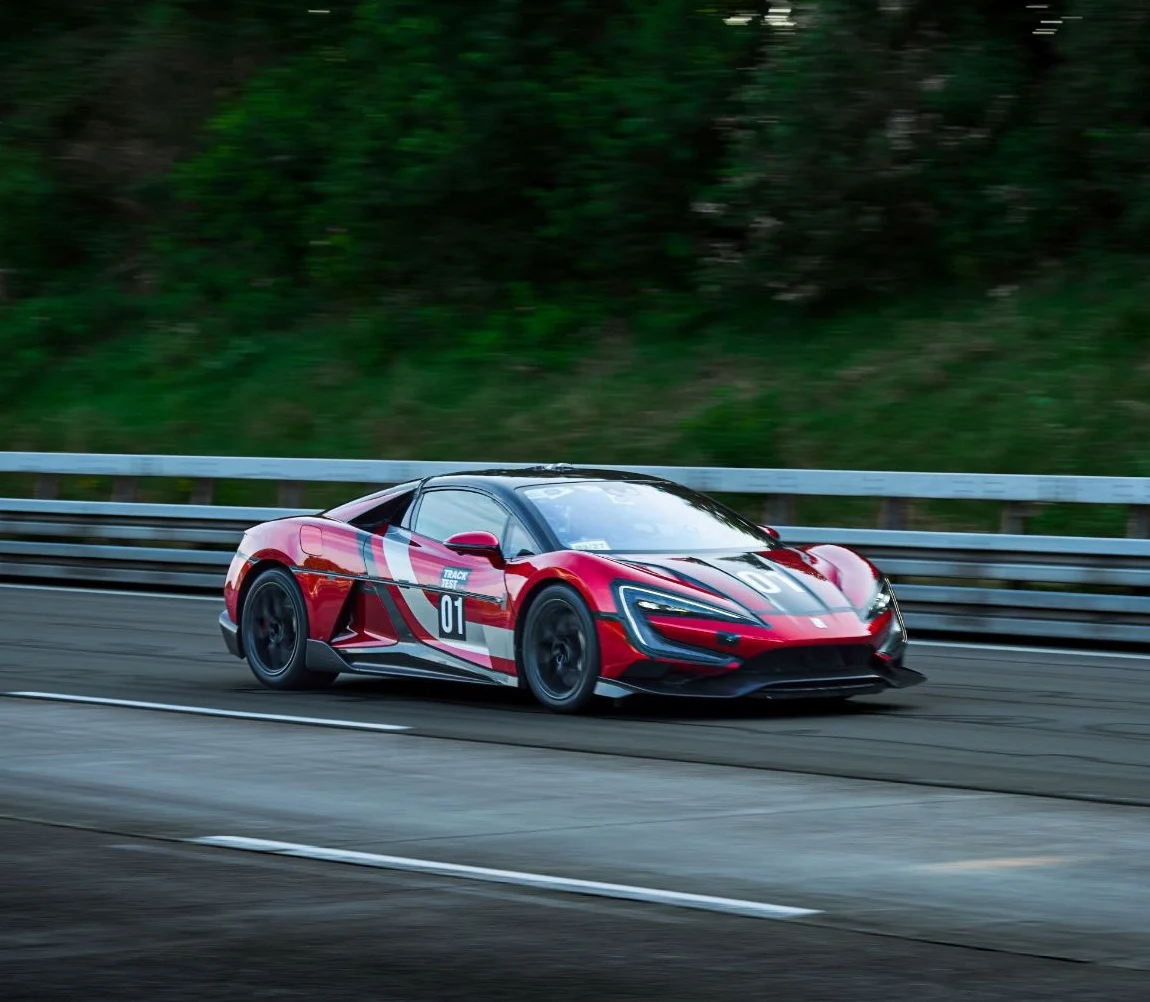
    The BYD Yangwang U9 Xtreme has proven it’s a powerhouse by breaking a world record for production cars. This electric vehicle zoomed to an astonishing 308.4 mph at the ATP Patenburg arena located in Germany. Just a short while ago, the world was buzzing about the Yangwang U9’s previous record of 293.54 mph, which it set back in August.

    A New Benchmark

    With this new speed achievement, BYD has surpassed the Bugatti Chiron Super Sport 300+, which had previously hit 304.8 mph in 2019. Other notable contenders in the top five fastest production cars include the Aspark Owl, which clocked in at 272.6 mph, and the Rimac Nevera R, with a recorded speed of 268.2 mph.

    Specifications That Impress

    The BYD Yangwang U9 Xtreme is capable of producing an astonishing 2,978 horsepower from its four electric motors. It is also the first production electric vehicle to be constructed on a 1,200V platform, improving upon the 800V design of the standard U9, which delivers 1,288 hp.

    In terms of battery technology, BYD has equipped the U9 Xtreme with Blade batteries that are 170 percent denser than previous versions. This innovative design enables the car to draw power at a rate ten times faster than typical electric vehicles. Additionally, the U9 Xtreme utilizes smaller 20-inch tires. Remarkably, despite its enhanced performance, the U9 Xtreme is only 5 kg heavier than the standard U9.

    A Driver’s Accomplishment

    Behind the wheel once more is Marc Basseng, the driver who previously led the Yangwang to its earlier record. With this latest achievement, Basseng joins an elite group of individuals who have crossed the 300 mph mark on the road. He also enjoys the rarity of having the chance to drive a U9 Xtreme, as BYD plans to produce only 30 units of this extraordinary vehicle.

    Source:
    Link


  • Tesla Designer Teases Future Cyber SUV Model in Lineup

    Tesla Designer Teases Future Cyber SUV Model in Lineup

    Key Takeaways

    1. Tesla is considering adding new models to its Cyber lineup, including a Cyber SUV or a smaller Cybertruck.
    2. Chief designer Franz von Holzhausen indicated that there are no confirmed production plans yet, suggesting a “wait and see” approach.
    3. Tesla recently displayed scale models of potential new Cyber designs, increasing speculation about future offerings.
    4. The company has discontinued the most affordable Cybertruck model in North America, potentially paving the way for a new Cyber SUV.
    5. The Long Range Rear-Wheel Drive trim of the Cybertruck has been removed from Tesla’s online configurator just five months after its launch.


    Tesla is suggesting that new models could be added to its Cyber lineup. Chief designer Franz von Holzhausen mentioned that the electric vehicle company is thinking about creating either a Cyber SUV or a smaller version of the Cybertruck. However, he did not confirm any production plans. During his talk on Bloomberg’s Hot Pursuit podcast, he mentioned, “wait and see is probably the best way to answer.”

    Speculation Grows

    There are two main reasons why this statement appears more than just a casual remark. First, Tesla showcased scale models that look like new Cyber-series designs in its Sustainable Abundance video earlier this month, which has stirred up more speculation.

    Changes in Offerings

    Additionally, Tesla has stopped producing the most budget-friendly Cybertruck model in North America. If a new Cyber SUV comes out, it may take the place of the previous entry-level pickup truck. The Long Range Rear-Wheel Drive trim, which was launched in April at a starting price of $69,990, has been removed from Tesla’s online configurator just five months after its release.

    With the $7,500 U.S. federal tax credit, the entry price effectively dropped to $62,490 before adding options. The Cybertruck model was advertised with a range of 350 miles, which surpasses the dual-motor AWD version that offers 325 miles and the tri-motor Cyberbeast, which provides 320 miles.

    Source:
    Link


  • Rivian R2 Seen at Tesla Supercharger with NACS Port Ahead of 2026

    Rivian R2 Seen at Tesla Supercharger with NACS Port Ahead of 2026

    Key Takeaways

    1. The Rivian R2 SUV will feature a native NACS charging port, allowing direct use of Tesla Superchargers without an adapter.
    2. Production of the R2 is scheduled to begin in the first half of 2026, with an estimated starting price of around $45,000.
    3. The R2 is designed to be more affordable for a wider audience compared to the pricier R1T and R1S models.
    4. Rivian plans to integrate NACS across all 2026 R1 models, enhancing charging convenience for users.
    5. A $5 billion manufacturing plant is under construction in Georgia, expected to open in 2028, supporting Rivian’s expansion.


    A recent update on Rivian’s forthcoming R2 SUV has surfaced on X, courtesy of @RivianUpdates and credited to @Chrisediting. The new images showcase that the R2 features a native NACS charging port positioned on the rear driver’s side, mirroring the setup seen in Tesla vehicles. This indicates that the R2 will have the capability to utilize Tesla Superchargers directly, eliminating the necessity for an adapter.

    Production Timeline and Pricing

    The production of the SUV is set to kick off in the first half of 2026, with a starting price around $45,000. The EV manufacturer aims to design the R2 for a wider audience compared to the pricier R1T truck and R1S SUV.

    As per the company’s production schedule, the installation of equipment is expected to commence in the third quarter of 2025, which will be followed by a phase of testing and validation.

    NACS Adoption for Rivian

    Up until now, R1 owners had to use NACS-to-CCS adapters to access Tesla’s Superchargers, making this the inaugural Rivian model caught with an integrated NACS port.

    Financial analyst Andres Sheppard from Cantor Fitzgerald pointed out that the R2 is projected to have production costs that are less than half of those for the R1 series. Nevertheless, although Rivian aims for a base price of $45,000 for the entry-level model, it might launch with a higher-end variant first, similar to the approach taken by Lucid with their Gravity SUV.

    Future Plans and Charging Options

    Rivian is also fully committing to NACS integration. In July 2024, the firm declared that every 2026 R1 model will be equipped with native NACS ports, while Quad-Motor R1s will include a free CCS adaptor. Supercharger sites will be integrated into Rivian’s navigation system, providing information about charging speeds and availability. Drivers will enjoy seamless charging with automatic billing, akin to what Tesla users experience.

    Additionally, Rivian has recently started construction on a $5 billion manufacturing plant in Georgia, which is projected to open in 2028.

    Source:
    Link


  • CATL Sodium-Ion Battery Achieves 300-Mile Range and EV Certification

    CATL Sodium-Ion Battery Achieves 300-Mile Range and EV Certification

    Key Takeaways

    1. CATL’s sodium-ion batteries can power EVs for over 300 miles on a single charge, rivaling lithium batteries in performance and cost-effectiveness.
    2. The Naxtra sodium-ion batteries are designed for wide temperature resilience and have received safety certification under China’s GB 38031-2025 standard.
    3. CATL plans to start mass production of sodium-ion batteries next year, following successful customer testing and initial orders.
    4. The new battery technology could feature in 40% of future Chinese electric vehicles, enhancing safety and environmental benefits.
    5. CATL is developing a network of battery swap stations, which may facilitate the widespread adoption of sodium-ion batteries in collaboration with major EV manufacturers like NIO.


    CATL has successfully launched the first sodium-ion battery for electric vehicles, matching the range of existing mass-market EVs that use LFP cells.

    Impressive Range and Cost Efficiency

    The next generation of CATL’s sodium-ion batteries can power electric vehicles for more than 300 miles on a single charge. With an energy density of 175 Wh/kg, it is getting close to the performance of lithium batteries used in popular models like the Model Y and Model 3, while also being more affordable.

    Interestingly, Bluetti, known for its mobile stations equipped with LFP batteries such as the AC180 sold on Amazon, has developed the first power station using sodium-ion technology.

    Temperature Resilience and Safety Certification

    High energy density isn’t the only benefit of CATL’s Naxtra sodium-ion battery series. It functions effectively across a broader temperature range without capacity loss in freezing conditions. The absence of reactive metals in its design, combined with CATL’s manufacturing expertise, has led to this battery becoming the first to receive a prestigious EV safety certification under China’s strict new GB 38031-2025 national standard.

    This achievement paves the way for its application in various electric vehicles, making it especially ideal for those operating in colder climates. CATL claims that the Naxtra sodium-ion battery line offers significant advantages in cost, safety, and environmentally friendly production, potentially appearing in 40% of future Chinese electric vehicles.

    Testing and Future Production Plans

    Currently, the sodium-ion battery is undergoing testing with customers, and CATL plans to start mass production next year after receiving initial orders. While details about which manufacturers will first launch mass-market electric cars with this new battery remain undisclosed, CATL’s extensive client list of major EV makers suggests positive prospects for the technology’s advancement and widespread adoption.

    Additionally, CATL is ensuring that the Naxtra sodium-ion battery aligns with its 20/25 battery pack standardization initiative, which focuses on battery swap stations. The company is developing a network of these stations, collaborating with partners like NIO, whose electric vehicles come equipped with swappable batteries.

    If CATL’s latest sodium-ion battery generation is integrated into battery swap stations, the ease of having a fully charged battery installed in just minutes could significantly boost the adoption of sodium-ion battery technology within the industry.

    Source:
    Link


  • Xiaomi Recalls 117,000 SU7 Electric Sedans for Safety Issues

    Xiaomi Recalls 117,000 SU7 Electric Sedans for Safety Issues

    Key Takeaways

    1. Xiaomi is recalling 116,887 SU7 electric sedans in China due to issues with its smart driving feature.
    2. The recall affects Standard Edition models made between February 6, 2024, and August 30, 2025.
    3. The defect may prevent proper recognition and management of extreme navigation situations, increasing crash risk.
    4. A complimentary over-the-air software update will be provided to fix the issue, along with an upgrade to Xiaomi HyperOS 1.10.0.
    5. Despite the recall, the SU7 has sold approximately 340,000 units since March 2024, indicating strong market performance.


    High-flying EV maker Xiaomi is calling back a significant number of its popular electric sedan in China. The problem, linked to its smart driving feature, impacts 116,887 SU7s.

    Recall Details

    This recall includes the Standard Edition models made from February 6, 2024, to August 30, 2025. China’s State Administration for Market Regulation (SAMR) noted that some vehicles might not adequately recognize, alert, or manage extreme navigation situations when the advanced driver assistance system (ADAS) is engaged. This defect could lead to a crash if the driver does not respond swiftly.

    Solution Offered

    Xiaomi plans to resolve this issue with a complimentary software update that will be sent over-the-air. Additionally, the company shared on social media that both the SU7 and the YU7 SUV will be upgraded to the newest Xiaomi HyperOS 1.10.0 system.

    Market Performance

    The Xiaomi SU7 continues to enjoy strong sales in the Chinese market, with approximately 340,000 units sold since its introduction in March 2024. The sedan comes in three variants: Standard, Pro, and Max.

    Safety Concerns

    The safety of Xiaomi’s autonomous driving technology was highlighted in March when a Standard SU7 collided with a guardrail on the highway, resulting in the tragic loss of three lives.

    Source:
    Link


  • Tesla Considers Removing Hidden Door Handles and Emergency Levers

    Tesla Considers Removing Hidden Door Handles and Emergency Levers

    Key Takeaways

    1. The NHTSA is investigating incidents where drivers got stuck in the Model Y due to issues with hidden door handles.
    2. China plans to ban flush door handles, prompting Tesla to consider redesigning its handles for better safety and usability.
    3. Tesla’s lead designer confirmed they have a “very good solution” ready if flush handle regulations change.
    4. Tesla plans to merge electronic and mechanical latch systems to improve door opening during emergencies.
    5. Current mechanical handles in rear doors are often hidden, causing issues for users, especially children and in rental situations.


    Faced with more rules about its car door handles, Tesla is getting ready to change the iconic design both inside and outside.

    NHTSA Investigation

    Recently, the National Highway Traffic Safety Administration (NHTSA) has been looking into several incidents where people got stuck in the Model Y due to issues with the hidden handles. These problems left some drivers unable to exit their vehicles when the power failed.

    Regulatory Changes in China

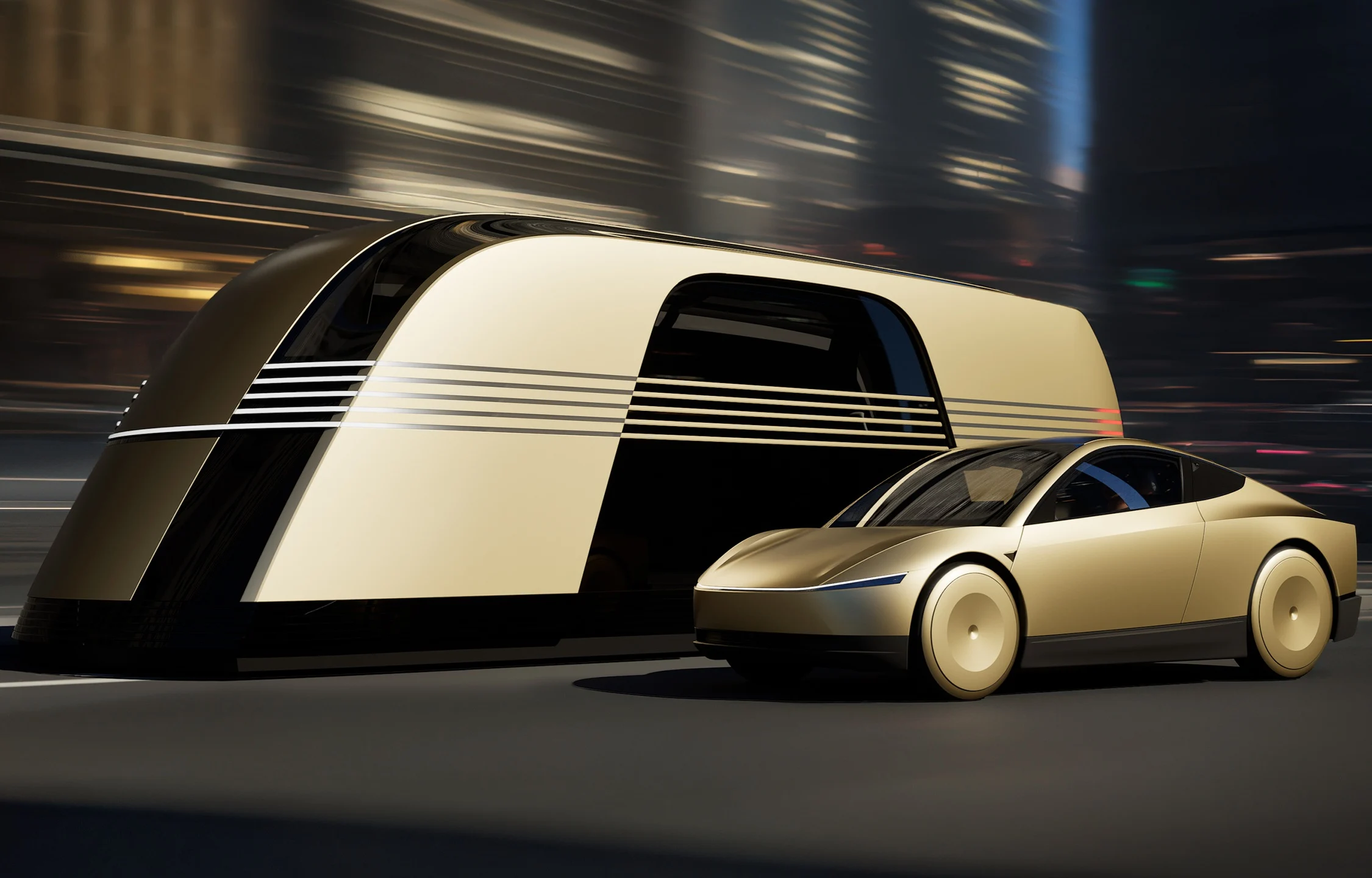
    In China, Beijing is planning to ban door handles that are flush with the car’s body. These handles have caused many problems, especially during accidents. This change will impact more than just Tesla. Its lead designer, Franz von Holzhausen, mentioned that Tesla is considering a complete redesign of the door handles. In a recent interview about the new autonomous Robovan, he assured that Tesla has a “very good solution” ready if flush door handles become a regulatory concern.

    When asked if this new design would resemble Ferrari’s flat handles, which can still be pulled out, Franz didn’t give a clear answer. However, he expressed confidence in the new design’s ergonomics and functionality.

    Merging Latch Systems

    In an effort to improve usability, Tesla plans to respond to the NHTSA’s door opening investigation by combining the electronic and mechanical latch systems. Currently, Tesla doors can be opened with a button from the inside, but there is also a backup system for emergencies when the power goes out.

    The mechanical lever that must be pulled in such cases is easy to see at the front, but it is hidden under a lid in the back doors. These rear mechanical handles are often at the center of stories about people trapped in rental Teslas or children who don’t know how to get out. Tesla aims to fix these issues by merging the electronic and mechanical latches. After all, as Tesla’s design chief pointed out, people instinctively reach for the button to open their doors, so it makes sense to apply that same instinct in an emergency.

    Source:
    Link


  • MSI Launches Affordable Smart Chargers for EV Market

    MSI Launches Affordable Smart Chargers for EV Market

    Key Takeaways

    1. MSI introduced two smart chargers, EV Life and EV Life Plus, aiming to innovate home electric vehicle charging.
    2. The chargers feature advanced technology, including aConnect app support for scheduling and tracking charging.
    3. Both models deliver up to 14.4 kW (60A) and are compatible with Type 1 and Tesla’s NACS standards.
    4. MSI chargers are built for durability, with IP55/IP67 ratings for water and dust resistance and functionality in extreme temperatures.
    5. Priced at $449 with a five-year warranty, MSI offers a competitive alternative in the home charging market.


    MSI has made its mark in the electric vehicle charging sector by unveiling two innovative smart chargers that have the potential to change the home charging landscape. The company’s new models, EV Life and EV Life Plus, offer high-quality charging features starting at just $449, significantly lower than many established competitors.

    New Solutions for a Growing Market

    “The electric vehicle sector does not require more of the same. What it truly needs are intelligent and durable solutions at prices that encourage widespread adoption,” stated Engin Yoruk, MSI’s North America Product Manager of EVSE.

    The EV Life model is designed around MSI’s aConnect app, which allows users to schedule charging times, adjust current levels, and track their charging history remotely. The more advanced EV Life Plus enhances the user experience with features like RFID authentication, dual Wi-Fi, and Ethernet connectivity. Additionally, it supports the OCPP 1.6J protocol, which is usually found in commercial charging setups.

    Powerful and Versatile Chargers

    Both charging units can deliver up to 14.4 kW (60A) and are compatible with Type 1 (SAE J1772) as well as Tesla’s NACS standard. This timing is crucial, as major car manufacturers such as Ford, GM, Honda, and BMW are set to embrace NACS in 2025, while Tesla already boasts over 15,000 Supercharger stalls ready for these vehicles.

    Moreover, MSI’s EV chargers are built to last, featuring IP55/IP67 ratings for water and dust resistance, IK08 impact protection, and reliable functionality in temperatures ranging from -40°F to 131°F. They can be installed either hardwired or through a plug-and-play NEMA 14-50 connection for home garages.

    Competitive Pricing and Availability

    With a price tag of $449 and a five-year warranty, MSI offers a competitive edge in a market where home chargers typically range from $400 to $700. The EV Life and EV Life Plus models are now available for purchase through Amazon and MSI’s official online store.

  • EVE MB56 Cells Launching Soon: 2 kWh for About $175

    EVE MB56 Cells Launching Soon: 2 kWh for About $175

    Key Takeaways

    1. EVE’s MB56 LFP battery cell has a capacity of 628 Ah, operates at 3.2 V, and stores approximately 2.01 kWh of energy.
    2. The battery is designed for long-term use, maintaining stability over 8,000 charge cycles.
    3. Retail prices for “Grade A” cells are €117.6, while “Grade A Minus” cells are priced at €106.68, with shipping starting later in October.
    4. Buyers outside the EU can purchase from Gobel Power, with “A-Minus” cells costing $108 but facing higher shipping and potential import fees.
    5. The high capacity of these cells requires robust components and weighs 11.3 kg each, leading to significant overall weight for energy storage systems.


    It has been some time since EVE introduced its latest MB56 LFP battery cell. According to the company, this lithium iron phosphate battery features a nominal capacity of 628 Ah and operates at a voltage of 3.2 V. This means it can store approximately 2.01 kWh of electrical energy. Additionally, it is claimed to maintain stability over 8,000 charge cycles, which suggests a notably long lifespan. The manufacturer primarily envisions this cell for use in energy storage solutions (ESS), including solar power systems or for seasonal energy storage.

    Retail Availability

    So far, there’s nothing particularly surprising. It’s also not new that numerous listings for these cells can be found online. However, the details provided by sellers on platforms like Alibaba and Aliexpress often do not align with the specifications given by the manufacturer, leading to questions about whether these are authentic products or just copies. Recently, reputable suppliers, including the Dutch retailer nkon, have also added EVE’s MB56 to their offerings.

    Pricing Details

    The new “Grade A” cells are priced at €117.6 net. For “Grade A Minus” cells, customers can save a bit, with a price of €106.68. However, as the manufacturer has yet to stock these new cells, shipping from the Netherlands is unlikely to begin until the end of October or later.

    For buyers outside the EU, Gobel Power is an option that ships directly from China. The “A-Minus” quality cells are available for $108, but expect higher shipping costs and potential import fees. Moreover, the delivery timeframe is around 50 to 60 days.

    Considerations for Use

    Whether it makes sense to utilize cells with such a high capacity at this stage is still uncertain. Not only do these require more robust or larger components like battery management systems (BMS), balancers, fuses, and compression housings—which are not yet widely accessible—but the cells themselves weigh a net of 11.3 kg, making them quite heavy. A 48-volt energy storage system consisting of 16 of these cells can easily weigh around 200 kg.

    Source:
    Link


  • Segway E3 Pro Electric Scooter Launch: Limited-Time Discount Offer

    Segway E3 Pro Electric Scooter Launch: Limited-Time Discount Offer

    Key Takeaways

    1. The Segway E3 Pro electric scooter features a powerful 400 W motor, reaching a top speed of 20 kph and climbing inclines of up to 18%.
    2. The battery capacity has increased to 368 Wh, providing a range of 34 miles on eco mode and taking about 7 hours to charge fully.
    3. The scooter weighs 40.1 lbs and supports a maximum weight of 265 lbs, making it slightly lighter than its predecessor, the E2 Pro.
    4. Key features include traction control, water resistance (IPX5), dual suspension, and a combination braking system, along with a stylish design.
    5. The E3 Pro is priced at $699.99 but is currently available for $599.99 with a launch discount.


    Segway has announced the global release of its new E3 Pro electric scooter. This mid-range e-scooter is the successor to the E2 Pro, featuring significant improvements in battery life, speed, and distance. In terms of design, it closely resembles the previous model, showcasing a sleek, minimalistic look in an elegant black and grey dual-tone finish.

    Powerful Performance

    The E3 Pro is equipped with a 400 W motor that can reach a peak power of 800 W, allowing for a top speed of 20 kph (around 12.4 mph) and the ability to climb inclines of up to 18%. The battery has seen a capacity increase, now boasting 368 Wh, compared to the 275 Wh of its predecessor. This enhancement provides an impressive range of 34 miles (55 km) on eco mode, and the scooter takes approximately 7 hours to charge fully from 0% to 100%.

    Size and Weight

    In terms of dimensions, the e-scooter measures 45.9 x 22.2 x 48.6 inches (1165 x 563 x 1235 mm) when it is unfolded and it has a weight of around 40.1 lbs (18.2 kg). This makes it a bit lighter than the E2 Pro, which weighs 41.4 lbs (18.8 kg) and is currently available for $349.99 on Amazon. The sturdy alloy frame can support a weight of up to 265 lbs (120 kg).

    Features and Pricing

    Additional features of the E3 Pro include SegRide Stability Enhancement, a traction control system (TCS), support for Apple’s Find My, a 4 W headlight, 10-inch jelly tires, 256 RGB ambient lighting underneath, a 3-inch LED display, dual suspension, and a combination of a front drum brake and a rear electronic brake system. It also has an IPX5 rating for water resistance.

    The Segway E3 Pro electric scooter comes with a price tag of $699.99 and can be purchased from Segway’s official site. For a limited time, the company is offering a launch discount of $100 off the suggested retail price, reducing the cost from $699.99 to just $599.99.

    Source:
    Link