Category: EV vehicles

  • Tesla Model Y Surges 492% in Swedish EV Registrations

    Tesla Model Y Surges 492% in Swedish EV Registrations

    Key Takeaways

    1. The Tesla Model Y became the top choice among fully electric cars in Sweden after a tough year, showing a significant recovery in September.
    2. Registrations of the Model Y surged by 492% compared to August, but year-over-year numbers are still lower, indicating incomplete recovery.
    3. Earlier in the year, the Model Y dropped to fourth place in Sweden’s electric vehicle rankings despite incentives like zero-interest financing.
    4. Positive sales trends are also occurring in Europe, leading to revised production plans at Gigafactory Berlin for the third and fourth quarters of 2025.
    5. Demand for used Teslas is rising in Sweden, with resale values increasing by nearly 10% from June to August, helping dealers regain profitability.


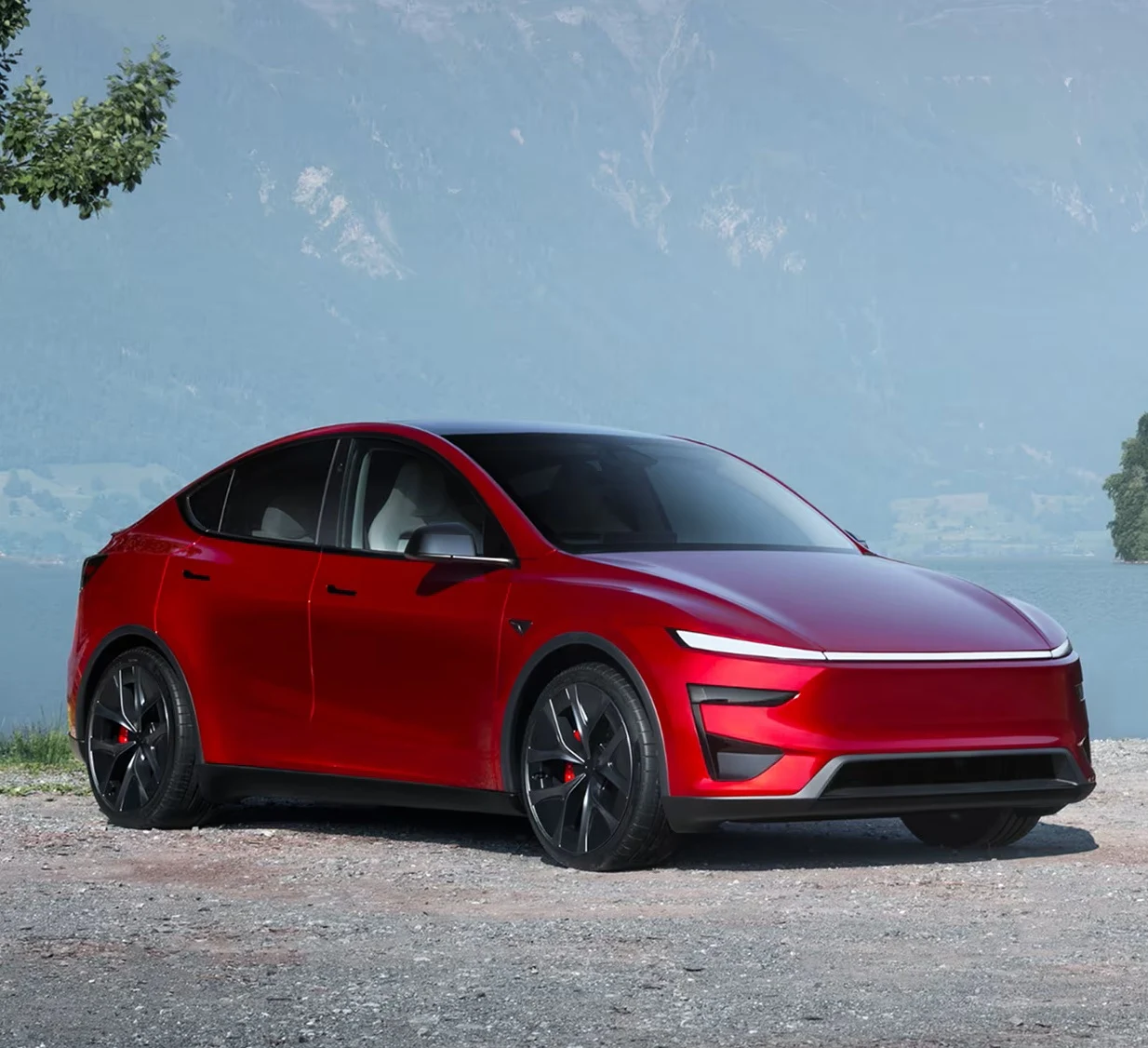
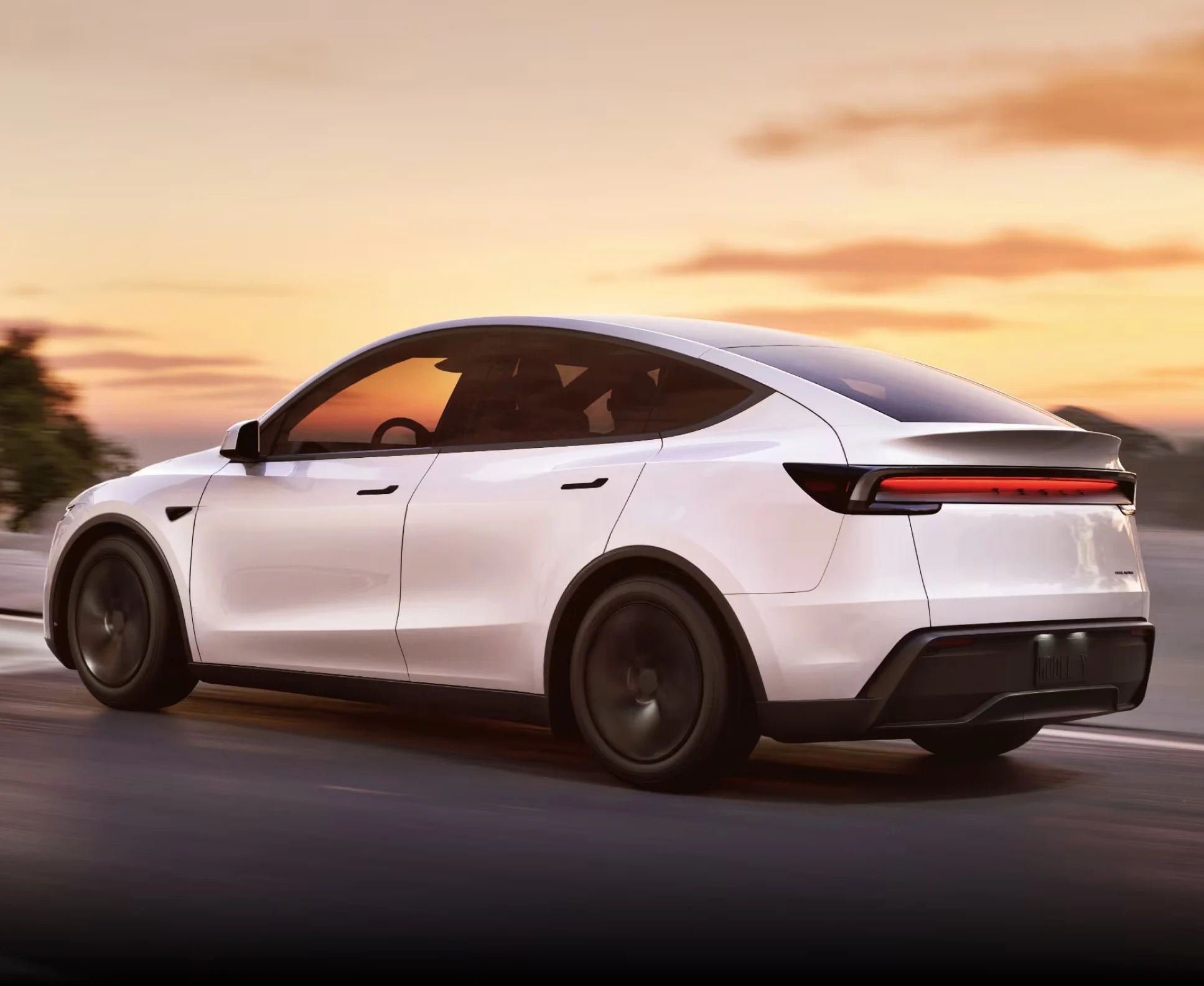
    Tesla has faced a tough time in Sweden this past year, but things took a positive turn in September. The Model Y from the American electric vehicle maker bounced back to become the number one choice among fully electric cars, showing a significant recovery after several months of declining interest.

    Huge Increase in Registrations

    According to data from Car.info, the registrations of the Model Y surged by 492% compared to August. This figure is almost five times more than the registrations in the previous month. However, it’s important to note that the year-over-year numbers are still lower, which means Tesla hasn’t yet fully returned to its previous rate of sales.

    A Shift in Rankings

    Earlier in the year, the Model Y had dropped to fourth place in Sweden’s electric vehicle rankings. Even with incentives like zero-interest financing, the trend couldn’t be reversed. The rebound seen in September marks the first significant indication that Tesla’s most popular model is regaining its strength.

    Growth Across Europe

    The positive trend isn’t just limited to Sweden, as there is also growing momentum throughout Europe. At Gigafactory Berlin, factory manager André Thierig mentioned that strong sales have led to upward adjustments in production plans for the third and fourth quarters of 2025. “We currently have very good sales figures and have therefore revised our production plans,” Thierig said.

    Rising Interest in Used Teslas

    The recovery isn’t only about new cars; the demand for used Teslas is increasing in Sweden too. Carla, the second-largest used EV dealer in the country, reported that resale values increased by nearly 10% from June to August. This surge in interest has helped the company bounce back to profitability after facing challenges earlier in the year.

    Source:
    Link


  • Lei Jun Applauds Tesla Model Y Engineering After Xiaomi’s Review

    Lei Jun Applauds Tesla Model Y Engineering After Xiaomi’s Review

    Key Takeaways

    1. Xiaomi has purchased multiple 2026 Tesla Model Y units to analyze and enhance its upcoming YU7 electric SUV.
    2. The YU7 features improvements in range and interior space, with faster charging, an 800V powertrain, and the largest battery in its segment, all at a lower price than the Model Y in China.
    3. The base RWD version of the Xiaomi YU7 offers a range of 518 miles, outperforming the Tesla Model Y’s 446 miles based on China’s CLTC testing.
    4. Xiaomi is leveraging its experience in electronics to compete in the EV market, following successful launches like the SU7 sedan.
    5. The company plans to challenge Tesla’s premium models and introduce a hybrid vehicle with a new 80 kWh battery, aiming for a significant total range.


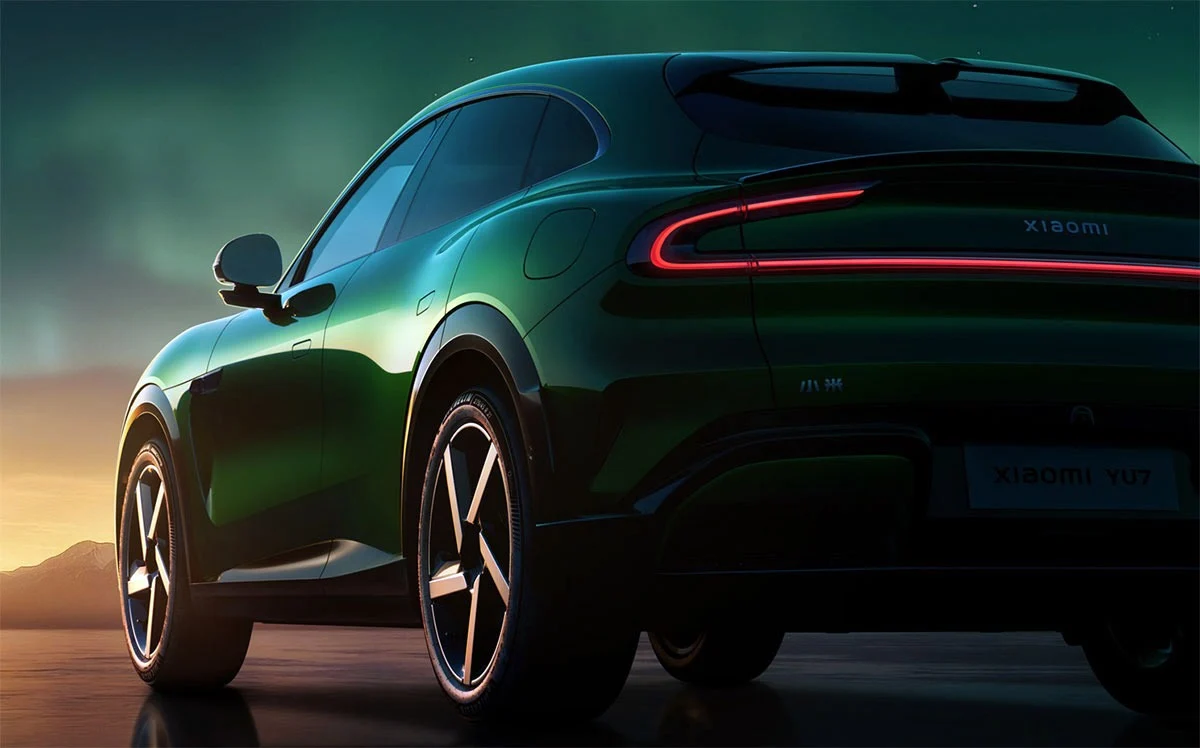
    After Toyota took apart their previous model, Xiaomi has purchased multiple units of the 2026 Tesla Model Y to dissect and understand its inner workings ahead of the launch of its first YU7 electric SUV.

    Impressive Engineering Insights

    Xiaomi’s founder, Lei Jun, praised the Model Y’s “excellent” engineering. However, after examining each component, Xiaomi claims to have improved upon its range and interior space. The YU7 also excels in various aspects compared to the Model Y, featuring faster charging capabilities, an 800V powertrain, and the largest battery in its segment, all while being priced lower than the Model Y in China.

    Competitive Range and Pricing

    In terms of range, the Xiaomi YU7 surpasses the Tesla Model Y, with its base RWD version rated for 518 miles, while the Model Y RWD only achieves 446 miles based on the CLTC cycle used for testing in China. This range is notably more generous than the EPA estimates in the US, yet when comparing ranges directly, the Model Y falls short against the YU7, even with its higher price tag.

    Xiaomi’s Ambitious Plans

    Previously known for its smartphones and home gadgets like the 4K Xiaomi TV Box, Xiaomi entered the electric vehicle arena with the SU7 sedan last year and has been achieving market success since. Although it lacks the vertical integration seen in companies like BYD, it has effectively utilized its vast experience in electronics production to create competitive EV models that rival the Model 3 and Model Y.

    Moreover, Xiaomi is setting its sights on Tesla’s premium offerings, such as the Model S and Model S Plaid, with the SU7 Ultra and the upcoming YU7 GT version. Xiaomi aims not just to surpass Tesla but to establish itself as a major player in the fierce automotive market. Reports suggest that it plans to introduce an EREV with a hybrid powertrain, utilizing the largest battery ever seen in a hybrid vehicle—a new 80 kWh pack that CATL might announce soon, promising an impressive total range.

    Source:
    Link


  • Kia EV6 and EV9 Gain Tesla NACS Support for Superchargers

    Kia EV6 and EV9 Gain Tesla NACS Support for Superchargers

    Key Takeaways

    1. The new Plug & Charge feature simplifies the charging process for Kia EV drivers, allowing automatic authentication and billing.
    2. Drivers can now plug in their vehicle and walk away, as the entire charging experience is handled in the background.
    3. Kia’s Plug & Charge feature aligns with practices already used by Tesla and other manufacturers like Rivian and Volkswagen.
    4. The feature will be available for the 2025 Kia EV6 by September 2025 and the 2026 Kia EV9 by the end of that year.
    5. Both models will feature Tesla’s NACS charging port for easy access to Tesla Superchargers, but some non-Tesla DC fast chargers will still require an adapter.


    Until now, drivers of Kia EVs had to go through a few steps to charge their vehicles at public DC fast chargers. Typically, they would have to open an app, tap a card, or start the session manually. With the new Plug & Charge feature, this whole process is getting a lot easier.

    Automatic Charging

    Once a payment method is registered in Kia’s Charge Pass system, the charging process becomes automatic. Now, drivers can simply use a compatible public charger, plug in their vehicle, and walk away after charging is done. The whole experience is quicker and smoother, as authentication, billing, and charging are all handled in the background without any extra effort from the driver.

    User-Friendly Experience

    “This upgrade makes the EV experience more user-friendly than ever,” stated Sujith Somasekharan, who’s the Connected Car & Mobility Director at Kia America.

    Kia’s approach is similar to what Tesla users have enjoyed for a while at Superchargers. Other electric vehicle manufacturers are also starting to use this feature: Rivian allows Plug & Charge at Tesla Superchargers and Ionna’s Rechargeries, while Volkswagen ID.4 drivers can do this at Electrify America charging stations. Kia is now joining this expanding group with its latest electric vehicles.

    Upcoming Launches

    The Plug & Charge feature is set to launch for the 2025 Kia EV6 by the end of September 2025 and will be followed by the 2026 Kia EV9 by the end of the year. Kia plans to inform owners when the update is available, along with clear instructions for setting it up.

    Both the 2025 Kia EV6 and the 2026 Kia EV9 will be the first Kia models equipped with Tesla’s NACS charging port. This allows owners to use Tesla Superchargers and select Electrify America stations directly without needing an adapter. However, it’s worth noting that many non-Tesla DC fast chargers in the U.S. still rely on the CCS1 connector, so drivers will require an adapter for those locations.

    Source:
    Link


  • California Hits 200,000 EV Chargers, 68% More Than Gas Pumps

    California Hits 200,000 EV Chargers, 68% More Than Gas Pumps

    Key Takeaways

    1. California has over 201,000 public and shared electric vehicle (EV) charging ports, a significant increase from previous years.
    2. The state has nearly 70% more charging ports than gasoline nozzles at fuel stations.
    3. Public chargers include those at grocery stores, gas stations, and shared locations, while around 800,000 private home chargers are installed in single-family homes.
    4. The growth in charging infrastructure supports California’s goal to end the sale of new gasoline-powered vehicles by 2035.
    5. Private charging networks, like Tesla’s Supercharger stations, are expanding to provide faster charging options for EV drivers.


    California has reached an important achievement in moving towards cleaner transport. Governor Gavin Newsom revealed that the state now boasts over 201,000 public and shared electric vehicle (EV) charging ports. This marks an increase of 22,631 since March 2025, and there are almost 70% more charging ports compared to gasoline nozzles at fuel stations.

    Public and Shared Charger Growth

    This latest record pertains solely to public chargers, which include those found at grocery stores, gas stations, and park-and-ride locations, along with shared chargers located in places like apartment complexes, offices, or sports venues that might be restricted to specific users. Moreover, California has about 800,000 private home chargers installed in single-family homes.

    Commitment to Electric Mobility

    Nancy Skinner, a Commissioner at the California Energy Commission (CEC), remarked that this milestone indicates how ‘EV chargers are becoming everywhere in California,’ and emphasized that the agency is dedicated to simplifying electric mobility for its citizens. This growth is part of California’s efforts to reach its 2035 target of discontinuing the sale of new gasoline-powered vehicles.

    Expanding Charging Networks

    In addition to state-supported infrastructure, private charging networks like Tesla’s Supercharger stations are also quickly growing, providing EV drivers with swifter charging options and helping to alleviate concerns about range when traveling long distances.

    Source:
    Link


  • Xiaomi Hybrid Vehicle with 80 kWh Battery: Electric Meets Gas

    Xiaomi Hybrid Vehicle with 80 kWh Battery: Electric Meets Gas

    Key Takeaways

    1. Shift Back to Combustion Engines: Car manufacturers are refocusing on combustion engines and hybrid vehicles due to a decline in electric vehicle demand as subsidies decrease.

    2. Toyota’s Cautious Approach: Toyota’s strategy of gradual vehicle electrification has proven successful, leading to increased profits as consumers opt for hybrids over EVs.

    3. Growth of EREVs in China: Extended Range Electric Vehicles (EREVs) are becoming popular in China, offering a balance of electric driving and gasoline backup through a small engine.

    4. CATL’s Innovations: CATL is introducing a new 80 kWh battery aimed at hybrids, promising over 500 km of pure electric range and addressing weight issues in EREVs.

    5. High Nickel Ternary Batteries: The new CATL battery uses high nickel content to enhance energy density without increasing vehicle weight, improving efficiency for extended-range options.


    After the market for electric vehicals took a hit as subsidies began to diminish, car manufacturers are shifting gears back to combustion engines, committing to boost the presence of hybrid vehicles in their offerings.

    Toyota’s Steady Strategy

    Toyota has been a strong advocate for a gradual and cautious approach towards vehicle electrification. They are now feeling justified, as they reported a significant rise in gross profits last year when the demand for EVs started to decline and consumers turned to hybrids. Many other automakers are also delaying their plans for electrifying their portfolios. Companies like GM are now pushing for the elimination of clean vehicle mandates and for lowering emission standards.

    The Rise of EREVs in China

    In China, the top market for electric vehicles, a new trend involving Extended Range Electric Vehicles (EREV) is gaining attention. These plug-in hybrids come with a small gasoline engine that acts as a generator to recharge the battery, providing a balance of speed and distance.

    The largest EV battery manufacturer worldwide has been catering to this growing EREV market by introducing a 60 kWh Freevoy battery for hybrids, which they claim enables a pure electric range of 400 km (248 miles). With the average battery size in hybrids being under 30 kWh, CATL is clearly aiming at the premium EREV segment. There are already vehicles available that utilize its Freevoy package, offering over 1,000 km of total range.

    New Innovations from CATL

    CATL is reportedly taking it a step further by creating a nickel battery with an impressive 80 kWh capacity, comparable to many mainstream electric vehicles, specifically targeting extended-range options. This new battery will be mass-produced next year and is expected to feature in various SUVs and MPVs, including a highly anticipated 2026 Xiaomi EREV that has yet to be officially announced.

    The upcoming 80 kWh CATL battery for hybrids is said to provide over 500 km of pure electric range. It also tackles the weight issue with EREVs, some of which are nearing the 3-ton weight limit due to the size of the battery and internal combustion engine.

    Ternary batteries that contain high nickel levels deliver a much greater energy density compared to the LFP batteries that are becoming common in everything from popular Anker power stations to hybrid vehicles. By returning to higher nickel content, the new CATL battery doesn’t need to add more cells, thus preventing an increase in vehicle weight while still achieving the promised range extension.

    Source:
    Link


  • New Electric Car Batteries: 500-Mile Range in Just 12 Minutes

    New Electric Car Batteries: 500-Mile Range in Just 12 Minutes

    Key Takeaways

    1. KAIST developed a new liquid electrolyte that prevents dendrite growth in lithium metal batteries, enhancing safety and performance.
    2. The new batteries can charge from 5 to 70% in just 12 minutes, offering a driving range of about 800 kilometers (under 500 miles).
    3. This technology allows for charging power exceeding 400 kW, significantly faster than current electric vehicle models.
    4. High energy density in lithium metal batteries could reduce weight and increase range without compromising vehicle performance.
    5. Despite promising results, challenges remain in ensuring safety, cost-effective mass production, and long-term performance testing.


    Researchers at the Korea Advanced Institute of Science & Technology (KAIST) have created a new liquid electrolyte that stops dendrite growth in lithium metal batteries. These batteries are different from standard lithium-ion ones because they use pure lithium instead of graphite. This unique feature allows for a higher energy density, resulting in a longer driving range without increasing weight. However, previously, these batteries faced issues with dendrite formation, which are crystal structures that develop during charging and can lead to short circuits. The innovative liquid electrolyte addresses this by encouraging even lithium ion deposition on the anode surface, preventing weak spots that would allow dendrites to grow.

    Fast Charging Breakthrough

    In their laboratory tests, KAIST researchers charged a battery from 5 to 70% in only 12 minutes, which equates to a range of about 800 kilometers (just under 500 miles). The battery’s performance stayed consistent over more than 350 charging cycles. In an even more powerful setup, a charge of 80% was reached in 17 minutes. Professor Hee Tak Kim emphasized in the publication, “This paves the way for broad adoption of electric vehicles.”

    Comparison with Current Models

    Current electric cars like the Tesla Model 3 and Hyundai Ioniq 6 can fast charge between 200 and 250 kW at modern HPC (high power charger) stations. In real-world use, these models typically take around 20 to 30 minutes to go from 10 to 80% charge, with ranges of 400 to 600 kilometers (250 – 370 miles), depending on battery type and driving conditions.

    The results from the lab for lithium-metal batteries greatly surpass these figures: a range of 800 kilometers with a 12-minute charging time would mean an effective charging power of over 400 kW. This advancement could bring electric vehicles closer to the refueling time of gasoline or diesel cars for the very first time.

    Implications for Future Vehicles

    The high energy densities of lithium metal batteries could lead to reduced weight in vehicle batteries or allow for longer ranges without adding weight. For consumers, this translates to shorter charging periods and driving distances similar to those of traditional vehicles, thus overcoming a major barrier to the day-to-day use of electric cars.

    Despite these promising lab results, there are still hurdles to tackle. Ensuring the safety of lithium metal anodes in real-world conditions is crucial, and creating special electrolytes on an industrial scale could be expensive. Moreover, how these batteries perform in long-term tests with increased cycle counts remains uncertain. Questions like these must be resolved before car manufacturers can effectively implement the technology on a large scale.

    The findings, published in Nature Energy, represent an important milestone in the quest for more efficient electric cars. If the technology can be safely and economically scaled for mass production, it may revolutionize electric mobility in the years ahead.

    Source:
    Link


  • Xiaomi Readies Strong Competitor to Tesla Model X Plaid

    Xiaomi Readies Strong Competitor to Tesla Model X Plaid

    Key Takeaways

    1. Xiaomi is developing the YU7 GT, a direct competitor to the Tesla Model X Plaid, featuring a tri-motor setup and 1,000 HP.
    2. The YU7 GT aims for rapid acceleration and performance similar to the Tesla Model X Plaid, which has 1,020 horsepower and accelerates from 0 to 60 mph in 2.5 seconds.
    3. Xiaomi’s founder, Lei Jun, is gaining recognition in the EV market, akin to Elon Musk, following the success of their first electric sedan and the YU7 SUV.
    4. The YU7 GT is currently being tested at the Nürburgring racetrack, indicating a focus on performance and design enhancements.
    5. Specific performance specifications and pricing for the YU7 GT will be revealed at a promotional event on September 25.


    Xiaomi is currently working on a direct rival to the powerful Tesla Model X Plaid, which boasts an impressive 1,020 horsepower and accelerates from 0 to 60 mph in just 2.5 seconds—a remarkable achievement for an electric SUV weighing 2 tons.

    Performance Features

    The anticipated Xiaomi YU7 GT is expected to feature a tri-motor setup, providing rapid acceleration with a power output of 1,000 HP that could give the Model X Plaid a run for its money.

    Xiaomi, widely recognized for its smartphones and devices like the 4K Google TV Box, has ventured successfully into the electric vehicle market. The company’s founder, Lei Jun, has gained a near-celebrity status in China, often compared to Elon Musk due to his entrepreneurial drive and dedication. The launch of Xiaomi’s first electric sedan was met with tremendous enthusiasm, prompting the company to introduce the YU7 SUV, which serves as a more affordable alternative to both the Tesla Model Y and Model X.

    Testing and Development

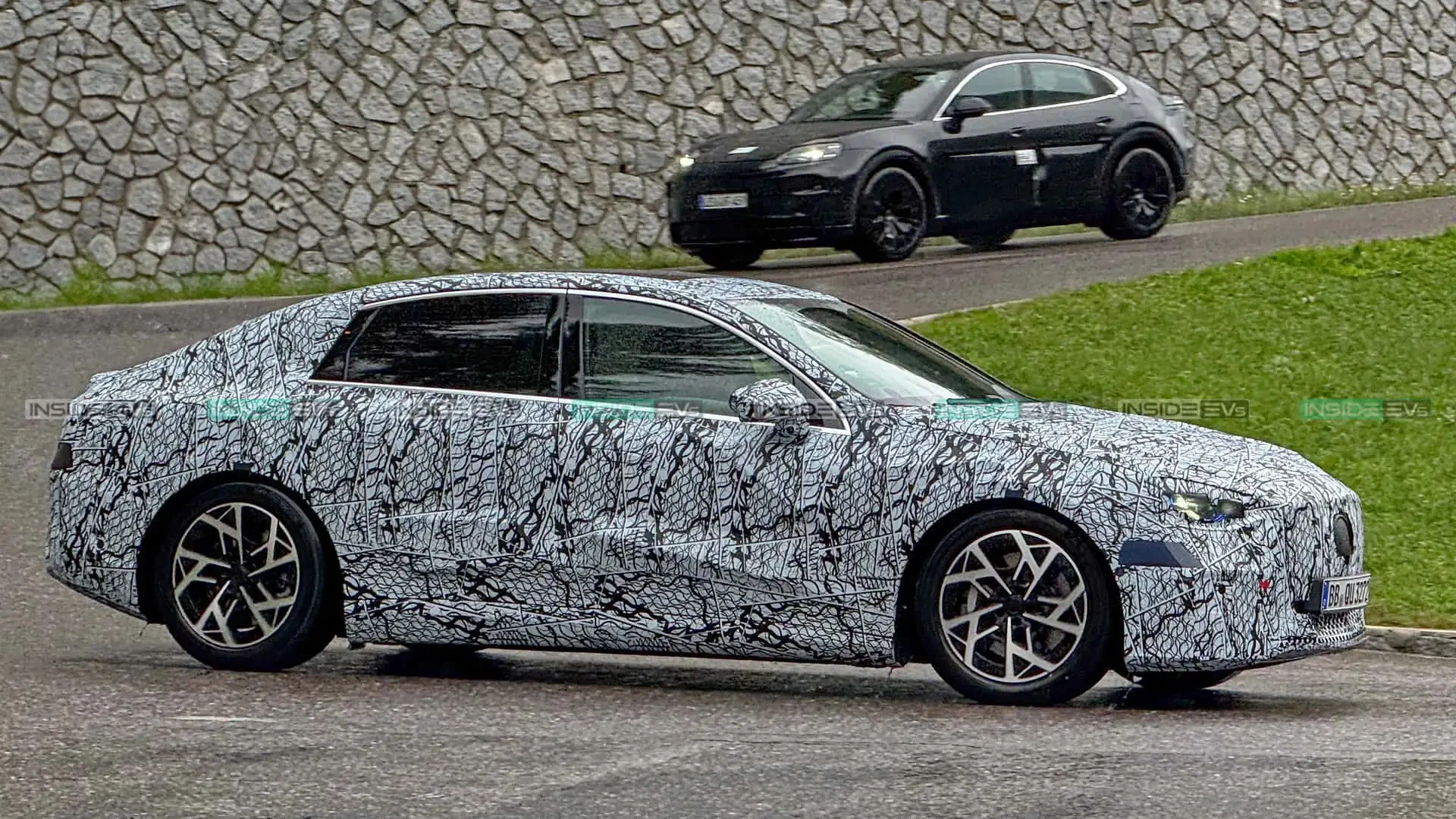
    Xiaomi’s goal to compete with every model in Tesla’s lineup has led to the creation of a competitor for the Tesla Model X Plaid. This vehicle is currently undergoing tests at the renowned Nürburgring racetrack in Germany. Features like the rear diffuser, fixed wing, splitter, and ventilated hood suggest that this camouflaged vehicle is not just a standard YU7 but rather the GT variant that the company might unveil on September 25 during a promotional event they hinted at.

    The sporty design of the upcoming Xiaomi YU7 GT performance SUV includes black wheel arches and dynamic wheels, enhancing its aesthetic appeal. However, specific details regarding its performance specifications and pricing will remain under wraps until the official announcement is made soon.

    Source:
    Link


  • Tesla Model 3 Canada: $5,000 Discount or Free Supercharging

    Tesla Model 3 Canada: $5,000 Discount or Free Supercharging

    Key Takeaways

    1. Tesla is offering a special promotion for new buyers of the Model 3 with options for either a $5,000 discount or unlimited free Supercharging for life.
    2. The promotion is valid for deliveries made by September 30, 2025, and is one of the largest incentives in Canada recently.
    3. Buyers must choose from Tesla Canada’s existing inventory; custom factory orders do not qualify for the promotion.
    4. The $5,000 discount will be automatically applied at checkout, while those opting for free Supercharging must contact Tesla to make the switch after ordering.
    5. The choice between the discount and free Supercharging depends on individual driving habits, with home chargers favoring the discount and frequent long-distance drivers benefiting from the Supercharging option.


    Canadians thinking about getting the Tesla Model 3 now have an exciting new reason to go for it. The electric vehicle (EV) company has rolled out a special offer for customers who take delivery of their car by September 30, 2025.

    Promotion Details

    New buyers can select either a $5,000 off the purchase price or enjoy unlimited free Supercharging for life. This marks one of the largest incentives Tesla has offered in Canada in recent times.

    Flexible Options

    This new offer follows Tesla’s previous announcement that customers who take delivery by September 30 could also get lifetime free Supercharging. Now, those buying the Model 3 have the choice between the free charging option and the $5,000 discount.

    Important Conditions

    There is a key condition: this promotion is valid only for new cars that are already in Tesla Canada’s inventory and does not apply to custom factory orders. Buyers need to choose from the available Model 3s and make sure they get their car by the September 30 cutoff. This limitation is partly because of import taxes that could impact custom orders.

    For qualified purchases, Tesla will automatically subtract the $5,000 discount at the time of checkout. However, those who want the lifetime free Supercharging will have to reach out to Tesla to change their choice after placing the order.

    Drivers who frequently charge their Tesla Model 3 at home might like the immediate financial benefit of the $5,000 discount, but those who often take long trips or commutes might find the free, unlimited lifetime Supercharging to be more advantageous.

    Source:
    Link


  • Cheapest Model Y S Lacks Comfort Features and Suspension Upgrades

    Cheapest Model Y S Lacks Comfort Features and Suspension Upgrades

    Key Takeaways

    1. The most affordable Model Y is now in production and will launch after the federal EV tax credit ends on September 30.
    2. The cheaper Model Y may have a shorter wheelbase and lack several features compared to existing models, such as a panoramic glass roof and powered mirror folding.
    3. Concerns have been raised about the suitability of the Model Y S for colder regions due to omitted features like rear camera heating and tire pressure sensors.
    4. The basic Model Y trim may target markets like Mexico, following Tesla’s pattern of simplified trims in other regions.
    5. The starting price for the least expensive Model Y is expected to be at least $35,000, following the removal of the federal tax credit.


    The least expensive Model Y so far is now in production in the United States and is set to be launched after the federal EV tax credit ends on September 30, as stated by Tesla’s chief engineer, Lars Moravy.

    Insights from Firmware Codes

    Numerous firmware code references related to Tesla’s E41 project suggest that the release of the most affordable Model Y is approaching. However, it appears that potential buyers may have to sacrifice some specifications and design features for the lower price point.

    Design Changes Expected

    Reports indicate that the cheaper Model Y may feature a slightly shorter wheelbase compared to the existing version, resembling a Model Y S, similar to how Tesla introduced a larger and pricier Model Y L earlier this year. There are mentions of both a RWD Model Y S, which is expected to be the least expensive Model Y ever, and an AWD variant.

    Features That May Be Cut

    As previously speculated about the E41 project, this new Model Y might not include a panoramic glass roof, light bar, rear seat display, or even clothing hooks inside. The code suggests it might also lack powered mirror folding, while the powered seats will only adjust back and forth, potentially compromising some of its current suspension specifications.

    Concerns About Market Suitability

    While these omissions in the Model Y S are anticipated based on Tesla’s past approaches with simplified trims, such as the Model 3 for Mexico with basic cloth seats, two particular feature cuts raise questions about where the E41 model will be sold. The absence of rear camera heating implies that the Model Y S might not be suitable for colder regions like Canada, and the lack of tire pressure sensors is concerning. In the U.S., a TPMS system has been mandatory for new vehicles, although some have evaded that requirement using ABS system sensors. It’s unclear how much Tesla would save by eliminating these options, especially since a set of Model Y TPMS sensors is available for under $100 on Amazon.

    Potential Market Implications

    The absence of these features could mean that this basic Model Y trim is aimed at other markets like Mexico. Regardless, the deadline on September 30 is approaching, and Tesla is expected to unveil the specs and pricing for the most affordable Model Y soon after.

    Pricing Expectations

    Previously, the rumored price for the cheapest Model Y was around $30,000 after applying the federal tax credit. However, since the government has removed this subsidy, even if Tesla adjusts its pricing after cutting some specs and features, the starting price for the least expensive Model Y is likely to be at least $35,000.

    Final Thoughts

    Whether the upcoming base Model Y will be worth this price, considering features like cloth seats, the absence of a rear display or lighting extras, and a downgraded suspension, is yet to be determined.

    Source:
    Link


  • Tesla Starts Building First True V4 Supercharger Station

    Tesla Starts Building First True V4 Supercharger Station

    Key Takeaways

    1. Tesla is building its first true V4 Supercharger station in Campbell, California, with construction underway.
    2. The station is located at Kirkwood Plaza, in front of Walgreens on Campbell Avenue.
    3. This site will feature V4 cabinets, marking the first time they are used at a Supercharger station.
    4. V4 cabinets can deliver charging speeds of up to 500 kW for cars and 1.2 MW for the Tesla Semi truck.
    5. The new cabinets are smaller and more efficient, improving the overall charging experience for Tesla users.


    Tesla has started building the very first true V4 Supercharger station in Campbell, California. The company had earlier shared its intention to open the initial site in the third quarter of 2025, and construction is now in progress.

    Location Details

    According to @MarcoRPi1, a popular Supercharger fan on X, the site is located at Kirkwood Plaza, right in front of Walgreens at 1600 W. Campbell Avenue. His post featured map images that show both aerial and street views of the ongoing construction.

    What’s Different This Time

    This location is special because it will include V4 cabinets for the first time ever. When Tesla rolled out the V4 charging posts in 2023, they were not operating at their full capacity since they were still connected to older V3 cabinets. The V3 cabinets limited the charging speed to 250 kW. Even after being updated to support 325 kW for compatible electric vehicles, it still didn’t fully utilize the potential of the V4 charging posts.

    Tesla introduced the more powerful V4 cabinets in late 2024. These new cabinets are capable of providing charging speeds of up to 500 kW for cars and as much as 1.2 MW for the Tesla Semi truck. They also have improved efficiency ratings and are smaller in size, making the installation process easier.

    Summary

    MarcoRpi1, along with Drive Tesla Canada, continues to share updates on this exciting development. The V4 Supercharger station in Campbell could significantly enhance the charging experience for Tesla users.

    Source:
    Link