Category: EV vehicles

  • 2026 Volvo XC70: Long-Range 120-Mile Plug-In Hybrid PHEV

    2026 Volvo XC70: Long-Range 120-Mile Plug-In Hybrid PHEV

    Key Takeaways

    1. The Volvo XC70 long-range PHEV generates 400 hp and offers an all-electric driving range of up to 125 miles.
    2. It features the new Scalable Modular Architecture (SMA), combining an electric powertrain with a gasoline engine for a total range of over 750 miles.
    3. The vehicle includes advanced technology, such as a 12.3-inch primary display, a 15.4-inch infotainment screen, and a 92-inch augmented reality head-up display.
    4. Standard safety features include BLIS, City Safety, and Pilot Assist for enhanced driver security.
    5. Production of the XC70 Long Range PHEV will take place in China, with an uncertain launch date for Europe and other regions.


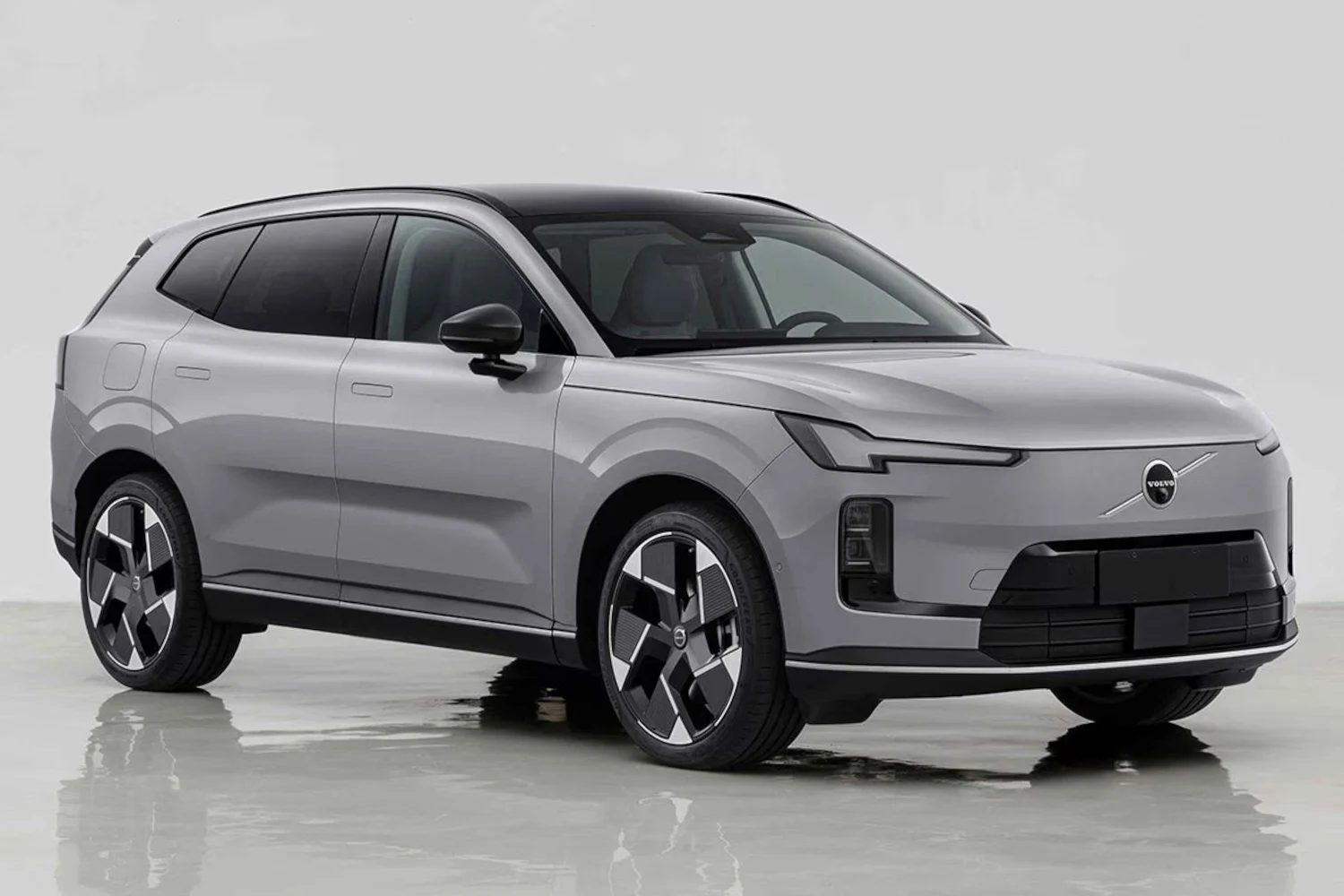
    The Swedish automaker Volvo has presented the new version of the XC70 long-range PHEV. This vehicle generates 400 hp and offers an all-electric driving range of up to 125 miles, making it a strong contender in the plug-in hybrid market for longer trips. The XC70 is crafted to help drivers transition seamlessly from traditional gasoline engines to electric-only driving.

    Innovative Architecture

    The XC70 employs the new Scalable Modular Architecture (SMA) specifically designed for plug-in hybrids. This platform aims to merge the effectiveness of an electric powertrain with the adaptability of a gasoline engine. With a 21.2 kWh battery paired with a 1.5-liter turbocharged engine, Volvo boasts that the car can achieve a remarkable total range of over 750 miles without needing to refuel. Features like a closable front grille shutter and C-shaped taillights enhance both the vehicle’s aesthetics and its aerodynamic efficiency.

    Advanced Technology Inside

    Inside the XC70, Volvo emphasizes technology with a 12.3-inch primary display and a 15.4-inch infotainment screen, allowing ample room for navigation and various functions. A standout feature is the 92-inch augmented reality head-up display, which shows crucial driving data right in the driver’s line of sight. Standard safety features include BLIS, City Safety, and Pilot Assist, ensuring a secure driving experience.

    Future Production Plans

    Volvo has confirmed that the XC70 Long Range PHEV will be manufactured in China. However, it remains uncertain when the vehicle will debut in Europe or other regions, although Volvo has hinted at a future launch. With this new electric vehicle, Volvo seeks to uphold its legacy of strong, adaptable cars that incorporate cutting-edge electric and hybrid technologies to address the growing needs for efficiency and range.

    Source:
    Link


  • 2026 Porsche Cayenne Coupé: 1,000 HP Electric Powerhouse

    2026 Porsche Cayenne Coupé: 1,000 HP Electric Powerhouse

    Key Takeaways

    1. The new coupe has reduced camouflage and features notable retractable aero flaps for improved aerodynamics.
    2. The coupe’s design is sportier and more sophisticated, with an increased length of 4.98 meters and a wheelbase of 3.02 meters for better driving dynamics.
    3. The top model is expected to exceed 1,000 hp, with additional options available at 400 and 600 hp, all built on the updated Premium Platform Electric (PPE) with a 108 kWh battery.
    4. The charging capability exceeds 400 kW, allowing for a 10 to 80% charge in just 16 minutes and a projected range of around 600 kilometers (373 miles).
    5. The chassis will feature air suspension, optional rear-wheel steering, and an artificially produced V8 sound for enhanced driving experience, with a prototype unveiling set for the IAA Mobility event in September 2025.


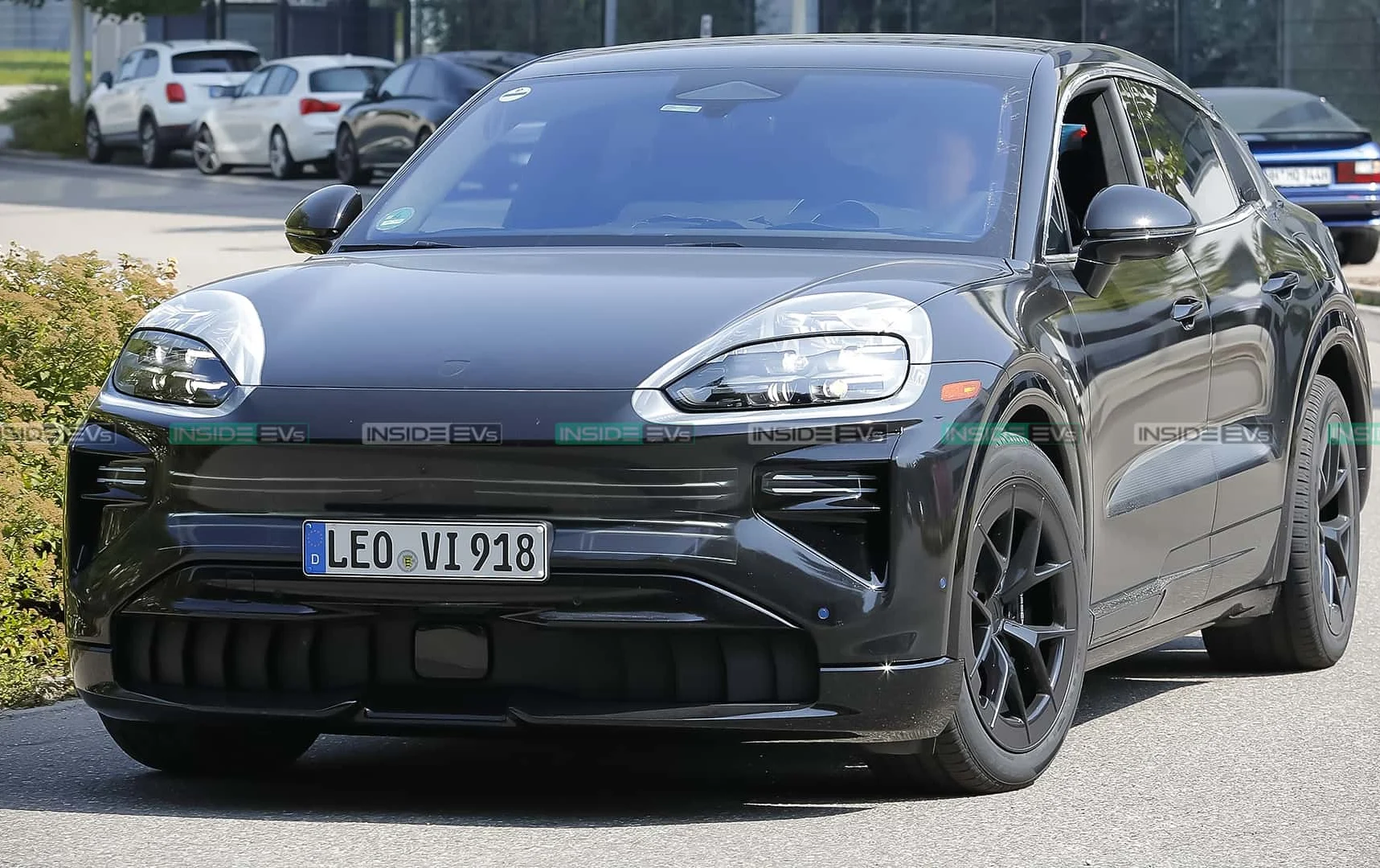
    Initial spy images reveal a coupe that has much less camouflage than before. As reported by InsideEVs, the retractable aero flaps at the back are particularly eye-catching. These flaps, along with five cooling flaps at the front, are made for the Cayenne Turbo and aim to enhance aerodynamics. Overall, this coupe has a sportier and more sophisticated look compared to the existing combustion engine version. Its length has grown to 4.98 meters, with the wheelbase stretching to 3.02 meters, which suggests better driving dynamics.

    Power and Performance

    InsideEVs also mentions that the top model is anticipated to exceed 1,000 hp. Besides this high-performance version, there will also be options with 400 and 600 hp. All versions are built on the updated Premium Platform Electric (PPE) and come equipped with a 108 kWh battery. With a charging capability of over 400 kW, the time needed to charge from 10 to 80% is projected to be only 16 minutes. The estimated range stands at around 600 kilometers (373 miles).

    Chassis and Sound Experience

    The chassis is expected to feature air suspension with adjustable dampers. Rear-wheel steering will be an optional extra. To enhance the emotional connection drivers have with the vehicle, Porsche plans to incorporate an artificially produced V8 sound that varies with the driving mode. Additionally, simulated gear shifts are under testing to deepen the driving sensation.

    The electric Cayenne SUV will be unveiled as a prototype at the IAA Mobility event in Munich, which is scheduled between September 9 and 14, 2025. A commercial launch is expected in 2026, with the Cayenne Coupé likely to be released around six months afterward.

    Source:
    Link


  • VinFast Introduces Affordable EVs in India, Competing with Tesla and BYD

    VinFast Introduces Affordable EVs in India, Competing with Tesla and BYD

    Key Takeaways

    1. VinFast is launching two affordable electric SUVs in India: the VF6 priced at $18,127 and the VF7 starting at $22,659.
    2. The pricing strategy is competitive, significantly lower than brands like Tesla and BYD, but applies only to the first 1,500 customers or until November 30, 2025.
    3. VinFast is the first EV manufacturer to set up a manufacturing unit in India, avoiding a 70% import tax.
    4. The manufacturing facility in Thoothukudi, Tamil Nadu, has an initial capacity of 50,000 vehicles per year, with potential to expand to 150,000.
    5. VinFast plans to open 35 dealerships across 27 cities in India by the end of 2025 to strengthen its market presence.


    VinFast, a manufacturer that exclusively produces electric vehicles (EVs), is making its debut in India with two more affordable SUVs. The VF6, which is a compact SUV, is priced at $18,127, while the VF7, a mid-sized variant, starts at $22,659.

    Competitive Pricing

    These prices are significantly lower compared to other electric vehicle brands in India. For example, Tesla’s Model Y retails for around $68,000, and the BYD ATTO 3 begins at $28,400. However, it’s important to note that VinFast’s reduced pricing applies only to the first 1,500 customers or until November 30, 2025, whichever happens first.

    Manufacturing in India

    The automaker from South Asia stands out as the first company dedicated solely to electric vehicles to set up a manufacturing unit in India. VinFast’s choice to establish a factory in India allows it to sidestep the hefty 70 percent import tax, which significantly lowers the sales price of its vehicles.

    The manufacturing facility, situated in Thoothukudi, Tamil Nadu, commenced operations in July 2025 after an investment of $500 million from VinFast. The plant has an initial production capacity of 50,000 vehicles per year, with potential to increase that to 150,000 annually. This facility marks VinFast’s first outside of Vietnam, adding to the two factories already functioning in its home country.

    Expansion Plans

    VinFast opened its first showroom in July 2025 and has ambitious plans to set up 35 dealerships across 27 cities in India by the end of the year. This strategic move is part of their effort to establish a strong presence in the growing Indian EV market.

    Source:
    Link


  • Dethleffs e.home ECO: The Future of Sustainable Motorhomes

    Dethleffs e.home ECO: The Future of Sustainable Motorhomes

    Key Takeaways

    1. Dethleffs introduced the e.home ECO, a fully electric motorhome, at the Caravan Salon 2025 as part of their “Destination Future” initiative for sustainable travel.
    2. The e.home ECO is based on the Ford E-Transit and currently has a range of about 240 kilometers (150 miles), with a target of 400 kilometers (248 miles) for the production model.
    3. The vehicle is completely fossil fuel-free, featuring a solar panel system that generates 1,700 watts of power and an electric heat pump for heating and cooling.
    4. Eco-friendly materials are used in its construction, including flax fiber panels, recycled PET insulation, corn-based furniture, sheep’s wool upholstery, and cork-linoleum flooring.
    5. The production-ready version of the e.home ECO is expected to be available by 2028, with no pricing information yet available.


    Dethleffs has recently introduced its e.home ECO concept, a completely electric motorhome that made its debut at the Caravan Salon 2025. This concept is part of the “Destination Future” initiative and aims to showcase how motorhome travel can be sustainable and free from emissions. The company is looking to release a model that is ready for production by 2028.

    Specifications and Features

    The e.home ECO is built on the Ford E-Transit (2023 model year) which features rear-wheel drive. The electric motor produces 135 kW (184 hp) and offers a WLTP range of about 240 kilometers (150 miles) currently. Dethleffs is targeting a minimum range of 400 kilometers (248 miles) for the final production version. The weight of the concept vehicle is 3,425 kilograms (7,550 pounds).

    This vehicle is completely fossil fuel-free. It has a solar panel system on the roof and back that generates 1,700 watts of power for the interior. Heating, cooling, and ventilation are managed by an electric heat pump, and there is an induction hob for cooking. A floor-to-ceiling compressor refrigerator provides cooling.

    Eco-Friendly Materials

    The outer structure is constructed from flax fiber sandwich panels, while the insulation utilizes recycled PET bottles. The furniture and countertops are made from expanded corn, the upholstery is sheep’s wool, and the flooring consists of linoleum mixed with cork. Through these choices, Dethleffs showcases how environmentally friendly materials can be incorporated into motorhome design.

    As this is a concept vehicle, no pricing information is available at this time. The production-ready version is anticipated to be released by 2028. Regardless, the e.home ECO offers a clear vision of what sustainable electric mobility could mean for the motorhome industry in the future and has the potential to set new benchmarks for the sector.

    Source:
    Link


  • Jaguar Doubles Average Price of New Electric Sedans

    Jaguar Doubles Average Price of New Electric Sedans

    Key Takeaways

    1. Jaguar is discontinuing old models to focus on developing three new electric vehicles, starting with a four-door electric sedan in 2026.

    2. The new vehicles will be built on the JEA platform, offering driving ranges up to 430 miles and fast charging capabilities.

    3. Jaguar plans to double its average transaction price from $65,000 to $130,000, targeting a wealthy customer base rather than high sales volumes.

    4. The brand will prioritize exclusivity, aiming for their vehicles to feel like “special events” when seen on the road.

    5. Supported by the Tata Group, Jaguar is transitioning towards the luxury market while also moving to electric vehicles, with success to be evaluated post-launch.


    Jaguar has stopped making its old models and is now developing three new electric vehicles. According to Motor1, these cars will be released one after another starting in 2026. The first of these will be a four-door electric sedan that features four separate seats. This will be followed by a larger luxury sedan and an SUV. The new JEA platform will serve as the base for these vehicles, allowing for driving ranges of up to 430 miles (692 km) and the ability to charge for 200 miles (322 km) in just 15 minutes. Although Jaguar has not revealed the battery capacity yet, experts believe it will exceed 100 kWh.

    Strategic Pricing Plans

    Brandon Baldassari, the head of Jaguar USA, shared insights with Motor1 regarding the brand’s new direction:

    “That’s why it wants to double its average transaction price from $65,000 to $130,000 once the four-door gran tourer debuts next year.”

    He emphasized that Jaguar is steering away from aiming for high sales numbers. Instead, the focus is on attracting a wealthy customer base with exclusive offerings. The brand plans to utilize Land Rover’s existing dealer network, which has experience in selling high-end vehicles.

    Focus on Exclusivity

    Baldassari elaborated, “We’re selling this through the [Jaguar-Land Rover] dealerships, who sell $200,000 Range Rovers all day long,” he told Motor1. “They know this client, and they know how to treat this client. They understand this client.”

    For Jaguar, this new pricing approach marks a significant shift from its previous strategy in the premium market. The brand will prioritize exclusivity over volume sales. Baldassari stated that whenever a model is seen on the street, it should feel like a “special event.”

    “These will be rare—when you see one, it’ll be a special occasion.”

    Additionally, he mentioned plans to cut down the number of dealer locations due to expected lower sales volumes.

    Transitioning to Luxury

    Jaguar Land Rover (JLR) has been under the Indian Tata Group for many years, which is providing the necessary funds for this ambitious transformation. A new video teaser (see below) released highlights the brand’s future identity, focusing more on artistic presentation rather than specific vehicle models.

    With Jaguar’s price increase, the brand is not just moving towards electric vehicles but also stepping into the luxury market. The success of this strategy will only be seen after the launch of the first new electric sedan.

    Source:
    Link


  • BMW Surpasses 5,000 EV Sales in India, Unveils 4,000 km Charging Network

    BMW Surpasses 5,000 EV Sales in India, Unveils 4,000 km Charging Network

    Key Takeaways

    1. BMW has become India’s leading electric luxury car brand with over 5,000 EV sales, including 1,322 units in the first half of 2025.
    2. The company plans to enhance EV charging infrastructure by creating a 4,000 km high-power charging corridor from Jammu to Madurai.
    3. The charging corridor will connect major cities and aim to establish charging stations every 300 km, accessible to other car brands as well.
    4. BMW’s EV models, including the iX SUV, MINI Cooper SE, and BMW i4, have seen significant success, with the iX selling out on its launch day.
    5. The iX1 is now locally assembled using CKD kits, reducing production costs and providing a long-wheelbase variant for more passenger space.


    BMW has now taken the lead as India’s top electric luxury car brand, achieving over 5,000 EV sales. This includes a remarkable 1,322 units sold in the first half of 2025. The company has also announced its intention to enhance the EV charging infrastructure in India.

    Charging Corridor Plans

    To facilitate this, BMW will create a high-power charging corridor that will stretch 4,000 km from Jammu to Madurai. This route will connect major cities like Delhi, Jaipur, Ahmedabad, Mumbai, Pune, Hubballi, Bengaluru, Coimbatore, and Madurai.

    This ambitious project will be made possible through collaborations with Indian charging firms Statiq and Zeon, aiming to establish a charging station every 300 km. Although primarily designed for BMW EV users, other car brands will also have access to these fast chargers, which offer outputs ranging between 120 kW and 720 kW.

    Success of BMW’s EV Models

    The luxury automaker quickly made waves with the iX SUV, which sold out on its launch day in the Indian EV market back in December 2021. The following year saw the introduction of the MINI Cooper SE and the BMW i4, with additional models being released in the subsequent years.

    In 2023, BMW launched the iX1 and replaced the standard version with a long-wheelbase variant earlier this year, providing increased space for passengers in the back seat. The German car maker now assembles the iX1 locally using completely knocked-down (CKD) kits, instead of importing the vehicle fully assembled, which helps to cut down on production expenses.

    Source:
    Link


  • Lucid Secures $300M from Uber for Autonomous EV Fleet Launch

    Lucid Secures $300M from Uber for Autonomous EV Fleet Launch

    Key Takeaways

    1. Lucid has secured a $300 million investment from Uber to develop high-end self-driving electric vehicles exclusive to Uber’s ride-hailing service.
    2. The robotaxis will be based on Lucid’s electric vehicle technology, specifically the Lucid Gravity model, and are expected to be ready by 2026.
    3. The partnership combines Lucid’s vehicle design, Nuro’s Level 4 autonomous driving technology, and Uber’s fleet management expertise.
    4. Uber plans to expand its fleet to over 20,000 autonomous taxis from Lucid within the next six years.
    5. Lucid aims to create a premium offering in the autonomous vehicle market, differentiating itself from competitors like Waymo and Tesla.


    Lucid has revealed a $300 million investment from Uber as part of a strategic alliance to create and manufacture high-end self-driving electric vehicles. These robotaxis will be exclusive to Uber’s ride-hailing service.

    Development Plans

    The robotaxis will utilize Lucid’s electric vehicle technology framework, particularly the Lucid Gravity model. They will be produced at its factory located in Arizona. The initial units are anticipated to be ready by 2026, coinciding with the launch of the premium ride-hailing service in a significant US city. Uber aims to grow its fleet to over 20,000 autonomous taxis from Lucid within the next six years.

    Combining Expertise

    This collaboration will merge Lucid’s state-of-the-art vehicle design and features, including long driving ranges and luxurious amenities, with Nuro’s Level 4 autonomous driving system and Uber’s extensive fleet management skills.

    Lucid’s interim CEO, Marc Winterhoff, commented, “Lucid’s innovations and technologies are second to none, and Uber’s investment is just the latest example of a third-party validating our highly advanced technical platform. We look forward to further strengthening our close working partnership with Uber in the years to come, and continuing to explore new markets, opportunities, and partners that can best leverage Lucid’s leading technology.”

    Strategic Positioning

    Through this partnership, Lucid positions itself in a middle ground between Waymo’s dependability and Tesla’s budget-focused robotaxi initiative. Tesla began its autonomous taxi service in Texas back in June, aiming to reach half of the US population by the year’s end.

    Lucid’s approach seeks to blend advanced technology with premium service, creating a unique offering in the evolving market of autonomous vehicles.

    Source:
    Link


  • Model Y Airbags Inflate Before Collision with FSD Camera Detection

    Model Y Airbags Inflate Before Collision with FSD Camera Detection

    Key Takeaways

    1. Tesla is upgrading its airbag system to use camera technology for pre-crash deployment, enhancing safety.
    2. The new system will inflate airbags before an impact, based on predictions made by the Tesla Vision camera system.
    3. This approach aims to reduce serious injuries, like whiplash, by cushioning occupants earlier in a potential collision.
    4. There are concerns about false alarms leading to unnecessary airbag deployment, which could compromise safety.
    5. The new airbag system will be implemented only in unavoidable head-on collision scenarios, alongside existing sensors.


    Instead of relying on the usual bumper and sensors to trigger airbags instantly during an accident, Tesla cars will now utilize their cameras to inflate them in advance.

    Airbag System Upgrade

    This debated feature is promoted as a safety “improvement” to the Frontal Airbag System, included in Tesla’s latest 2025.32.3 software update. “Building on regulatory and industry crash tests, this update allows front airbags to start inflating and restraining occupants sooner, in a unique way that only Tesla’s integrated systems can manage, enhancing your vehicle’s safety over time,” states the electric vehicle manufacturer.

    New Technology

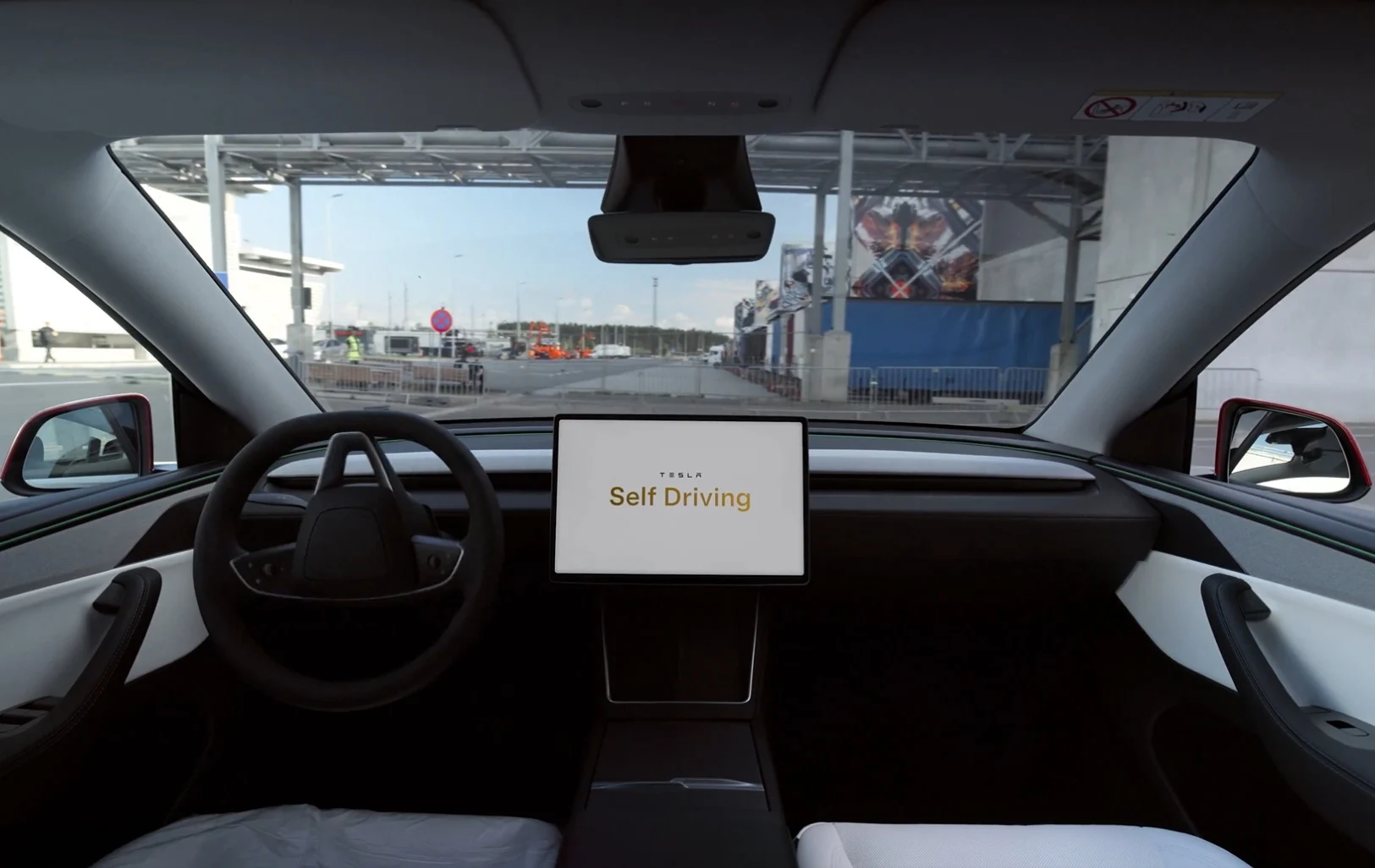
    Currently, the technology for deploying airbags relies on accelerometers and pressure sensors to detect a crash and deploy airbags, but only after the impact occurs. Tesla vehicles consistently receive 5-star safety ratings, yet the company is looking to change this process. The new method will use the Tesla Vision camera system, which is installed around the vehicle, to identify an impending accident and inflate the airbags just before it happens.

    Safety Benefits and Concerns

    This pre-crash airbag deployment could offer many benefits for the safety of those inside the vehicle. For instance, key body areas of both drivers and passengers will be cushioned before the impact, reducing the chances of serious whiplash injuries.

    However, this approach could also lead to some negative outcomes, particularly due to false alarms. If Tesla misidentifies a rapidly approaching object that isn’t actually on a collision path, the airbags could deploy unnecessarily, potentially putting the safety of occupants at risk.

    Controlled Deployment

    This might be the reason why Tesla plans to implement the new airbag system only in cases where a head-on collision seems unavoidable, in addition to the existing sensors that detect real impacts.

    Tesla has certainly run various tests before relying on the Tesla Vision camera set and FSD software for airbag deployment. Nevertheless, it will be interesting to see how effective the Frontal Airbag System Enhancement will be when it is rolled out as an OTA update for the 2022 and later Model Y and Model 3 vehicles.

    Source:
    Link


  • Mercedes GLC Electric: 800V SUV Bestseller Unveiled

    Mercedes GLC Electric: 800V SUV Bestseller Unveiled

    Key Takeaways

    1. Launch of GLC Electric: Mercedes will showcase the GLC Electric at the IAA Mobility 2025 as part of its largest product offensive.

    2. New MB.EA Platform: The GLC Electric is the first model on the MB.EA platform, promoting a new design language that is iconic and versatile.

    3. Fast Charging and Battery Specs: It features 800-volt architecture for rapid DC charging (up to 320kW) and has a 94.5 kWh battery capacity, providing significant range in a short time.

    4. Performance Options and Towing Capacity: The GLC Electric offers various power levels (340 hp rear-wheel drive, 489 hp 4MATIC, and over 550 hp AMG), with a towing capacity of 5,291 pounds.

    5. Significance for Mercedes: The GLC Electric is vital for boosting EV sales and plays a key role in Mercedes’ transformation in the “Core Luxury” segment, with first deliveries expected in early 2026.


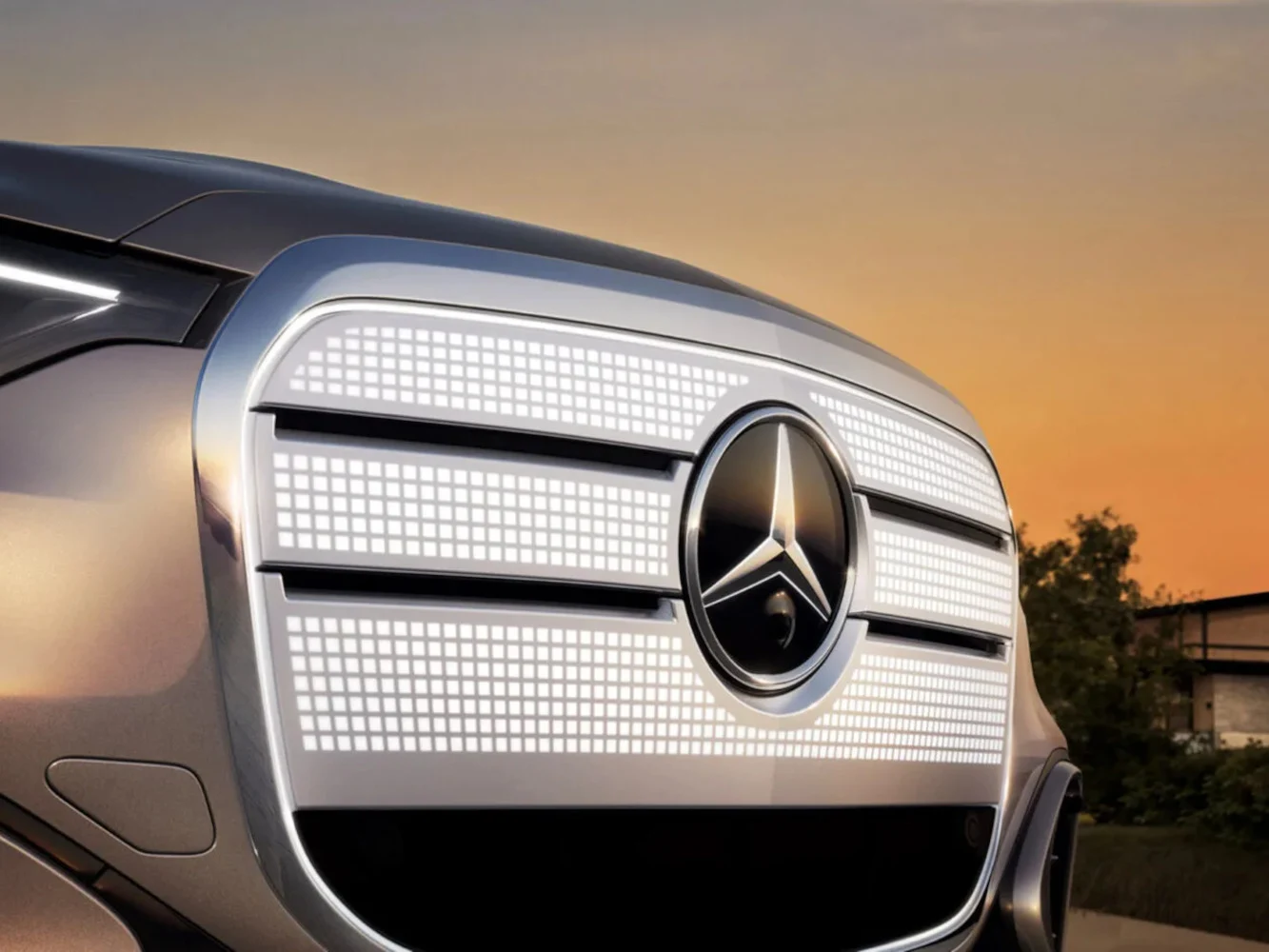
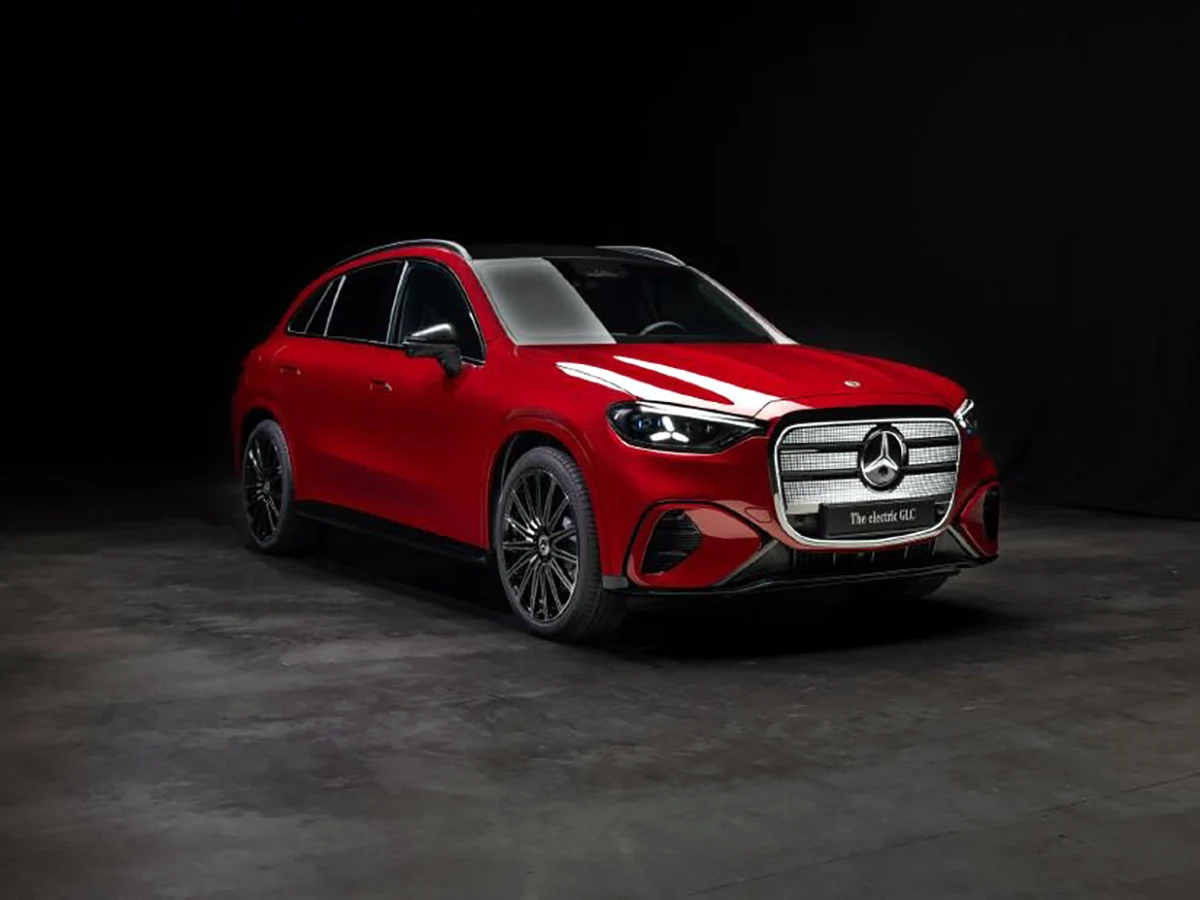
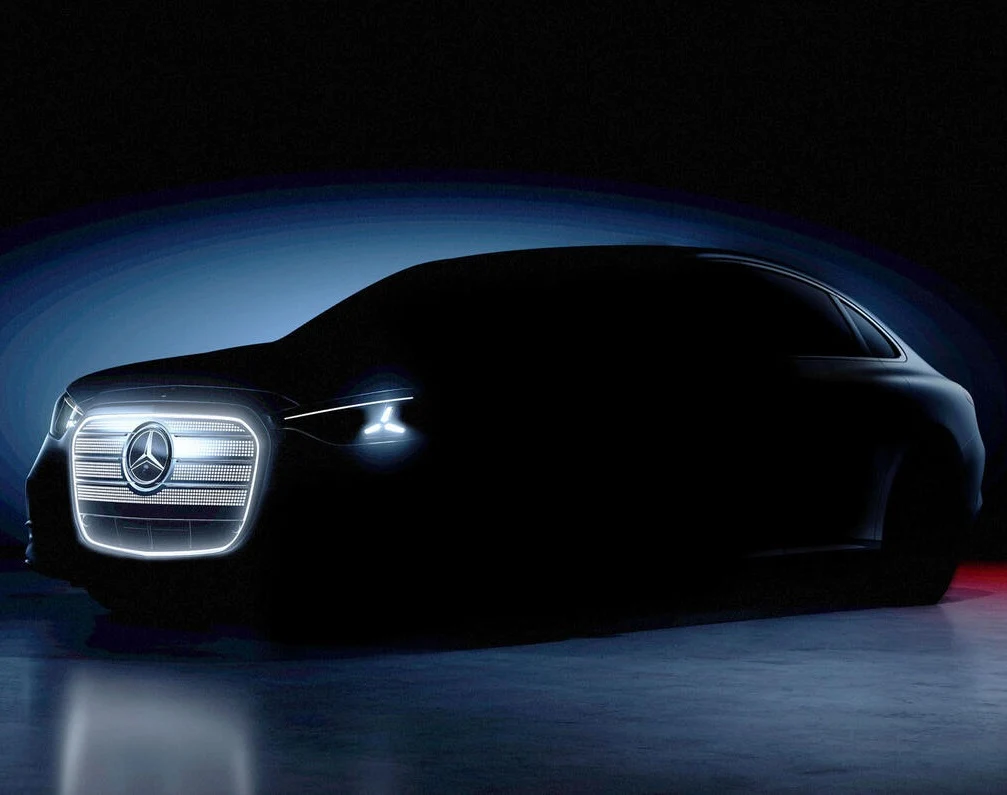
    Mercedes is set to showcase the Mercedes GLC Electric at the IAA Mobility 2025 event in Munich. This occasion is described by Mercedes as “the next step in its largest product offensive to date.” Visitors can find the electric vehicle in hall B3.

    New Platform Introduction

    As reported by Autoweek, the GLC Electric marks the debut model built on the MB.EA platform, which differs from the conventional ICE platforms. The brand refers to this new direction as the “new face of the brand,” aiming for a design that is iconic, versatile, intuitive, and sleek. The plan also includes creating a uniform design language across all models.

    Innovative Features

    The GLC Electric boasts an 800-volt architecture along with silicon carbide inverters, allowing for extremely quick DC charging of up to 320kW. In just 10 minutes, this electric SUV can gain 160 miles of range, which is sufficient for a brief pause or a coffee break.

    According to Autoweek, the wheelbase has increased by approximately 3.1 inches, providing extra interior space and enhanced battery capacity. The new battery has a capacity of 94.5 kWh, while the trunk offers 20.1 cubic feet, expandable to 61.4 cubic feet when the rear seats are down. Additionally, it includes a frunk with 4.5 cubic feet of storage. The Mercedes GLC EQ will also feature Airmatic air suspension, known from the S-Class, which can be paired with rear steering (4.5 degrees) in the “Agility & Comfort” package.

    Performance and Towing Capacity

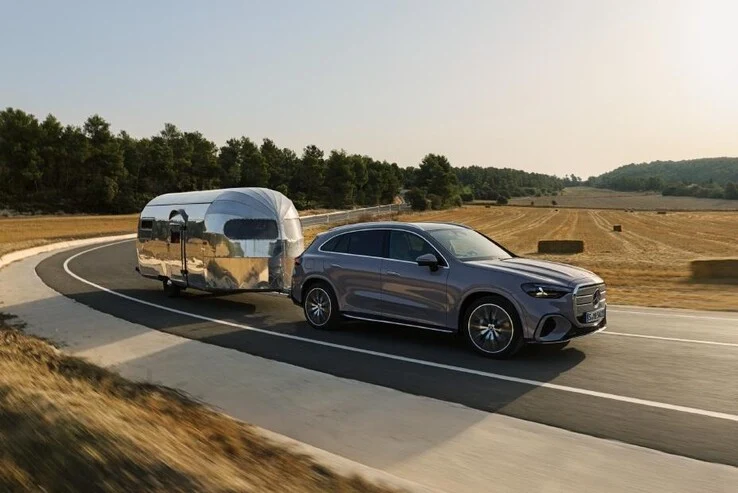
    The rear-wheel-drive version delivers 340 hp, while the 4MATIC variant boasts 489 hp. An AMG variant with over 550 hp is also in the works. The GLC Electric can pull up to 5,291 pounds while providing stabilization and maneuvering assistance.

    The GLC has consistently been one of Mercedes’ top-selling vehicles. According to CEO Ola Källenius, the electric GLC is anticipated to significantly contribute to boosting EV sales as of 2026, playing a crucial role in the company’s transformation within the “Core Luxury” segment.

    For Mercedes, the GLC EQ is a crucial product. It serves as a unique electric version of the bestseller, integrating cutting-edge technology, a fresh space concept, and a high level of driving comfort. The reveal in September initiates an EV strategy that aims to harmonize design, performance, and practicality, with first deliveries expected in early 2026.

    Source:
    Link


  • Porsche EVs Can Now Use Tesla’s 23,500 Superchargers in North America

    Porsche EVs Can Now Use Tesla’s 23,500 Superchargers in North America

    Key Takeaways

    1. Porsche drivers can charge their vehicles at Tesla’s 23,500 Superchargers starting September 9, expanding their charging options.
    2. A soft launch will begin the transition, requiring Porsche owners to use NACS DC adapters and initially manage charging via the Tesla app.
    3. The 2026 Taycan and 2026 Macan Electric models will include the charging adapter for free, while 2025 Taycan and Macan Electric owners can request one at no cost.
    4. Older Porsche electric vehicles can purchase the adapter for $185 through online or local dealerships.
    5. Porsche drivers can still use other charging networks like Ionity and Electrify America, with improved navigation software to locate compatible charging stations.


    Starting on Tuesday, September 9, drivers of Porsche vehicles will have the ability to charge their cars at any of Tesla’s extensive network of 23,500 Superchargers located in the U.S., Canada, and Mexico. This change provides more options for charging, in addition to the existing networks they currently utilize.

    Transition Details

    An update on their website highlights that the shift to this new charging system will take place in stages, beginning with a soft launch. Owners of Porsche cars will need to use NACS DC adapters that are provided by Porsche. Initially, drivers will have to rely on Tesla’s app to manage their charging sessions. However, Porsche plans to integrate their own app for a smoother experience in the upcoming months, allowing users to simply plug in their vehicles and have the payment process start automatically.

    Adapter Availability

    All 2026 Taycan and 2026 Macan Electric models will come with the adapter included at no extra charge. Those who own the 2025 Taycan or any Macan Electric models can receive a free adapter as well and should keep an eye on their Porsche app for notifications regarding its availability. For older Porsche electric vehicles, the adapter can be purchased for $185, either online or at local Porsche dealerships.

    Other Charging Options

    Porsche drivers can still access other charging networks like Ionity or Electrify America directly through the Porsche app. Furthermore, the luxury automotive brand is enhancing its navigation and charging software to show the nearest Tesla Superchargers and other compatible charging stations to the users.

    Source:
    Link