
Key Takeaways
1. The 2027 Mercedes GLC will feature a certified vegan interior and the largest 39.1-inch Hyperscreen in a Mercedes vehicle.
2. It utilizes a modular battery system, allowing for easier servicing and potential cell replacement, enhancing long-term value.
3. The GLC’s 94 kWh battery offers over 300 miles of EPA estimated range and is designed for quick diagnostics and access.
4. Mercedes aims to address concerns over costly battery replacements by opting for a modular design rather than sealed cell-to-pack structures.
5. The GLC’s approach may be more suitable for luxury EVs, contrasting with low-cost, difficult-to-service battery technologies in mainstream models.
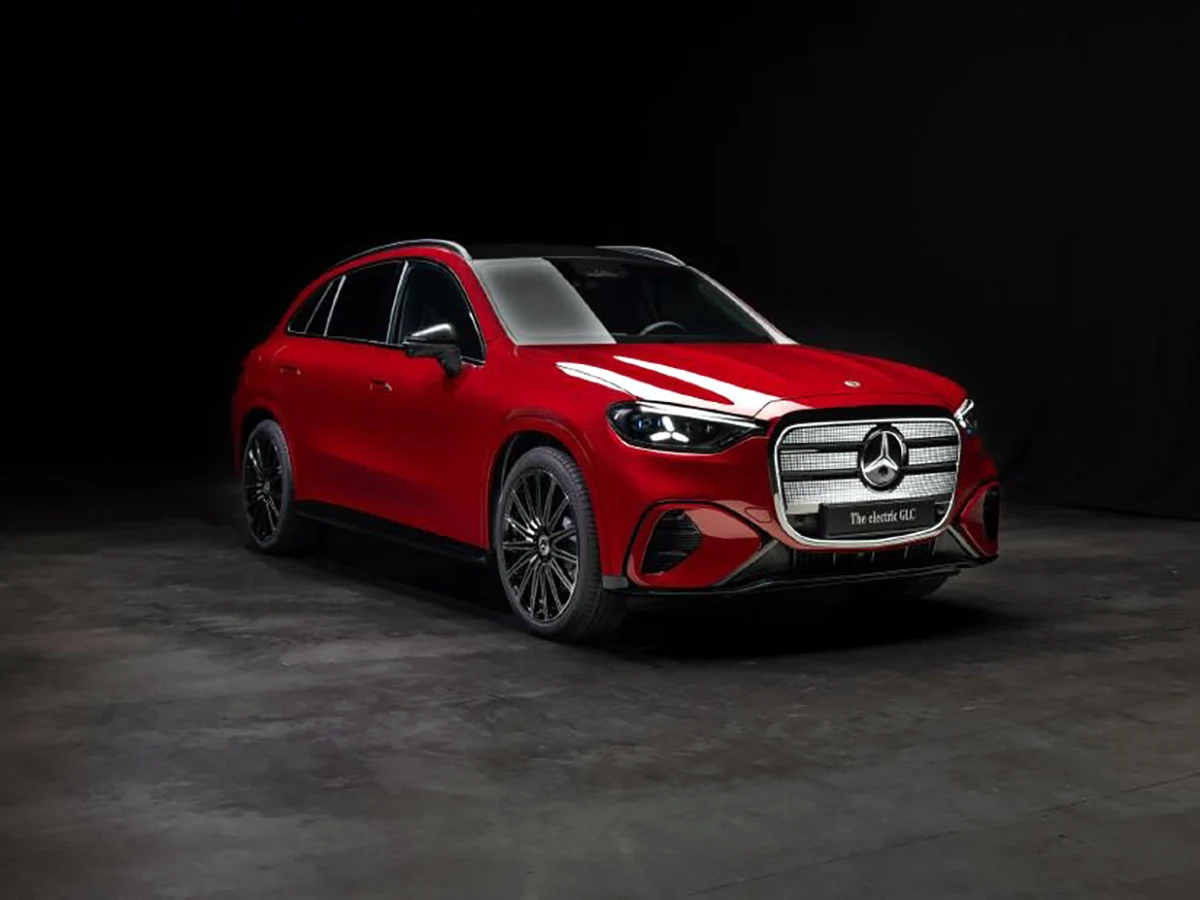
The upcoming 2027 Mercedes GLC, set to hit the US market in the latter half of 2026, introduces several groundbreaking features for its luxury electric SUV segment.
This model stands out as the first to include a certified vegan interior and boasts the largest 39.1-inch Hyperscreen ever installed in a Mercedes vehicle. Additionally, it incorporates a modular battery system that allows for easy servicing and repairs, which is a significant advantage.
Innovative Battery Design
Recent developments in electric vehicle battery technology have leaned towards a sealed cell-to-pack (CTP) format, also known as structural batteries, where the cells are part of the chassis. This design tends to lower costs since the EV chassis acts as a protective cover for the battery, while adhesive fills the gaps between cells, making repairs difficult. A teardown of the Model Y’s 4680 battery exemplifies this issue.
While structural battery packs are cheaper for manufacturers to produce, they can be very expensive to replace or service if individual cells fail. In light of new European regulations promoting swappable batteries, as well as an internal commitment to sustainability, Mercedes has chosen to utilize the modular battery system first seen in the GLA. This decision gives the GLC a competitive edge over rivals like the upcoming BMW iX3 and Tesla’s Model Y.
Battery Features and Advantages
The GLC will feature a 94 kWh battery capable of providing over 300 miles of EPA estimated range, housed in a dedicated compartment with screws for easy access instead of adhesive. This setup allows future owners to potentially swap out individual cells or modules once the warranty period ends, which is far more cost-effective than replacing the entire battery. Such an approach helps maintain the vehicle’s value longer than typical for used electric vehicles.
In addition, the battery electronics are located in a separate, easily accessible module beneath the vehicle, allowing for quick diagnostics to identify faulty modules without needing to dismantle the entire pack. This is crucial for the long-term viability of electric vehicles, as emphasized in the GLC press release.
The Industry Landscape
Mercedes’ engineers highlight a significant concern raised by CATL, the world’s largest EV battery manufacturer, regarding the rise of electric vehicles with low-cost but challenging-to-service CTP battery technology. CATL argues that this design can make battery replacements so costly that the remaining vehicle value is insufficient to justify a new battery, rendering replacements nearly irrelevant.
To combat this, CATL is collaborating with a subsidiary to provide affordable repairs that only involve replacing failed cells, at just 10% of the cost of a full battery replacement. This initiative aims to foster a sustainable second-hand EV market. However, solutions like the GLC’s modular battery architecture may be better suited for luxury electric vehicles, which tend to have a higher initial price and are less disposable than mainstream EVs equipped with sealed CTP batteries.
Source:
Leave a Reply