Category: EV vehicles

  • Mercedes GLB 2026: Electric and Mild-Hybrid Models Coming Soon

    Mercedes GLB 2026: Electric and Mild-Hybrid Models Coming Soon

    Key Takeaways

    1. Production of the 2026 Mercedes GLB will take place at the Kecskemét factory in Hungary, following the new CLA Shooting Brake’s debut.
    2. Three electric models will be released: GLB 220 EQ (231 hp), GLB 250+ EQ (272 hp), and GLB 350 4Matic EQ (354 hp), with rapid charging capabilities.
    3. The GLB will feature advanced technologies like the MBUX Superscreen, multibeam LED lights, and optional third-row seating.
    4. A mild hybrid option will be available, using the M252 engine combined with a 27 hp electric motor for fully electric driving.
    5. The 2026 Mercedes GLB aims to be a spacious and technologically advanced SUV, suitable for families, with various engine options.


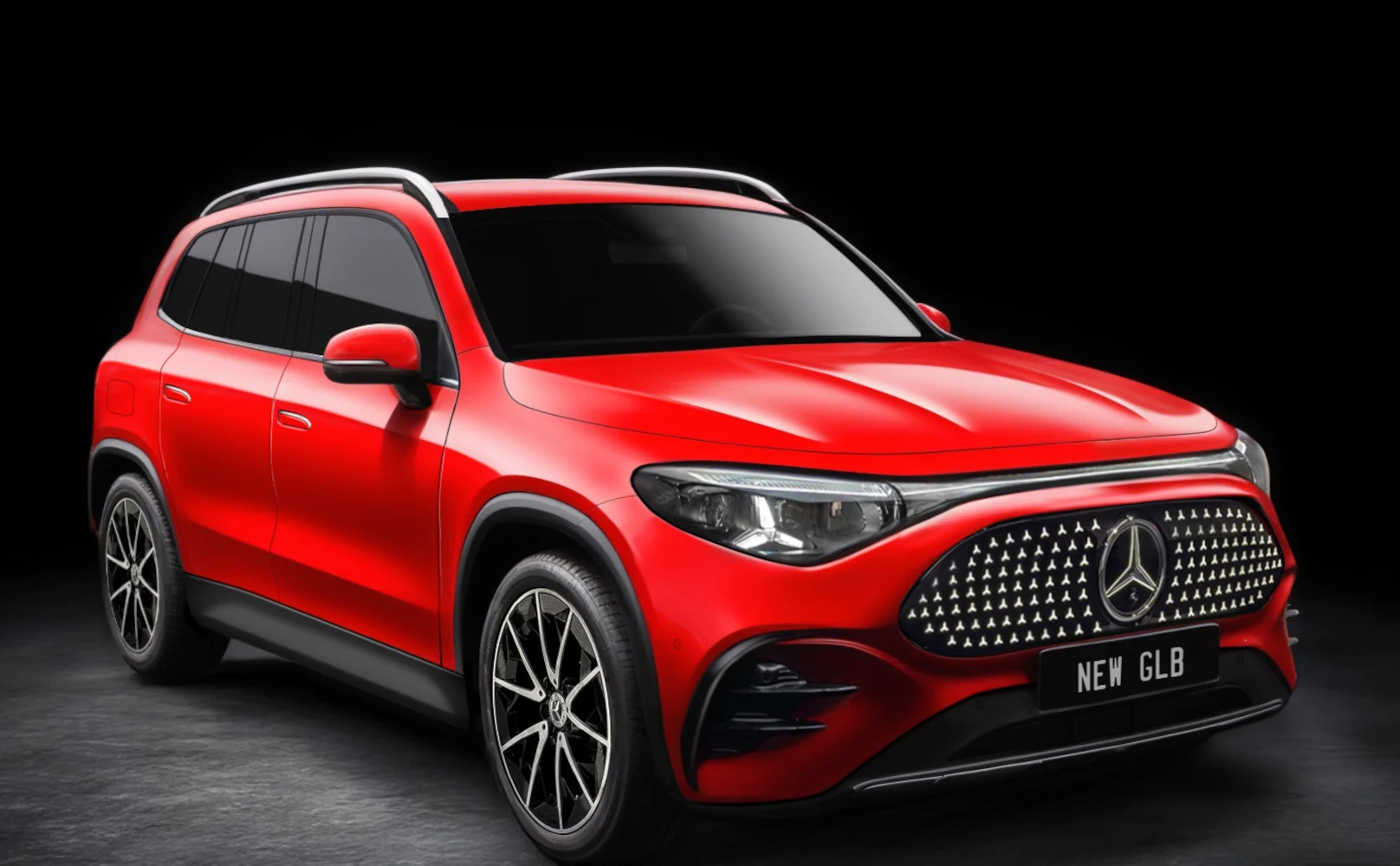
    Production of the 2026 Mercedes GLB will occur at the Kecskemét factory in Hungary, about three months after the debut of the new CLA Shooting Brake. As reported by TopElectricSUV, there are three electric models scheduled for release: the GLB 220 EQ, which has around 231 hp and features an LFP battery; the GLB 250+ EQ, boasting 272 hp with an NMC battery; and the GLB 350 4Matic EQ, delivering 354 hp also equipped with an NMC battery. The charging capability is anticipated to reach up to 320 kW, allowing for rapid charging in roughly 22 minutes. The GLB comes standard with an 11 kW wallbox, while a 22 kW onboard charger will be offered as an optional feature upon market launch.

    Advanced Features and Design

    The 2026 Mercedes GLB will include an MBUX Superscreen, multibeam LED lights, and the Mercedes star emblem on the glass roof. Inside, there’s an optional third row of seats, a roomy trunk, and an additional frunk for storage. The driver assistance systems offer Level 2+ capabilities, providing substantial support for daily use.

    Mild Hybrid Option

    In addition to the all-electric models, Mercedes is introducing the GLB 2026 as a mild hybrid featuring an M252 engine. This engine works in conjunction with a 27 hp electric motor within an 8-speed dual-clutch transmission, enabling completely electric driving. Available models include the GLB 180 with 136 hp plus 27 hp, the GLB 200 with 163 hp plus 27 hp, the GLB 200 4Matic with 163 hp plus 27 hp, and the GLB 220 4Matic with 190 hp plus 27 hp. This new 48-volt system allows for fully electric driving on a hybrid basis for the first time at Mercedes, rather than just for boosting and recuperation.

    As noted by TopElectricSUV, the Mercedes GLB 2026 is anticipated to be delivered to customers by mid-2026 and aims to establish itself as a spacious, technologically sophisticated SUV suitable for families, with a broad selection of engine variants.

    Source:
    Link


  • Foxconn Plans to Launch EV in North America Despite iPhone Deal

    Foxconn Plans to Launch EV in North America Despite iPhone Deal

    Key Takeaways

    1. Foxconn plans to enter the US electric mobility market with its first electric crossover, the Model C, by the end of 2025.
    2. The company aims to establish a manufacturing facility in the US despite facing new import regulations and the ending of certain EV incentives.
    3. Initial production of the Model C will take place in Taiwan, with plans to eventually manufacture it in the US.
    4. Foxconn has partnered with Mitsubishi Fuso Truck and Bus Corp to develop battery-powered buses based on its Model T and Model U vehicles.
    5. The joint venture Foxtron, with Yulon Motor Co., is focused on designing and engineering electric vehicles and has already launched the Model T bus in Taiwan.


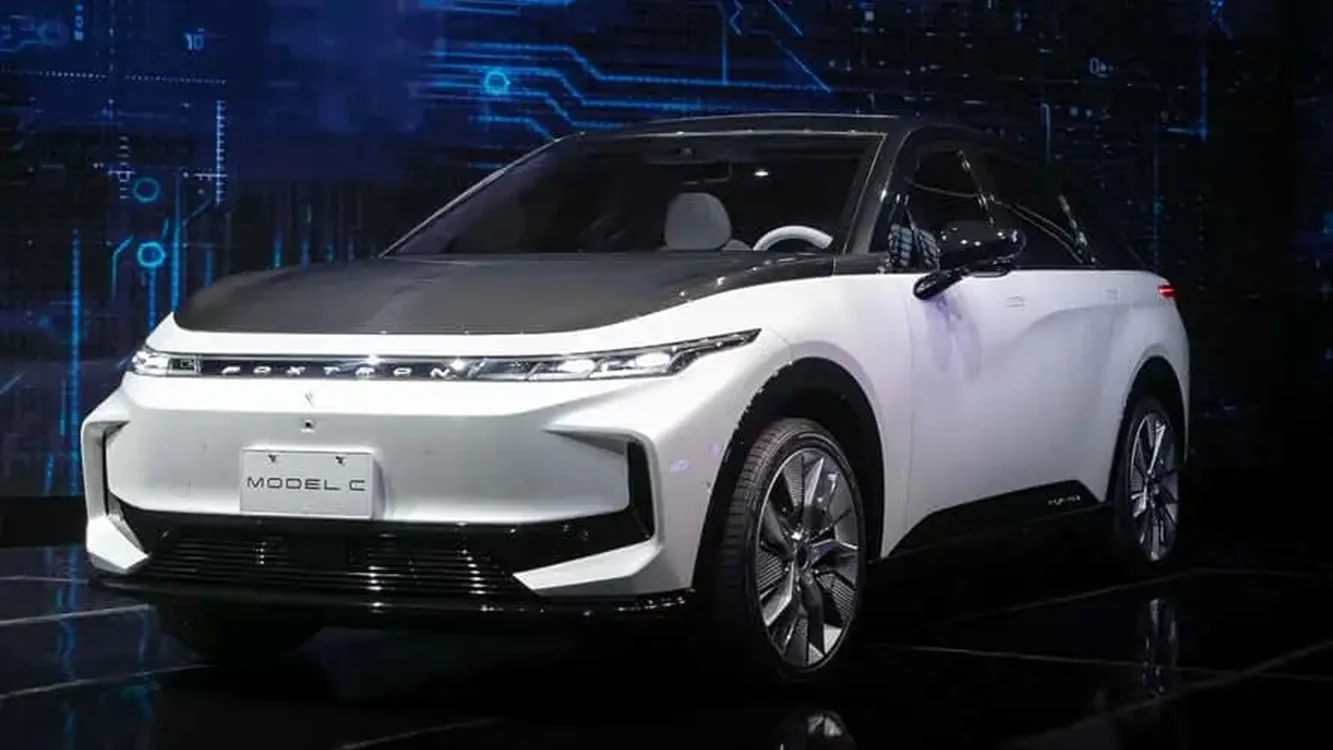
    Foxconn is widely recognized as the contract maker for Apple iPhones, but the Taiwanese firm has announced its strong desire to break into the US electric mobility market with the introduction of its first electric crossover, known as the Model C, before 2025 wraps up.

    Commitment to Electric Mobility

    Despite facing new US import regulations on foreign electric vehicles and the end of certain EV incentives, Foxconn is not backing down. The tech giant expressed its confidence, stating that the Model C is currently in the process of getting certified in the United States. The company’s strategic vision includes establishing a manufacturing facility in the US to serve the North American market.

    Production Plans in Taiwan

    In the meantime, plans are in place to kick off production of the Model C at Foxconn’s plant in Taiwan. James Wu, a spokesperson for Foxconn, mentioned, “The Model C plan remains unchanged. For our U.S. customers’ initial orders, production will start in Taiwan, but our goal of manufacturing the Model C in the U.S. has not changed.”

    New Partnerships for Growth

    Foxconn also provided encouraging news to its investors by announcing a new partnership with Mitsubishi Fuso Truck and Bus Corp from Japan to create battery-powered buses. The two firms will work together to develop electric buses, which will be based on Foxconn’s Model T full-size and Model U mid-size vehicles.

    Foxconn formed a joint venture called Foxtron with another Taiwanese automotive company, Yulon Motor Co. This joint venture was responsible for designing and engineering the Model T and Model U at Foxconn’s new electric vehicle battery manufacturing facility located in Kaohsiung, Taiwan. The Model T bus is already available for sale in Taiwan and has been included in local municipal fleets.

    Source:
    Link


  • Volkswagen’s New Electric Car Battery Tech: Better Range & Prices

    Volkswagen’s New Electric Car Battery Tech: Better Range & Prices

    Key Takeaways

    1. Volkswagen is revamping its electric vehicle lineup by 2026 with the new MEB Plus platform.
    2. The company is shifting from nickel-manganese-cobalt (NMC) batteries to lithium iron phosphate (LFP) cells for better cost and performance.
    3. LFP batteries will be designed in a cell-to-pack configuration, improving efficiency and reducing weight.
    4. The ID.2, Volkswagen’s new entry-level vehicle, is expected to start at €25,000, with potential price cuts for ID.3 and ID.4 models.
    5. These changes aim to strengthen Volkswagen’s position in the electric vehicle market and enhance the adoption of electric mobility.


    Volkswagen is gearing up for a major revamp of its electric vehicle lineup by 2026, according to InsideEVs. The heart of this initiative is the new MEB Plus platform, which will serve as the foundation for upcoming models like the ID.3, ID.4, and ID.7. A significant part of this platform is the transition from nickel-manganese-cobalt (NMC) batteries to lithium iron phosphate (LFP) cells. CEO Thomas Schäfer mentions that this move marks a “big leap forward in terms of cost and performance.”

    Enhanced Battery Design

    The new LFP batteries will be used in a cell-to-pack configuration that eliminates the need for conventional modules, leading to a decrease in weight and a boost in efficiency. However, more robust NMC batteries will still be available for performance-oriented models, including the future GTI versions. In China, the ID.3 is already offered with a CATL-supplied LFP battery that has a capacity of 53.6 kWh, providing a range of about 451 kilometers.

    Cost-Effective Production

    Volkswagen anticipates that the switch to LFP batteries will greatly lower production expenses. The ID.2, which will be the new entry-level vehicle, is predicted to start at €25,000. Price cuts for the ID.3 and ID.4 are also possible, enhancing their competitiveness against rivals like Tesla and BYD, who already use LFP technology.

    With the launch of the MEB Plus platform and the shift to LFP batteries, Volkswagen aims to establish itself as a leader in electric mobility. These strategic choices could not only bolster its market presence but also help in promoting the broader acceptance of electric vehicles.

    Source:
    Link


  • Tesla FSD Adoption Rates: 50% of Model S/X Owners Opt In

    Tesla FSD Adoption Rates: 50% of Model S/X Owners Opt In

    Key Takeaways

    1. Tesla has been vague about the sales numbers for the Full Self-Driving (FSD) package, with Elon Musk stating they are “much higher” than private estimates.
    2. Lars Moravy, VP of Vehicle Engineering, revealed that the FSD acceptance rate has increased significantly, moving from below 10 percent to the “teens.”
    3. The Model S and X have higher FSD adoption rates, with around 50% of buyers opting for the package.
    4. More affordable models like the Model 3 and Y show lower adoption rates for the FSD package.
    5. It’s uncertain if Tesla’s recent strategies, such as free trials and international expansion, will lead to increased interest in the FSD package.


    Tesla has been pretty unclear about how many Full Self-Driving (FSD) packages it has sold. Elon Musk, the CEO, often mentions that the numbers are ‘much higher’ when he hears private estimates. These estimates usually come from independent trackers, regional guesses, or companies that analyze credit card transactions.

    New Insights on Sales

    For the first time, the car company is providing what looks like specific numbers. Lars Moravy, who is the Vice President of Vehicle Engineering, mentioned that the acceptance rate is ‘increasing a lot’. The take rate for the FSD package across all Tesla models has risen from below 10 percent to what he humorously called the ‘teens’. The Model S and X lead the way, with around half of their purchasers choosing the FSD package.

    Adoption Rates of Different Models

    From this information, it seems that the more affordable Tesla models, like the Model 3 and Y, show a lower rate of adopting the advanced driver assistance system. It looks like buyers of the higher-end models are more inclined to pay extra for this optional feature.

    Even though Moravy’s information might suggest that FSD adoption is more common than people thought, it’s still unclear if Tesla’s recent initiatives, like offering free trials and expanding to new countries, will actually boost interest in the package.

    Source:
    Link


  • Tesla to Allow 90% Charging for Future U.S. Owners with Nickel Battery

    Tesla to Allow 90% Charging for Future U.S. Owners with Nickel Battery

    Key Takeaways

    1. Tesla is introducing advanced nickel cells that allow charging up to 90% without harming battery life, improving vehicle range by 10%.
    2. To extend the lifespan of nickel-based batteries, Tesla advises against keeping them charged to max or below 20% for long periods.
    3. LFP batteries, used in other Tesla models, can be charged to 100% regularly without harming lifespan, unlike nickel batteries.
    4. Tesla has stopped offering LFP battery options in the US due to sourcing issues and federal tax credit limitations.
    5. Tesla plans to build its own factory for LFP batteries, but currently, all US cars are equipped with nickel cells.


    Tesla is gearing up to equip its cars with advanced nickel cells that can be charged up to 90% without harming the battery pack’s life, as mentioned by chief engineer Lars Moravy.

    Enhanced Charging Capabilities

    Currently, almost all of Tesla’s vehicles available in the US are fitted with nickel batteries. This new technology upgrade will enable future Tesla owners to safely extend the range of their vehicles by an extra 10%, even during regular use.

    Battery Lifespan Advice

    Tesla usually suggests in the owner’s manual that to extend the lifespan of nickel-based batteries, drivers should avoid keeping the battery charged either to the max or below 20% for long periods. While nickel battery chemistry offers higher energy density and better performance, it can be sensitive regarding the charge state and may degrade more quickly if maintained at 100% for too long.

    To mitigate this, Tesla recommends charging to a full 100% only for long trips, which will quickly reduce the battery’s charge after being filled. They also suggest setting the charge limit to 100% the night before a journey and using the Departure Time feature to ensure the battery reaches full capacity just before leaving.

    LFP Battery Differences

    These guidelines don’t apply to Tesla cars that use LFP batteries, typically found in energy storage systems or popular charging stations like the Anker Solix C1000. LFP cells, while having lower energy density, are built with a less volatile chemistry, allowing them to be charged to full capacity regularly with minimal impact on the battery’s lifespan. In fact, Tesla advises charging vehicles with LFP batteries to 100% at least once a week to calibrate the capacity counter, as lower charge levels can disrupt its accuracy.

    Unfortunately, Tesla has stopped providing LFP battery options in the US market, including the entry-level RWD models. Most of these batteries are sourced from China, which means vehicles using them can’t qualify for federal tax credits or become costly to produce due to tariffs on imports of Chinese LFP batteries.

    Future Battery Plans

    Tesla is working on its own factory for LFP batteries, but for now, all cars sold in the US are equipped with nickel cells. Thus, the opportunity to regularly charge to 90% will likely be more valued in the US compared to other regions where Tesla operates.

    Source:
    Link


  • Volkswagen Unveils ID.2X Crossover EV Teaser

    Volkswagen Unveils ID.2X Crossover EV Teaser

    Key Takeaways

    1. The Volkswagen ID.2X is a budget-friendly compact SUV, described as a “near-production concept car.”
    2. It is based on the earlier ID.2all concept, which debuted as a four-door hatchback in 2023.
    3. Sketches shared on social media suggest a robust design similar to the Volkswagen T-Cross, featuring light bars and the Volkswagen emblem.
    4. The ID.2X will use a shorter version of the MEB platform, with a single front motor producing 223 bhp and two battery options (38 kWh and 56 kWh) for a driving range of up to 280 miles.
    5. Volkswagen plans to officially unveil the ID.2X on September 7th, with an initial pricing expected to be under €25,000 (around $29,000).


    Volkswagen is gearing up to reveal its upcoming electric vehicle, the ID.2X. This model is labeled as a “near-production concept car,” and it seems to be a more budget-friendly compact SUV. The ID.2X is built upon the previously introduced ID.2all concept, which is a four-door hatchback that made its debut in 2023.

    Sketches Shared on Social Media

    A recent Instagram post from Volkswagen showcased sketches of the ID.2X, also known as the ID 2X. These images imply that the ID.2X will serve as an electric counterpart to the Volkswagen T-Cross. It features a robust design with smooth contours, and it includes front and rear light bars, the rear of which displays the Volkswagen emblem.

    Specifications and Performance

    The ID.2X is projected to utilize a shorter variant of the company’s MEB platform, which will make it smaller than the ID.4. Sources indicate that it will come with a single front motor producing 223 bhp, and buyers will have the option to pick between 38 kWh and 56 kWh battery sizes, allowing for a driving range of up to 280 miles (approximately 450 km).

    Volkswagen plans to officially present the ID.2X during an event on September 7th, just a few days before the IAA Mobility Show in Munich. In terms of pricing, an initial cost of under €25,000 (about $29,000) was mentioned when the ID.2 concept was first revealed.

    Source:
    Link


  • Tesla Launches New 6-Seat Model Y L Deliveries in China

    Tesla Launches New 6-Seat Model Y L Deliveries in China

    Key Takeaways

    1. Tesla launched a new six-seat version of the Model Y in China on August 19th, with deliveries starting soon.
    2. The starting price for the new Model Y L is RMB 339,000 (around $47,460), higher than previous trims.
    3. The Model Y L features a long range of 751 kilometers, powered by an 82.0-kWh battery, outperforming the five-seat RWD model.
    4. The Model Y L has a larger chassis and overall dimensions, measuring 4,976 mm in length compared to the original’s 4,797 mm.
    5. Sales expectations are high, with a reported 21.36% increase in vehicle insurance policies for Tesla vehicles.


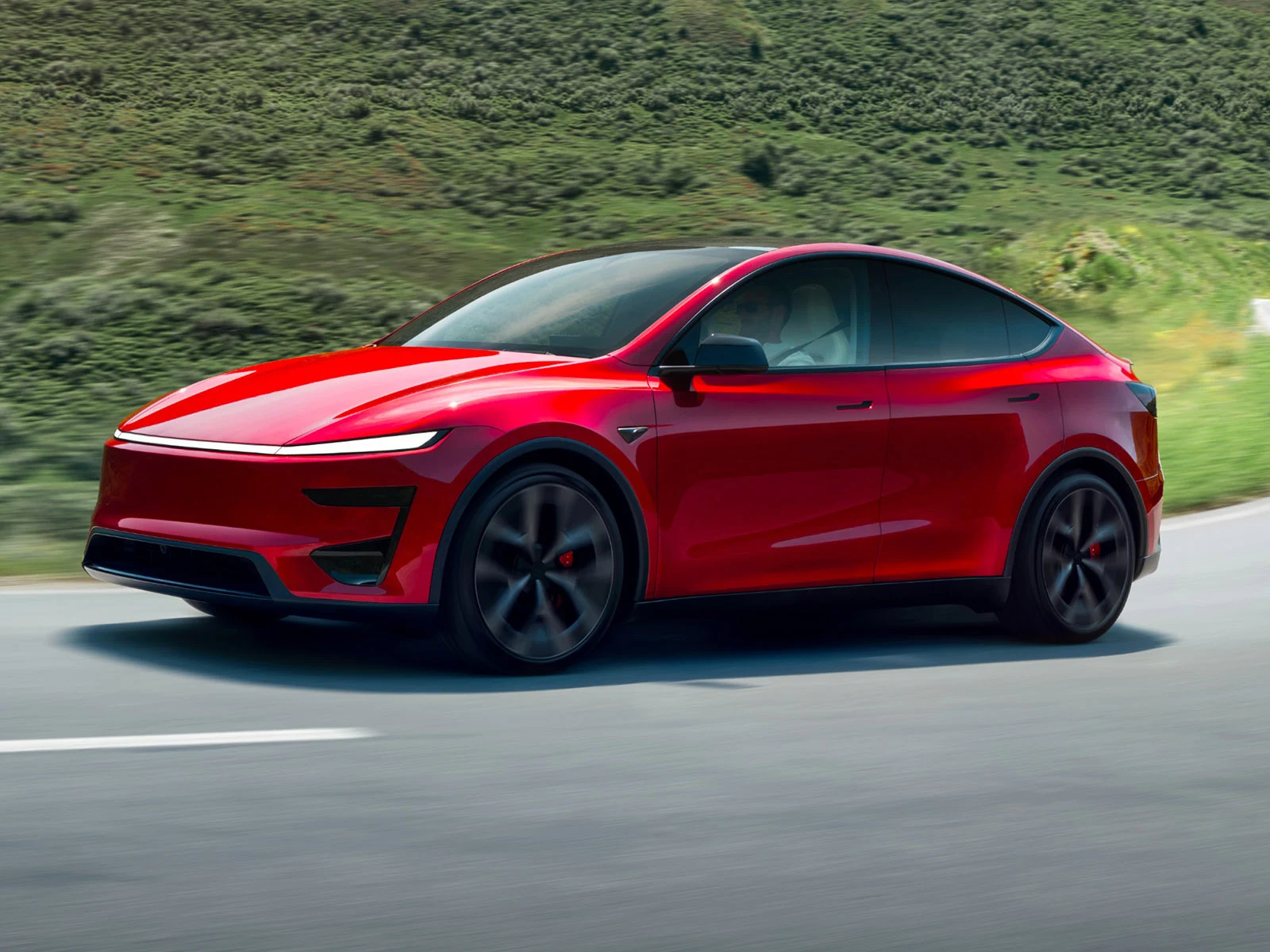
    On August 19th, Tesla introduced a new six-seat version of the Model Y in China. The company has confirmed that they are starting to clear their backlogs, and deliveries have now kicked off. Customers who place their orders today can look forward to receiving their cars in the first week of October.

    Pricing Details

    The starting price for the new SUV is RMB 339,000 (approximately $47,460). In contrast, the previous trims of the Model Y begin at RMB 263,500 for the rear-wheel drive (RWD) model and RMB 313,500 for the all-wheel drive (AWD) option.

    Battery and Range

    The Model Y L boasts an impressive range of 751 kilometers, powered by an 82.0-kWh ternary lithium battery pack from LG Energy Solution. This is a significant improvement over the five-seat Model Y RWD, which is equipped with a CATL 62.5-kWh lithium iron phosphate (LFP) battery and can travel up to 593 kilometers on a single charge.

    Size Comparisons

    In addition to its enhanced battery, the Model Y L has different dimensions compared to other models. Tesla has increased the chassis length from 2,890 mm to 3,040 mm. The total length of the L version measures 4,976 mm, while the original version is 4,797 mm long. The width remains unchanged, but the height has been raised slightly.

    As deliveries of the Model Y L start, Tesla anticipates a significant boost in sales. The number of vehicle insurance policies has already shown a rise, marking a 21.36 percent increase from the previous week.

    Source:
    Link


  • Xiaomi Hits 30,000 EV Deliveries in August, YU7 SUV Wait Times Rise

    Xiaomi Hits 30,000 EV Deliveries in August, YU7 SUV Wait Times Rise

    Key Takeaways

    1. Xiaomi delivered over 30,000 electric vehicles (EVs) in August 2025, marking a significant sales milestone for the company.

    2. The Xiaomi YU7 SUV has been a major success, receiving over 200,000 orders within three minutes of its launch.

    3. Deliveries for the YU7 began in July, contributing to a 20% increase in sales compared to the previous month.

    4. Customers face long wait times of up to 56 weeks for EV deliveries, prompting CEO Lei Jun to suggest considering other brands.

    5. Xiaomi plans to enter the European EV market by 2027, emphasizing its commitment to international growth.


    Xiaomi has shared its sales figures for August 2025, revealing another impressive month for the company. The electronics powerhouse, which has expanded into the electric vehicle space, announced via Weibo that it has delivered over 30,000 electric vehicles (EVs) for the second time ever.

    Sales Numbers and Growth

    The exact figures weren’t specified, but the company reported sales exceeding 30,000 units in July. Data from the China Passenger Car Association shows that deliveries reached 30,452 vehicles, marking a 20 percent increase compared to the previous month.

    Popularity of the YU7 SUV

    This surge is likely attributed to the overwhelming success of the Xiaomi YU7 SUV. The electric vehicle received over 200,000 orders within just three minutes of its launch. Deliveries for the YU7 began in July after its introduction in June, igniting discussions about the competition between Xiaomi and Tesla, as the YU7 is a direct rival to Tesla’s Model Y.

    Customer Experience Challenges

    However, this success might not be as thrilling for many customers, since wait times for EV deliveries have stretched up to 56 weeks, as per the company’s EV ordering app. This situation persists despite Xiaomi’s efforts to increase production by hiring a large number of workers for its manufacturing facility in July. CEO Lei Jun has even suggested that customers consider purchasing from other brands.

    Future Plans

    Despite the expansion of its EV factory, Xiaomi’s international ambitions remain intact. The company plans to enter the European EV market in 2027, indicating a strong focus on growth beyond its home country.

    Source:
    Link


  • Tesla Model Y 5G Modem Upgrade: 2.4 Gbps Download Speeds

    Tesla Model Y 5G Modem Upgrade: 2.4 Gbps Download Speeds

    Key Takeaways

    1. Tesla’s new Model Y and other vehicles are now equipped with a 5G modem, offering faster download speeds and lower latency.
    2. The Quectel AG555QGL modem can achieve download speeds of up to 2.4 Gbps on 5G networks, compared to the previous 4G LTE modem’s maximum of 100 Mbps.
    3. Tesla offers both Standard and Premium Connectivity plans, with the Premium plan costing $9.99/month or $99/year and providing enhanced services.
    4. The 5G modem is designed to operate in extreme temperature conditions, making it suitable for various environments.
    5. The upgrade to 5G is expected to improve user experiences for Tesla services like Grok AI, Sentry Mode, and Dog Mode, but it’s uncertain if retrofitting existing vehicles will be possible.


    Tesla has begun to equip its new Model Y and other vehicles being produced at its factory with a 5G cellular modem, which offers significantly faster download speeds and reduced latency.

    Enhanced Modem Features

    The fortunate Model Y vehicles feature the Quectel AG555QGL modem, which has been tested and approved for Tesla cars by the Federal Communications Commission (FCC). This series of automotive 5G modems can achieve download speeds of up to 2.4 Gbps and upload speeds of 550 Mbps on 5G NR networks provided by US carriers such as T-Mobile. When connected to LTE Advanced networks, it offers download speeds of up to 1.6 Gbps and upload speeds of 200 Mbps.

    Comparing Connectivity Options

    In contrast, the existing 4G LTE modem in Tesla vehicles supports download speeds of only up to 100 Mbps, which is a significant difference from the Premium Connectivity option, whose name suggests a high-end service.

    Furthermore, the Quectel AG555QGL modem is designed to function within a temperature range of -40°C to +85°C, making it suitable for nearly all the environments in which Tesla vehicles operate.

    Connectivity Plans and Pricing

    Tesla provides both Standard and Premium Connectivity choices for its vehicles. However, the free Standard version is limited to in-car navigation. The Premium Connectivity option is priced at $9.99 per month or $99 annually and is complimentary with certain high-end models, such as the refreshed 2026 Model S and Model X.

    For a Benjamin a year, Tesla only delivers 4G LTE speeds due to the modem it has been installing in its vehicles for quite some time now. Many owners have turned to external solutions like the VOS 5G travel modem, which utilizes a Qualcomm Snapdragon modem and connects via USB-C.

    Future of Connectivity in Tesla Vehicles

    With the Quectel 5G modem now included in Tesla’s replacement parts catalog under the “TELEMATICS CONTROL UNIT TCU – GEN II” listing, Tesla is once again differentiating its vehicles based on their internet connection speeds. It remains unclear whether retrofitting will be an option, similar to the prior transition from a 3G to a 4G modem that could be performed at a Tesla Service Center.

    As Premium Connectivity is utilized by Tesla’s Grok AI assistant, Sentry Mode, and Dog Mode live view camera services, the upgrade to 5G connectivity is expected to greatly enhance the user experience for various Tesla services that now require such speed.

    Source:
    Link


  • Tesla’s EU Market Share Drops as BYD and SAIC Take Lead

    Tesla’s EU Market Share Drops as BYD and SAIC Take Lead

    Key Takeaways

    1. Tesla’s vehicle registrations in Europe fell by 42% in July 2025, with only 6,600 new registrations.
    2. Chinese EV manufacturers BYD and SAIC surpassed Tesla in new car registrations for the first time.
    3. Total new vehicle registrations in the EU grew by 7.4% in July 2025, despite Tesla’s decline.
    4. Hybrids make up 34.7% and electric vehicles account for 15.6% of the EU market share.
    5. Tesla may continue losing market share unless it adjusts prices and expands its model range amid increasing competition.


    Tesla’s market share in Europe has seen a drastic fall, with only 6,600 new vehicle registrations reported in July 2025, marking a 42% drop compared to the same month in the previous year, according to ACEA. This decline in market presence is compounded by the fact that two Chinese EV manufacturers have now outperformed Tesla in the European sales rankings.

    Rising Competitors

    In a recent report, Reuters highlighted BYD’s remarkable success, as it managed to triple its number of new car registrations in the EU, reaching 9,698, thus surpassing Tesla for the first time. Additionally, SAIC, which owns the MG brand, also reported higher sales than the American carmaker during the same timeframe. It’s worth noting that Tesla has not only been overtaken by major rivals but also by smaller Chinese companies.

    Market Insights

    ACEA’s data indicates that July 2025 experienced a year-over-year growth of about 7.4% in total new vehicle registrations throughout the EU, which helped counterbalance the decline seen in June. However, overall sales figures for the year are still slightly below last year’s numbers. Volkswagen has emerged as the leading German automaker, with BMW and Mercedes-Benz also recording positive growth. Hybrids are increasingly popular, making up 34.7% of the market, while electric vehicles account for 15.6% of the market share.

    Tesla’s significant drop in registrations points to increasing challenges in the European market as Chinese brands offer more competitively priced models and are gaining recognition. If Tesla does not make necessary price changes and expand its model range, it risks further losing market share. Moreover, the company’s future remains uncertain due to potential political impacts, especially with the EU’s intentions to lower CO₂ emissions by 2030 and eliminate sales of combustion engine vehicles by 2035.

    Source:
    Link