Tag: Foxconn

  • Foxconn ransomware attack: Apple and NVIDIA data stolen

    Foxconn ransomware attack: Apple and NVIDIA data stolen

    Key Takeaway

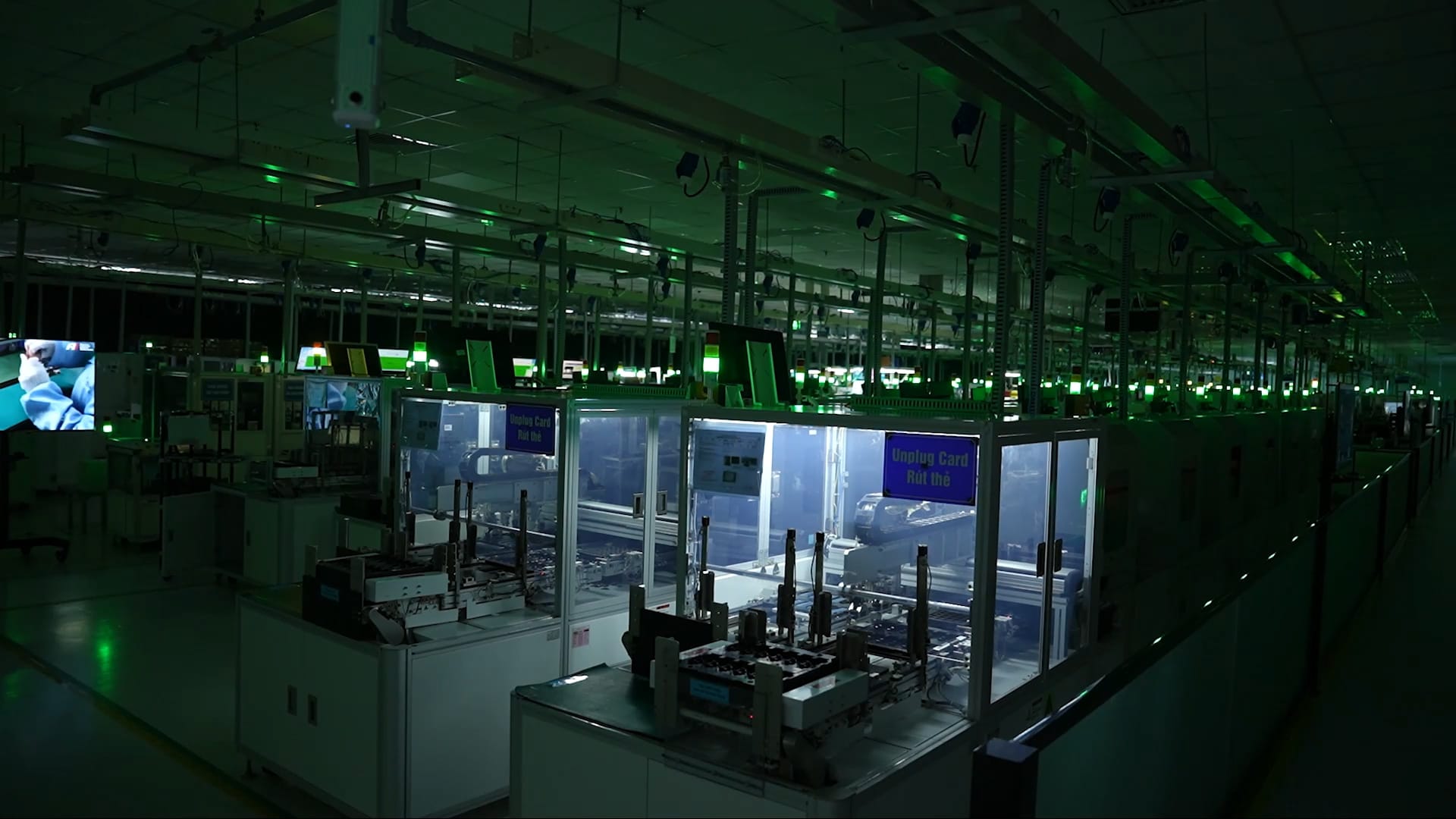
    – Nitrogen ransomware claims 8TB/11M stolen files and hit Foxconn’s Mount Pleasant, WI, and Houston, TX facilities; production is resuming.
    – Alleged stolen data include confidential instructions, internal project docs, circuit layouts tied to Apple, Nvidia, Intel, Google, Dell, and AMD; Foxconn has not confirmed data theft.
    – Nitrogen operates a double-extortion model (encrypts data and threatens public release); a programming error in Nitrogen’s ESXi encryptor could render data unrecoverable even if ransom is paid.
    – This marks Foxconn’s third major ransomware incident in recent years (DoppelPaymer 2020; LockBit 2022/2024), highlighting the risk to large, multi-site manufacturers.

    Foxconn has confirmed a ransomware attack on several North American factories after the Nitrogen ransomware group claimed on May 11 to have stolen 8TB of data comprising more than 11 million files. The attack affected facilities in Mount Pleasant, Wisconsin, and Houston, Texas, forcing some employees to fall back on pen and paper and sending others home until network access was restored.

    Ransomware claim and immediate impact

    “The cybersecurity team immediately activated the response mechanism and implemented multiple operational measures to ensure the continuity of production and delivery,” a Foxconn spokesperson told BleepingComputer. “The affected factories are currently resuming normal production.”

    Company scale and customer base

    Foxconn is the world’s largest contract electronics manufacturer, with over 900,000 employees across 240 facilities in 24 countries and reported revenues above $260 billion in 2025. Its customer list reads like a who’s who of the tech industry: Apple, Nvidia, Intel, Google, Dell, AMD, Microsoft, and Sony all rely on it for hardware production.

    • Apple
    • Nvidia
    • Intel
    • Google
    • Dell
    • AMD
    • Microsoft
    • Sony

    Stolen data and Nitrogen group

    That customer list is exactly what Nitrogen is using as leverage. The group claims the stolen files contain confidential instructions, internal project documentation, circuit board layouts, and technical drawings tied to projects at Apple, Nvidia, Intel, Google, Dell, and AMD. Sample files have been posted on Nitrogen’s dark web leak site. Foxconn has not confirmed whether customer data was actually taken and declined to answer specific questions on the subject.

    Ransomware mechanics and risk

    Nitrogen has been active since 2023 and operates as a double-extortion group: it encrypts victim files and simultaneously threatens to publish stolen data unless a ransom is paid. The group is believed to be built on code from the leaked Conti 2 ransomware builder and is suspected of having links to the ALPHV/BlackCat ecosystem. There is a significant problem with paying the ransom, however.

    Coveware warning and data loss risk

    In February 2026, Coveware researchers published a warning that a programming error in Nitrogen’s ESXi encryptor causes it to encrypt all files with the wrong public key, making file recovery impossible even if the victim pays. This means Foxconn faces the prospect of losing access to encrypted data permanently, regardless of what it decides to do with the ransom demand.

    Past incidents and pattern

    Nitrogen made its name targeting companies in construction, financial services, manufacturing, and technology. Foxconn is its highest-profile victim to date. The Mount Pleasant facility primarily produces televisions and data servers rather than Apple consumer devices, which may limit the impact on Apple-specific product development. However, the Houston facility’s product scope has not been detailed publicly. This is at least the third major ransomware attack on Foxconn facilities in recent years. In December 2020, the DoppelPaymer group hit its Ciudad Juárez facility in Mexico, encrypting up to 1,400 servers, destroying 20 to 30TB of backups, and demanding $34 million in bitcoin. In 2022 and 2024, LockBit targeted Foxconn subsidiary Foxsemicon Integrated Technology.
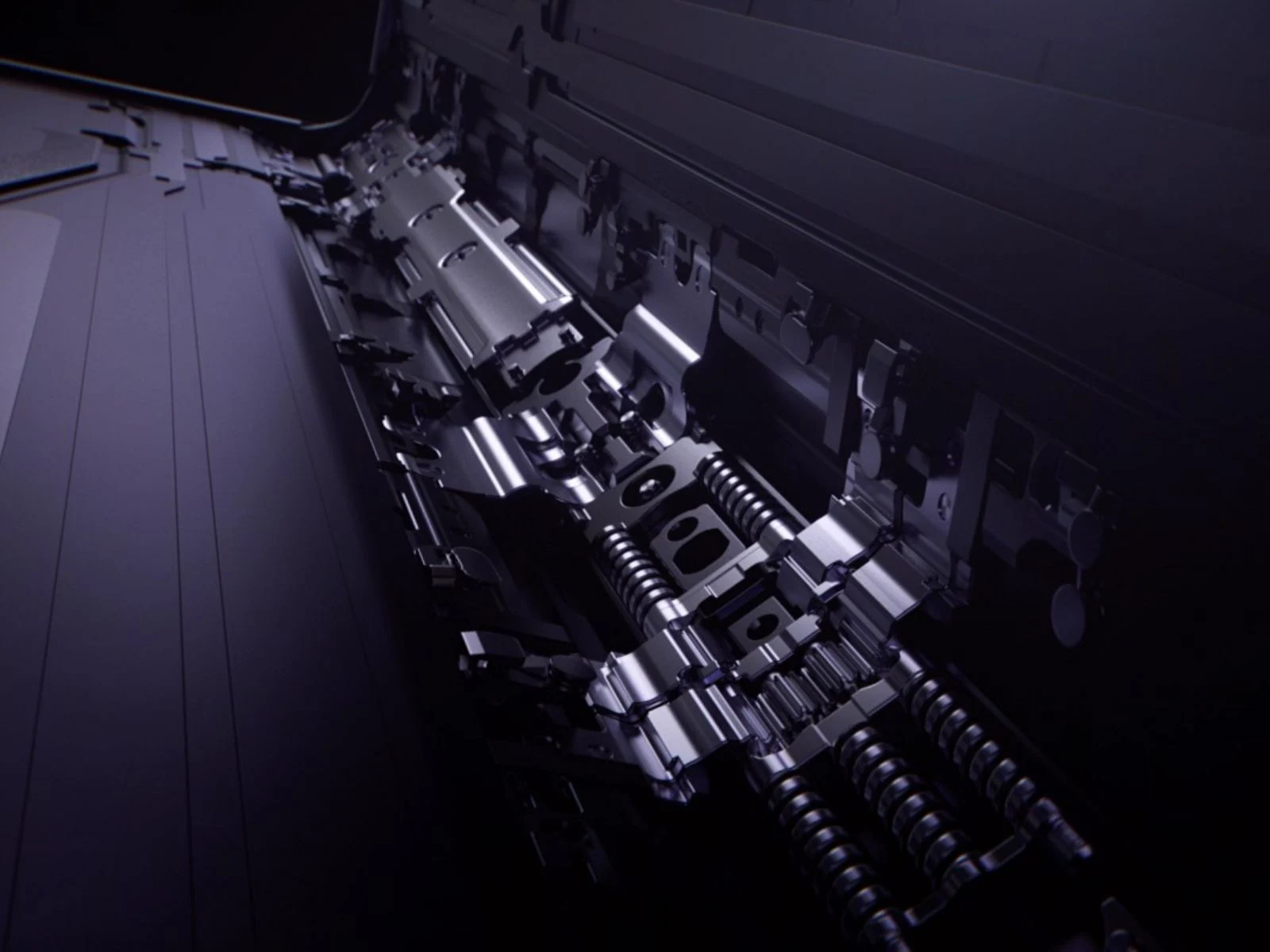
  • Foxconn to Use Nvidia Robots in Factories Within Six Months

    Foxconn to Use Nvidia Robots in Factories Within Six Months

    Key Takeaways

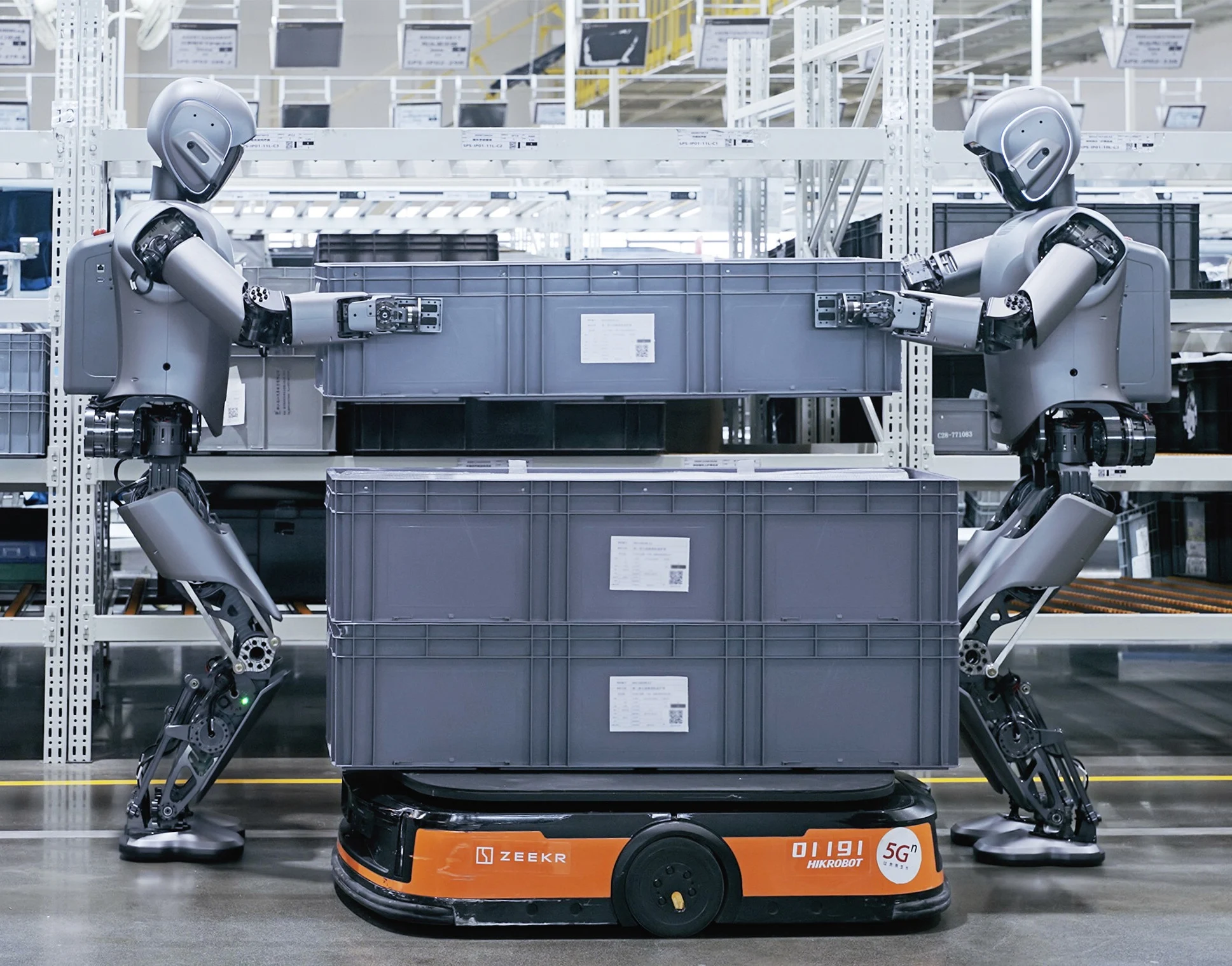
    1. Foxconn plans to integrate bipedal robots into its workforce within six months to assemble AI servers for Nvidia.
    2. This deployment marks the first time in Foxconn’s 50-year history that humanoid robots will be used in manufacturing.
    3. Foxconn is a major contract manufacturer for technology giants like Apple, Microsoft, Google, Sony, and Nvidia.
    4. Nvidia is collaborating with Foxconn to develop a next-generation AI-driven factory in Houston, utilizing Nvidia’s Isaac GR00T N technology.
    5. The new factory aims to set a standard for AI smart factories, focusing on efficiency while ensuring safety and addressing logistical challenges in robot-human integration.


    If the idea of a bunch of humanoid robots taking over factory jobs seems unnerving, a major hardware producer is gearing up to turn this vision into a reality. Foxconn, which is a manufacturing partner for Apple, has announced plans to integrate bipedal robots into its workforce over the next six months.

    Robots in Action

    According to Foxconn’s CEO, Young Liu, the robots will be responsible for assembling AI servers for Nvidia. This marks the first instance in the company’s 50-year history where such a deployment will take place.

    Foxconn’s Role

    Foxconn, also known as Hon Hai Precision Industry, is a contract manufacturer for some of the biggest names in technology, such as Apple, Microsoft, Google, Sony, and Nvidia. The company operates facilities in the U.S. across Texas, California, and Wisconsin, with intentions to expand into Ohio.

    Nvidia, on its part, is not just sitting back waiting for its AI servers to be produced. The largest company by market value is collaborating with Foxconn to develop a next-generation AI-driven factory in Houston. Foxconn will be one of the first to use Nvidia’s Isaac GR00T N technology, which enables robots to operate independently in manufacturing settings.

    A New Standard

    Both companies have stated that the new factory aims to be a “world-leading benchmark AI smart factory” that emphasizes efficiency. Foxconn has not disclosed any specifics about the humanoid robots or what they can do. Moreover, there are no details on how many robots will be brought into service. What is clear, however, is that integrating robots with human workers will require meticulous planning to ensure safety and tackle logistical issues.

    Source:
    Link


  • iPhone Fold May Be Cheaper as Hinge Costs Fall to $70–$80

    iPhone Fold May Be Cheaper as Hinge Costs Fall to $70–$80

    Key Takeaways

    1. The average selling price (ASP) for the Apple iPhone Fold hinge is projected to be between US$70 and US$80, which is 20% to 35% lower than previous estimates.

    2. Foxconn and Shin Zu Shing have formed a joint venture for hinge production, capturing about 65% of Apple’s hinge orders, with Foxconn leading the direction.

    3. This report confirms Foxconn’s direct involvement in producing the foldable hinge, marking a shift from merely assembling final products.

    4. The reduction in hinge costs is mainly due to design improvements and Foxconn’s manufacturing efficiency, not a drop in raw material prices.

    5. Component suppliers like Amphenol and SZS may face tighter profit margins due to the lower ASP of hinges, impacting their overall profitability.


    Analyst Ming-Chi Kuo has shared that the average selling price (ASP) for the Apple iPhone Fold hinge is projected to be between US$70 and US$80. This is approximately 20% to 35% lower than previous market estimates, which ranged from US$100 to US$120. The decrease in hinge costs offers Apple more leeway in managing production margins and could lead to a more competitively priced iPhone Fold when mass production kicks off.

    Joint Venture Insights

    Kuo notes that Foxconn (Hon Hai) and Shin Zu Shing (SZS) have teamed up to create a joint venture (JV) for hinge production, capturing about 65% of Apple’s hinge orders, while Amphenol holds the remaining 35%. Foxconn is believed to have a slightly bigger share in this JV and is steering its strategic direction. This is one of the first verified instances of Foxconn being involved in hinge manufacturing itself, rather than merely assembling the final products.

    Manufacturing Developments

    This report is a significant confirmation that Foxconn is now directly involved in producing the foldable hinge, not just in the assembly of the finished devices. Earlier reports hinted that Apple had tasked Foxconn with creating prototype foldable cases, but this is the first solid evidence linking Foxconn to hinge production.

    Kuo mentions that the reduction in hinge costs mainly results from design improvements and Foxconn’s efficiency in large-scale manufacturing, rather than a drop in raw material prices. The analyst also predicts that Luxshare-ICT may become another hinge supplier after 2027, which would increase competition within Apple’s supply chain.

    Challenges Ahead

    The report identifies several internal challenges. Amphenol’s smaller market share could indicate a cautious strategic choice, as the company seems to be focusing more on other rapidly growing sectors like AI hardware. On the other hand, SZS might have limited profit margins, as Foxconn dominates the JV and takes a larger cut of the profits. Additionally, SZS has received fewer upstream component orders, which limits its potential earnings.

    Given that the hinge ASP is lower than anticipated, component suppliers may face tighter profit margins than what analysts initially expected. In summary, the new information provides a clearer view of the supply chain for the Apple iPhone Fold — a scenario where Apple stands to gain the most from lower production expenses, while its partners, like SZS and Amphenol, could see their profitability squeezed.

    Source:
    Link


  • Foxconn Plans to Launch EV in North America Despite iPhone Deal

    Foxconn Plans to Launch EV in North America Despite iPhone Deal

    Key Takeaways

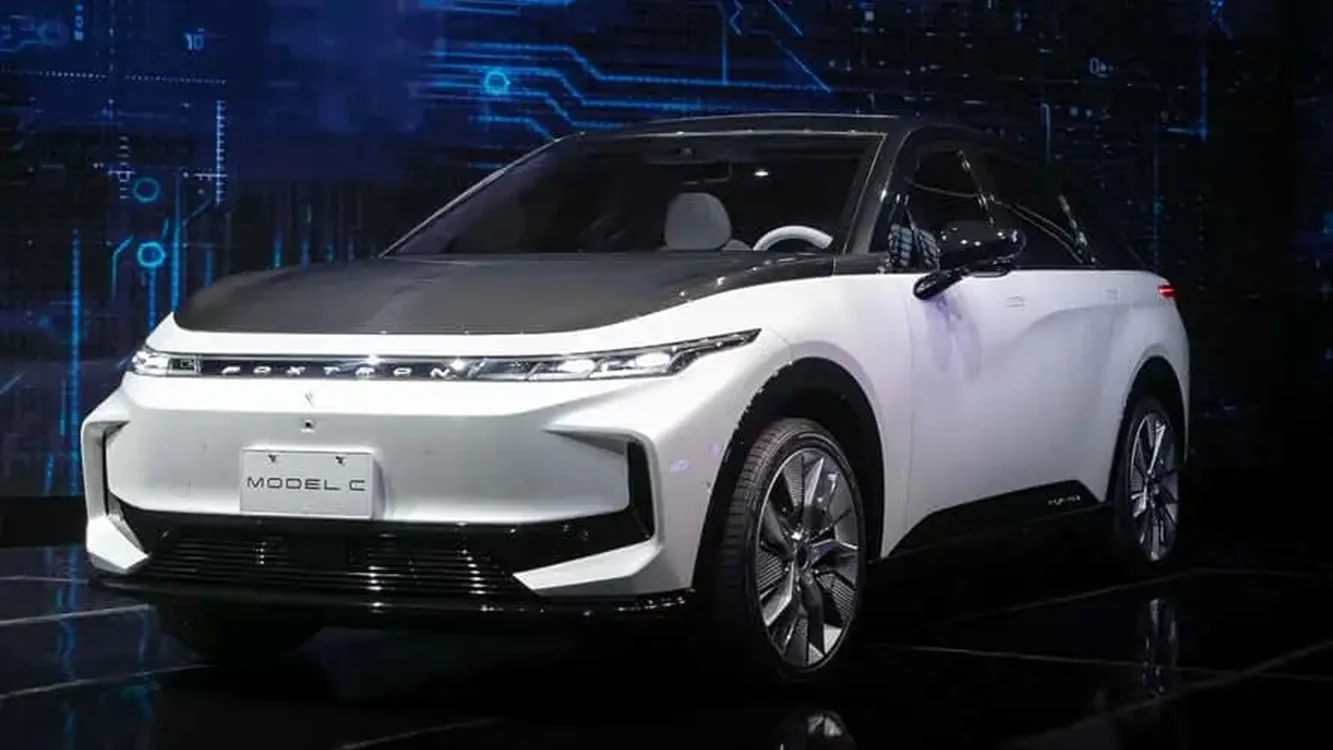
    1. Foxconn plans to enter the US electric mobility market with its first electric crossover, the Model C, by the end of 2025.
    2. The company aims to establish a manufacturing facility in the US despite facing new import regulations and the ending of certain EV incentives.
    3. Initial production of the Model C will take place in Taiwan, with plans to eventually manufacture it in the US.
    4. Foxconn has partnered with Mitsubishi Fuso Truck and Bus Corp to develop battery-powered buses based on its Model T and Model U vehicles.
    5. The joint venture Foxtron, with Yulon Motor Co., is focused on designing and engineering electric vehicles and has already launched the Model T bus in Taiwan.


    Foxconn is widely recognized as the contract maker for Apple iPhones, but the Taiwanese firm has announced its strong desire to break into the US electric mobility market with the introduction of its first electric crossover, known as the Model C, before 2025 wraps up.

    Commitment to Electric Mobility

    Despite facing new US import regulations on foreign electric vehicles and the end of certain EV incentives, Foxconn is not backing down. The tech giant expressed its confidence, stating that the Model C is currently in the process of getting certified in the United States. The company’s strategic vision includes establishing a manufacturing facility in the US to serve the North American market.

    Production Plans in Taiwan

    In the meantime, plans are in place to kick off production of the Model C at Foxconn’s plant in Taiwan. James Wu, a spokesperson for Foxconn, mentioned, “The Model C plan remains unchanged. For our U.S. customers’ initial orders, production will start in Taiwan, but our goal of manufacturing the Model C in the U.S. has not changed.”

    New Partnerships for Growth

    Foxconn also provided encouraging news to its investors by announcing a new partnership with Mitsubishi Fuso Truck and Bus Corp from Japan to create battery-powered buses. The two firms will work together to develop electric buses, which will be based on Foxconn’s Model T full-size and Model U mid-size vehicles.

    Foxconn formed a joint venture called Foxtron with another Taiwanese automotive company, Yulon Motor Co. This joint venture was responsible for designing and engineering the Model T and Model U at Foxconn’s new electric vehicle battery manufacturing facility located in Kaohsiung, Taiwan. The Model T bus is already available for sale in Taiwan and has been included in local municipal fleets.

    Source:
    Link


  • Nvidia and Foxconn to Build 10,000-GPU AI Supercomputer in Taiwan

    Nvidia and Foxconn to Build 10,000-GPU AI Supercomputer in Taiwan

    Key Takeaways

    1. Nvidia and Foxconn are partnering to create an “AI factory” supercomputer in southern Taiwan, integrating 10,000 Nvidia Blackwell GPUs.
    2. The project involves an investment of several hundred million US dollars, making it one of the largest AI investments globally, although smaller than Elon Musk’s Memphis Supercluster.
    3. The computing power will be distributed to local researchers, startups, and businesses to boost AI adoption in Taiwan.
    4. The initiative aims to create a larger AI ecosystem, linking public agencies and private enterprises, with goals to accelerate semiconductor innovation and enhance smart-city services.
    5. This supercomputer aligns with Nvidia’s expansion strategy, including plans for a research center in Shanghai and a fleet of AI servers in the U.S. worth half a trillion dollars.


    Nvidia and Foxconn have broadened their long-term partnership with new plans for an “AI factory” supercomputer in southern Taiwan. This system is set to be delivered by Big Innovation Company, a Foxconn subsidiary and Nvidia Cloud Partner, and will integrate 10,000 Nvidia Blackwell GPUs into one setup.

    Investment Overview

    With an investment of several hundred million US dollars, this project is less massive than Elon Musk’s Memphis Supercluster, which has 200,000 GPUs. However, it still stands as one of the largest AI investments globally. Nvidia is responsible for the hardware supply, whereas Foxconn will take care of the datacenter infrastructure and operational support.

    Local Impact

    The National Science and Technology Council of Taiwan plans to distribute the computing power of this cluster to local researchers, startups, and established businesses, thus boosting AI adoption domestically. Taiwan Semiconductor Manufacturing Company (TSMC) also aims to utilize this machine for advanced research and development tasks, anticipating a performance leap that is several times better than earlier systems.

    Vision for the Future

    Company executives view this project as a stepping stone toward a larger AI ecosystem. Jensen Huang, Nvidia’s chief executive, described AI as the driving force of “a new industrial revolution.” In contrast, Foxconn chair Young Liu emphasized the aim of linking public agencies with private enterprises through shared infrastructure. TSMC chair C.C. Wei sees the cluster as a way to accelerate semiconductor innovation.

    Foxconn plans to use the supercomputer for its internal purposes, such as enhancing smart-city services, refining driver-assistance features for its electric-vehicle platform, and improving manufacturing processes using digital-twin technology. Taiwan’s science minister, Wu Cheng-Wen, has expressed that the larger goal is to create “a smart AI island” that connects citizens, businesses, and the government through cutting-edge computing resources.

    Lastly, the supercomputer aligns with Nvidia’s broader strategy for expansion. Recently, the company announced the opening of a research and development center in Shanghai and indicated intentions to create a fleet of AI servers worth half a trillion dollars in the United States.

  • Apple and Foxconn Team Up for Custom AI Servers in Taiwan

    Apple and Foxconn Team Up for Custom AI Servers in Taiwan

    Apple is teaming up with Foxconn and LCFC, a Lenovo subsidiary, to create its own AI servers powered by Apple Silicon in Taiwan. This strategy is designed to enhance Apple’s data center capabilities for their upcoming Apple Intelligence services and reduce their dependency on Chinese manufacturers.

    The Reason for Choosing Taiwan

    Sources suggest that Apple chose Taiwan primarily to benefit from Foxconn’s extensive expertise in constructing AI servers. Foxconn is already producing servers equipped with Nvidia’s H100 and H200 GPUs and is preparing to collaborate on new Blackwell-based chips.

    Focus on AI Inference Management

    Unlike its rivals such as Amazon, Google, and Microsoft, Apple’s server strategy focuses more on managing AI inference instead of developing large language models. These servers are intended for internal operations, indicating that production volumes will be lower compared to typical data center configurations.

    Collaboration and Design Support

    This partnership goes beyond just server production; it also involves engineering and design assistance from Foxconn and LCFC. Although Apple may not have a lot of experience in designing data center servers, the development is expected to progress rapidly since these servers are less complex than Nvidia’s GB200 systems.

    Foxconn has AI research facilities in Hsinchu, Taiwan, and San Jose, California, where they are currently collaborating with Nvidia on upcoming GB300 server initiatives. Moreover, additional manufacturing partners like Universal Scientific Industrial may also join to further diversify the production process.

  • iPhone 16 Series Now in Mass Production

    iPhone 16 Series Now in Mass Production

    Apple is anticipated to unveil the iPhone 16 series in early September, potentially on September 10. Foxconn has commenced the mass production of these devices. According to a report, one of Foxconn’s factories in China has begun large-scale recruitment to boost its production capacity.

    Foxconn, a Taiwanese multinational electronics contract manufacturer, has long been responsible for producing iPhones and other Apple devices through outsourcing.

    Increased Shipment Target

    Apple is reportedly very optimistic about the iPhone 16 series’ shipment volume. The shipment target has been raised by over 10% compared to the iPhone 15 series, aiming for more than 90 million units. Components for the iPhone 16 series entered mass production early to ensure a smooth assembly process. Display panels, in particular, started mass production in June to meet the September launch timeline. Samsung Display and LG Display are manufacturing OLED displays for the iPhone 16 series. By the end of 2024, Samsung and LG are expected to supply Apple with around 80 million and 43 million panels, respectively.

    Design Enhancements

    Rumors suggest that the iPhone 16 series will feature even thinner bezels than last year’s models. The Pro models are speculated to have larger displays compared to the iPhone 15 Pro and iPhone 15 Pro Max. Specifically, the iPhone 16 Pro and iPhone 16 Pro Max are rumored to come with 6.3″ (upgraded from 6.1″) and 6.9″ (upgraded from 6.7″) panels, respectively. However, the non-pro models are expected to retain the 6.1″ and 6.7″ sizes, similar to the non-pro iPhone 15 models.

  • Foxconn Boosts Hiring for iPhone 16 Launch in China

    Foxconn Boosts Hiring for iPhone 16 Launch in China

    Foxconn, Apple’s primary supplier, is intensifying its recruitment efforts in anticipation of the eagerly awaited AI-enabled iPhone 16, set to launch this autumn. With expectations of high demand due to the iPhone 16’s new AI capabilities, Apple is striving to align its production to meet these forecasts.

    Foxconn is providing competitive hourly wages and bonuses to attract workers. In Zhengzhou, the hourly wage is 25 yuan (US$3.44), and returning workers can receive bonuses up to 7,500 yuan, a rise from the 6,000 yuan bonus offered a month earlier. Local labor agencies are actively promoting these lucrative positions for temporary and returning employees.

    In Shenzhen, Foxconn is similarly increasing its workforce. Temporary workers are being offered an hourly wage of 21-22 yuan, while returning permanent employees can earn up to 6,000 yuan monthly for the first three months, with the possibility of pay increases for extended stays.

    iPhone 16 Features and Expectations

    The upcoming iPhone 16 is anticipated to include advanced AI functionalities through the Apple Intelligence platform, announced at the WWDC in June. This development is expected to incite a wave of device upgrades among consumers. Apple plans to ship at least 90 million iPhone 16 units in the latter half of the year, aiming for a 10% growth compared to the previous model.

    Leading the smartphone sales in mainland China in Q4 last year, Apple is currently ranked third behind Vivo and Honor. Despite a 19.1% sales decline in Q1, Apple recorded a 2.7% year-on-year sales increase during the midyear online shopping period, attributed to significant discounts.

    During the 618 e-commerce promotion (May 20 – June 20), China’s overall smartphone sales rose by 6.8% year-on-year. Huawei experienced a notable 42.4% year-on-year sales increase, while Apple’s sales grew by 2.7% due to discounts of up to CNY 2,350 (US$326).

    Foxconn’s enhanced hiring efforts are essential as they prepare for the iPhone 16 launch. With the new AI features anticipated to fuel consumer interest, Apple is set to sustain its competitive advantage in the market and achieve its ambitious sales goals for 2024.

  • Foxconn Invests $551M in Vietnam for Smart Tech Production

    Foxconn Invests $551M in Vietnam for Smart Tech Production

    Foxconn is expanding its presence in Vietnam with a significant investment of $551 million (approximately 4.013 billion Yuan) across two new projects in northern Vietnam’s Quang Ninh Province. These ventures are planned for completion by July 2026 and will be centered on the production of smart technology.

    Smart Entertainment Products and System Equipment

    The first project, based in Song Khoai Amata Industrial Park, involves an investment of $263.7 million (around 1.92 billion Yuan). This facility will focus on manufacturing smart entertainment products, with an anticipated annual output of 4.18 million units.

    The second project is located in Bac Tien Phong Industrial Park and comes with an investment of $287.2 million (approximately 2.092 billion Yuan). Covering an area of 12.4 hectares, this facility will produce intelligent system equipment. After a period dedicated to machinery installation and testing, official production is projected to commence in May 2027.

  • Foxconn announces plans to invest INR 1,200 crore in India for construction of new chip manufacturing facility.

    Foxconn announces plans to invest INR 1,200 crore in India for construction of new chip manufacturing facility.

    Foxconn Expands Presence in India with New Chip Assembly and Testing Plant

    Foxconn, the largest iPhone manufacturer and a key supplier to global tech firms, is making a significant move to expand its presence in India. The company is investing Rs. 1,200 crore ($150 million) in a new chip assembly and testing plant in partnership with the HCL Group. This investment aims to tap into the growing semiconductor industry in India and further extend Foxconn’s global manufacturing reach.

    Strategic Investment in India’s Tech Sector

    This latest investment follows Foxconn’s previous announcement in November 2023, where it committed over $1.6 billion through its subsidiary, Hon Hai Technology India Mega Development, for a similar initiative. Despite facing challenges, such as the termination of its joint venture with the Vedanta Group, Foxconn remains dedicated to its expansion plans in India. The company’s continued investments and partnerships in the country demonstrate its commitment.

    Collaboration with Indian Government and Local Partners

    In addition to these investments, Foxconn has been working closely with the Indian government and local partners to enhance its manufacturing capabilities. Just last month, the company announced a $37.2 million investment with the HCL Group for a chip packaging and testing facility, following the termination of its partnership with Vedanta. Foxconn has also partnered with the Tamil Nadu government to establish a new electronic components facility in the Kancheepuram district near Chennai, with an investment of Rs. 1600 crore. This facility will complement Foxconn’s existing operations in India, including its iPhone assembly campus.

    Boosting India’s Ambitions in Semiconductor Manufacturing

    Foxconn’s investments in India are a significant boost to the country’s ambitions of becoming a global center for semiconductor and electronics manufacturing. The company’s confidence in the potential of the Indian market is evident through its continued commitment and strategic partnerships. By establishing a chip assembly and testing plant, Foxconn aims to leverage India’s growing semiconductor industry and expand its manufacturing capabilities.

    With Foxconn’s expansion in India, the country is set to witness a boost in its tech sector and strengthen its position in the global electronics manufacturing landscape. The investments made by Foxconn highlight the growing importance of India as a key player in the semiconductor industry.