Category: EV vehicles

  • BYD U9 Sets World Record as Fastest EV with Over 3000 HP

    BYD U9 Sets World Record as Fastest EV with Over 3000 HP

    Key Takeaways

    1. BYD’s U9 Track Edition set a new speed record for electric cars, reaching 472.41 KPH (nearly 300 MPH) at the ATP test track in Germany.
    2. The U9 Track Edition features over 3,000 horsepower from a quad-motor system with advanced 32,000 RPM electric motors and a 1,200 V powertrain.
    3. Compared to the standard U9, which costs $235,000 and produces 1,288 HP, the Track Edition offers significant performance upgrades at a lower price than competitors like the Rimac Nevera R.
    4. BYD claims the U9 Track Edition has the highest power-to-weight ratio of any vehicle, achieving 1,217 Ps from one ton of mass, highlighting its competitive edge in the EV market.
    5. The growing competition in the EV sector includes Xiaomi’s upcoming YU7 Ultra supercar, set to enter the European market in 2027, indicating increased rivalry among electric vehicle manufacturers.


    While the Rimac Nevera R hypercar’s recent acceleration performance has raised eyebrows, the leading electric vehicle manufacturer has now developed a more affordable competitor that has just set a new speed record for electric cars.

    Speed Testing

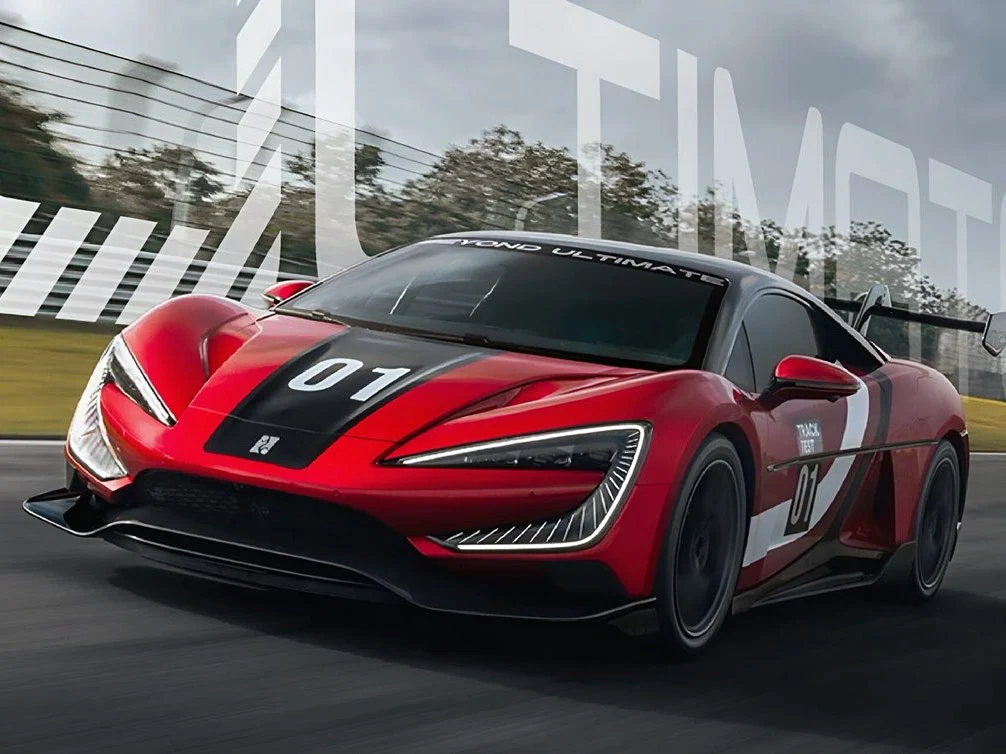
    The record was achieved using the Track Edition of BYD’s U9, which is marketed under its luxury Yangwang brand. The test took place on a closed course at the ATP test track in Germany, where professional driver Marc Basseng reached an impressive speed of 472.41 KPH, which is nearly 300 miles per hour, before having to brake. To put it into perspective, this top speed is similar to that of the Bugatti Chiron but was reached by an electric vehicle that employs a modest 80 KWh LFP battery, which is significantly cheaper.

    Power and Performance

    The U9 Track Edition boasts over 3,000 horsepower thanks to its innovative quad-motor system that utilizes BYD’s advanced 32,000 RPM electric motors, each capable of peaking at 555 kW. To support this power, BYD has created the first mass-produced 1,200 V electric vehicle powertrain. They’ve also improved the thermal management of the powertrain to handle the high energy demands.

    In comparison to the standard U9, which operates on BYD’s 1 kV platform, costs $235,000, and produces a total of 1,288 HP from four 240 kW motors, the Track Edition is a significant upgrade. While it’s certainly less expensive than the Nevera R, which is priced at $2.7 million and has a top speed of 268.2 MPH, it still represents a leap in performance.

    Market Implications

    BYD claimed that the U9 Track Edition has the highest power-to-weight ratio of any vehicle to date, achieving 1,217 Ps from one ton of vehicle mass. The fact that this record was set in Germany is noteworthy, as BYD and other Chinese electric vehicle manufacturers are aiming for global growth, particularly in Europe, which presents a huge market opportunity.

    Xiaomi has also entered the scene with its YU7 Ultra supercar, which is set to hit the European market in 2027, heightening the competition in the EV sector. Notably, the video showcasing the record run did not provide details on the remaining battery life after reaching such high speeds, but with a charging capacity of 500 kW, the U9 should manage battery depletion effectively.

    Source:
    Link


  • UCLA Study: Fine Dust Levels Rise at Electric Car Charging Stations

    UCLA Study: Fine Dust Levels Rise at Electric Car Charging Stations

    Key Takeaways

    1. Electric cars produce emissions from tires and brakes, despite having no exhaust gases.
    2. Fast-charging stations are temporary pollution hotspots, with PM2.5 levels significantly higher than the city average.
    3. Dust particles at charging stations contain high levels of barium, copper, and zinc, linked to brake and tire wear.
    4. Consumers are advised to stay inside their vehicles and use air conditioning during fast charging to minimize exposure.
    5. Installing air filters in charging station cabinets could reduce harmful particle exposure over time.


    While electric cars don’t emit exhaust gases, their tires and brakes still release emissions as tiny particles. A recent study from UCLA, shared on UCLA Newsroom, indicates that fast-charging stations are temporary pollution hotspots.

    Pollution Levels at Charging Stations

    In a test of 50 DC fast-charging stations in Los Angeles, the PM2.5 levels were found to be between 7.3 to 39 μg/m³, which is two times higher than the city’s average of 3.6–12.4 μg/m³. The maximum levels recorded hit 200 μg/m³, contrasting with much lower levels found at gas stations and busy roadways.

    Sources of Emissions

    The study revealed that fans in the electric cabinets, which change alternating current to direct current for DC chargers, kick up dust particles. Analysis showed that these particles contained high amounts of barium, copper, and zinc, which are commonly associated with brake and tire wear. The researchers dismissed other pollution sources, like diesel engines.

    Recommendations for Consumers

    Yifang Zhu, a researcher from UCLA, recommends that people stay inside their vehicles while fast charging and to either use air conditioning or maintain some distance. For long-term solutions, implementing air filters in the electrical cabinets could greatly lessen exposure. The expert highlights that “there is no safe level of fine dust when it comes to inhalation.”

    Source:
    Link


  • US Study Shows Electric Cars Emit Less Than Combustion Engines

    US Study Shows Electric Cars Emit Less Than Combustion Engines

    Key Takeaways

    1. The study analyzed emissions from the entire life cycle of 35 vehicle combinations, including pickups, SUVs, and sedans with various drive systems.

    2. Gasoline pickup trucks have the highest emissions at approximately 486 grams of CO₂ equivalent per mile, while electric versions can reduce emissions by up to 75%.

    3. Electric vehicles (EVs), particularly compact electric sedans, are the most eco-friendly choice, emitting significantly less CO₂ than gasoline-powered vehicles.

    4. Larger batteries may increase emissions during manufacturing, but they provide long-term benefits in reducing carbon footprints, even in areas with less favorable electricity sources.

    5. An online emissions calculator tool is available for users to estimate their vehicle emissions based on type, location, and driving habits.


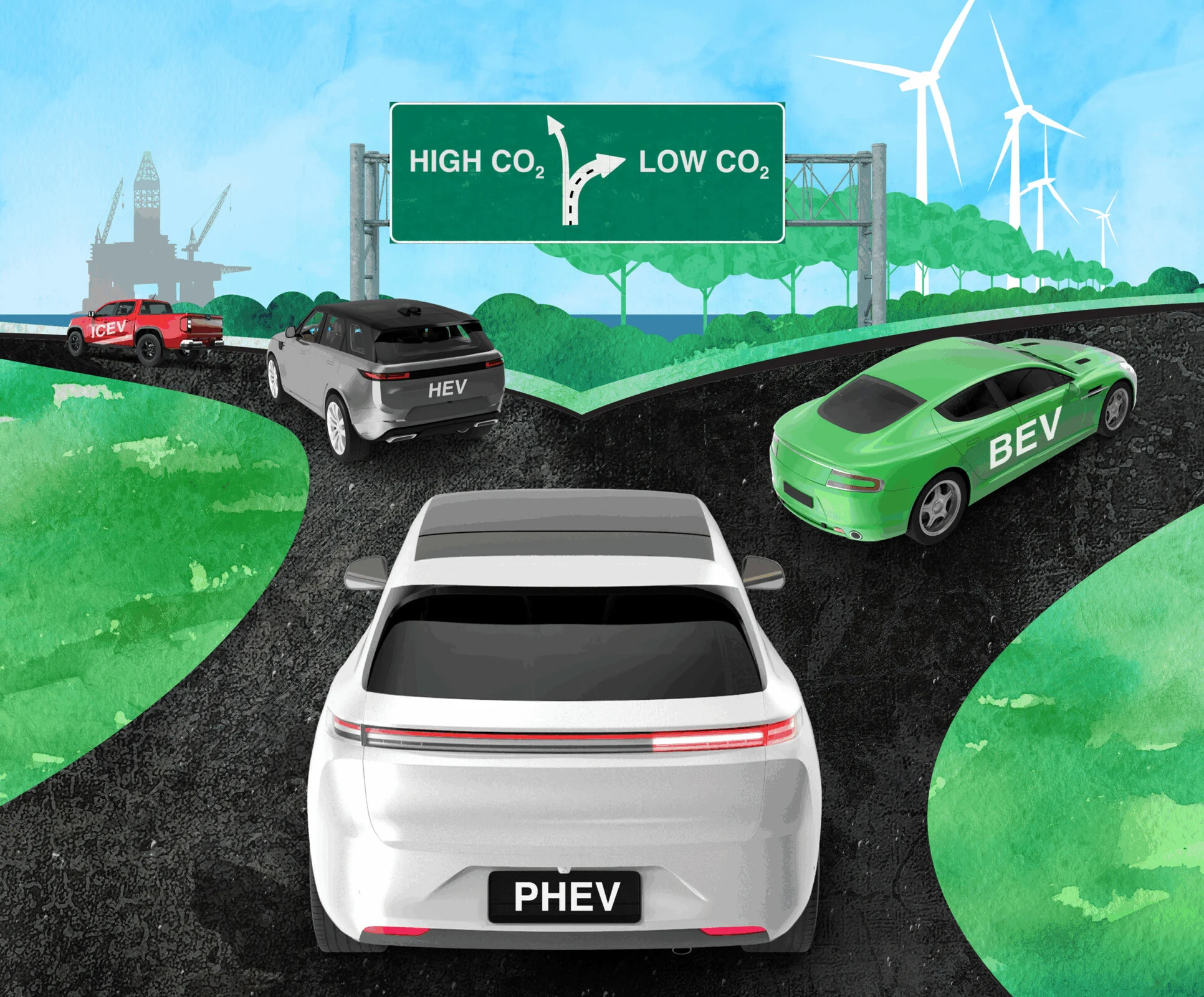
    Researchers from the University of Michigan’s School for Environment and Sustainability (SEAS) have conducted a comprehensive analysis that looks at emissions from the beginning to the end of a vehicle’s life cycle. They examined 35 different combinations of three types of vehicles (pickups, SUVs, sedans) and four kinds of drive systems (ICEV, HEV, PHEV, BEV). They also considered various driving styles (highway, urban, mixed use) and regional factors like climate and power sources.

    In-depth Data Analysis

    A staggering amount of over 400,000 data sets related to vehicle usage and energy consumption were analyzed. For plug-in hybrids, the real ratio of electricity to gasoline use was simulated. The study also took into account how low temperatures could impact battery performance and the differences in energy sources, such as coal versus renewable power, which were factored into the results.

    Emissions Findings

    SEAS reported that gasoline pickup trucks have the highest emissions, releasing approximately 486 grams of CO₂ equivalent for every mile driven. A hybrid version of these trucks can cut this number down by 23%, while a fully electric variant can slash it by up to 75%. Even when carrying a load, electric pickup trucks maintain their edge: a BEV truck with a 2,500-pound payload emits less than 30% of what a traditional combustion engine pickup would. Compact electric sedans also shine in efficiency, emitting around 81 grams of CO₂ equivalent per mile, which is less than one-fifth of the emissions from gasoline-powered pickups.

    Key Takeaways

    The research emphasizes that both electrifying the powertrain and the vehicle choice play crucial roles in reducing carbon footprints. While larger batteries do lead to higher emissions during manufacturing, SEAS argues that they prove beneficial over time, even in areas with less favorable electricity sources. Additionally, the researchers offer an online tool that allows users to calculate their emissions based on factors like vehicle type, location, and driving habits.

    The findings clearly indicate from a technical standpoint that electric vehicles represent the most eco-friendly choice. Opting for smaller vehicles further enhances this benefit. The study serves not only as scientific validation but also as practical advice for policymakers, industries, and consumers alike.

    Source:
    Link


  • Mercedes-AMG GT XX Breaks Record: 3,404 Miles in 24 Hours

    Mercedes-AMG GT XX Breaks Record: 3,404 Miles in 24 Hours

    Key Takeaways

    1. The Mercedes AMG GT XX concept car set a new record by traveling 38% farther than the previous record holder, completing a journey of 40,075 kilometers in 7 days, 13 hours, 24 minutes, and 7 seconds.

    2. The car is powered by three axial-flux motors, delivering a total of 1,000 kW, and features an advanced 800-volt immersion-cooled battery with over 3,000 cylindrical NCMA cells.

    3. The battery boasts an energy density exceeding 300 Wh/kg and is housed in a laser-welded aluminum casing with a non-conductive coolant for optimal performance in extreme conditions.

    4. The testing was conducted under challenging conditions in Nardò, with temperatures above 35 degrees Celsius and sustained speeds of 300 km/h, utilizing prototype charging technology with rates of 850 kW.

    5. The AMG GT XX Concept serves as a prototype for the future AMG GT 4-door model, expected to launch in 2026, potentially featuring rapid charging capabilities as a key feature.


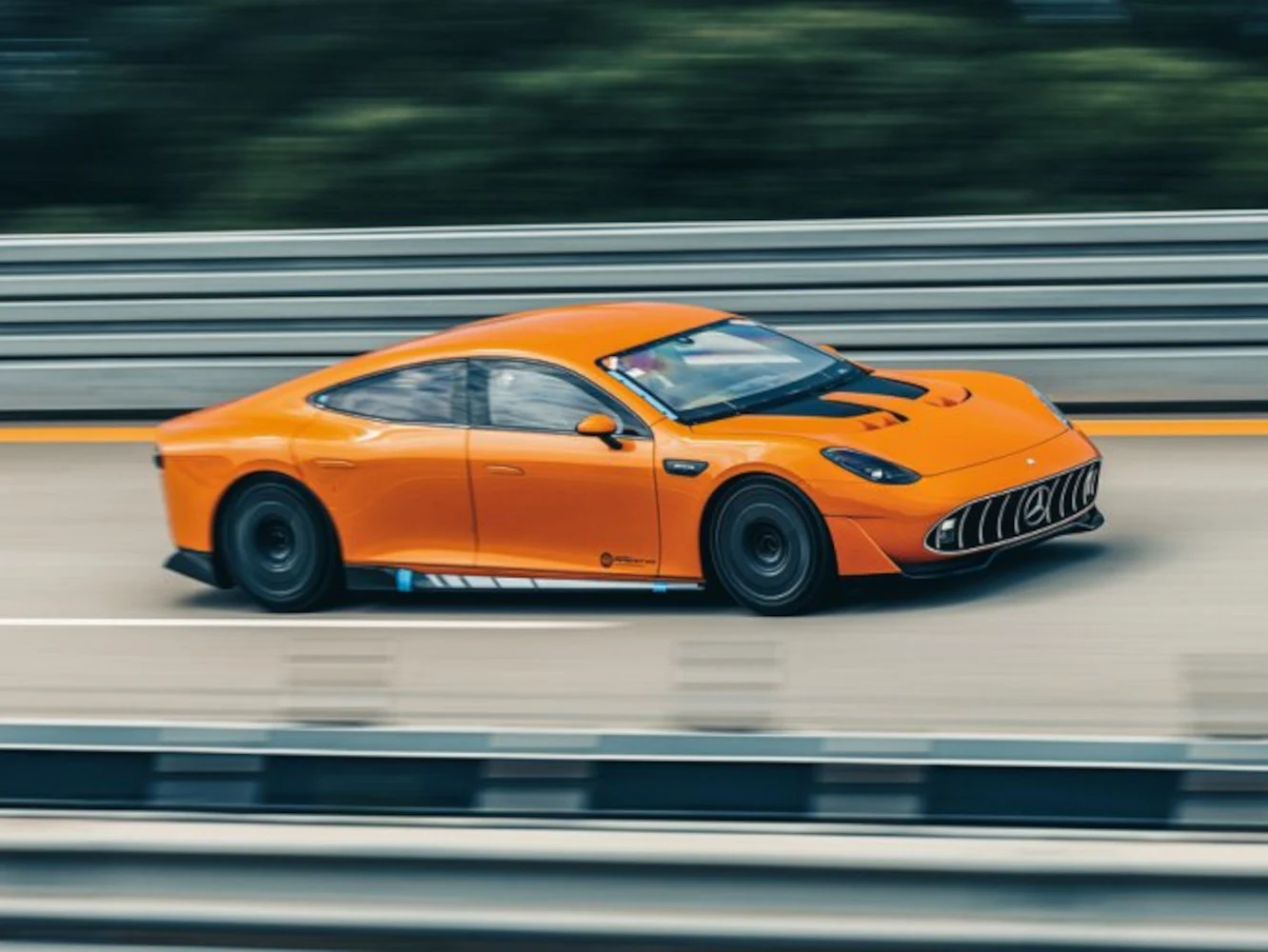
    Mercedes’ AMG GT XX concept car, built on the AMG.EA platform, has recently set a new record by traveling 38% farther than the previous mark held by the Xpeng P7. This record attempt was part of an even more daring challenge to circle the Earth, which measures 40,075 kilometers, within eight days. Remarkably, the team completed this journey in just 7 days, 13 hours, 24 minutes, and 7 seconds. Two vehicles took off at the same time and finished nearly together.

    Impressive Specifications

    The GT XX Concept features three axial-flux motors that produce a combined power of 1,000 kW. Its core component is an 800-volt immersion-cooled battery made up of over 3,000 cylindrical NCMA cells, yielding an energy density exceeding 300 Wh/kg. This battery is housed in a laser-welded aluminum casing and uses a non-conductive coolant, which helps maintain strong performance even in extreme conditions.

    Challenging Conditions

    The testing environment in Nardò was tough, with temperatures soaring above 35 degrees in the shade and prolonged, consistent demands at a speed of 300 km/h. Charging utilized specially designed prototype technology from Alpitronic, allowing for charging rates of 850 kW, which is more than double the current high-power chargers that offer 350 to 400 kW. Mercedes claims that this blend of high speed and charging capability optimizes performance for long-distance travel.

    The AMG GT XX Concept is seen as a prototype for the future AMG GT 4-door model that will come with electric drive, anticipated to launch in 2026. Should this technology be mass-produced, its rapid charging capability could be a key feature. The record-setting journeys prove that the immersion cooling system functions effectively under prolonged strain and in severe conditions.

    Source:
    Link


  • Tesla Model Y Price Increase Expected Amid Tax Credit Deadline

    Tesla Model Y Price Increase Expected Amid Tax Credit Deadline

    Key Takeaways

    1. Tesla may increase the price of the Model Y due to low inventory and high demand, though this is not guaranteed.
    2. The end of the $7,500 federal tax credit has revived interest in the Model Y, with new rules allowing extended eligibility for the credit.
    3. A surge in orders for the Model Y has led to significant inventory shortages, especially in areas like Austin.
    4. Tesla has removed various promotions for the Model Y, such as 2.99% APR financing, in response to changing demand dynamics.
    5. The company has not confirmed if it will raise prices on the Model 3, but it may be influenced by the situation with the Model Y.


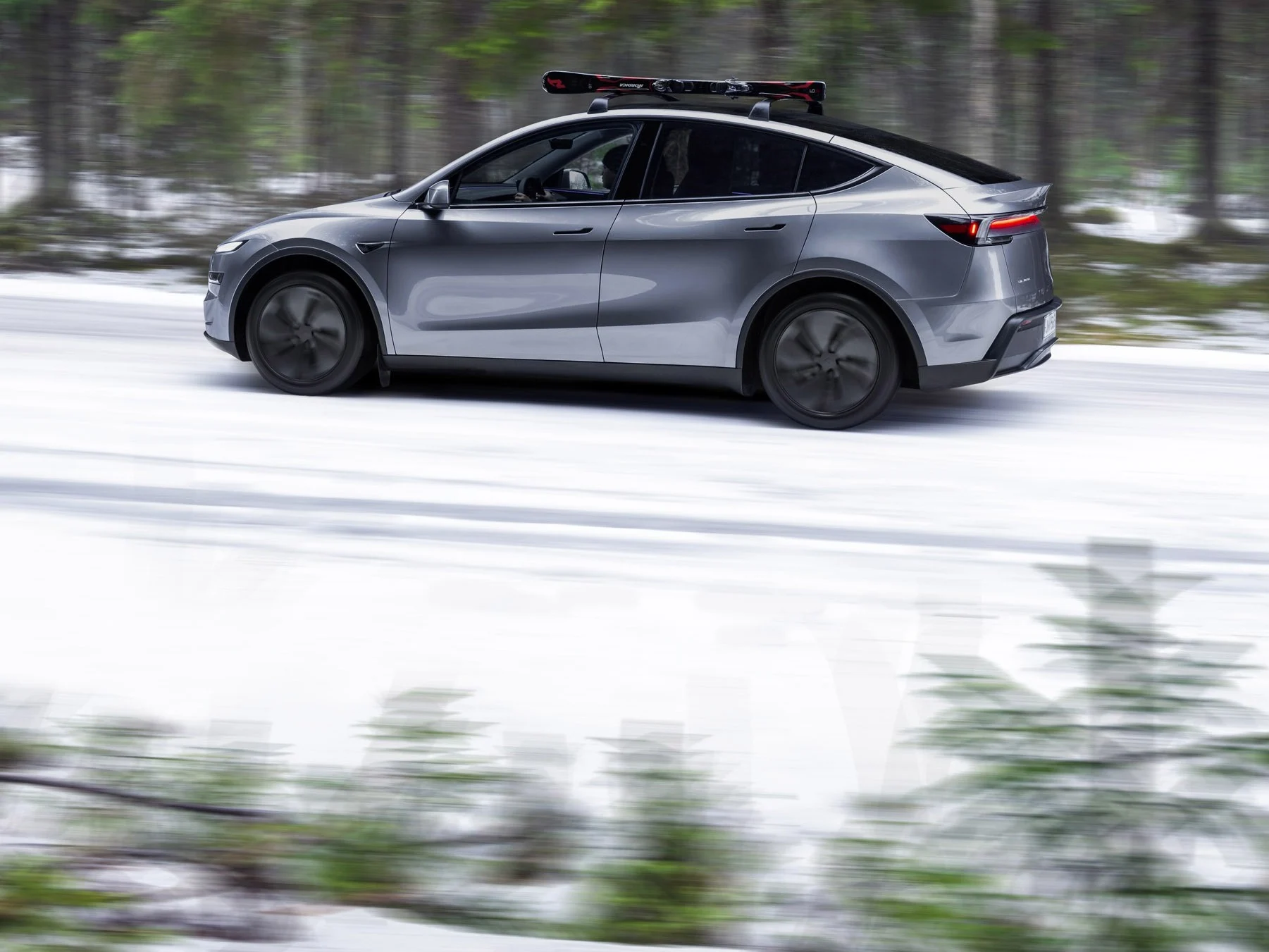
    Tesla is getting ready to increase the price of the Model Y since their inventory is getting low. They also want to boost factory production to match the demand, which is leading to urgent orders for parts that are turning out to be more expensive.

    Uncertain Price Increase

    The potential price hike for the Model Y isn’t guaranteed. Tesla’s Vehicle Service leader mentioned they are “trying hard” to avoid this situation. However, based on past trends, Tesla usually raises prices during high demand periods, so we could see a price increase by the end of August.

    Demand Shift Due to Tax Credit Changes

    After experiencing several quarters of weak sales where demand for Tesla vehicles dropped due to Elon Musk’s political actions and a sluggish EV market, the announcement that the federal government will be ending the $7,500 tax credit has revived interest in the Model Y.

    Those looking to purchase a Model Y with the tax credit initially needed to take delivery by September 30. However, the IRS has adjusted its rules to allow a sort of extension on the tax credit deadline. Now, anyone who makes even a small down payment or starts a trade before the third quarter ends will qualify for the government subsidy, even if they receive their vehicle after September 30.

    Inventory Shortages and Ordering Chaos

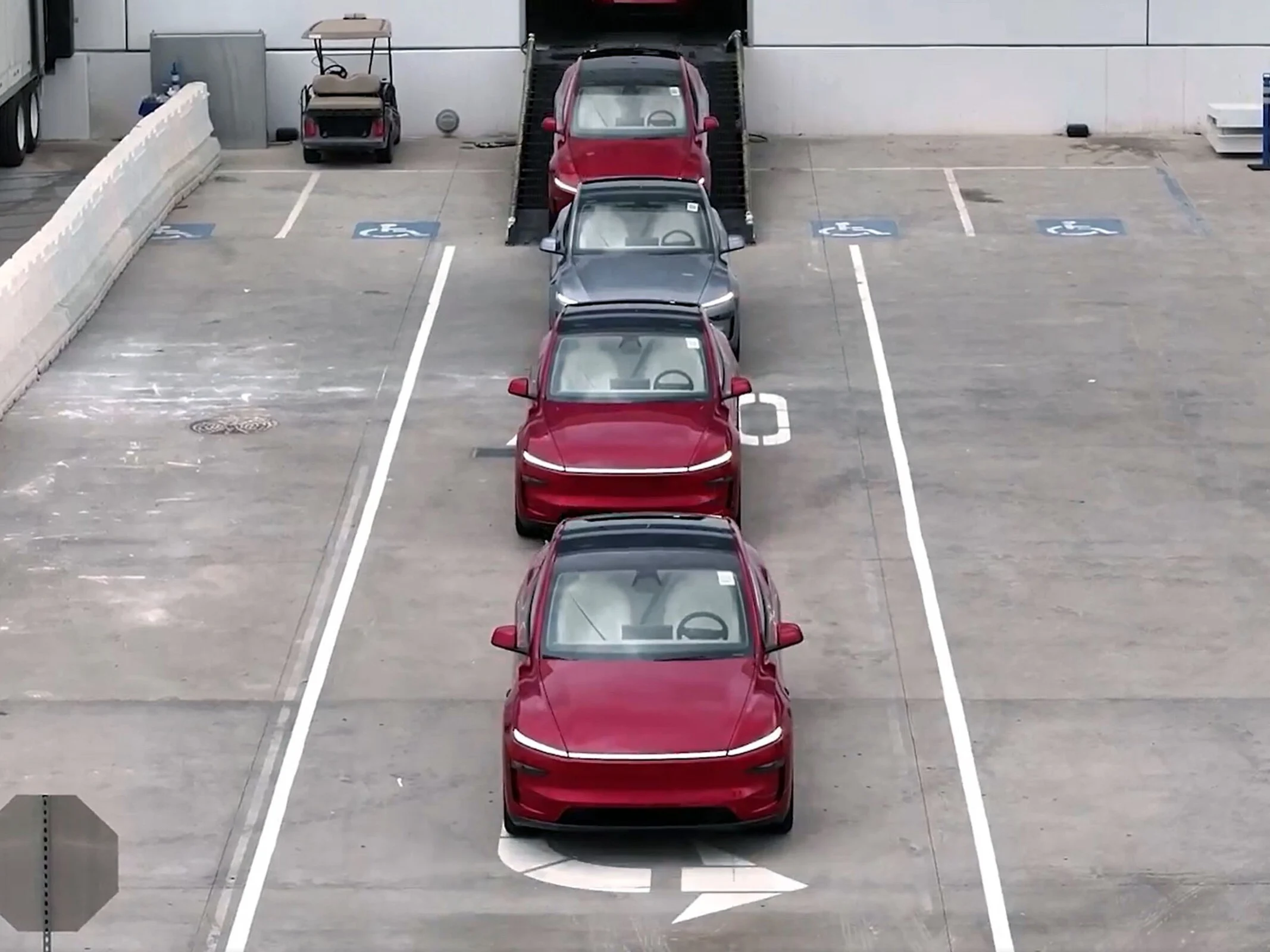
    The rush to purchase the Model Y before the federal tax credit runs out has led to a significant ordering frenzy, resulting in places like Austin having no inventory vehicles within a 200-mile area. It seems Tesla was not prepared for such strong demand in this last quarter when the tax credit is still valid, and they are now scrambling to increase production, which might influence the Model Y’s pricing.

    Tesla has already removed most of the Model Y promotions that were offered at the start of the quarter, when they were uncertain about the impact of the EV tax credit’s expiration on demand. For example, the Model Y’s 2.99% APR financing deal is no longer available, nor is the complimentary options upgrade for inventory vehicles.

    Tesla is also discontinuing the zero APR financing offer for the Model 3 on September 1. However, they haven’t confirmed whether they will be raising prices on their popular sedan as well, which could be related to what’s happening with the Model Y.

    Source:
    Link


  • US Emissions Reform: CO₂ Regulation Drops, EU Unimpressed

    US Emissions Reform: CO₂ Regulation Drops, EU Unimpressed

    Key Takeaways

    1. The EPA proposed to eliminate CO₂ emissions standards for vehicles, reversing the 2009 “Endangerment Finding.”
    2. NHTSA introduced a regulation to ease fuel economy standards, potentially lowering vehicle production costs.
    3. These changes may lead to a resurgence of internal combustion engines, with manufacturers like Dodge continuing production of traditional engines.
    4. Europe maintains strict CO₂ emission standards, promoting electric vehicle adoption to meet climate goals.
    5. Diverging regulations between the U.S. and Europe could impact the global automotive market and the future of electric mobility.


    According to Motortrend, on August 1, 2025, the U.S. Environmental Protection Agency (EPA) released a proposal to eliminate CO₂ emissions standards for vehicles. This would undo the “Endangerment Finding” established in 2009, which was the foundation for regulating greenhouse gas emissions in the transportation sector.

    Changes in Regulations

    Additionally, the National Highway Traffic Safety Administration (NHTSA) introduced a new regulation in June 2025 that alters the Corporate Average Fuel Economy (CAFE) program. The NHTSA states that this action intends to ease fuel economy standards and lower the costs of vehicle production.

    These alterations might bring about a revival of internal combustion engines, as car makers will experience less pressure to transition to electric powertrains and update their model lineups. For instance, Dodge is currently planning to keep making the well-liked 5.7-liter HEMI V8 engine.

    Europe Stays Tough

    In contrast, CO₂ emission standards in Europe are still rigorous. The EU remains committed to ambitious climate goals, which will likely make it less appealing to sell vehicles that generate high CO₂ emissions, thus pushing European buyers to increasingly opt for electric vehicles.

    All in all, it seems that the developments in the U.S. and Europe – especially with the new U.S. administration – are diverging, which could affect the global automotive market and specifically impact the future of electric mobility.

    Source:
    Link


  • IRS Extends Tesla Model Y Tax Credit Deadline Amid California Subsidy

    IRS Extends Tesla Model Y Tax Credit Deadline Amid California Subsidy

    Key Takeaways

    1. The current administration is reducing clean vehicle and energy incentives from the previous administration’s Inflation Reduction Act, impacting the $7,500 electric vehicle tax credit.
    2. After September 30, Tesla must rely on the individual appeal of its vehicles, as the tax credit has driven current electric vehicle sales.
    3. The IRS has updated rules allowing buyers to claim the $7,500 tax credit for new electric vehicles purchased this quarter, even if delivery occurs after September 30.
    4. California is planning to implement state-funded EV and clean energy incentives to compensate for the potential loss of the federal tax credit.
    5. Governor Newsom’s initiative aims to support both new and used electric vehicle purchases, as well as charging infrastructure, though its effectiveness in replacing the federal credit is still unclear.


    The current administration at the White House is starting to eliminate the clean vehicle and energy incentives that were established by the prior administration through the Inflation Reduction Act. The new electric vehicle tax credit of $7,500 has already cost the government over $2 billion each year since the program began.

    Changes for Tesla Models

    After September 30, Tesla will need to market the Model Y, Model 3, or any of its other vehicles based solely on their individual appeal. Currently, electric vehicle sales in the United States are increasing year-over-year because many consumers are eager to take advantage of the existing tax credit.

    New IRS Rules

    The IRS has updated its guidelines to let those who purchase a new electric vehicle this quarter still claim the $7,500 tax credit, which often serves as a down payment on a Model Y lease. Tesla had previously stated that buyers must complete their purchase by the September 30 deadline to benefit from the tax credit. However, the IRS has modified the wording in section 30D of the One Big Beautiful Bill to indicate that buyers can still access the tax credit even after that date.

    “The credit will not be allowed for any vehicle acquired after September 30, 2025,” states the revised section, meaning that even a minor down payment on a Model Y or a trade-in before the quarter ends will qualify the buyer. To claim the credit, the dealership needs to submit a time-of-sale report to the IRS upon delivery, allowing the buyer to receive the $7,500 subsidy even if their Model Y arrives in their driveway post-September 30.

    Future Incentives in California

    Even if the federal EV tax credit ends, states like California might step in to offer local incentives. In June, California’s Governor Gavin Newsom signed Executive Order N-27-25, which suggests transitioning to state-funded EV and clean energy incentives to make up for the federal losses.

    This order aims to maintain the Low Carbon Fuel Standard and provide EV buyers with rebates, vouchers, or other purchasing incentives similar to the soon-to-expire federal tax credit. The directive states that the state will finance the purchase of both new and used electric vehicles, as well as support fleet electrification and the establishment of charging infrastructure.

    How Newsom’s initiative will effectively replace the $7,500 federal credit remains uncertain. However, California’s actions could signal a shift as individual states and automakers like Tesla begin exploring strategies to sell electric vehicles without relying on government support.

    Source:
    Link


  • Russia Aims for 50% Driverless Vehicles by 2050, Trucks Active Now

    Russia Aims for 50% Driverless Vehicles by 2050, Trucks Active Now

    Key Takeaways

    1. The Russian Ministry of Transport aims for 50% of vehicles to be driverless by 2050.
    2. Approximately 90 driverless freight trucks are currently operating on national toll highways, covering over 6 million kilometers.
    3. Russia has launched fully autonomous freight vehicles on major routes, including the Central Ring Road in Moscow and the M-11 Neva highway.
    4. A recent unmanned truck completed a 1,600-kilometer journey, though engineers were present during the trip.
    5. Russia is updating laws and infrastructure to support Level 5 autonomy, with a federal law expected to be passed by 2026 and implemented by 2027.


    The Russian Ministry of Transport aims for 50% of all vehicles in the country to be driverless by 2050. This ambition was shared on Thursday by Deputy Transport Minister Vladimir Poteshkin, who mentioned that “work is currently underway to set up the necessary conditions for this.”

    Aiming for Full Autonomy

    This target is part of a wider initiative to create a completely self-driving transportation system. Poteshkin pointed out that around 90 driverless freight trucks are already working, moving goods on national toll highways. These trucks have collectively covered over 6 million kilometers to date.

    Recent Achievements in Autonomous Transport

    Russia has already achieved significant milestones in its quest for autonomous transportation. Back in April, the nation introduced a fleet of fully autonomous freight vehicles on the Central Ring Road in Moscow. Before this, a similar project had been functioning on the M-11 Neva highway since 2023. Furthermore, a recent unmanned truck successfully made a 1,600-kilometer trip from St. Petersburg to Kazan, although it had engineers in the cab during the journey.

    Regulatory Changes for Level 5 Autonomy

    To facilitate its aim for full Level 5 autonomy—where vehicles won’t need any drivers—Russia is modifying its laws and improving road infrastructure. Transport Minister Andrey Nikitin mentioned that there is a detailed plan for developing unmanned transport until 2028. A central element of this plan is a new federal law concerning highly automated vehicles, which officials hope to pass in 2026 and put into effect by the third quarter of 2027.

    Source:
    Link


  • Tesla Cybertruck Price Increase: Cyberbeast Model Up $15,000

    Tesla Cybertruck Price Increase: Cyberbeast Model Up $15,000

    Key Takeaways

    1. The price of the Tesla Cybertruck’s top-level model has increased by $15,000, starting at $114,990 with the Luxe Package.
    2. The Luxe Package includes Full Self-Driving (Supervised) capability, available for a monthly subscription of $99.
    3. A four-year premium service plan is included, covering services like wheel alignment, tire rotations, and filter replacements.
    4. The package offers lifetime Supercharging, but owners must still pay for certain charging fees and cannot use it for commercial purposes.
    5. The Cyberbeast features impressive performance specs, with 845 hp, a top speed of 128 mph, a 0-60 mph time of 2.6 seconds, and a driving range of up to 320 miles.


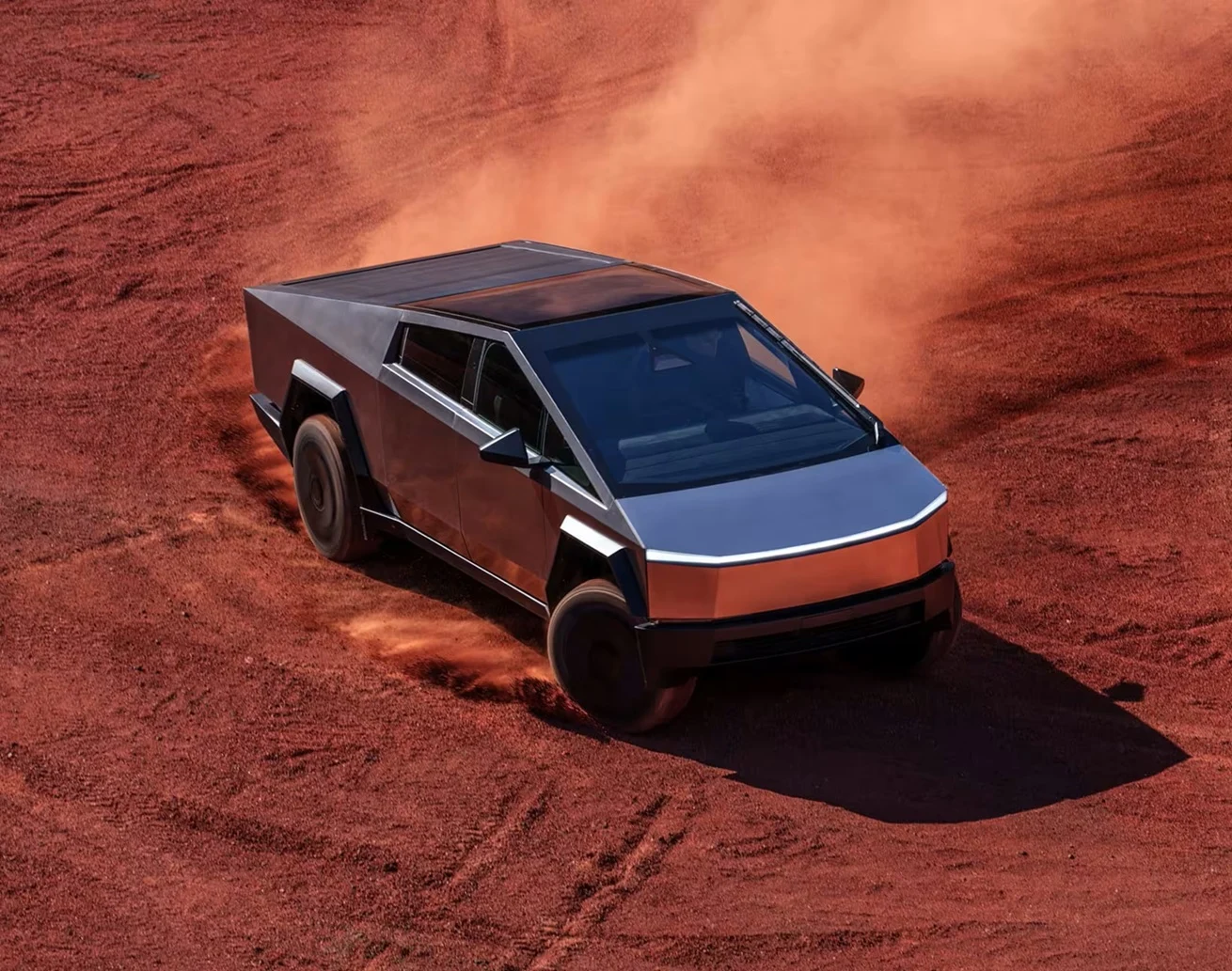
    The Tesla Cybertruck isn’t the quickest model in terms of sales, but the company has decided to increase the price of its most expensive version with a necessary Luxe Package.

    Price Increase for Cybertruck

    Purchasers will now need to pay an extra $15,000 for the Cyberbeast. This means the top-level Cybertruck will start at $114,990, but it will come with a few extra features.

    New Features in the Luxe Package

    Tesla has included Full Self-Driving (Supervised) in the Luxe Package. This advanced driver assistance can be subscribed to monthly for $99. Additionally, Tesla is providing a four-year premium service plan that covers things like wheel alignment, tire rotations, front camera cleaning, and the replacement of the HEPA filter and wiper blades.

    Lifetime Supercharging and More

    One of the most significant aspects of the Luxe Package is the lifetime Supercharging. While it is unlimited, Tesla mentions that Cyberbeast owners must still pay for other charging fees, like idle and congestion fees when they apply. There are restrictions, such as no commercial charging, which includes use for taxis, rideshare, or delivery services. Also, Tesla prohibits transferring the charging pass to new vehicle owners or to another vehicle.

    Finally, the Luxe Package offers premium connectivity, which lets users listen to music, stream movies, and check live traffic updates. Some of these features might need paid subscriptions.

    Impressive Performance Specs

    As the most powerful version of the Cybertruck, the all-wheel drive Cyberbeast generates 845 hp from its three electric motors, reaching a maximum speed of 128 mph and going from 0 to 60 mph in only 2.6 seconds. It has a driving range of up to 320 miles per charge and can tow as much as 11,000 lbs.

    Source:
    Link


  • Solar-Powered Plane Sets Altitude Record in 5-Hour Flight

    Solar-Powered Plane Sets Altitude Record in 5-Hour Flight

    Key Takeaways

    1. Swiss pilot Raphaël Domjan set a new altitude record of 9,521 meters for an all-electric aircraft powered by solar energy, surpassing the previous record of 9,235 meters.
    2. The flight took place in the HB-SXA aircraft, which features a dual electric motor, three-blade propeller, and solar panels covering over 22 square meters.
    3. The flight lasted 5 hours and 9 minutes, during which Domjan encountered a commercial airliner, symbolizing the future of decarbonized aviation.
    4. SolarStratos aims to exceed the 10,000-meter mark, the typical cruising altitude for commercial flights, as part of their ongoing aspirations.
    5. The record is pending verification by the Fédération Aéronautique Internationale (FAI), which is responsible for confirming aviation records.


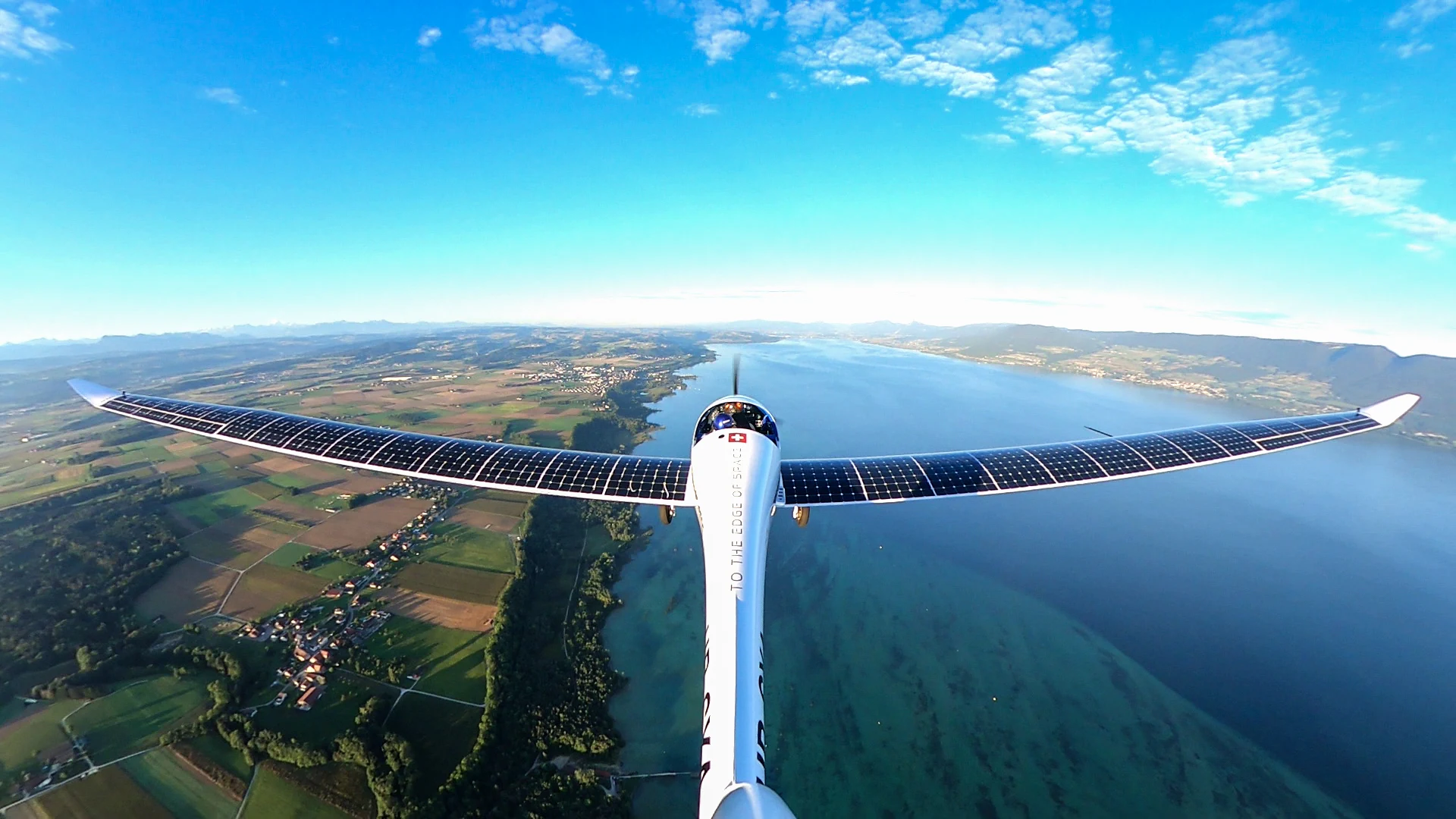
    On August 12, Swiss pilot Raphaël Domjan reached an altitude of 9,521 meters in a plane that runs entirely on electricity. This plane was fully charged using solar energy and utilizes batteries and solar panels for flight. The company behind this incredible feat, SolarStratos, has now set a new record, surpassing the former record of 9,235 meters established by Solar Impulse in 2016 on a flight from Cairo, Egypt, to Abu Dhabi, UAE. Nonetheless, the record is pending verification by the Fédération Aéronautique Internationale (FAI), which is responsible for reviewing all the data before confirming the record.

    Details of the Flight

    To accomplish this remarkable milestone, Domjan piloted the HB-SXA aircraft, which took off from Sion Airport in Switzerland. The plane gained altitude by utilizing warm air thermals and was powered by a dual electric motor that can deliver a steady output of 50 kilowatts, with a peak performance of 70 kW. The maximum rotational speed of the motor reached 2,200 revolutions per minute (rpm).

    The propeller of the aircraft was designed with three blades and has a diameter of 1.9 meters.

    Duration and Interaction

    The flight lasted for 5 hours and 9 minutes, during which Domjan encountered a commercial airliner at cruising altitude. This moment was described by SolarStratos as “a powerful symbol of what the decarbonized aviation of tomorrow might look like.”

    This aircraft can accommodate two individuals and was crafted by Calin Gologan in collaboration with the German firm Elektra Solar GmbH. It features a wingspan of 24.8 meters and measures 8.5 meters in length. The wings are fitted with solar cells that cover over 22 square meters, boasting an efficiency rate ranging from 22% to 24%. These solar cells provide a total capacity between 11 and 28 kilowatt-hours to the lithium-ion batteries.

    Future Aspirations

    Preparations for this flight have been ongoing for several months, with the company aiming to exceed the 10,000-meter mark, which is the typical cruising altitude for commercial aircraft. On July 31, SolarStratos successfully completed a 2.5-hour flight, reaching an altitude of 6,589 meters, which at that time was the highest recorded for the HB-SXA.

    SolarStratos and the Fédération Aéronautique Internationale continue to monitor progress in this groundbreaking field of aviation.

    Source:
    Link