
Tag: EPA

  • US Emissions Reform: CO₂ Regulation Drops, EU Unimpressed

    US Emissions Reform: CO₂ Regulation Drops, EU Unimpressed

    Key Takeaways

    1. The EPA proposed to eliminate CO₂ emissions standards for vehicles, reversing the 2009 “Endangerment Finding.”
    2. NHTSA introduced a regulation to ease fuel economy standards, potentially lowering vehicle production costs.
    3. These changes may lead to a resurgence of internal combustion engines, with manufacturers like Dodge continuing production of traditional engines.
    4. Europe maintains strict CO₂ emission standards, promoting electric vehicle adoption to meet climate goals.
    5. Diverging regulations between the U.S. and Europe could impact the global automotive market and the future of electric mobility.


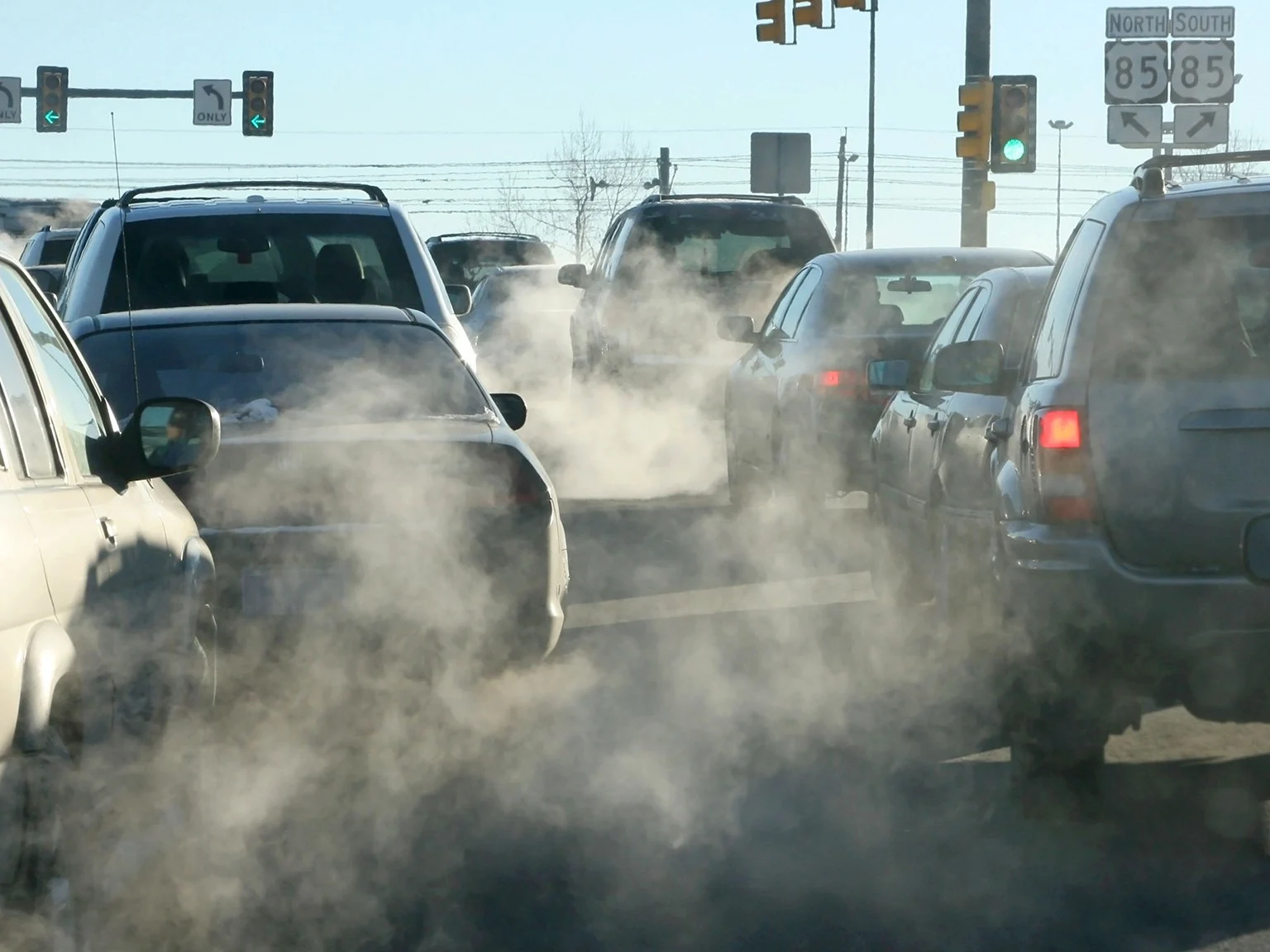
    According to Motortrend, on August 1, 2025, the U.S. Environmental Protection Agency (EPA) released a proposal to eliminate CO₂ emissions standards for vehicles. This would undo the “Endangerment Finding” established in 2009, which was the foundation for regulating greenhouse gas emissions in the transportation sector.

    Changes in Regulations

    Additionally, the National Highway Traffic Safety Administration (NHTSA) introduced a new regulation in June 2025 that alters the Corporate Average Fuel Economy (CAFE) program. The NHTSA states that this action intends to ease fuel economy standards and lower the costs of vehicle production.

    These alterations might bring about a revival of internal combustion engines, as car makers will experience less pressure to transition to electric powertrains and update their model lineups. For instance, Dodge is currently planning to keep making the well-liked 5.7-liter HEMI V8 engine.

    Europe Stays Tough

    In contrast, CO₂ emission standards in Europe are still rigorous. The EU remains committed to ambitious climate goals, which will likely make it less appealing to sell vehicles that generate high CO₂ emissions, thus pushing European buyers to increasingly opt for electric vehicles.

    All in all, it seems that the developments in the U.S. and Europe – especially with the new U.S. administration – are diverging, which could affect the global automotive market and specifically impact the future of electric mobility.

    Source:
    Link


  • US Government to End Start-Stop Emissions Mandate for Vehicles

    US Government to End Start-Stop Emissions Mandate for Vehicles

    Key Takeaways

    1. The government is considering eliminating the start-stop system due to mixed feelings from drivers.
    2. The head of the EPA criticized the system as a way for manufacturers to enhance their eco-friendly image, stating that “everyone hates it.”
    3. Start-stop technology can improve fuel efficiency by 4% to 26%, depending on driving conditions.
    4. The EPA reports average fuel savings of 4% to 5%, while some tests showed up to 26% savings in specific scenarios.
    5. Concerns about excessive wear on vehicle components from the start-stop system are often exaggerated, as it is designed for frequent restarts.


    Drivers who feel mixed about the start-stop system, used by car makers to boost their eco-friendly image, will be pleased to learn that the government is considering getting rid of it entirely.

    The head of the EPA recently stated that the start-stop technology exists mainly for manufacturers to earn a “climate participation trophy,” yet “everyone hates it.” This system is meant to turn off the engine during long periods of idling and then activate it again when the driver accelerates.

    Fuel Efficiency Insights

    According to various testing bodies, a start-stop system can reduce a vehicle’s fuel use by anywhere from 4% to 26%, depending on driving conditions and habits. The EPA claims an average fuel savings of 4% to 5%, while tests conducted by SAE with four different vehicles showed a reduction of up to 26% in fuel consumption when driven in the New York City Cycle (NYCC) scenario.

    Valid Concerns

    While some criticisms of the start-stop system can be argued against, many are entirely reasonable. Currently, approximately 65% of new vehicles come equipped with this technology right from the factory. Concerns about it causing excessive wear on the starter, battery, or engine are often exaggerated, as the system is specifically designed for frequent restarts.

    Source:
    Link