Key Takeaways
1. Tesla will gradually discontinue the Model Y APR financing offer, increasing the promotional interest rate from 3.49% to 3.99% due to strong demand.
2. The final quarter for customers to take advantage of the $7,500 federal tax credit has led to increased deliveries of the Model 3 and Model Y.
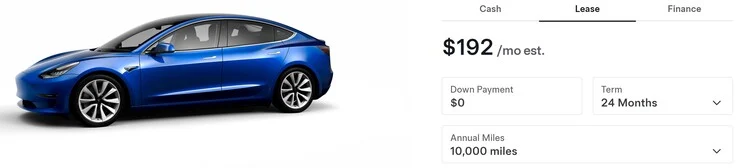
3. To manage preowned inventory, Tesla is introducing affordable leasing options for certified preowned Model 3 and Model Y vehicles.
4. The new leases offer flexible terms of 12 to 24 months with annual mileage options of 10,000 to 15,000 miles and a zero down payment option.
5. Customers have the option to purchase the leased preowned vehicle at the end of the lease, with some payments as low as $130 per month for Model 3 after a $1,000 down payment.
Tesla announced it will be slowly discontinuing the Model Y APR financing offer based on demand, raising the promotional interest rate from 3.49% to 3.99%.
Demand Remains Strong
With this quarter being the final opportunity for customers to benefit from the $7,500 federal tax credit, Tesla seems to be experiencing robust demand. The Model 3 and Model Y are being delivered quickly, indicating that the company no longer requires the full range of incentives and promotions it introduced back in July, especially after a challenging Q2.
New Leasing Options
Despite the strong sales, some customers are choosing to return or upgrade their vehicles after only a few thousand miles. To address the need for clearing out preowned inventory, Tesla is now offering a more affordable option for driving a Model 3 or Model Y by leasing certified preowned vehicles.
Affordable Lease Plans
These economical leases for used Model 3 or Model Y models are available for selected inventory in states like Texas and California, allowing customers to choose between 12-month or 24-month lease terms. The annual mileage options are flexible, ranging from 10,000 to 15,000 miles.
The exciting thing about these leases is that they come with a zero down payment option. This means buyers can take home a certified used Tesla starting at just $192 per month for the Model 3 or $225 per month for the Model Y.
Purchase Option at Lease End
Similar to new car purchases, Tesla allows customers to buy the preowned vehicle at the end of their lease. For certain Model 3 units, lease payments can even drop to as low as $130 per month after a modest $1,000 down payment.
Source:
Link