Category: EV vehicles

  • New BMW i3 Launching in 2026: Electrification of New Class

    New BMW i3 Launching in 2026: Electrification of New Class

    Key Takeaways

    1. The “New Class” signifies a major shift in BMW’s vehicle framework, built on a unique electric platform for models like the i3 and iX3, enhancing energy efficiency and performance.

    2. The design of the new i3 draws inspiration from the “BMW Vision New Class,” combining sleek lines with a modern interpretation of BMW’s traditional aesthetic.

    3. BMW prioritizes eco-friendly materials through its “Secondary First” strategy, using up to 30% recycled aluminum in high-voltage battery housing to reduce CO₂ emissions.

    4. The upcoming iM3, an electric M variant, is set to launch in March 2027 with a specialized drive system, four-motor drive, M-optimized seats, and optional carbon-ceramic brakes.

    5. BMW’s focus on sustainability, performance, and advanced technology marks a significant advancement in electric vehicle development with the introduction of the new i3 and “New Class.”


    According to HD Auto, the “New Class” signifies a major change in the framework of BMW vehicles. It relies on a uniquely crafted electric platform which forms the foundation for the upcoming i3, in addition to other models like the iX3. This platform is made to enhance both energy efficiency and performance. BMW is emphasizing the thorough electrification and digital modernization of every vehicle part.

    Design Inspiration

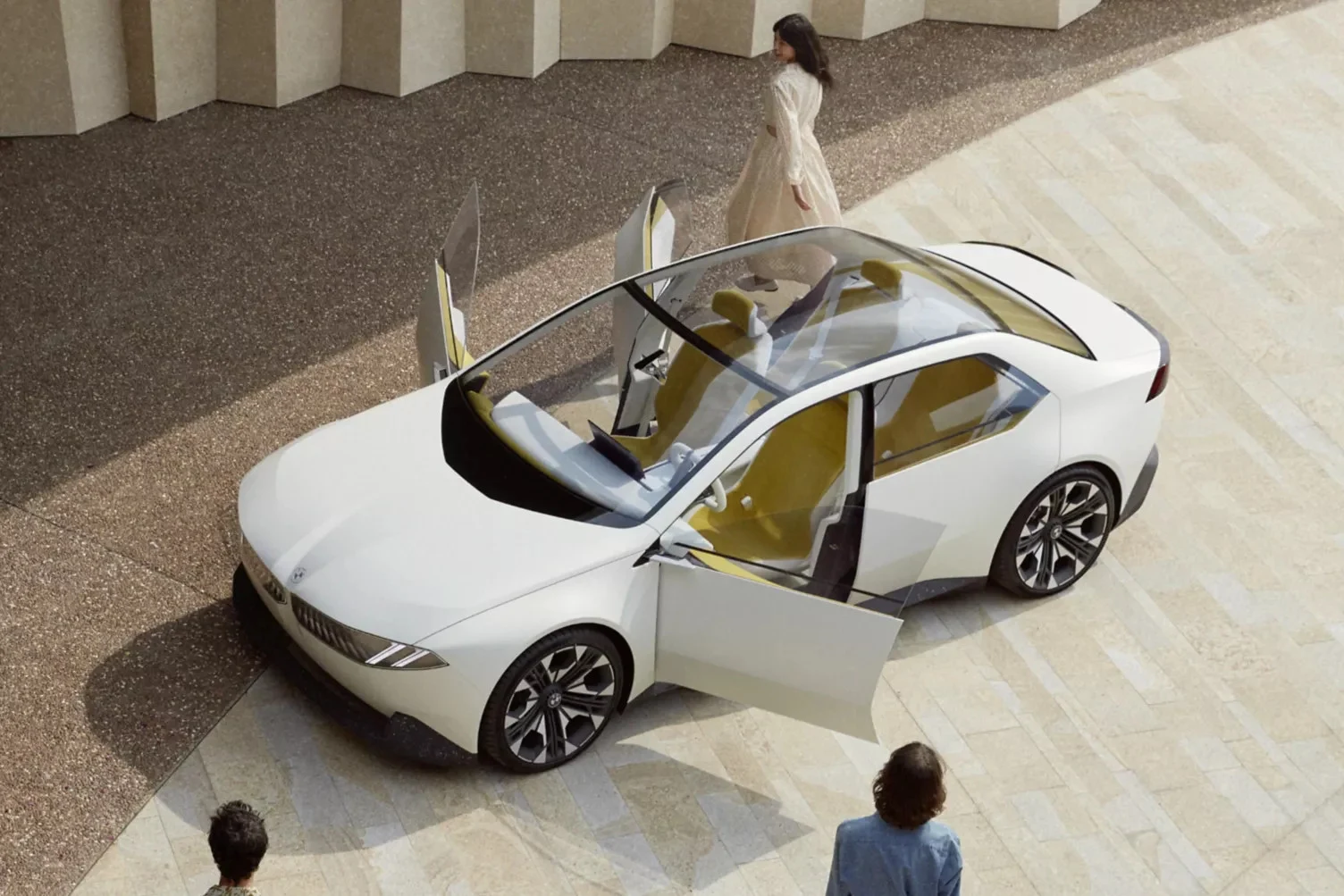
    The styling of the new i3 is rooted in the “BMW Vision New Class” idea, which was initially unveiled at IAA MOBILITY 2023. BMW describes it as merging sleek lines with a contemporary take on its traditional design aesthetic.

    Sustainable Materials

    A key focus is on the use of eco-friendly materials. BMW claims it follows a “Secondary First” strategy, prioritizing recycled materials to lessen its environmental impact. For instance, the high-voltage battery housing includes up to 30% recycled aluminum. This initiative aims to greatly cut down CO₂ emissions throughout the vehicle’s entire life cycle.

    Upcoming Models

    Road & Track reports that BMW intends to introduce the iM3, an electric M variant of the new series, alongside the i3. The production of the iM3 is projected to start in March 2027. It is going to feature a robust drive system designed specifically for M model needs. Anticipated features include a four-motor drive system, M-optimized seats, and optional carbon-ceramic brakes.

    With the rollout of the new i3 and the “New Class,” BMW is putting a strong emphasis on sustainability, performance, and cutting-edge technology. This blend of a sophisticated electric platform, fresh design, and eco-conscious manufacturing represents a significant leap forward in electric vehicle progress. In the upcoming months, we can expect more revelations regarding the specifics of these new models.

    Source:
    Link


  • Sony’s Afeela EV Pre-Production Begins at Honda Ohio Plant

    Sony’s Afeela EV Pre-Production Begins at Honda Ohio Plant

    Key Takeaways

    1. Sony is collaborating with Honda to launch its first electric vehicle, the Afeela 1, with pre-production models now being made for final testing.
    2. The Afeela 1 sedan, designed for the luxury market, will be available in two versions priced at $89,900 and $102,900, with pre-orders open and deliveries starting in mid-2026.
    3. The vehicle features a dual-motor powertrain delivering 480 horsepower and a 91 kWh battery, offering a range of approximately 300 miles on a single charge.
    4. It includes advanced technology with 40 sensors, including lidar and cameras, and is powered by a sophisticated ECU.
    5. The Afeela 1 will provide access to a variety of Sony’s entertainment options on a large display, along with digital side mirrors.


    Sony is getting closer to launching its own electric vehicles as its partner Honda begins pre-production of the electronics giant’s first EV. This initial batch will be utilized for the final testing phases.

    Afeela 1 Unveiled

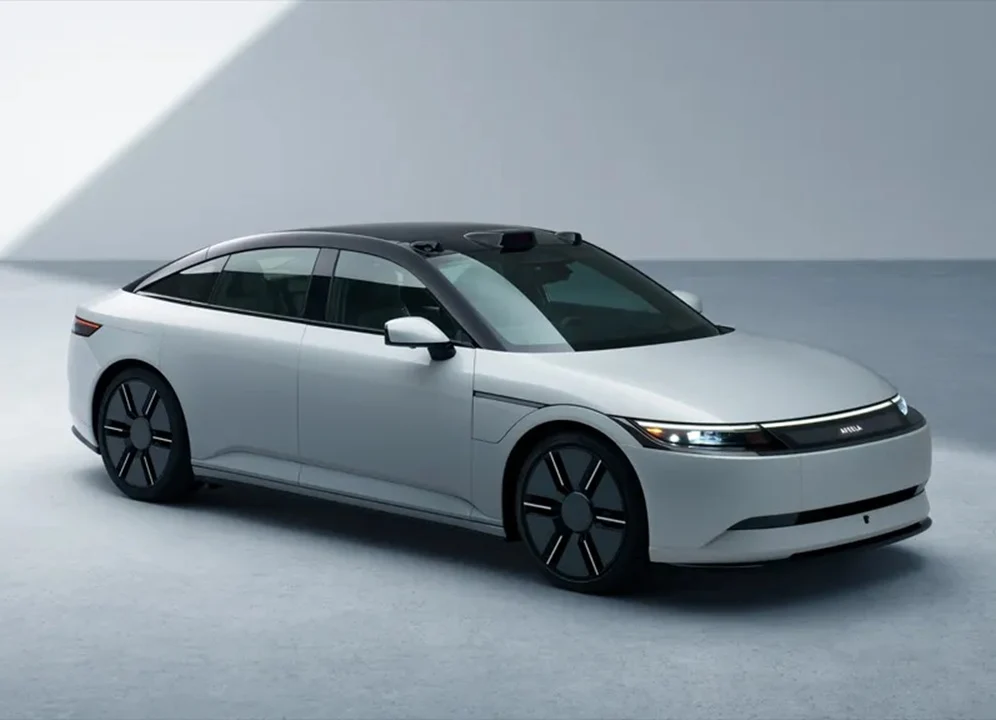
    The Afeela 1 sedan was first introduced four years ago, with its final design showcased at the 2025 CES tech event. Sony aims to debut the vehicle in its home market, Japan, in 2026.

    Pricing and Availability

    Focusing on the luxury market, Sony is offering just two versions: the $89,900 Origin and the $102,900 Signature. Pre-orders are now open with a $200 refundable deposit, and deliveries in California are expected to begin in mid-2026, with plans to expand to additional states later on.

    Honda is producing the pre-production models at its East Liberty factory in Ohio, USA. Unlike its smartphone competitor Xiaomi, which manages its own manufacturing in China, Sony has chosen to partner with a well-established automaker.

    Performance and Features

    The Afeela 1 is equipped with a dual-motor powertrain that generates 480 horsepower. It will come with a 91 kWh battery, providing a range of approximately 300 miles on a single charge, and can charge at a peak speed of 150 kW.

    True to its heritage, Sony has packed the Afeela 1 full of technology. The first edition boasts 40 sensors, including lidar, radar, ultrasonic, and standard cameras. The vehicle’s intelligence is driven by a highly advanced ECU, and owners will have access to a wide range of Sony’s entertainment options on a large display, flanked by digital side mirrors.

    Source:
    Link


  • Segway GT3 Pro SuperScooter: 50 MPH, Off-Road Ready, 5.7″ Clearance

    Segway GT3 Pro SuperScooter: 50 MPH, Off-Road Ready, 5.7″ Clearance

    Key Takeaways

    1. The Segway GT3 Pro SuperScooter is priced at $2,699.99 and can be bought from Segway’s website or Amazon.
    2. It features dual 3,500W motors, a 72V 2,160Wh battery, and can reach speeds of up to 50 mph with a range of 34 to 86 miles.
    3. The scooter has advanced safety features, including anti-lock disc brakes and the SegRide Stability Enhancement System.
    4. Off-road capabilities include adjustable suspension with 15 levels and the ability to handle inclines up to 38%.
    5. User-friendly features include a 2.4-inch TFT display for tracking battery life and notifications, automatic headlights, and an IPX6 water protection rating.


    Segway has introduced the GT3 Pro SuperScooter, its quickest electric scooter to date. This new model is priced at $2,699.99 and can be purchased directly from Segway’s official website. Customers can also explore the Segway store on Amazon for more options.

    Impressive Specs

    The GT3 Pro features dual motors with a power of 3,500W each and is powered by a 72V 2,160Wh battery, enabling it to achieve a maximum speed of 50 mph (80 kph) while riding on 11-inch self-sealing tires. The scooter boasts a range that varies from 34 miles when traveling at 50 mph to an impressive 86 miles at a leisurely speed of 15.5 mph. To enhance safety during braking, it is equipped with anti-lock disc brakes and the SegRide Stability Enhancement System, which helps reduce the risk of slips and falls on slippery or uneven surfaces.

    Off-Road Capabilities

    For those who enjoy off-road experiences, the GT3 Pro is designed with a hydraulic rear trailing arm paired with a hydraulic front linkage, allowing for 15 different levels of suspension stiffness adjustment. Segway states that the scooter has a ground clearance of 5.7 inches and can conquer inclines with grades up to 38%.

    User-Friendly Features

    Riders can keep track of battery life, get map directions, and see incoming call notifications on a 2.4-inch TFT color display. At night, the headlight turns on automatically, lighting up the path for up to 246 feet ahead. This electric scooter also includes turn signals and a rear brake light for additional safety.

    Charging the battery takes between 7.5 to 8.5 hours. The GT3 Pro has an IPX6 rating, meaning it is protected from water jets coming from any angle. Weighing in at 117 lbs. (53.1 kg), this scooter can accommodate passengers with a maximum weight of 330 lbs. (150 kg).

    Source:
    Link


  • Tesla 6-Seat Model Y L Spotted in Germany, Launch Imminent

    Tesla 6-Seat Model Y L Spotted in Germany, Launch Imminent

    Key Takeaways

    1. The Tesla Model Y L has been spotted in Germany, indicating an imminent launch in Europe.
    2. The Model Y L is approximately 7 inches longer than the standard model, enhancing comfort for third-row passengers.
    3. It features a 2+2+2 seating arrangement with captain’s chairs in the second row.
    4. Production is ongoing at Tesla’s Shanghai factory, with a potential U.S. production at Fremont Factory and Giga Texas.
    5. The vehicle has an 82 kWh battery offering an estimated range of 751 km, but this estimate is based on Chinese testing standards, which may be more optimistic than U.S. and European standards.


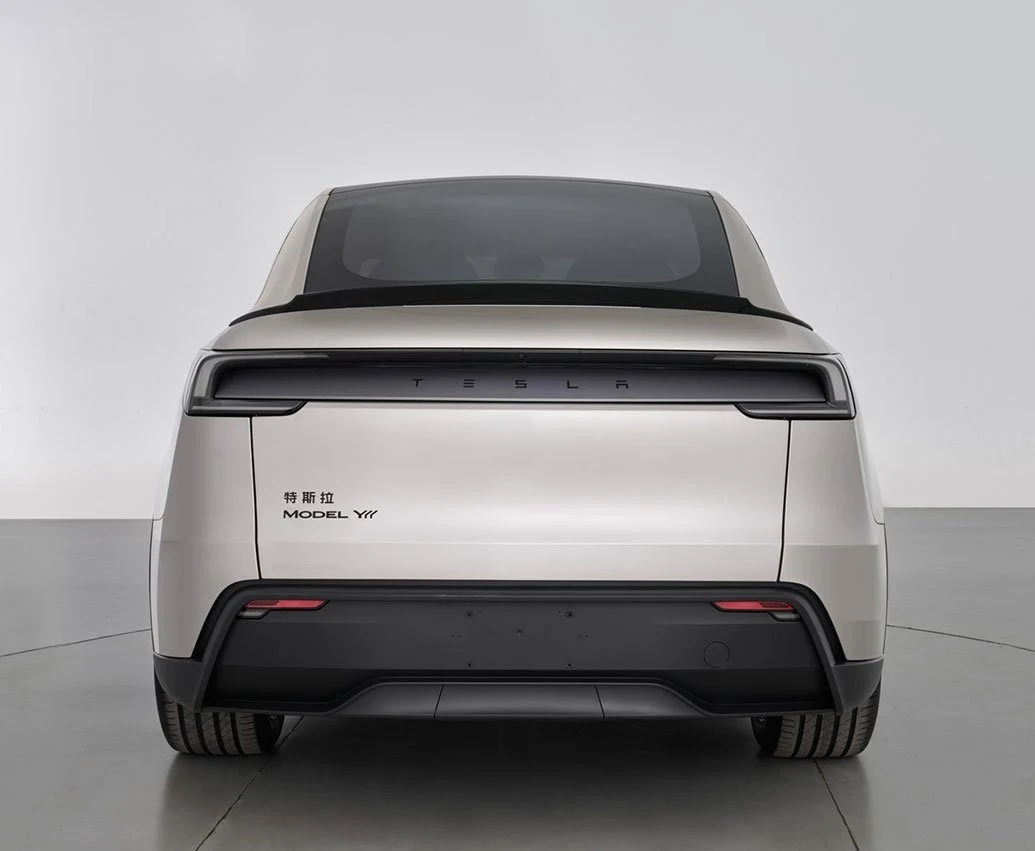
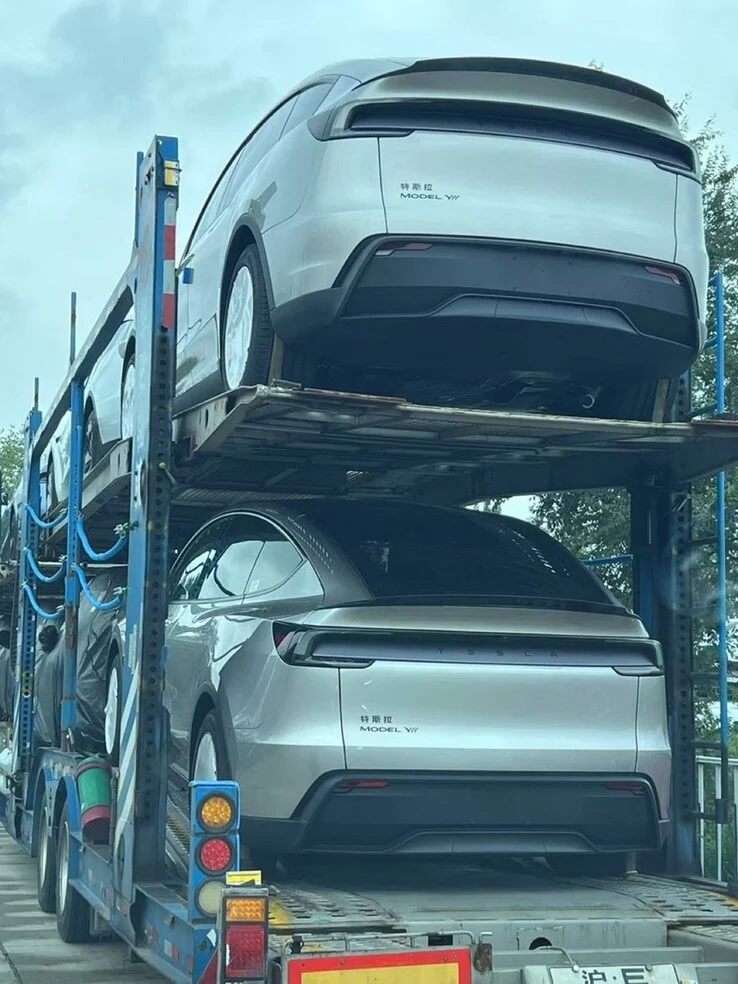
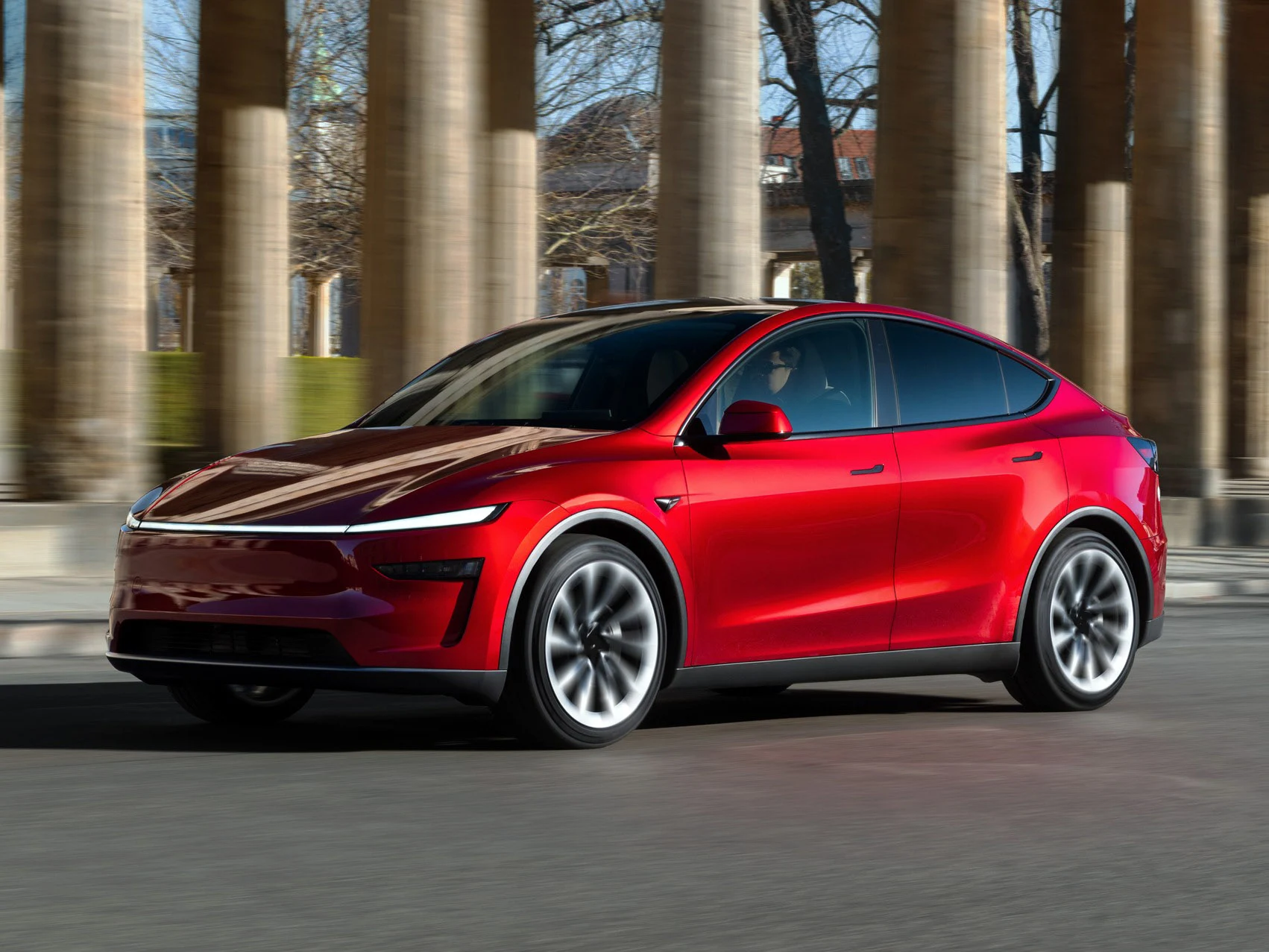
    A Tesla Model Y L has been spotted in Germany, partially hidden, as enthusiastic fans captured pictures of the larger SUV during its test runs. This updated version was recently identified in a regulatory document and later officially announced in China. The sighting in Europe indicates that a launch there may be imminent.

    Dimensions and Comfort

    The six-seater Model Y L is around 7 inches longer than the standard model. Tesla has lengthened the wheelbase, enhancing the comfort of the third-row seating for adult passengers. The vehicle will feature a 2+2+2 seating arrangement, with captain’s chairs in the second row.

    Testing at Nürburgring

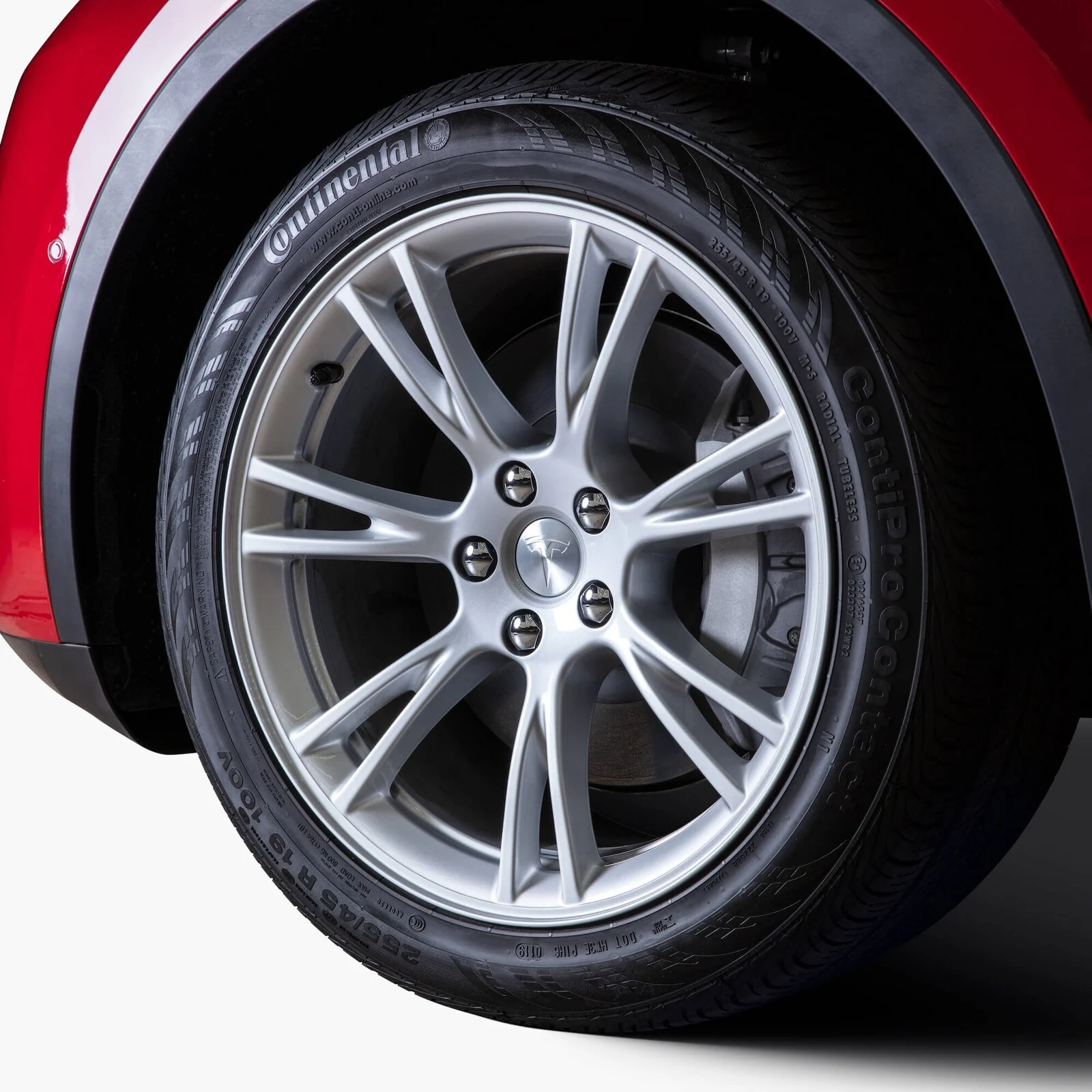
    The Model Y L was seen at a charging station near the famous Nürburgring in Nürburg, Germany. The prototype’s wheels matched those listed in Tesla’s documentation with the Chinese Ministry of Industry and Information Technology (MIIT), confirming its authenticity.

    Tesla is likely to begin selling the Model Y L in China by September, with production already reported to be in progress at their Shanghai factory. However, the appearance of the prototype at Nürburgring, a common testing ground for future European models, raises hopes for potential buyers in that region. There are rumors that Tesla plans to also produce the Model Y L at the Fremont Factory and Giga Texas, which could mean U.S. customers will also have the opportunity to purchase this electric SUV.

    Battery and Range

    According to information shared with the MIIT, the Tesla Model Y L comes with an 82 kWh NMC battery supplied by LG, providing an estimated driving range of 751 km (around 466.55 miles). It’s important for customers outside of China to be aware that this estimate is based on the CLTC, which is generally more optimistic compared to the EPA and WLTP standards used in the U.S. and Europe, respectively.

    Source:
    Link


  • Renault 5 E-Tech Becomes Europe’s Best-Selling Electric Car

    Renault 5 E-Tech Becomes Europe’s Best-Selling Electric Car

    Key Takeaways

    1. The Renault 5 E-Tech is the top-selling electric vehicle in Europe in the first half of 2025, outperforming competitors like the Tesla Model Y and VW ID.3.

    2. Germany saw a 35% increase in battery-electric vehicle (BEV) sales, reaching 249,000 units, making it the leading market in total sales in Europe.

    3. The five largest European markets experienced a 25% rise in BEV registrations, with over 1.2 million newly registered electric vehicles in just six months.

    4. Volkswagen Group maintains its dominance in the electric vehicle market, with six out of the ten best-selling models coming from VW, Skoda, and Cupra.

    5. European manufacturers face strategic challenges, needing to decide between fully committing to electromobility or continuing to invest in combustion engines, while also managing risks from reliance on Asian supply chains.


    The Renault 5 E-Tech has emerged as the top-selling electric vehicle in Europe during the first half of 2025. As per the findings from management consultancy PwC, this French car claimed the top spot in Germany, France, Spain, and Italy, outpacing competitors like the Tesla Model Y and the VW ID.3. The relaunch of this classic model has proven to be a significant triumph for Renault.

    Sales Growth in the German Market

    The analysis from PwC is derived from new registration data across 40 international markets. The data indicates that in Germany, sales of battery-electric vehicles (BEVs) surged by 35%, reaching 249,000 units in the first six months of the year. This achievement positions Germany ahead of the United Kingdom in total sales figures, even though the UK enjoyed a higher BEV market share of 22% despite fewer unit sales. Germany’s share stands at around 18%.

    Rising Registrations Across Europe

    Overall, the five largest European markets saw a 25% increase in BEV registrations in the same timeframe. For the first time, the total number of newly registered electric vehicles across Europe exceeded 1.2 million within just six months. Meanwhile, the sales of combustion engines continued to decline: in these major markets, sales fell for the sixth consecutive quarter, with the latest figures showing a 24% decrease.

    Volkswagen’s Continued Dominance

    Even with the Renault 5 E-Tech’s solid performance, Volkswagen Group still leads in model variety. Six of the ten best-selling electric cars in Europe come from VW, Skoda, and Cupra. Additionally, BMW’s iX1 is also featured in the top rankings, with models like the Citroën e-C3 not far behind.

    Global Market Insights

    On the international front, China remains a key player in the market: BEV sales there saw a 42% increase, totaling 3.7 million vehicles in the first half of 2025, which represents 30% of the global market. In contrast, growth in the US was more modest at 7.3% (592,315 units), with the Tesla Model 3 and Model Y driving this increase.

    Future Challenges for European Manufacturers

    PwC expert Felix Kuhnert has raised concerns about strategic uncertainties facing European manufacturers. The industry must choose between fully committing to electromobility or continuing to pour investments into combustion engines. Moreover, he highlights the ongoing reliance on Asian supply chains as a potential risk to domestic value creation in Europe.

    Source:
    Link


  • New Battery Technologies Could Replace Combustion Engines

    New Battery Technologies Could Replace Combustion Engines

    Key Takeaways

    1. Manufacturers are improving battery performance by increasing energy density, charging speed, durability, using eco-friendly materials, and integrating AI for management.
    2. Stellantis and Factorial Energy have developed solid-state battery cells with high energy density and rapid charging capabilities, aiming for deployment by 2026.
    3. Volkswagen and QuantumScape’s collaboration seeks to enhance battery separator technology, potentially doubling energy density and reducing production time significantly.
    4. General Motors and LG Energy Solution are creating lithium manganese-rich battery cells that eliminate cobalt, aiming for higher energy densities and lower material costs.
    5. AI-driven management systems from Pulsetrain can reduce battery cell aging by 80%, potentially extending service life to 18 years.


    Manufacturers are adopting various approaches to enhance the performance of batteries. These methods include boosting energy density, speeding up charging times, increasing durability, utilizing eco-friendly materials, and integrating AI for smarter battery management.

    New Developments in Battery Technology

    In April, Stellantis along with Factorial Energy declared the successful certification of their FEST® solid-state battery cells. These innovative cells deliver an energy density of 375 Wh/kg and can charge from 15% to 90% in a mere 18 minutes. They are designed to work in temperatures from -30°C to 45°C and have already undergone more than 600 charging cycles in testing phases. Stellantis aims to deploy this technology in a demonstration fleet by 2026.

    Collaborations to Improve Battery Efficiency

    Volkswagen is working with QuantumScape to enhance a new separator for batteries. As stated by QuantumScape, this new technology could potentially double the energy density of solid-state batteries and significantly cut production time by ten times.

    Innovations in Sustainable Materials

    General Motors and LG Energy Solution are teaming up to develop lithium manganese-rich (LMR) battery cells that are high in manganese content and completely eliminate the use of cobalt. This tech is expected to achieve higher energy densities while also reducing material costs, which would greatly enhance the financial viability of electric vehicles.

    AI’s Role in Extending Battery Life

    Battery longevity is also seeing notable improvements. Munich-based startup Pulsetrain claims to use AI-driven management systems and integrated electronics to reduce cell aging by as much as 80%, allowing for service lives of up to 18 years.

    Impact on the Future of Mobility

    These advancements aim not only to boost sustainability but also to revolutionize the economic feasibility of electric mobility. The new batteries offer either extended ranges or smaller, lighter designs, making electric mobility more accessible and affordable for the general public. Consequently, the relevance of combustion engines may diminish over time.

    Advancements in battery technology, especially regarding range, charging speeds, and lifespan, are increasingly testing the supremacy of combustion engines. Although electric vehicles are already competitive in various sectors, combustion engines may still hold relevance in specific segments and regions. Therefore, the future of transportation is anticipated to feature a growing diversity in engine technologies.

    Source:
    Link


  • CATL Slashes EV Battery Replacement Costs with New Service

    CATL Slashes EV Battery Replacement Costs with New Service

    Key Takeaways

    1. CATL’s subsidiary Ning is reducing electric vehicle battery replacement costs by introducing a new repair service, lowering expenses by up to ten times.
    2. The average battery replacement cost is currently around $13,750, which can be more than half the value of a new electric car in China.
    3. Structural battery packs (cell-to-pack designs) are more cost-effective for manufacturers but complicate repairs due to their integration into the vehicle’s frame.
    4. Many EV manufacturers use structural battery packs, leading to high repair costs and potential depreciation issues in the second-hand EV market.
    5. CATL aims to improve the used EV market by offering longer warranties, battery swap stations, and affordable repair techniques.


    Facing a surge of electric vehicles nearing the end of their warranties in the coming years, the largest battery manufacturer globally is working on making battery replacement costs more reasonable, as they currently stand at about half the vehicle’s worth.

    New Repair Services

    Ning, a subsidiary of CATL, has just introduced a new structural battery pack repair service that cuts the average replacement cost down by a factor of ten. CATL’s research indicates that the typical expense for battery replacement is around $13,750, which is nearly 51% of what a new electric car typically costs in China, its primary market. For second-hand electric cars, replacing the battery could end up costing more than the car’s remaining value.

    This situation is quite problematic for the used EV market and many owners faced with such steep costs after their battery’s lifespan may simply decide to get rid of their cars.

    Understanding Structural Battery Packs

    Structural battery packs, also known as cell-to-pack (CTP) designs, integrate battery cells into the vehicle’s structural frame, making them cheaper for manufacturers to produce. Tesla has pioneered this concept with its 4680 batteries, which are used in certain batches of the Model Y. These larger 4680 cells provide structural support without needing costly metal casings, which make battery packs easier to replace. However, a teardown of the Model Y and Cybertruck’s structural battery packs revealed that the cells are integrated into the frame, using a significant amount of hard-to-remove adhesive, complicating the repair process.

    Many electric vehicle manufacturers have adopted similar structural packs, leading to high repair costs and potentially creating a stagnant second-hand EV market once the battery warranty ends. Consequently, CATL is exploring ways to reduce the depreciation of electric vehicles through various initiatives, including offering 15-year battery warranties, establishing a network of battery swap stations, and developing new repair techniques.

    Cost-Effective Solutions

    Rather than replacing the entire structural battery pack, which can be more than half of the cost of a new EV, CATL’s Ning aftermarket service has found ways to repair these packs for between $1,375 and $2,750, which is up to ten times less than a full replacement. This strategy will enable CATL to maintain an affordable supply chain from cell manufacturing to budget-friendly replacements, which could significantly benefit the used electric car market, given CATL’s position as the largest EV battery producer in the world.

    Get the 80A Tesla Gen 2 Wall Connector with 24′ cable on Amazon.

    Source:
    Link


  • Tesla Robotaxi Launches in September with Texas Rideshare License

    Tesla Robotaxi Launches in September with Texas Rideshare License

    Key Takeaways

    1. Tesla’s Robotaxi service will be available to the public in Texas starting in September.
    2. The company created Tesla Robotaxi LLC to operate as a transportation network company (TNC) and obtained a rideshare license.
    3. The new service will comply with upcoming regulations that require autonomous rideshare companies to meet standards of traditional taxi services.
    4. The Robotaxi service has shown significant improvements since its beta launch, using an advanced version of Full-Self Driving (FSD).
    5. Enhanced features include smarter pickup options and dynamic pricing for rides.


    Members of the public in Texas will soon be able to order Tesla’s Robotaxi starting in September as the service keeps on growing. The automaker has tackled one of the key challenges by obtaining a rideshare license.

    Open Access Coming Soon

    Tesla first rolled out the autonomous taxi service as a beta that required an invitation, allowing users to get the app from the App Store for ride requests. But, CEO Elon Musk shared in a message on X that starting next month, Robotaxi will be available to everyone. He was replying to another post that questioned why Tesla still limited the service, especially since many videos showed the launch was successful.

    New Business Entity Formed

    To facilitate this new venture, Tesla has created a separate company, Tesla Robotaxi LLC, which is recognized as a transportation network company (TNC). This new branch has received a rideshare operator license from the Texas Department of Licensing and Regulation, putting Tesla on the same level as companies like Uber, Lyft, and Waymo.

    Compliance with New Regulations

    To stay compliant with new regulations that will be enforced starting in September, Tesla needed this license. The upcoming rules require autonomous rideshare companies to fulfill the same standards as conventional taxi services.

    Since its debut in July, the Robotaxi service has shown notable enhancements. Musk mentioned that the self-driving platform employs a more advanced version of Full-Self Driving (FSD) compared to the standard Teslas currently in use. The company has also rolled out smarter pickup options and dynamic pricing.

    Source:
    Link


  • Tesla Model 3 HW4 Front Camera Retrofit for Parking and FSD 14

    Tesla Model 3 HW4 Front Camera Retrofit for Parking and FSD 14

    Key Takeaways

    1. Tesla will launch FSD version 14 in Q4, featuring ten times the parameters of FSD 13 and fewer driver interruptions.
    2. The Model 3 is receiving a front bumper camera retrofit as part of its 2023 Highland refresh, enhancing parking and auto-parking capabilities.
    3. The absence of a front bumper camera in the initial Model 3 refresh disappointed many buyers, especially after other Tesla models were equipped with this feature.
    4. The front camera feed is expected to be integrated into Tesla’s FSD systems, maintaining consistency across refreshed vehicles.
    5. The MIIT entry suggests that older Model 3 Highland units might have the option for a front camera retrofit, indicating potential future upgrades.


    Tesla is set to launch its FSD version 14 in the fourth quarter, boasting ten times the parameters of the current FSD 13, along with significantly less driver interruptions.

    Model 3 Updates

    According to the Chinese MIIT regulatory authority, Tesla is finally adding or retrofitting a front bumper camera to the Model 3. This change is part of the new features that Tesla has filed under the TSL7000BEVAR7 entry in the MIIT database, which pertains to the latest Model 3 Highland refresh that debuted in 2023. Leaked images of the 2024 Model 3 showed that it was equipped with a HW4 front bumper camera, and Tesla even shared teaser promotions highlighting this upgrade on its official site before the launch.

    Driver Concerns

    When the Model 3 refresh was initially launched, the absence of a front bumper camera disappointed many potential buyers, as it complicates parking and auto-parking capabilities. Since then, Tesla has equipped its other models, such as the Model Y Juniper facelift, Cybertruck, and the refreshed Model S and Model X, with front bumper cameras. This left the Model 3 as the only recent Tesla model without this essential HW4 upgrade, which is unfortunate since it not only assists with parking—especially after Tesla removed the USS sensors from the bumper to cut costs—but also supports the Off-Road mode.

    Upcoming Features

    Additionally, there are signs that Tesla is integrating the front camera feed into its FSD systems. Even the Cybercab features one, making it crucial for Tesla to include this in the Model 3 if it aims to maintain uniformity across its refreshed vehicles. Although a front camera might not be critical for the Model 3’s inclusion in the Robotaxi fleet, Tesla tends to be prudent with unnecessary expenses, implying that this feature could be essential for FSD 14. Thus, it seems the company is planning to include it in future production units.

    Regarding retrofitting existing Model 3 facelift units with the HW4 components necessary for Robotaxi service, the MIIT entry mentions an “optional camera at the front bumper,” suggesting that Tesla may also be considering a campaign for older Highland models.

    Source:
    Link


  • Ultra-Fast Charging VarEVolt Battery Charges in Just 18 Seconds

    Ultra-Fast Charging VarEVolt Battery Charges in Just 18 Seconds

    Key Takeaways

    1. The VarEVolt battery charges in nearly 18 seconds, a significant improvement over current electric vehicle charging times.
    2. It has received UNECE’s Certificate of Conformity, paving the way for mass production.
    3. The battery’s modular design allows customization for various vehicle needs, enhancing its market appeal.
    4. It is already being used in vehicles like the Czinger 21C hybrid hypercar and can be retrofitted into older models.
    5. The success of ultrafast charging technology depends on the availability of high-performance charging stations and the assessment of long-term durability and safety.


    According to Interesting Engineering, the VarEVolt battery, developed by the British RML Group, is a groundbreaking battery technology that allows for a complete charge in only a few seconds. The battery has recently obtained the Certificate of Conformity under Rule 100 from the United Nations Economic Commission for Europe (UNECE), making it ready for mass production. Battery News reports that this innovation marks a crucial advancement for electromobility, elevating the fast charging of electric vehicles to an unprecedented level.

    Fast Charging Capability

    The VarEVolt battery boasts a charge and discharge rate of 200C, which means it can reach full charge in nearly 18 seconds, assuming the charging station provides the necessary power. In contrast, current electric vehicles, like the Porsche Taycan, have C-rates ranging from 4 to 5, resulting in charging times between 12 and 15 minutes. The combination of high energy density and rapid charging features makes the VarEVolt battery especially appealing for high-performance and hybrid automobiles.

    Application in Vehicles

    This innovative battery has already been utilized in small quantities in vehicles such as the Czinger 21C hybrid hypercar. Its modular structure enables manufacturers to customize battery packs to fit various needs, including range, performance, or a blend of both. Additionally, RML is developing an upgrade kit that will allow older hypercars like the LaFerrari and McLaren P1 to be fitted with VarEVolt batteries, which adds to the technology’s allure for existing cars.

    Future Considerations

    Despite the exciting potentials of this technology, the broader acceptance of ultrafast charging still relies heavily on the presence of high-performance charging stations. Moreover, the long-term durability and safety of such extreme charging and discharging rates need to be carefully assessed. Nevertheless, with UNECE’s endorsement, the RML Group has successfully cleared a significant obstacle that could facilitate the broader adoption of this technology.

    Source:
    Link