
Key Takeaways
1. High Mileage Achievement: A 2021 Tesla Model 3 reached approximately 255,000 miles on its original battery and motor, impressing repair shop experts.
2. Battery Performance Insights: The Model 3 only lost about 12% battery capacity after high mileage, showing minimal degradation over time compared to a similar vehicle.
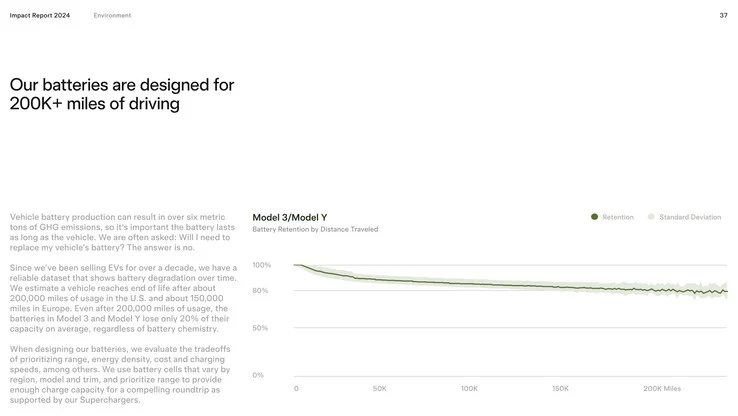
3. Degradation Pattern: EV battery degradation is significant in the first 50,000 miles, then stabilizes for the vehicle’s lifespan, according to both Tesla data and user experiences.
4. Charging Habits: The owner used fast DC chargers for 30% of charging sessions, while the rest were done with AC home chargers, showing that full charging is less harmful to battery health.
5. Cost Savings: The owner saved around US$24,000 in fuel costs since 2021, highlighting the financial benefits of owning an electric vehicle versus traditional internal combustion engines.
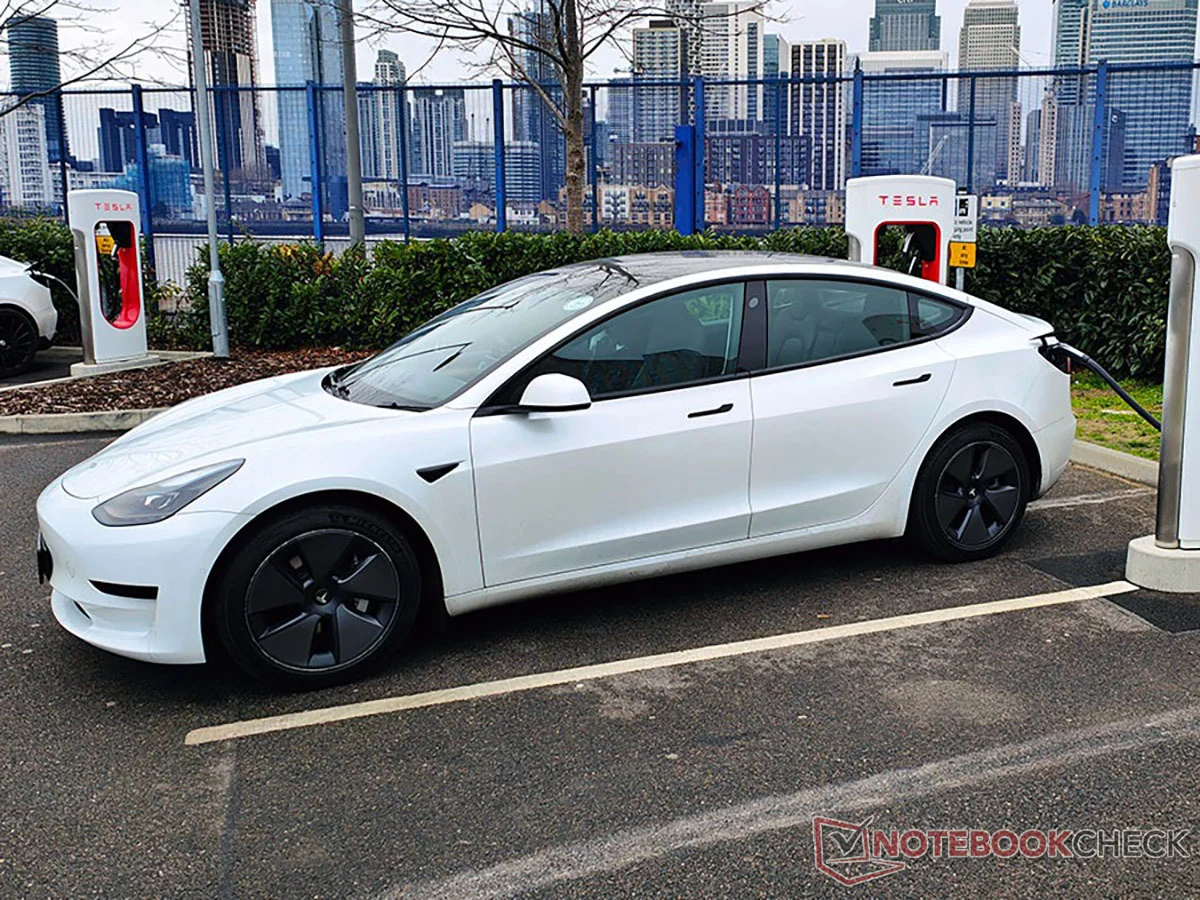
After numerous older Model S cars covered a remarkable distance using their original battery and motor, the spotlight is now on Tesla’s latest sedan, which is also showcasing impressive longevity with minimal upkeep.
High Mileage Achievement
A 2021 Tesla Model 3 was found to have worn mount bushings after its journey of around 255,000 miles using its original motor and battery. The repair shop expressed amazement at the electric vehicle’s performance, which even served as an Uber, and inquired if they could share and publish the battery statistics.
Battery Performance Insights
Surprisingly, even with the high mileage on the RWD Model 3’s original battery, it only lost about 12% of its initial capacity. In comparison, a different Model 3 that had achieved 150,000 miles showed a 10% degradation, suggesting a minimal capacity loss over the subsequent 100,000 miles.
Both Tesla’s official data and personal experiences show that the degradation of EV batteries tends to be significant during the first 50,000 miles, then stabilizes for the rest of the vehicle’s useful lifespan.
Charging Habits and Costs
The owner of the high-mileage Model 3 utilized fast DC chargers for about 30% of the charging sessions, while the remainder was done using AC home chargers such as the 80A Tesla Gen 2 Wall Connector. The LFP battery chemistry permits charging to 100% without much increase in degradation compared to partial charging.
Since the owner noticed a sudden jolt when accelerating, they brought the Model 3 to the shop. It turned out the original motor was still in good condition, but the mount bushings needed replacement, marking their first major visit to the shop. Meanwhile, considering fuel costs, they saved roughly US$24,000 in fuel expenses since 2021, not including other typical maintenance that internal combustion engine vehicles require.
Source:
Link


Leave a Reply