Category: EV vehicles

  • Tesla Provides Free FSD Transfer to New Vehicle Ahead of Europe Approval

    Tesla Provides Free FSD Transfer to New Vehicle Ahead of Europe Approval

    Key Takeaways

    1. Tesla is expanding its free Full Self-Driving (FSD) transfer promotion to international markets for new Model Y, Model 3, and refreshed Model S/X buyers.
    2. The promotion is valid until September 30th, with potential for extension, while FSD approval is expected in several European countries by year-end.
    3. In the US, the free FSD transfer has been a regular offer since early 2024, allowing seamless feature transfers for customers.
    4. European customers have faced delays in FSD approval, but improvements with FSD 13 are encouraging regulatory progress, especially for complex driving scenarios.
    5. To assist European Tesla owners awaiting FSD access, Tesla is providing the free transfer promo under specific conditions to boost sales of the refreshed Model Y.


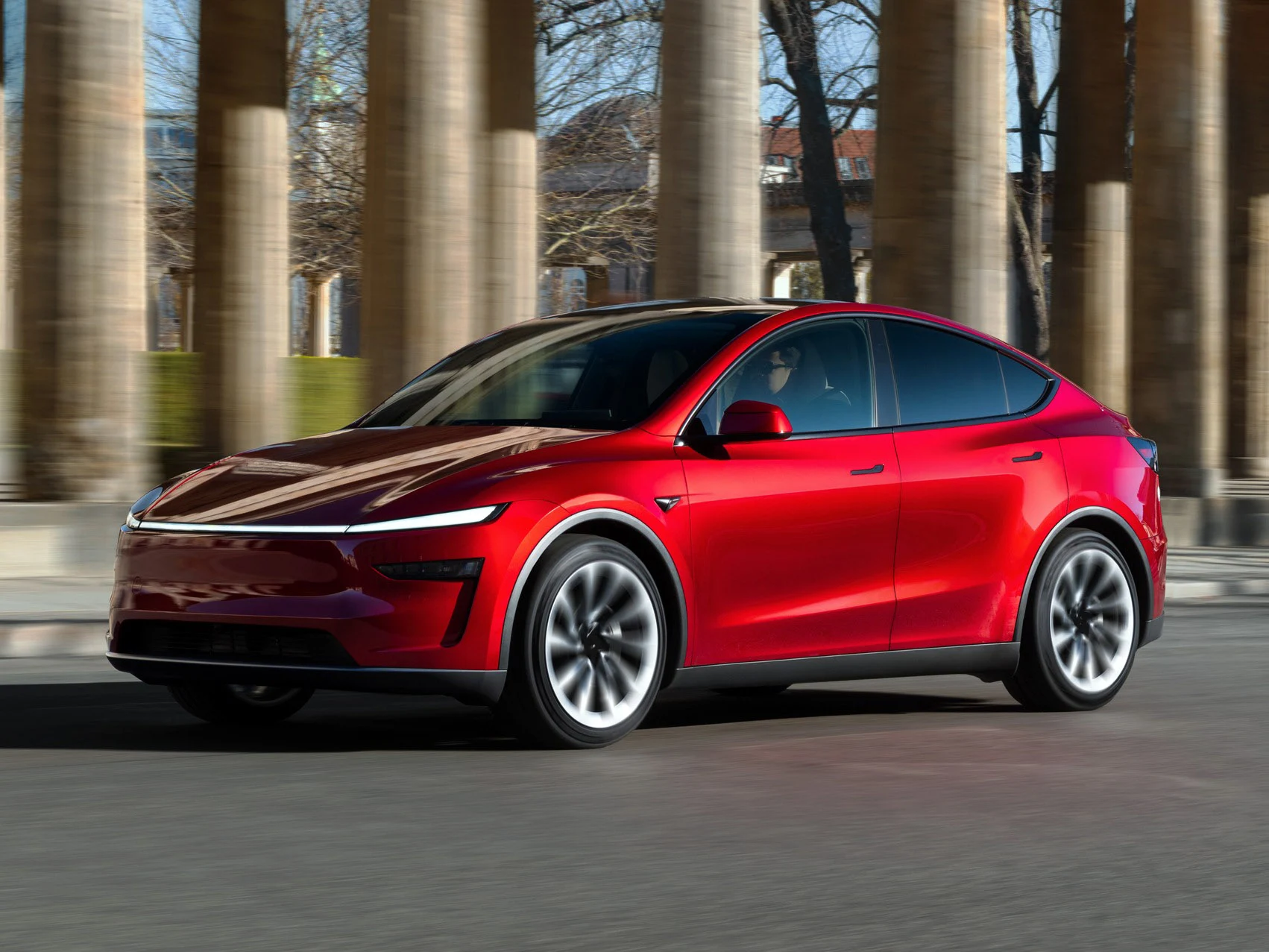
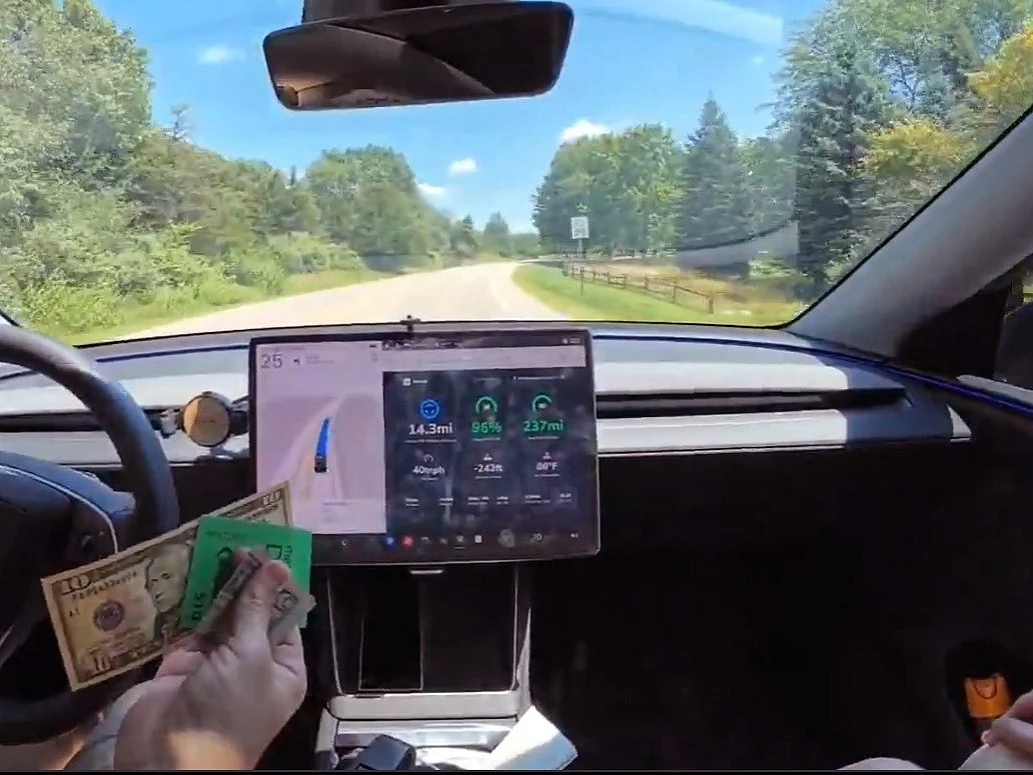
    Tesla is expanding its free FSD transfer promotion to international markets. Customers who buy a new Model Y, Model 3, or refreshed Model S/X can now transfer the Full Self-Driving (FSD) feature they previously paid for to their new car.

    Promotion Period

    The free transfer offer is valid until September 30th, but it might be extended. Tesla anticipates that FSD will receive approval for use in several European nations by the end of this year.

    Ongoing Offers in the US

    In the United States, the free FSD transfer has become a regular promotion. Since early 2024, customers have consistently been able to move the Full Self-Driving feature from their old vehicle to a new one without any issues.

    Delays in Europe

    On the contrary, many European customers who invested in the FSD option have been left watching the US enjoy the perks. This is because local regulators have been slow to approve the feature for public use. However, the situation is starting to change with the introduction of FSD 13, which is significantly better at handling Europe’s narrow streets and tricky roundabouts.

    Tesla has been sharing positive updates about FSD testing in Europe, including successful navigation through the complex Arc de Triomphe roundabout in Paris, known for its many roads and confusing right-of-way rules. With each new FSD software release, Tesla has been gaining favor with regulators, and they are hopeful that countries like the Netherlands will approve their autonomous driving package for public roads soon.

    Helping European Tesla Owners

    To support Tesla owners in Europe who have been waiting a long time for their FSD options to become available, Tesla is now offering the free FSD transfer promo to new vehicles across Germany and the EU under certain conditions.

    This initiative not only aims to placate frustrated legacy FSD owners but also hopes to boost sales of the refreshed Model Y. The European market has faced significant challenges, particularly due to Elon Musk’s controversial political actions, which have resulted in sales drops of over 50% in certain EU nations since early 2025.

    Source:
    Link


  • Reused Car Batteries Fuel Airport Energy Storage in Italy

    Reused Car Batteries Fuel Airport Energy Storage in Italy

    Key Takeaways

    1. Enel has created the largest energy storage system at Aeroporti di Roma using repurposed batteries from Mercedes-Benz, Stellantis, and Nissan.
    2. The photovoltaic plant has an installed capacity of 2.5 megawatts and a storage capacity of 10 megawatt-hours, with a lifespan of 10 to 15 years.
    3. The project, named Pioneer, cost approximately 5.5 million euros and received partial funding from the European Union.
    4. The energy storage system is expected to reduce CO2 emissions by 16,000 tons over ten years of operation.
    5. This facility is the first large-scale system to combine different battery types, offering a scalable model for battery reuse and renewable energy management.


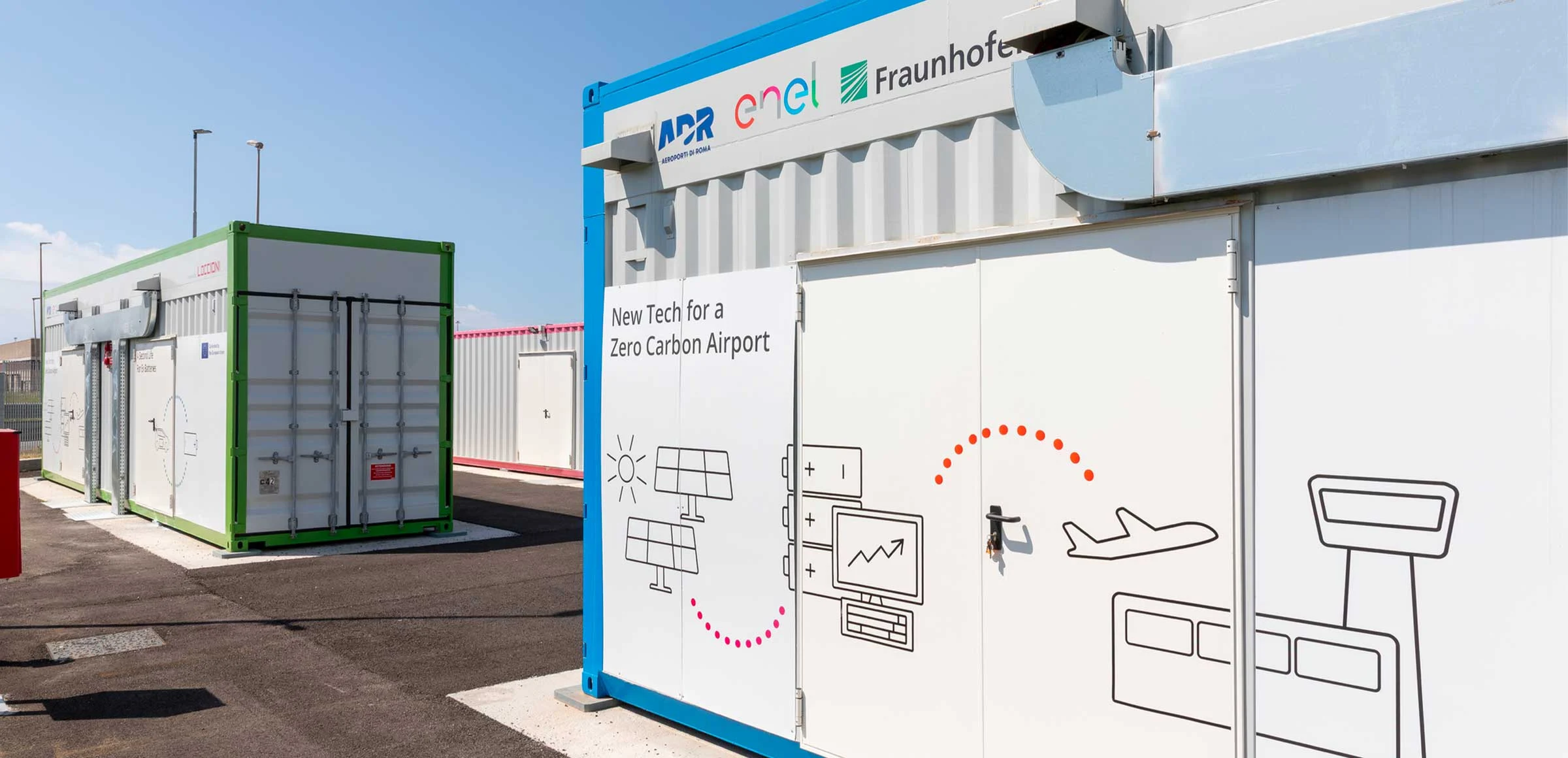
    Enel has created the largest energy storage system of its kind at the Aeroporti di Roma by utilizing used batteries from three leading car manufacturers. This system is powered by a photovoltaic plant constructed alongside runway three at the airport.

    Battery Reuse and Specifications

    The project involved repurposing 762 batteries sourced from Mercedes-Benz, Stellantis (which includes brands such as Chrysler and Citröen), and Nissan. The photovoltaic system boasts an installed capacity of 2.5 megawatts and has a storage capacity of 10 megawatt-hours, which is expected to have a lifespan of 10 to 15 years.

    Inauguration Insights

    At the facility’s inauguration, Francesca Gostinelli, who leads Enel X Global Retail, stated that the reused batteries are in good condition, retaining about 80% of their residual energy, as reported by PV Magazine.

    The initiative, named Pioneer (airPort sustaInability secONd lifE battEry stoRage), is estimated to cost around 5.5 million euros, with partial funding from the European Union Climate, Infrastructure and Environment Executive Agency (CINEA). The airport operator aims to decrease its reliance on the electric grid and increase the use of renewable energy, targeting a capacity of 60 megawatts by 2030.

    Environmental Impact

    Through this energy storage system, Enel anticipates a reduction of 16,000 tons of CO2 over a decade of operation. According to Enel, this facility is the first large-scale industrial setup to combine diverse batteries into a unified energy storage system. This was achieved using optimization software and a design that accommodates different battery packs, presenting a scalable model for utilizing batteries as they reach the end of their life cycle.

    “Pioneer thus inaugurates a scalable model that is not only capable of ensuring smarter management of green energy resources, but also sets a benchmark for the ability to valorise materials and devices at the end of their life,” commented Enel.

    Source:
    Link


  • Tesla Delays Solid-State Battery Use, Says Panasonic and CATL

    Tesla Delays Solid-State Battery Use, Says Panasonic and CATL

    Key Takeaways

    1. Panasonic believes solid-state batteries are better for small applications, not for electric vehicles, calling them a “niche” option.
    2. Solid-state batteries offer high energy density but have high production costs, limiting their practicality for mass-market EVs.
    3. CATL warns that widespread adoption of solid-state batteries is still years away, pushing back their expectations for mass production.
    4. The cost of even semi-solid electrolyte batteries is high, making them less accessible for many electric vehicle makers.
    5. Tesla is unlikely to adopt solid-state battery technology soon due to cost management concerns.


    It appears that a Tesla featuring solid-state batteries won’t be arriving anytime soon, as two of its battery suppliers have dismissed the practicality of this technology for electric vehicles.

    Panasonic’s Take on Solid-State Batteries

    Panasonic, Tesla’s primary battery supplier, believes that solid-state batteries are more suited for applications like drones or small tools, rather than large and costly battery packs used in electric cars. Tatsuo Ogawa, the company’s Chief Technology Officer, voiced his skepticism during a meeting with the R&D team in Osaka, describing solid-state batteries as a “niche” option that won’t revolutionize the industry as some might hope.

    The Potential and Challenges

    Although solid-state batteries are indeed safer and can achieve energy densities of up to 500 Wh/kg—significantly higher than the current ternary lithium batteries—they come with a hefty price tag in production. Toyota, the first major automaker to invest in this technology, plans to use solid-state batteries exclusively for high-end electric vehicles under its Lexus brand.

    CATL’s Perspective

    Another of Tesla’s battery suppliers, CATL, shares a cautious stance regarding solid-state batteries. Having spent the last ten years studying this technology and developing prototypes for pilot production, they warn that widespread adoption of this costly technology could still be quite a ways off. Originally, CATL foresaw 2030 as the year when mass-produced electric vehicles with solid-state batteries would emerge. However, they have now adjusted their expectations and aim to compete with companies like Toyota and Samsung, who are targeting a 2027 launch.

    Cost Concerns for EV Makers

    Even the semi-solid electrolyte batteries used by companies like NIO come with steep costs. NIO’s 150 kWh semi-solid battery pack can power its ET9 sedan for over 600 miles on a single charge, but the price is comparable to one of its smaller models, leading NIO to offer it as a rental for extended summer trips.

    Given that a true solid-state battery pack would be even pricier than the current transitional batteries containing 5% liquid electrolyte, Tesla, which is concentrating on managing its costs effectively, is unlikely to incorporate this technology into its vehicles in the near future.

    Source:
    Link


  • Tesla Roadster 2 Could Use Banned F1 Tech to Achieve Flight

    Tesla Roadster 2 Could Use Banned F1 Tech to Achieve Flight

    Key Takeaways

    1. Elon Musk hints at achieving sub-second acceleration (0-60 mph in 0.99 seconds) for the Tesla Roadster 2, possibly using SpaceX technology.
    2. The CEO of Rimac doubts such acceleration can be achieved without thrusters, emphasizing the need for advanced technology.
    3. Tesla has patented a new aerodynamic system with fans and skirts that adjusts downforce for varying speeds and driving conditions.
    4. The fan-and-skirt system aims to enhance grip and cornering, crucial for breaking racetrack records.
    5. Future developments for the Roadster 2 include a planned “epic demo” in 2024, with uncertainty around the use of thrusters or wings for acceleration.


    Elon Musk has hinted at mind-blowing sub-second acceleration for the new Tesla Roadster 2 hypercar. However, the CEO of Rimac, the company behind the world’s fastest electric car, the Nevera R, expressed doubts that such performance could be achieved without using some type of thrusters.

    Potential Innovations

    Musk suggested that the Roadster 2 may utilize SpaceX’s Starship rocket technology to reach the impressive 0.99 seconds for 0-60 mph acceleration. Tesla might employ a downforce technique that was banned shortly after its Formula 1 introduction because it gave the Brabham BT46 “fan car” an unfair edge on the racetrack.

    The BT46 drew inspiration from fan-based systems on race vehicles like the Chaparral 2J, which dominated the North American Can-Am sports car series in 1970, and the later Tyrrell 008. Both of these cars featured fans powered either by a dedicated motor or the main engine. While they were ostensibly intended for cooling, the fans also helped to draw air from beneath the car, allowing the denser air above to create downforce, keeping the vehicle more stable than traditional spoilers, venturi tunnels, or other aerodynamic devices.

    New Patent for Aerodynamics

    Recently, Tesla has been awarded a patent for an “adaptive vehicle aerodynamics for downforce” system, which includes fans and skirts designed to create a vacuum under ultra-fast vehicles like the Roadster 2.

    This aerodynamic system operates in two modes to adjust downforce based on different speeds and driving conditions. It features several fans located in airflow paths and deployable skirts that interact with the ground. In the first mode, all skirts form a sealed area under the car, with central fans providing maximum downforce at low speeds on smooth surfaces. In the second mode, some skirts (mainly the side ones) adjust the sealed area while all fans work to generate downforce during dynamic driving on uneven terrains. The system has a control mechanism that selectively uses skirts and fans according to driving conditions, balancing between maximum downforce at lower speeds and better performance on varied terrain at higher speeds.

    The highlight here is “at varying speed ranges” because, unlike standard downforce tools like spoilers, the fan-and-skirt combination applies pressure continuously, thus enhancing grip, cornering, and all other crucial elements needed to break racetrack records in a vehicle that could accelerate from 0-60 mph in just one second.

    Future Developments

    Whether the acceleration boost will come from some sort of thrusters developed by SpaceX or “wings,” as Musk describes them, is still uncertain. However, he recently left a Roadster 2 presentation with the design team feeling quite impressed, mentioning that a “most epic demo” is planned for later this year. Musk previously teased that the Roadster 2 would “fly” in 2024, with promises for the demo to occur in that year.

    The hypercar has taken a back seat while Tesla focused on developing the Cybercab and completing a major portfolio overhaul, which is now finished. Fans are eagerly awaiting the Roadster 2, which could, ironically, also be equipped with fans.

    Source:
    Link


  • Dongfeng Aims for 2026 Launch of Solid-State Electric Vehicles

    Dongfeng Aims for 2026 Launch of Solid-State Electric Vehicles

    Key Takeaways

    1. Dongfeng Motor has merged its eπ, Fengshen, and Nano sub-brands into a new division called Dongfeng eπ Technology, focusing on electric vehicles and traditional models.
    2. The new subsidiary plans to launch solid-state battery electric vehicles by 2026, with a range of over 1,000 km per charge.
    3. Dongfeng is developing a high-performance electric platform and a “dual-megawatt” fast-charging solution that can restore approximately 450 km of range in just five minutes.
    4. The product lineup includes two series: the Mainstream Technology Series for tech-savvy consumers and the Smart Premium Series in collaboration with Huawei, launching as a full-sized SUV in 2026.
    5. Dongfeng Fengshen aims to release at least two new models each year and has plans for ten models by 2028, while Dongfeng eπ Technology targets over 30 export models and a global retail network of 2,000 stores by 2027.


    Dongfeng Motor has merged its eπ (Yipai), Fengshen, and Nano sub-brands into a new division named Dongfeng eπ Technology, which was announced at a strategic event in Wuhan. This restructuring creates two main branches: Dongfeng eπ focusing on advanced new-energy vehicles and Dongfeng Fengshen concentrating on traditional internal combustion engine (ICE) and hybrid models.

    Upcoming Electric Vehicles

    The new subsidiary aims to launch its initial solid-state battery electric vehicles by 2026. These vehicles will utilize silicon-carbon and high-nickel chemistries with solid electrolytes, providing enhanced energy density and thermal stability. The expected range for these vehicles is over 1,000 km (approximately 620 miles) on one charge.

    Advanced Technology and Charging Solutions

    A cutting-edge electric platform operating at more than 1,000 V will support a 1,700 V silicon-carbide power module, allowing for a peak charging rate of 12C and a motor speed of 30,000 rpm. Dongfeng is also working on a “dual-megawatt” fast-charging solution that can restore around 450 km (roughly 280 miles) of range in just five minutes. The first vehicle built on this architecture is set to be released in 2026.

    Product Series and Future Plans

    The product lineup is divided into two series. The Mainstream Technology Series (which includes Nano 01, Nano 06, eπ 007, and eπ 008) is aimed at younger, tech-savvy consumers. Meanwhile, the Smart Premium Series, developed in partnership with Huawei, is expected to launch in 2026 as a full-sized SUV equipped with HarmonyOS 5 and the QianKun ADS 4 driver-assistance system.

    Dongfeng Fengshen will focus on producing small to mid-sized vehicles, pledging at least two new launches or updates each year and a total of ten models by 2028. At the same time, Dongfeng eπ Technology plans to introduce over 30 export models and establish a global retail network of 2,000 stores by 2027.

    Source:
    Link


  • Order the New Volkswagen Electric DoKa Pickup Based on Ford Design

    Order the New Volkswagen Electric DoKa Pickup Based on Ford Design

    Key Takeaways

    1. The Volkswagen e-Transporter DoKa is an electric pickup truck designed for professionals, built on the chassis of Ford’s E-Transit van.
    2. It features a wheelbase of 3,500 mm and an overall length of 5,613 mm, with a payload capacity of up to 785 kg and a towing capacity of 2,000 kg.
    3. The truck can accommodate up to six adults in its spacious interior.
    4. The powertrain delivers up to 210 kW (280 hp) and 415 Nm (306 lb-ft) of torque, with an anticipated range of up to 280 km (175 miles) on a full charge.
    5. Orders for the DoKa start at €52,208 (around $60,500) before VAT and customizations.


    European buyers can now place orders for Volkswagen’s e-Transporter DoKa. This electric pickup truck is built on the chassis of Ford’s E-Transit van.

    A Workhorse for Professionals

    The flatbed DoKa marks a clear shift from the more stylish ID.Buzz. Nonetheless, the DoKa serves as a reliable workhorse, designed for carrying both crew members and equipment, all thanks to its well-sized bed.

    Specifications and Capacity

    Volkswagen’s DoKa features a wheelbase measuring 3,500 mm (138 inches) and an overall length of 5,613 mm (221 inches). It boasts a spacious cargo bed, made possible by its shorter hood, with a payload capacity reaching up to 785 kg (1,730 lbs). Additionally, its towing capacity is quite good for many work-related tasks, at 2,000 kg.

    Inside, the electric DoKa provides room for up to six adults at the same time.

    Performance and Range

    When it comes to performance, the DoKa’s powertrain delivers a solid output of up to 210 kW (280 hp) and 415 Nm (306 lb-ft) of torque. Although not officially confirmed, it is widely believed that the truck utilizes the same 64 kWh battery pack found in the Ford E-Transit van. Customers can anticipate a range of up to 280 km (175 miles) on a full charge, based on WLTP estimates, with charging times of about 30 minutes to go from 10 to 80 percent when using DC fast chargers.

    Source:
    Link


  • BMW iX3 SUV Aims to Outperform Tesla Model Y with Longer Range

    BMW iX3 SUV Aims to Outperform Tesla Model Y with Longer Range

    Key Takeaways

    1. The BMW iX3 electric SUV, launching on September 5th, aims to compete directly with the Tesla Model Y, featuring impressive specs like 400 miles of range, 400 kW charging speed, and 400 hp performance.

    2. Priced starting at around $55,000 in the US, the iX3 offers unique features such as an 800V powertrain and a panoramic iDrive info display, enhancing its value compared to the Model Y.

    3. The iX3 can gain over 200 miles of range in just 10 minutes of charging, thanks to its advanced cylindrical batteries with 20% higher energy density than typical options.

    4. Equipped with four advanced Superbrain computers, the iX3 boasts enhanced handling, traction, and braking, while reducing wiring needs and energy consumption by 20%.

    5. While the iX3 offers many advantages, it lacks Tesla’s Full Self-Driving (FSD) system, making its success in the US market uncertain, where BMW is known for luxury and driving dynamics.


    On September 5th, BMW is set to unveil its new iX3 electric SUV, which directly targets the Tesla Model Y. This new model boasts impressive triple 400 specifications: it offers 400 miles of EPA range, 400 kW charging speed, and 400 hp of performance.

    Pricing and Features

    The starting price for the iX3 SUV will be around $55,000 in the US. For an additional $5,000 over the all-wheel-drive Model Y, BMW includes an 800V powertrain and a stunning pillar-to-pillar panoramic iDrive info display positioned at the lower edge of the windshield. The brand also promises the excellent handling that they are known for.

    Performance Insights

    Initial reviews and testing of the BMW iX3 suggest that the SUV can gain over 200 miles of range in just 10 minutes of charging at a compatible station. This impressive performance is attributed to BMW’s unique cylindrical batteries, which have a 20% higher energy density than typical options.

    In contrast, Tesla’s Cybertruck is the only other vehicle with an 800-volt system, utilizing its 4680 cells. However, these cells have thermal inefficiencies that lead to a slower charging curve, allowing for approximately 140 miles of range after 15 minutes. Meanwhile, the 2026 BMW iX3 is equipped with a larger 100+ kWh battery, which helps it achieve the 400-mile range on the challenging EPA testing.

    Advanced Technology

    Testers have commended the iX3 for its impressive handling, traction, and braking capabilities. BMW has integrated four advanced Superbrain computers, each possessing 20 times the processing power of older models. These systems manage automated driving features like lane keeping and parallel parking, along with stability controls, infotainment, and basic functions like locking and air conditioning. Additionally, these liquid-cooled Superbrain computers help eliminate the need for many controllers, fuses, and around 2,000 meters of wiring, all while reducing energy consumption by 20%.

    While the Tesla Model Y may not have the fastest speeds, longest range, or quickest charging times, it stands out in the US due to Tesla’s Full Self-Driving (FSD) autonomous driving system, which BMW does not plan to offer. It remains uncertain whether the new iX3, despite its other advantages, will gain traction in the US market, where BMW is largely known for its luxury features and exceptional driving dynamics.

    Source:
    Link


  • Tesla Faces $200M Verdict in Deadly Autopilot Crash Case

    Tesla Faces $200M Verdict in Deadly Autopilot Crash Case

    Key Takeaways

    1. Tesla must pay over 200 million dollars due to a jury ruling related to its Autopilot feature, following a fatal accident in 2019.
    2. The jury found Tesla 33% at fault for the incident, awarding 129 million dollars in compensatory damages and 200 million dollars in punitive damages.
    3. Plaintiffs accused Tesla of overstating Autopilot’s capabilities and hiding critical crash information, which Tesla denies but admits to missing important data.
    4. Tesla plans to appeal the ruling, arguing that the crash could not have been avoided by any car and warning of potential impacts on autonomous driving advancements.
    5. The verdict may lead to more lawsuits against Tesla and could diminish public confidence in the company’s automation claims, as it coincides with preparations for the Robotaxi launch.


    A jury in Florida has decided that Tesla must pay over 200 million dollars in a significant case related to its Autopilot driver assistance feature. This ruling represents one of the most notable legal setbacks for Elon Musk’s company. The incident in 2019 resulted in the death of 22-year-old Benavides Leon and left her boyfriend with serious injuries after their parked SUV was hit by a Tesla Model 3. The vehicle was driven by a distracted driver who was using the Autopilot system. The jury determined that Tesla was 33% at fault and awarded 129 million dollars in compensatory damages, along with 200 million dollars in punitive damages.

    Accusations Against Tesla

    Lawyers for the plaintiffs claimed that Tesla knowingly overstated the capabilities of Autopilot while hiding important crash information, which was later discovered by a forensic specialist. Tesla has denied any wrongdoing but acknowledged that it had missed critical data, labeling it as a mistake. The company plans to appeal the decision, insisting that “no car” could have avoided the crash and cautioning that the verdict might slow advancements in autonomous driving technology.

    Implications of the Verdict

    This ruling arrives at a time when Tesla is preparing for its Robotaxi launch in the United States. Legal analysts suggest that this case could lead to a surge in similar lawsuits, especially as more troubling internal information comes to light. One attorney referred to this as a “watershed moment” that could change the public’s confidence in Tesla’s claims about automation.

    Source:
    Link

  • Tesla Model Y Performance Features New Forged Wheels in California

    Tesla Model Y Performance Features New Forged Wheels in California

    Key Takeaways

    1. Tesla is set to unveil a new Model Y Performance version, likely launching simultaneously in the US, Europe, and China.
    2. Recent test sightings of the Model Y Performance show it being tested at Nürburgring and in California, featuring new 21″ forged wheels.
    3. The expected price for the Model Y Performance is $59,990, with a potential $7,500 tax credit available before the deadline.
    4. The 2026 Model Y Performance is expected to inherit a 510 HP drivetrain, improving acceleration to 0-60 mph in just over three seconds.
    5. The new Model Y Performance will have unique design features, including badging, a larger spoiler, a different bumper, and exclusive forged wheels.


    Tesla is gearing up to unveil a new and enhanced Model Y Performance version, which might launch at the same time in the US, Europe, and China.

    Testing Phase

    Recently, there have been more sightings of the new Model Y Performance, especially around the famous Nürburgring racetrack, and in California these past weeks. The latest footage shows the Model Y Performance being tested in a field in Palo Alto, completely covered with test mule wrapping and camouflage. For the first time, we get a close and clear look at the side, revealing the supposed new 21″ forged wheels that Tesla has designed for this Performance variant.

    Design Insights

    These wheels do appear akin to standard cast wheels, but all details will be exposed when Tesla officially reveals the Model Y Performance along with its pricing. The previous Performance model came with around a $10,000 extra charge compared to the regular AWD variant, and that difference is expected to stay the same.

    Tesla is likely aiming to launch the Model Y Performance before the federal tax credit ends at the close of September, which means the expected price of $59,990 could be lowered with the current $7,500 subsidy available for new electric vehicle purchases.

    Performance Expectations

    The 2026 Tesla Model Y Performance is anticipated to inherit the 510 HP drivetrain from the Model 3 Performance, a significant upgrade from the 456 HP of the previous version. This means it should reach 0-60 mph in just over three seconds.

    Additionally, the 2026 Model Y refresh is lighter and more aerodynamic, which means even if Tesla uses the same battery, the Performance trim will likely travel further on a single charge than before.

    Tesla will probably distinguish the Performance trim with unique badging, a larger spoiler, and a different bumper featuring additional diffusers. The rumored exclusive forged 21″ wheels are also expected to enhance the sporty and aggressive appearance of Tesla’s most powerful Model Y.

    Source:
    Link


  • Tesla Robotaxi Launches in California, Cheaper Than Uber

    Tesla Robotaxi Launches in California, Cheaper Than Uber

    Key Takeaways

    1. Tesla has launched its Robotaxi service in Austin with initial flat fares of $4.20 and $6.90, reflecting Elon Musk’s playful pricing approach.
    2. The company introduced a dynamic pricing model for rides based on distance, making them more affordable than competitors.
    3. Tesla’s Robotaxi fares are at least 50% cheaper than Uber, especially over longer distances (e.g., $1.25 per mile for Tesla vs. $2.08 per mile for Uber).
    4. Regulatory challenges in California require Tesla to have a supervising driver for its Robotaxi service, which affects pricing and operations compared to Austin.
    5. Future expansion of Tesla’s Robotaxi service is planned for more US cities, leading to more direct fare comparisons with other ride-hailing services.


    Tesla has rolled out its Robotaxi ride-hailing service in Austin with a playful flat fee of $4.20 per ride, a nod to one of Elon Musk’s favored numbers. They then increased the geofenced area and jokingly bumped the fare to $6.90.

    Introduction of Dynamic Pricing

    Now, Tesla has launched a dynamic pricing model for its Model Y robotaxi rides based on the distance traveled, making it clear that this service will be more affordable than its rivals.

    Price Comparisons with Competitors

    Dynamic pricing for ride-hailing services can differ by city, distance, time of day, and availability of vehicles. However, initial comparisons between Tesla’s Robotaxi and Uber show that Tesla rides are at least 50% less expensive. The disparity in pricing is especially noticeable over longer distances. For example, an 11-mile journey with a Model Y robotaxi in Austin costs $13.71, which breaks down to $1.25 per mile, while a 9-mile Uber ride in the same vicinity costs $2.08 per mile, making it roughly 70% pricier.

    Direct Comparisons Highlight Savings

    In another direct comparison, a Tesla robotaxi ride was quoted at $3.12 for the same distance where the cheapest Uber option charged $7.98. This is more than twice the fare of the driverless Model Y, and an added benefit is that Tesla robotaxis do not require tips. In the Bay Area, Tesla’s geofenced robotaxi area has expanded considerably beyond Waymo’s, with charges around $2 per mile. This is higher than in Austin, where the current dynamic pricing offers rides for about $1 per mile on average.

    Regulatory Challenges in California

    The difference in pricing could stem from the need for an employee to supervise the vehicle in California, as the permit there is strictly for ride-hailing services, unlike in Austin where Model Y robotaxis are classified as Level 4 autonomous vehicles. California has more stringent rules regarding fully autonomous cars without a driver. Tesla has been in talks with the DMV to understand what it needs to do to obtain the proper permit. Authorities in California are skeptical about Tesla’s “Rodeo drivers” who are testing the limits of the company’s unsupervised driving technology on public roads, cautioning that they may be bending the rules of the autonomous vehicle permit.

    “Rodeo drivers are trained to respond at once if they think their vehicles might create a dangerous situation for themselves or other drivers,” Tesla stated. The Robotaxi service has been launched in the Bay Area with such safety personnel present in the driver’s seat, as shown in the accompanying video, even though the robotaxis are equipped with specialized unsupervised Full Self-Driving software that does not require human oversight.

    Future Expansion Plans

    Expect further comparisons between the Tesla Robotaxi and Uber ride-hailing services as the platform is set to expand into additional US cities.

    Source:
    Link