Category: EV vehicles

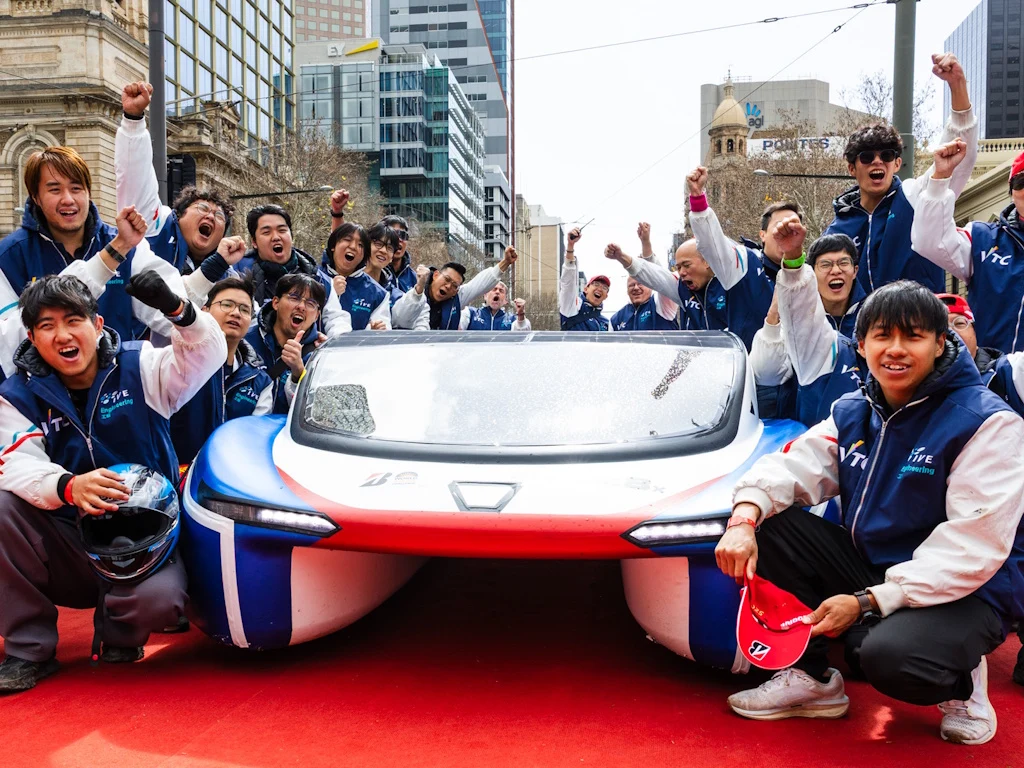
  • Student-Built Street-Legal EV Completes 3,000km in 2025 Solar Challenge

    Student-Built Street-Legal EV Completes 3,000km in 2025 Solar Challenge

    Key Takeaways

    1. The Sophie 8X electric vehicle, built by students, won the 2025 Bridgestone World Solar Challenge in the Cruiser category, covering 3,021.5 km in 44 hours with an average speed of 68.7 kph.

    2. Modern consumer EVs, like the Tesla Model Y, are heavier and less efficient compared to the lightweight Sophie 8X, which has a significantly smaller and lighter battery.

    3. The Sophie 8X features a solar-powered roof with 6 m² of solar cells, generating power for the vehicle and recharging its battery, enhancing its energy efficiency.

    4. Advanced technology, including third-generation semiconductor SiC, contributes to a 30% reduction in energy consumption at high speeds for the Sophie 8X.

    5. The VTC Sophie 8X is the first electric vehicle of its kind in Hong Kong to receive legal authorization for public road use, meeting automotive safety regulations.


    The Sophie 8X electric vehicle, built by students, has triumphed in the 2025 Bridgestone World Solar Challenge, specifically in the Cruiser category. Various teams showcased their handmade electric vehicles in this race that traversed Australia from Darwin to Adelaide, testing the latest innovations in solar-powered transport. The preliminary results indicate that the Vocational Training Council (VTC) entry covered a distance of 3,021.5 km (1,877.5 mi.) in 44.00 hours, achieving an average speed of 68.7 kph (42.7 mph).

    Heavyweight Comparisons

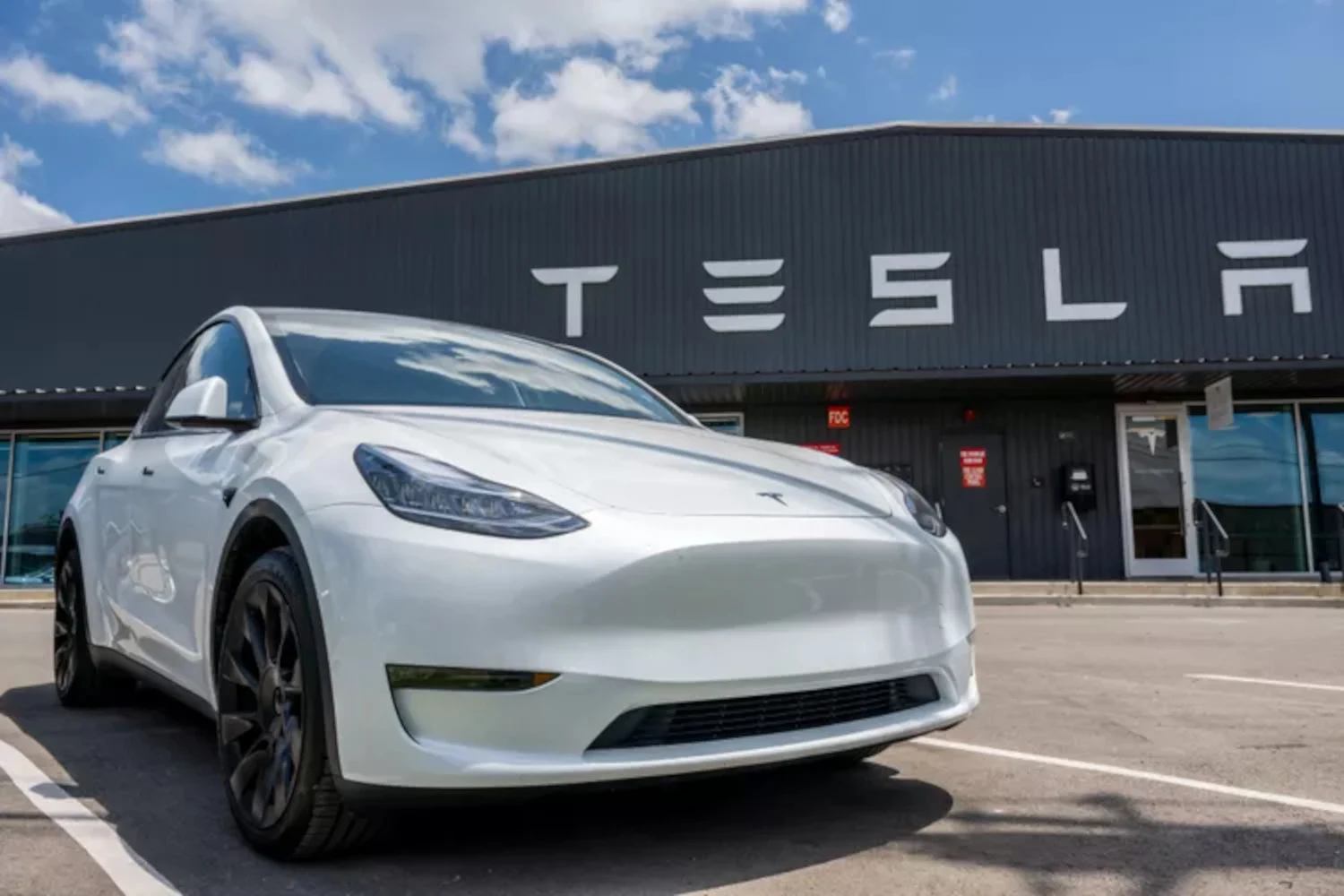
    This event revealed that many modern consumer EVs, like Teslas, are heavy and inefficient. For instance, Cruiser-class EVs weigh between 400 kg and 800 kg (880 to 1,760 lbs.), while the Tesla Model Y tips the scales at around 1,900 kg (4,200 lbs.). In contrast, the Sophie 8X is equipped with a 15.2 kWh battery pack that weighs just 40 kg (88 lbs.), significantly lighter than the Tesla Model Y’s battery pack, which is over 60 kWh and weighs more than 770 kg (1,700 lbs.).

    Solar Power Innovation

    The dual-seat Sophie 8X features a roof outfitted with 6 m² of solar cells, which generate power to run the vehicle and recharge its 15.2 kWh battery. The battery comprises 400 Wh/kg lithium battery pouches, maximizing space efficiency.

    Electricity generated from the solar cells powers custom-built motors that utilize third-generation semiconductor SiC (silicon carbide) technology, enhancing energy conversion. The team claims this technology leads to a 30% decrease in energy consumption at a speed of 100 kph (62 mph). To optimize the design for aerodynamics, computational fluid dynamics (CFD) analysis was employed, resulting in lightweight carbon fiber body panels that reduce drag and improve overall efficiency.

    Road-Ready Milestone

    In a significant achievement, the VTC Sophie 8X has been granted legal authorization to operate on public roads, marking a milestone as the first EV of its kind in Hong Kong to meet automotive safety regulations.

    For those who are discontent with the fuel efficiency of their existing gas-powered vehicles, they can learn how to hypermile with a ScanGauge, which helps reduce fuel consumption.

    Bridgestone World Solar Challenge press release, Bridgestone World Solar Challenge, Bridgestone World Solar Challenge on YouTube, VTC press release, VTC highlight, VTC on YouTube, VTC.

    Source:
    Link


  • 2026 Hyundai Tucson: New Generation SUV Rendering Revealed

    2026 Hyundai Tucson: New Generation SUV Rendering Revealed

    Key Takeaways

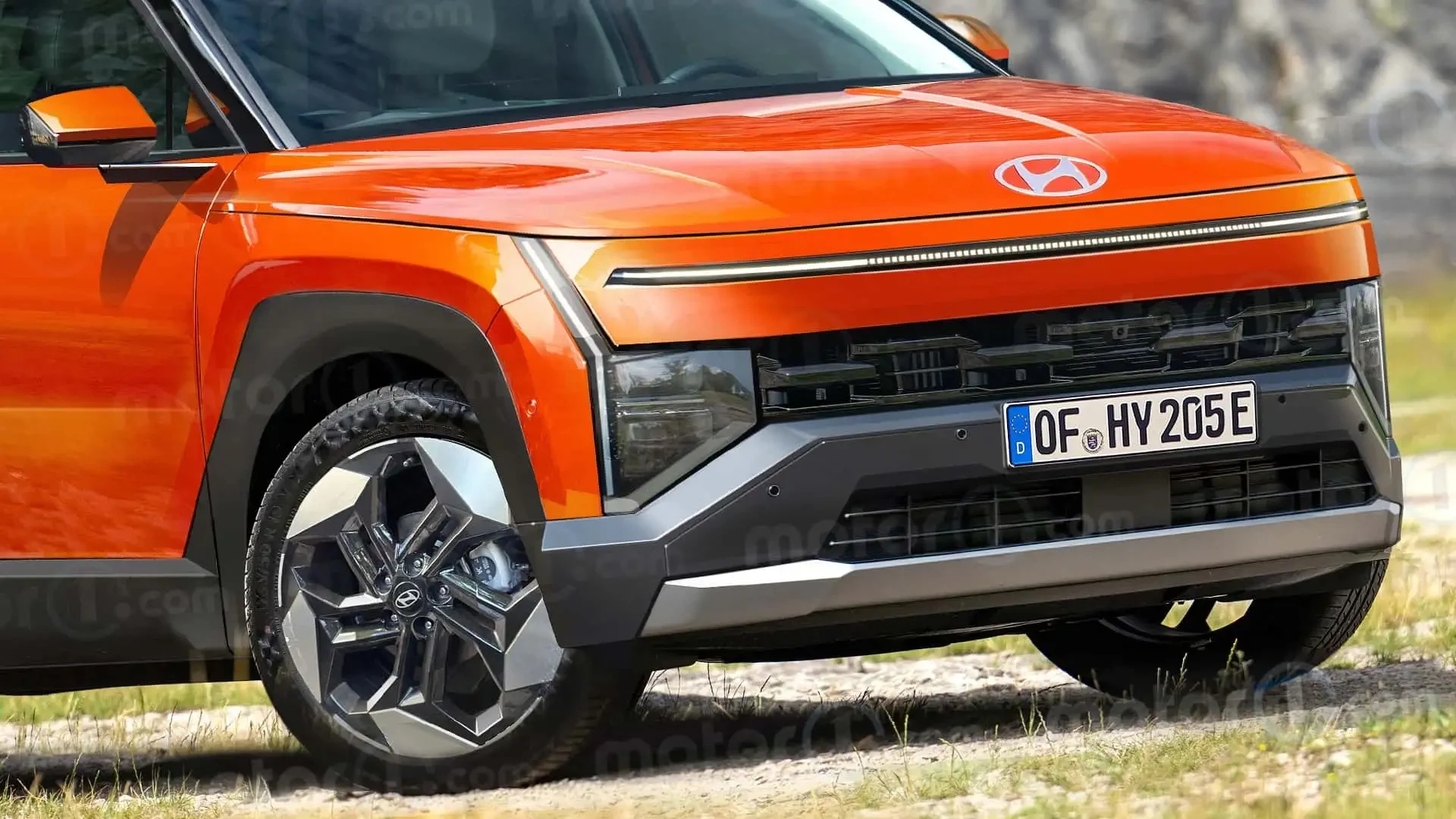
    1. The new Hyundai Tucson will adopt the “Art of Steel” design philosophy for a more angular and sturdy look, blending features from other Hyundai models.
    2. The front design will feature a continuous LED strip and lower headlights, while the rear will have sleek taillights and an upright tailgate for improved cargo capacity.
    3. The interior will introduce Hyundai’s Pleos operating system with an AI voice assistant, balancing modern technology with familiar controls for everyday usability.
    4. The engine lineup will be fully electrified, including mild hybrids, full hybrids, and a plug-in hybrid with an electric range of up to 100 kilometers.
    5. An exciting N variant is in development, expected to have a 1.6-liter turbo engine with around 300 horsepower, emphasizing agility and sportiness.


    The Tucson stands out as one of Hyundai’s top-selling vehicles globally. A report from Motor1 suggests that the upcoming generation will undergo significant changes, adopting the “Art of Steel” design philosophy. This new approach will give the SUV a more angular, sturdy look that aligns with traditional off-road vehicles. The design will blend features from the Santa Fe, Kona, and the soon-to-be-released Ioniq 9.

    Front and Rear Design Updates

    The concept images reveal a front with a continuous LED strip and headlights that sit lower than before. At the back, it is anticipated that sleek taillights and a more upright tailgate will enhance cargo capacity. The dimensions might extend just beyond the current length of 4.50 meters, ensuring that the Tucson remains competitive in the C-segment.

    Advanced Technology in the Cockpit

    For the first time, the interior will showcase Hyundai’s proprietary Pleos operating system, which is fully interconnected and includes an AI voice assistant named “Gleo.” There will be large screens paired with modern assistance technologies and traditional controls for essential functions. Hyundai’s goal is to strike a balance between cutting-edge digital features and familiar operation methods. The Tucson is also expected to continue offering excellent everyday usability and ample space, solidifying its position in the fiercely competitive compact SUV market.

    Electrified Engine Options

    The engine lineup will be entirely electrified. Beyond mild and full hybrids, a plug-in hybrid boasting an electric driving range of up to 100 kilometers is in the works, as per Motor1. This advancement will allow Hyundai to compete effectively with its latest rivals.

    Exciting N Variant on the Horizon

    The potential for an N variant is particularly thrilling. Auto Express reports that Hyundai is working on a sporty hybrid version. It is likely to feature a 1.6-liter turbo engine paired with a robust electric system and all-wheel drive, generating approximately 300 horsepower. Joon Park, Hyundai N’s Vice President, shared that these new hybrid sports models will be “more agile, lighter, and more thrilling,” heralding a new chapter for the N division.

    Anticipated Launch Date

    The debut of the new Hyundai Tucson is slated for 2026. With its sharper design, improved handling, diverse hybrid powertrains, and the potential arrival of a sporty Tucson N, the fourth generation of this SUV is poised to enhance the model’s legacy and set new benchmarks in its class.

    Source:
    Link


  • Mercedes GLA: Electric SUV from 2026, Hybrid from 2027

    Mercedes GLA: Electric SUV from 2026, Hybrid from 2027

    Key Takeaways

    1. The new Mercedes GLA will redefine compact SUVs with enhanced practicality and comfort, thanks to the Mercedes Modular Architecture (MMA) designed for electric and hybrid models.

    2. An all-electric GLA is set to launch in the second half of 2026, followed by a hybrid version in spring 2027, replacing the current GLA and electric EQA.

    3. The MMA platform features advanced 800-volt technology for fast charging and a potential driving range of up to 480 miles (780 km), along with a new front storage area (“frunk”).

    4. The interior of the new GLA will include modern upgrades like a full-width display, an AI-enhanced MBUX system, and premium materials, drawing inspiration from the latest CLA and GLB models.

    5. The new GLA marks the beginning of a new compact segment based on the MMA platform, with uncertainties regarding battery sizes, power options, pricing, and possible AMG models with axial flux engines expected in 2027.


    According to Autocar, the Mercedes GLA is set to change what we think about compact SUVs, especially in terms of practicality and comfort in the city. This is made possible by the new “Mercedes Modular Architecture” (MMA), which is designed mainly for electric vehicles but will also support hybrid and gas-powered models. A prototype suggests it will have a sporty, coupe-like appearance.

    Upcoming Launches

    Autocar also notes that Mercedes intends to introduce the all-electric GLA in the second half of 2026, with a hybrid version coming in the spring of 2027. These new models will take the place of the current GLA and the electric EQA.

    Advanced Technology

    The MMA platform boasts state-of-the-art 800-volt technology, allowing for extremely fast charging. This feature is compatible with both LFP and NMC batteries, providing a potential driving range of up to about 480 miles (780 km) according to WLTP standards. Additionally, the electric version will include a “frunk” for the first time, a storage area at the front that the current EQA lacks.

    Interior Upgrades

    The interior of the new GLA is anticipated to be notably modernized, featuring a full-width display that stands alone, an AI-enhanced MBUX system, and premium materials, drawing inspiration from the latest CLA and GLB models.

    While the existing GLA (H247 series, which has been around since 2019) relies on the MFA2 platform—initially created for gas engines and later modified for electric vehicles—the MMA platform, as per Autocar, signifies a true beginning with a design specifically for electric, hybrid, and gas engines. This new framework aims to provide improved space and greater charging options.

    Future of the GLA

    In conclusion, the new Mercedes GLA is seen as the start of a forward-looking compact segment based on the MMA platform. However, it remains unclear what battery sizes, power options, and pricing will be available. There are also rumors about potential AMG models featuring axial flux engines expected in 2027.

    Source:
    Link


  • 2026 Model Y Performance Launches Globally: Higher Price, Longer Range

    2026 Model Y Performance Launches Globally: Higher Price, Longer Range

    Key Takeaways

    1. Tesla’s sales in Europe have dropped by 40%, largely due to political involvement by Elon Musk and competition from Chinese electric vehicles like BYD.
    2. The new 2026 Model Y Performance will be released in September for €62,990, featuring improved battery technology for a longer range.
    3. The 2026 Model Y Performance can accelerate from 0-60 mph in just 3.3 to 3.5 seconds and includes impressive features like a 16-inch Ultra HD touchscreen.
    4. The anticipated launch in North America is around October, coinciding with the potential expiration of a $7,500 federal tax credit for electric vehicle purchases.
    5. Consumer demand for the Model Y is strong as buyers rush to purchase before the tax credit deadline, which may be extended.


    Tesla is seeing a significant decline in sales in Europe, dropping by 40%. This downturn is attributed to Elon Musk’s involvement in politics and the rise of Chinese electric vehicles from companies like BYD. Tesla’s share of new vehicle sales in the EU and UK has plummeted from 1.4% to just 0.8%, and even the introduction of the updated Model Y hasn’t helped.

    Fastest Model Y on the Way

    In response, Tesla is set to unveil the quickest Model Y yet, the 2026 Performance version, starting in the EMEA region. This new Model Y Performance will be available in September, priced at €62,990, which is more expensive than the previous model.

    Enhanced Range with New Battery Technology

    The 2026 Performance model provides a longer range per charge, thanks to innovative LG battery cells that have a higher energy density. These new cells maintain the same weight and size as the battery pack found in the Long Range AWD version, which is around ten thousand euros cheaper.

    The improved battery cells enable the 2026 Model Y Performance to deliver almost the same driving range as the less powerful AWD version—580 kilometers compared to 586 kilometers on the local WLTP test cycle. However, WLTP figures can be up to 15% more lenient than the stricter EPA testing, so when the Model Y Performance eventually arrives in the US, it may have an estimated range of around 323 miles, slightly below the AWD Model Y’s 327 miles.

    Impressive Acceleration and Features

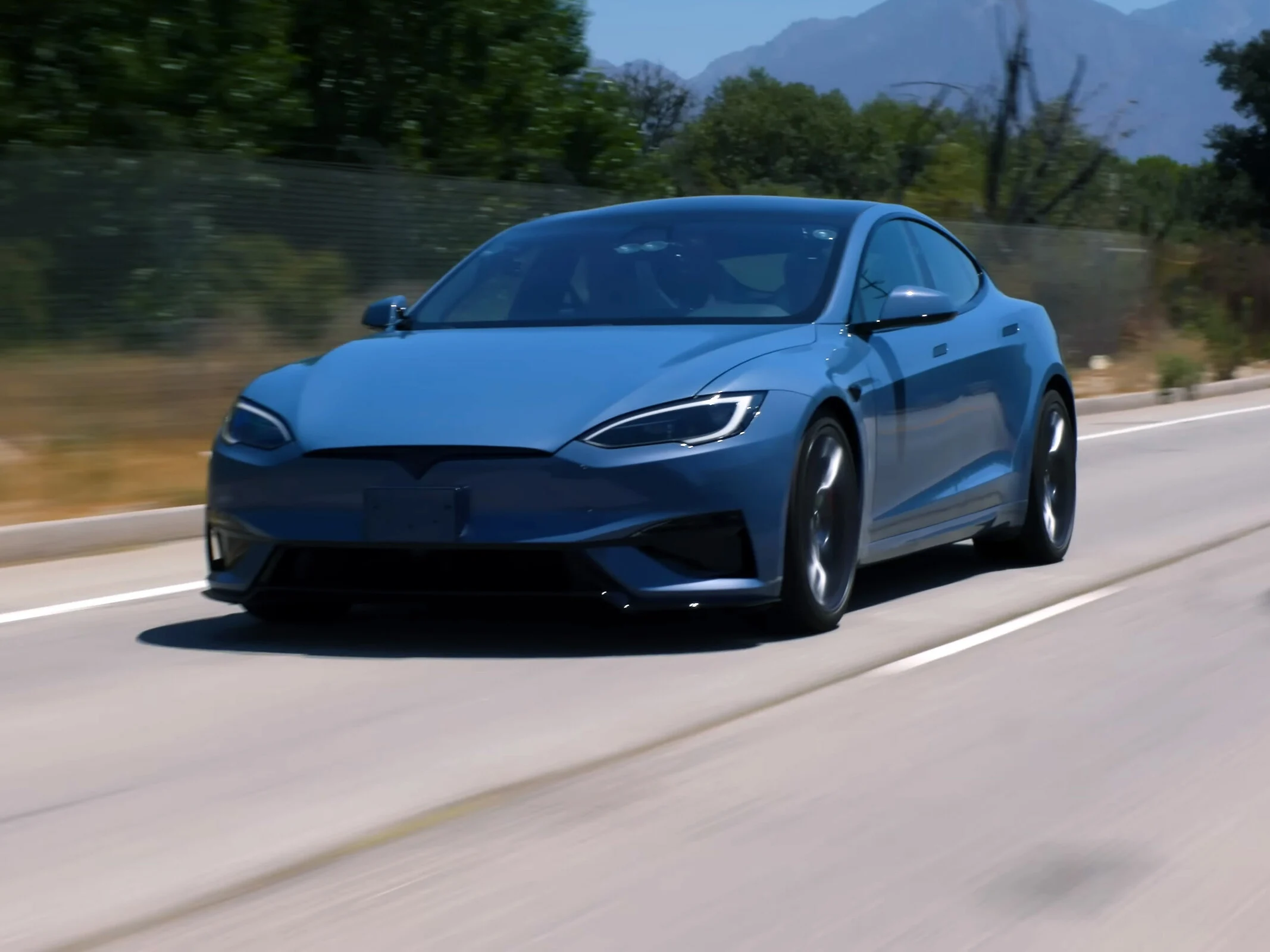
    The 2026 Model Y Performance boasts a 0-60 mph time of just 3.3 to 3.5 seconds, depending on the selected mode, thanks to its dual Performance 4DU motors that produce a total of 460 horsepower. It also features a limited top speed of 155 mph, which is impressive for a 2-ton family SUV in this price bracket.

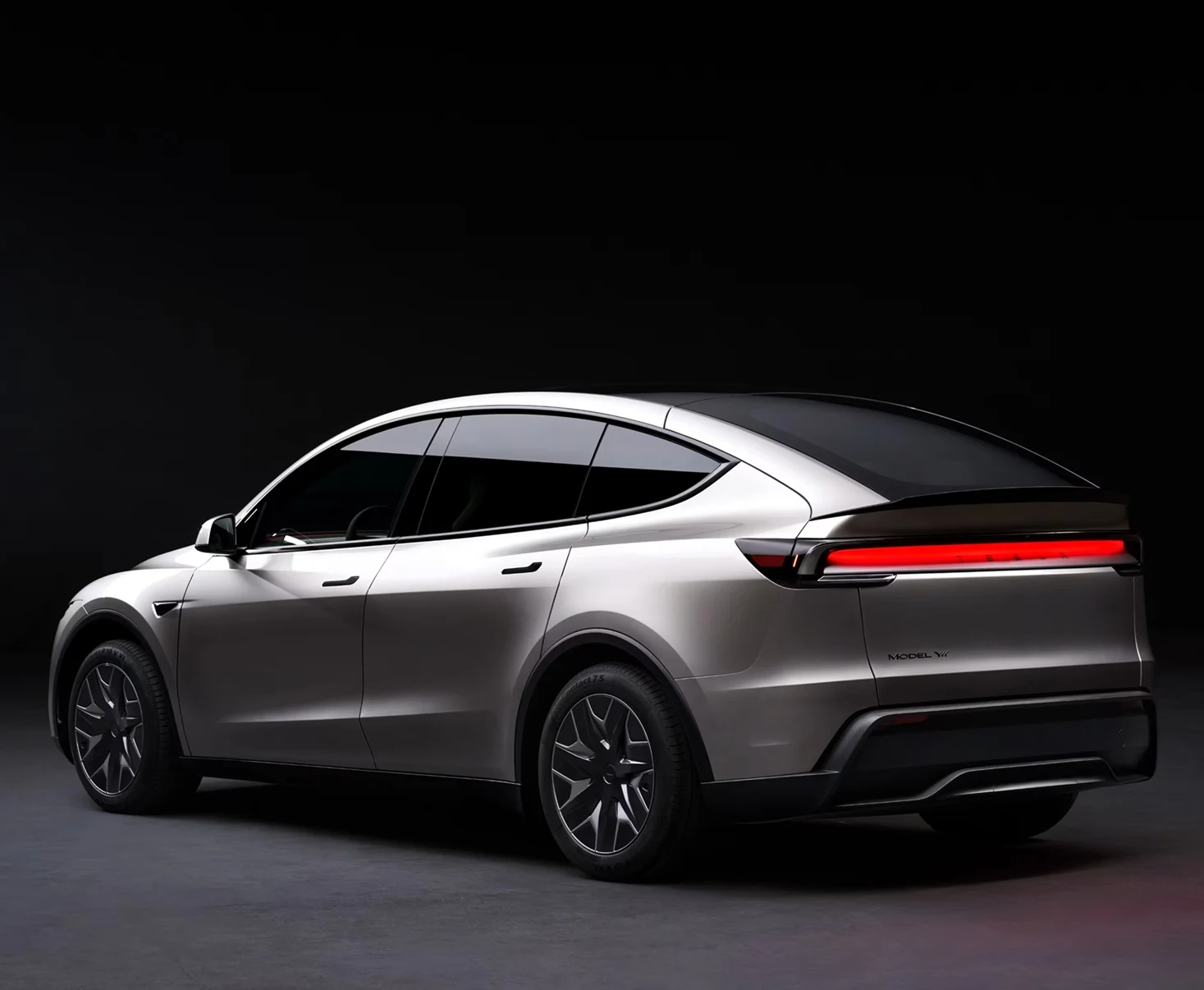
    To complement the rapid acceleration, Tesla has added numerous visual enhancements to the new Model Y Performance, including a carbon fiber spoiler and unique 21-inch Arachnid 2.0 forged wheels.

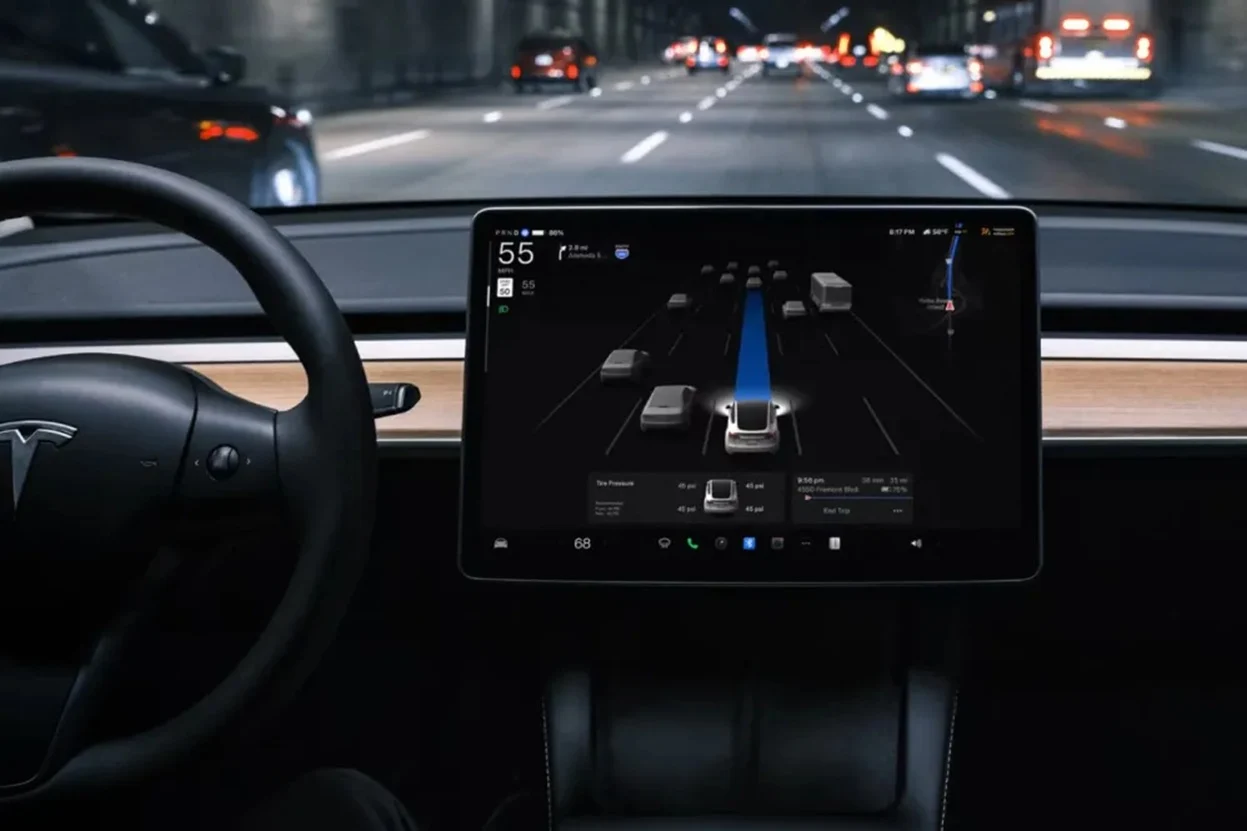
    In addition to the carbon fiber interior details, the 2026 Performance Model Y is equipped with a brand new 16-inch touchscreen that offers Ultra HD resolution. The handling and comfort are optimized through an electronically controlled continuously variable damping suspension system with multiple modes, derived from the sporty Model 3 Performance, along with new bucket seats.

    As Tesla describes it, “heated and ventilated sport seats in the front row with enhanced bolstering and side cushions to support you during cornering, plus powered thigh cushion extenders for added comfort.”

    Anticipated Release in North America

    The 2026 Model Y Performance is expected to launch in North America around October. This timing coincides with the expiration of the federal tax credit of $7,500 available for new electric vehicle purchases.

    Currently, Model Y sales are robust as consumers hurry to buy before the tax credit expires. Tesla aims to have some compelling offerings for the final quarter of the year, and the Model Y Performance’s introduction in the US could be a strong sales driver.

    Although the September 30 deadline is approaching, it may be extended slightly since the IRS revised its regulations to include any down payment or trade-in initiation as a sale. Therefore, even if deliveries occur after September 30, buyers could still qualify for the tax credit. This situation might extend until mid-October, making a US release for the Model Y Performance after that date quite likely.

    Source:
    Link


  • Dreame Launches Fastest Luxury Car with 200,000 RPM Motors

    Dreame Launches Fastest Luxury Car with 200,000 RPM Motors

    Key Takeaways

    1. BYD’s U9 supercar features a 32,000 rpm electric motor, making it the fastest electric vehicle globally.
    2. Dreame has developed a certified 200,000 rpm motor, claiming it as the world’s first high-speed digital motor.
    3. Dreame aims to create the fastest electric vehicle, competing in the ultra-luxury segment like the Bugatti Veyron.
    4. The fastest electric car is set to launch in 2027, utilizing Dreame’s advanced motor technology and AI integration.
    5. Dreame’s vision includes an emotionally aware ecosystem connecting smart homes, vehicles, and mobile devices.


    While BYD showcases its impressive 32,000 rpm electric motor that enabled the U9 supercar to claim the title of the fastest electric vehicle globally, Dreame, known for its robotic vacuums and lawnmowers, has revealed plans to surpass this feat using its certified 200,000 rpm motor technology.

    New Milestone in Motor Technology

    This innovative motor has recently received certification from Frost & Sullivan as the “world’s 1st 200,000RPM high-speed digital motor.” It is currently being utilized in Dreame’s premium X50 Ultra robotic vacuums. This significant engineering milestone has given Dreame the confidence to advance its long-term electric vehicle production ambitions.

    Ambitious Plans for the Future

    Similar to Xiaomi’s foray into the electric vehicle market, Dreame, which holds the title of Asia’s top vacuum manufacturer, has formed a research and development team consisting of over a thousand engineers. Their aim is to create the fastest electric vehicle in the world, targeting the ultra-luxury segment akin to the Bugatti Veyron.

    The reigning champion for the fastest production car is the Bugatti Chiron Super Sport 300+, which recorded an official top speed of 304.77 mph (490.48 km/h) a few years ago. With BYD inching closer to that record with its 32,000+ rpm quad-motor U9, which reached 293 mph at Germany’s ATP test circuit on August 8, Dreame’s ambitions are not completely far-fetched.

    A Vision for 2027

    Set to launch in 2027, the fastest electric car will incorporate Dreame’s 200,000 rpm motor technology within its powertrain while also utilizing its expertise in AI-driven home automation and communication. The intention is to create a seamless connection between the owner’s smart home, vehicle, and mobile devices for a more user-friendly experience, including tailoring voice interactions with the car’s AI assistant based on the driver’s emotional state.

    It is yet unclear if Dreame can achieve its goals of an emotionally aware ecosystem by 2028, but the engineering behind its hyper electric vehicle appears attainable, thanks to its patented high-speed electric motors.

    Source:
    Link


  • MIT’s Recyclable Solid-State Batteries Could Clean Up EVs

    MIT’s Recyclable Solid-State Batteries Could Clean Up EVs

    Key Takeaways

    1. MIT researchers developed a self-assembling solid-state electrolyte that disintegrates in organic solvents, aiding battery recycling.
    2. The new electrolyte forms ion-conducting nanoribbons when exposed to water, improving battery performance.
    3. Batteries can be easily recycled by immersing them in solvents, allowing for quick disassembly of components.
    4. The research emphasizes designing batteries with recyclability in mind, contrasting with traditional methods focused solely on performance.
    5. The new technology aims to promote a circular economy for batteries, reducing the need for new material extraction.


    A group of researchers from MIT has come up with a groundbreaking self-assembling electrolyte for batteries, which could be a solution to the growing electronic waste issue caused by the rise of electric vehicles. They invented a unique type of solid-state electrolyte that rapidly disintegrates when placed in an “organic solvent.” This feature makes it easy to recycle valuable materials.

    A New Era in Battery Design

    This discovery, shared in the journal Nature Chemistry, might lead to significant changes in battery technology. The electrolyte is crafted from molecules that have a chemical structure akin to Kevlar. When these molecules come into contact with water, they spontaneously rearrange themselves, creating millions of robust, ion-conducting nanoribbons that can be hot-pressed into a solid form. This solid electrolyte acts as a bridge, connecting a battery’s positive and negative electrodes.

    Simplifying Battery Recycling

    When a battery reaches the end of its life, it can simply be immersed in an organic solvent. The electrolyte dissolves within minutes — a process likened by the lead author to cotton candy melting in water — leading to the disintegration of the battery and making it easy to recycle its parts.

    A Fresh Perspective on Battery Materials

    Historically, the battery industry has concentrated on creating high-performance materials and designs, often delaying considerations of how to recycle batteries built with intricate structures and difficult-to-recycle materials. Our strategy is to begin with materials that are easy to recycle and then determine how to make them suitable for batteries. This method of designing batteries with recyclability in mind from the start is a novel concept. — Yukio Cho, lead author of the study.

    The team has successfully created a functioning solid-state battery utilizing their new electrolyte, although its performance is lower than that of “gold-standard commercial batteries.” The researchers believe this could encourage the creation of a circular economy for batteries, which would lessen the need for ongoing extraction of new materials.

    Source:
    Link


  • Tesla FSD Price Increase with Free Trial for Australia and NZ Launch

    Tesla FSD Price Increase with Free Trial for Australia and NZ Launch

    Key Takeaways

    1. Tesla announced the launch of Full Self-Driving (FSD) features for right-hand drive regions in Australia on August 29.
    2. Initial reviews of FSD 13 have been given to select lifestyle writers and automotive influencers, while regular owners will have to wait for the update.
    3. Only HW4 vehicles, like the Model 3 and Model Y facelifts, will receive the FSD update, with potential future access for HW3 vehicles.
    4. The price for FSD in Australia increased from $AU8,100 to $AU10,100, with no compensation offered to early buyers.
    5. Tesla is offering a 30-day free trial for FSD in Australia and New Zealand, after which customers can purchase the feature at the new price.


    Tesla hinted at a major announcement for its customers in Australia set for August 29, and indeed, when that date arrived, the news was about the launch of the first Full Self-Driving (FSD) feature in right-hand drive regions.

    Exciting Developments

    For several months, the car company has been sharing videos of FSD rides from Australia, eagerly awaiting necessary regulatory approval, which seems to have been granted. Tesla stated that the first FSD RHD release is “coming incredibly soon.”

    Reviews and Updates

    The initial reviews of FSD 13 in Australia were given to both lifestyle writers and various automotive influencers. However, regular Tesla owners in Australia will have to wait a bit longer to receive the Full Self-Driving (Supervised) update.

    Currently, only HW4 vehicles, including the Model 3 and Model Y facelifts, will receive the FSD update in Australia and New Zealand. Tesla has also suggested that HW3 vehicles might eventually gain access to the autonomous driving software.

    Price Changes and Trials

    Tesla considered offering some sort of compensation to Australian customers who bought FSD years ago and have been waiting for its release. Sadly, the compensation comes in the form of a price hike for FSD in Australia, rising from $AU8,100 to $AU10,100, which is quite a jump.

    To promote the FSD launch in Australia and New Zealand, Tesla is providing a 30-day free trial, similar to what they do in the United States.

    After the trial, if Australian Tesla owners are happy with the FSD experience, they can choose to purchase the Full Self-Driving (Supervised) option at the new higher price. Currently, there is no subscription fee for FSD, meaning that direct purchase is the only way to access FSD in Australia for the time being.

    Source:
    Link


  • 2026 Porsche Macan Electric Revealed: Smart Tech & Gaming Features

    2026 Porsche Macan Electric Revealed: Smart Tech & Gaming Features

    Key Takeaways

    1. Introduction of the Porsche Digital Key for remote vehicle management via smartphone or smartwatch.
    2. In-car entertainment features include gaming with AirConsole and support for music and video streaming.
    3. Optional 3D Surround View for a 360-degree exterior perspective and an improved AI voice assistant.
    4. Enhanced self-parking capabilities with Reverse Assist and exterior cameras for obstacle detection.
    5. Increased towing capacity of 5,500 lbs for the all-wheel-drive version, with a starting price of $78,000.


    Porsche has unveiled the 2026 version of the Macan EV, boasting numerous enhancements compared to the previous model, which the company claims elevates the ownership experience to “a new level.”

    New Features

    The latest electric Porsche Macan now comes with a digital key fob, akin to those used in Teslas, called the Porsche Digital Key. This feature allows owners to manage their vehicle remotely using their smartphone or smartwatch, including functions such as locking and unlocking the doors.

    In-Car Entertainment

    Additionally, this update includes a gaming feature similar to Tesla’s: in-car gaming. With AirConsole, passengers can enjoy video games while the car is parked or charging, featuring games from companies like Gameloft and Obscure Interactive. The system also provides music and video streaming options, along with support for third-party apps.

    Enhanced Viewing and Assistance

    Buyers now have the option to upgrade to 3D Surround View, which gives a 360-degree perspective of the SUV’s exterior. Moreover, the AI voice assistant has been improved to manage more complex questions and commands.

    According to Porsche, the 2026 Macan Electric can learn to park itself in designated spots specified by the owner. It is also capable of reversing into a garage or workspace due to the Reverse Assist feature. Drivers will benefit from exterior cameras that show obstacles that may be out of their line of sight on the central display.

    Increased Towing Capacity

    The newest Porsche model can tow a heavier load, reaching a maximum capacity of 5,500 lbs for the all-wheel-drive version.

    Porsche has started taking orders for the 2026 model at a base price of $78,000, with deliveries in the United States expected to begin in the spring of 2026.

    Source:
    Link


  • Tesla Reveals Model Y Performance Release Date in New Teaser

    Tesla Reveals Model Y Performance Release Date in New Teaser

    Key Takeaways

    1. Tesla is teasing the 2026 Model Y Performance trim, hinting at a sports version with a teaser image featuring reflections and a spoiler.
    2. The Model Y Performance has been spotted testing at the Nürburgring racetrack and on public roads in Europe.
    3. The teaser suggests an August 29 release date, with potential news from Tesla in Australia around the same time.
    4. Tesla may launch the Model Y Performance in Europe first to boost sales before the expiration of US federal tax credits.
    5. The new Model Y Performance is expected to have significant upgrades, including a 510 HP powertrain, improved aerodynamics, and a 0 to 60 mph acceleration time of just over three seconds.


    Tesla might be getting ready to unveil the much-anticipated 2026 Model Y Performance trim before the deadline for federal tax credits runs out.

    They shared a teaser with the words “spoiler alert,” showing reflections cascading down the back of a car, culminating at what seems to be a spoiler. This hints that a sports or Performance version could be on the way.

    Testing in Europe

    The Model Y Performance has already been seen undergoing tests at the famous Nürburgring racetrack and on various public streets across Europe.

    Interestingly, the teaser for the Model Y Performance was shared from Tesla’s European social media account. This suggests that the most powerful Model Y to date might hit the European market first.

    Release Date Speculations

    In the “Spoiler alert” teaser, Tesla showcases light reflections on a shiny new vehicle painted in a vibrant red. It concludes by hinting at August 29 as a possible release date for the Model Y Performance.

    The last Friday of this month could also bring other important news from Tesla, as they are reportedly getting ready to introduce something new in Australia. Local news outlets speculate that this could be the long-awaited launch of Full Self-Driving (FSD) in that region.

    If Tesla does choose to launch the Model Y Performance in Europe first, it may be holding off the US release until after the tax credit expires to boost demand once the government incentives are no longer available. Europe has been Tesla’s weakest market this year, likely due to Elon Musk’s political activities, so it makes sense to create some buzz about their cars during a quarter that looks promising for sales in the US and China, where Tesla just introduced a larger six-seater Model Y L.

    Performance Expectations

    The Model Y Performance is anticipated to outperform its predecessor, offering a longer driving range per charge due to upgrades in aerodynamics and efficiency with the 2026 Juniper refresh. The new Model Y Performance is expected to feature the 510 HP powertrain from the Model 3 Performance, allowing it to accelerate from 0 to 60 mph in a little over three seconds.

    Source:
    Link


  • Flying Electric Car Alef Model A Starts Testing at US Airports

    Flying Electric Car Alef Model A Starts Testing at US Airports

    Key Takeaways

    1. Alef Aeronautics has launched the Model A, a flying electric car capable of operating on both roads and in the air.
    2. The Model A has a driving range of 320 km (200 miles) and a flying range of 180 km (110 miles), with speeds of 180 km/h (110 mph) in the air and 56 km/h (35 mph) on the ground.
    3. The FAA has granted a Special Airworthiness Certification for test flights, and testing will begin at Half Moon Bay and Hollister airports.
    4. The estimated price for the Model A is around $300,000, with pre-orders starting at $150 and a priority delivery option for $1,500.
    5. Over 3,300 pre-orders have been received, indicating strong market interest and potential for transforming urban transportation.


    Alef Aeronautics has recently introduced the Model A, a groundbreaking flying electric car that can function both on roads and in the air. As reported by KTVU Fox 2, the company has reached agreements with the airports of Half Moon Bay and Hollister to start testing operations. In 2023, the FAA issued a Special Airworthiness Certification, which officially permits test flights.

    Specifications and Performance

    The Model A boasts an impressive range of up to 320 km (200 miles) when driving and about 180 km (110 miles) when flying. Its maximum speed is 180 km/h (110 mph) in the air and close to 56 km/h (35 mph) on the ground. Being a fully electric vehicle, it incorporates parts from PUCARA Aero and MYC, which are also suppliers for major companies like Airbus and Boeing. Its vertical takeoff and landing capability allows it to function without needing a runway.

    Testing and Availability

    Before the commercial version of Model A enters production, Alef will first test the lightweight Model Zero. While the vehicle can navigate public streets, it still needs approval from the NHTSA. The estimated price tag is about $300,000. Pre-orders are currently available through Alef Aeronautics for just $150, with a priority delivery option available for $1,500.

    Market Interest

    Compared to earlier concept models, the Model A shows real-world practicality. Alef Aeronautics highlights that more than 3,300 pre-orders indicate strong interest in the vehicle. In the future, this flying electric car could revolutionize urban transport by seamlessly integrating both road and air travel.

    Source:
    Link