Tag: EV Market

  • Tesla’s EU Market Share Drops as BYD and SAIC Take Lead

    Tesla’s EU Market Share Drops as BYD and SAIC Take Lead

    Key Takeaways

    1. Tesla’s vehicle registrations in Europe fell by 42% in July 2025, with only 6,600 new registrations.
    2. Chinese EV manufacturers BYD and SAIC surpassed Tesla in new car registrations for the first time.
    3. Total new vehicle registrations in the EU grew by 7.4% in July 2025, despite Tesla’s decline.
    4. Hybrids make up 34.7% and electric vehicles account for 15.6% of the EU market share.
    5. Tesla may continue losing market share unless it adjusts prices and expands its model range amid increasing competition.


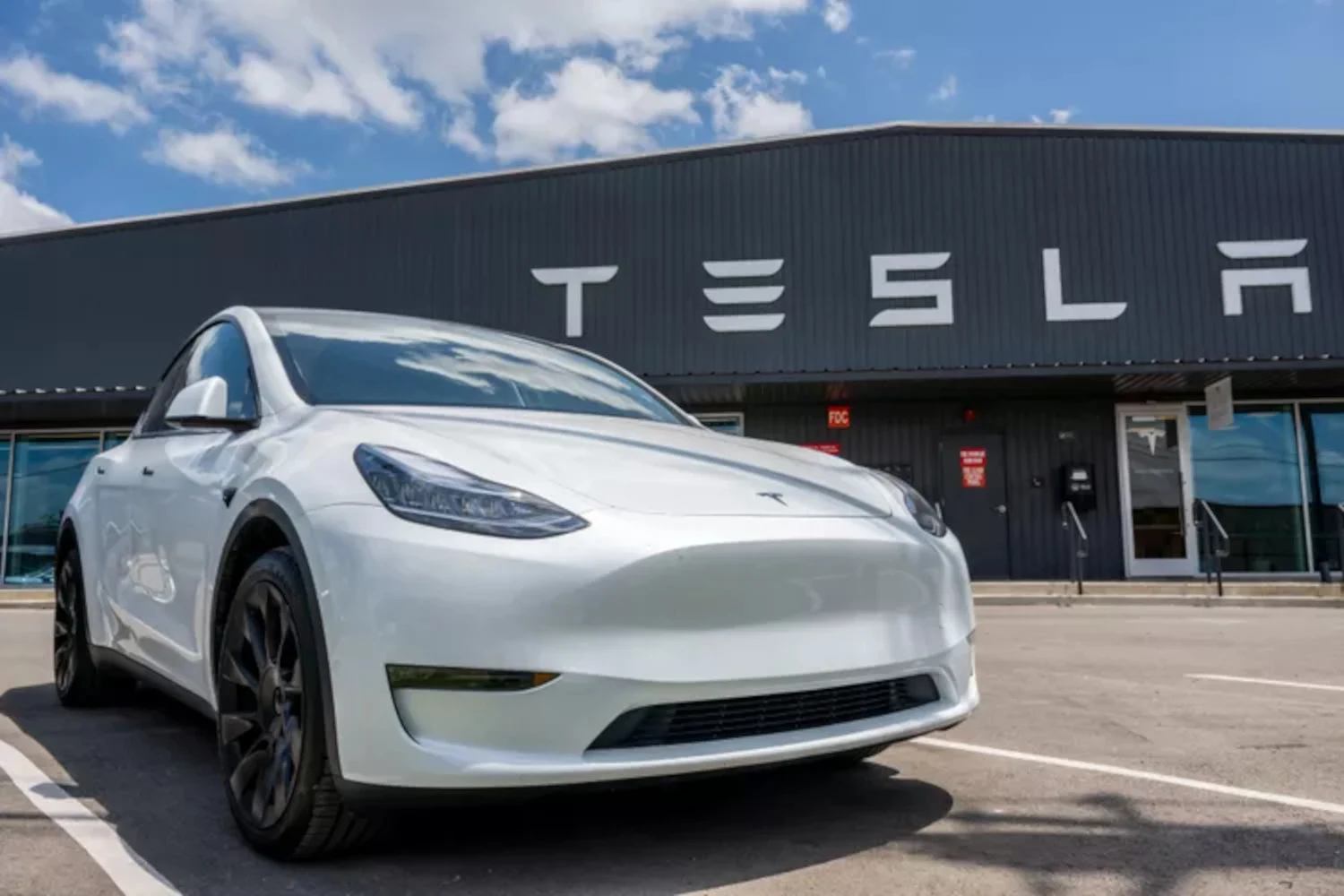
    Tesla’s market share in Europe has seen a drastic fall, with only 6,600 new vehicle registrations reported in July 2025, marking a 42% drop compared to the same month in the previous year, according to ACEA. This decline in market presence is compounded by the fact that two Chinese EV manufacturers have now outperformed Tesla in the European sales rankings.

    Rising Competitors

    In a recent report, Reuters highlighted BYD’s remarkable success, as it managed to triple its number of new car registrations in the EU, reaching 9,698, thus surpassing Tesla for the first time. Additionally, SAIC, which owns the MG brand, also reported higher sales than the American carmaker during the same timeframe. It’s worth noting that Tesla has not only been overtaken by major rivals but also by smaller Chinese companies.

    Market Insights

    ACEA’s data indicates that July 2025 experienced a year-over-year growth of about 7.4% in total new vehicle registrations throughout the EU, which helped counterbalance the decline seen in June. However, overall sales figures for the year are still slightly below last year’s numbers. Volkswagen has emerged as the leading German automaker, with BMW and Mercedes-Benz also recording positive growth. Hybrids are increasingly popular, making up 34.7% of the market, while electric vehicles account for 15.6% of the market share.

    Tesla’s significant drop in registrations points to increasing challenges in the European market as Chinese brands offer more competitively priced models and are gaining recognition. If Tesla does not make necessary price changes and expand its model range, it risks further losing market share. Moreover, the company’s future remains uncertain due to potential political impacts, especially with the EU’s intentions to lower CO₂ emissions by 2030 and eliminate sales of combustion engine vehicles by 2035.

    Source:
    Link


  • Ford to Introduce “Retail Replenishment Centres” in a Strategy Resembling General Motors’

    Ford to Introduce “Retail Replenishment Centres” in a Strategy Resembling General Motors’

    Ford Introduces Retail Replenishment Centers to Improve EV Distribution

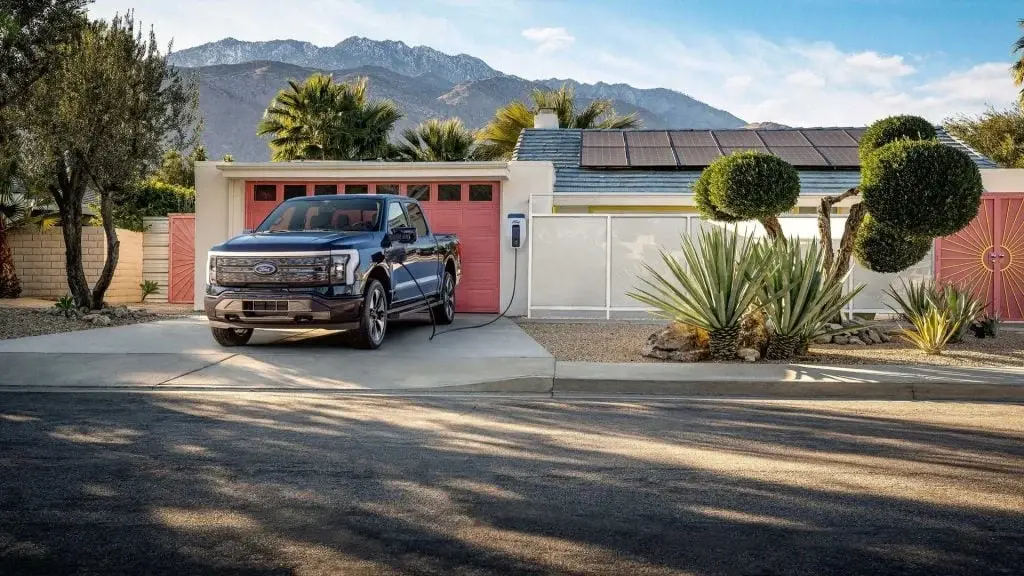
    In response to challenges faced in the EV market, Ford has announced its plans to establish “retail replenishment centers.” This strategic initiative aims to alleviate the burden on Ford’s dealerships and enhance the overall customer experience.

    Streamlining Inventory Management

    By implementing these retail replenishment centers, Ford aims to reduce the inventory that each dealer needs to carry. This reduction in inventory will not only help cut costs but also expedite the delivery of EVs to customers. It is important to note that these centers are not mere storage facilities; they have been specifically designed to optimize the distribution process. While the exact details regarding the operations and locations of these centers have not been disclosed, it is expected that they will be situated in close proximity to dealerships for maximum efficiency.

    Benefits for Certified Elite Dealers

    The concept of retail replenishment centers is particularly advantageous for Ford’s Certified Elite dealers. These dealers will be able to maintain a limited stock for customer test drives, relying on the replenishment centers for additional inventory. This system promises faster delivery times for customers and a more cost-effective inventory model for dealers.

    Ford’s adoption of retail replenishment centers mirrors a trend seen in other automotive giants like General Motors. General Motors has already established centralized EV fulfillment centers, showcasing a broader industry move towards more efficient and consumer-friendly distribution models.

    Overall, Ford’s introduction of retail replenishment centers represents a strategic shift in inventory management. By streamlining the distribution process and reducing the burden on dealerships, Ford aims to improve the accessibility and availability of its EVs for customers while also benefiting its dealers. The specifics of these centers’ operations and locations are still under wraps, but their implementation is expected to bring about positive changes in the EV market.

  • Receive a Free Charger and Installation Credit from Rivian with R1T Purchase

    Receive a Free Charger and Installation Credit from Rivian with R1T Purchase

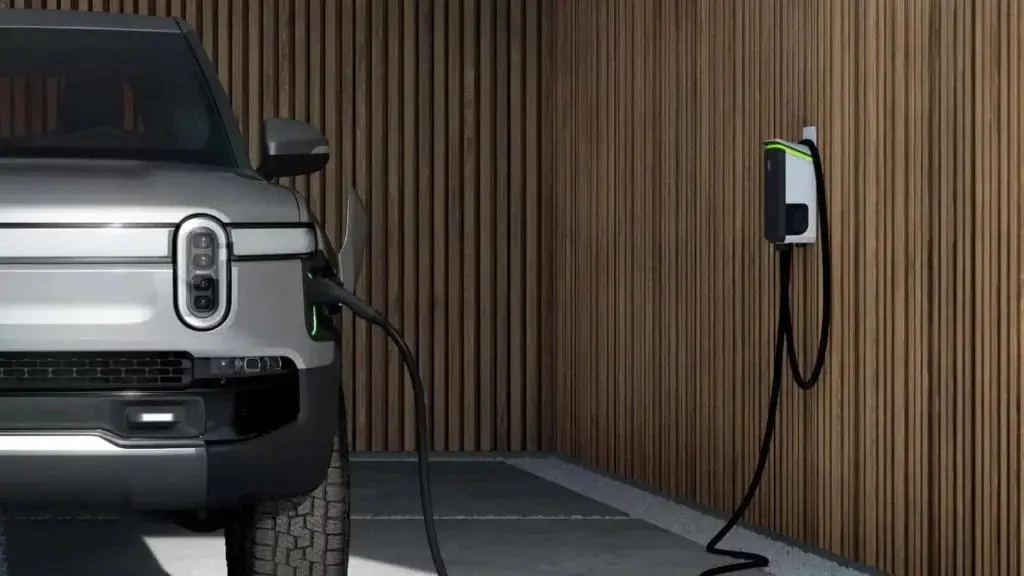
    Rivian Offers Free Level 2 Charger and Installation Credit for R1T Electric Pickup Truck

    Rivian, an emerging player in the electric vehicle (EV) industry, is enticing customers with a new offer for its R1T electric pickup truck. In an effort to boost sales and attract buyers, the company is providing a free Level 2 wall charger, along with a $2,000 installation credit, to customers who purchase a ready-to-ship R1T from their inventory. This move not only demonstrates Rivian’s dedication to enhancing customer experience but also aligns with the growing trend in the EV market to offer added value through incentives.

    Faster Delivery with Added Benefits

    The offer is exclusively available for Rivian’s R1T models that are immediately available for delivery and is valid until the end of the year. This approach is particularly appealing to customers who wish to avoid the longer wait times typically associated with custom-ordered vehicles. While a custom-built R1T usually takes around four months to deliver, vehicles from Rivian’s inventory can be obtained much more quickly, sometimes within a week.

    Value-Packed Incentives

    The free charger provided by Rivian, which is normally priced at $800, is capable of delivering up to 11.5 kilowatts of power. This level of efficiency is significant for R1T owners as it allows them to charge their vehicles at a rate of up to 25 miles per hour of charging. Furthermore, the $2,000 installation credit, facilitated through Rivian’s partner Qmerit, covers a substantial portion of the installation costs. However, customers will be responsible for any expenses that exceed this amount.

    Following a Growing Trend

    Rivian’s strategy is not unique within the EV industry. Earlier this year, Hyundai introduced a similar promotion for its EV models, offering a free Level 2 charger and an installation credit, albeit on a smaller scale. Such tactics are becoming increasingly common as EV manufacturers strive to differentiate themselves in a highly competitive market.

    In conclusion, Rivian is making a bold move to entice customers by offering a free Level 2 wall charger and a $2,000 installation credit for their R1T electric pickup truck. This not only demonstrates Rivian’s commitment to enhancing customer experience but also aligns with the industry trend of providing added value through incentives. With faster delivery and value-packed benefits, customers have an enticing offer to consider.

    Source: 1, 2