Key Takeaways
1. Electric cars produce emissions from tires and brakes, despite having no exhaust gases.
2. Fast-charging stations are temporary pollution hotspots, with PM2.5 levels significantly higher than the city average.
3. Dust particles at charging stations contain high levels of barium, copper, and zinc, linked to brake and tire wear.
4. Consumers are advised to stay inside their vehicles and use air conditioning during fast charging to minimize exposure.
5. Installing air filters in charging station cabinets could reduce harmful particle exposure over time.
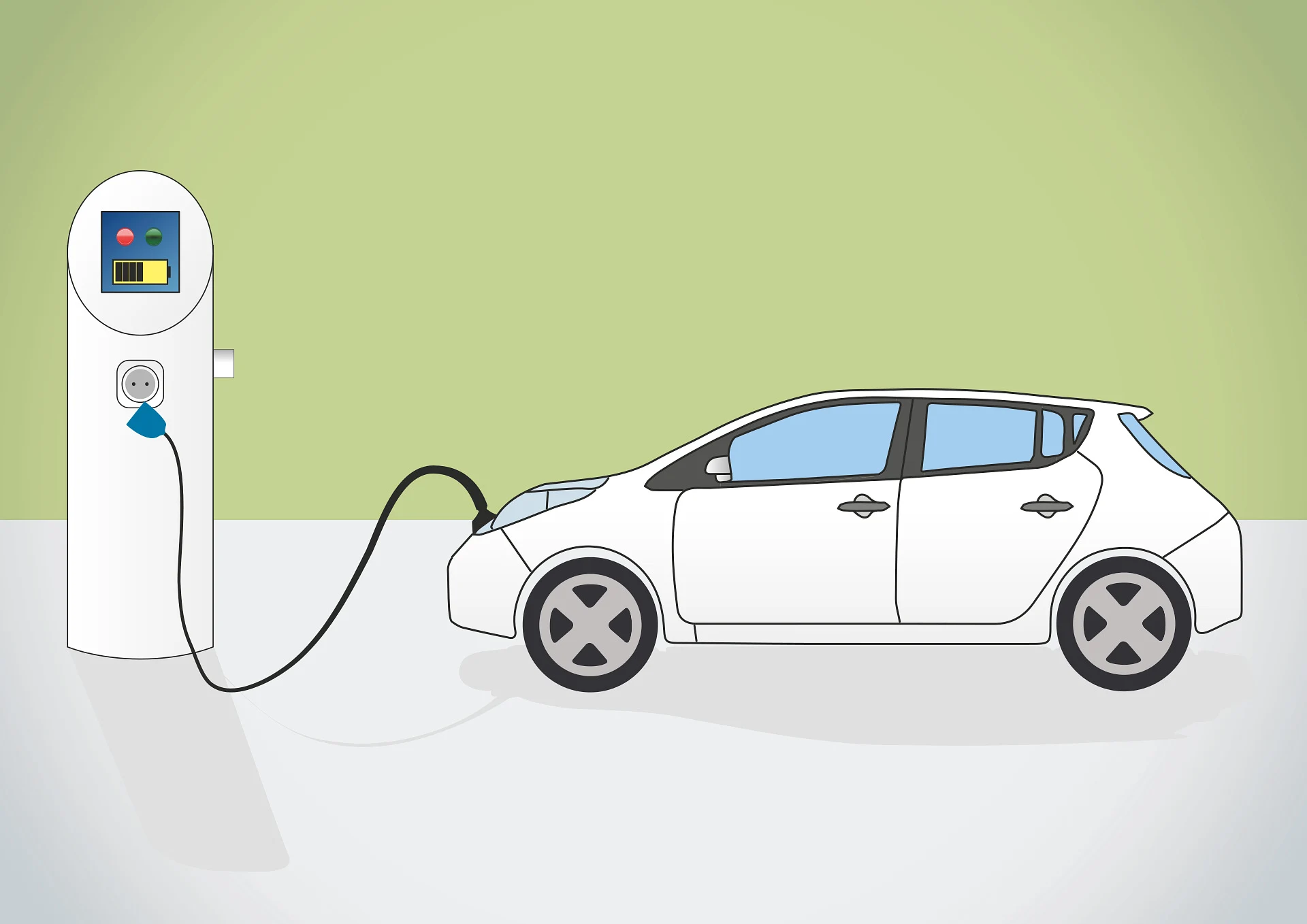
While electric cars don’t emit exhaust gases, their tires and brakes still release emissions as tiny particles. A recent study from UCLA, shared on UCLA Newsroom, indicates that fast-charging stations are temporary pollution hotspots.
Pollution Levels at Charging Stations
In a test of 50 DC fast-charging stations in Los Angeles, the PM2.5 levels were found to be between 7.3 to 39 μg/m³, which is two times higher than the city’s average of 3.6–12.4 μg/m³. The maximum levels recorded hit 200 μg/m³, contrasting with much lower levels found at gas stations and busy roadways.
Sources of Emissions
The study revealed that fans in the electric cabinets, which change alternating current to direct current for DC chargers, kick up dust particles. Analysis showed that these particles contained high amounts of barium, copper, and zinc, which are commonly associated with brake and tire wear. The researchers dismissed other pollution sources, like diesel engines.
Recommendations for Consumers
Yifang Zhu, a researcher from UCLA, recommends that people stay inside their vehicles while fast charging and to either use air conditioning or maintain some distance. For long-term solutions, implementing air filters in the electrical cabinets could greatly lessen exposure. The expert highlights that “there is no safe level of fine dust when it comes to inhalation.”
Source:
Link