
Key Takeaways
1. Daily inhalation of microplastic particles averages 71,200, with 68,000 being smaller than 10 micrometers.
2. Advanced research tools can now detect microplastics as small as one micrometer, improving our understanding of air quality.
3. Common household items, like furniture and carpets, contribute to the release of harmful microplastic particles.
4. Microplastics can lead to serious health issues, including respiratory problems and increased cancer risk.
5. There is a need to revise air quality standards and improve materials and filtration systems to protect public health.
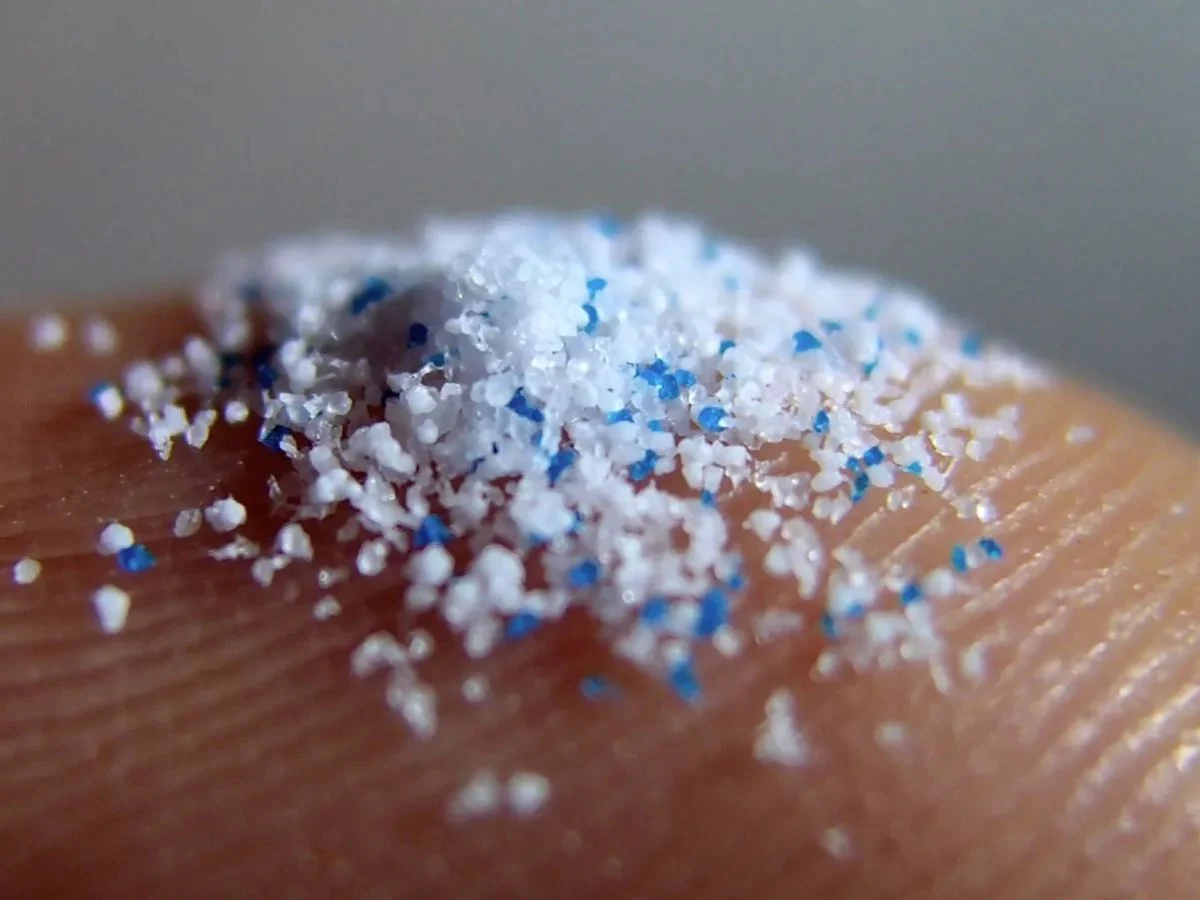
The home is usually a place where we feel secure. Nonetheless, there’s a threat we encounter every day, inhaling more than 71,000 times daily: microplastic particles.
Research Insights
To understand the scale of this issue, a group of researchers from Toulouse, France, carried out a study using various tools. They employed Raman spectroscopy, advanced microbiology, and multiple automatic counting systems. The main benefit of using these tools together is their capability to identify particles as small as one micrometer, unlike earlier studies that could only find particles larger than 20 micrometers.
Daily Exposure
Nadiia Yakovenko, who is a researcher at the University of Toulouse, stated that we inhale an average of 71,200 microplastic particles each day. Of these, 3,200 are between 10 and 300 micrometers, while 68,000 fall within the range of 1 to 10 micrometers. Although these figures are remarkable and surprising, there are several explanations for them.
Sources of Microplastics
The furniture in your home is always shedding particles due to everyday friction. If you have carpet, it contributes to the presence of tiny synthetic fibers in your indoor air. It’s important to note that even inside your car, you are not safe from these particles. The heat causes ongoing degradation of the dashboard and materials like those found in car seats. Essentially, each daily action releases a considerable quantity of particles invisible to the eye, some containing harmful chemicals.
Health Implications
Consequently, this can lead to serious health issues, including chronic respiratory problems, disruption of the endocrine system, and an elevated risk of developing cancer. Thus, it is crucial to revise the current air quality standards. Implementing measures regarding the materials used to make furniture and improving air filtration systems could help safeguard everyone’s health, whether at home or while commuting to work.
Source:
Link
Leave a Reply