Tag: EV production

  • Rivian R2 Seen at Tesla Supercharger with NACS Port Ahead of 2026

    Rivian R2 Seen at Tesla Supercharger with NACS Port Ahead of 2026

    Key Takeaways

    1. The Rivian R2 SUV will feature a native NACS charging port, allowing direct use of Tesla Superchargers without an adapter.
    2. Production of the R2 is scheduled to begin in the first half of 2026, with an estimated starting price of around $45,000.
    3. The R2 is designed to be more affordable for a wider audience compared to the pricier R1T and R1S models.
    4. Rivian plans to integrate NACS across all 2026 R1 models, enhancing charging convenience for users.
    5. A $5 billion manufacturing plant is under construction in Georgia, expected to open in 2028, supporting Rivian’s expansion.


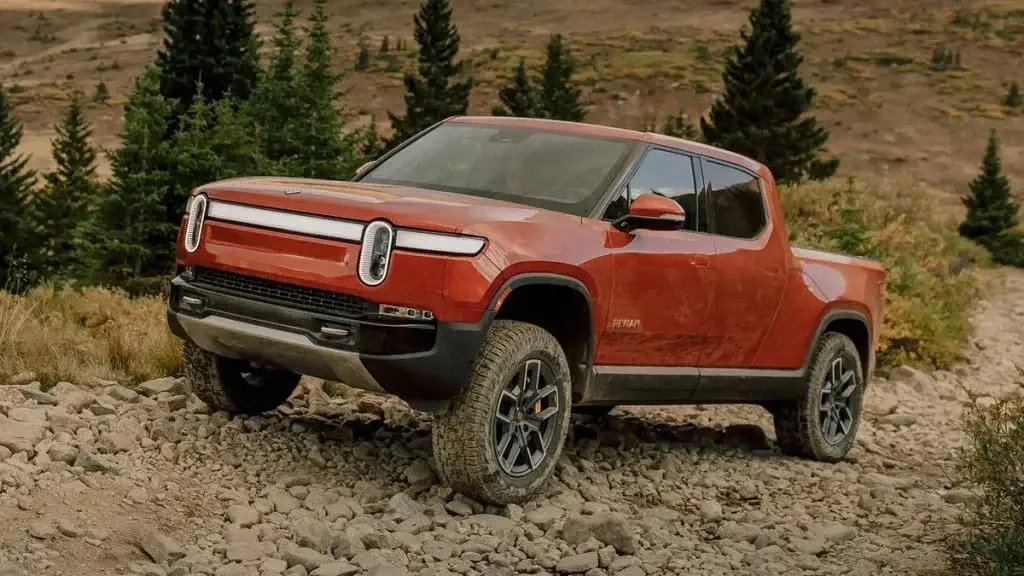
    A recent update on Rivian’s forthcoming R2 SUV has surfaced on X, courtesy of @RivianUpdates and credited to @Chrisediting. The new images showcase that the R2 features a native NACS charging port positioned on the rear driver’s side, mirroring the setup seen in Tesla vehicles. This indicates that the R2 will have the capability to utilize Tesla Superchargers directly, eliminating the necessity for an adapter.

    Production Timeline and Pricing

    The production of the SUV is set to kick off in the first half of 2026, with a starting price around $45,000. The EV manufacturer aims to design the R2 for a wider audience compared to the pricier R1T truck and R1S SUV.

    As per the company’s production schedule, the installation of equipment is expected to commence in the third quarter of 2025, which will be followed by a phase of testing and validation.

    NACS Adoption for Rivian

    Up until now, R1 owners had to use NACS-to-CCS adapters to access Tesla’s Superchargers, making this the inaugural Rivian model caught with an integrated NACS port.

    Financial analyst Andres Sheppard from Cantor Fitzgerald pointed out that the R2 is projected to have production costs that are less than half of those for the R1 series. Nevertheless, although Rivian aims for a base price of $45,000 for the entry-level model, it might launch with a higher-end variant first, similar to the approach taken by Lucid with their Gravity SUV.

    Future Plans and Charging Options

    Rivian is also fully committing to NACS integration. In July 2024, the firm declared that every 2026 R1 model will be equipped with native NACS ports, while Quad-Motor R1s will include a free CCS adaptor. Supercharger sites will be integrated into Rivian’s navigation system, providing information about charging speeds and availability. Drivers will enjoy seamless charging with automatic billing, akin to what Tesla users experience.

    Additionally, Rivian has recently started construction on a $5 billion manufacturing plant in Georgia, which is projected to open in 2028.

    Source:
    Link


  • Xiaomi Motors Enhances Supply Chain for Increased SU7 Production

    Xiaomi Motors Enhances Supply Chain for Increased SU7 Production

    According to recent reports, Xiaomi is facing challenges with “capacity bottlenecks” and supply chain issues in the production of its debut electric vehicle, the Xiaomi SU7. Despite encountering these obstacles, the company is actively working on resolving these concerns while also focusing on enhancing production efficiency.

    Xiaomi’s Efforts to Boost SU7 Production

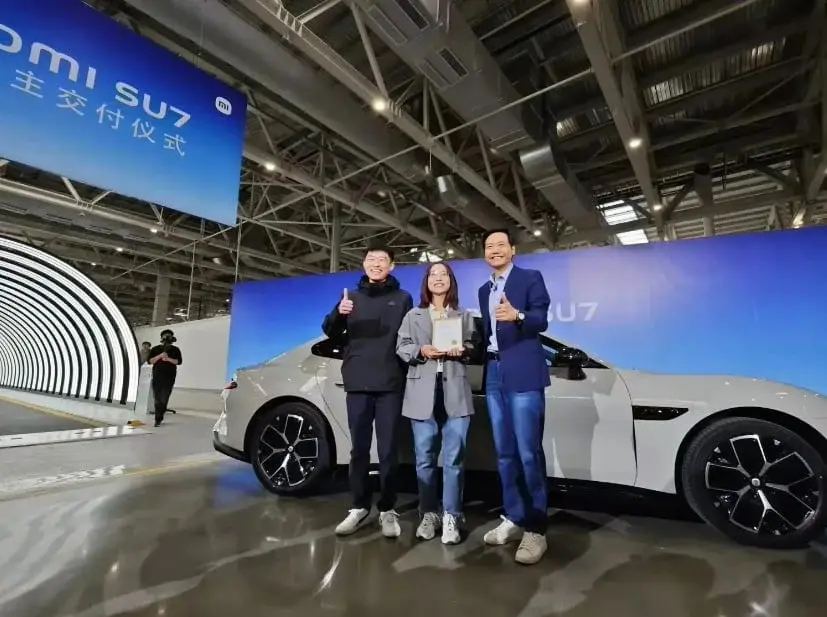
    On April 3, Xiaomi conducted the inaugural batch delivery event for the Xiaomi SU7 at one of its automobile manufacturing plants in Yizhuang, Beijing. The Chinese publication Securities Times highlighted that Xiaomi is intensifying efforts to enhance production capacity, engage supply chain partners effectively, and ensure timely delivery of current and future orders.

    Production Targets and Strategies

    Initial production projections suggest that monthly output is poised to exceed 3,000 vehicles in March, rise to around 4,000 to 5,000 units in April, and eventually stabilize at 6,000 vehicles by the end of the year. Xiaomi Motors has reportedly urged suppliers to enhance production capabilities to achieve a monthly total of 10,000 units.


    Xiaomi Motors Enhances Supply Chain for Increased SU7 Production

    Focus on High-End SU7 Models

    Particular attention is being directed towards scaling up production for the high-end Max version of the SU7. Sales figures for the SU7 range have surpassed initial expectations. Xiaomi’s CEO, Lei Jun, expressed optimism about the car’s success in December, acknowledging the potential variance in user preferences. However, the product’s reception has been positive thus far.

    During the recent delivery event in China, Lei Jun announced that over 100,000 individuals have already selected the Xiaomi EV. Xiaomi Motors has confirmed that they are currently facing a surge in demand, with orders exceeding their production capacity.

  • Q4 2023 Sees Rivian’s Record-Breaking EV Production and Innovation Surge

    Q4 2023 Sees Rivian’s Record-Breaking EV Production and Innovation Surge

    Rivian’s Impressive Production and Delivery Numbers for 2023

    Rivian has been making headlines with its impressive production and delivery numbers for the year 2023. The company, renowned for its innovative battery electric vehicles (BEVs), has shown remarkable growth, particularly in the fourth quarter of 2023.

    Record-Breaking Production Numbers

    In the fourth quarter alone, Rivian produced a record-breaking 17,541 BEVs at its Normal, Illinois facility. This number represents a significant 75% increase from the previous year. The achievement is not only significant for Rivian but also for the electric vehicle industry as a whole, highlighting the growing demand and capability for electric vehicle production.

    Stock Decline

    Despite the impressive production numbers, Rivian’s stock experienced a slight decline during this period.

    Implications for the Electric Vehicle Industry

    Rivian’s outstanding production and delivery numbers for 2023 are indicative of the increasing demand for electric vehicles. With the company’s innovative approach and commitment to sustainability, Rivian is paving the way for the future of the electric vehicle industry. The record-breaking production numbers demonstrate the company’s ability to meet this demand and further solidify its position as a leader in the market.

    Looking Ahead

    As Rivian continues to expand its production capabilities and deliver on its orders, the company is poised for further success in the coming years. With the global shift towards renewable energy and the growing concern for environmental sustainability, Rivian’s battery electric vehicles are well-positioned to meet the needs and preferences of consumers.

    Pricing and Specifications

    Pricing and specifications for Rivian’s BEVs can be found on their official website. Customers can choose from different models and customization options to suit their preferences and requirements.

    Conclusion

    Rivian’s impressive production and delivery numbers for 2023 showcase the company’s commitment to innovation and sustainability in the electric vehicle industry. With record-breaking production numbers and growing demand, Rivian is well-positioned for continued success in the coming years. The company’s achievements not only benefit Rivian but also contribute to the overall growth and development of the electric vehicle industry.

  • Decreased Demand Prompts Volkswagen to Reduce Electric Vehicle Production at Zwickau, Germany

    Decreased Demand Prompts Volkswagen to Reduce Electric Vehicle Production at Zwickau, Germany

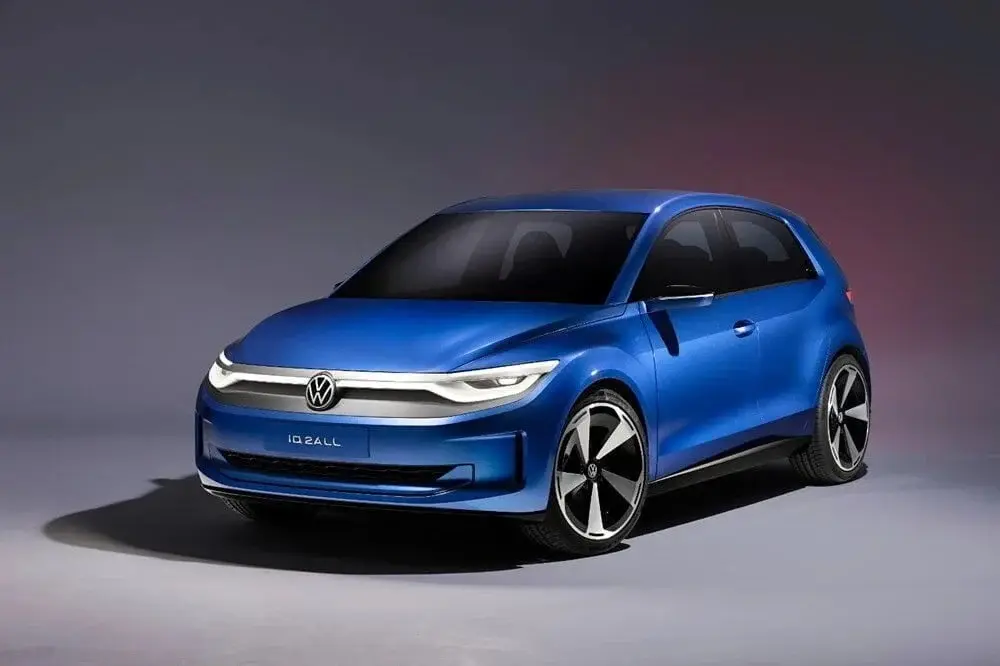
    Volkswagen, a renowned car manufacturer, is facing challenges at its largest electric vehicle (EV) plant in Zwickau, Germany. Due to weaker demand for certain EV models, the company has had to adjust its production strategies. This situation reflects broader trends in the EV market and raises questions about the future of electric mobility.

    Adjusting Production Strategies

    The Zwickau plant, pivotal in Volkswagen’s EV production, recently reduced its output. This decision was driven by a decline in demand for models like the Volkswagen ID.3 and Cupra Born. Additionally, the plant encountered supply issues for the new APP550 electric motors, causing a halt in the production of popular crossover/SUV models.

    Volatility in the EV Market

    This development is significant for a couple of reasons. First, it shows the volatility in the EV market. Consumer preferences can shift rapidly, and manufacturers must be agile to adapt. Volkswagen’s experience underlines the need for flexibility in production planning and the importance of closely monitoring market trends.

    Competitive Pressure from Other EV Manufacturers

    Second, the situation at Zwickau hints at the competitive pressure from other EV manufacturers. The rise of Tesla’s production in Europe, coupled with the influx of electric cars from China, is reshaping the landscape. Traditional car manufacturers like Volkswagen must innovate and possibly rethink their strategies to stay competitive.

    Commitment to Electric Mobility

    Despite these challenges, Volkswagen’s commitment to electric mobility is pretty impressive. The Zwickau plant’s reduced production is a temporary setback, not a defeat. It’s an opportunity for Volkswagen to reassess and realign its strategies with the evolving demands of the EV market. The company’s ability to navigate these changes will be crucial as it seeks to maintain its position as a leader in the transition to electric vehicles.