Key Takeaways
1. Panasonic plans to mass produce solid-state batteries starting next fiscal year, beginning with a pilot batch for customer evaluation.
2. The initial focus for solid-state battery applications will be on humanoid robots and drones, due to their higher energy density and safety features.
3. Solid-state batteries can achieve energy densities of up to 500 Wh/kg, surpassing current lithium-ion batteries.
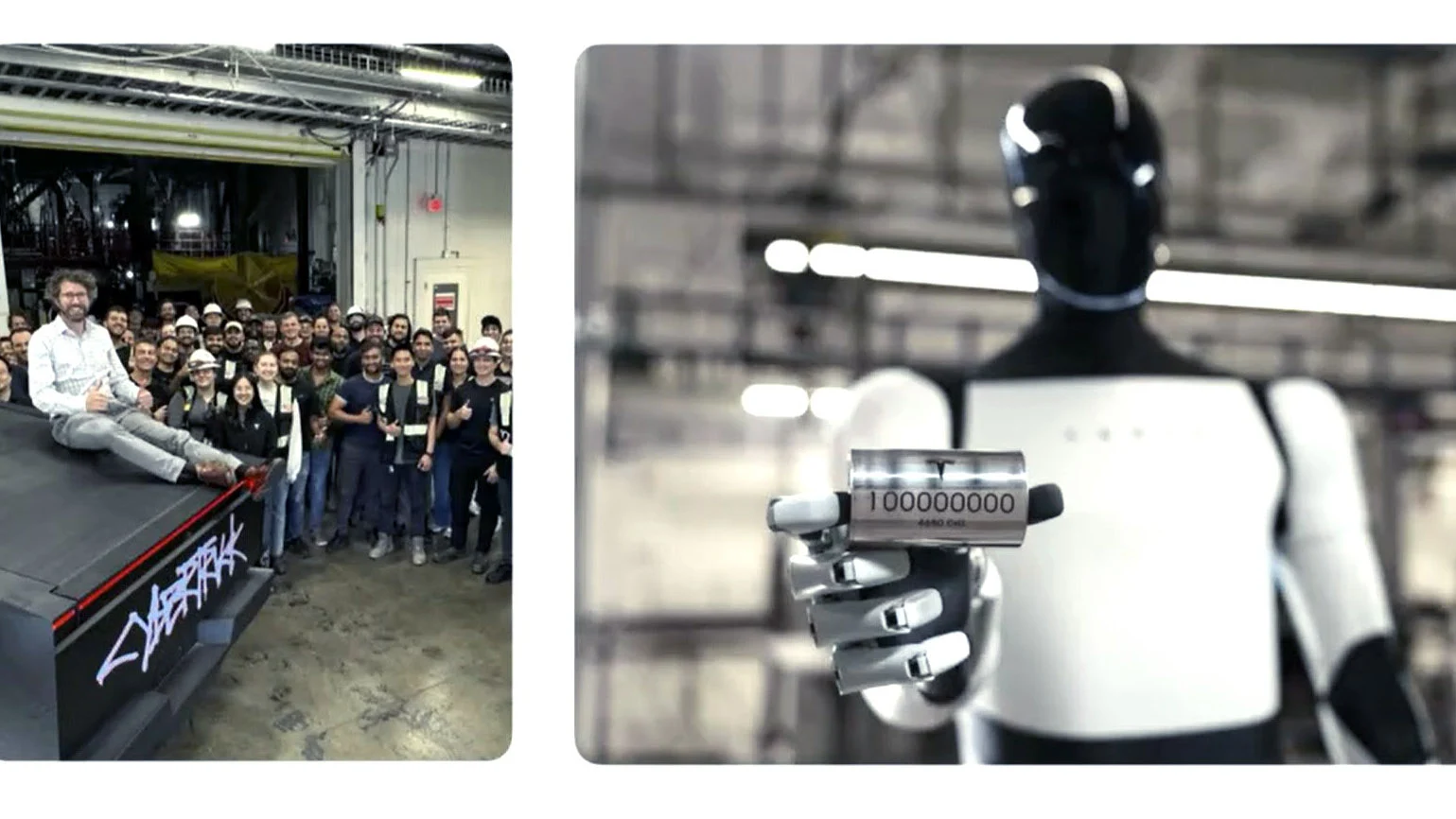
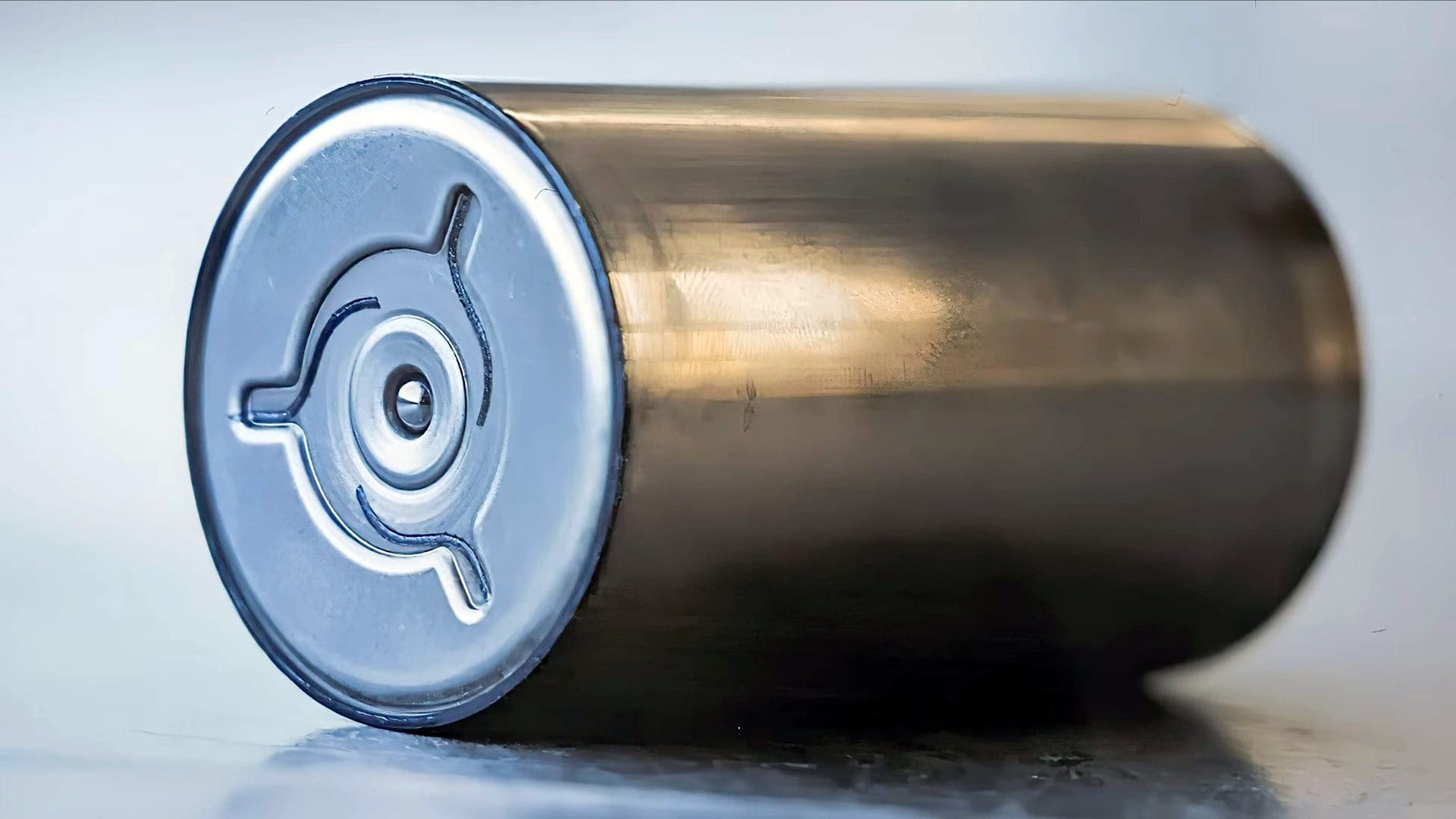
4. Panasonic is also set to begin mass production of the 4680 battery, which is crucial for Tesla’s production capabilities.
5. Tesla has made breakthroughs in 4680 cell production, prompting Panasonic to potentially develop improved cells for better charging times.
Panasonic is ready to invest significantly and will begin mass production of solid-state batteries in the upcoming fiscal year.
Production Plans
Shoichiro Watanabe, Panasonic Energy’s Chief Technology Officer, stated that the company will first produce a pilot batch of solid-state batteries. This initial batch will allow customers to assess the cost and reliability of these batteries over the next couple of years. Other key players in the solid-state battery market, such as Toyota, Samsung, and CATL, have also set 2027 as their target for achieving significant production levels for use in electric vehicles, drones, robots, and wearables.
Target Applications
Panasonic’s solid-state battery packs will initially focus on humanoid robots, like Tesla’s Optimus, as the company believes this technology is better suited for robotics and drones due to its higher manufacturing costs. Solid-state batteries can achieve energy densities of up to 500 Wh/kg, surpassing the capabilities of current lithium-ion batteries with liquid electrolytes, enabling them to deliver more energy in the same space.
These solid-state cells are also noted for being safer and able to endure higher temperatures, making them ideal for challenging environments where robots and drones might need to function. “Our goal is to penetrate the market by showcasing the potential of solid-state batteries,” Watanabe mentioned.
Future Developments
While Panasonic will kick off its solid-state battery pilot next year, it is also poised to begin mass production of the 4680 battery shortly, as Watanabe reported.
Currently, Panasonic produces 2170 cells for Tesla’s Model Y and other vehicles in the United States. Elon Musk has been urging Panasonic to expedite the development of the 4680 batteries to enhance Tesla’s production capabilities at Giga Texas.
Tesla nearly abandoned its efforts on 4680 cell production due to manufacturing costs being higher than those of suppliers like Panasonic or LG. However, after announcing a breakthrough in dry cathode production methods, Tesla has not only remained competitive but is also looking to expand 4680 battery production for its current and future vehicle lineup, seemingly with some assistance from Panasonic.
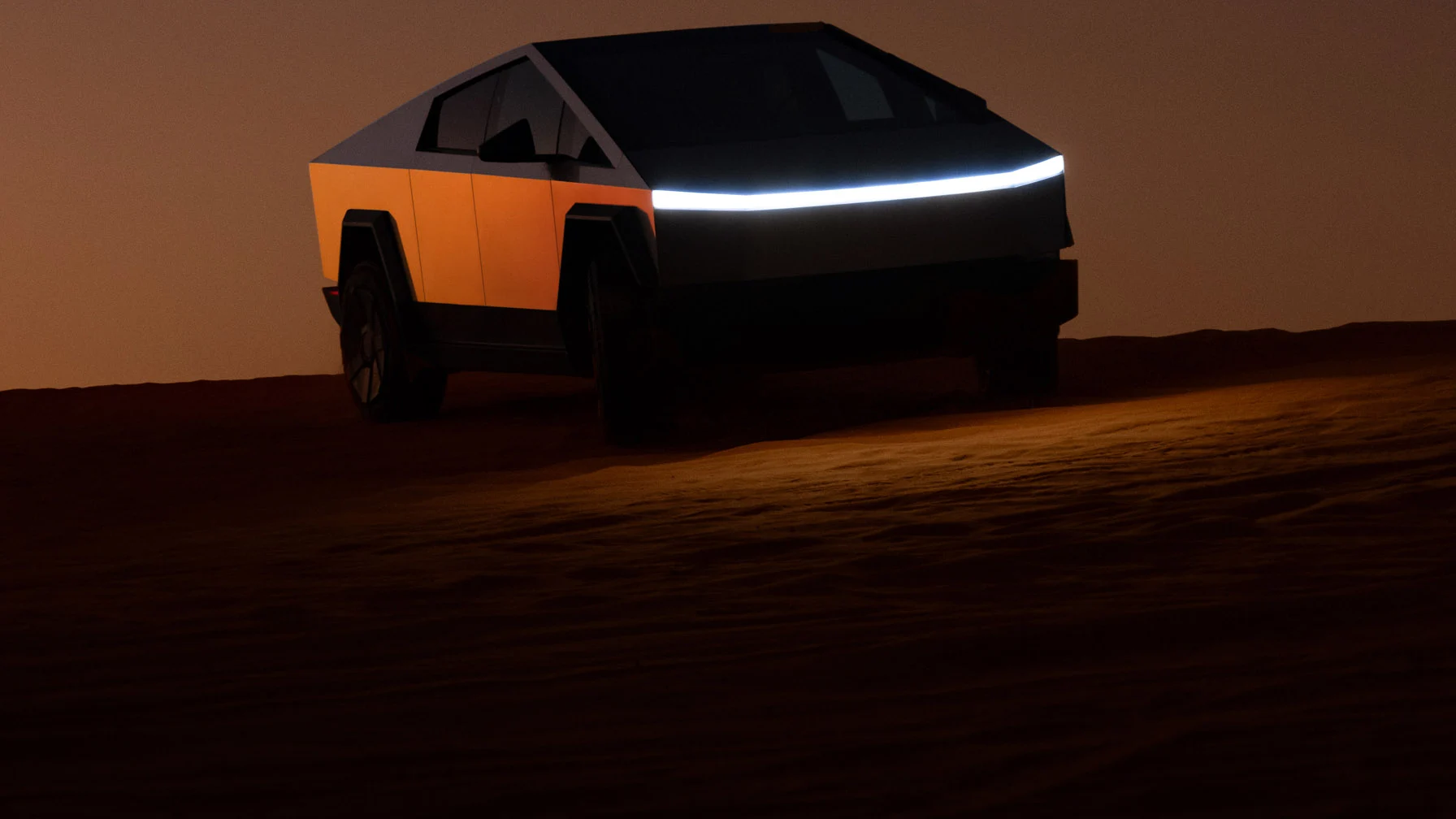
The existing 4680 battery packs used in Tesla’s Cybertruck have a relatively slow charging curve, so it will be intriguing to see if Panasonic can develop superior 4680 cells that improve charging times compared to Tesla’s version.
Source:
Link