Category: Computers

  • Dell unveils Nvidia RTX creator laptop: 16-inch OLED, 128GB RAM

    Dell unveils Nvidia RTX creator laptop: 16-inch OLED, 128GB RAM

    Key Takeaway

    – Dell’s XPS 16 Creator Edition challenges the Surface Laptop Ultra and MacBook Pro M5 by focusing on the creative professional market.
    – It is among the first laptops to feature Nvidia’s RTX Spark platform, enabling local AI and high-performance computing in a slim form factor.
    – Key specs include up to 128GB of unified memory, a Tandem OLED display with True Black HDR 600, and built-in SD card reader and HDMI port.
    – The laptop balances slim design with robust thermal and processing demands for modern AI and creative workflows.
    – Pricing and launch date are unannounced, with RTX Spark laptops expected in fall 2026.


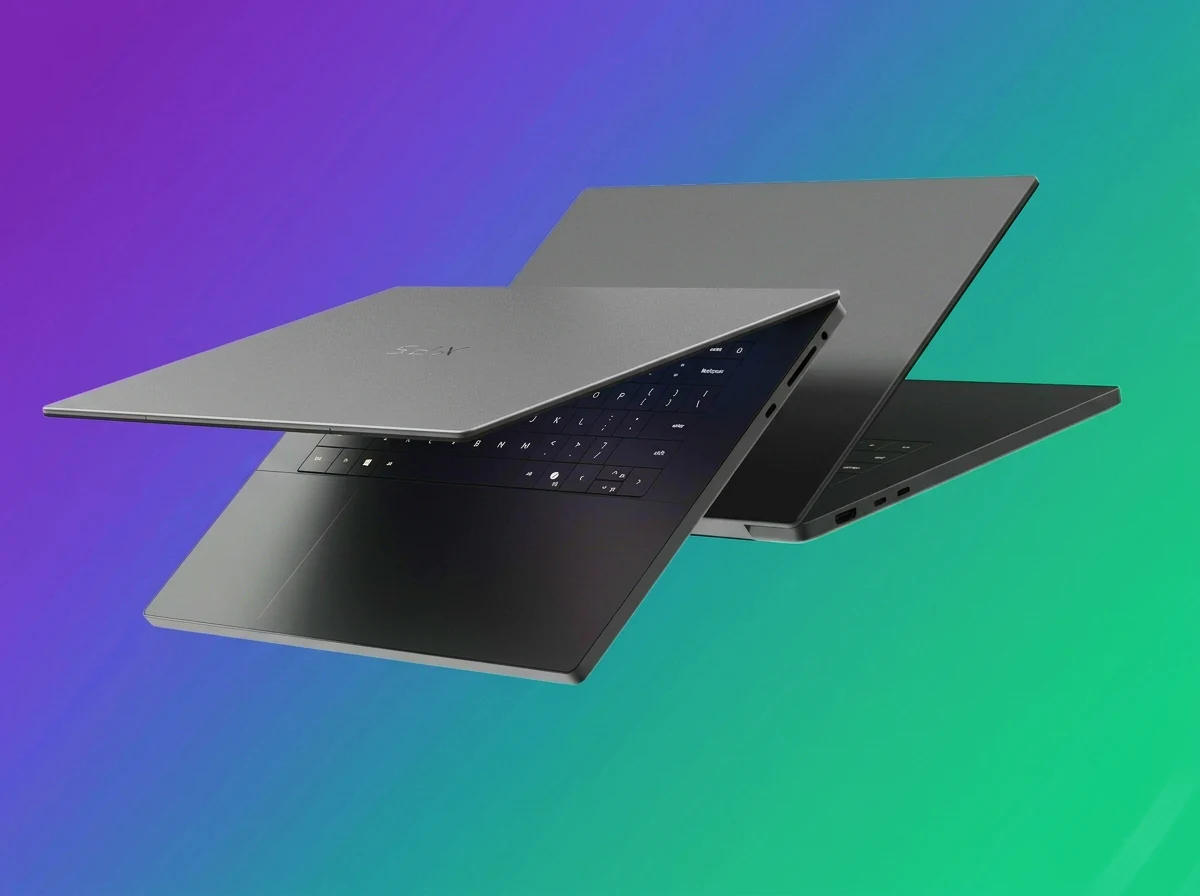
    After unveiling its MacBook Neo rival, Dell has officially challenged the just-announced Surface Laptop Ultra and Apple’s MacBook Pro M5 series by announcing the upcoming Dell XPS 16 Creator Edition, starting a monumental shift for the premium laptop line.

    Bridging Productivity and Workstation Power

    Designed to bridge the gap between traditional productivity machines and high-performance workstations, the new laptop is among the first to feature the newly announced Nvidia RTX Spark platform. This architecture is really quiet a big deal for portable systems.

    Core Specifications of the RTX Spark

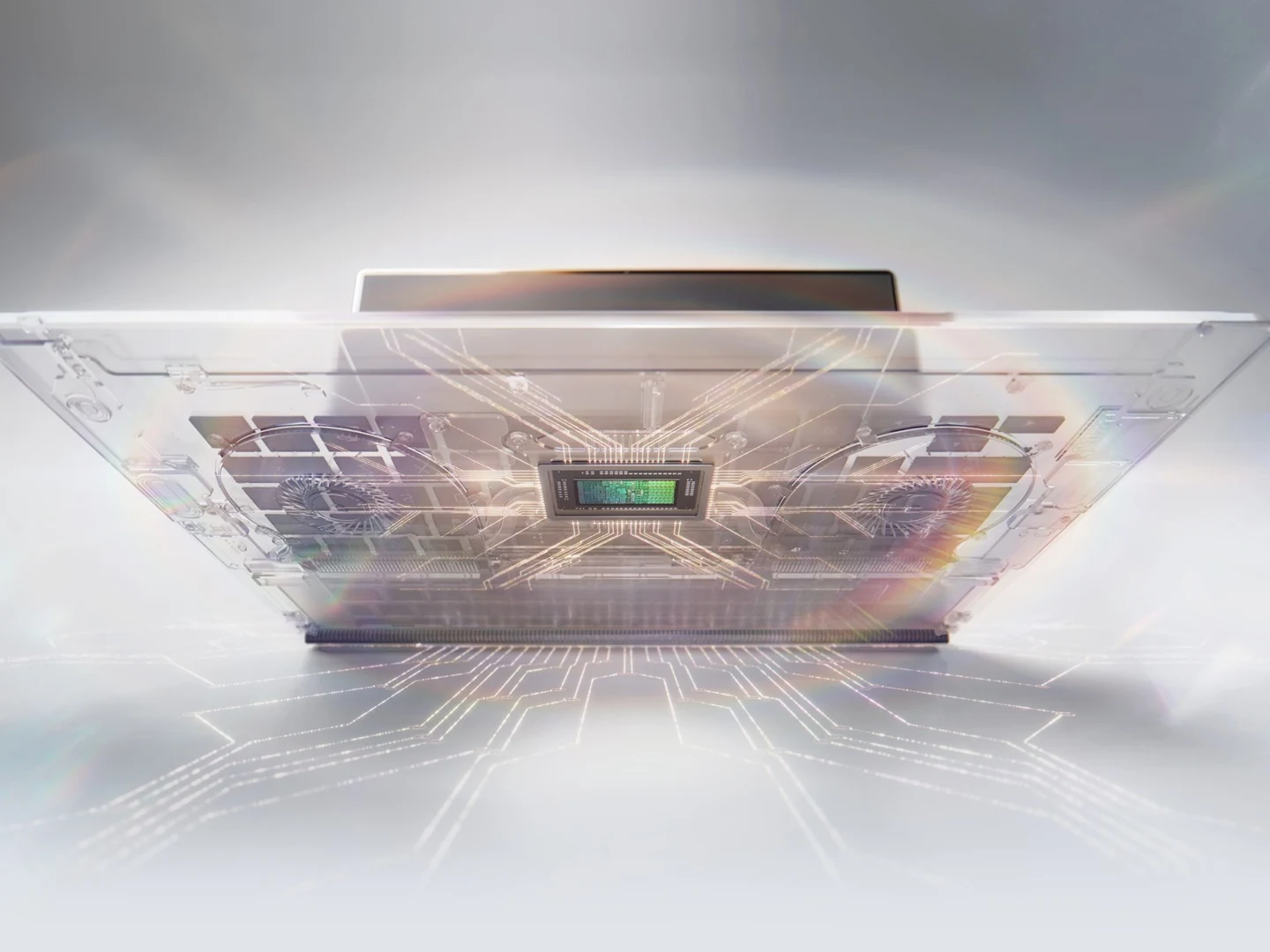
    The core of the XPS 16 Creator Edition is the integration of Nvidia’s RTX Spark architecture. Nvidia’s new chips are engineered to bring a full-stack AI environment to slim, portable form factors. By combining a high-performance RTX GPU with an ultra-efficient CPU and up to 128GB of unified memory, Dell aims to provide power users and AI developers with local computing capabilities previously reserved for bulkier systems. This means you don’t need a huge desktop anymore to run heavy AI models.

    For creative professionals, this RTX Spark-powered XPS 16 translates into tangible workflow improvements: rendering tasks can be completed much faster, video editing timelines will feel smoother, and complex 3D models can be manipulated in real time without lag.

    Display and Port Selection Upgrades

    While performance is the headliner, Dell has focused on practical usability for creators who work on the move. The XPS 16 Creator Edition features a Tandem OLED display capable of True Black HDR 600, ensuring high color accuracy for pro-grade design and color grading. The screen also supports a high refresh rate and covers the full DCI-P3 color gamut for vibrant visuals.

    Built-in Connectivity Returns

    Addressing common pain points for portable laptops, the XPS 16 Creator Edition also features a built-in SD card reader and an HDMI port (just like the Surface Laptop Ultra and MacBook Pro). This welcome upgrade aims to reduce the reliance on dongles for photographers and videographers who frequently offload media. It supports USB-C charging aswell, but having these legacy ports is a major plus.

    With the XPS 16 Creator Edition, Dell is positioning its flagship laptop to compete more directly in the professional creative market currently dominated by Apple’s Macs, while balancing the slim aesthetic of the XPS series with the robust thermal and processing demands of modern AI and creative workflows.

    Future Plans and Launch Window

    Dell says that the new XPS 16 Creator Edition is only the first step in the company’s collaboration with Nvidia, and there’s more to come. Pricing and an official launch date haven’t been announced yet, but most new RTX Spark laptops are expected to debut in the fall of 2026. There will be more models revealed later that also use this platform.

    Sources

  • Qualcomm takes subtle dig at Nvidia’s new RTX Spark

    Qualcomm takes subtle dig at Nvidia’s new RTX Spark

    Key Takeaway

    – Qualcomm welcomes Nvidia to ARM-based PC chips but implies it pioneered the ecosystem.
    – Qualcomm highlights its years of investment in ARM compatibility for Windows.
    – Nvidia’s RTX Spark promises full Windows app compatibility, a key challenge for ARM.
    – Both companies see Nvidia’s entry as positive for the ARM PC ecosystem’s growth.


    Nvidia’s RTX Spark Announcement Shocks the Industry

    Nvidia’s announcement of the RTX Spark “Superchip” SoC based on the ARM platform took the internet by storm. It aims to usher in a new era of Windows PCs aside from traditional x86 chips. Qualcomm, being the company that sort of pioneered ARM-based laptop chip development many years ago, naturally had something to say about it.

    Qualcomm’s Response and the Statement

    Through a statement shared with Windows Central, SVP of Computing at Qualcomm, Kedar Kondap, gave a seemingly backhanded compliment to Nvidia, welcoming the new chip to the family. Here’s the full quote:

    Welcome to the family. We are, you know, we’re excited. When you think about the investments that we’ve made over the last several years, it’s a good endorsement of the fact that there is an ecosystem that’s growing outside of x86. We invested many years ago, driving the ecosystem and driving the entire platform story, whether it is getting the printers to work, whether it’s getting the software apps to be compatible, whether it is getting the docks and peripherals to work, or whether it’s getting more than 2,500 games to be compatible with Snapdragon. We led the way in driving that ecosystem, and I think this is positive tailwinds for the entire ecosystem. It will tell us how we’re all taking the ball forward in the trajectory that we started.

    Superiority Hints and ARM Progress

    Its hard to glean the exact tone from text, but there seem to be hints of superiority baked into the welcoming message. Qualcomm made quite a few advancements with ARM through the Snapdragon X Elite, X Plus, C, and the upcoming X2 series chips. But it took them quite a few years to reach this point. That said, the efficiency gains that come from the platform are nothing to shirk at. Even Apple’s M-series chips are ARM-based, and thanks to the software and hardware level optimizations, they are extremely capable.

    Windows on ARM Compatibility Concerns

    The major concern with Windows on ARM is compatibility, but both Qualcomm and app developers have made solid headway in that department, as well. With RTX Spark, Nvidia seems to have made it a non-issue, promising compatibility with every Windows app.

    Sources
  • Lenovo Debuts ThinkPad with Intel Panther Lake & 120Hz Display

    Lenovo Debuts ThinkPad with Intel Panther Lake & 120Hz Display

    Key Takeaway

    – ThinkPad E16 Gen 4 now available in Europe and North America after earlier Asia-Pacific launch
    – Configurable with up to Core Ultra 7 355H or Core Ultra 5 336H processors
    – Offers 16GB/32GB RAM, up to 1TB storage, and 48Wh or 64Wh battery options
    – Starting prices: $1,399 (US), £1,410 (UK), €1,359-€1,670 (Eurozone)
    – Base model in North America comes with Core Ultra 5, 16GB RAM, 512GB storage, Wi-Fi 7, and fingerprint reader


    Extended availability for a budget ThinkPad

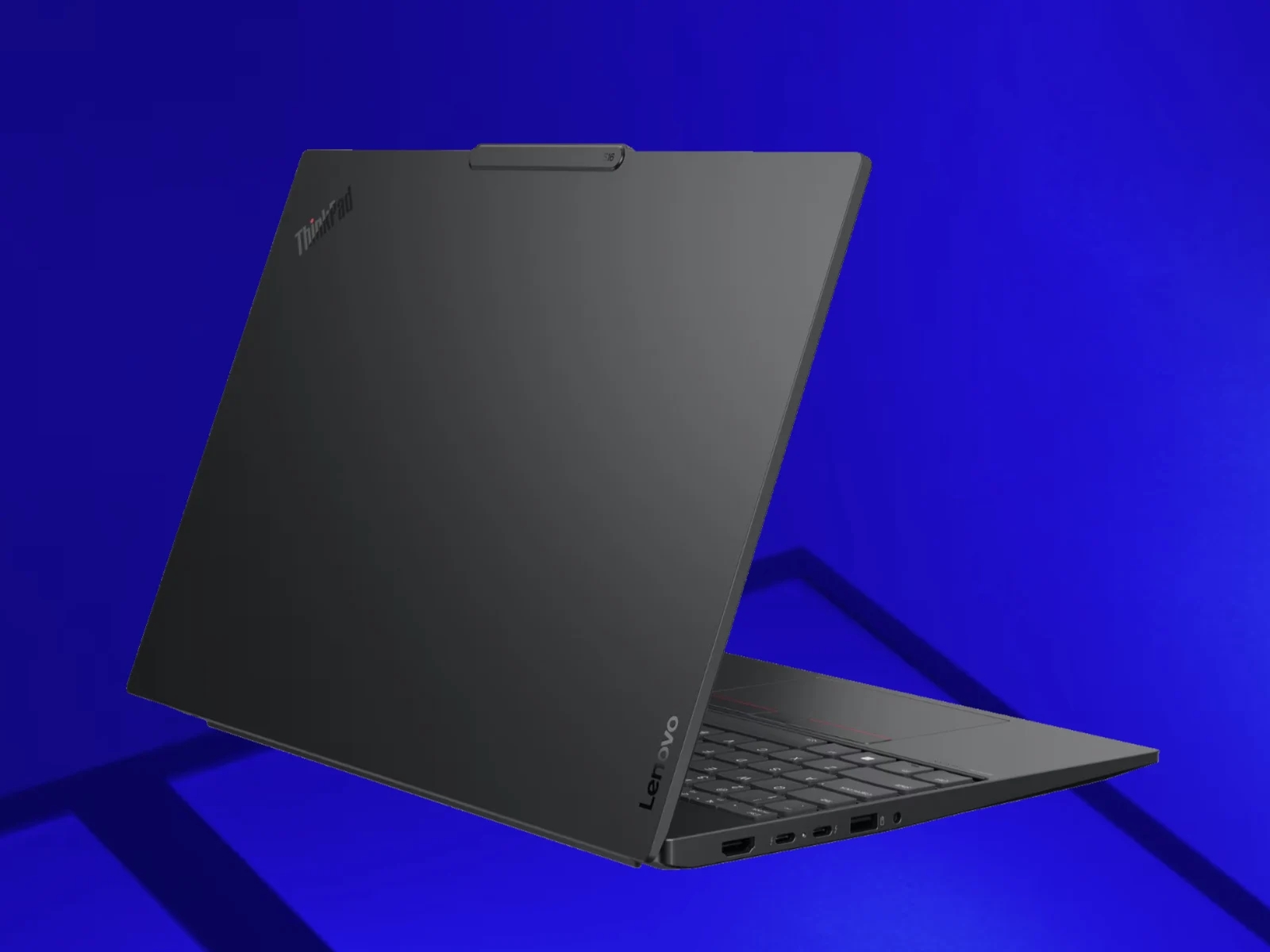
    Lenovo has now increased the availability of the ThinkPad E16 Gen 4 to Europe and North America, meaning thier affordable 16-inch notebook is finally landing in these regions after a prior launch in Australia, East Asia and Southeast Asia at the end of May.

    Processor options and performance context

    The ThinkPad E16 Gen 4 can be configured in Europe with up to a Core Ultra 7 355 or a Core Ultra 5 336H. These chips shoud provide more power than the Core Ultra 7 255U-based Gen 3 model we reviewed in July 2025, though our benchmarks show that the Core Ultra 7 255H-powered sibling (currently $1,289 on Amazon) holds an edge over the Gen 4. Notwithstand this, the laptop also comes with these display options.

    Memory, storage and other configurable features

    You can get 16 GB or 32 GB of DDR5-5600 RAM and 256 GB, 512 GB or 1 TB of M.2 2242 PCIe Gen 4 storage. A 48 Wh or 64 Wh battery is configurable, along with a fingerprint reader and Wi-Fi 7. Finishes include ABS or aluminium, but only in Eclipse Black colour. There is no mention of any other color at all sadly.

    Pricing and starting specifications

    In the UK, the ThinkPad E16 Gen 4 starts at £1,410, while Eurozone pricing ranges between €1,359 and €1,670, including taxes. The US price is $1,399 and in Canada it is CAD $1,939. All base models feature a Core Ultra 5 325 processor and 16 GB of RAM. Lenovo only sells a pre-configured unit in North America with 512 GB of storage, Wi-Fi 7, a fingerprint reader and its most basic display. Further details are available on Lenovos website.


  • Samsung Unveils World’s Thinnest Laptop OLED Panel: 240Hz

    Samsung Unveils World’s Thinnest Laptop OLED Panel: 240Hz

    Key Takeaway

    – 20% thinner OLED panel for gaming laptops unveiled at Computex 2026
    – Thickness reduction achieved by etching TFT and encapsulation glass by over 30%
    – Proprietary techniques prevent panel warping despite slimmer design
    – Enables thinner, lighter laptops without sacrificing thermal or component space
    – Not yet in commercial production; no confirmed first adopters


    Record-breaking slim OLED panel

    After announcing the development of the world’s first 4K 360Hz QD-OLED, Samsung Display wants to break another record by unveiling its new “Ultra Slim” OLED panel at Computex 2026. Designed specifically for the high-performance gaming laptop market, this new technology promises to shed bulk without sacrificing the visual fidelity gamers demand. It’s a pretty big deal for folks who care about lugging around a lighter machine but still want those rich colors and deep blacks.

    How they made it so thin

    The new panel achieves a dramatic reduction in thickness, cutting the module’s outer-edge profile by more than 20% compared to Samsung’s current mass-produced displays. To reach this benchmark, Samsung engineers developed a specialized etching process that reduces the thickness of both the Thin Film Transistor (TFT) substrate glass and the encapsulation glass by over 30%. This aproach is quite innovative, and it allows them to shave off millimeters without completely redesigning the whole panel structure from scratch.

    Despite the aggressive physical reduction, Samsung has addressed the common industry challenge of panel warping, utilizing proprietary manufacturing techniques to ensure structural integrity in the thinner form factor. They’ve managed to keep the thing from bending like a wet noodle, which is often a problem when you take away too much material from a display.

    Design flexibility for manufacturers

    While portability is the primary benefit of the Ultra Slim design, Samsung emphasizes that the technology maintains premium visual standards: “The Ultra Slim panel provides device manufacturers with unprecedented design flexibility”, the company says. By reducing the footprint of the display module, manufacturers can develop thinner, lighter laptops that do not compromise on the high-end thermal management or component space required for modern gaming hardware. This means they can still pack in a proper cooling system and a powerful GPU without needing to make the chassis thicker.

    • Reduces module outer-edge profile by over 20%
    • Both TFT substrate and encapsulation glass reduced by over 30%
    • Proprietary anti-warping manufacturing techniques
    • Maintains premium visual standards for gamers

    Status and availability unclear

    It’s worth noting that while Samsung Display is showcasing the technology at Computex to demonstrate its design capabilities, the Ultra Slim panel has not yet reached the commercial manufacturing stage, and it’s unclear which new laptops might be first to utilize it. So, don’t expect to see this in the next Alienware or Razer blade right away; it’s still very much a prototype that needs to go through final testing and production scaling before hitting the streets.


    Sources

    • MSI Holostage Flagship Gaming Tower with AI Hologram

      MSI Holostage Flagship Gaming Tower with AI Hologram

      Key Takeaway

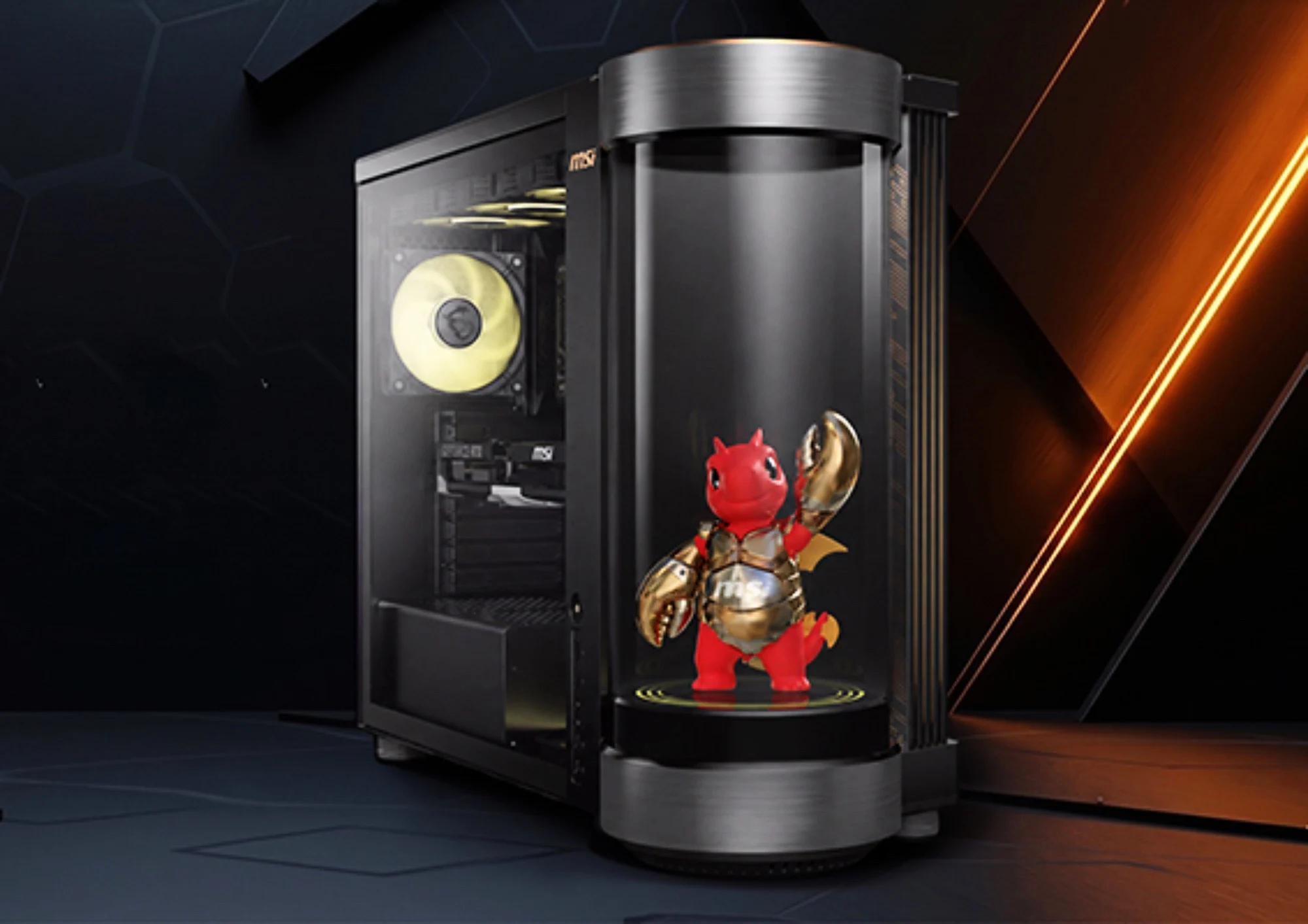
      – MSI replaces touchscreen with “AI Holostage” hologram display on next-gen MEG Vision tower.
      – Holostage features LuckyClaw, a cartoon dragon AI assistant, but its usefulness is unproven.
      – Display supports virtual pets and other AI assistants, with direct voice interaction via speakers and microphones.
      – Expected high-end specs including possible Nvidia RTX 5090, following predecessor with Intel Core Ultra 9, 64GB RAM, 2TB SSD.
      – Launch date and pricing remain unconfirmed.


      MSI’s Big Gamble

      The MSI MEG Vision series has until now set itself apart from most of its competition with a front panel that has a massive touchscreen. At Computex 2026, MSI announced the next gen of the flagship gaming tower, wich replaces the touchscreen with a hologram display. This so-called “AI Holostage” shows LuckyClaw, MSI’s in-house AI assistant that resembles a cartoon dragon, as standard from the factory.

      Is This Actually Useful?

      How usefull LuckyClaw is remains to be seen – in the video embedded below, the AI assistant can’t even provide any information regarding the weather. However, the Holostage is not limited to only LuckyClaw; it is also possible to show virtual pets or other AI assistants. Speakers and microphones can be used to interact directly with chatbots without needing to use a monitor or any other hardware.

      Hardware Expectations

      Details on the other features of the gaming tower have not yet been confirmed, but the MEG Vision series generally uses high-end hardware after all and will likely be equiped with an Nvidia GeForce RTX 5090 in at least one configuration if not more. The previous model was offered with an Intel Core Ultra 9 285K, 64 GB of RAM and a 2 TB SSD for storage.

      Release and Pricing

      MSI has not yet confirmed when and at what price the MSI MEG Vision X2 AI+ gaming tower will go on sale or launch to the public at this point in time.

      Sources
      • HP 14-Inch Laptop Launched Globally with Arc B390 & 1100 Nit OLED

        HP 14-Inch Laptop Launched Globally with Arc B390 & 1100 Nit OLED

        Key Takeaway

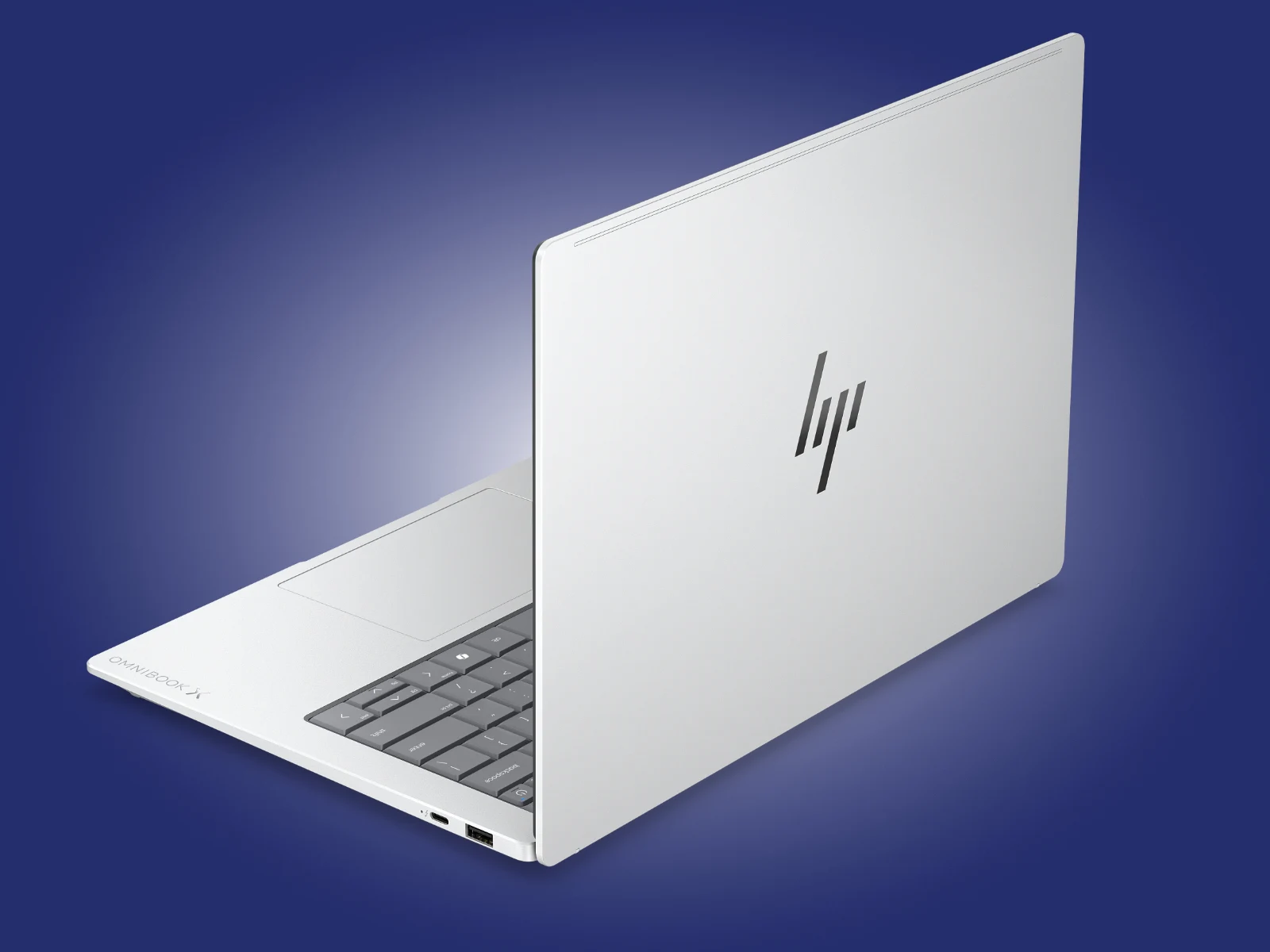
        – The OmniBook X 14 is now available globally with Intel Panther Lake processors (Core Ultra 5 through X9 388H).
        – Snapdragon X2 versions were announced but have not yet been released.
        – Base model starts at $1,399 with a Core Ultra 5, 16GB RAM, and a 1200p IPS display.
        – Higher-end configurations offer up to 32GB RAM, 2TB SSD, and a 1800p OLED display with 120Hz.
        – Top SKU costs $2,699 in the US; weight is 1.3 kg, about 70 g more than a MacBook Air 13.


        OmniBook X 14 Global Launch

        The latest 14-inch OmniBook X have now gone on sale globally. Presented in January, the OmniBook X 14 was one of five OmniBook X-branded laptops that graced CES 2026 in Las Vegas. For referance, the OmniBook X Flip 14 and OmniBook X Flip 16 are now available to purchase as well.

        Processor Options and Availability

        Initially, HP claimed that it had created Snapdragon X2 and Intel Panther Lake-powered versions of the OmniBook X. However, only the latter is available in a choice of Core Ultra 5 325, Core Ultra 7 356H, Core Ultra 9 386H and Core Ultra X9 388H processors. At the time of writing, HP has not confirmed when the OmniBook X 14 with Snapdragon X2 processors will be available.

        Pricing and Configuration Details

        In the meantime, the OmniBook X 14 can be purchased for £1,249 with a Core Ultra 7 356H processor, 24 GB of RAM, a 1 TB SSD and a 1200p OLED display that peaks at 60 Hz and 300 nits. Incidentally, a comparable SKU sells for $1,677 in the US but $1,959 on HP’s website. With that being said, the OmniBook X 14 starts at $1,399 in the US and CAD 1,799 in Canada, featuring the Core Ultra 5 325, 16 GB of RAM and a 1200p IPS display.

        Display and Battery Differences

        It is worth noting that the Core Ultra 5 325 can only be configured with a 1200p IPS display and a 59 Wh battery. By contrast, more powerful processors must be optioned with a 1800p OLED display in the US, which outputs at 500 nits in SDR mode, 1,100 nits in HDR mode and offers a 120 Hz variable refresh rate. Selecting an OLED display adds a 70 Wh battery, too.

        • Core Ultra 5 325: 16 GB RAM, 1200p IPS, 59 Wh battery
        • Core Ultra 7 356H / Ultra 9 / X9: 1800p OLED (500/1100 nits), 120 Hz, 70 Wh battery
        • Max config: 32 GB RAM, 2 TB PCIe Gen 5 SSD, Arc B390 graphics

        Weight and Top-Tier Pricing

        Currently, the OmniBook X 14 can be configured with up to 32 GB of RAM, a 2 TB PCIe Gen 5 SSD, a 1800p OLED display and a Core Ultra X9 388H processor containing Arc B390 graphics. Nonetheless, the 14-inch laptop weighs about 70 g more than a MacBook Air 13 at 1.3 kg. Unfortunatly, HP’s top SKU costs $2,699 in the US. Meanwhile, HP Canada tops out at a Core Ultra 7 356H, 32 GB RAM, 1 TB SSD and the same 1800p display for CAD 2,899. Please see the company’s website for more details.


      • Asus Global Pricing: New Gaming Mini-PC with RTX 5070 Ti & 5080

        Asus Global Pricing: New Gaming Mini-PC with RTX 5070 Ti & 5080

        Key Takeaway

        – ASUS unveiled ProArt devices with Nvidia RTX Spark processors at Computex 2026.
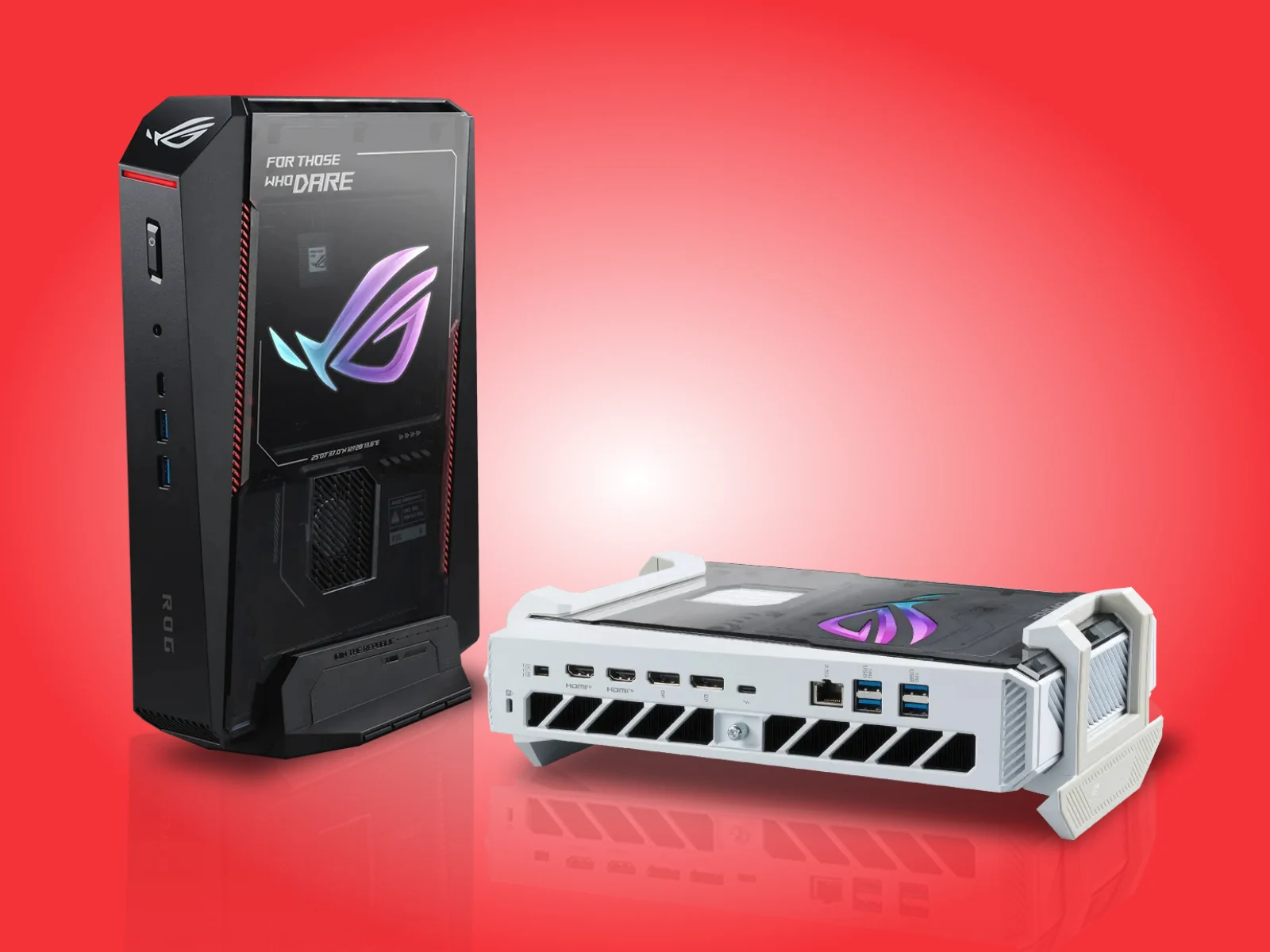
        – The new ROG NUC 16 replaces the ROG NUC (2025), available globally with RTX 5070 Ti or RTX 5080.
        – All ROG NUC 16 SKUs feature the Core Ultra 9 290HX Plus and come with 16 GB RAM.
        – The ROG NUC 16 starts at $3,799 in the US for the RTX 5080 model.


        Asus Launches New Gaming Mini-PC at Computex

        Asus has presented multiple devices today at Computex 2026 in Taipei. As we have covered separately, the company has embraced Nvidia’s RTX Spark processors in the ProArt P14, a new ProArt P16 and the ProArt Mini PC. At the same time, Asus has detailed its latest gaming mini-PC globally.

        ROG NUC 16 Details and Specifications

        To recap, the company presented the ROG NUC 16 around two weeks ago in China. For context, the mini-PC is a replacement for the ROG NUC (2025) that we reviewed in November 2025 with a GeForce RTX 5080 laptop GPU. The ROG NUC (2025) also comes in RTX 5060, RTX 5070 and RTX 5070 Ti variants, too.

        Global Pricing and Configurations

        By contrast, Asus has confirmed that the ROG NUC 16 will be available globally with just the RTX 5070 Ti and RTX 5080. The Core Ultra 9 290HX Plus is available in all SKUs, offering a circa 5% performance improvement over the Core Ultra 9 275HX in the ROG NUC (2025). Moreover, Asus plans to only sell SKUs with 16 GB of DDR5-5600 or DDR5-6400 RAM, despite up to 64 GB of RAM being supported.

        • Processor: Core Ultra 9 290HX Plus
        • Graphics: RTX 5070 Ti or RTX 5080
        • Memory: 16 GB DDR5-5600 or DDR5-6400
        • Storage: 1 TB or 2 TB PCIe Gen 4
        • Power adapter: 380 W
        • Weight: 3.12 kg
        • Dimensions: 282.4 x 189.5 x 56.5~117.9 mm

        Pricing and Availability Regions

        Conversely, the ROG NUC 16 will be sold with 1 TB or 2 TB of PCIe Gen 4 storage. Every SKU features a 380 W power adapter too, and weighs 3.12 kg with 282.4 x 189.5 x 56.5~117.9 mm dimensions. So far, the ROG NUC 16 is only being sold in China, where it starts at CNY 29,999 (~$4,433) or CNY 30,999 (~$4,580) for its white model. However, Asus has confirmed that the new gaming mini-PC will cost $3,799 in the US and CAD 5,249 in Canada with an RTX 5080 laptop GPU.


      • MSI RTX Spark Mini PC rivals Mac Studio, Asus, HP Mini PCs

        MSI RTX Spark Mini PC rivals Mac Studio, Asus, HP Mini PCs

        Key Takeaway

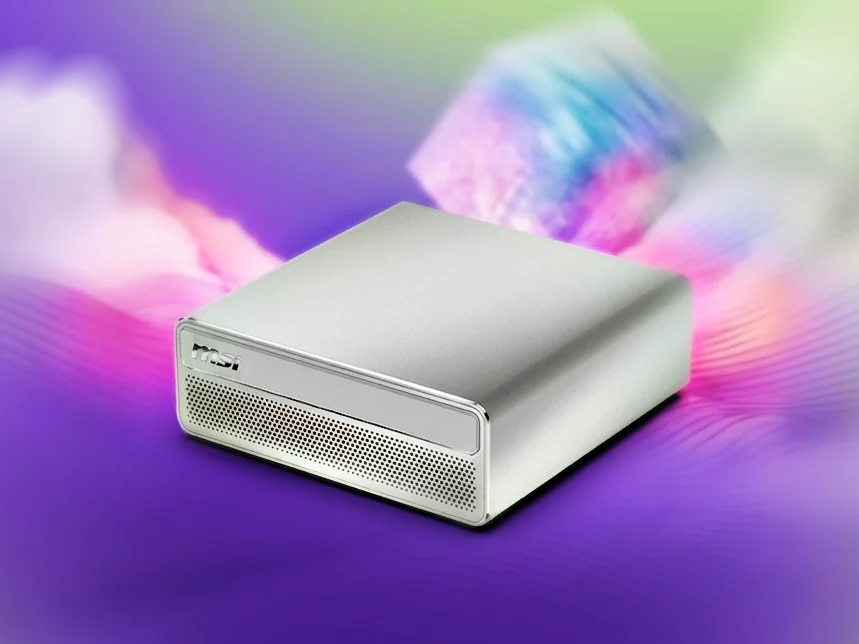
        – The MSI EdgeMesa N AI+ is a compact Mini PC designed for AI developers and data scientists.
        – It enables local AI processing, reducing latency, improving data privacy, and cutting cloud dependency.
        – It handles resource-heavy tasks like LLMs, generative AI, and real-time inferencing.
        – High-speed connectivity makes it suitable for industries like robotics, smart cities, healthcare, and finance.
        – Expected release window is August or September 2026 (no price or exact date announced yet).


        MSI EdgeMesa N AI+ Mini PC Officially Unveiled

        MSI has formally taken the wraps off the EdgeMesa N AI+ Mini PC, and this new compact desktop targets AI developers, data scientists and also power users. It’s engineered to bring heavy AI tasks closer to home.

        Hardware That Packs a Punch Despite a Clunky Name

        The EdgeMesa N AI+ joins the newly-announced HP OmniDesk Mini PC plus the Asus ProArt Mini PC, becoming one of the first RTX Spark Mini PCs announced at Computex 2026. Even if the name MSI has gone with doesn’t quite roll off the tongue, the hardware is definately worth talking about. Unsurprisingly, this system is built to move AI workloads from cloud to local desktop, which is a big shift for pro users.

        Local AI Processing for Privacy and Speed

        With local AI processing, the system tackles key pain points for professional users. Reduced latency, heightened data privacy and a significant reduction in reliance on external cloud infrastructure make it stand out. MSI claims the system is optimised to handle resource-heavy tasks, including Large Language Models (LLMs), generative AI and real-time inferencing with ease. This makes it a versatile tool for demanding workflows.

        High-Speed Connectivity and Industry Adaptability

        Beyond its raw computational prowess, MSI has packed the EdgeMesa N AI+ with high-speed connectivity options that make it adaptable to specialized industries. From robotics and smart city infrastructure to healthcare and financial analytics, the machine is designed to act as a robust local node for AI deployment, says MSI. The company is currently showcasing this mini PC at Computex 2026 if you happen to be there.

        Pricing and Availability Details

        The price and launch date will be announced at a later date. However, like with all other RTX Spark laptops and PCs, you might have to wait untill at least August or September to get your hands on this tiny powerhouse. No specific pricing or specification details have been confirmed yet, but MSI promises more information closer to launch.


        Sources

        • MSI Unveils World’s First 16-Inch 2-in-1 RTX Spark Laptop

          MSI Unveils World’s First 16-Inch 2-in-1 RTX Spark Laptop

          – World’s first laptop with Nvidia RTX Spark platform
          – 16-inch UHD+ Tandem OLED display with 1,000+ nits peak brightness
          – Calman Verified Delta E <1 color accuracy and 100% DCI-P3 coverage - 2-in-1 convertible design with laptop, tablet, tent, and presentation modes - Optimized for local AI tasks, LLMs, creative workflows, and high-def gaming[/key]


          MSI Officially Pulls Back the Curtain on the Prestige N16 Flip AI+

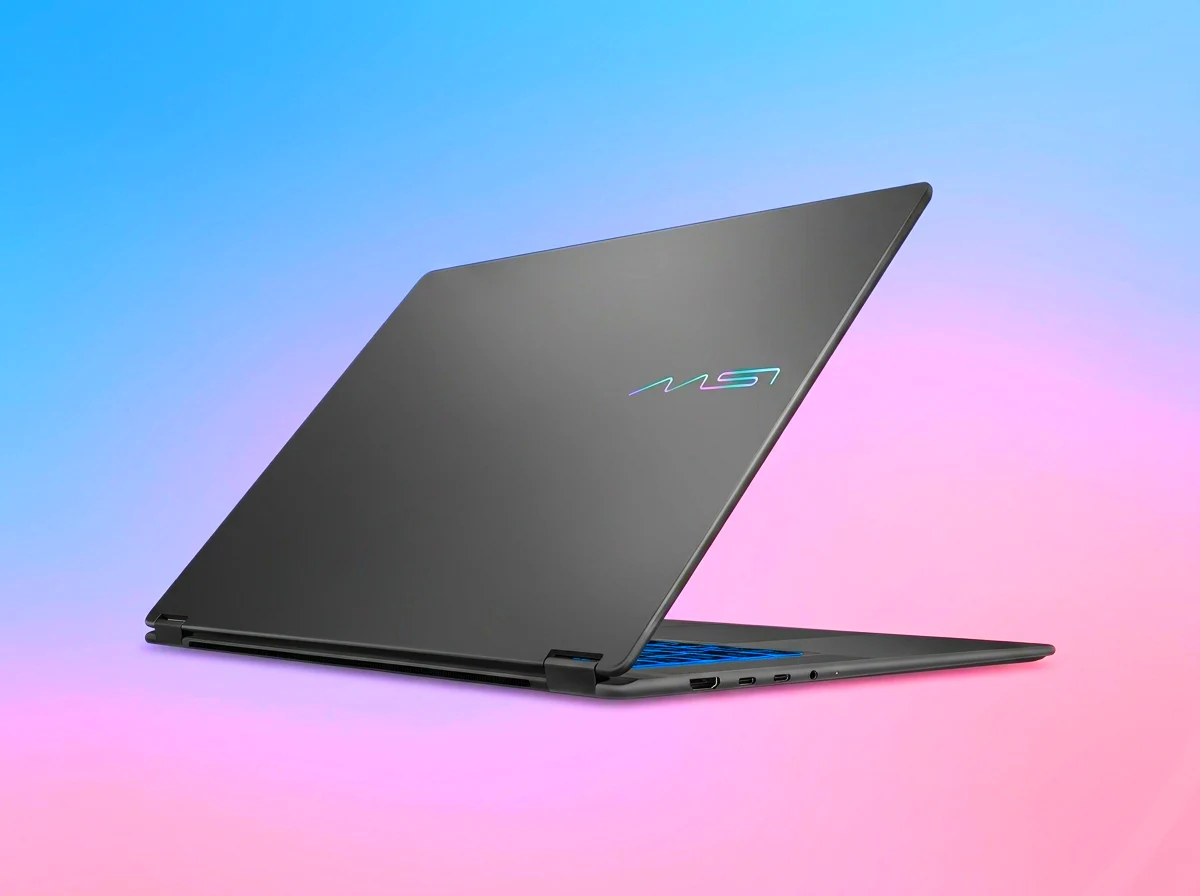
          MSI has officially pulled back the curtain on the 2-in-1 Prestige N16 Flip AI+ laptop, which marks a significant milestone in mobile computing as the world’s first laptop to feature the newly-unveiled Nvidia RTX Spark platform, says MSI. The device is designd to cater to the convergence of creative workflows, AI development, and high-def gaming, aiming to deliver high-performance capabilities within a premium, thin-and-light 2-in-1 chassis. As an RTX Spark-powered laptop, the Prestige N16 Flip AI+ is going to be competing directly with the newly-announced Microsoft Surface Laptop Ultra, the Asus ProArt P16 and P14, and the HP OmniBook Ultra 16 and X 14, amongst more upcoming laptops booting Nvidia’s RTX Spark.

          Display and Specifications

          The N16 Flip AI+ has a 16-inch UHD+ Tandem OLED display. Utilizing a dual-layer emissive structure, this panel stacks two OLED layers to boost light output. The result is a display capable of exceeding 1,000 nits of peak brightness, while simultaneously improving panel longevity and power efficiency compared to standard OLED solutions. For creative professionals, the display is Calman Verified with a Delta E less than 1 color accuracy rating and covers 100% of the DCI-P3 color gamut. The inclusion of a variable refresh rate (VRR) ensures that the screen remains fluid during gaming sessions and video editing tasks.

          • 16-inch UHD+ Tandem OLED display
          • Peak brightness exceeding 1,000 nits
          • Calman Verified with Delta E <1 color accuracy
          • 100% DCI-P3 color gamut coverage
          • Variable refresh rate (VRR) support

          Form Factor and Productivity Features

          MSI has leaned into the 2-in-1 form factor, allowing the device to transition between laptop, tablet, tent, and presentation modes. To support this, the company has included several productivity-focused features. According to MSI, the RTX Spark is engineered from the ground up to support the “next wave” of Windows PC experiences. By integrating Nvidia’s full-stack AI platform and the complete suite of RTX technologies, the Prestige N16 Flip AI+ is designed to handle demanding local AI tasks, such as personal agents and large language models (LLMs), without sacrificing the portability and all-day battery life typically associated with thin-and-light ultrabooks.

          AI and Performance Positioning

          With the Prestige N16 Flip AI+, MSI is positioning itself at the forefront of the AI-PC transition, betting that the combination of RTX-accelerated graphics and the 2-in-1 design will define the high-end laptop segment for the coming year. The device is build to support high-load creative apps and gaming while keeping a slim profile, which is a challange for many ultrabooks. MSI claims the RTX Spark platform enables these capabilites without overheating or draining the battery too quick.


          Sources

        • Intel Lunar Lake dominates battery life: ThinkPad T14 Gen 7 vs Gen 6

          Key Takeaway

          – Panther Lake laptops are now available, not just announced.
          – Panther Lake is more efficient than Arrow Lake, but less efficient than Lunar Lake.
          – Lunar Lake remains Intel’s most efficient laptop CPU for battery life.
          – The Lenovo ThinkPad T14 Gen 7 (Panther Lake) achieved over 18 hours in a Wi-Fi test.
          – The T14 Gen 7 couldn’t beat the older T14 Gen 6 (Lunar Lake), which ran over 19 hours with a smaller battery.


          New Intel Panther Lake Laptops Hit Shelves

          Back when Intel announced their 2026 Panther Lake CPU platform for laptops, there was one simple promise: Same efficiency as the older Lunar Lake series, but with a better performance. Lunar Lake was, thus far, Intel’s most efficient laptop CPU, although limited in performance. Everyone was eager to see if this would hold up in real world usage.

          Testing The Promises

          With more and more Panther Lake laptops coming to the market, and being actually available now, we are able to test this promise against reality. Indeed, Panther Lake does appear to be more efficient than the older Arrow Lake CPU series, but it appears Lunar Lake is still the CPU to beat when it comes to battery life. The newer chip just cant quite match the power sipping nature of its predecessor.

          Lenovo ThinkPad T14 Gen 7 Review

          We recently reviewed the new Lenovo ThinkPad T14 Gen 7. This Lenovo ThinkPad business laptop is powered by Panther Lake. In the case of our review unit, we were able to test the basic version with eight cores and an Intel Core Ultra 5 325, a comparable chip to Lunar Lake. In our testing, the system did well, as it achieved just over 18 hours in the Wi-Fi/websurfing test, at 150 cd/m² screen brightness. This is definately a strong result for a modern ultabook.

          However, it could not quite beat its predecessor. The older Lenovo ThinkPad T14 Gen 6 Intel with Lunar Lake ran over 19 hours in the same test – with a smaller 57 Wh battery to boot, as Lenovo uses a bigger 60 Wh battery in the T14 G7. That means the older machine got more runtime even with less battery capacity wich is a pretty impressive feat.

          Final Verdict on Efficiency

          The bottom line is: Panther Lake does well when it comes to battery life, easily beating the AMD variant of the T14 Gen 6 – but even its smaller variants can not quite match the efficiency of Lunar Lake. For those who prioritise maximum runtime, the previous generation still seems to be the better choice. Detailed specifications and pricing for the Lenovo ThinkPad T14 Gen 7 include an Intel Core Ultra 5 325 processor, 8 cores, and a 60 Wh battery.

          Sources