Category: Computers

  • Intel Combats DRAM Shortage Using Less, Older Memory

    Intel Combats DRAM Shortage Using Less, Older Memory

    Key Takeaway

    – AI giants like OpenAI and Anthropic are consuming most DRAM capacity, driving up consumer prices for PCs and laptops.
    – Intel is addressing the DRAM crisis by keeping Raptor Lake (with DDR4 support) active for cheaper memory options.
    – Wildcat Lake targets the low-end market with 8 GB single-channel DDR4, while Raptor Lake covers mid-to-high segments.
    – Intel is validating more RAM suppliers, including from China and Indonesia, to offer cheaper alternatives.
    – The DRAM crisis is expected to last until at least 2028, making further price increases likely.


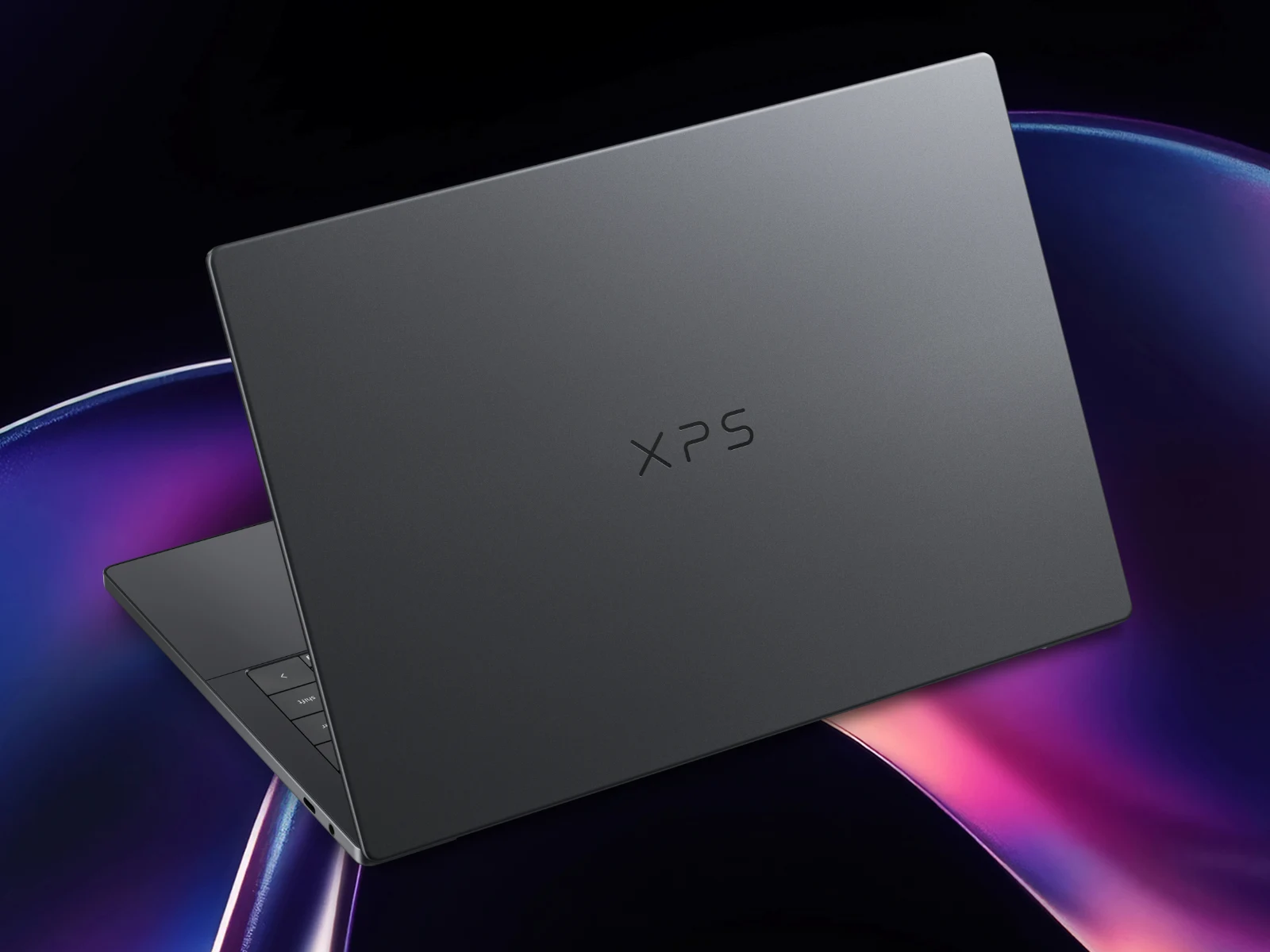
    So the big AI companies like OpenAI and Anthropic are hogging all the worlds DRAM capacity, leaving consumers to pay through the nose for the scraps left over for PCs, laptops, and gaming handhelds. The market has already reacted to this, because after the Apple MacBook Neo, the new Dell XPS 13 now only comes with 8GB RAM, while Acer has even hinted at laptops with only 4GB RAM.

    Intel’s Answer to the DRAM Shortage

    Intel spoke to Tom’s Hardware about the DRAM crisis. According to this, Wildcat Lake in the lower price segment and Raptor Lake in the mid to higher price segment would currently be the answer to the crisis, because while Wildcat Lake is often offered with 8GB RAM in a single-channel configuration, while Raptor Lake still supports DDR4, both in desktop and laptops. The older RAM standard is currently somewhat cheaper, as a kit with 2 x 16GB DDR4 RAM sticks currently costs $199, while DDR5 costs $449.

    Raptor Lake Is Here to Stay

    Intel says Raptor Lake is far from being phased out and they plan to keep offering processors which support older RAM standards for as long as that makes sense. Intel is also collaborating with more RAM suppliers, including from China and Indonesia, to approve as many products as possible and offer customers a wider selection of potentially cheaper memory.

    Future Price Hikes Likely

    With these steps Intel can at best dampen the price increases, but if the DRAM crisis continues at least until 2028 as expected, further price increases are unlikely to be avoidable. Intel, via Tom’s Hardware
    Sources
  • Cheaper Dell XPS 14 2026: Ubuntu Linux, 64GB RAM

    Cheaper Dell XPS 14 2026: Ubuntu Linux, 64GB RAM

    Key Takeaway

    – Dell XPS 14 (2026) now available with Ubuntu Linux 24.04 LTS pre-installed, starting June 2.
    – Ships on June 15 with Core Ultra 5/7/X7 variants; Core Ultra X9 388H models delayed until July 22.
    – No configuration limits for Ubuntu versions, offering up to Core Ultra X9, Arc B390, 64GB RAM, 4TB storage, and OLED display.
    – Choosing Ubuntu saves $100 (vs. Windows 11 Home) or $160 (vs. Windows 11 Pro), with pricing from $1,899 USD.
    – Currently limited to North America; no global release timeline confirmed.


    Dell’s XPS 14 2026 Gets Ubuntu Linux – What’s New

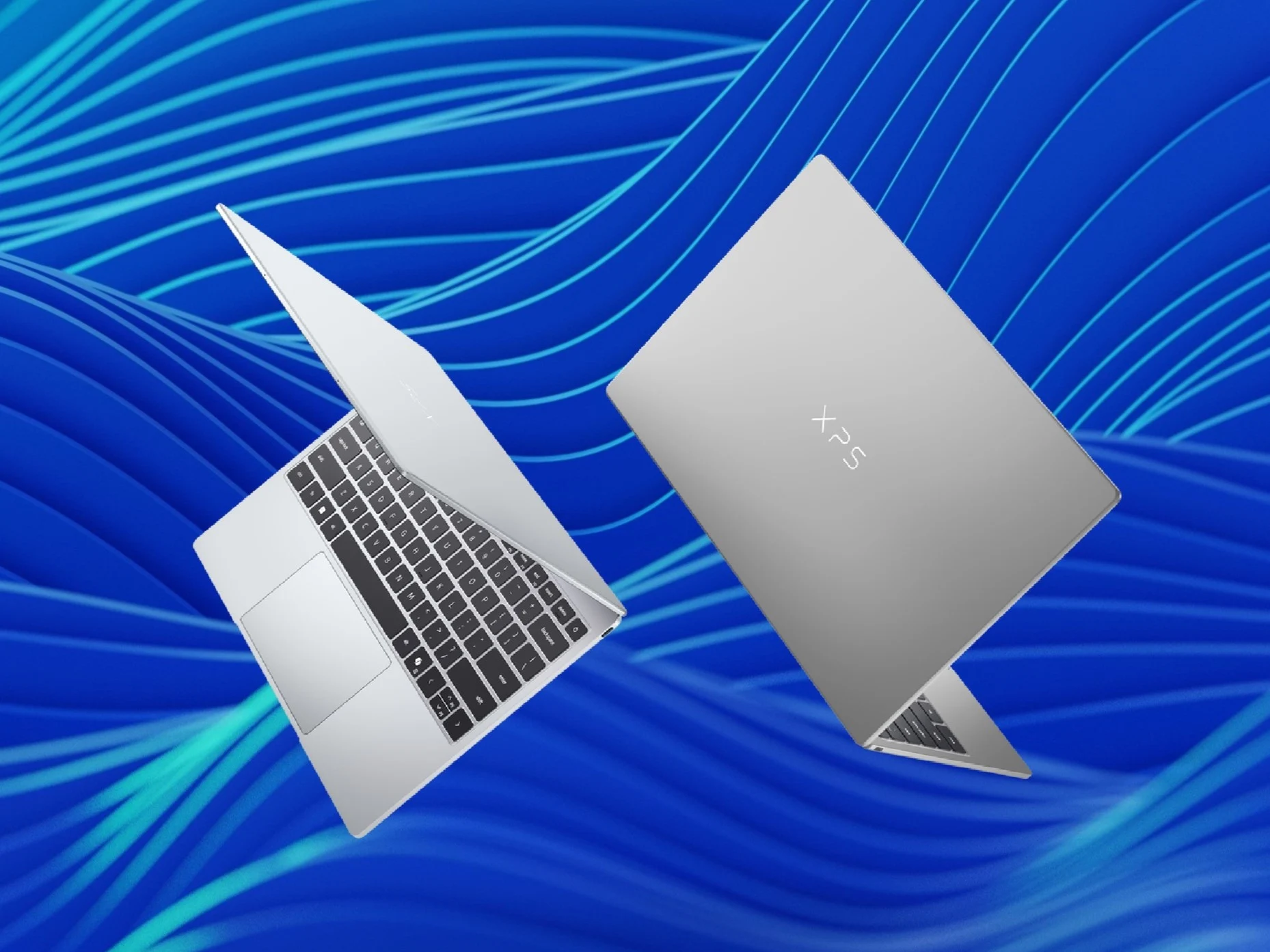
    The XPS 14 2026 has been available for a while now. Announced in January during CES 2026, the new XPS 14 then started shipping on February 12 with Intel’s Core Ultra 7 355 processor to replace older DA14250 variants with Arrow Lake-H processors. That version cost about $2,271 on Amazon but we’ve been told to ignore that link entirely.

    • From June 2, Dell is offering its new 14-inch XPS with Ubuntu Linux 24.04 LTS pre-installed
    • Shipments should begin on June 15 across Core Ultra 5 325, Core Ultra 7 355 and Core Ultra X7 358H variants
    • However, Dell is holding back Core Ultra X9 388H variants until at least July 22 to match Windows 11-backed counterparts

    No Configuration Limits – You Can Fully Spec It

    As far as we can tell, Ubuntu Linux 24.04 LTS versions face no configuration limitations, either. Hence, one can order the XPS 14 running Ubuntu with up to the Core Ultra X9 388H, Arc B390 graphics, 64 GB of LPDDR5X-9600 RAM, 4 TB of storage and a 1-120 Hz IPS or 20-120 Hz OLED display. In all cases, choosing Ubuntu saves $100 on versions with Windows 11 Home installed and $160 on SKUs running Windows 11 Pro.

    Pricing and Regional Availibility

    As such, pricing starts at $1,899 in the US and CAD 2,539 in Canada. Unfortunately, Dell’s expanded XPS 14 offering only extends to North America for now. The company has not confirmed when Ubuntu Linux 24.04 LTS variants will reach other markets yet. Please see our recent reviews with Core Ultra 7 355 and Core X7 358H processors for more details about Dell’s latest XPS 14.

    Where to Buy and What to Expect

    Dell Canada and Dell US are the only places you can currently order this Linux laptop. The Ubuntu option is a great deal if you want to save some cash and avoid Windows licensing fees entirely. The base model gives you a solid Core Ultra 5 325 chip with decent integrated graphics, but you can bump it up to the top-tier X9 388H if you wait until July. Expect the same build quality and sleek design as the Windows version, but with a fresh OS to boot.


    Sources

  • Asus XG Core Graphics Dock: AMD RDNA 4 Desktop GPU

    Asus XG Core Graphics Dock: AMD RDNA 4 Desktop GPU

    Key Takeaway

    – Asus unveiled multiple new devices at Computex 2026, including Zenbook 14 laptops, the Ascent QN10 mini-PC, and the TUF Gaming 16.
    – The new XG Core graphics dock uses a desktop-class Radeon RX 9060 XT Low Power GPU, unlike the laptop GPUs in the ROG XG Mobile.
    – The Radeon RX 9060 XT LP runs at up to 140W with 16 GB GDDR6 VRAM and 2,048 cores.
    – The XG Core connects via USB4 and outputs through DisplayPort or HDMI.
    – Pricing and availability for the XG Core remain unknown.


    Asus just anounced a bunch of new devices over at Computex 2026 in Taipei this week. Alot of them are builded around Nvidias new RTX Spark series, like the ProArt Mini PC for example. On the second day of this years Computex, the company has unveiled several Zenbook 14 laptops, the Ascent QN10 mini-PC, and the TUF Gaming 16, aswell as some other new gadgets.

    Introducing the XG Core Graphics Dock

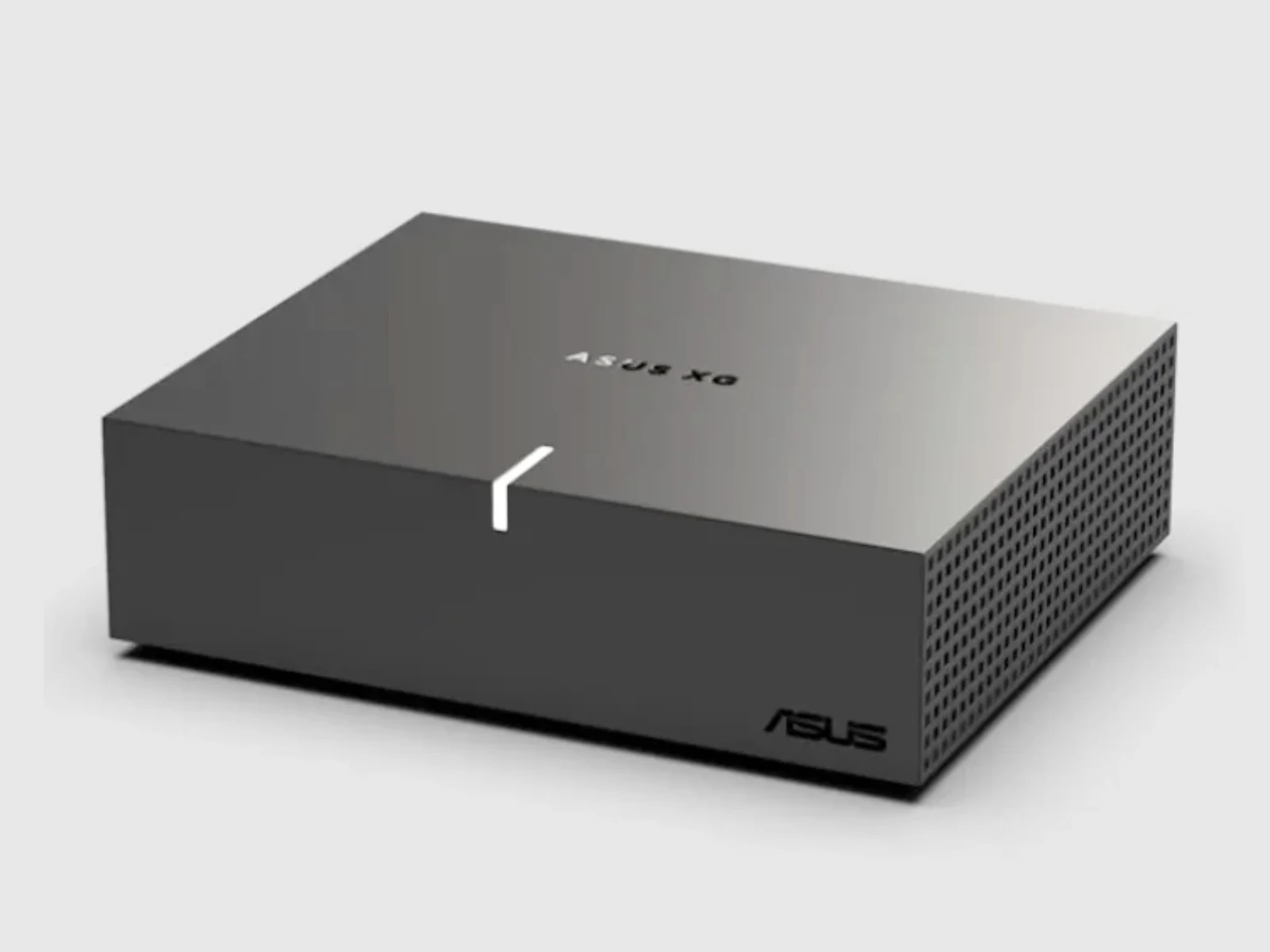
    They also introduced the XG Core graphics dock. This box looking device seems like a less gaming-oriented option compared to the existing ROG XG Mobile series, which currently sells for $1,599 on Amazon. The ROG XG Mobile (2025) uses laptop versions of Nvidias GeForce RTX 5070 Ti and GeForce RTX 5090 GPUs, so its a different beast entirely.

    Its Desktop-Class Radeon Power

    On the flip side, the XG Core uses a desktop-class Radeon RX 9060 XT LP (Low Power) chip instead. This Low Power version was announced back in December 2025 and it runs at up to 140 W, which is a 12.5% decrease from the regular Radeon RX 9060 XT. Even though the Low Power has a 2.55% lower Boost Clock (3,050 MHz vs. 3,130 MHz), it still keeps 16 GB of GDDR6 VRAM with a 128-bit memory bus runing at 20 Gbps to achive a 320 GB/s memory bandwidth.

    The Radeon RX 9060 XT LP also gives the XG Core 2,048 cores and 32 Compute Units. Asus says the new graphics dock will talk to your computer via USB4, and then route the video through DisplayPort or HDMI outputs. Previously, AMD was expected to sell the Radeon RX 9060 XT LP only to OEMs in China. So, pricing and availability for the XG Core is still unkown at this point.


    Sources

  • Asus Unveils 14-Inch 360° Laptop with 32GB RAM & Stylus

    Asus Unveils 14-Inch 360° Laptop with 32GB RAM & Stylus

    Key Takeaway

    – 360-degree convertible design with laptop, tablet, tent, and display modes.
    – Powered by up to Intel Core 7 Series 3 with 18 TOPS NPU for AI-accelerated tasks.
    – 14-inch 16:10 NanoEdge touchscreen with 400 nits brightness.
    – Supports up to 32GB LPDDR5X RAM and 1TB PCIe 4.0 SSD.
    – Durable build with a 63Wh rapid-charging battery.


    ExpertBook B5 Flip G2 Revealed

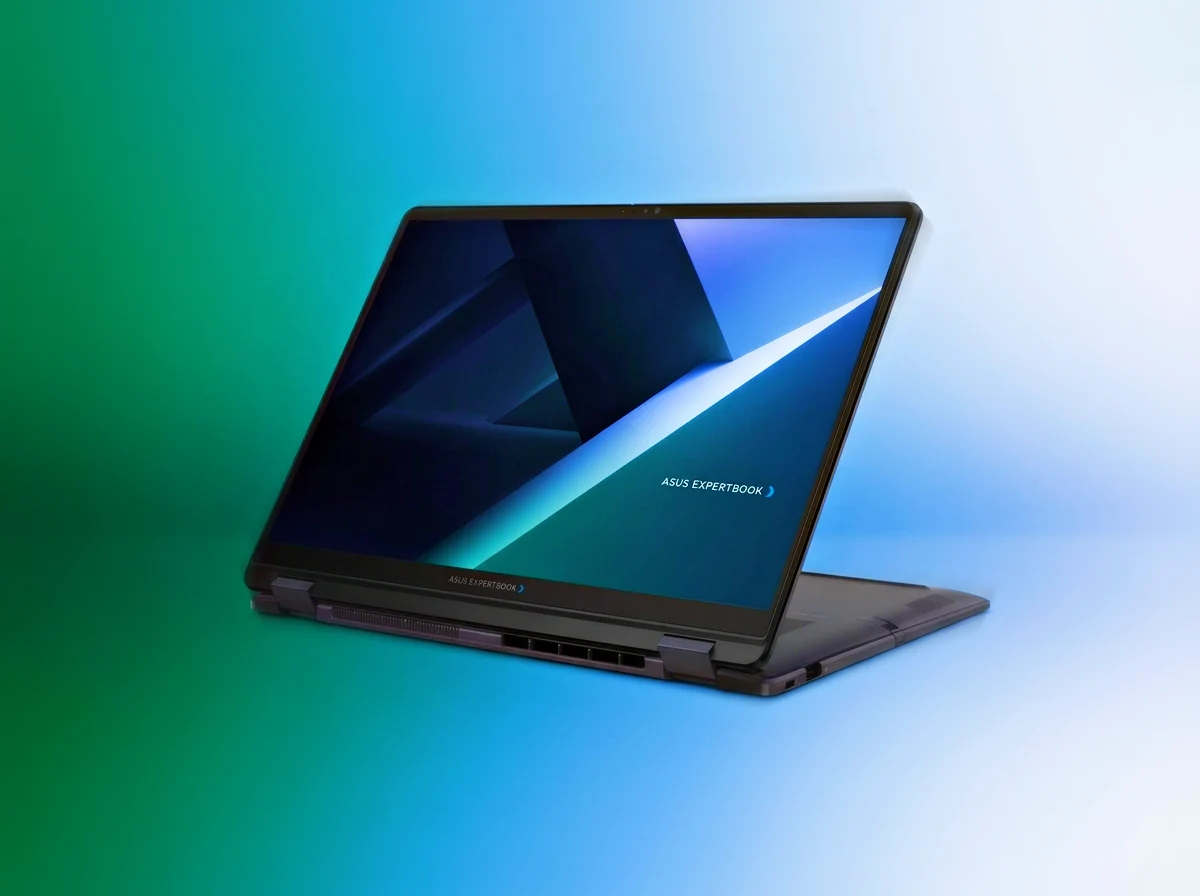
    Asus has just revealed the new ExpertBook B5 Flip G2 (B5406FMA) at Computex 2026. This is a 360-degree convertible laptop tailored for the needs of business professionals, educators, and students. The device blends flexibility with modern performance, featuring an (up to) the latest Intel Core 7 Series 3 processor equiped with an 18 TOPS NPU for AI-accelerated productivity.

    Display and Hinge Design

    The laptop has a 14-inch NanoEdge touchscreen display with an 84% screen-to-body ratio; its a 16:10 panel delivering 400 nits of brightness. Speaking of the screen, the ExpertBook B5 Flip G2 is built to adapt to various environments, featuring a 360-degree hinge that allows users to switch between laptop, tablet, tent, and display modes, says Asus.

    Key Specifications and Features

    • Intel Core Series 7 Series 3 processor with 18 TOPS NPU
    • Up to 32GB of LPDDR5X RAM
    • Up to 1TB of PCIe 4.0 SSD storage
    • 63Wh battery with rapid-charging capabilities

    Durability and Security

    Under the hood, in addition to the Intel Core Series 7 Series 3, the ExpertBook B5 Flip G2 supports up to 32GB of LPDDR5X RAM and up to 1TB of PCIe 4.0 SSD storage; the convertible laptop gets a 63Wh battery with rapid-charging capabilities.

    Construction and Safety

    Asus promises the ExpertBook B5 Flip G2 is very durable and secure. Pricing and regional availibility have not been confirmed yet.

    Sources
  • Asus TUF Gaming A16 Laptop: RTX 50, Expert Cooling & Durability

    Asus TUF Gaming A16 Laptop: RTX 50, Expert Cooling & Durability

    Key Takeaway

    – New 2026 TUF Gaming 16 features an all-black, anti-fingerprint design.
    – Powered by up to Intel Core i7-14650HX and Nvidia RTX 5070 (85W TGP).
    – Emphasizes quiet, sustained performance with a new cooling system.
    – Cooling uses three heat pipes and dual 80-blade fans, limiting noise to 40dB in Turbo Mode.
    – Pricing and availability not yet announced.


    Asus’s New Gaming Machine

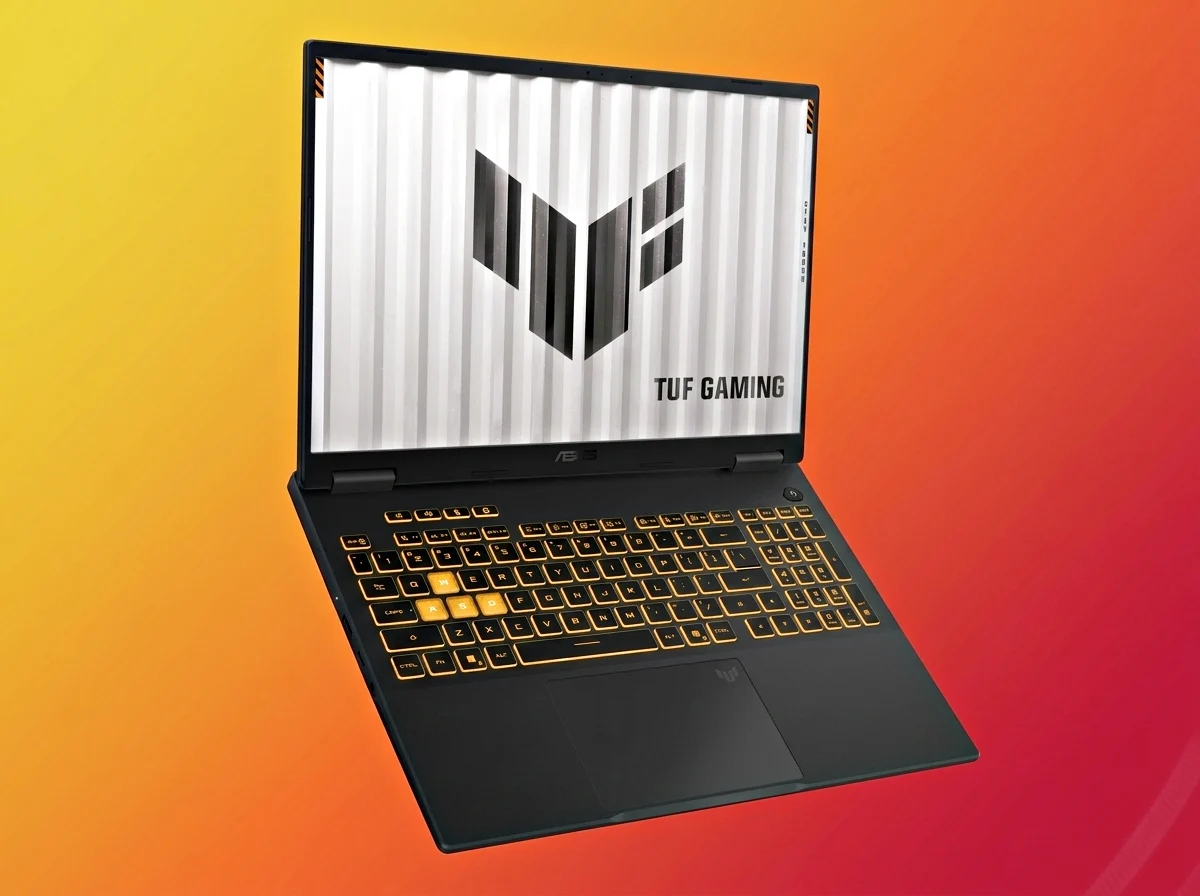
    Asus has launched the 2026 TUF Gaming 16, a new 16-inch laptop that tries to balance high-performance gaming with practical user-centric features. The latest addition to the TUF line still got that signature look, but now it have a all-black finish with an anti-fingerprint coating. Under the hood its getting up to a Intel Core i7-14650HX and up to a Nvidia GeForce RTX 5070 Laptop GPU that supports up to 85W TGP.

    Keeping it Cool and Quiet

    A key highlight of this years model is its emphasis on sustained quiet performance. The cooling system uses three heat pipes and two 80-blade fans, and Asus claims it limits fan noise to only 40dB when running in Turbo Mode. Also the internal airflow design blows air across the motherboard to help keep the small surface-mounted parts cool when you play games for many hours.

    Release Details Still Pending

    So, the price tag and exactly where you’ll be able to buy this thing hasn’t been confirmed yet. Everyone is expecting more details to come out as the launch date of the product get closer. Asus is being kind of quiet about the exact numbers right now, you understand.

    Sources
  • Asus Pro-Grade Mini PC: RTX Spark, 140W Cooling, 128GB RAM

    Asus Pro-Grade Mini PC: RTX Spark, 140W Cooling, 128GB RAM

    Key Takeaway

    – Powered by Nvidia RTX Spark superchip with 1 petaflop AI performance
    – Fits 128GB unified memory, handling 90GB+ 3D scenes and 120B-parameter LLMs
    – Compact 150x150x51mm chassis with 140W thermal headroom for sustained workloads
    – High-bandwidth connectivity and storage for professional studios and edge AI
    – Part of Asus ProArt ecosystem, compatible with AI tools like Creator Hub, MuseTree, and StoryCube


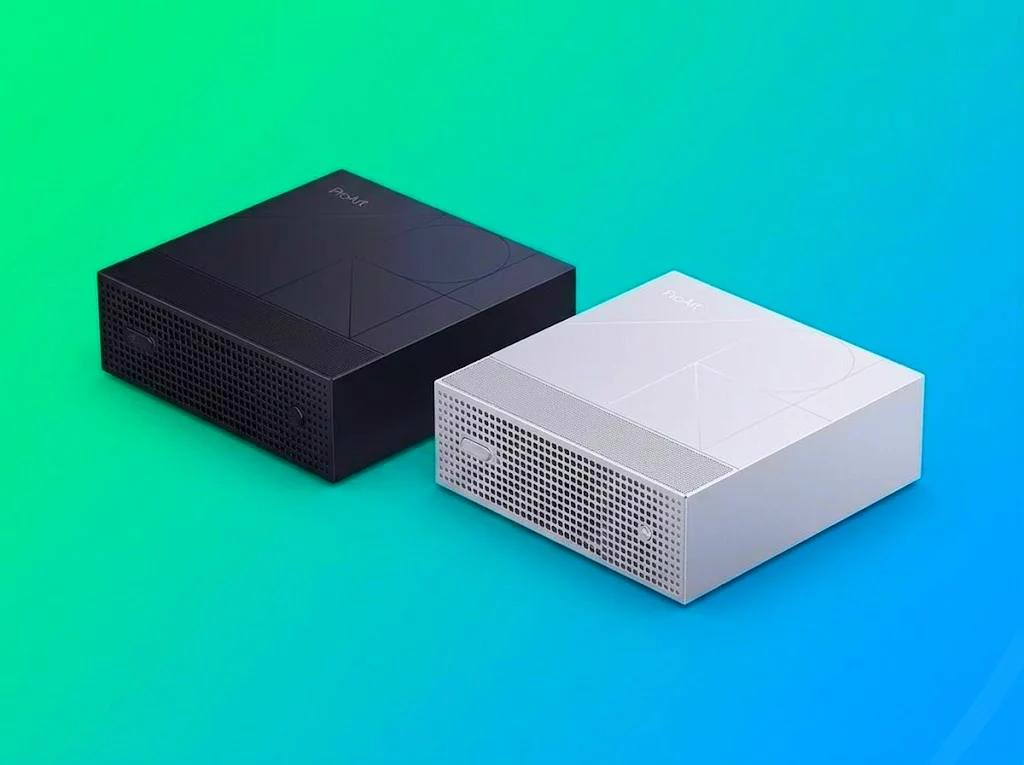
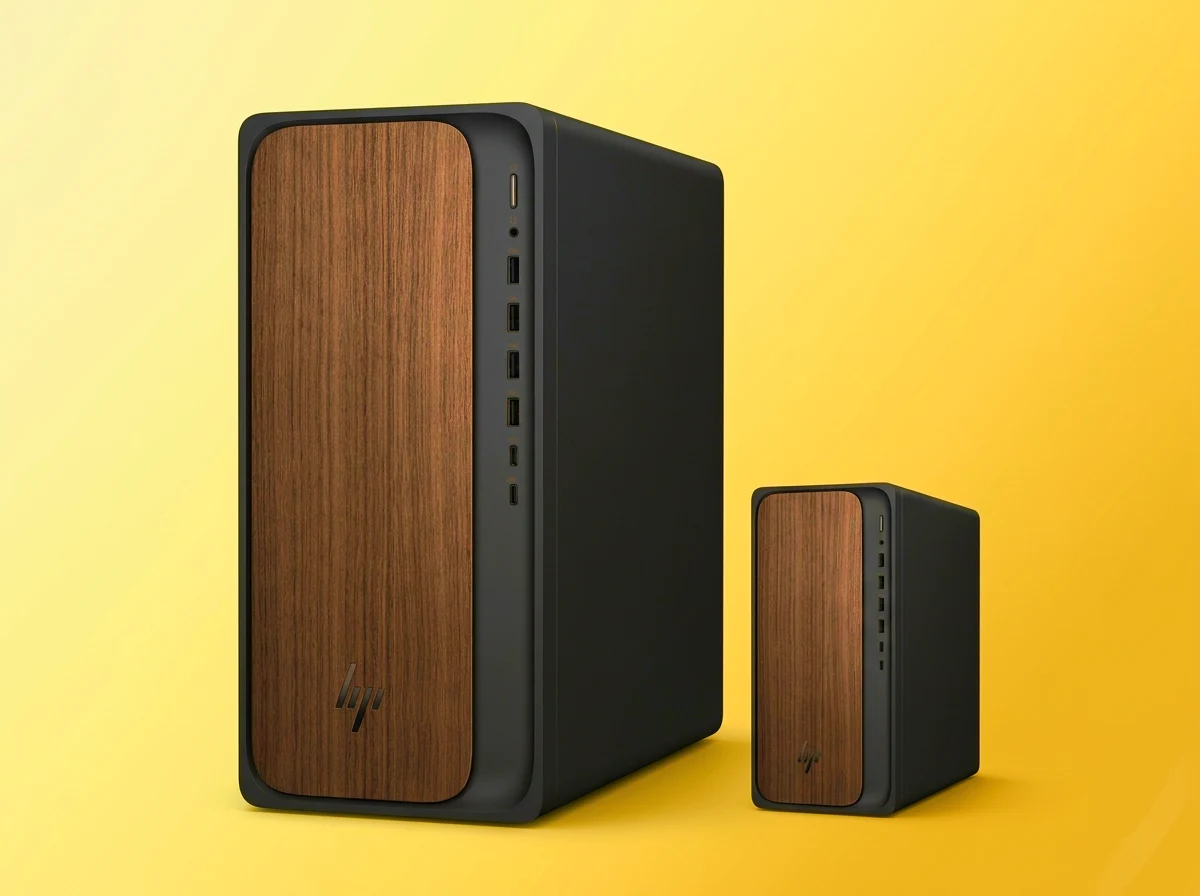
    Along side the anouncement of the new ProArt P16 and P14 MacBook Pro rivals, Asus has unveiled the new ProArt Mini PC, a direct competitor to the just-announced HP OmniDesk mini PC. Designed to bring workstation-class generative AI and large-scale rendering capabilities for those who don’t have a large desk, Asus’ Mac Studio rival is built entirely around the new Nvidia RTX Spark superchip platform.

    Small Size, Massive AI Power

    Despite measuring only 150x150x51mm, the ProArt Mini PC is engineered to handle intensive AI workloads that typically require much larger hardware. The tiny PC is powered by the Nvidia RTX Spark superchip, which integrates an Nvidia Blackwell-based RTX GPU with 6,144 CUDA cores and a 20-core Nvidia Grace CPU.

    Unified Memory and Insane Performance

    The system utilizes a unified memory architecture supporting up to 128GB of RAM. By allowing dynamic memory allocation between system and graphics resources, the device is optimized to handle massive datasets, such as 90GB+ 3D scenes or 120B-parameter Large Language Models (LLMs) with up to 1 million tokens of context. Asus rates the system at 1 petaflop of AI performance.

    Maintaining performance stability in a chassis this small requires sophisticated thermal management. The ProArt Mini PC features a dedicated thermal architecture designed to provide up to 140W of thermal headroom, ensuring the hardware can sustain long-duration rendering and AI training tasks without performance throttling.

    Connectivity and Storage Options

    To meet the requirements of professional studios and edge AI deployment, the unit includes high-bandwidth connectivity and storage options:

    • High-speed networking for rapid data transfer
    • Expandable storage for large datasets
    • Multiple display outputs for complex workflows

    The ProArt Mini PC is positioned as a foundational device for the broader Asus creative ecosystem. It is fully compatible with the suite of AI-optimized software Asus is rolling out for the ProArt series, including the ProArt Creator Hub for resource management and specialized tools like MuseTree and StoryCube for generative workflows.

    Availibility and Pricing

    The system is designed for professional developers and content creators who need to deploy AI agent-ready infrastructure in small-footprint environments. Asus has confirmed that the ProArt Mini PC will be available starting in the fall of 2026, with further configuration and pricing details to be released closer to the launch date.


    Sources

  • HP unveils thinnest RTX Spark laptop: 128GB RAM, all-day battery

    HP unveils thinnest RTX Spark laptop: 128GB RAM, all-day battery

    Key Takeaway

    – HP launches “world’s first AI mini PC” (OmniDesk) and first laptops with Nvidia’s RTX Spark platform.
    – RTX Spark integrates a Blackwell-based GPU and a 20-core Arm-based Grace CPU for data-center-grade AI.
    – These laptops are designed as “personal AI computers” for running complex local AI agents autonomously.
    – They handle secure data analysis, multi-step tasks, and workflow management beyond basic apps.
    – OmniBook Ultra 16 and OmniBook X 14 arriving later this year; pricing and specs still undisclosed.


    HP’s New Laptops with Nvidia RTX Spark

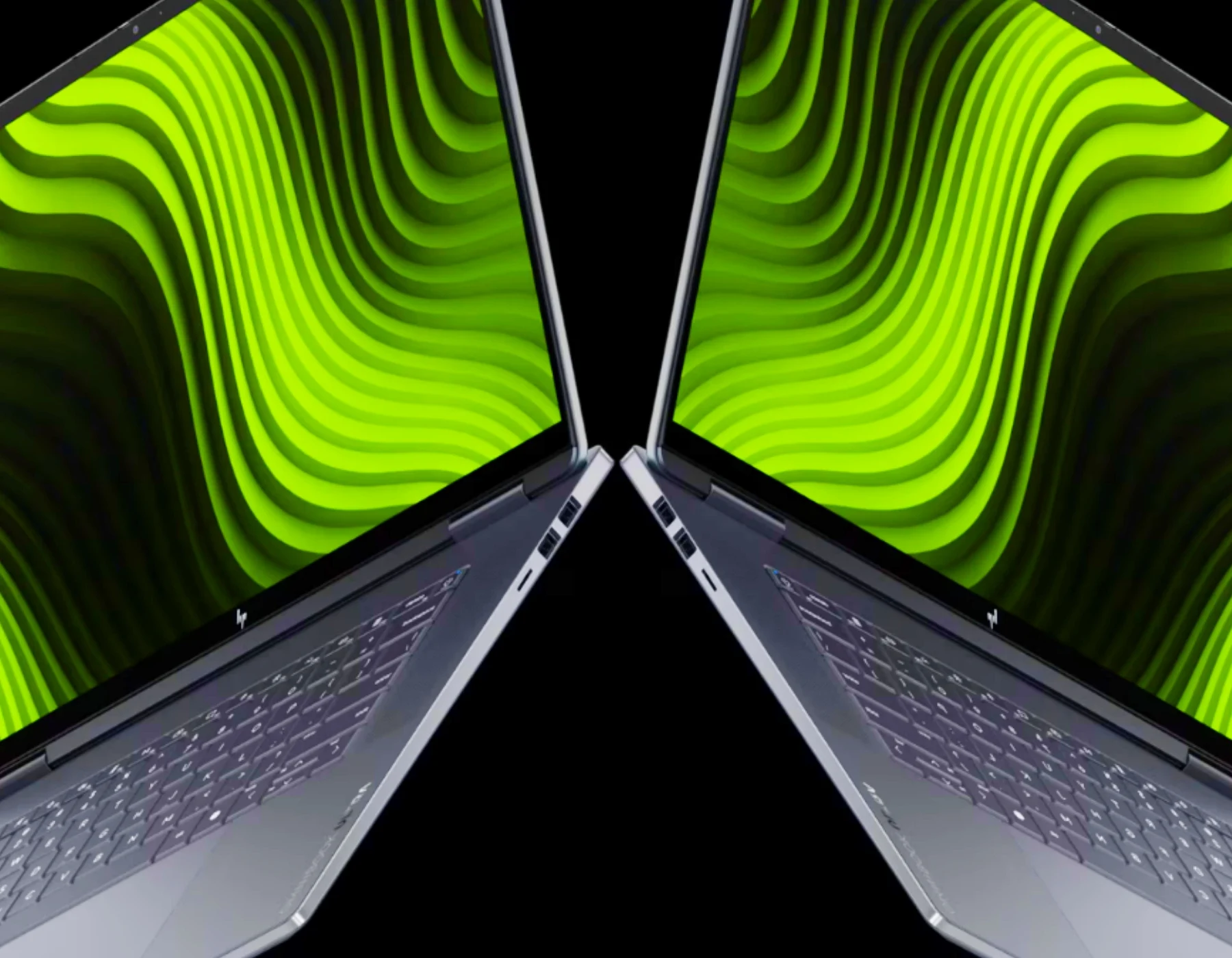
    In addition to the new OmniDesk Mini Desktop PC, known as the “world’s first AI mini PC”, HP wants to redefine the thin-and-light laptop catagory by announcing the new OmniBook Ultra 16 and OmniBook X 14, the first HP laptops to feature Nvidia’s new RTX Spark platform. These machines are not just iterative updates, they represent a fundamental shift in what a laptop can do, bringing supercomputer-like capabilities to a portable form factor for the first time.

    Nvidia’s Superchip Inside

    By integrating Nvidia’s “superchip” architecture, which combines a high-performance Blackwell-based GPU with a 20-core Arm-based Grace CPU, HP aims to bring data-center-grade AI power to portable devices. This combination is a big deal, it means the laptop can handle massive AI workloads without needing a constant internet connection or cloud server. The chip’s design is specifically tuned for efficiency and raw processing, making it suitable for professionals on the go.

    More than a Productivity Tool

    The RTX Spark platform transforms these laptops from traditional productivity tools into “personal AI computers”, says HP. Engineered to move beyond simple app launching, these systems are purpose-built to run complex local AI agents that can manage workflows, handle secure data analysis, and execute multi-step tasks autonomously. This capability is a huge leap forward, allowing users to delegate complicated tasks to their device and get results much faster than before.

    Launch and Availibility

    Both the HP OmniBook Ultra 16 and OmniBook X 14 are expected to arrive later this year. While exact configurations and pricing are still under wraps, the series represents a major shift toward local AI supercomputing for creators, developers, and gamers alike. The lack of specific pricing details is disapointing but the promise of these machines is exciting, we will have to wait and see what HP charges for this next-gen technology.

    Sources
  • HP OmniDesk Mini: World’s First AI Mini PC with Intel Core Ultra

    HP OmniDesk Mini: World’s First AI Mini PC with Intel Core Ultra

    Key Takeaway

    – HP expands AI PC portfolio with the OmniDesk Mini Desktop PC, billed as the world’s first “Mini AI PC” with Thunderbolt Share.
    – Device features compact design replacing bulky towers, targeting high performance in a small footprint.
    – Launch is part of broader HP strategy integrating Nvidia RTX Spark platform across notebooks and desktops.
    – OmniDesk Mini expected for August 2026 release; pricing TBA, and no images shared yet.


    HP’s Big AI Push with a Tiny Desktop

    HP has just anounced a major expansion of they’re AI-focused PC lineup, and the star of the show is the brand new HP OmniDesk Mini Desktop PC. This here device is being called the worlds first “Mini AI PC” that includes Thunderbolt Share, and they reckon it’s meant to take the place of them bulky old towers with a much smaller but still powerful shape.

    Key Specs and Features for the OmniDesk Mini

    The launch is part of a broader HP strategy to integrate the new Nvidia RTX Spark platform across its lineup, including upcoming notebooks and more desktop options. There’s a lot of focus on making this thing compact yet capable, which should appeal to folks who don’t want a massive case sitting under they’re desk taking up all the room.

    • They’re calling it the first Mini AI PC with Thunderbolt Share
    • It uses the new Nvidia RTX Spark platform
    • Compact footprint designed to replace traditional towers
    • Part of a larger expansion across notebooks and desktops

    Pricing and Availability Details

    The HP OmniDesk Mini Desktop PC is expected to hit the market in August 2026. Official pricing details will be announced closer to the retail launch date. What’s interesting is that HP hasn’t shared any images of the OmniDesk Mini Desktop PC yet, which is a bit odd since most companies show off the hardware right away when they make a big announcement like this.

    Sources
  • Dell XPS 13 Vs MacBook: Users Fear Windows 11 on 8GB RAM

    Dell XPS 13 Vs MacBook: Users Fear Windows 11 on 8GB RAM

    Key Takeaway

    – Dell XPS 13 matches MacBook Neo at $699 with superior hardware (chassis, display).
    – Entry-level XPS 13 with 8GB RAM underperforms on Windows 11, unlike macOS on MacBook Neo.
    – Microsoft officially recommends 16GB RAM for smooth Windows 11, unfeasible at this price point.
    – RAM supply crunch prevents OEMs from offering 16GB in $699 laptops.
    – Microsoft must optimize Windows 11 for Windows laptops to truly compete with MacBook Neo.


    MacBook Neo Success Forces Dell to Finally Compete

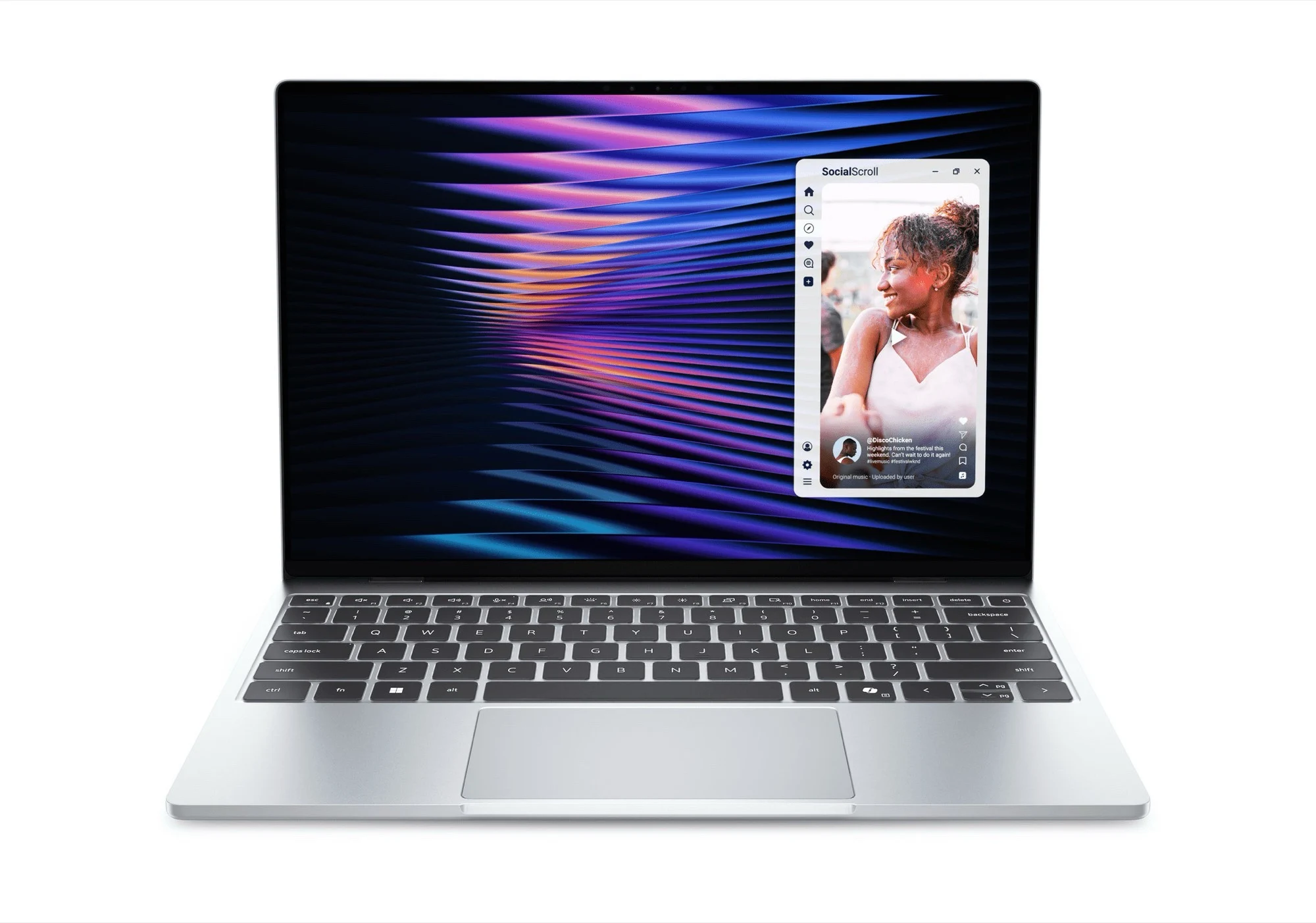
    It appears that the success of MacBook Neo is finally haveing the effect that many wished it would on Windows laptops. Dell has announced a new XPS 13 that directly competes with the MacBook Neo at $699 ($599 for students).

    Hardware Perspective and Core Specs

    From a purely hardware perspective, Hardware Canucks asserts that this XPS 13 is a “better MacBook Neo”. This assessment looks accurate, as the XPS 13 boasts a high-quality chassis, a display that punches way above its price tag, and much more.

    RAM Concerns for Entry-Level Models

    However, Hardware Canucks is concerned that the entry-level versions of the Dell XPS 13 that will compete with the MacBook Neo might not hold up well with only 8 GB of RAM. Windows 11 is notoriously resource-hungry, a problem that Microsoft is working on fixing. macOS on the Apple MacBook Neo, on the other hand, is shown to run smoothly on just 8 GB of RAM.

    Many users on Reddit have also expressed similar concerns. For instance, one user sarcastically remarked on r/Technology that “Windows 11 on 8 GB of memory sounds like a fun experience”. Another exclaimed that “For a Windows PC to even remotely be taken seriously as a competitor to a Mac, it needs at least 16 gigs of ram, which no PC at this price point will ever have”.

    Microsoft Recommends 16GB and Market Reality

    Microsoft officially recommends 16 GB of RAM for Windows 11 for smooth operation. In the current market conditions, it is not reasonable to expect a $699 laptop to have 16 GB of RAM. As shown by the recent enormous Steam Deck price increase, OEMs both big and small have been affected by the RAM supply crunch.

    Conclusion and OS Handicap

    So, Windows laptop OEMs do not just have to worry about the price-to-performance of the hardware of their laptops, but also hope that Windows plays nicely. Microsoft needs to resolve this handicap if Windows laptops are to have a real chance at competing favorably with the MacBook Neo.

  • Surface Laptop Ultra: RTX Spark & Mini-LED Power

    Surface Laptop Ultra: RTX Spark & Mini-LED Power

    Key Takeaway

    – Powered by Nvidia’s new RTX Spark SoC with up to 128 GB RAM
    – Features a 15-inch mini-LED display with 2,000 nits peak brightness
    – Designed with improved repairability and a full port selection (HDMI, USB-C, USB-A, SD card, headphone jack)
    – Likely very expensive, continuing Microsoft’s trend of premium pricing
    – Release timeline uncertain—may not launch properly until 2027


    New Surface Laptop Ultra: Power and Price

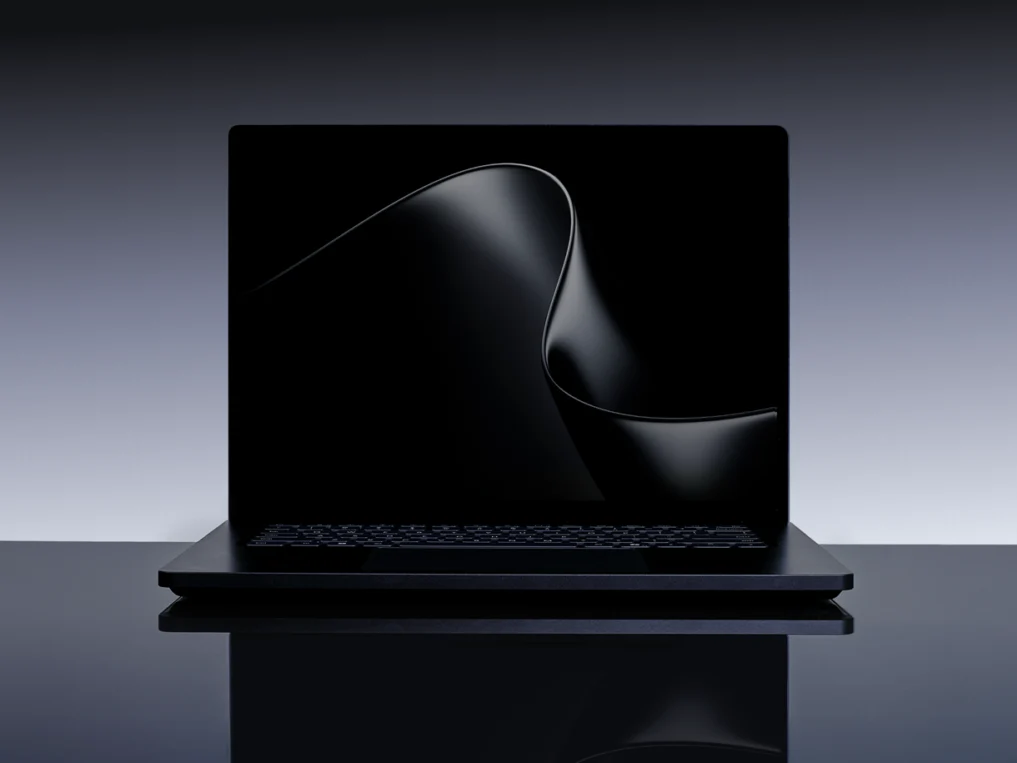
    Microsoft has unveiled what could easily be one of its most powerful Surface-branded laptops to launch in 2026. Dubbed as the Surface Laptop Ultra, it runs Nvidia’s shiny new RTX Spark SoC with support for up to 128 GB of RAM. It might cost you an arm and a leg, though, which, at this point, seems the bare minimum to get any powerful machine.

    Display and Battery Life Details

    Unfortunately, Microsoft’s blog post announcing the Surface Laptop Ultra is bereft of details. It boasts of ‘all day’ battery life, something even Nvidia claimed in its RTX Spark reveal. For the screen, the laptop employs a 15-inch mini-LED panel with 2,000 nits peak brightness and 262 PPI pixel density, tacitly implying it is a 3.2K-3.5K panel with a 16:10 aspect ratio.

    Ports and Repairability

    Microsoft says the Surface Laptop Ultra comes with all the ports required for creative workloads, namely HDMI, USB-C, USB-A, an SD card slot, and a headphone jack. Unlike previous Surface laptops that were notoriously hard to repair, this one has supposedly been designed with repairability in mind.

    Availabilty and Pricing Concerns

    The Microsoft Surface Laptop Ultra will be available for purchase later this year. However, Moore’s Law is Dead stated that RTX Spark-powered machines wouldn’t be available properly until 2027. Based on its specs, and the general tendency for Microsoft to overprice its laptops, the Surface Laptop Ultra won’t be cheap.

    Sources