– N1X/N1 laptop shipments expected at ~10 million units over two years, initially niche for “AI power users”
– Hardware alone insufficient for broad PC upgrade cycle; Windows currently seen as a bottleneck
– Most consumer AI interaction remains cloud-based, not local; AI PC narrative hasn’t driven sales
– Apple MacBook Neo selling strongly, 2026 forecast doubled to 10 million units on non-AI factors
– True on-device AI adoption requires deep OS-level integration of user data and workflows, not just hardware
Nvidias New Chip Plans Leak Out
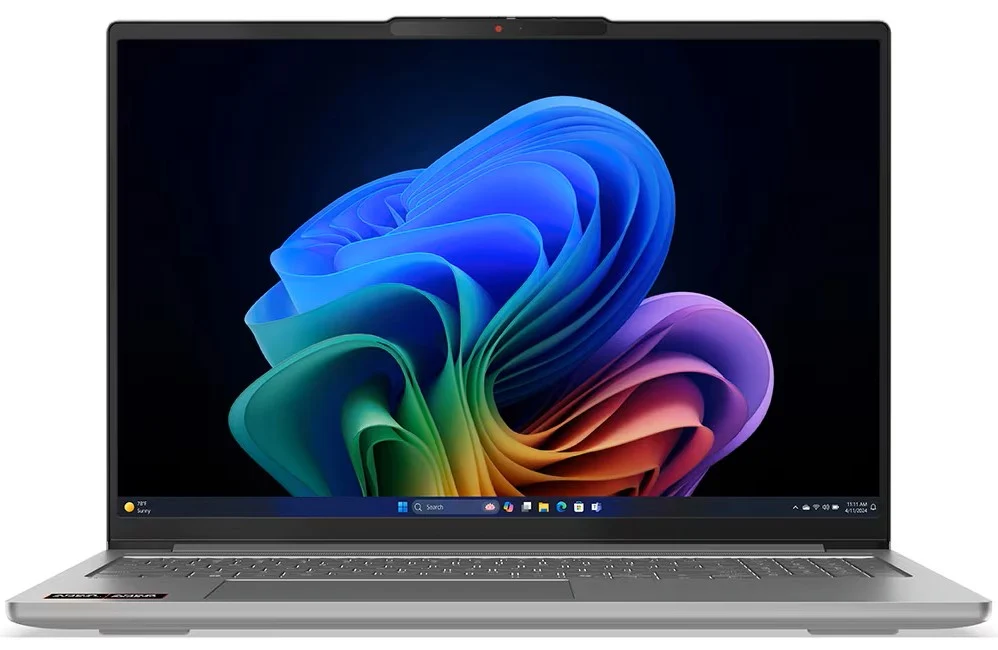
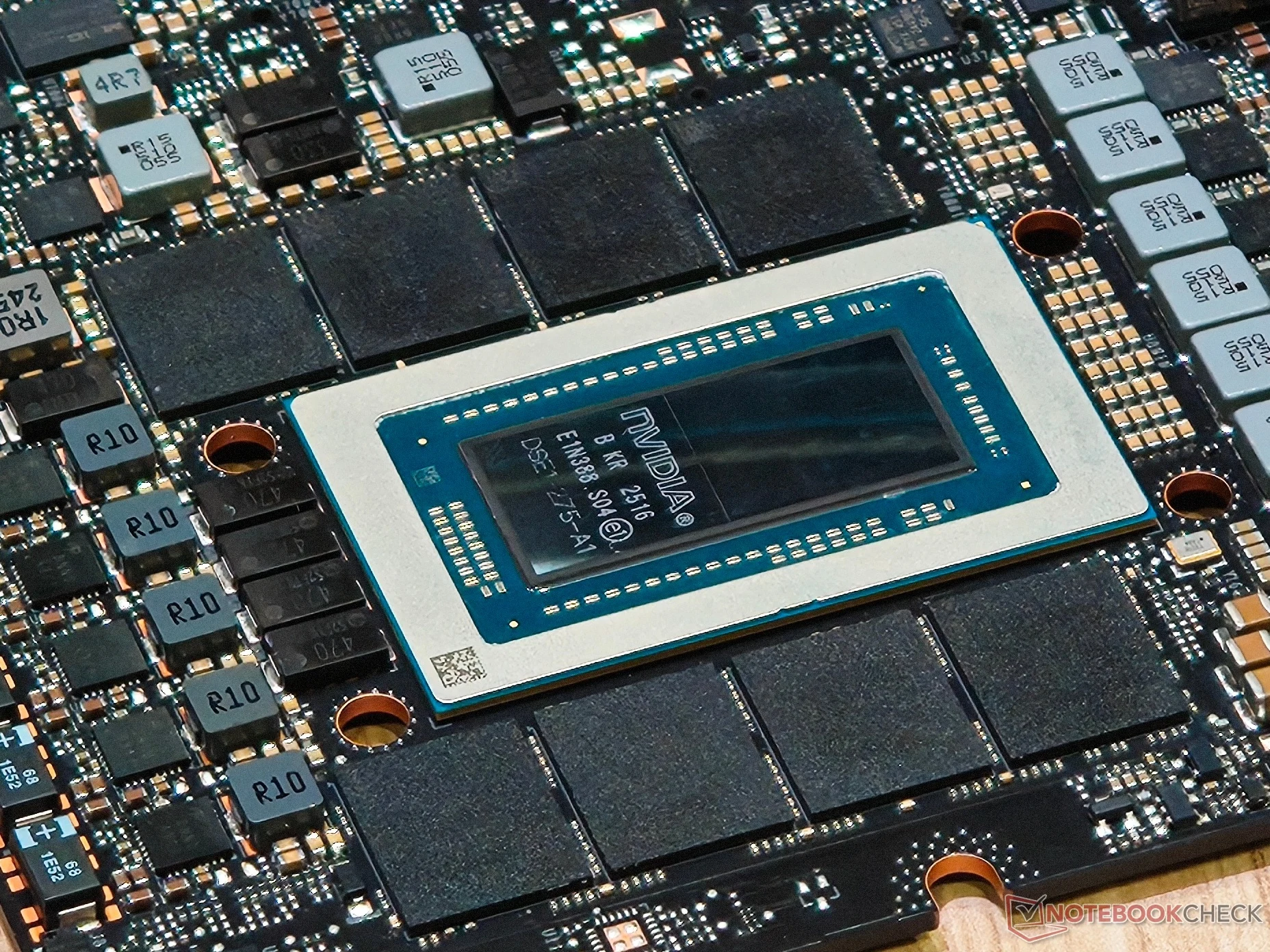
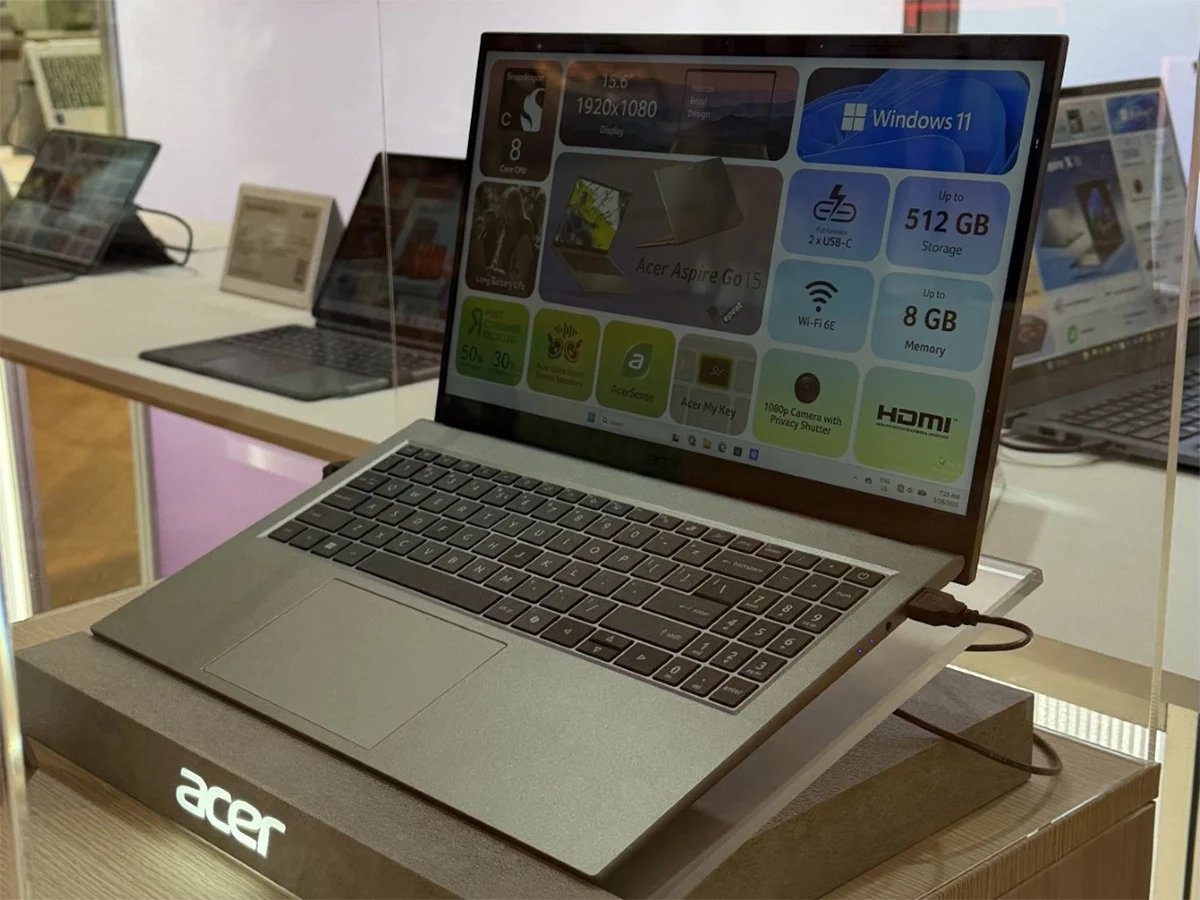
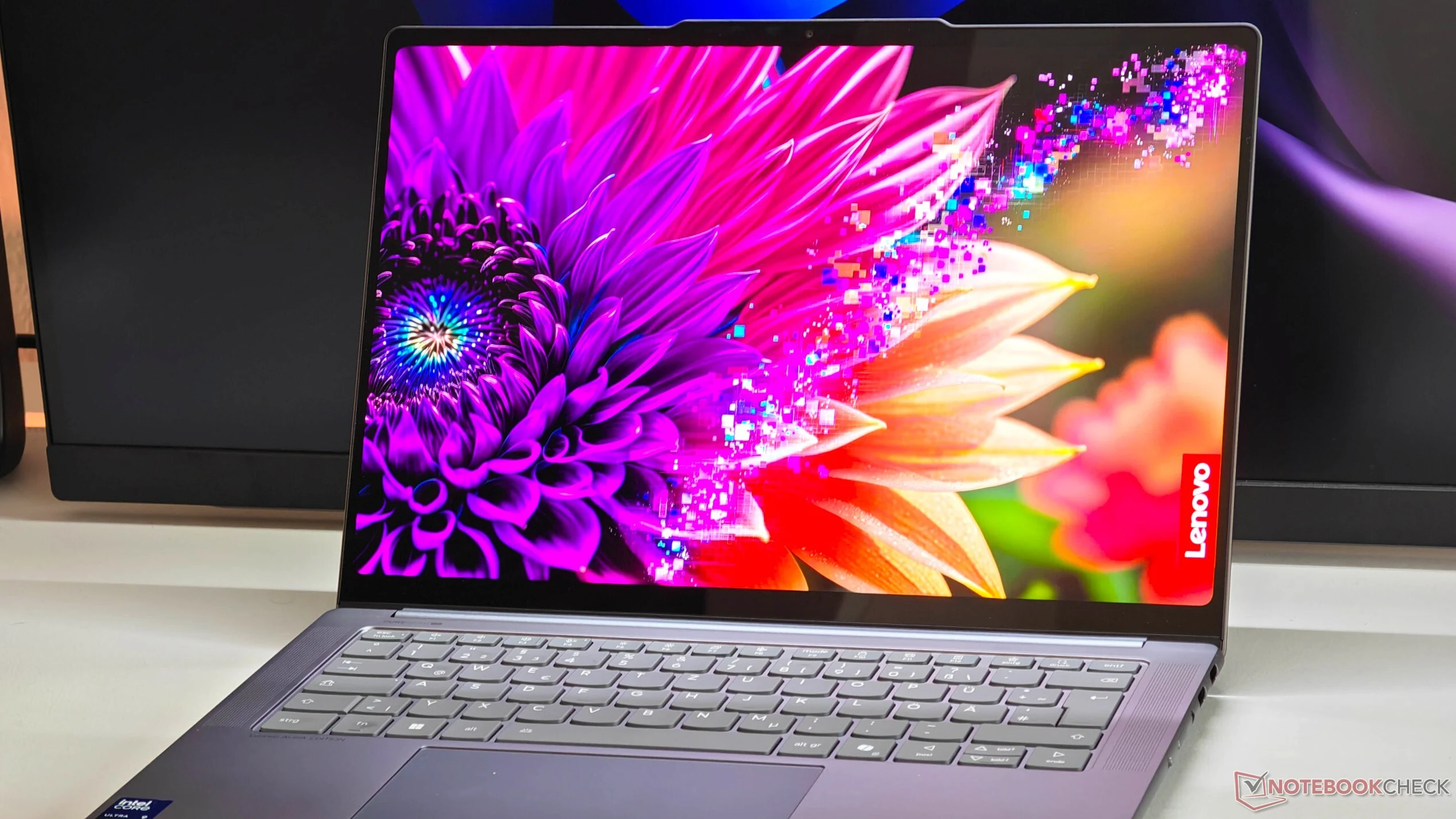
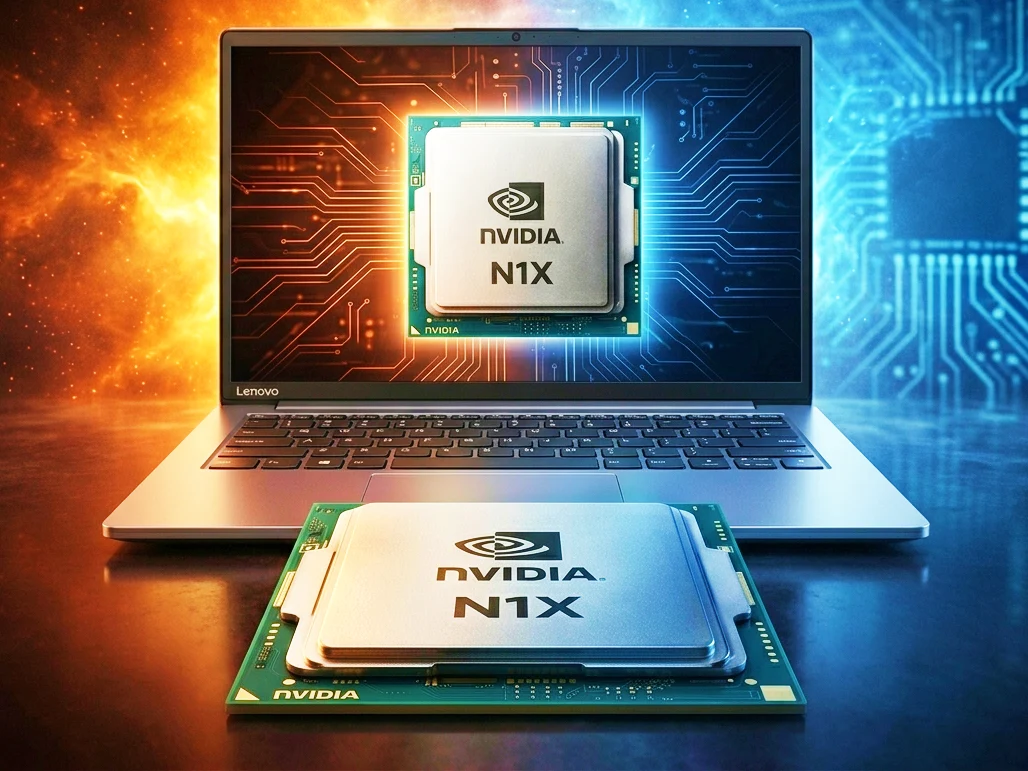
Following Nvidias “New era of PC” announcement, and the detailed leak of the N1X and N1 chips, a new supply chain report by top analyst Ming-Chi Kuo suggests that shipments for laptops utilizing Nvidia’s anticipated N1X and N1 processors are projected to reach approximatley 10 million units over the next two years. Currently, these devices are viewed as a niche offering specifically for “AI power users” who require on-device compute capabilities. According to Kuo, the potential for upward revisions in these shipment forecasts will depend on several factors that are complecated to predict.
Memory and Processing Viable Alternatives
Kuo notes that for power users running Large Language Models (LLMs) locally, the N1 series of chips offers a viable alternative to the Mac, particularly regarding memory and on-device processing capabilites. However, he emphasises that hardware specs alone may not be enough to drive a broader PC upgrade cycle, suggesting Windows might act as the bottleneck. The report highlights that the primary way consumers interact with AI on both Windows and Mac platforms remains through cloud-based services, which is interesting to note for the future.
Cloud Services Still The Main Driver
Whether users are accessing LLMs via web browsers or calling them through APIs, the core compute burden is currently handled by cloud providers, not the local hardware. Kuo points out that the current “AI PC” narrative has seen little impact on actual market sales or consumer intrest. Instead, the most significent market activity in 2026 has been driven by non-AI-specific factors, which shifts the focus onto other hardware segments entirely.
MacBook Neo Outselling Expectations
The analyst highlights the strong performance of Apple’s MacBook Neo (which has been selling like hotcakes), noting that 2026 shipment forecasts for the model were revised up by roughly 100%, climbing from 5 million to 10 million units, a consumer intrest driven primarily by: better battery life, a lighter chassis, and improved display technology rather then any AI features. Ultimately, Kuo argues that the true “upgrade cycle” for on-device AI requires more than hardware to succeed.
Operating System Remains The Bottleneck
While the N1X/N1 might provide a new balance of power, memory, and portability, the primary reason for mass adoption might still be the operating system, which is lagging behind. Currently, AI integration in PC operating systems is largely limited to specific features in first-party applications or limited workflow connections, making it hard for users. To move beyond the current status quo, the analyst suggests that OS-level support is nessecary to deeply integrate user data and workflows across applications while maintaining privacy, which remains the primary challenge for the broader AI PC segment according to Ming-Chi Kuo.