Tag: ARM processors

  • Nvidia N1X & N1 Processors Leak in Full Before Launch

    Nvidia N1X & N1 Processors Leak in Full Before Launch

    Key Takeaway

    – Nvidia’s N1-series includes four Arm processor variants: flagship N1X (20-core, 48 SM GPU) and standard N1 (12- and 10-core options) for different laptop tiers.
    – N1X targets high-performance laptops (45-80W), while N1 focuses on thinner, affordable systems (18-45W).
    – N1X supports up to 128GB LPDDR5X memory and 3 M.2 SSDs; N1 tops at 64GB with 2 SSDs.
    – Development appears to have been ongoing for at least two years, with leaked documents from 2024.
    – The leak arrives just before Nvidia’s expected Arm PC platform announcement, signaling a major push into Windows-on-Arm.


    Nvidia N1 Chip Leak Reveals Specs

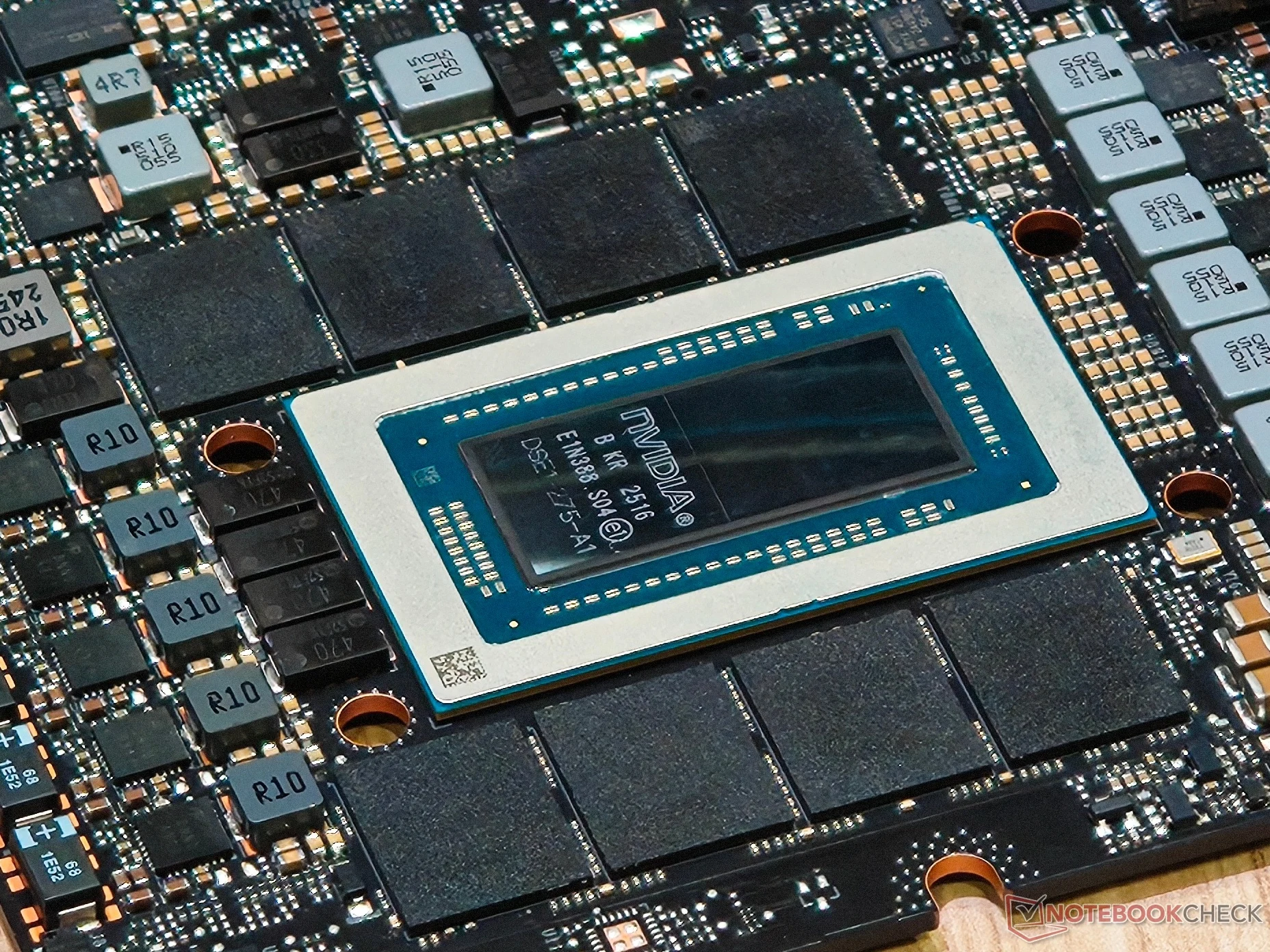
    Just a day before the expected announcment, detailed specifications of Nvidia’s upcoming N1-series Arm processors for PCs and laptops have leaked online. According to information published by VideoCardz, citing internal Nvidia documents, the company is preparing at least four variants of the N1 family, ranging from high-performance N1X models to more power-efficient and affordable N1 chips aimed at thinner, mainstream devices.

    Flagship N1X Core and Graphics Details

    The flagship N1X reportedly shares its core configuration with the GB10 processor used in Nvidia’s DGX Spark desktop AI supercomputer. The top-tier variant is said to feature a 20-core CPU consisting of ten Cortex-X925 performance cores paired with ten Cortex-A725 efficiency cores. Graphics duties are handled by a Blackwell 2.0 GPU featuring 48 Streaming Multiprocessors (SMs), equivalent to 6,144 CUDA cores.

    A slightly cut-down N1X configuration is also planned. It would feature 18 CPU cores in a 9+9 arrangement alongside a 40-SM GPU with 5,120 CUDA cores. Both N1X models are reportedly designed to operate within a power range of 45 W to 80 W, placing them in the same class as today’s high-end laptop processors. Unlike conventional CPUs, however, this figure covers the complete CPU and GPU package.

    Standard N1 Lineup for Thinner Systems

    More intriguing may be the standard N1 lineup, which appears targeted at thinner, more affordable systems. Two configurations have reportedly been planned. The higher-end version combines eight Cortex-X925 cores and four Cortex-A725 cores with a 20-SM GPU, delivering 2,560 CUDA cores. A second variant scales back to a 10-core CPU configuration with seven performance cores and three efficiency cores, paired with a 16-SM graphics processor offering 2,048 CUDA cores. The N1 family is said to operate within a considerably lower 18 W to 45 W power range.

    Memory and Storage Variations

    Memory support also differs significantly between the two product families. The N1X reportedly supports up to 128 GB of LPDDR5X memory through a 16-channel interface, whereas the standard N1 tops out at 64 GB and uses an 8-channel design. Storage capabilities have also been scaled accordingly, with N1X supporting up to three M.2 SSDs and N1 supporting two.

    Development Timeline and Market Timing

    The leaked documents also suggest that Nvidia has been working on the project for quite some time. According to VideoCardz, one of the slides carries a 2024 date, indicating that development may have been underway for at least two years. Not all of the listed models are guaranteed to appear in shipping products, and some may never make it to market, but the documents indicate these were at least part of Nvidia’s original roadmap.

    The timing of the leak is particularly notable, as the embargo on Nvidia’s new Arm-based PC platform is expected to lift within days. If the specifications prove accurate, the N1 family could mark Nvidia’s most ambitious attempt yet to enter the Windows-on-Arm laptop market, bringing together Arm CPU technology and high-performance Blackwell graphics in a single package.

    Sources
  • Intel Partners with Qualcomm and MediaTek for Googlebook Laptop Power

    Intel Partners with Qualcomm and MediaTek for Googlebook Laptop Power

    Key Takeaway

    1. Google is launching the Googlebook line, a potential direct competitor to the MacBook Neo, with a variety of hardware options from OEM partners like HP, Dell, Acer, Asus, and Lenovo.
    2. The new laptops are expected to run on Aluminum OS (ALOS), anticipated to launch in Fall 2026, and may be based on ARM architecture, possibly utilizing Intel processors designed for ARM.
    3. Google is collaborating with Qualcomm, MediaTek, and Intel on this project, with Intel possibly bringing ARM-based processors to the lineup, marking one of the first commercial deployments of Intel’s ARM-compatible SoC.

    Google’s New Portable Laptops: The Googlebook Lineup

    Recently, Google has announced its plan to possibly launching a new series of laptops called the Googlebook line, which is seen as a competitor to the MacBook Neo. The company has shared at an event that they are collaborating with several OEM partners—like HP, Dell, Acer, Asus, and Lenovo—which gives us insight on the variety of designs and hardware options that might come out.

    Limited Hardware Details But Potential Collaborations

    When it comes to the internal components, Google didn’t reveal much about the processors. But in a chat with Chrome Unboxed, John Maletis, Google’s VP, confirmed that they are working with Qualcomm, MediaTek, and Intel. This diverse collaboration indicates a potential for a range of hardware configurations.

    Partnerships and Operating System Hints

    Intel even went ahead to make a formal post on X, stating that they work together with Google specifically on the Googlebook project. The exact operating system isn’t officially confirmed yet, but most expectation is that it will be Aluminum OS (ALOS), planned for launch around Fall 2026, aligning with the expected release of the laptops.

    Leak Insights and ARM Compatibility

    Some leaks by Mystic Leaks suggest that the OS is designed for ARM-based devices, which clarifies Qualcomm and MediaTek’s roles. However, Intel’s involvement in this project suggests the possibility of Intel ARM processors, perhaps the upcoming reference SoC codenamed Deer Creek Falls, based on the 18A node process. This would mark an interesting step as it’s possibly one of the first commercial uses of this new ARM technology.

    Future Expectations and Market Competition

    This move by Google could greatly influence the competition with Apple’s M-series MacBooks, especially if they bring affordable or versatile options. The expected launch around Fall 2026 makes it an exciting upcoming rival to the likes of the 13-inch M5 MacBook Air, currently priced at around $999. So, keep an eye on how Google’s new line could reshape the portable laptop market.

    Sources
  • Leak Unveils Next-Gen Microsoft Surface Pro and Surface Laptop

    Leak Unveils Next-Gen Microsoft Surface Pro and Surface Laptop

    Key Takeaway

    1. Microsoft is planning new Surface Pro and Surface Laptop models with increased RAM, storage options, and either ARM or Intel processors, including OLED display options for business devices.
    2. The Surface Laptop 15 with ARM processor will be discontinued, while smaller Surface Laptop models with Qualcomm Snapdragon chips will continue.
    3. The next-generation Surface Pro for consumers will feature ARM processors and more color options, with increased RAM and storage capacity.
    4. Business versions will offer multiple display options, higher RAM (up to 64 GB), Intel processors, and an optional 5G modem, with prices expected to rise.

    Microsoft’s Surface Range Gets a Price Hike and New Models Coming

    Microsoft has recently raised the prices across all their Surface devices. This move comes with some exciting news about upcoming models, especially the Surface Pro and Surface Laptop which are expected to get some upgrades and new variations. The price increase has been reported, but there are also indications that new versions might be released soon. People who follow the retail listings could see some hints about what’s coming in the near future.

    Plans for ARM and Intel Variants

    According to reports from retailers, Microsoft is planning to continue offering models with ARM processors for both consumers and business users. These models are typically easier to purchase from independent retailers, at least in certain regions. The existing Surface Laptop 15 with an ARM chip, which will be discontinued, was known to be available, but now it looks like the smaller Surface Laptop with a 13.8-inch screen will return with options for Qualcomm Snapdragon X2 Plus and Snapdragon X2 Elite processors, featuring RAM options from 16 GB to 24 GB, and SSD storage from 512 GB to 1 TB.

    Next-Generation Surface Pro and Laptop Details

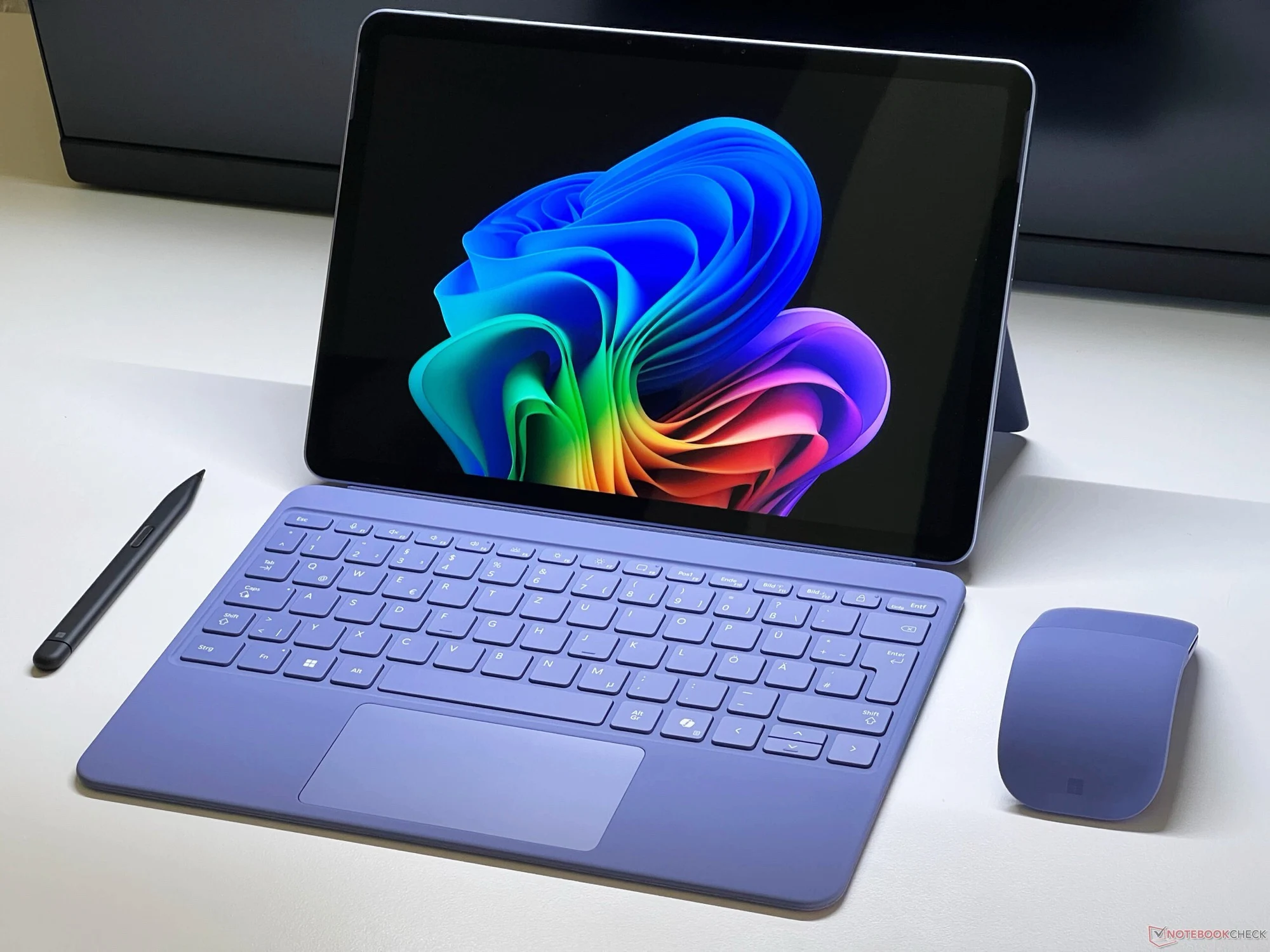
    The upcoming consumer-focused Surface Pro is poised to come with ARM processors and will be offered in colors like “Platinum” and “Black.” The configuration options include 16 GB to 32 GB of RAM and storage options from 256 GB to 512 GB. Meanwhile, the business models are expected to offer more options and customization.

    Business-Ready Surface Devices

    For professionals, the new Surface Pro for business will come in several variations. Buyers will have the choice between a 13-inch LCD or OLED display. Processor options include Intel Core Ultra 5 or Core Ultra 7 Panther Lake chips, supported by 16 GB to 64 GB RAM. An extra feature is the possible inclusion of a 5G modem, which might cost extra. As for the Surface Laptop aimed at business users, it will be available in 13.8-inch or 15-inch OLED screens, based on Intel Panther Lake, with the same RAM range. While prices are expected to go higher, specific pricing or release dates haven’t been announced yet. The official details are still to be revealed, but it’s clear that Microsoft is gearing up for a new push in their Surface lineup.

    Sources
  • Nvidia N1x ARM Laptop Processor Delayed to Mid-Late 2026

    Nvidia N1x ARM Laptop Processor Delayed to Mid-Late 2026

    Key Takeaways

    1. Nvidia’s N1x laptop processor faced delays due to design flaws and challenges in production, pushing its launch to early 2026.
    2. Issues with ARM processors for PCs, especially regarding Windows support, continue to complicate development for Nvidia.
    3. Despite N1x setbacks, Nvidia’s DGX Spark, featuring an integrated Grace CPU, is set to ship soon, indicating progress in the PC CPU market.
    4. Nvidia aims to target entry-level and mid-range segments with its N1 CPU family, competing against established brands like Intel, AMD, and Apple.
    5. Nvidia’s recent growth, surpassing a $4 trillion market cap, raises expectations for overcoming current development hurdles.


    Nvidia was set to unveil its first N1x laptop processor this year, and we got a sneak peek at its performance compared to current models from Intel, AMD, Qualcomm, and Apple back in June due to a Geekbench leak. Initially, Nvidia planned to introduce the N1x at Computex this year, but things did not go as Team Green hoped, leading to delays in both the chip’s launch and shipping dates.

    N1x Chip Challenges

    The first signs of trouble for the N1x chip appeared in April when some design flaws were found. Nvidia pointed fingers at TSMC and even Microsoft for these issues. However, it seems these problems were resolved without any changes to the silicon itself, and Nvidia stated that full production began this June, with a potential launch window set for early 2026. Yet, sources close to Semi Accurate now indicate that more issues have arisen, pushing the N1x launch further into 2026.

    ARM Processor Issues

    ARM processors designed for PCs frequently encounter unexpected challenges, particularly when Windows support is involved. Microsoft faced many difficulties in making Windows-on-ARM viable until Qualcomm released its Snapdragon X series of processors last year, though that launch had its own issues. Despite these setbacks, we would have thought Nvidia would avoid too many development hurdles, especially since the company recently surpassed a $4 trillion market cap and is currently ahead of Microsoft.

    Progress in Other Areas

    While the N1x faces several obstacles, the DGX Spark, equipped with its integrated Grace CPU featuring 10 ARM Cortex-X925 and 10 ARM Cortex-A725 cores, is nearly ready to ship this month. This indicates that Nvidia is making its way into the PC CPU market this year. Team Green also aims to capture the entry-level and mid-range segments, but we will have to wait and see if the N1 CPU family performs better than Qualcomm models against the seasoned Intel, AMD, and Apple competition next year.

    Source:
    link

  • Microsoft asserts Snapdragon X Elite outperforms Apple M series CPUs

    Microsoft asserts Snapdragon X Elite outperforms Apple M series CPUs

    Your may already be familiar with Windows laptops featuring Snapdragon processors, although these often fall short when it comes to performance. Furthermore, due to Microsoft’s optimization for x86 CPUs leaving only AMD or Intel options as viable processor options. But now with Snapdragon’s introduction of its flagship Snapdragon X Elite chip something shift appears imminent!

    Microsoft Announces Advanced ARM Chipset Offering

    Microsoft is showing high anticipation for the performance of Snapdragon X Elite as reported by The Verge. Although ARM processor-based computers exist today, x64 software remains prevalent – Apple used Rosetta translation layer support x64 applications on ARM CPUs even after switching over from M series processors.

    Improved Translation Layer

    Microsoft claims its translation layer surpasses Apple’s Rosetta 2 in efficiency, an essential requirement for consumer adoption of x64 apps on ARM platforms. Windows implemented such an effort nearly two years ago; recent advancements suggest significant advancement in its functionality.

    Snapdragon X Elite Integration.

    Information obtained by The Verge indicates that both Surface 10 Pro and Surface Laptop 6 models will feature Qualcomm’s Snapdragon X Elite processors, although initial announcements suggested Intel Core Ultra series processors. Now confirmed are Qualcomm Snapdragon X Elite variants also.