Category: Computers

  • Asus TUF Gaming A16 Laptop: RTX 50, Expert Cooling & Durability

    Asus TUF Gaming A16 Laptop: RTX 50, Expert Cooling & Durability

    Key Takeaway

    – New 2026 TUF Gaming 16 features an all-black, anti-fingerprint design.
    – Powered by up to Intel Core i7-14650HX and Nvidia RTX 5070 (85W TGP).
    – Emphasizes quiet, sustained performance with a new cooling system.
    – Cooling uses three heat pipes and dual 80-blade fans, limiting noise to 40dB in Turbo Mode.
    – Pricing and availability not yet announced.


    Asus’s New Gaming Machine

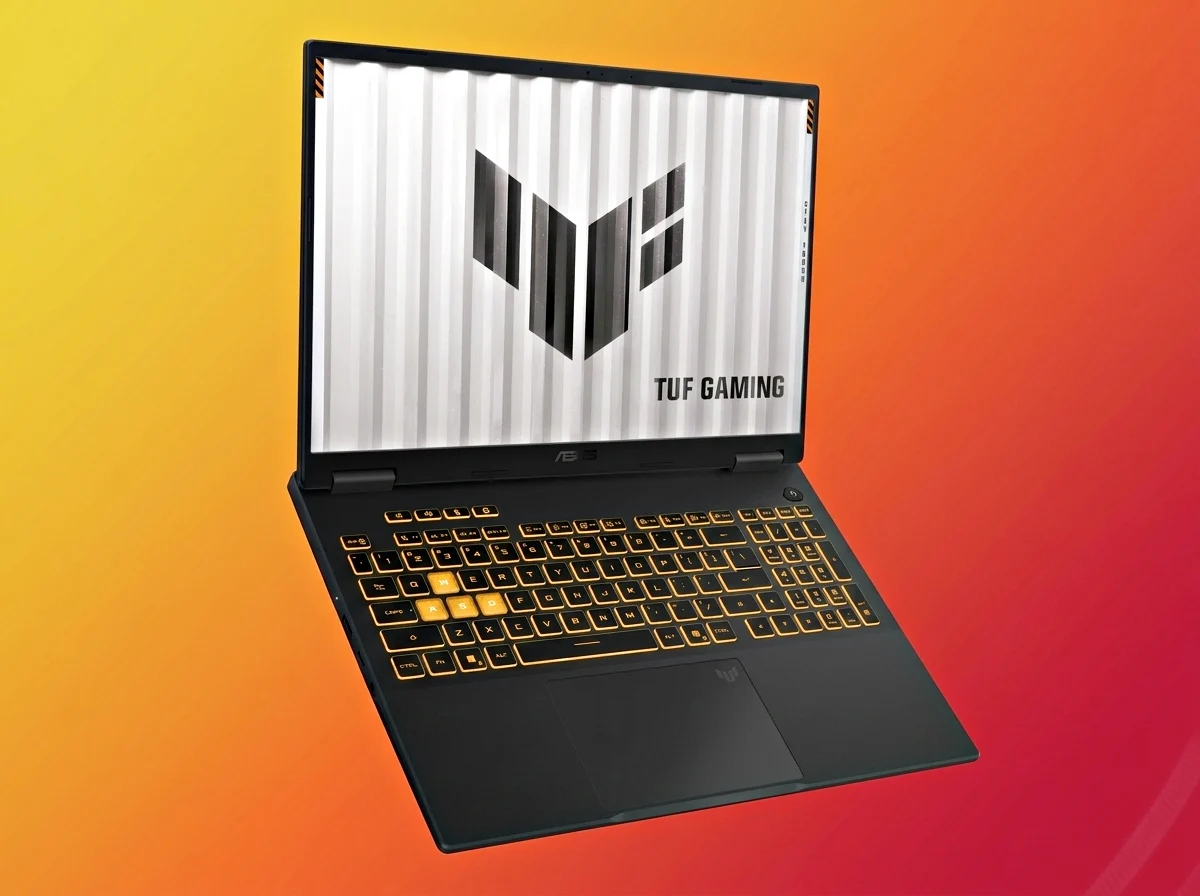
    Asus has launched the 2026 TUF Gaming 16, a new 16-inch laptop that tries to balance high-performance gaming with practical user-centric features. The latest addition to the TUF line still got that signature look, but now it have a all-black finish with an anti-fingerprint coating. Under the hood its getting up to a Intel Core i7-14650HX and up to a Nvidia GeForce RTX 5070 Laptop GPU that supports up to 85W TGP.

    Keeping it Cool and Quiet

    A key highlight of this years model is its emphasis on sustained quiet performance. The cooling system uses three heat pipes and two 80-blade fans, and Asus claims it limits fan noise to only 40dB when running in Turbo Mode. Also the internal airflow design blows air across the motherboard to help keep the small surface-mounted parts cool when you play games for many hours.

    Release Details Still Pending

    So, the price tag and exactly where you’ll be able to buy this thing hasn’t been confirmed yet. Everyone is expecting more details to come out as the launch date of the product get closer. Asus is being kind of quiet about the exact numbers right now, you understand.

    Sources
  • Asus Pro-Grade Mini PC: RTX Spark, 140W Cooling, 128GB RAM

    Asus Pro-Grade Mini PC: RTX Spark, 140W Cooling, 128GB RAM

    Key Takeaway

    – Powered by Nvidia RTX Spark superchip with 1 petaflop AI performance
    – Fits 128GB unified memory, handling 90GB+ 3D scenes and 120B-parameter LLMs
    – Compact 150x150x51mm chassis with 140W thermal headroom for sustained workloads
    – High-bandwidth connectivity and storage for professional studios and edge AI
    – Part of Asus ProArt ecosystem, compatible with AI tools like Creator Hub, MuseTree, and StoryCube


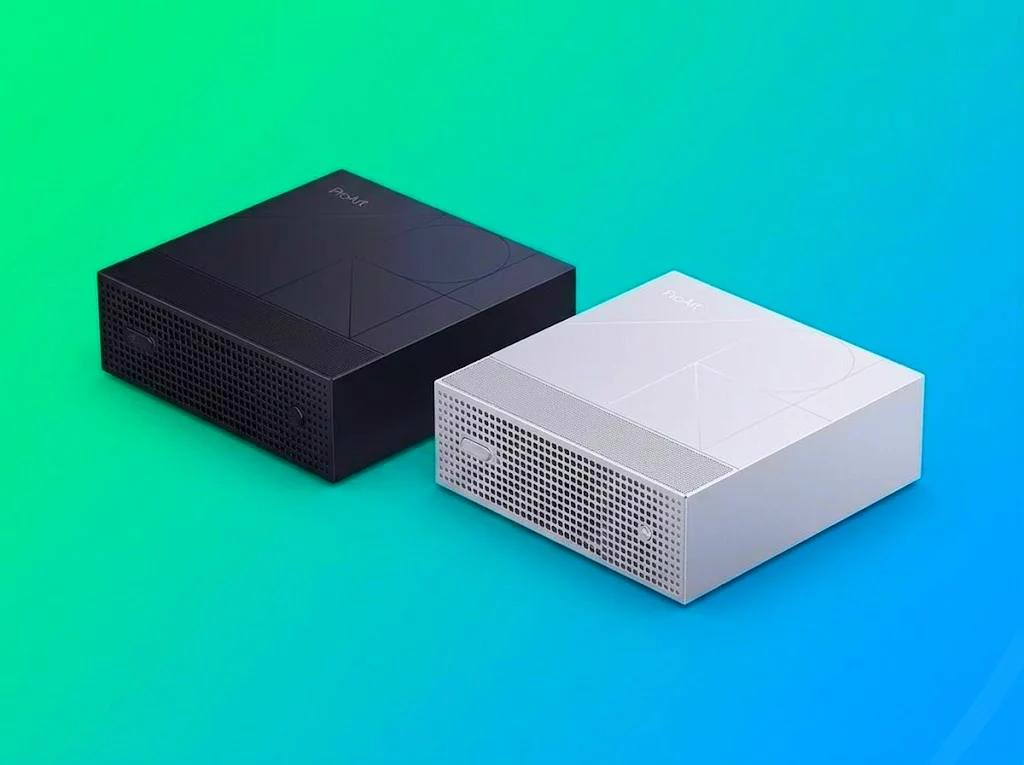
    Along side the anouncement of the new ProArt P16 and P14 MacBook Pro rivals, Asus has unveiled the new ProArt Mini PC, a direct competitor to the just-announced HP OmniDesk mini PC. Designed to bring workstation-class generative AI and large-scale rendering capabilities for those who don’t have a large desk, Asus’ Mac Studio rival is built entirely around the new Nvidia RTX Spark superchip platform.

    Small Size, Massive AI Power

    Despite measuring only 150x150x51mm, the ProArt Mini PC is engineered to handle intensive AI workloads that typically require much larger hardware. The tiny PC is powered by the Nvidia RTX Spark superchip, which integrates an Nvidia Blackwell-based RTX GPU with 6,144 CUDA cores and a 20-core Nvidia Grace CPU.

    Unified Memory and Insane Performance

    The system utilizes a unified memory architecture supporting up to 128GB of RAM. By allowing dynamic memory allocation between system and graphics resources, the device is optimized to handle massive datasets, such as 90GB+ 3D scenes or 120B-parameter Large Language Models (LLMs) with up to 1 million tokens of context. Asus rates the system at 1 petaflop of AI performance.

    Maintaining performance stability in a chassis this small requires sophisticated thermal management. The ProArt Mini PC features a dedicated thermal architecture designed to provide up to 140W of thermal headroom, ensuring the hardware can sustain long-duration rendering and AI training tasks without performance throttling.

    Connectivity and Storage Options

    To meet the requirements of professional studios and edge AI deployment, the unit includes high-bandwidth connectivity and storage options:

    • High-speed networking for rapid data transfer
    • Expandable storage for large datasets
    • Multiple display outputs for complex workflows

    The ProArt Mini PC is positioned as a foundational device for the broader Asus creative ecosystem. It is fully compatible with the suite of AI-optimized software Asus is rolling out for the ProArt series, including the ProArt Creator Hub for resource management and specialized tools like MuseTree and StoryCube for generative workflows.

    Availibility and Pricing

    The system is designed for professional developers and content creators who need to deploy AI agent-ready infrastructure in small-footprint environments. Asus has confirmed that the ProArt Mini PC will be available starting in the fall of 2026, with further configuration and pricing details to be released closer to the launch date.


    Sources

  • HP unveils thinnest RTX Spark laptop: 128GB RAM, all-day battery

    HP unveils thinnest RTX Spark laptop: 128GB RAM, all-day battery

    Key Takeaway

    – HP launches “world’s first AI mini PC” (OmniDesk) and first laptops with Nvidia’s RTX Spark platform.
    – RTX Spark integrates a Blackwell-based GPU and a 20-core Arm-based Grace CPU for data-center-grade AI.
    – These laptops are designed as “personal AI computers” for running complex local AI agents autonomously.
    – They handle secure data analysis, multi-step tasks, and workflow management beyond basic apps.
    – OmniBook Ultra 16 and OmniBook X 14 arriving later this year; pricing and specs still undisclosed.


    HP’s New Laptops with Nvidia RTX Spark

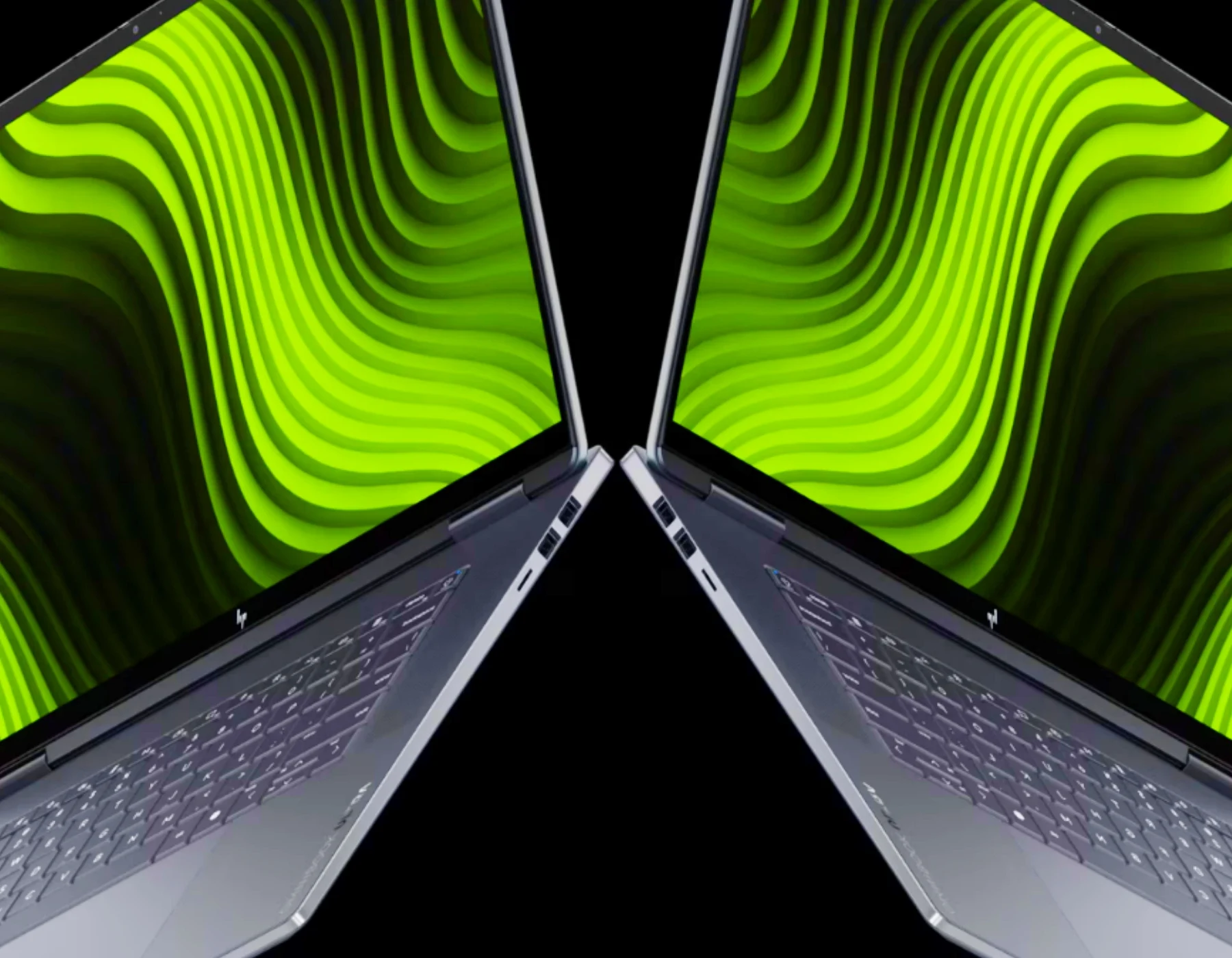
    In addition to the new OmniDesk Mini Desktop PC, known as the “world’s first AI mini PC”, HP wants to redefine the thin-and-light laptop catagory by announcing the new OmniBook Ultra 16 and OmniBook X 14, the first HP laptops to feature Nvidia’s new RTX Spark platform. These machines are not just iterative updates, they represent a fundamental shift in what a laptop can do, bringing supercomputer-like capabilities to a portable form factor for the first time.

    Nvidia’s Superchip Inside

    By integrating Nvidia’s “superchip” architecture, which combines a high-performance Blackwell-based GPU with a 20-core Arm-based Grace CPU, HP aims to bring data-center-grade AI power to portable devices. This combination is a big deal, it means the laptop can handle massive AI workloads without needing a constant internet connection or cloud server. The chip’s design is specifically tuned for efficiency and raw processing, making it suitable for professionals on the go.

    More than a Productivity Tool

    The RTX Spark platform transforms these laptops from traditional productivity tools into “personal AI computers”, says HP. Engineered to move beyond simple app launching, these systems are purpose-built to run complex local AI agents that can manage workflows, handle secure data analysis, and execute multi-step tasks autonomously. This capability is a huge leap forward, allowing users to delegate complicated tasks to their device and get results much faster than before.

    Launch and Availibility

    Both the HP OmniBook Ultra 16 and OmniBook X 14 are expected to arrive later this year. While exact configurations and pricing are still under wraps, the series represents a major shift toward local AI supercomputing for creators, developers, and gamers alike. The lack of specific pricing details is disapointing but the promise of these machines is exciting, we will have to wait and see what HP charges for this next-gen technology.

    Sources
  • HP OmniDesk Mini: World’s First AI Mini PC with Intel Core Ultra

    HP OmniDesk Mini: World’s First AI Mini PC with Intel Core Ultra

    Key Takeaway

    – HP expands AI PC portfolio with the OmniDesk Mini Desktop PC, billed as the world’s first “Mini AI PC” with Thunderbolt Share.
    – Device features compact design replacing bulky towers, targeting high performance in a small footprint.
    – Launch is part of broader HP strategy integrating Nvidia RTX Spark platform across notebooks and desktops.
    – OmniDesk Mini expected for August 2026 release; pricing TBA, and no images shared yet.


    HP’s Big AI Push with a Tiny Desktop

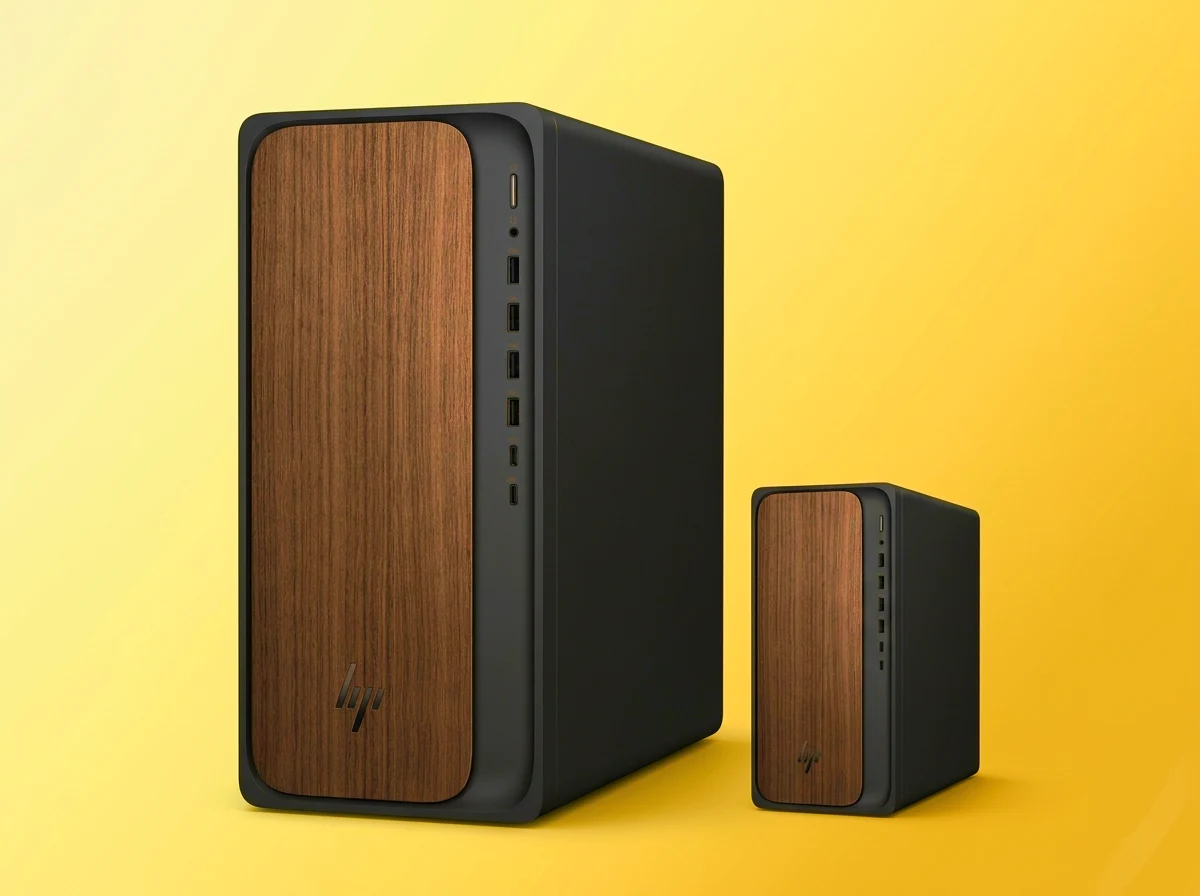
    HP has just anounced a major expansion of they’re AI-focused PC lineup, and the star of the show is the brand new HP OmniDesk Mini Desktop PC. This here device is being called the worlds first “Mini AI PC” that includes Thunderbolt Share, and they reckon it’s meant to take the place of them bulky old towers with a much smaller but still powerful shape.

    Key Specs and Features for the OmniDesk Mini

    The launch is part of a broader HP strategy to integrate the new Nvidia RTX Spark platform across its lineup, including upcoming notebooks and more desktop options. There’s a lot of focus on making this thing compact yet capable, which should appeal to folks who don’t want a massive case sitting under they’re desk taking up all the room.

    • They’re calling it the first Mini AI PC with Thunderbolt Share
    • It uses the new Nvidia RTX Spark platform
    • Compact footprint designed to replace traditional towers
    • Part of a larger expansion across notebooks and desktops

    Pricing and Availability Details

    The HP OmniDesk Mini Desktop PC is expected to hit the market in August 2026. Official pricing details will be announced closer to the retail launch date. What’s interesting is that HP hasn’t shared any images of the OmniDesk Mini Desktop PC yet, which is a bit odd since most companies show off the hardware right away when they make a big announcement like this.

    Sources
  • Dell XPS 13 Vs MacBook: Users Fear Windows 11 on 8GB RAM

    Dell XPS 13 Vs MacBook: Users Fear Windows 11 on 8GB RAM

    Key Takeaway

    – Dell XPS 13 matches MacBook Neo at $699 with superior hardware (chassis, display).
    – Entry-level XPS 13 with 8GB RAM underperforms on Windows 11, unlike macOS on MacBook Neo.
    – Microsoft officially recommends 16GB RAM for smooth Windows 11, unfeasible at this price point.
    – RAM supply crunch prevents OEMs from offering 16GB in $699 laptops.
    – Microsoft must optimize Windows 11 for Windows laptops to truly compete with MacBook Neo.


    MacBook Neo Success Forces Dell to Finally Compete

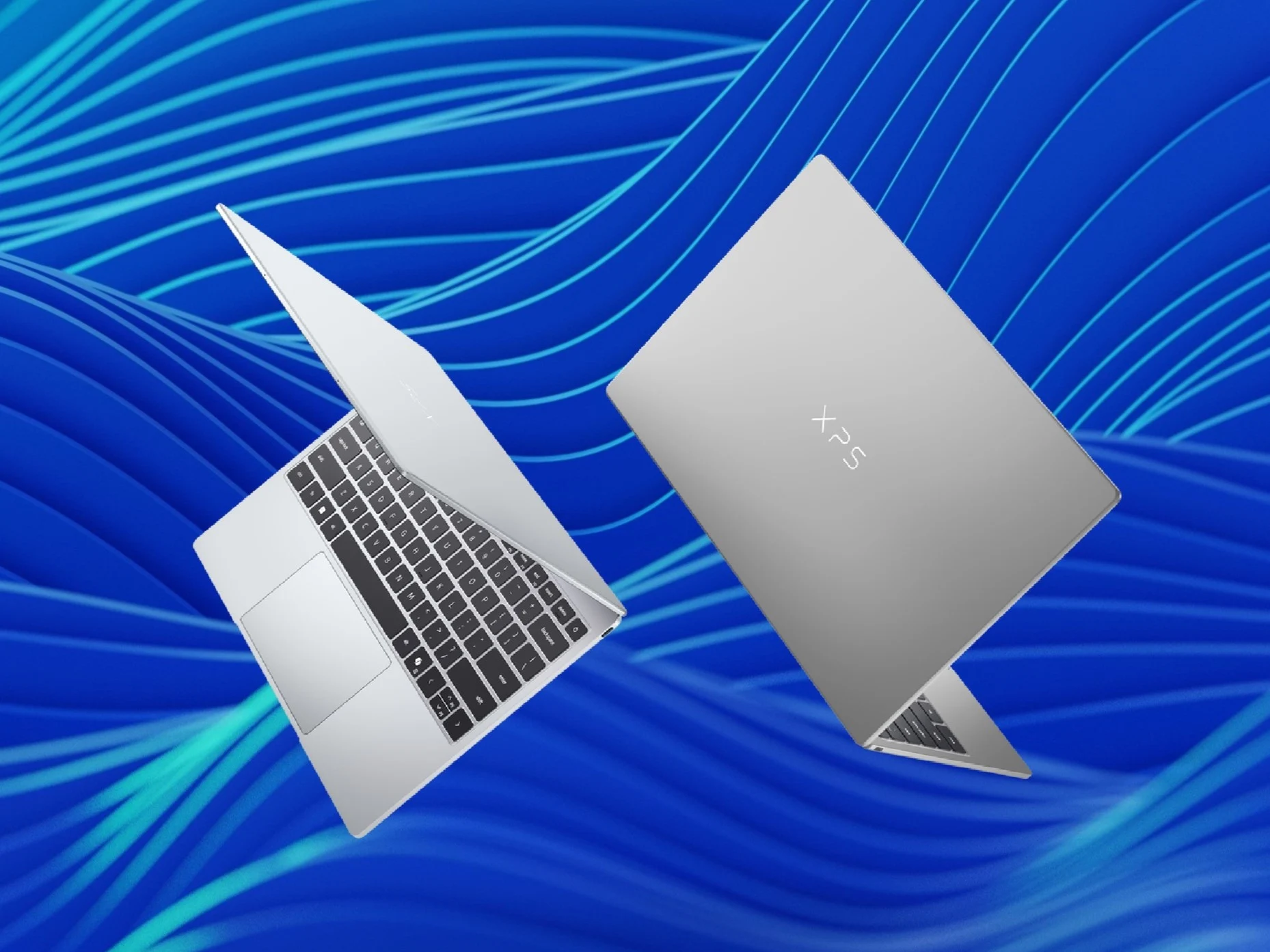
    It appears that the success of MacBook Neo is finally haveing the effect that many wished it would on Windows laptops. Dell has announced a new XPS 13 that directly competes with the MacBook Neo at $699 ($599 for students).

    Hardware Perspective and Core Specs

    From a purely hardware perspective, Hardware Canucks asserts that this XPS 13 is a “better MacBook Neo”. This assessment looks accurate, as the XPS 13 boasts a high-quality chassis, a display that punches way above its price tag, and much more.

    RAM Concerns for Entry-Level Models

    However, Hardware Canucks is concerned that the entry-level versions of the Dell XPS 13 that will compete with the MacBook Neo might not hold up well with only 8 GB of RAM. Windows 11 is notoriously resource-hungry, a problem that Microsoft is working on fixing. macOS on the Apple MacBook Neo, on the other hand, is shown to run smoothly on just 8 GB of RAM.

    Many users on Reddit have also expressed similar concerns. For instance, one user sarcastically remarked on r/Technology that “Windows 11 on 8 GB of memory sounds like a fun experience”. Another exclaimed that “For a Windows PC to even remotely be taken seriously as a competitor to a Mac, it needs at least 16 gigs of ram, which no PC at this price point will ever have”.

    Microsoft Recommends 16GB and Market Reality

    Microsoft officially recommends 16 GB of RAM for Windows 11 for smooth operation. In the current market conditions, it is not reasonable to expect a $699 laptop to have 16 GB of RAM. As shown by the recent enormous Steam Deck price increase, OEMs both big and small have been affected by the RAM supply crunch.

    Conclusion and OS Handicap

    So, Windows laptop OEMs do not just have to worry about the price-to-performance of the hardware of their laptops, but also hope that Windows plays nicely. Microsoft needs to resolve this handicap if Windows laptops are to have a real chance at competing favorably with the MacBook Neo.

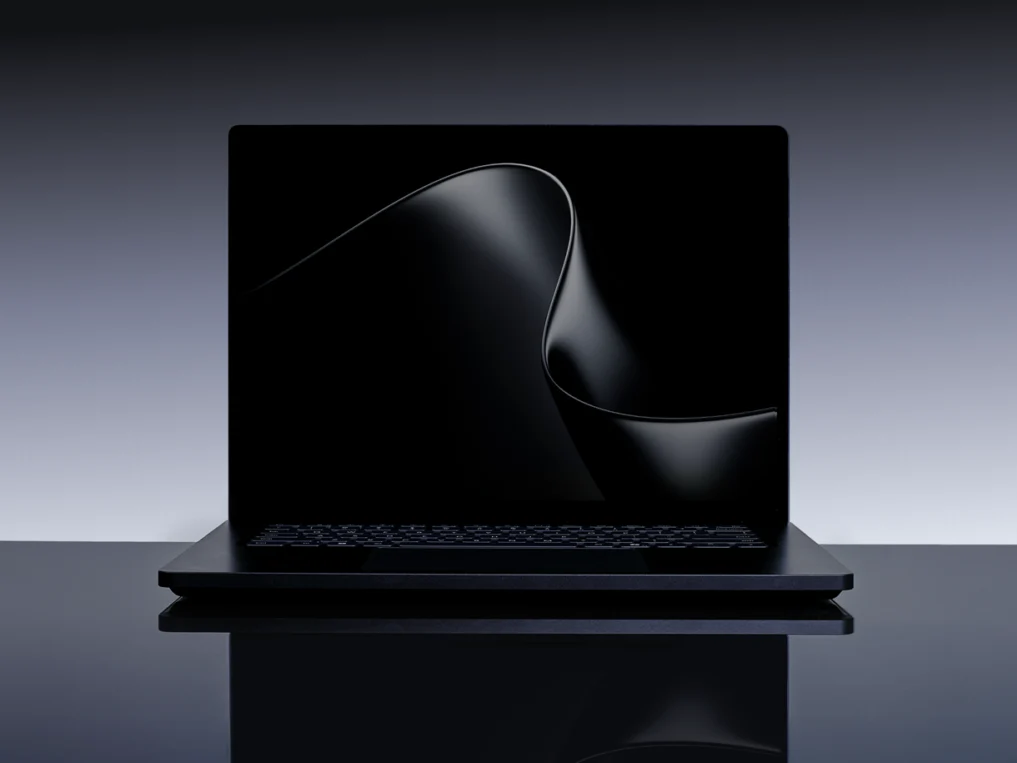
  • Surface Laptop Ultra: RTX Spark & Mini-LED Power

    Surface Laptop Ultra: RTX Spark & Mini-LED Power

    Key Takeaway

    – Powered by Nvidia’s new RTX Spark SoC with up to 128 GB RAM
    – Features a 15-inch mini-LED display with 2,000 nits peak brightness
    – Designed with improved repairability and a full port selection (HDMI, USB-C, USB-A, SD card, headphone jack)
    – Likely very expensive, continuing Microsoft’s trend of premium pricing
    – Release timeline uncertain—may not launch properly until 2027


    New Surface Laptop Ultra: Power and Price

    Microsoft has unveiled what could easily be one of its most powerful Surface-branded laptops to launch in 2026. Dubbed as the Surface Laptop Ultra, it runs Nvidia’s shiny new RTX Spark SoC with support for up to 128 GB of RAM. It might cost you an arm and a leg, though, which, at this point, seems the bare minimum to get any powerful machine.

    Display and Battery Life Details

    Unfortunately, Microsoft’s blog post announcing the Surface Laptop Ultra is bereft of details. It boasts of ‘all day’ battery life, something even Nvidia claimed in its RTX Spark reveal. For the screen, the laptop employs a 15-inch mini-LED panel with 2,000 nits peak brightness and 262 PPI pixel density, tacitly implying it is a 3.2K-3.5K panel with a 16:10 aspect ratio.

    Ports and Repairability

    Microsoft says the Surface Laptop Ultra comes with all the ports required for creative workloads, namely HDMI, USB-C, USB-A, an SD card slot, and a headphone jack. Unlike previous Surface laptops that were notoriously hard to repair, this one has supposedly been designed with repairability in mind.

    Availabilty and Pricing Concerns

    The Microsoft Surface Laptop Ultra will be available for purchase later this year. However, Moore’s Law is Dead stated that RTX Spark-powered machines wouldn’t be available properly until 2027. Based on its specs, and the general tendency for Microsoft to overprice its laptops, the Surface Laptop Ultra won’t be cheap.

    Sources
  • Geekom A9 Max Upgradeability: Is It Worth Buying?

    Key Takeaway

    – High-end mini PC with AMD Ryzen AI 9 HX 470 (12 cores, 24 threads) and Radeon 890M iGPU.
    – Comes with 32 GB DDR5 RAM and 2 TB SSD, but uses a single RAM module, limiting memory bandwidth.
    – Single-channel RAM cripples iGPU performance, impacting 3D benchmarks.
    – Adding a second RAM module significantly boosts performance, especially for the integrated graphics.
    – Good build quality, low power consumption, quiet operation, but lacks modern ports like OCuLink or USB4 v2.


    Geekom Rolls Out a New High-End Mini PC

    With the A9 Max, Geekom is launching a new high-end mini PC in the 2026 edition, which is based on AMDs current Gorgon Point platform. The AMD Ryzen AI 9 HX 470 with 12 cores and 24 threads works inside, combined with the integrated Radeon 890M built on the RDNA 3.5 architecture. The equipment is complemented by 32 GB DDR5 RAM and a 2 TB SSD, making the compact computer primarily aimed at demanding users who are looking for alot of performance in a tiny space.

    Build Quality and Connectivity Insights

    In the detailed test, the Geekom A9 Max turns out to be a powerfull and high-quality mini PC with extensive connectivity. In addition to the good CPU performance, the comparatively low power consumption and the pleasant noise level under load are particularly positive. The familiar aluminum housing looks high-quality but still dosent offer any modern connections like OCuLink or USB4 v2.

    Memory Configuration Under Fire

    The memory configuration of the test device is especially open to critisism. Geekom only uses a single RAM module ex works, which limits the memory bandwidth. This not only affects the general system performance but also the integrated Radeon 890M in particular. As a result, the iGPU cannot fully develop its high potential and falls short of expectations in some 3D benchmarks. The recently tested Minisforum AI X1 Pro also had different memory.

    How to Unlock Full Performance

    The performance can be significantly improved by retrofitting a second RAM module (32 GB at Amazon), whereby the integrated graphics unit in particular benifits from the higher memory bandwidth. Despite this limitation, the Geekom A9 Max leaves a good impression overall and is currently one of the more powerful mini PCs in its segment with the AMD Ryzen AI 9 HX 470 chip.

    Final Review Details

    All details about the Geekom A9 Max including benchmarks, measured values, and detailed comparisons can be found in the full evaluation document.

    • Processor: AMD Ryzen AI 9 HX 470 (12 cores, 24 threads)
    • Graphics: Integrated Radeon 890M (RDNA 3.5)
    • Memory: 32 GB DDR5 RAM (single module)
    • Storage: 2 TB SSD
    • Case: Aluminum housing
    • Connectivity: lacks OCuLink and USB4 v2


    Sources

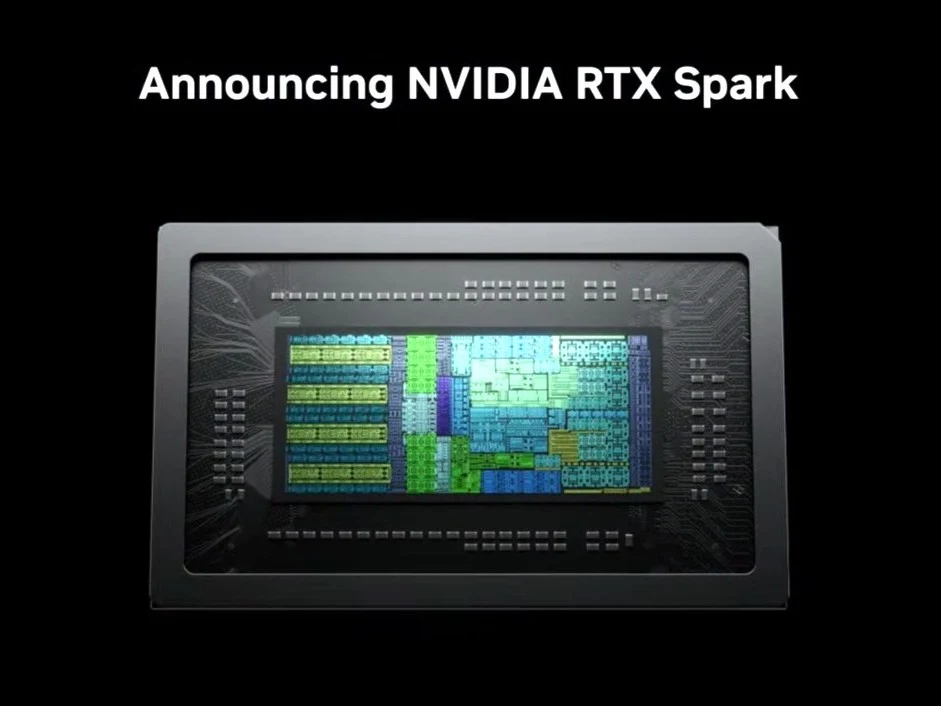
    • Nvidia N1X Confirmed as RTX Spark: Release Details

      Nvidia N1X Confirmed as RTX Spark: Release Details

      Key Takeaway

      – RTX Spark is Nvidia’s new Windows on ARM chip, built on TSMC’s 3nm node, with a 20-core MediaTek CPU and 6,144 CUDA cores.
      – Supports up to 128 GB LPDDR5X unified memory, 600 GB/s NVlink bandwidth, and 1 petaflops FP4 AI performance.
      – Gaming features include DLSS 4.5, Frame Generation, and Reflex; runs 1440p games and supports anti-cheat for titles like Fortnite and Valorant.
      – Day-one creative app support includes Adobe Photoshop, Premiere, Blender, and CapCut, with 12K video decoding and 90 GB 3D scene rendering.
      – Launching in Fall 2026 in laptops from Asus, Dell, HP, Lenovo, Microsoft, and MSI, plus unspecified mini-PCs.


      Nvidia’s awaited Windows on ARM chip launches

      Nvidia’s long-awaited Windows on ARM chip is finally here. It is made on an unspecified 3 nm node from TSMC. Formerly known as the N1X, which was likely its internal codename, the chip will launch as the RTX Spark. It won’t be the only one, with Nvidia stating other, lower-specced SKUs expected to surface later. Of course, this isn’t exactly new information. Multiple reports talked about the N1X and its sub-variants at length, with the most recent leak confirming at least two variants.

      Specs are still a secret mostly

      Officially, Nvidia has refused to divulge much in the way of specs. The RTX Spark will come with an unspecified GPU with 6,144 CUDA cores and a 20-core CPU tailor-made by MediaTek. Nvidia claims the GPU can comfortably run games at 1440p thanks to DLSS 4.5, Frame Generation, Reflex, and the laundry list of gaming features found on Blackwell GPUs. Ray reconstruction and RTX Video Frame Gen are also supported.

      Creative softwares support is big

      Creatives will be pleased to know that Adobe Photoshop and Premiere will run on the RTX Spark on day one. Other companies, such as Blackmagic Design, Blender, CapCut, ComfyUI and OTOY have also partnered up with Nvidia to bring their software stack to the platform. The company claims power users can render 90 GB 3D scenes with OptiX and DLSS and edit 12K 4:2:2 video with the NVIDIA Blackwell decoder. Nvidia confirmed the machine will run Windows at launch but didn’t confirm/deny Linux support.

      Memory and AI chops

      The Nvidia RTX Spark supports up to 128 GB of LPDDR5X unified memory. With NVlink, its memory bandwidth peaks at 600 GB/s. Like everything else Nvidia has announced in the past year, the RTX Spark is touted as an AI powerhouse with 1 peraflops of FP4 performance. The company claims it can run 120 billion parameter models locally and even run ‘gaming agents’ that can, among other things, change your monitor’s refresh rate.

      Benchmarks and gaming readiness

      Nvidia has not shown off any performance metrics of the RTX Spark, meaning we have to rely on leaked benchmarks to figure out how it fares against other Arm-based offerings from Apple and Qualcomm. E-sports gamers will be pleased to know that Nvidia is actively working with numerous anti-cheat software makers to get the RTX Spark ready for popular titles. For now, the list includes Fortnite, Valorant, League of Legends, and PUBG, with more titles coming soon.

      Laptops and launch timeline

      Some of the laptops that will launch with the RTX Spark include the Asus ProArt P14, ProArt P15, Dell XPS 16, HP OmniBook X 14, HP OmniBook Ultra 16, Lenovo Yoga Pro 9n, Microsoft Surface Laptop Ultra and MSI Prestige N16 Flip AI. It will also power some mini-PCs, but Nvidia didn’t specify which ones. Machines powered by the RTX Spark are expected to hit shelves in Fall 2026.

      Sources

      • AMD Launches Ryzen 7 7700X3D and 5800X3D Gaming CPUs

        Key Takeaway

        – AMD re-released the Ryzen 7 5800X3D (10th Anniversary Edition) for $349, targeting AM4 users who want to upgrade without buying a new motherboard or expensive DDR5 memory.
        – The new Ryzen 7 7700X3D (Zen 4, $329) offers near-top gaming performance, slightly undercutting the Ryzen 7 7800X3D in clock speed and price.
        – The Ryzen 7 5800X3D matches the gaming performance of a modern Zen 5 Ryzen 5 9600X, but its $349 price is high compared to cheaper alternatives with better productivity performance.


        AMD’s Computex 2026 CPU Announcements

        Computex 2026 is in full swing and AMD has announced two CPUs, a brand new Ryzen 7 7700X3D and a re-release of the Ryzen 7 5800X3D. Both CPUs carry AMD’s 3D V-Cache die and are ment for people whom want the best gaming performance.

        Celebrating a Decade of AM4

        AMD is celebrating 10 years of AM4 platform by re-releasing the Ryzen 7 5800X3D, which was the first-ever CPU with 3D V-Cache. It is impressive how long AMD has managed to keep the AM4 platform alive. Taking into account the current market conditions where DDR5 memory has gotten super expensive, its a good move on the part of AMD to introduce the Ryzen 7 5800X3D once again.

        Specs of the Re-Released 5800X3D

        With its 8x Zen 3 cores, 16 threads, 100 MB of L2 + L3 cache, and a boost clock of 4.5 GHz, the Ryzen 7 5800X3D is still a pretty capable gaming CPU. It essentialy matches the gaming performance of the Ryzen 5 9600X, a modern 6-core processor based on the latest Zen 5 architecture.

        Pricing and Thermal Solution

        However, the Ryzen 7 5800X3D 10th Anniversary Edition will cost $349 at full retail when it launches on June 25, 2026. AMD will also throw in a free Carbice Ice Pad thermal interface with every CPU.

        In a vaccum, this price quite high when you can get an 18-core Core Ultra 5 250K Plus with the same gaming but massively better productivity performance for less than $230. But, the Ryzen 7 5800X3D starts to make sense when we consider that AM4 users can slot the Ryzen 7 5800X3D without having to buy a new motherboard and DDR5 memory.

        The New Ryzen 7 7700X3D Details

        Alongside the $349 Ryzen 7 5800X3D, AMD has released a brand-new Zen 4 CPU, the Ryzen 7 7700X3D. The CPU looks like a lower-clocked Ryzen 7 7800X3D with 8x Zen 4 cores, 104 MB of total cache, and a boost clock of 4.5 GHz. The Ryzen 7 7800X3D has the same core count and cache size but can boost much higher to 5 GHz.

        Expected Performance and Availability

        So, based on the performance of the Ryzen 7 7800X3D, it is reasonable to expect the Ryzen 7 7700X3D to be a top-notch gaming CPU. For instance, it will be much faster than the Ryzen 7 5800X3D.

        Finally, AMD has priced the Ryzen 7 7700X3D at $329 and the CPU will be available starting July 16. For reference, you can currently get the Ryzen 7 7800X3D on Amazon for $370.


        Sources

        • Dell XPS 13 Gets Panther Lake: Thin, Long Battery Life

          Dell XPS 13 Gets Panther Lake: Thin, Long Battery Life

          Key Takeaway

          – Upcoming Dell XPS 13 accidentally revealed early, featuring Panther Lake and Wildcat Lake CPU options.
          – Display is a 13.4-inch 2.5K screen with 120 Hz VRR and 100% DCI-P3 coverage.
          – Battery rated for up to 17 hours, thanks to Panther Lake efficiency, with 65W USB-C charging.
          – Ultra-portable design: 12.7 mm thick, weighs just 1 kg, with Wi-Fi 7 and Bluetooth 6.0.
          – Entry-level price hinted at starting from $599.


          Oops! Dell jumped the gun on the XPS 13

          Dell acidentally showed off its new XPS 13 way earlier than they should have. The specifications aren’t really that shocking—the compact workhorse needed a Panther Lake update after the XPS 14 and XPS 16 already got there upgrades. Thanks to Dell’s slip-up, there is virtually nothing left to wonder about. They’ve even hinted at the price, with Dell mentioning the entry-level model would start from $599.

          Panther Lake and Wildcat Lake meeting inside

          Recaping the specs, the Dell XPS 13 comes with Intel’s Core 5 320 or Core Ultra 7 355 processors, putting it among the few laptops that combine Panther Lake and Wildcat Lake SKUs. Memory tops out at 32 GB LPDDR5x-7467 MT/s, while storage maxes at 1 TB using PCIe Gen4. Because of the laptops thin profile, you wont find any dedicated graphics option here.

          Dell put a 13.4-inch 2.5K (2,560 x 1,400) monitor on there XPS 13. It offers a maximum brightness of 500 nits, refresh rates up to 120 Hz with VRR, and full DCI-P3 colour coverage. The device runs on a 52 Wh battery, charging at 65 Watts over USB-C. Dell claimes it can run for as long as 17 hours per charge, and the XPS 13 might just achieve that given Panther Lake’s power efficiency.

          Connectivity and chassis details

          You get Wi-Fi 7, Bluetooth 6.0, and two USB-C ports to work with. For the Core Ultra 7 model, those USB-C ports support Thunderbolt 4 speeds. Dell provides the XPS 13 in two different color options: Sky and Storm. With a thickness of just 12.7 mm and weight of only 1 kg, it stands out as one of Dell’s most portable laptops to date.

          • Processors: Intel Core 5 320 or Core Ultra 7 355
          • Memory: Up to 32 GB LPDDR5x-7467 MT/s
          • Storage: Up to 1 TB PCIe Gen4
          • Display: 13.4-inch 2.5K, 500 nits, 120 Hz, 100% DCI-P3
          • Battery: 52 Wh, 65W charging, 17 hours claimed
          • Connectivity: Wi-Fi 7, Bluetooth 6.0, 2x USB-C (Thunderbolt 4 on Core Ultra 7)
          • Dimensions: 12.7 mm thick, 1 kg weight
          • Colors: Sky, Storm
          • Starting price: $599
          Sources