Category: Computers

  • Lenovo ThinkPad T14 Gen 7 vs Gen 6: Design Photo Comparison

    Lenovo ThinkPad T14 Gen 7 vs Gen 6: Design Photo Comparison

    Key Takeaway

    – Lenovo uses “Clean sheet” redesigns, not just iterative updates.
    – New T14 Gen 7 has a redesigned lid with a wide bar hinge and smaller bezels.
    – Rounded screen corners are now standard on the T series.
    – The base features a new centered keyboard font and smaller speaker/ventilation holes.
    – Key debate: New rounded, centered design vs. old angular, standard-keyprint style.


    ThinkPad Design Evolution

    If you ask some people, ThinkPads do not really have a design – they are just black boxes, would the naysayers tell you. However, Lenovo would probably disagree, as the evidently invest a lot of money into refining the design of their legendary business laptop line every few years. Lenovo even has a special term for “redesign”: They call it “clean sheet”, a name which comes from the fact that the new design starts with a clean sheet of paper and is not simply an update of a previous model.

    Redesigning the Classic

    Such a case is the Lenovo ThinkPad T14 Gen 7 which we recently reviewed. This model brings a completely new design, after the previous ThinkPad T14 Gen 5 and ThinkPad T14 Gen 6 both shared the same design language. The T14 G7 changes things up in a lot of ways, and we was able to directly compare it with the older T14 Gen 6.

    Chassis and Display Changes

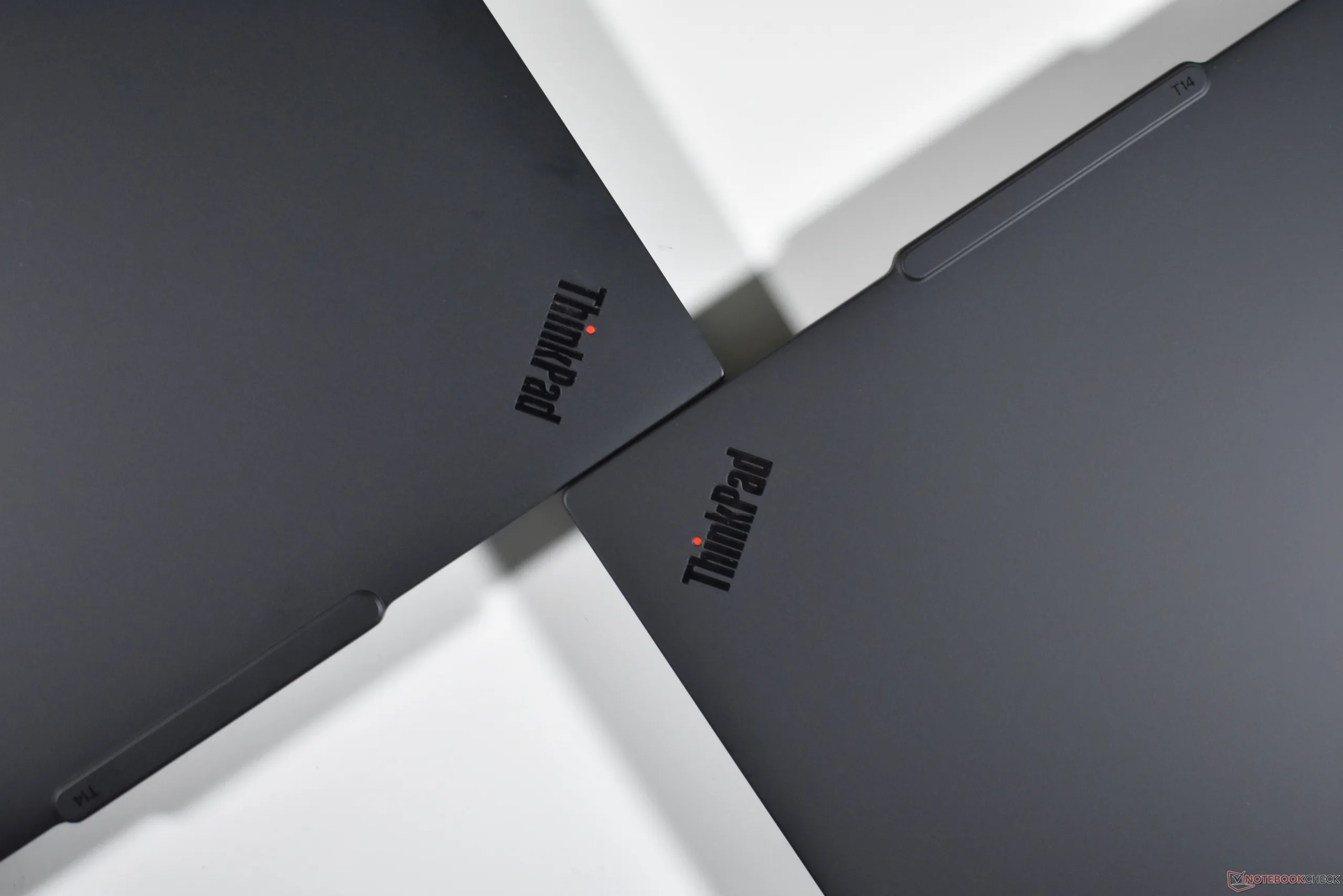
    The changes are numerous: For one, Lenovo has redesigned the entire display lid area, with a new wide bar hinge, slightly smaller screen bezels (1 mm less on the sides) and a flat display cover – the one of the T14 Gen 6 had a slight bulge. These changes will not be controversial, but one change will be for sure: Rounded screen covers have become the new standard on the Lenovo ThinkPad T series.

    Base and Keyboard Updates

    As for the base, the new ThinkPad T14 Gen 7 is around 1 mm thicker, but it keeps the same chamfered design for the base, so it does not really look thicker. The holes of the speakers are a bit smaller than before, and there are less ventilation holes on the base. Of course, the big visual change here is the adoption of a new, centered keyboard font. This is a significant departure from the old ISO standard key printing style.

    • New design with flat display cover and wide bar hinge
    • Rounded screen corners as new standard
    • Base is 1 mm thicker but looks similar
    • Smaller speaker holes and fewer ventilation holes
    • New centered keyboard font adopted

    Which One To Choose?

    Which one do you prefer: The new ThinkPad with rounded corners and centered key printing, or the old ThinkPad, with normal corners and the old ISO standard key printing style? This is a personel choice that many users are debating right now.
    Sources
    • New Razer Blade 16: 2x Brighter for Better HDR

      New Razer Blade 16: 2x Brighter for Better HDR

      Key Takeaway

      – 2026 Blade 16 upgrades HDR brightness from 500 nits (DisplayHDR500) to 1000 nits (DisplayHDR1000).
      – Measured peak HDR brightness increased from 431 nits (2025 model) to 1020 nits (2026 model).
      – Both models use similar Samsung OLED panels with same resolution and refresh rate, but different panel part numbers.
      – 2025 Blade 16 owners cannot get the HDR upgrade via software updates due to different physical panels.


      Razer’s 2026 Blade 16 Finally Gets the HDR Upgrade We Wanted

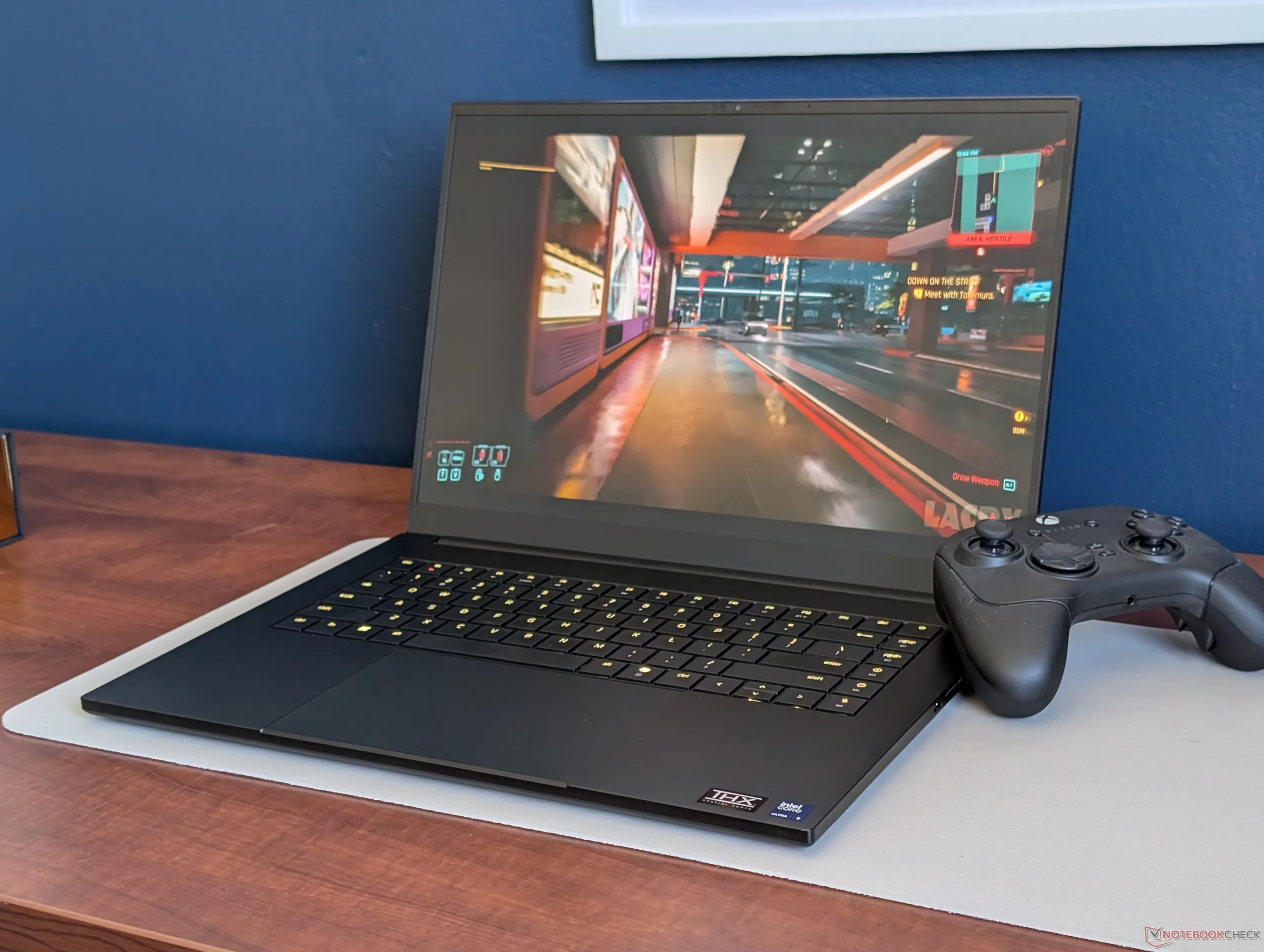
      The 2025 Blade 16 was praized for its Samsung OLED panel supporting both G-Sync and a high native refresh rate of 240 Hz. As nice as it was, however, HDR support was curiously limited to just 500 nits or DisplayHDR500 whereas the OLED displays on many other high-end multimedia laptops (like those from the Asus series) can reach much brighter maximums. Razer has finally adressed this for the 2026 Blade 16 refresh by doubling the maximum HDR brightness to 1000 nits instead.

      Testing Confirms a Massive Leap in Brightness

      To confirm this improvement, we enabled HDR on both our 2025 and 2026 Blade 16 units and subsequently ran the HDR brightness test using the maximum brightness setting. We were able to record a maximum brightness of 431 nits on the 2025 model, wheras the 2026 model would reach a far more impressive 1020 nits according to our X-Rite colorimeter. Quality HDR is highly dependent on the brightness extremes between minimum and maximum, so the upgraded viewing experience is indeed not insignificant when upgrading from DisplayHDR500 to DisplayHDR1000.

      • 2025 Blade 16 (ATNA60DL04-0): 431 nits measured HDR peak brightness
      • 2026 Blade 16 (ATNA60HU06-0): 1020 nits measured HDR peak brightness
      • Both panels: Samsung OLED, 240 Hz, same native resolution

      Why 2025 Owners Are Left Behind

      Unfortunatly, 2025 Blade 16 owners are out of luck. While the 2025 and 2026 models both utilize similar Samsung OLED panels with the exact same refresh rate and native resolution, their panel names are different—ATNA60DL04-0 versus ATNA60HU06-0. Any HDR-related software updates for 2025 model owners are therfore unlikely to ever happen, as the hardware difference prevents backward compatibility.


    • Dell Launches 16-Inch Laptops with Ryzen & Panther Lake, 64GB RAM

      Dell Launches 16-Inch Laptops with Ryzen & Panther Lake, 64GB RAM

      Key Takeaway

      – Dell Pro Precision 5 Series 16S is a lightweight workstation (starting at 1.91 kg), lighter than MacBook Pro 16.
      – No dedicated graphics; uses integrated Arc B390 or Radeon 890M with Intel or AMD processors.
      – Features user-replaceable LPCAMM2 RAM (up to 64 GB), PCIe Gen 5 storage, and optional 4G/5G cellular.
      – Display options are limited to 60 Hz IPS panels (1200p or 1600p) with up to 500 nits; a 120 Hz panel is expected later.
      – Pricing starts at $2,201 (AMD) or $2,415 (Intel) in the US; UK/Euro pricing varies slightly.


      A Lighter Workstation from Dell

      Dell has initiated sales of there Pro Precision 5 Series 16S. It is joined by the tinier 14S across the globe, and the 16S is notably more lighter than many workstations. Specifically, the fresh 16-inch machine starts at a weight of 1.91 kg, which embarrasses something like the MacBook Pro 16 (currently $2,526 on Amazon). Please see our recent review to observe how the latest M5 Pro chip performs inside Apples 2.1 kg system.

      Absence of Dedicated Graphics

      Unfortunatly, the Pro Precision 5 Series 16S lacks any high-end graphics to speak about. Instead, Dell has opted for up to the Arc B390 and Radeon 890M inside the Core Ultra X9 388H vPro and Ryzen AI 9 HX Pro 470, respectively. Setting that aside, the Series 16S can also be equiped with 4G or 5G cellular connectivity plus up to 64 GB of user-replacable LPCAMM2 RAM when picking Intel versions.

      Storage and Display Choices

      Moreover, PCIe Gen 5 storage is accessable, as are 57 Wh or 70 Wh battery options. Only 1200p or 1600p IPS screens can be configured currently, however. For context, while many of these panels provide 500 nits peak brightness in SDR mode with full 100% sRGB colour space coverage, they all max out at 60 Hz. A 120 Hz panel of some sort should be available eventualy.

      Pricing and Availability Worldwide

      The Dell Pro Precision 5 Series 16S starts off at $2,415 with Intel processors but $2,201 with AMD alternatives. Meanwhile, the same laptop costs £1,658 with AMD processors in the UK and runs to roughly £100 more with Intel choices. Similarly, Intel options retail from about €100 more in the Eurozone with a €1,986 starting price. Please check Dells website and the provided links for more details.


    • Dell Launches 14-Inch Laptop with 64GB RAM, Intel Panther Lake

      Dell Launches 14-Inch Laptop with 64GB RAM, Intel Panther Lake

      Key Takeaway

      – Dell Pro Precision 5 Series 14 now available globally, starting at $2,577.
      – Cheaper than the Pro Precision 7 Series, but lacks the Tandem OLED display.
      – Configurable with up to 64 GB LPCAMM2 RAM (8,533 MT/s) and 2 TB PCIe Gen 5 storage.
      – Ships with Windows 11 Pro or Ubuntu 24.04 LTS; default CPU is Core Ultra 7 366H vPro.
      – Features a 72 Wh battery, FHD+/QHD+ 60 Hz IPS panels, but is bulky at 1.81 kg and up to 23.65 mm thick.


      Three months have passed since Dell unleashed its Pro Precision 5 Series 14 laptop.

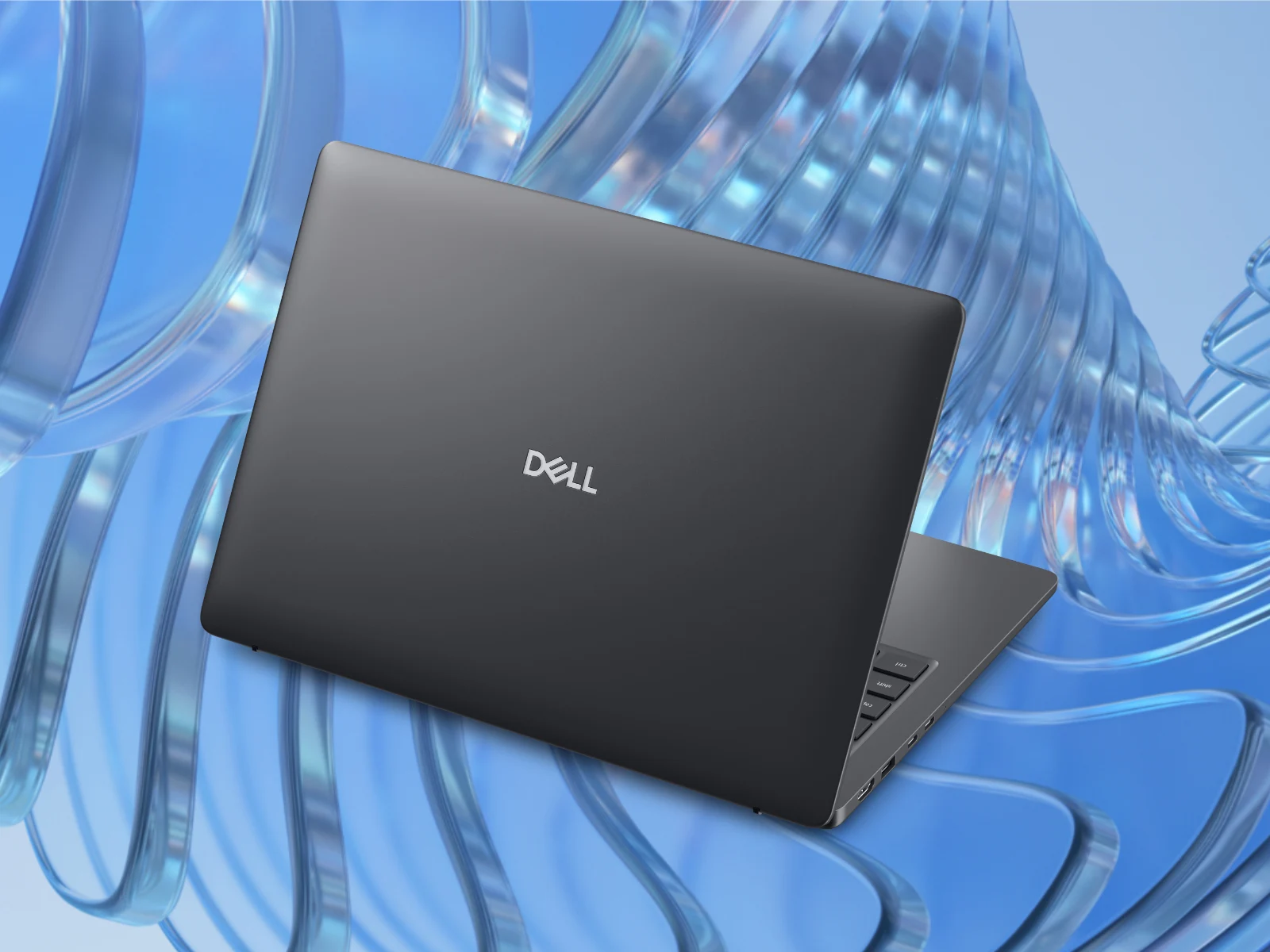
      During the waiting period, Dell has released the higher-end Pro Precision 7 Series 14 with an optional Tandem OLED display. Also, they started selling the Dell 14S as a replacement for the Dell 14 Plus we reviewed almost a year ago, which currently costs $959 on Amazon. The Pro Precision 5 Series 14 is now available globally too.

      Pricing and Availability

      Starting at $2,577 in the US, £2,578 in the UK and €2,927 in the Eurozone, the Pro Precision 5 Series 14 is much cheaper than its Pro Precision 7 Series counterpart. While the former misses out on the latter’s Tandem OLED display, it can still be configured with up to 64 GB of LPCAMM2 RAM running at 8,533 MT/s. Additionaly, Dell sells the laptop running Windows 11 Pro or Ubuntu Linux 24.04 LTS.

      Processor and Performance Options

      Currently, the Pro Precision 5 Series 14 defaults to the Core Ultra 7 366H vPro in multiple markets. However, Core Ultra 5 336H vPro and Core Ultra 9 386H vPro editions should be available, as should SKUs with 16 GB or 32 GB of RAM and up to 2 TB of PCIe Gen 5 storage. All versions feature a 72 Wh battery for the time being, and only 400-nit and 60 Hz IPS displays can be configured.

      Display and Physical Specifications

      With that being said, Dell does sell FHD+ and QHD+ panels for this model. The Pro Precision 5 Series 14 is on the bulky side for a 14-inch laptop at 1.81 kg and 13.97~23.65 mm, though. Please see Dell’s website for more details about the operating systems and configuration options available in your region.


    • Micron and SK Hynix Join Samsung in Trillion-Dollar Club

      Micron and SK Hynix Join Samsung in Trillion-Dollar Club

      Key Takeaway

      – AI demand for HBM memory has driven three major chip manufacturers (Micron, SK Hynix, Samsung) to trillion-dollar market caps simultaneously for the first time.
      – Micron’s revenue surged 196% year-over-year, and its stock jumped 19% after UBS tripled its valuation.
      – Manufacturers are shifting production capacity from conventional DRAM/NAND to AI chips, causing global shortages.
      – Dell CEO warns that supply for laptops, PCs, and smartphones will lag behind demand until at least 2028.
      – Consumers should expect significantly higher prices for tech devices over the next two years.


      Two years ago, RAM were the least promising sector of the chip market

      A well-established business with tight margins and headlines about price drops and excess inventory. Now, AI has turned everything upside down: US manufacturer Micron Technology and South Korean manufacturer SK Hynix recently surpassed the trillion-dollar milestone in market capitalization just 24 hours apart, a milestone that Samsung had reached some weeks ago. For the first time in history, the world’s three major memory manufacturers simultaneously achieved one of the highest stock market valuations. Micron’s value soared 19% on Wall Street, recording its biggest single-session gain since 2011. This historic move came immediately after UBS, a major investment bank, tripled the company’s valuation from $535 to $1,625. SK Hynix’s stock price has also experienced a rise, thus heralding a new boom in the technology sector.

      The Main Driving Force: High Bandwidth Memory (HBM)

      The main driving force behind this unprecedented boom is HBM (High Bandwidth Memory), a type of specialized chip used by Nvidia GPUs for the processing of immense volumes of data needed to run large-scale AI models. The technology is required to run AI-powered supercomputers, which would otherwise simply freeze and become inoperative. Micron’s Q2 revenue for 2026 amounted to $23.9 billion, representing a 196% increase over the same quarter last year. In addition, the company’s Q3 revenue estimate for the following quarter is projected to rise to $33 billion.

      Impacts on Consumers and Conventional Memory Prices

      This trend is having a direct impact on everyday consumers. Chip manufacturers, by redirecting a large part of their capacity to the production of AI chips, are diverting resources and efforts away from the production of conventional DRAM and NAND memory, which are used in laptops, desktop PCs and smartphones, pushing up prices globally. Dell CEO Michael Dell has publicly warned that demand for these devices is expected to continue to outpace current supply until at least 2028, further exacerbating DRAM and NAND shortages and price hikes. In sum, the tech market is likely to become considerably more expensive for consumers over the next two years.


    • New Dell 13-Inch Laptop: AMD, 64GB RAM, Lower Price

      New Dell 13-Inch Laptop: AMD, 64GB RAM, Lower Price

      Key Takeaway

      – Dell Pro 7 Series 13 2-in-1 available with Intel Panther Lake or AMD Ryzen AI 400 processors.
      – AMD models are significantly cheaper than Intel variants, even as pre-configured units.
      – Starting AMD config (Ryzen AI 5 Pro 435, 16GB RAM, 512GB SSD, 1200p touch) starts at $2,421 in US.
      – Configurable up to Ryzen AI 9 HX Pro 470, 64GB RAM, 2TB PCIe Gen 5, 5G, and Wi-Fi 7.
      – Display limited to 500-nit IPS with 100% sRGB; no OLED option available.


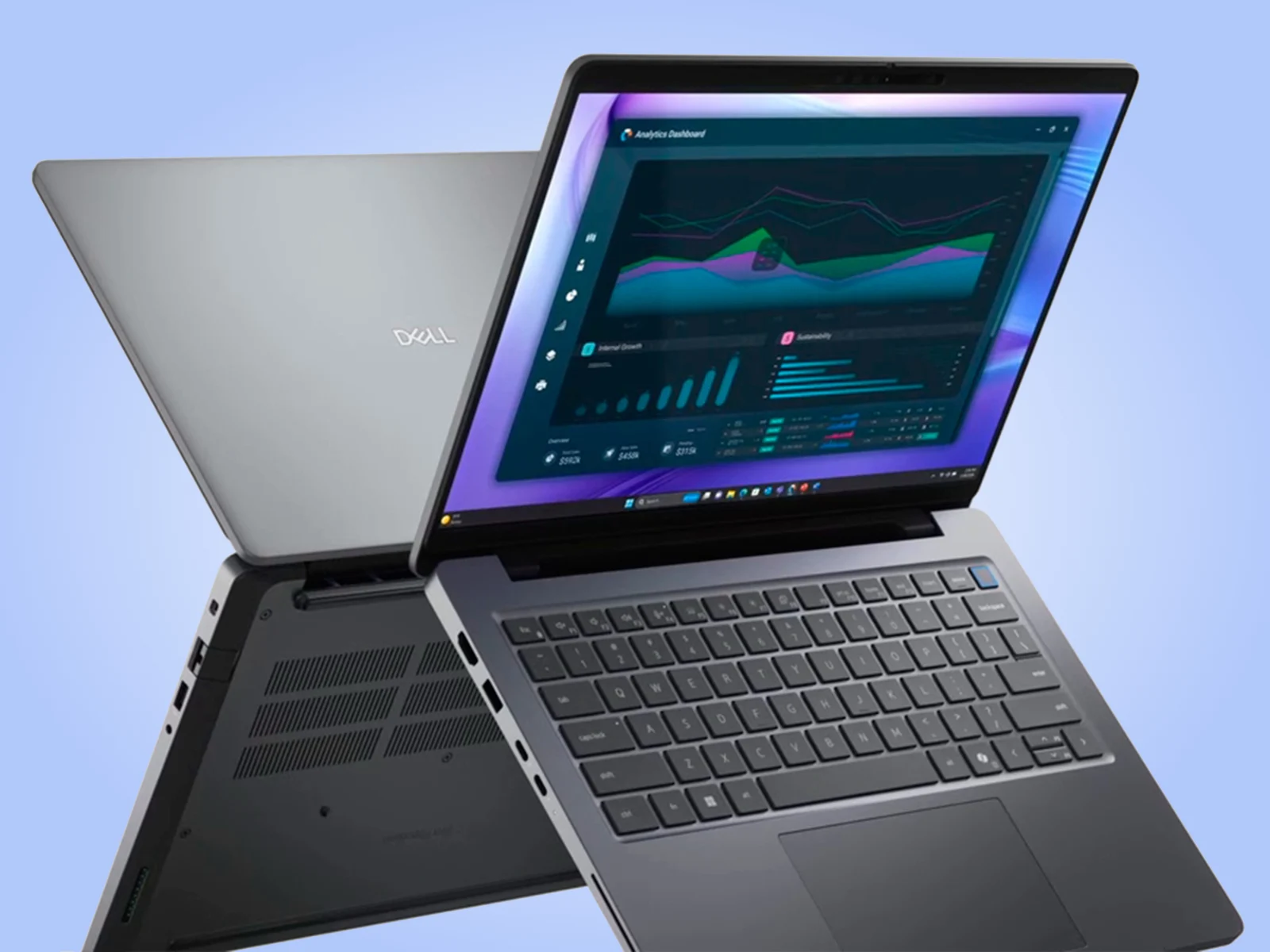
      Dell has just released the Pro 7 Series 13 as a 2-in-1 powered by Intel Panther Lake processors. At the same time, the company is offering the same laptop with AMD’s latest Ryzen AI 400 processors as a smaller alternative to older AMD 2-in-1s like the Dell 14 Plus 2-in-1 we reviewed in July 2026.

      Pricing and Configuration Differences

      Surprisingly, these Pro 7 Series 13 2-in-1 AMD options are much cheaper than their Intel counterparts. For context, Dell charges £2,914, $2,989 and €3,277 for pre-configured Intel variants. However, these prices drop to £2,230, $2,539 and €2,501 when one dips into Dell’s configurator. Nonetheless, Dell sells AMD models for less in the US, even as a pre-configured model.

      Current AMD Model Pricing

      Currently, the Pro 7 Series 13 2-in-1 (P703265) starts at $2,421 in the US and $2,500 as a pre-configured model featuring the Ryzen AI 5 Pro 435, 16 GB of RAM, a 512 GB SSD and a 1200p touchscreen display. Meanwhile, Dell’s new AMD-based 2-in-1 costs at least £2,093 in the UK and €2,346 in the Eurozone, or £2,699 and €3,034 for pre-configured units.

      Available Specifications and Upgrades

      The P703265 can be configured with the Ryzen AI 7 Pro 450, Ryzen AI 9 Pro 465 and the Ryzen AI 9 HX Pro 470, as well as 32 GB or 64 GB of LPDDR5X-8533 RAM. Moreover, Dell sell the 2-in-1 with up to 5G cellular and Wi-Fi 7 connectivity and 2 TB of PCIe Gen 5 storage. Only a 500 nit IPS display with 100% sRGB colour space coverage can be equipped, though. Please see Dell’s website for more details.

      • Intel pre-configured: £2,914 / $2,989 / €3,277
      • Intel configurator price: £2,230 / $2,539 / €2,501
      • AMD starting price (US): $2,421
      • AMD pre-configured (US): $2,500
      • AMD UK starting: £2,093
      • AMD UK pre-configured: £2,699
      • AMD Eurozone starting: €2,346
      • AMD Eurozone pre-configured: €3,034
      • Processor options: Ryzen AI 5 Pro 435, Ryzen AI 7 Pro 450, Ryzen AI 9 Pro 465, Ryzen AI 9 HX Pro 470
      • RAM: 16 GB, 32 GB, or 64 GB LPDDR5X-8533
      • Storage: up to 2 TB PCIe Gen 5
      • Connectivity: 5G cellular, Wi-Fi 7
      • Display: 1200p IPS touchscreen, 500 nits, 100% sRGB

      Regional Pricing Variations

      Dell Germany, Dell UK & Dell US offer varying configurations at these price points, so its important to compare local listings for the best deal. The display options are limited to a single 500 nit IPS panel, which may disappoint some users wanting OLED or higher resolution. Overall, the AMD models present a compelling value proposition for a high-end 2-in-1 convertible.

    • Lenovo launches lightweight 14-inch laptop with dual SSDs, 120Hz display

      Lenovo launches lightweight 14-inch laptop with dual SSDs, 120Hz display

      Key Takeaway

      – Launches IdeaPad Slim 5 Ultra 14ILL11, using Intel’s older Lunar Lake platform with Arc 140V iGPU for better graphics.
      – 22% lighter than the previous Slim 5 model (1.06 kg with OLED, 1.14 kg with IPS).
      – Configurable with 16 GB or 32 GB RAM via Core Ultra 5 226V/228V or Core Ultra 7 256V processors.
      – Features dual M.2 slots (2242 PCIe 4 x4 and 2280 PCIe 4 x2) and a 65 Wh battery with anodised aluminium housing.
      – Pricing and availability not yet announced.


      A Fresh IdeaPad from Lenovo

      Lenovo has allready released countless IdeaPad laptops this year. So far, many of these have featured AMD Ryzen AI 400 or Intel Panther Lake processors. Now, the company has returned to Intel’s older Lunar Lake platform with the introduction of the IdeaPad Slim 5 Ultra 14ILL11.

      Performance and Graphics Edge

      For reference, the company released the IdeaPad Slim 5 14IPH11 earlier this month featuring Intel Panther Lake processors. The IdeaPad Slim 5 Ultra 14ILL11 should have the edge when it comes to graphics performance though, thanks to its Arc 140V iGPU. According to our benchmarks, little will separate the Slim 5 Ultra from the IdeaPad Slim 5 when it comes to CPU performance, either.

      Weight and Display Options

      However, the IdeaPad Slim 5 Ultra 14ILL11 is around 22% lighter than the IdeaPad Slim 5 14IPH11. Specifically, the former weighs 1.06 kg with an OLED display and 1.14 kg with an IPS display. Hence, the IdeaPad Slim 5 Ultra 14ILL11 is lighter in all cases than the MacBook Air 13 despite featuring up to a 120 Hz IPS or 60 Hz OLED display.

      • Weight with OLED display: 1.06 kg
      • Weight with IPS display: 1.14 kg
      • Display options: 120 Hz IPS or 60 Hz OLED

      Configuration and Build Details

      Moreover, the IdeaPad Slim 5 Ultra 14ILL11 will be configurable with 16 GB or 32 GB of RAM by virtue of Intel’s Core Ultra 5 226V, Core Ultra 5 228V, and Core Ultra 7 256V processors. Also, the laptop contains M.2 2242 (PCIe 4 x4) and M.2 2280 (PCIe 4 x2) slots and a 65 Wh battery. Lenovo includes an anodised aluminium housing on all SKUs, too.

      Pricing and Availibility

      Lenovo has not revealed how much the IdeaPad Slim 5 Ultra 14ILL11 costs yet. Likewise, we have been unable to find the laptop at any third-party retailers, either. Please see Lenovo’s PSREF website for more details about the company’s first Ultra-branded IdeaPad laptop.


      Sources

    • Dell Launches 14-Inch Laptops with 64GB RAM & AMD Ryzen or Intel Panther

      Dell Launches 14-Inch Laptops with 64GB RAM & AMD Ryzen or Intel Panther

      Key Takeaway

      – Dell Pro 7 Series now includes 14-inch 2-in-1 models with AMD Ryzen AI 400 or Intel Panther Lake processors.
      – Configurable with up to 64 GB LPDDR5X-8533 RAM and 2 TB PCIe Gen 5 storage.
      – Battery options: 55.8 Wh or 70 Wh; optional Smart Card Reader, 4G/5G, and Wi-Fi 7.
      – Display: 1200p, 500-nit, 100% sRGB touchscreen only.
      – AMD models start at $2,552; Intel models at $2,719 (US pricing).


      Dell Updates Their Pro 7 Series Lineup

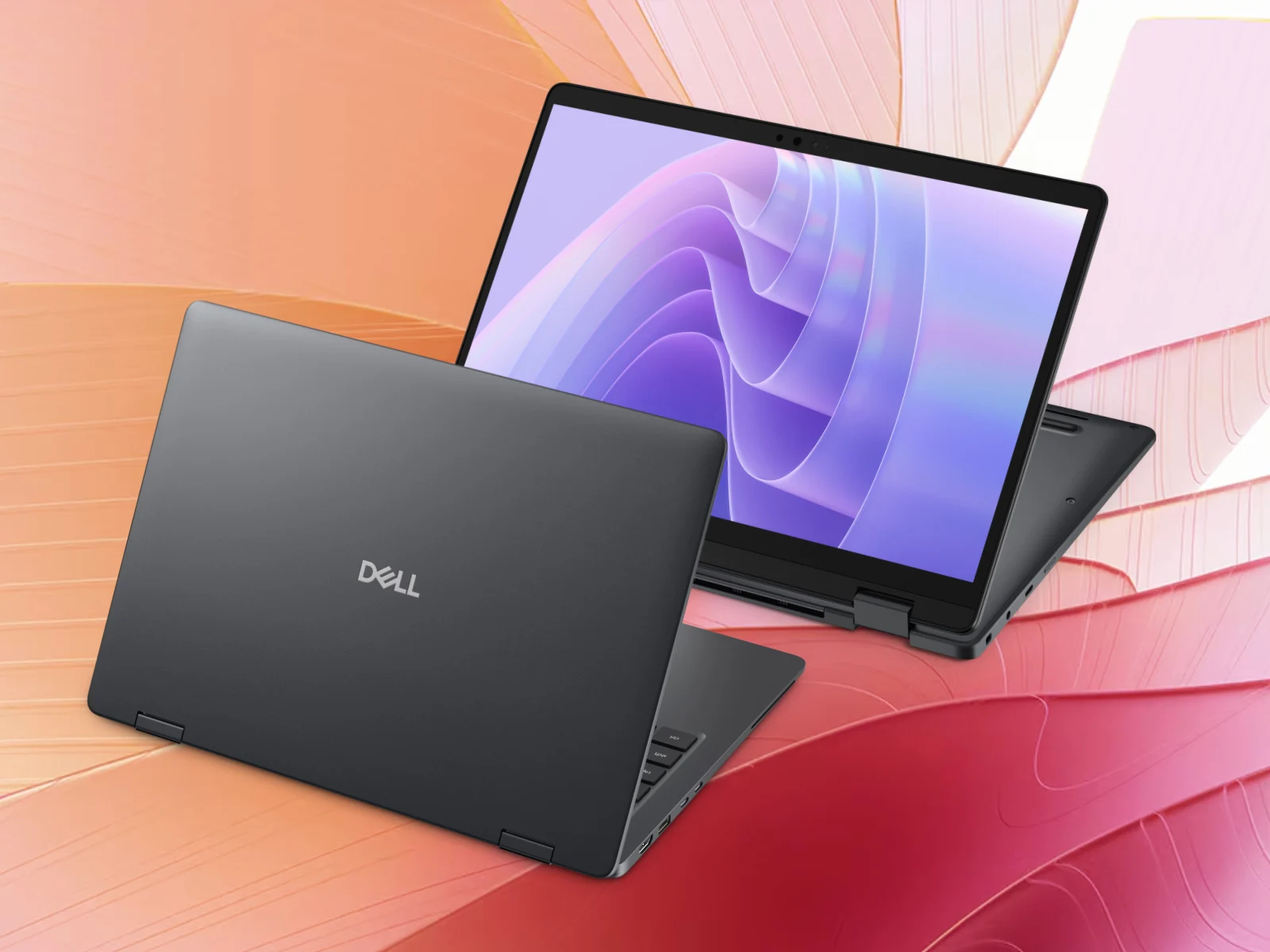
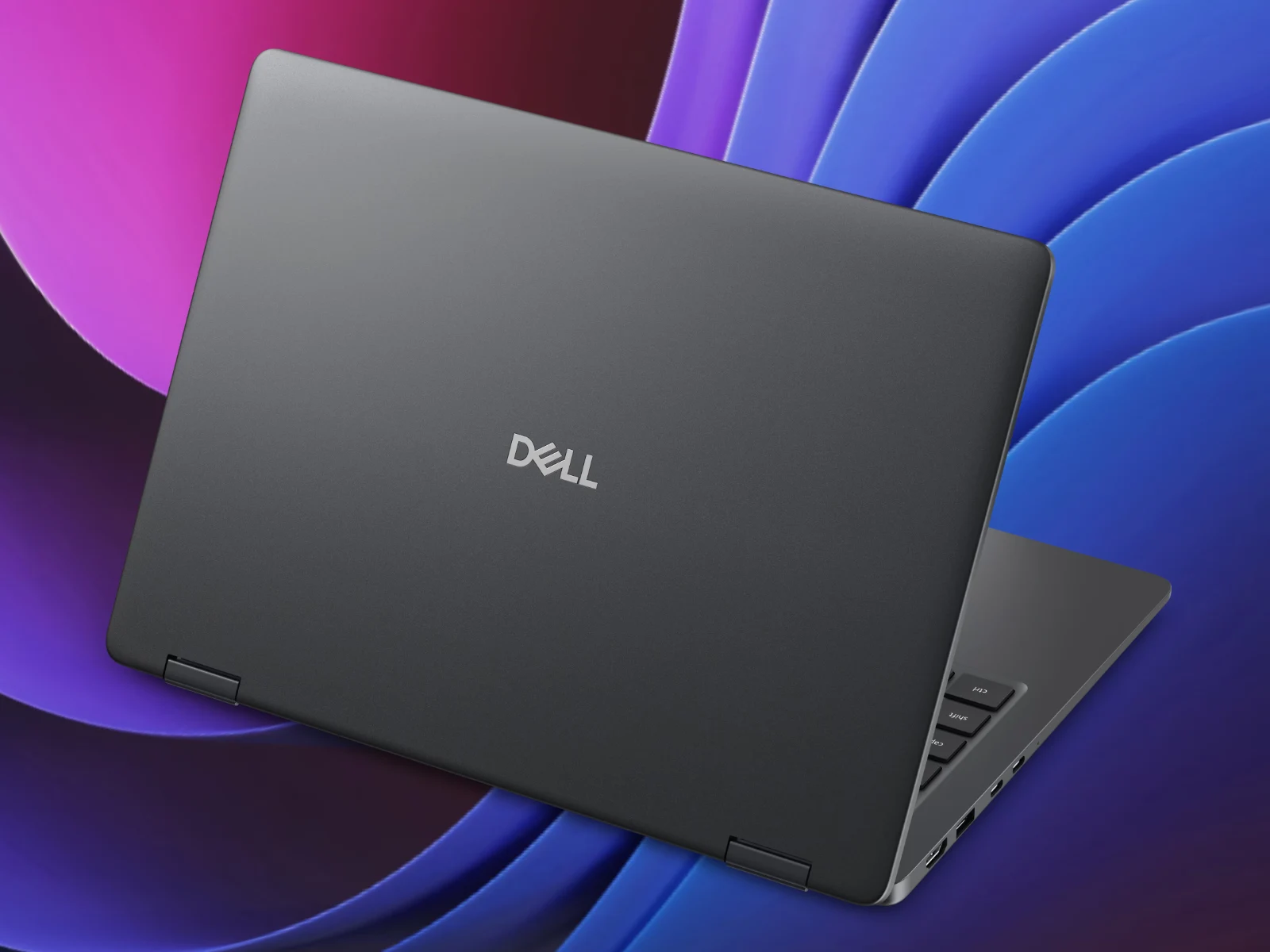
      Dell has now updated there Pro 7 Series with some brand new models. For context, the Pro 7 Series originally arrived in early May featuring Intel Panther Lake processors and was avalible in 13-inch or 14-inch sizes. Now, the company has added some 2-in-1 versions that come with 14-inch displays, as well as smaller 13-inch alternatives called the P703260 and P703265 which we have covered separately in another article.

      Processor and Memory Options for the New Models

      This time around, Dell has decided to offer the Pro 7 Series with both AMD Ryzen AI 400 and Intel Panther Lake processors, effectively replacing the Dell Plus 14 2-in-1 that we reviewed back in 2025 (curr. $929). Specifically, the 14-inch 2-in-1 models can be configured up to the Ryzen AI 9 HX Pro 470 or the Core Ultra 7 366H vPro processor. Also, both of the processor variants can be customised with up to 64 GB of LPDDR5X-8533 RAM and a massive 2 TB of PCIe Gen 5 storage for fast data access.

      Battery, Connectivity, and Display Characteristics

      Moreover, Dell equips the Pro 7 Series 14 2-in-1 with either a 55.8 Wh or 70 Wh battery depending on your configuration. Also, an optional Smart Card Reader is avalible, as is 4G or 5G cellular connectivity and Wi-Fi 7 for super fast wireless speeds. Only 1200p, 500-nit and 100% sRGB touchscreen displays are avalible though, with no other screen options to choose from at this time.

      Detailed Pricing for Different Regions and Configurations

      Pricing starts at $2,552, €2,316 and £2,067 in the US, Eurozone and the UK for AMD models featuring a Ryzen AI 5 Pro 435, 16 GB of RAM, 512 GB of storage and a 1200p touchscreen display. Meanwhile, comparable Intel SKUs start at $2,719, €2,518 and £2,244 while swapping the Ryzen AI 5 Pro 435 for a Core Ultra 5 335 vPro processor. Please see the links below for more details regarding these specific models.

    • Dell Launches 13-Inch Laptop Globally with Cellular & Intel Panther Lake

      Dell Launches 13-Inch Laptop Globally with Cellular & Intel Panther Lake

      Key Takeaway

      – Dell Pro 7 Series 13 2-in-1 is heavier (1.38 kg vs 1.19 kg) and thicker (17.95 mm) than its laptop sibling.
      – Starts at $2,989/£2,914, with a max config costing $6,353/£5,329.
      – Supports up to Core Ultra 7 366H, 64 GB LPDDR5X-8533 RAM, 2 TB PCIe Gen 5 SSD, Wi-Fi 7, and 5G.
      – Port selection unchanged: 2x USB-A, 2x Thunderbolt 4, full-size HDMI, optional Smart Card Reader.
      – Cheaper AMD alternatives also available alongside the Intel-based model.


      Less than a month has passed since Dell released the Pro 7 Series 13 with Intel Panther Lake processors. As we discussed at the time, the Pro 7 Series 13 weighed less than a MacBook Air 13 (curr. $899 on Amazon), despite featuring a larger battery, up to a 16-core processor and even 64 GB of LPDDR5X RAM running at 8,533 MT/s.

      Now, A Heavier and Thicker 2-in-1

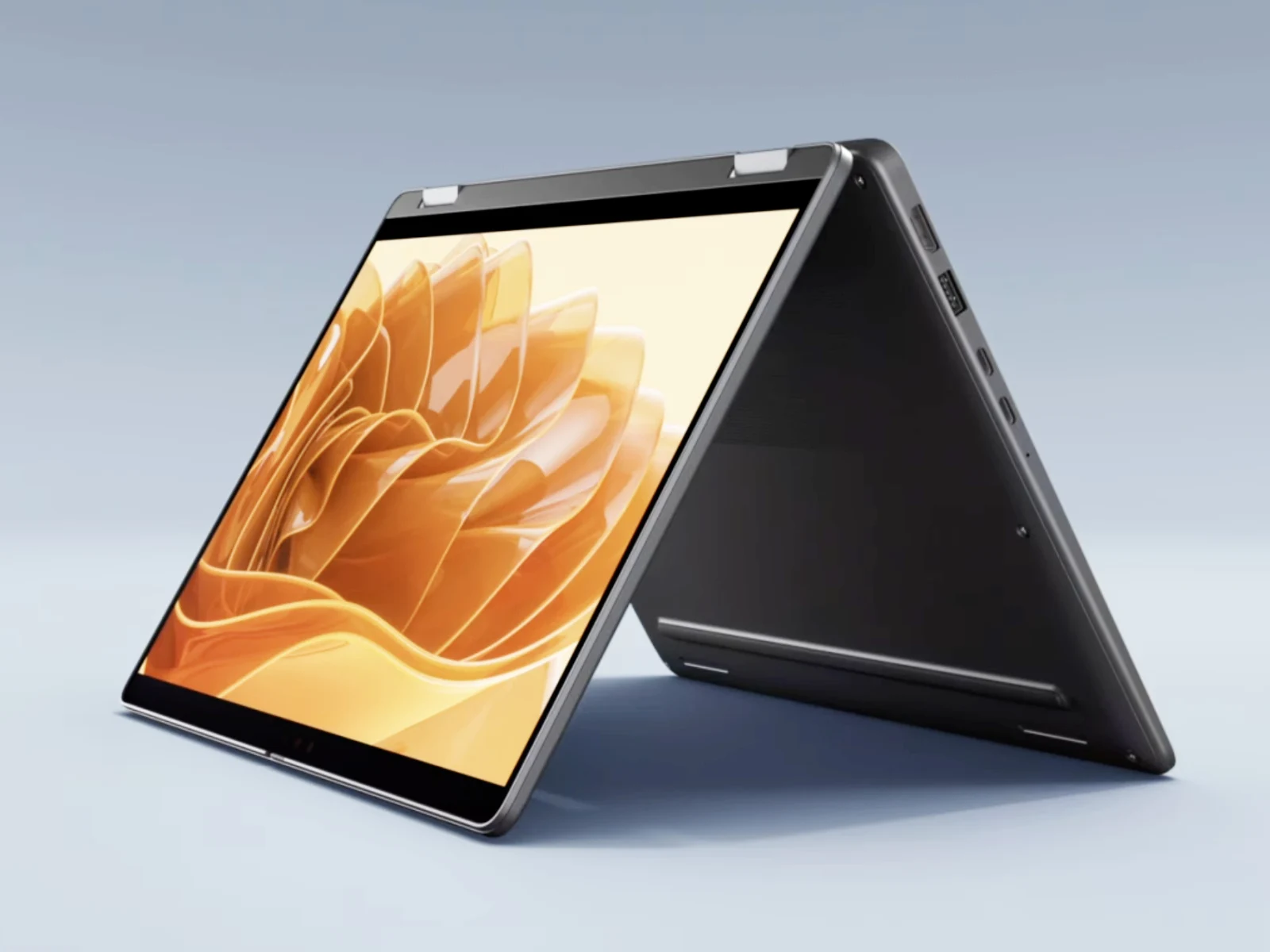
      Now, Dell has complemented its recent 13.3-inch laptop release with a 2-in-1 model. Joined by cheaper AMD alternatives, the Pro 7 Series 13 2-in-1 (P703260) is heavier and thicker than its regular laptop counterpart. Not only that, but the new Intel-based 2-in-1 is more expensive than the Pro 7 Series 13 Laptop, too.

      Specifications and Pricing Details

      Specifically, the 2-in-1 is 15.9% heavier at 1.38 kg, compared to 1.19 kg for its laptop sibling. Moreover, the 2-in-1 measures 17.95 mm at its thickest point for a 9.7% increase on the Pro 7 Series 13 Laptop. Ports remain unchanged though, with two USB Type-A and Thunderbolt 4 connections apiece, full-sized HDMI and an optional Smart Card Reader.

      The Pro 7 Series 13 2-in-1 (P703260) starts at £2,914, $2,989 and €3,277 as pre-configured units. These prices drop to £2,230, $2,539 and €2,501 for those willing to create a customised build.

      Maxed Out Configuration and Cost

      At the time of publication, the P703260 can be configured with up to a Core Ultra 7 366H, 64 GB of LPDDR5X-8533 RAM, a 2 TB PCIe Gen 5 SSD, Wi-Fi 7 connectivity, 5G cellular connectivity and a Smart Card Reader. Selecting all these options increases the 2-in-1’s price to £5,329, $6,353 and €6,020. Please see Dell’s website for more details.


    • Dell Launches Wildcat Lake Laptops Globally: Up to 48GB RAM, 120Hz

      Dell Launches Wildcat Lake Laptops Globally: Up to 48GB RAM, 120Hz

      Key Takeaway

      – Dell released new Pro 5 Series laptops with cheaper Wildcat Lake processors, complementing existing Panther Lake models.
      – Wildcat Lake variants lack LPCAMM2 RAM but offer 60 Hz OLED and 120 Hz IPS display options.
      – Pricing in Europe starts under €1,700; no Wildcat Lake models are available in North America yet.
      – The Pro 3 Series is cheaper, starting at €1,276/£1,137/$1,579, with up to 48 GB RAM, 2 TB storage, Wi-Fi 7, and 70 Wh battery options.


      Dell joins the Wildcat Lake party with four new laptops

      Dell has joined the Wildcat Lake party with the release of four new laptops powered by Intel’s Core Series 3 architecture. To recap, the company unveiled Pro 3 Series and Pro 5 Series laptops in March. Earlier this month, it began selling the Pro 5 Series 14 (P514260) and Pro 5 Series 16 (P516260) with Panther Lake processors to replace older Pro models.

      Cheaper alternatives with Wildcat Lake

      Now, Dell has added to these Panther Lake models with cheaper Wildcat Lake alternatives. While this is true in markets like Europe, Dell has not started selling Core 5 320, Core 5 330, Core 7 350 or Core 7 360 versions of the Pro 5 Series 14 or Pro 5 Series 16 in North America. For reference, these Wildcat Lake variants miss out on the LPCAMM2 RAM that Dell sells with Panther Lake variants.

      Display and pricing details

      Meanwhile, Wildcat Lake versions of the Pro 5 Series can be configured with 60 Hz OLED and 120 Hz IPS displays. Currently, pricing starts at under €1,700 in the Eurozone and £1,500 in the UK. By contrast, Pro 3 Series laptops are cheaper still. At the time of writing, Dell charges €1,276, £1,137 and $1,579 for a 14-inch variant. In comparison, the Pro 3 Series 16 retails for €1,310, £1,166 and $1,569.

      • The Pro 3 Series can be configured with up to 48 GB of RAM and 2 TB of storage like the Pro 5 Series though
      • It also supports Wi-Fi 7 connectivity
      • Battery options include 45 Wh, 57 Wh or 70 Wh batteries

      Further model variations

      Please see the links below for more details on each laptop. Dell Pro 3 Series 14 – Germany, UK & US. Dell Pro 3 Series 16 – Germany, UK & US. Dell Pro 5 Series 14 – Germany & UK. Dell Pro 5 Series 16 – Germany & UK. They have not annouced a US release date for these Wildcat Lake versions yet, which is dissapointing for many consumers waiting for a budget option.