Category: Computers

  • Qualcomm Snapdragon C for Windows Laptops at $300

    Qualcomm Snapdragon C for Windows Laptops at $300

    Key Takeaway

    – Snapdragon C laptops are expected to be very affordable (potentially around $300), aiming at students, families, and office work, with energy-efficient designs for long battery life.
    – First Snapdragon C devices are anticipated to debut at Computex, though exact features and performance details remain unconfirmed, including AI/NPU capabilities and Copilot+ support.
    – Early models (e.g., Acer Aspire Go 15) showcase the chip with modest RAM/SSD options, and higher RAM configurations may significantly raise prices beyond the base $300 due to RAM costs.


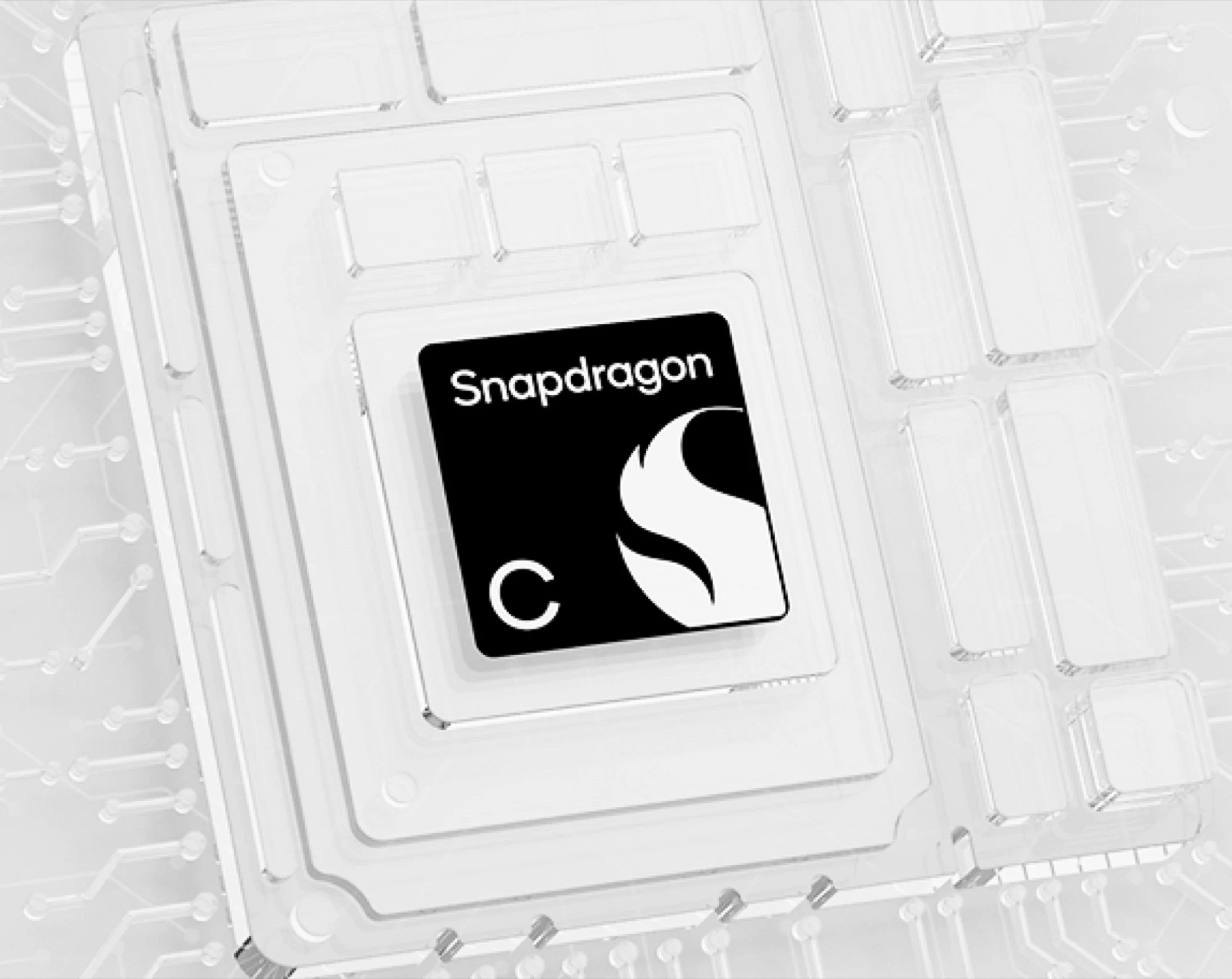
    Laptops with Qualcomm Snapdragon X, such as the Lenovo IdeaPad Slim 3X ($518 on Amazon), are already similarly affordable to the Apple MacBook Neo. The brand new Qualcomm Snapdragon C should allow manufacturers of Windows laptops to offer much cheaper notebooks. Qualcomm is talking about prices starting at around $300, but as no laptop manufacturer has yet announced the price of a device based on this chip, it remains to be seen whether this price is actually realistic.

    Overview

    The first Snapdragon C ARM laptops are expected to be unveiled at Computex next week. Qualcomm has not yet confirmed any details about the chip’s features, but the announced laptop price suggests that the chip will be significantly slower than the Snapdragon X. Qualcomm is advertising the Snapdragon C primarily for students, families and office workers. The processor is equipped with an AI accelerator, but Qualcomm does not provide any information on the performance of this NPU, so it is unclear whether the chip supports Microsoft Copilot+ features.

    Performance and Target Market

    Unsurprisingly, the Qualcomm Snapdragon C is said to be energy-efficient and thus enable a long battery life. The Acer Aspire Go 15 is one of the first laptops to use the new Snapdragon C. The device is equipped with 8 GB of RAM and a 512 GB SSD, but it is not yet known whether the Snapdragon C will also be offered with more RAM. However, in view of the DRAM crisis and rising RAM costs, it can be assumed that laptops with 16 GB RAM will cost far more than the advertised $300.
     

  • Acer Launches Windows Handheld Arc B390 with 120 Hz Display

    Acer Launches Windows Handheld Arc B390 with 120 Hz Display

    Key Takeaway

    – Predator Atlas 8 uses Intel Arc G3 or G3 Extreme (Arc B370/B390) with strong rumored gaming performance vs Radeon 890M handhelds.
    – 8-inch 1200p IPS display at 120 Hz VRR, 500 nits, plus up to 24 GB RAM and 1 TB M.2 storage; weights 770–810 g with 60 Wh or 80 Wh battery options.
    – Availability: launching in Africa, Australia, Europe, the Middle East, and North America with first shipments in October 2026; pricing not announced.


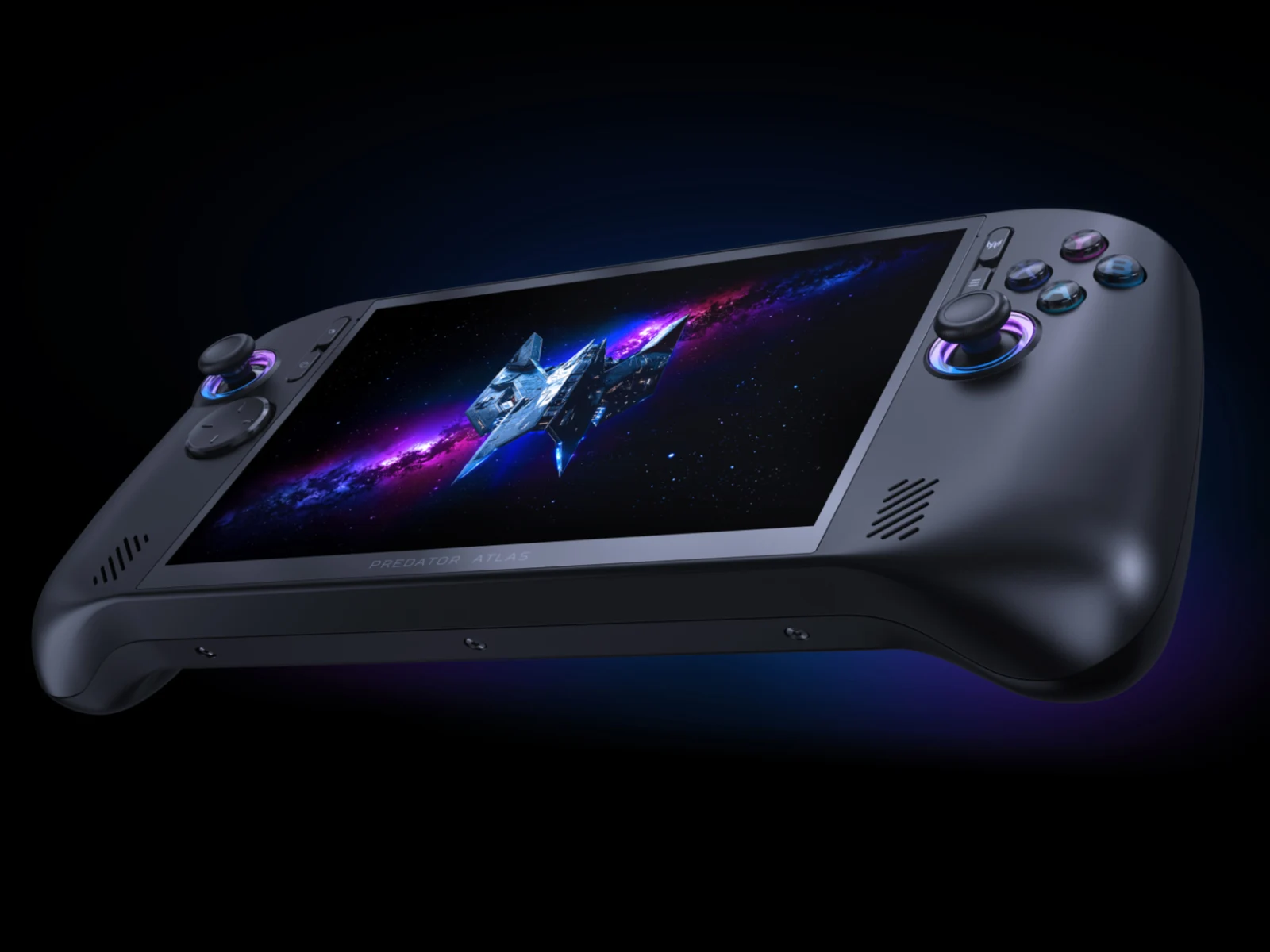
    Acer has jumped into the handheld gaming arena with the Predator Atlas 8, following OneXPlayer’s Arc G3 Extreme powered reveal earlier today. The Atlas 8 arrives amid a market where Nitro Blaze models from Acer previously teased but not released, leaving fans curious about the company’s handheld ambitions and timing.

    Pricing and specifications retained here

    According to Acer, the Predator Atlas 8 will be available with Intel’s Arc G3 or Arc G3 Extreme processors, which contain Arc B370 and Arc B390 graphics, respectively. Based on our experiences with Arc B390-powered laptops, the Predator Atlas 8 could be over 50% more powerful in games than Radeon 890M-equipped handhelds like the Legion Go 2 or the ROG Xbox Ally X (curr. $1,309 on Amazon).

    Display and hardware configuration

    Moreover, the Predator Atlas 8 leverages an 8-inch and 1200p IPS display featuring 500 nits peak brightness and a 120 Hz VRR refresh rate. On top of that, the handheld offers up to 24 GB of LPDDR5X-7467 RAM and 1 TB of M.2 2280 storage, all in a package measuring 299 x 127 x 28.5 mm. Apparently, Acer plans to sell versions with 60 Wh and 80 Wh batteries too, which will see the Predator Atlas 8 weighing 770 g or 810 g.

    Launch window and market reach

    Currently, Acer expects to sell the Predator Atlas 8 in Africa, Australia, Europe, the Middle East and North America. However, the handheld will not reach any of these markets until October 2026. Pricing information remains unknown for now.


    Sources

    • New Anker 8-in-1 Dual Display USB-C Hub Coming Soon

      New Anker 8-in-1 Dual Display USB-C Hub Coming Soon

      Key Takeaway

      – Dual-monitor support: teased to feature two HDMI outputs, an upgrade from the 555 model’s single HDMI port.
      – Multi-port hub: expected to include USB-C, plus card slots (TF/SD) based on the mock-up.
      – Availability signal: listed on Anker’s official eBay UK storefront with immediate shipping at £27.99, but official launch/release date is not confirmed.


      Anker Teases a New 8-in-1 USB-C Hub

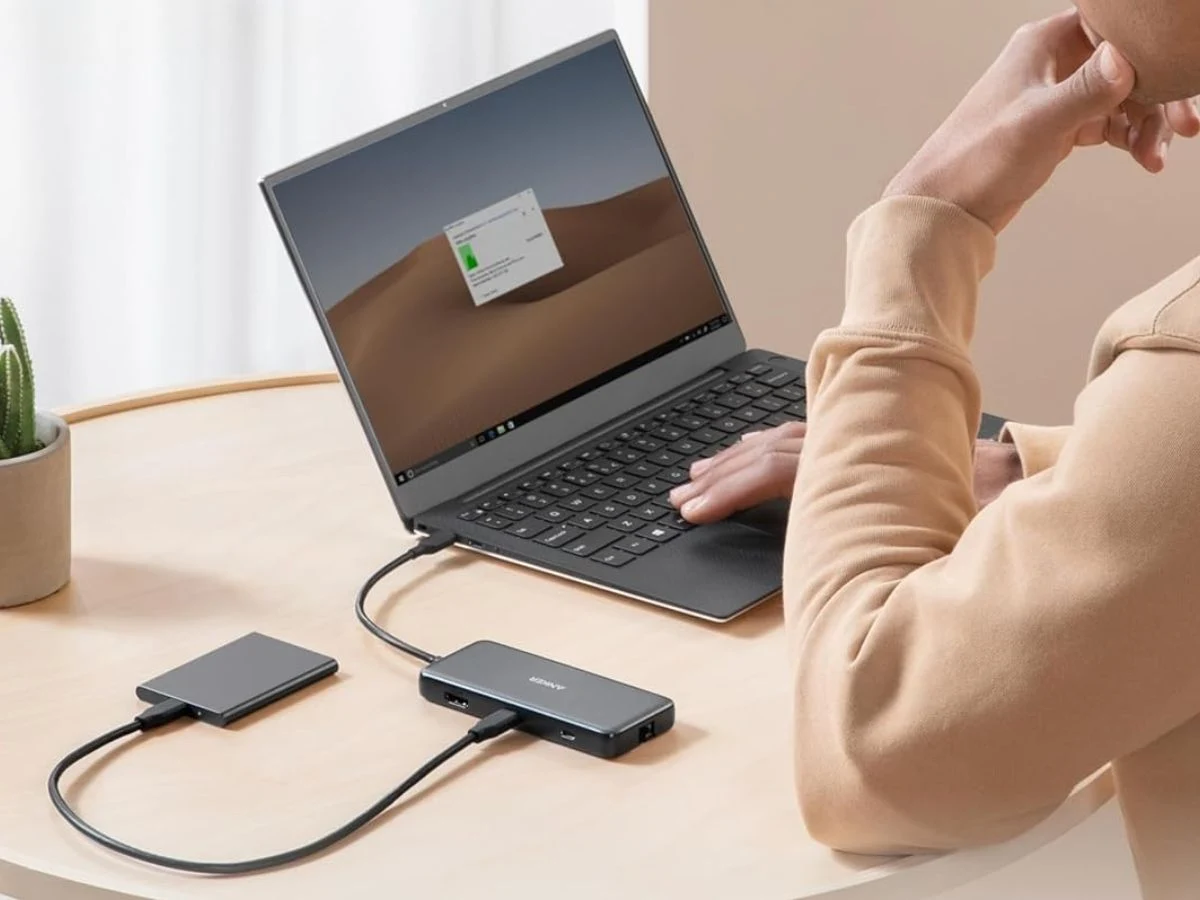
      Anker has teased a new charging accessory: the Nano USB-C Hub (8-in-1, Dual Display). This upcoming model would join similar older products from the brand, like the Anker 555 USB-C Hub (8-in-1) (curr. $35.98 at Amazon).

      Speculative Features and Display Capabilities

      The Anker Nano USB-C Hub (8-in-1, Dual Display) has appeared in a product listing at the brand’s official storefront at eBay UK. The page reveals few details about this unreleased accessory. However, both the gadget’s name and a teaser image suggest that users will be able to connect two monitors via a pair of HDMI ports. This would be an upgrade over the 555 USB-C Hub, which has a single HDMI port.

      Possible Ports and Card Slots

      The mock-up of the Anker Nano USB-C Hub (8-in-1, Dual Display) also suggests that the accessory will offer at least one USB-C port. Plus, the image appears to show TF and SD card slots. It is unclear how users will connect the gadget to the host device, though this will likely be via a USB-C cable.

      Launch Details and Pricing

      It is unclear when the Anker Nano USB-C Hub (8-in-1, Dual Display) will be officially unveiled or when it will be released. At the brand’s official eBay storefront in the UK, the model is listed for £27.99, with the product page suggesting that it would ship to customers immediately.

      Sources
    • Samsung 4K 360Hz QD-OLED Monitor: World’s First by Samsung Display

      Samsung 4K 360Hz QD-OLED Monitor: World’s First by Samsung Display

      Key Takeaway

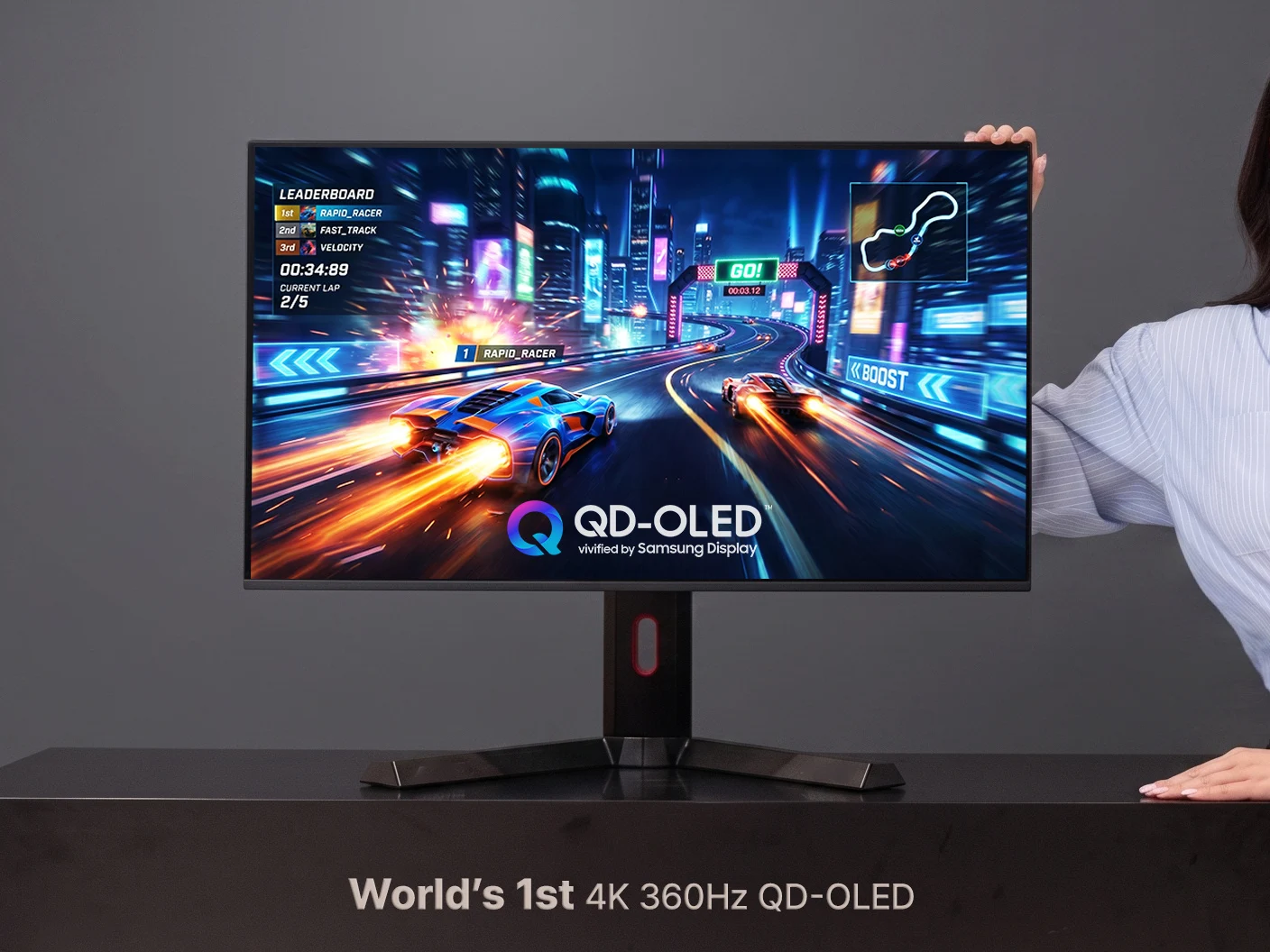
      – 31.5-inch QD-OLED panel with 4K resolution at 360 Hz, plus a built-in 1080p 680 Hz mode
      – Re-engineered internal driving circuitry to handle higher data load and a dual-mode resolution/refresh feature
      – First to meet VESA DisplayHDR True Black 600 standard (≥600 nits brightness with deep blacks)
      – Vertical V-Stripe subpixel layout for improved text clarity and reduced edge blur
      – Mass production targeted for H2 2026, with collaborations from ten global tech brands


      Samsung Display reveals new 31.5-inch QD-OLED monitor panel

      In a bold move, the company announced a 31.5-inch QD-OLED panel that sports 4K resolution and a whopping 360 Hz refresh rate, with plans to showcase this at Computex 2026 in June. The claim that this panel can deliver both 4K clarity and ultra-high refresh rate in one device marks a notable shift from prior compromises where users had to pick either 4K at 240Hz or lower QHD for 360Hz. This product seems to be stepping into a new territory where high resolution meets extreme speed, a combination tech enthusiasts have awaited for years.

      Engineering tweaks enable higher data throughput

      Samsung Display says the breakthrough comes from re-engineering the panel’s internal driving circuitry to accommodate the heavier data load required by 4K at 360 Hz. This technical rework purportedly optimizes how signals are processed and delivered across the panel, reducing bottlenecks that previously limited performance. The result, they claim, is sustained performance at those demanding specifications without compromising other aspects of the display’s behavior.

      Dual-mode functionality and HDR capabilities

      Another notable feature is a built-in dual-mode function that lets users drop the resolution to 1080p while ramping the refresh rate up to 680 Hz for scenarios that demand extreme motion clarity. Such a mode could be particularly appealing to competitive gamers or professional users who need ultra-fast response times in fast-paced workloads. Additionally, the panel claims to be the first monitor panel to pass the VESA DisplayHDR True Black 600 standard, achieving at least 600 nits peak brightness while maintaining deep black levels, which is a meaningful milestone for contrast-rich visuals.

      Vertical V-Stripe subpixel layout and production plans

      The panel introduces a vertical “V-Stripe” subpixel arrangement, aligning red, green, and blue subpixels in a way that’s intended to improve text legibility and minimize edge blurring. This layout change is part of Samsung Display’s broader effort to optimize both text and image quality on high-end OLED panels. Mass production is expected in the second half of 2026, and the company is already collaborating with ten global tech brands to bring these panels to market, signaling strong industry adoption in the near term.

      Sources
    • OneXPlayer Global Launch: AMD Strix Halo, 700-nit OLED, Liquid Cooling

      OneXPlayer Global Launch: AMD Strix Halo, 700-nit OLED, Liquid Cooling

      Key Takeaway

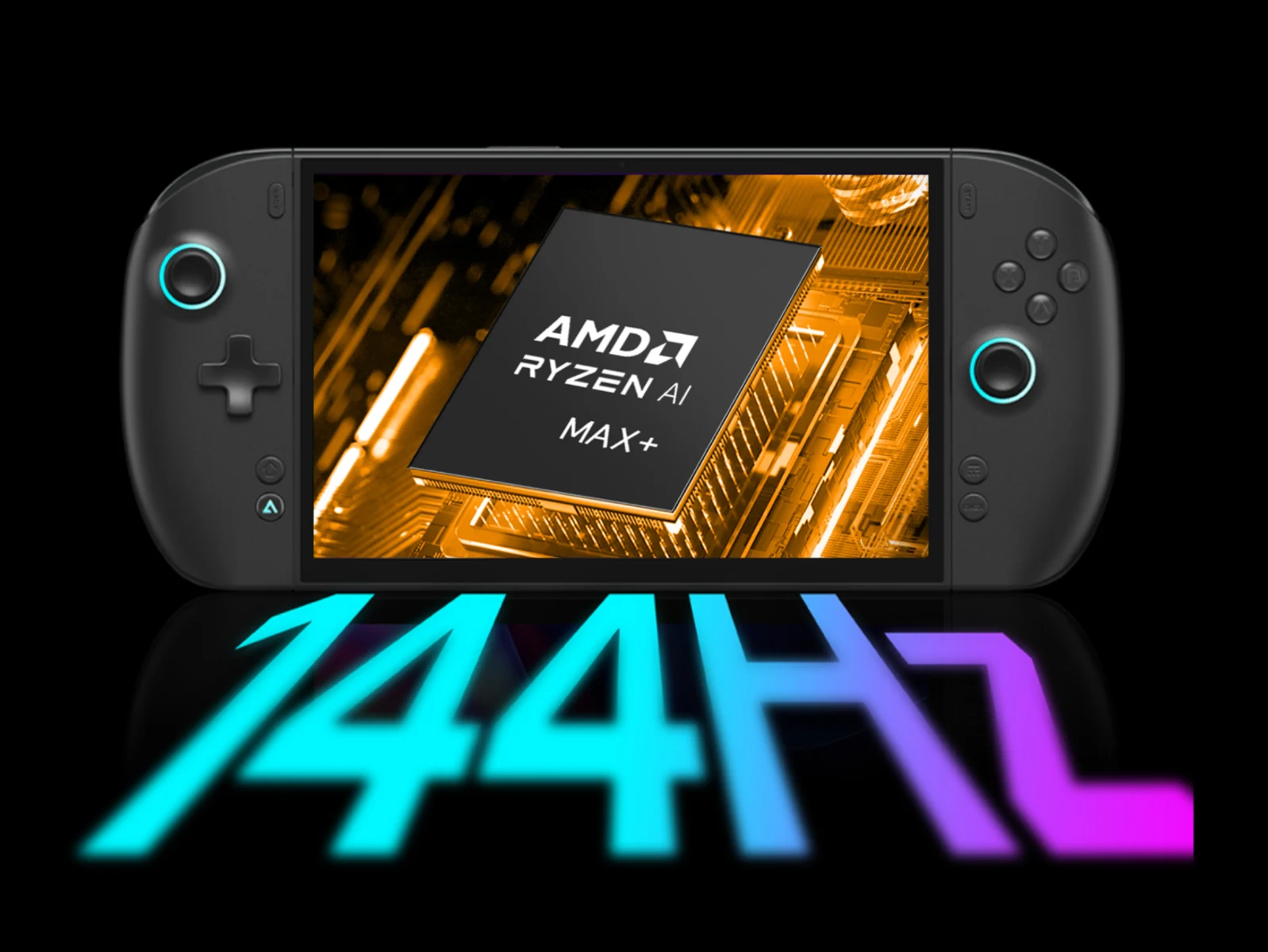
      – X2 Mini Pro: 8.8-inch 144 Hz VR OLED, Ryzen AI Max+ 395, up to 120 W CPU/GPU power, 85Wh external battery, detachable controllers and keyboard cover.
      – Cooling and accessories: Frost Bay liquid cooling support; detachable controllers differentiate it from Apex.
      – Availability and pricing: Launch on Indiegogo in mid June 2026; pricing not yet disclosed.
      – Related update: OneXPlayer X1 Pro received Ryzen AI 400 platform update (unchanged core design from Ryzen AI 300 model).


      OneXPlayer has finally revealed more details about its upcoming X2 Mini series handheld. First teased around six weeks ago, the X2 Mini has gained a Pro moniker for its global launch. Additionally, it has been joined by the OneXPlayer 3, full details of which we have covered separately.

      Overview and Core Specs

      To recap, the OneXPlayer X2 Mini Pro combines an 8.8-inch, 700-nit and 144 Hz VR OLED display with AMD’s Ryzen AI Max+ 395 processor. Reportedly, the handheld delivers up to 120 W of power to its processor and Radeon 8060S iGPU, too. As a result, OneXPlayer has returned to its 85 Wh external battery solution, which debuted with the OneXFly Apex (curr. $2,899 on Amazon).

      The Pro model also marks a return to some familiar design choices while expanding on cooling and performance options, which could influence how long you can game between charges. These specs paint a picture of a device that aims to bridge portable power with desktop-like performance, all in a handheld form factor.

      Cooling, Battery, and Connectivity

      Moreover, the X2 Mini Pro is compatible with OneXPlayer’s Frost Bay liquid cooling solution. However, the handheld departs from the Apex by featuring detachable controllers and a keyboard cover accessory. While OneXPlayer has confirmed that the X2 Mini Pro will launch on Indiegogo ‘in mid June 2026’, pricing remains unknown at this stage.

      The cooling option and detachable controls suggest a flexible approach to how players can interact with the device, potentially catering to both quick handheld sessions and more extended gaming marathons when the keyboard cover is used for a desktop-like setup.

      Related Updates and Context

      In the meantime, OneXPlayer has updated the OneXPlayer X1 Pro with AMD’s Ryzen AI 400 platform. Please see our launch article for more details. Fundamentally, the new device is the same as the older Ryzen AI 300-based model we reviewed in March 2025.

      As more information surfaces about the X2 Mini Pro, enthusiasts will be watching how the price unfolds and whether the Indiegogo campaign will offer appealing bundles or early-bird perks that make the device stand out in a crowded handheld market. The blend of high-refresh OLED, strong processor, and modular accessories could be a distinctive formula if executed well.


      Sources

    • Lenovo Legion 5 RTX 5070: QHD OLED, 32GB RAM Discounted

      Lenovo Legion 5 RTX 5070: QHD OLED, 32GB RAM Discounted

      Key Takeaway

      – Lenovo Legion 5i (Intel Core Ultra 7 255HX, RTX 5060) priced at $1,299 with 32GB RAM, 1TB SSD, and a 15″ 2560×1600 OLED 165Hz display, about 24% off (was $1,699).
      – RTX 5070 model of the Legion 5 discounted to $1,449 (roughly 28% or $550 off) with identical specs.
      – Overall: strong value under $1,500 with a bright OLED panel and solid performance, though PWM flicker and louder fan noise during gaming are noted.


      Deal Summary and Pricing

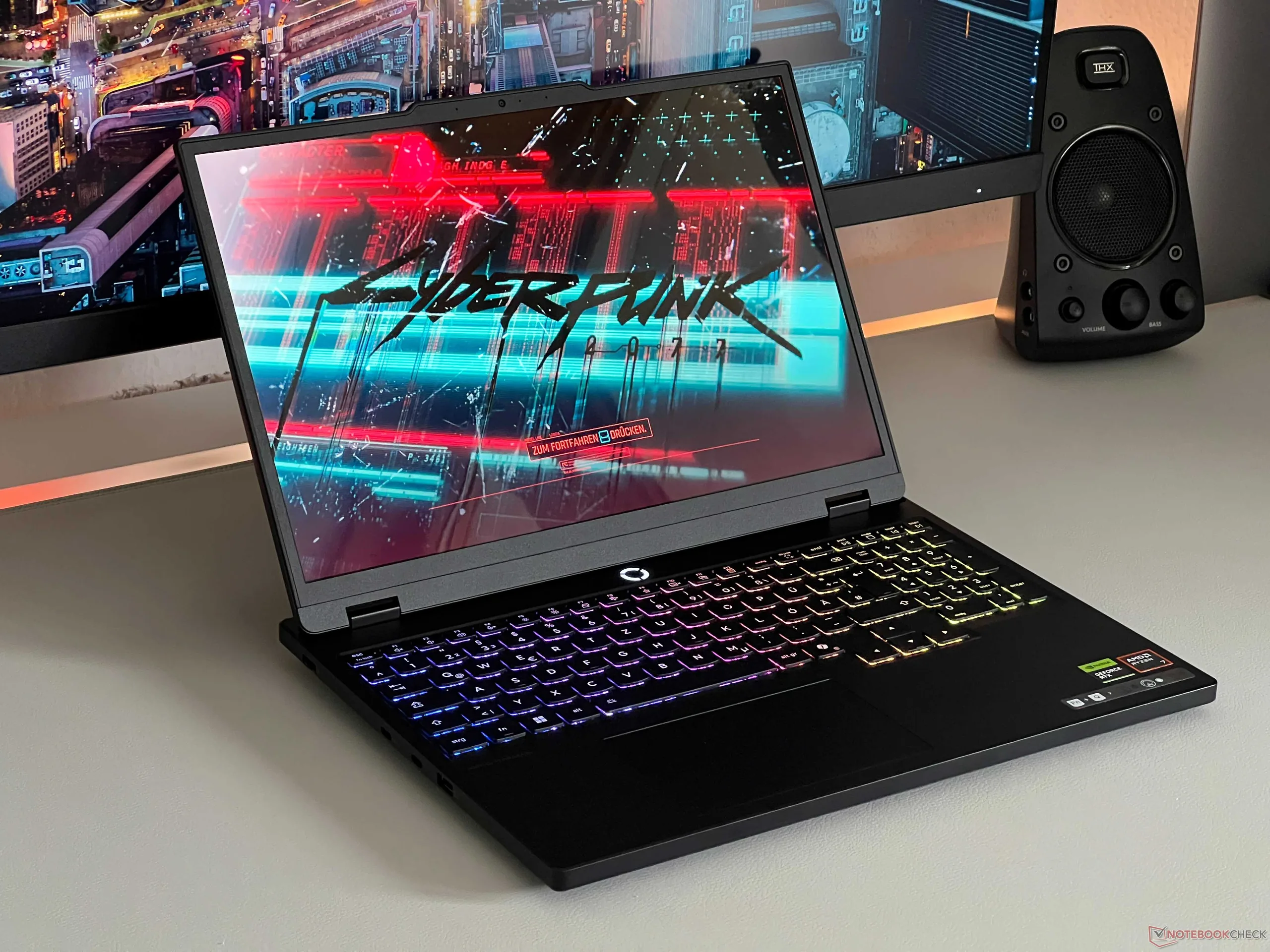
      The article describes a price cut on a Lenovo Legion 5i featuring an Intel Core Ultra 7 255HX and Nvidia GeForce RTX 5060 Laptop GPU, offered by B&H Photo Video for $1,299 with free shipping, reflecting a $400 or about 24% savings from the usual price of $1,699. This is a notably affordable option for a gaming notebook, especially given the 15-inch form factor and the included high-end OLED display option. The price drop is positioned as a limited-time opportunity, a theme common in retailer promotions for gaming laptops.

      Specifications and Build

      The unit boasts 32GB DDR5 memory, a 1TB SSD, and an OLED screen with a 2560 x 1600 resolution and a 165Hz refresh rate. An alternative variant within the same family, the RTX 5070 model of the Lenovo Legion 5, is also mentioned, priced at $1,449 after a discount of about 28% or $550 at the same retailer. Both configurations share the same chassis and OLED panel, which means that most benchmarks and impressions from reviews of the predecessor would apply to these sale models, given the unchanged display and chassis characteristics. This makes it easier for buyers to project real-world performance expectations.

      Deal Context and Comparisons

      The report notes that the price reductions occur within a market where hardware prices stay elevated and affordable options under $1,500 are scarce. The deal is framed as an attractive option for gamers seeking a capable machine without paying the premium frequently associated with high-end GPUs. The existence of a bright and colorful display, solid performance, and a well-regarded keyboard are highlighted as positives, while caveats include loud fan noise during gaming sessions and potential PWM-induced OLED flicker, which are common considerations for OLED laptops at higher brightness levels.

      Retailer and Availability Caveats

      As with many electronics deals, the article includes a disclaimer regarding price changes by retailers, noting that the discounted price or deal was valid at the time of writing and may be subject to time constraints or limited stock. The text explicitly removes any references to external sources or image details at the end and also ensures there is no reliance on third-party price trackers in this summary. This helps keep the reader informed about potential fluctuations while emphasizing the initial bargain strength.

      Final Assessment

      Overall, this Lenovo Legion 5i deal presents a compelling entry point for buyers who want a 15-inch OLED gaming laptop under the $1,500 mark. The combination of a strong processor, substantial memory, and a fast storage setup paired with a high-refresh OLED panel makes it appealing for enthusiasts who value display quality and responsiveness, even if some noise and flicker issues exist under load. The offer stands out in a crowded market where discounts on RTX-equipped laptops can be sporadic and short-lived.

      Sources
    • Steam Machine leaks turn out to be hot air, price worries grow

      Steam Machine leaks turn out to be hot air, price worries grow

      Key Takeaway

      – Valve restocked Steam Deck OLED and raised prices, dampening hopes for a low-cost Steam Machine launch.
      – Leaked containers from China likely contained more Steam Decks, not Steam Machines, shifting speculation away from a new living-room PC release.
      – Market signals now point to a potentially higher price range for a future Steam Machine, around or approaching $1,000.


      For weeks, leaks about mysterious Valve hardware imports had kept the community on edge. In both early and late May, the company received containers from China that allegedly contained game consoles – and many assumed they were Steam Machines. Now, however, something has happened that has dashed the recently fueled hopes of an imminent launch of the highly coveted living-room PC in one fell swoop: a restock of the Steam Deck OLED.

      Retail Update

      The OLED version of Valve’s handheld had been sold out for some time. Its renewed availability now suggests that the leaked containers may not have brought Steam Machines across the sea after all. For the time being, that would put the speculation of recent weeks to rest. The general sentiment on Reddit is roughly: “If the containers only contained Steam Decks, we still don’t have any real Steam Machine news.”

      Pricing Shift

      With the restock, Valve has also raised the prices of the Steam Deck OLED – and significantly so. The 512 GB model now costs $789 instead of $549, while the 1 TB version has increased from $649 to $949. That does not seem to be deterring fans, however. Shortly after the restock, both variants were already sold out again in Valve’s store. For the future of the Steam Machine, however, the handheld’s price increase paints a gloomy picture.

      Market Implications

      The price hike for the Steam Deck OLED suggests that the living-room PC could end up more expensive than many had hoped. On Reddit, many users had expected a price somewhere in the mid three-digit range. Now, however, concerns are growing that the Steam Machine could end up closer to $1,000.

      Valve

      Sources
    • ThinkPad T14 Gen 7 Linux Compatibility: Works and Not Works

      ThinkPad T14 Gen 7 Linux Compatibility: Works and Not Works

      Key Takeaway

      – Linux compatibility is strong on ThinkPad T14 Gen 7, with core input devices (touchpad, TrackPoint, fingerprint, webcam) working out of the box.
      – Initial Linux Mint live boot requires enabling 3rd party CAs; most essential hardware still needs post-boot tweaks.
      – Some components lack out-of-the-box support on Linux, notably Wi‑Fi, Bluetooth, stereo speakers, microphones, and certain function keys (F4–F7, F10–F12).


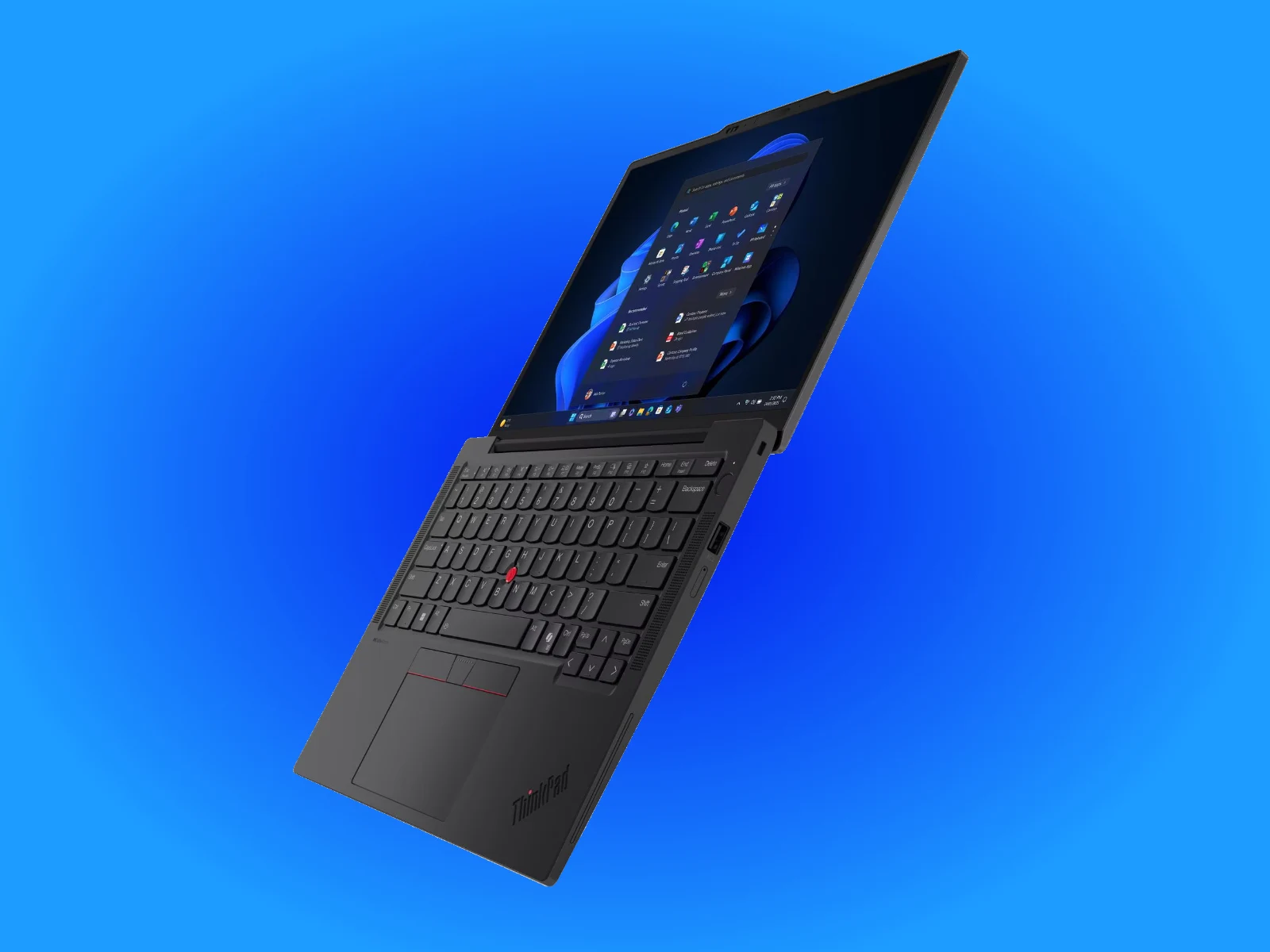
      ThinkPads may run Windows out of the box in most cases, but the black business laptops from Lenovo are also a popular choice in the Linux community.

      In this piece we explore the practicalities of running Linux on ThinkPads, especially Lenovo devices, and the way their hardware tends to play with Linux ecosystems. The claim that ThinkPads are Linux friendly is a talking point we wanted to test, and the results here reflect a hands-on approach using real hardware and software builds.

      Setup and initial boot

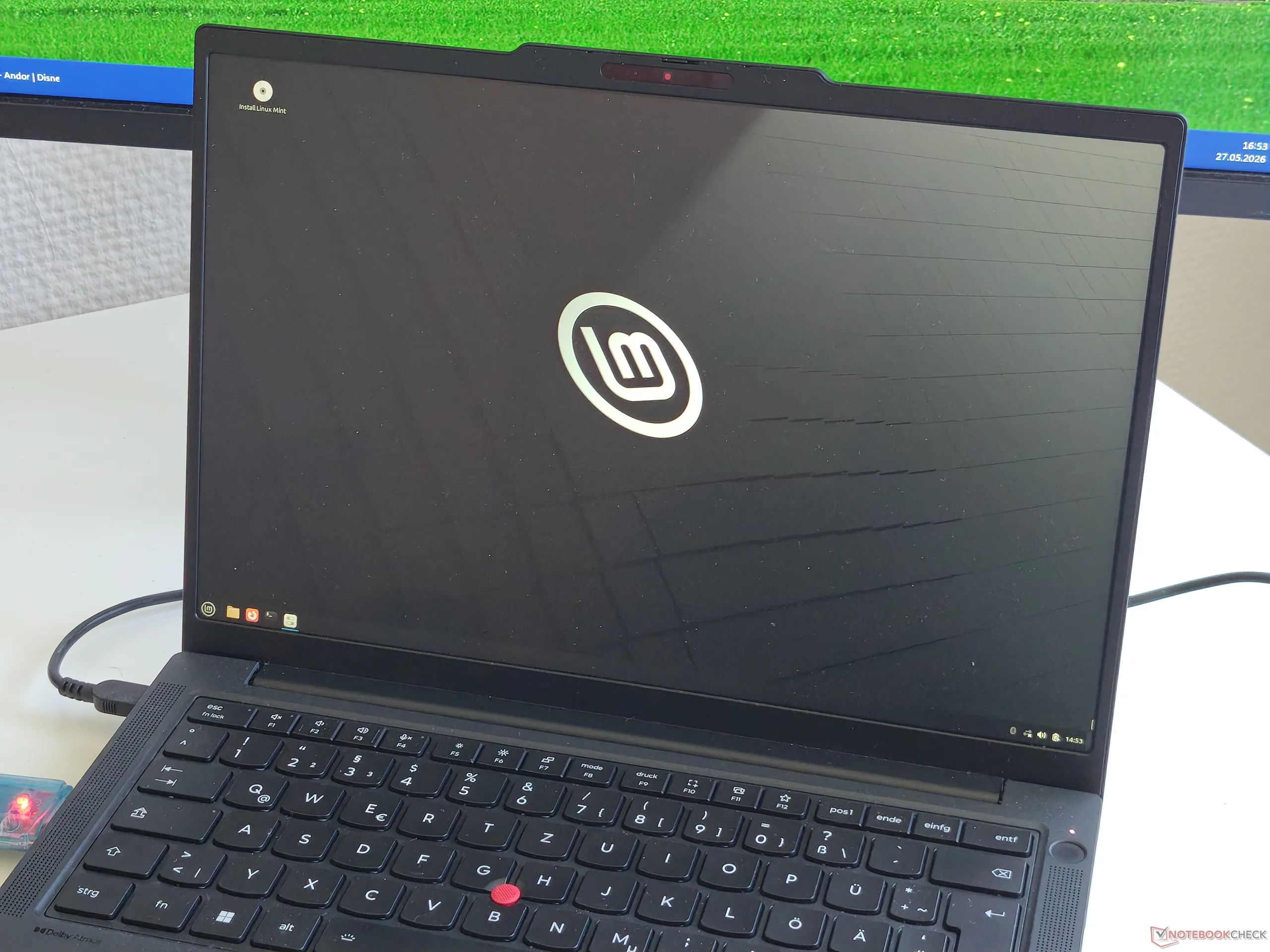
      So, we grabbed the Lenovo ThinkPad T14 Gen 7 we recently reviewed, downloaded a Linux Mint ISO and created a Live USB Stick. After enabling 3rd Party CAs, the system booted up with no issues. The process was described in straightforward terms, with emphasis on the steps required to get the environment running from external media without preinstalled drivers getting in the way.

      Hardware compatibility check

      With Linux Mint booted up, we did a quick check for hardware compatibility issues. First thing we noted was that neither Wi-Fi nor Bluetooth worked out of the box. RJ45-Ethernet, however, does, so it is possible to put get the ThinkPad laptop online. The writeup keeps the tone practical, focusing on what components behave as expected and which ones need a workaround or additional drivers to function.

      Peripherals and input devices

      Another feature that does work out of the box: The touchpad and the TrackPoint pointing stick. The same is also true for the fingerprint reader and the webcam. However, the stereo speakers are not functioning, as the system does not recognize them – and neither do the microphones or the FN functions of the F4 to F7 and F10 to F12 keys. These notes highlight the gaps and potential fixes an user might explore to improve the experience down the line.

      Overall takeaway and and user questions

      Overall, these are issues experienced users can probably easily work out, especially since at least the touchpad and TrackPoint work out of the box. Which system do you prefer on your system: Linux or Windows? And which other Linux tests do you wish us to do? Tell us in the comments!

      Sources
      • Lenovo unveils compact laptop with Intel Panther Lake, 30h battery life

        Lenovo unveils compact laptop with Intel Panther Lake, 30h battery life

        Key Takeaway

        – Availability: ThinkPad X13 Gen 7 is launching in North America (US/Canada) with Intel Panther Lake; AMD-based models are coming to other regions.
        – Key specs: Core Ultra 5 325 (8-core CPU) with a 4-core Xe iGPU, 16 GB LPDDR5X RAM, 512 GB PCIe Gen 4 storage, 54.7 Wh battery rated up to 30h video playback (150 nits) / 15h+ MobileMark 30 (250 nits).
        – Display and connectivity: 13.3-inch 1200p IPS, 400 nits, 100% sRGB, 60 Hz; Bluetooth 5.4 and Wi-Fi 7 modem.
        – Pricing: US configuration at $1,599; Canada CAD 2,219.


        Lenovo Begins ThinkPad X13 Gen 7 Sales in North America

        Lenovo has started selling the ThinkPad X13 Gen 7 in North America after unveiling the laptop earlier this year. Currently, the company is only selling Intel Panther Lake-based models in Canada and the US. However, AMD-based alternatives are on the way, given recent releases in Australia, East Asia and Southeast Asia.

        Limited Availability and Future Plans

        Likewise, Lenovo restricts the ThinkPad X13 Gen 7 to a single preconfigured unit at the time of writing. Presumably, the company will expand availability further soon. There is no word yet on when this will happen, though.

        Core Specs and Battery Life

        Setting that aside, the ThinkPad X13 Gen 7 currently comes with the Core Ultra 5 325, an 8-core processor with a 4-core Xe3 iGPU at its disposal. Additionally, the 13.3-inch laptop contains 16 GB of LPDDR5X RAM clocked at 7,467 MT/s and 512 GB of PCIe Gen 4 storage. Lenovo’s higher capacity 54.7 Wh battery is included too, which the company claims will last up to 30 hours in local video playback at 150 nits and over 15 hours in MobileMark 30 at 250 nits.

        Connectivity and Display

        On top of that, the company equips a Bluetooth 5.4- and Wi-Fi 7-compatible modem. Moreover, a 1200p IPS display is present with 400 nits peak brightness and 100% sRGB colour space coverage, but only a 60 Hz refresh rate. All in all, Lenovo charges $1,599 for this configuration in the US and CAD 2,219 in Canada. Please see our ThinkPad X13 Gen 6 review for our thoughts on last year’s model (curr. $1,319 on Amazon).

        Lenovo Canada & Lenovo US


      • Vertu AlphaFold launches at $6,800 with Alligator Leather and weak specs

        Vertu AlphaFold launches at $6,800 with Alligator Leather and weak specs

        Key Takeaway

        – Focus on luxury and materials (alligator leather, gold plating) rather than cutting-edge specs.
        – High-end, server-free AI assistant “Hermes” with on-device processing and an extra A5 security chip.
        – Strong battery and fast charging (6,500 mAh, USB-C 65W) paired with a heavy, premium build, but older Snapdragon 8 Elite and modest 5 MP telephoto camera.


        Overview of the Vertu AlphaFold’s Market Position

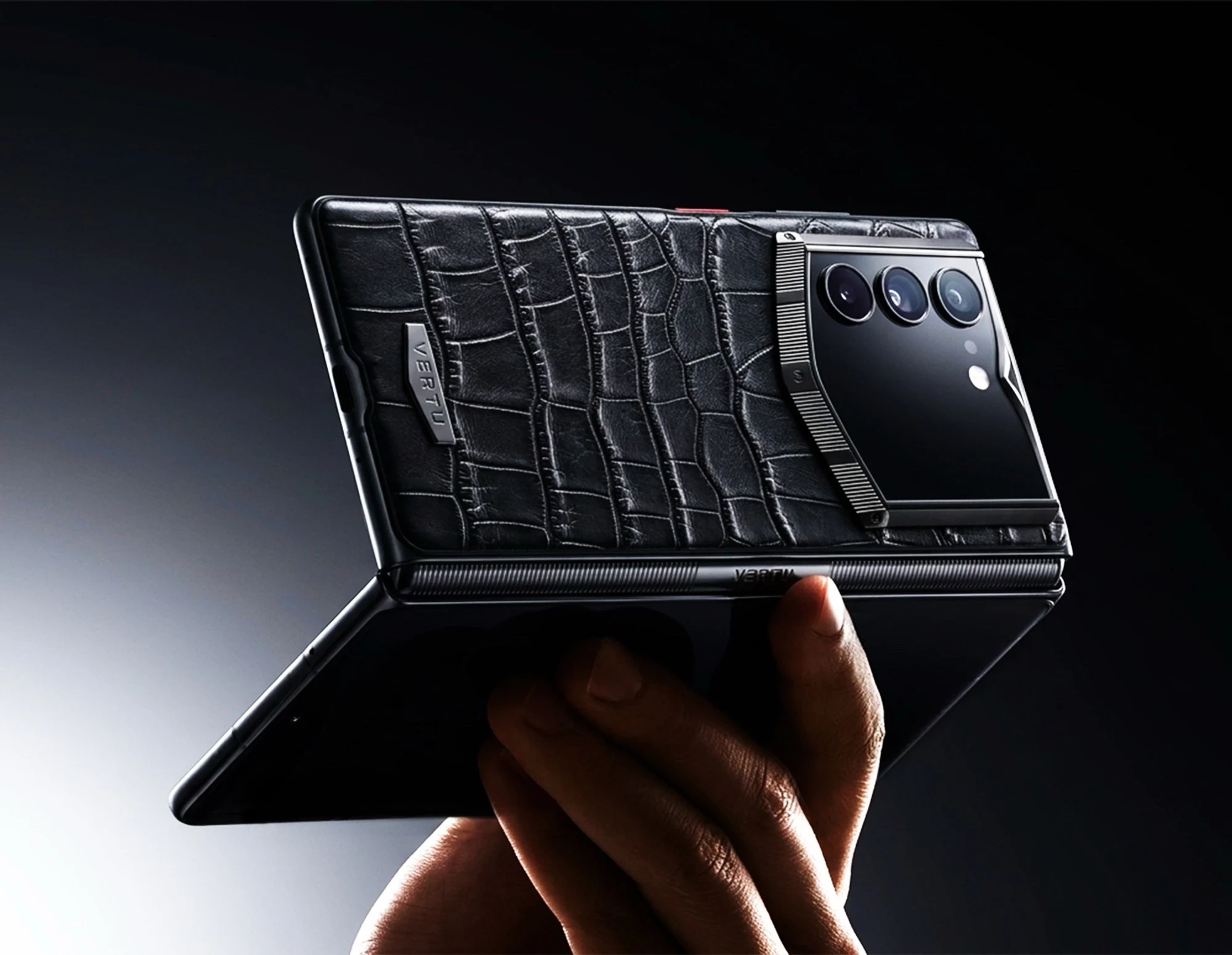
        Smartphones like the Samsung Galaxy Z Fold7 tend to chase the peak tech prowess and aggressive price points, but the Vertu AlphaFold diverges by highlighting luxury first. The device’s allure rests on an opulent exterior that includes alligator leather and gold plating in certain variants, which sets it apart from typical flagship phones. The text keeps a curious balance between premium materials and practical features, attempting to carve a niche where exclusivity matters more than sheer horsepower.

        Build, Materials, and Longevity

        The AlphaFold’s chassis combines titanium and carbon in its hinge, a design choice pitched to sustain roughly 650,000 folding cycles. This emphasis on durability sits alongside a framework that proclaims a high-end, artisanal appeal. The emphasis on resilience complements the luxury narrative, even as some might wonder how such premium components translate into real-world longevity for everyday use.

        Onboard AI and Privacy Hardware

        The device touts an exclusive AI assistant named Hermes, designed to summarize business reports or diagnose sales declines, supposedly executed entirely on-device. Supporting privacy, the manufacturer claims a dedicated A5 security chip enhances safeguarding user data against external access. This approach aligns with a broader trend of on-device AI processing and hardware-enforced security, though real-world performance and energy impact can vary with workload.

        Performance, Battery, and Cameras

        In terms of internals, the AlphaFold uses a Snapdragon 8 Elite from 2024, paired with a substantial 6,500 mAh battery capable of USB-C fast charging up to 65 watts. The camera setup includes a 50 MP main sensor, a 50 MP ultra-wide lens, and a 20 MP selfie camera, complemented by a 5 MP telephoto module. The device also features an 8.05-inch folding display with an astonishing HDR peak brightness of 5,000 nits, plus a secondary 6.53-inch panel for external viewing, all contributing to a visually striking, albeit heavy, multimedia experience.

        Pricing, Availability, and Configuration

        As for purchase details, the AlphaFold is listed at the Vertu online store with prices ranging from $6,880 to $13,800, depending on color and materials, and it consistently ships with 16 GB of RAM and 1 TB of flash storage. Free shipping is offered, reinforcing Vertu’s premium positioning with a door-to-door service vibe. Potential buyers should weigh the luxury branding against practical needs and long-term support expectations before committing.

        Closing Thoughts and Market Implications

        In sum, Vertu’s AlphaFold is less about cutting-edge benchmarks and more about making a lifestyle statement through craftsmanship and exclusive features. The blend of on-device AI, a dedicated security chip, and a remarkable display experience crafts a niche appeal for luxury enthusiasts who value both aesthetics and privacy in equal measure. Whether this model will redefine folding phone prestige remains a debated topic among enthusiasts and critics alike.