
Tag: ThinkPad X13 Gen 7

  • Lenovo unveils compact laptop with Intel Panther Lake, 30h battery life

    Lenovo unveils compact laptop with Intel Panther Lake, 30h battery life

    Key Takeaway

    – Availability: ThinkPad X13 Gen 7 is launching in North America (US/Canada) with Intel Panther Lake; AMD-based models are coming to other regions.
    – Key specs: Core Ultra 5 325 (8-core CPU) with a 4-core Xe iGPU, 16 GB LPDDR5X RAM, 512 GB PCIe Gen 4 storage, 54.7 Wh battery rated up to 30h video playback (150 nits) / 15h+ MobileMark 30 (250 nits).
    – Display and connectivity: 13.3-inch 1200p IPS, 400 nits, 100% sRGB, 60 Hz; Bluetooth 5.4 and Wi-Fi 7 modem.
    – Pricing: US configuration at $1,599; Canada CAD 2,219.


    Lenovo Begins ThinkPad X13 Gen 7 Sales in North America

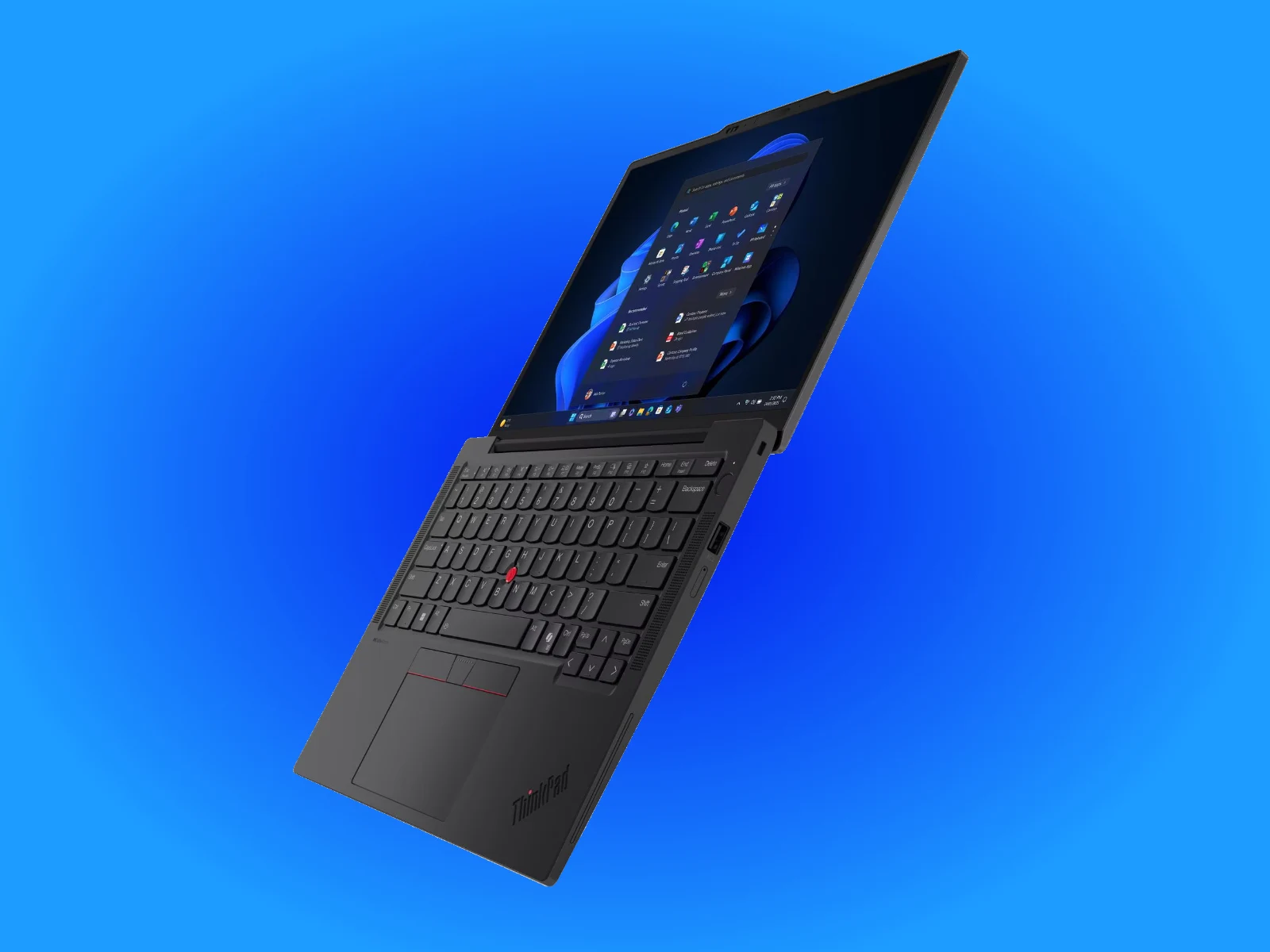
    Lenovo has started selling the ThinkPad X13 Gen 7 in North America after unveiling the laptop earlier this year. Currently, the company is only selling Intel Panther Lake-based models in Canada and the US. However, AMD-based alternatives are on the way, given recent releases in Australia, East Asia and Southeast Asia.

    Limited Availability and Future Plans

    Likewise, Lenovo restricts the ThinkPad X13 Gen 7 to a single preconfigured unit at the time of writing. Presumably, the company will expand availability further soon. There is no word yet on when this will happen, though.

    Core Specs and Battery Life

    Setting that aside, the ThinkPad X13 Gen 7 currently comes with the Core Ultra 5 325, an 8-core processor with a 4-core Xe3 iGPU at its disposal. Additionally, the 13.3-inch laptop contains 16 GB of LPDDR5X RAM clocked at 7,467 MT/s and 512 GB of PCIe Gen 4 storage. Lenovo’s higher capacity 54.7 Wh battery is included too, which the company claims will last up to 30 hours in local video playback at 150 nits and over 15 hours in MobileMark 30 at 250 nits.

    Connectivity and Display

    On top of that, the company equips a Bluetooth 5.4- and Wi-Fi 7-compatible modem. Moreover, a 1200p IPS display is present with 400 nits peak brightness and 100% sRGB colour space coverage, but only a 60 Hz refresh rate. All in all, Lenovo charges $1,599 for this configuration in the US and CAD 2,219 in Canada. Please see our ThinkPad X13 Gen 6 review for our thoughts on last year’s model (curr. $1,319 on Amazon).

    Lenovo Canada & Lenovo US

  • Lenovo Unveils Lightweight ThinkPad with AMD Zen 5 and Intel Panther Lake

    Lenovo Unveils Lightweight ThinkPad with AMD Zen 5 and Intel Panther Lake

    Key Takeaway

    – Both AMD and Intel variants offer up to 16–32 GB LPDDR5X RAM and up to 1 TB storage; AMD supports PCIe Gen 5.0 SSDs, while Intel models are limited to PCIe Gen 4.0.
    – CPU options range from Core Ultra 5 325 / Ryzen AI 5 Pro 440 up to Core Ultra 7 356H / Ryzen AI 7 Pro 450, with no weight increase (starting at 930 g).
    – Displays are 1200p, 60 Hz, 400-nit IPS across all variants; configurations include optional cellular and 41 Wh or 54.7 Wh batteries.


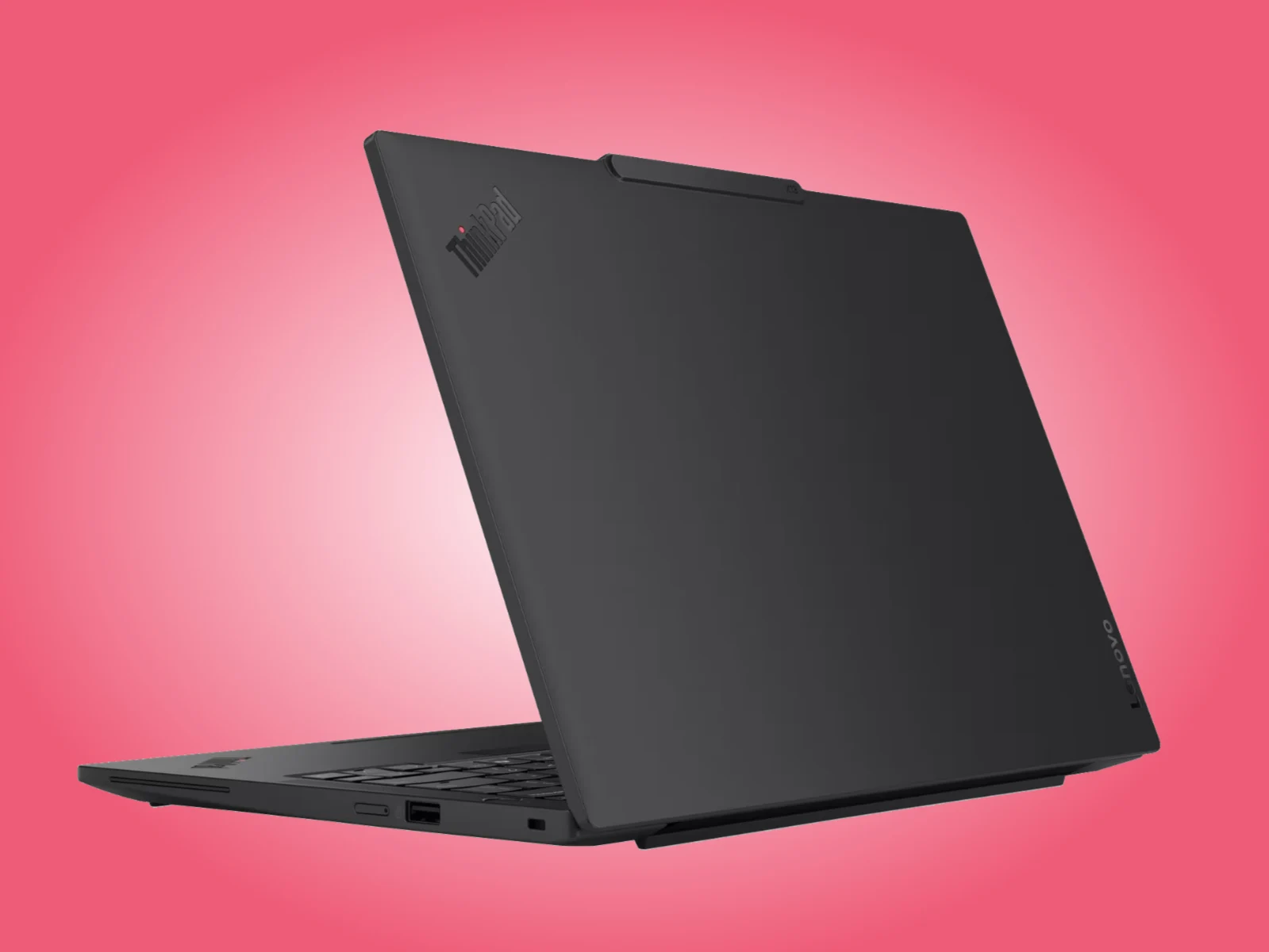
    Hardly any time has passed since Lenovo launched the ThinkPad X13 Gen 7. Replacing Gen 6 models that we reviewed in December (curr. $1,256 on Amazon), the ThinkPad X13 Gen 7 adds more powerful processors while retaining its predecessor’s 930 g starting weight.

    The opening sentence sets the stage with a brief market update, and I’ll keep the cadence varied. This paragraph reads in a casual, report-like tone that tries to balance promotional details with specs. It mentions that the Gen 7 replaces Gen 6, notes the current price on Amazon, and highlights the weight retention. The style shifts slightly from formal to conversational, maintaining a critical eye on an incremental upgrade without overhyping it.

    Now, Lenovo is selling AMD and Intel variants across East Asia, Southeast Asia and Australia. Specifically, the ThinkPad X13 Gen 7 starts with a Core Ultra 5 325 and a Ryzen AI 5 Pro 440 from Intel’s Panther Lake and AMD’s Gorgon Point families. However, both variants can be configured with more powerful options like the Core Ultra 7 356H and the Ryzen AI 7 Pro 450.

    The second paragraph changes tone to a more technical listing, describing the processor options in a compact way. It includes both AMD and Intel variants and mentions specific codenames Panther Lake and Gorgon Point. It also notes upgradable tiers (Core Ultra 7 356H and Ryzen AI 7 Pro 450), with a brisk catalog-like cadence that preserves the factual style while still sounding a bit informal.

    Moreover, Lenovo equips the ThinkPad X13 Gen 7 with 16 GB or 32 GB of LPDDR5X-8533 RAM and up to 1 TB of storage regardless of whether you opt for AMD or Intel processors. Only AMD models can be configured with PCIe Gen 5.0 SSDs, though. In comparison, Intel models make do with slower PCIe 4.0 SSDs. Setting that aside, all variants ship with 1200p, 60 Hz and 400-nit IPS displays and the choice of adding cellular connectivity plus a 41 Wh or 54.7 Wh battery.

    In this paragraph the style smooths into a more evaluative, spec-dense voice. It enumerates RAM options (16 or 32 GB LPDDR5X-8533), storage capacity up to 1 TB, and a key caveat: AMD models can use PCIe Gen 5.0 SSDs while Intel models are limited to PCIe 4.0. It concludes with the common display spec (1200p, 60 Hz, 400-nit IPS) and the optional cellular plus two battery sizes (41 Wh or 54.7 Wh). The writing keeps a pragmatic, almost checklist-like flow to maintain clarity while threading through multiple specs.

    The ThinkPad X13 Gen 7 retails for AUD 2,429, HKD 15,330, MYR 6,664 and SGD 2,400 with Intel processors in Australia, Hong Kong, Malaysia and Singapore, respectively. By contrast, Lenovo has priced AMD versions at AUD 2,220, HKD 15,341 and SGD 3,322, respectively. The ThinkPad X13 Gen 7 should reach the US later this year, starting at $1,500.

    The third paragraph adopts a market-entry style with a regional price breakdown, noting Australian, Hong Kong, Malaysia, and Singapore pricing for Intel vs AMD configurations. It contrasts AMD pricing and hints at a US release later in the year with a starting price around $1,500. The tone remains informative, with a pragmatic emphasis on regional variation and anticipated availability in the United States.