Category: Computers

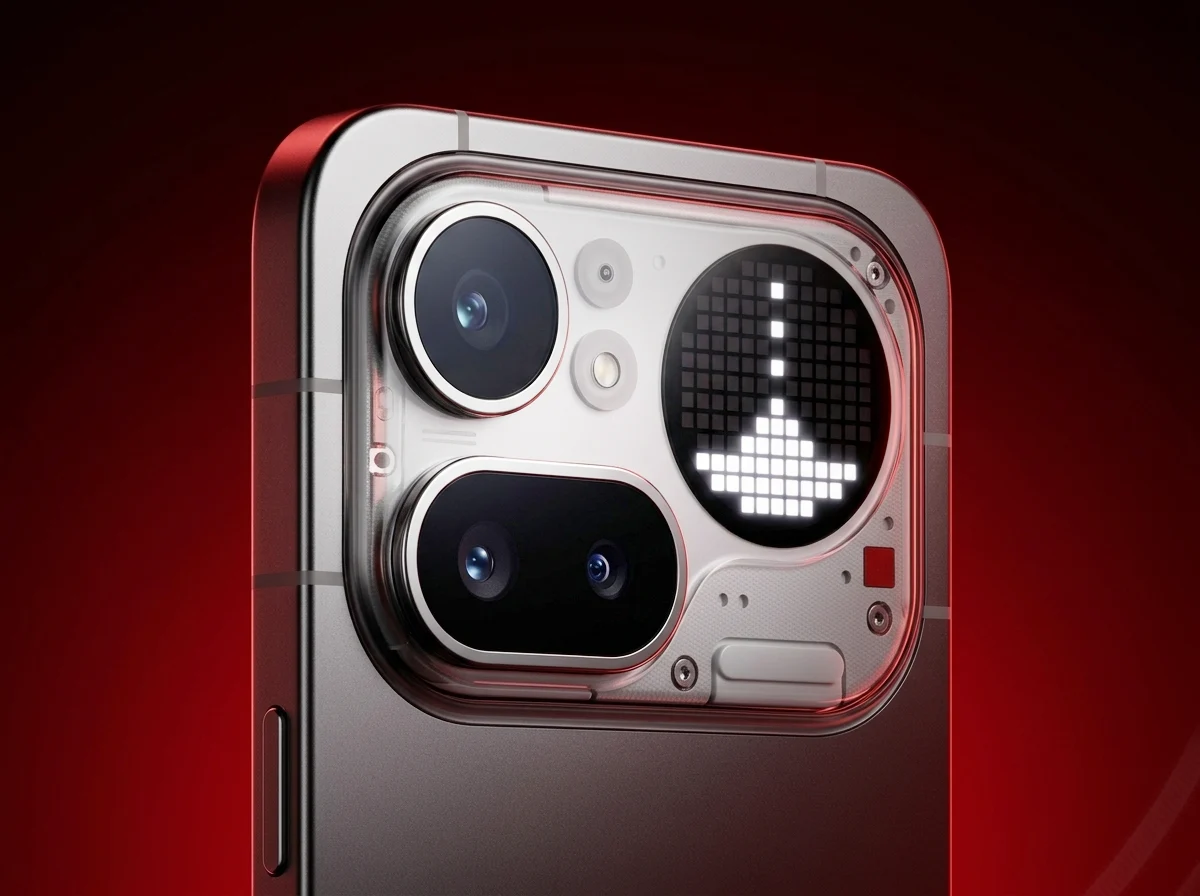
  • iPhone 18 Pro 48MP Camera Lens Upgrade Leak

    iPhone 18 Pro 48MP Camera Lens Upgrade Leak

    Key Takeaway

    – iPhone 18 Pro may feature a 48MP variable aperture lens with anticipated ASP pricing 50% higher than the iPhone 17 Pro’s high-end 7P primary lens, driven by Sunny Optical’s sizable supply share.
    – Apple is reportedly absorbing the higher component costs to maintain prices, potentially lowering profit margins to boost market share against high-end Android rivals.
    – The iPhone 18 Pro lineup is expected to keep the existing camera system except for the variable aperture lens, with potential image quality gains from the A20 Pro chip and ISP; revamped camera app and deeper Visual Intelligence integration are also anticipated in iOS 27.


    First impressions of the iPhone 18 Pro design models

    We just saw our first iPhone 18 Pro design models, which revealed what colors to expect from Apple’s upcoming flagships. However, a fresh new leak talks about the variable aperture camera expected in the iPhone 18 Pro series, and as it turns out, this is a hardware leap that significantly alters Apple’s bill of materials.

    Pricing shifts and supplier dynamics

    According to the latest supply chain info, this new moving optics carry an Average Selling Price (ASP) 50% higher than the high-end 7P primary camera lens currently found in the iPhone 17 Pro lineup. Sunny Optical is reportedly securing a substantial 40-50% supply share for these complex components. Traditionally, such a sharp increase in component costs would inevitably trickle down to the consumer in the form of higher retail prices. However, insiders have suggested that Apple intends to absorb these costs, a strategy also reportedly applied to rising memory component prices.

    Strategic pricing and market position

    All in all, in a departure from its usual premium-pricing playbook, Cupertino appears willing to cut its profit margins on the iPhone 18 Pro to aggressively capture market share from high-end Android competitors, which have been increasing the prices of phones (even retroactively). In fact, it is expected that Samsung will increase the prices of the Galaxy S26 series in Europe soon (the flagships were released in March).

    Camera system expectations and new tech

    The iPhone 18 Pro and 18 Pro Max are expected to retain the camera system of the iPhone 17 Pro series, with the exception of the 48MP variable aperture lens. If the leaks are accurate, we should expect another triple 48MP camera from Apple, with potential image quality improvements likely coming from the new A20 Pro chip and its ISP (Image Signal Processor).

    App and software enhancements teased

    In related news, we just got our first look at what’s said to be the revamped camera app for the iPhone 18 Pro and iOS 27. Apple is said to give users more choice to arrange the camera app’s toggles, while Siri might become a permanent option within the app, in order to allow for the use of Visual Intelligence directly from the camera.

    Ming-Chi Kuo
    Sources
  • Acer Hints at 4GB RAM Laptop Comeback with Cost Cuts

    Acer Hints at 4GB RAM Laptop Comeback with Cost Cuts

    Key Takeaway

    – The MacBook Neo offers premium build and features (aluminum chassis, 500 nits display, large multi-touch trackpad) at a mid-range price, but relies on a smartphone-class processor with only 8 GB RAM.
    – Snapdragon-based laptops (including upcoming Snapdragon C) target sub-$300 price points, likely sacrificing chassis quality and displays to achieve the low cost, with uncertain performance.
    – RAM and storage costs (8 GB RAM, 512 GB SSD) and DRAM market pressures could influence the appeal and value of these budget laptops in the near term.


    Overview

    The Apple MacBook Neo competes with mid-range laptops with Windows – Apple uses a smartphone processor and only 8 GB of RAM, but offers a high-quality aluminum chassis, a 500 nits bright display and a large multi-touch trackpad, which is rarely found in this price range. There is some intrigue around how this device stacks up against more traditional notebooks, especially given the emphasis on build quality and display brightness. In this space, consumers may weigh the premium feel against overall performance, portability, and battery life in daily tasks.

    Pricing and Potential Competition

    While some laptops with Qualcomm Snapdragon X are already available at a similar price to the MacBook Neo, the brand new Qualcomm Snapdragon C will enable even more affordable laptops, which will be offered at prices starting at around $300. It is still unclear how much performance buyers will get for this price, as Qualcomm has not published any details about the chip’s specifications or even benchmarks for the launch. There is probably no way around a plastic chassis and modest display for a $300 laptop. As a result, buyers might need to temper expectations regarding sustained performance and expansion options in this segment.

    Memory and Storage Notes

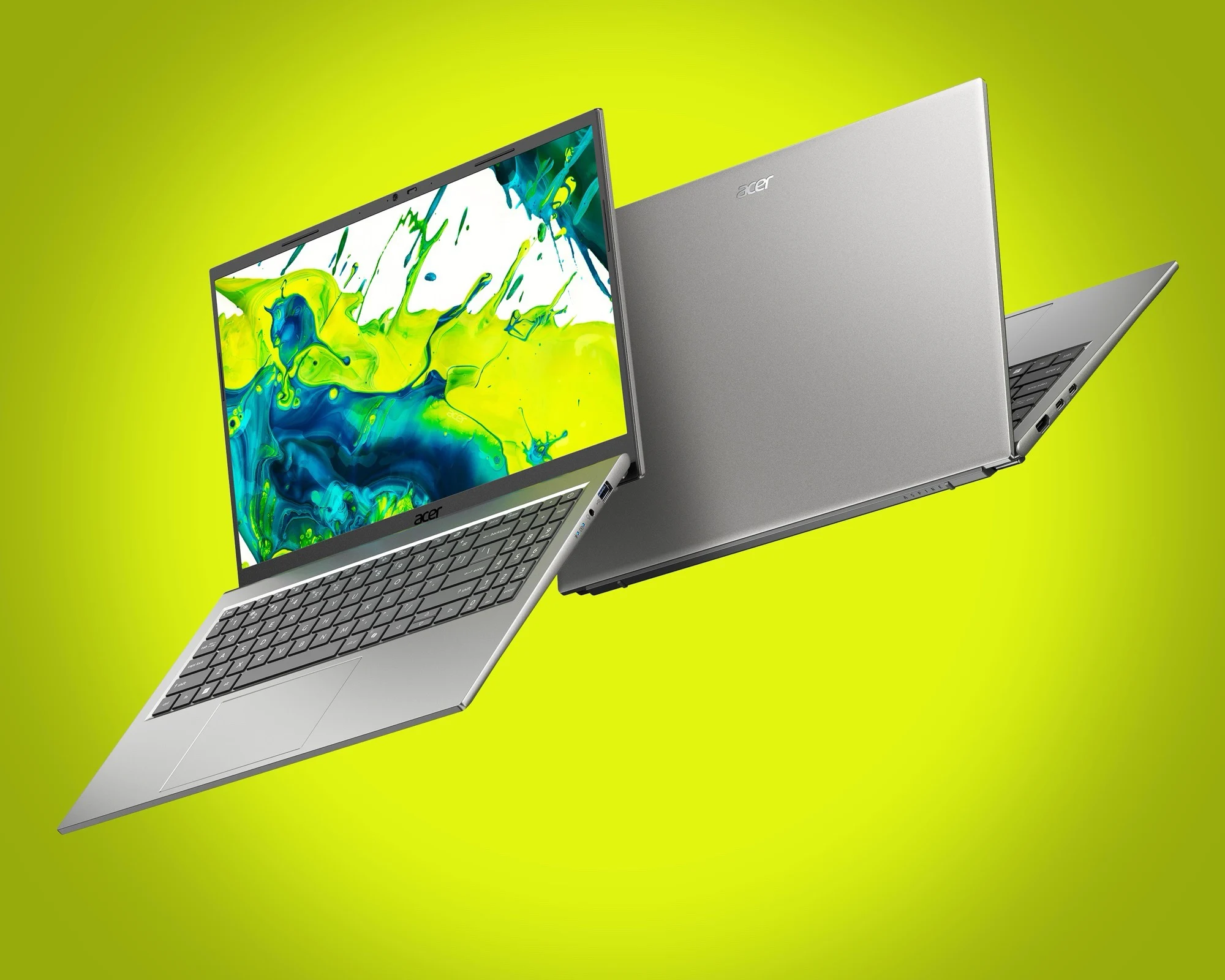
    However, the memory configuration could also evoke memories of netbooks. The data sheet for the Acer Aspire Go 15, the first laptop with Snapdragon C, states that the laptop comes with “up to” 8 GB of RAM and an “up to” 512 GB SSD. According to Microsoft, Windows 11 also runs on laptops with only 4 GB RAM and a 64 GB SSD. With 8 GB of laptop RAM already costing around $120 due to the DRAM crisis, it is not difficult to understand why $300 laptops could save money in this area in particular. The DRAM crisis could make cheap laptops far less attractive over the next few years.

    Acer

    In this landscape, Acer is one of the brands experimenting with compact, affordable hardware configurations that aim to balance price with the practical needs of everyday computing. Such approach could appeal to students, travelers, or casual users who prioritize portability and longer battery life over raw performance. The evolving market dynamics around RAM costs and mobile chip efficiency will likely influence how aggressive manufacturers can be with entry-level pricing while offering usable multitasking experiences.


    Sources

  • Razer Blade 16: Quiet Low-Performance Gaming Worth It

    Razer Blade 16: Quiet Low-Performance Gaming Worth It

    Key Takeaway

    – Performance mode delivers highest GPU/TGP (around 140 W) with the loudest fans; Balanced drops only ~4% in GPU performance vs Performance, with noticeable but smaller fan noise reduction; Quiet further reduces both CPU/GPU performance by ~15% but maintains much quieter operation.
    – The fan noise reduction from Balanced to Quiet is substantial (about 4 dB(A) from 53.6 to 49.7, and to 45 dB(A) in Quiet), despite only modest gains in performance difference.
    – Quiet mode remains capable for 1600p gaming with DLSS on Balanced, delivering around 64 FPS in Cyberpunk 2077 RT Ultra at 1600p, making the trade-off between performance and noise favorable for a more tolerable experience.


    Overview of the Razer Blade 16 Performance Modes

    The Razer Blade 16 offers three main modes of performance accessible via the built-in Synapse software: Performance, Balanced, and Quiet. The software provides no additional information about what these modes entail and so we decided to do a little digging into these modes ourselves. This paragraph maintains a casual tone and shows how the modes are introduced, with a focus on user curiosity and hands-on testing to supplement missing official details.

    Mode Comparisons and Fire Strike

    The table below compares the Fire Strike scores of the three different modes. In this section, a simple comparison layout is used, keeping things straightforward while still presenting the numeric results that matter for quick assessment. The emphasis is on how each mode stacks up in a controlled benchmarking snapshot to guide user expectations.

    Power Use with Cyberpunk 2077

    When running Cyberpunk 2077, TGP would average 142 W, 115 W, and 95 W when set to Performance, Balanced, and Quiet modes, respectively. Razer advertises a sustained TGP of 140 W which is only attainable when set to Performance mode. This paragraph reproduces the power figures exactly as reported, preserving the original numeric details for accuracy and reproducibility in discussions about efficiency and thermal behavior.

    Minor GPU Gap in Balanced Mode

    The most noteworthy find is the very minor GPU performance deficit of only 4 percent when set to Balanced mode relative to the much more noticeable fan noise change. Dropping from 53.6 dB(A) to 49.7 dB(A) is still quite loud for a laptop, but the difference is nonetheless significant given the logarithmic dB scale. Here we keep the focus on how a small performance delta can come with a perceptible noise shift, illustrating the trade-off users often experience.

    Quiet Mode Performance and Noise

    Dropping down to Quiet mode makes things even more interesting. Both CPU and GPU performance would drop by roughly 15 percent when compared to Performance mode, but fan noise would top out at only 45 dB(A) to be much more tolerable. Given the 1600p native resolution of the Blade 16 display, we find performance on Quiet mode to be more than sufficient even when factoring in the ~15 performance deficit. For example, Cyberpunk 2077 averages an impressive 64 FPS on RT Ultra 1600p settings even when set to Quiet mode with DLSS on Balanced and no frame generation. This paragraph keeps the narrative concrete with real-world gaming implications, while noting the balancing act of frame rate versus thermal and acoustic comfort in Quiet mode.

    Wrap-up and Additional Resources

    More details and benchmarks can be found on our review of the 2026 Blade 16. This concluding note points readers toward broader testing context, while the current piece preserves the core figures and qualitative insights without introducing external links or source notes in this section as requested.

    Sources
    • HP launches lightweight 14-inch laptop with Arc B390, 120Hz OLED, 64GB RAM

      HP launches lightweight 14-inch laptop with Arc B390, 120Hz OLED, 64GB RAM

      Key Takeaway

      – HP has released the EliteBook X G2i 14 globally, replacing the X G1i with newer Panther Lake options and a variety of SKUs mainly concentrated in the UK.
      – European pricing is notably different from the US, with UK starting prices around £1,595 and Germany showing high-end configurations near €3,121, while the US shows several premium configurations exceeding $4,000–$6,000.
      – All configurations share a 68 Wh battery and up to 100 W charging, with high-end models offering OLED 120 Hz displays, up to 2 TB PCIe Gen 5 SSDs, and up to 64 GB RAM.


      HP launches the EliteBook X G2i 14 globally

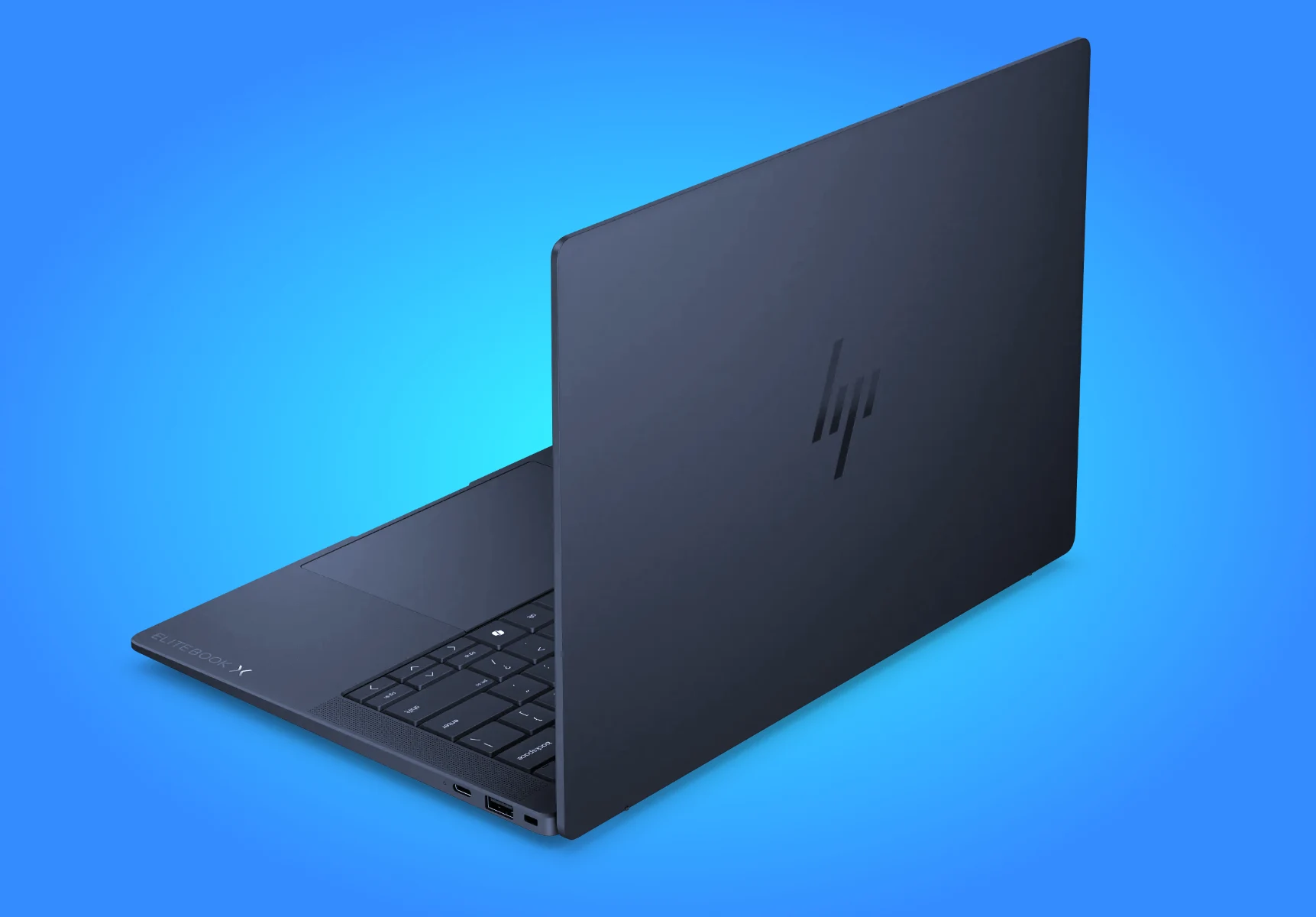
      HP has now released the EliteBook X G2i 14 globally. For context, the new 14-inch laptop replaces the EliteBook X G1i we reviewed almost a year ago (curr. $949 – renewed on Amazon). While the EliteBook X G1i leveraged Intel’s Lunar Lake platform, the EliteBook X G2i adopts newer Panther Lake alternatives.

      Pricing in different regions

      Currently, HP is selling far more SKUs in the UK than elsewhere. For instance, we can only find a single SKU on HP’s German website. Listed as being out of stock at the time of writing, this variant costs €3,121 with a Core Ultra X7 358H, Arc B390 graphics, 32 GB of LPDDR5X-9600 RAM, 1 TB of storage and a 1800p OLED display. For reference, this panel also features a 120 Hz refresh rate, 500 nits peak brightness, 100% DCI-P3 colour space coverage and HP’s Eye Ease technology.

      US pricing and processor quirks

      Meanwhile, this configuration runs to $3,189 in the US. For some reason, HP charges more for slower processors, though. For instance, a Core Ultra 5 335 variant with 512 GB storage, 32 GB of RAM and a 1200p display costs over $4,000. Worse still, HP has priced a Core Ultra 7 366H model with 64 GB of RAM at $5,998.

      Starting prices and top configurations

      By contrast, pricing starts at £1,595 with the Core Ultra 5 325, 16 GB of RAM, 512 GB of storage and a 1200p IPS display. For now, the EliteBook X G2i 14 retails for up to £4,259 with a Core Ultra X7 358H, 64 GB RAM, a 2 TB PCIe Gen 5 SSD and a 120 Hz OLED display. All variants ship with a 68 Wh battery that supports up to 100 W charging. Please see our launch article and HP’s website for more details.


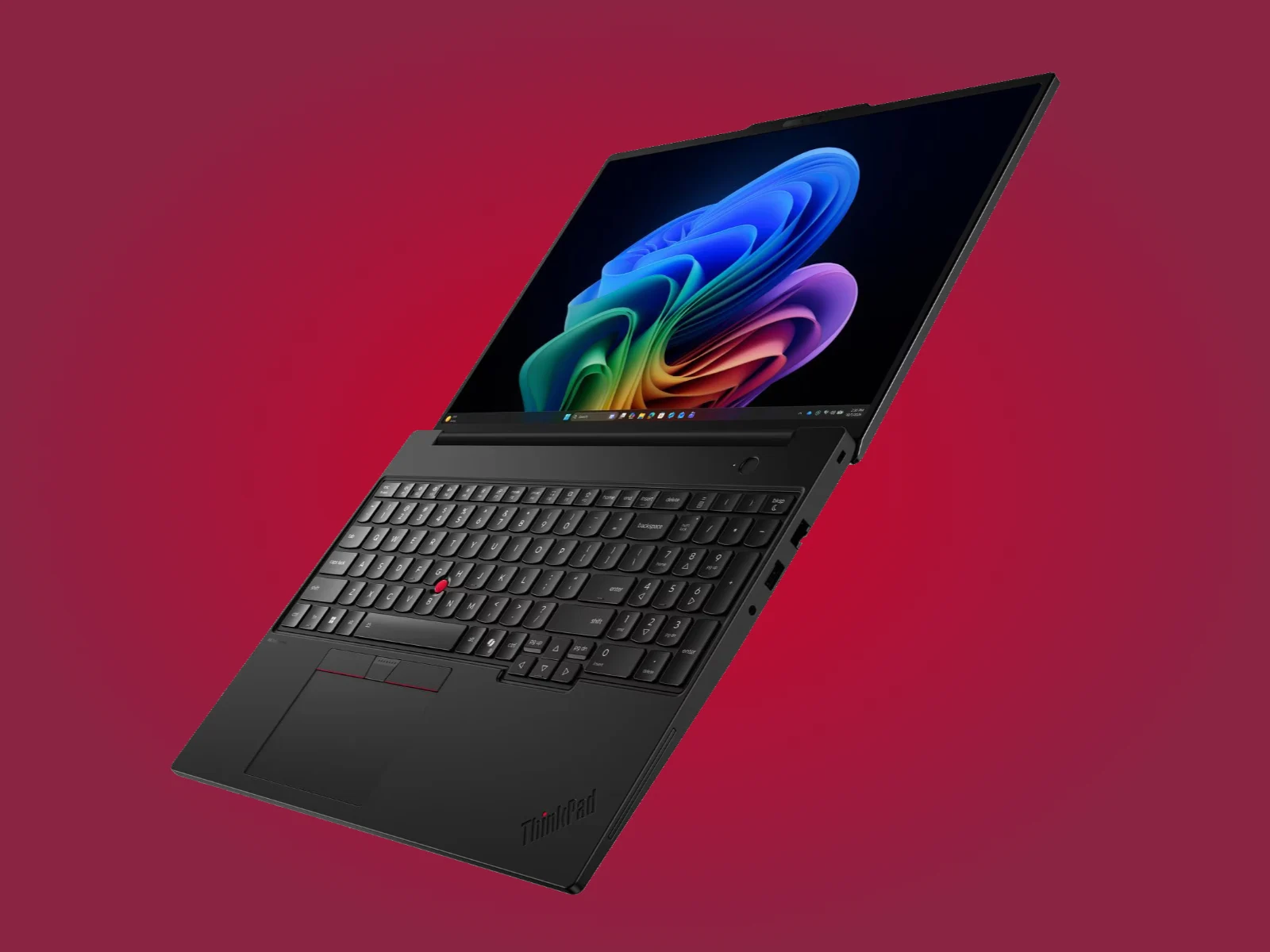
    • Lenovo ThinkPad Europe 96GB RAM, AMD CPU, 120Hz OLED Display

      Lenovo ThinkPad Europe 96GB RAM, AMD CPU, 120Hz OLED Display

      Key Takeaway

      – AMD-powered ThinkPad P16s Gen 5 units arrived ahead of the June window in Europe and are shipping soon (ships June 2 per Lenovo).
      – Configurations include up to 96 GB LPDDR RAM, PCIe Gen 4/5 SSD options, Wi-Fi 7, optional 5G WWAN, and 60–90 Wh batteries.
      – Display options include up to 1800p OLED with 30–120 Hz VRR, 100% DCI-P3, and 500 nits brightness; RTX Pro 2000 Blackwell GPU available only with Ryzen AI 9 HX Pro 470.


      Lenovo Pushes AMD ThinkPad P16s Gen 5 Release Ahead Of Schedule

      Lenovo has continued to release AMD versions of the ThinkPad P16s Gen 5 a month earlier than expected. To recap, the company claimed that AMD models would be available in June when unveiling all ThinkPad P16s Gen 5 variants at Nvidia GTC 2026. The news comes with a sense of surprise, yet it also reflects Lenovo keeping to a cadence that suits their regional rollout plans across markets, including Australia and Europe. The phrasing here keeps emphasis on the unexpected early availability while noting the original claim and its context in the broader product lineup.

      Early Arrival In Australia And Europe

      However, AMD-powered models arrived earlier this month in Australia. Now, the same variants have turned up across Europe to replace the Gen 4 model we reviewed in December 2025 (curr. $1,799 on Amazon). For reference, Intel Panther Lake alternatives are already on sale internationally as the ThinkPad P16s i Gen 5. The paragraph lays out the progression from initial market appearance to wider European presence, while mentioning the price reference and a comparison line to related Intel options that are already available. The tone shifts slightly here to a more explanatory cataloging of market moves and product family naming.

      Configuration and Memory Options

      Currently, the new 16-inch laptop can be configured with the following processors: Additionally, the ThinkPad P16s Gen 5 features 16 GB, 32 GB, 64 GB or 96 GB LPCAMM2 RAM running at 8,533 MT/s. On top of that, Lenovo offers PCIe Gen 4 or PCIe Gen 5 SSDs, Wi-Fi 7 connectivity, an optional 5G WWAN antenna and 60 Wh or 90 Wh batteries. This paragraph stacks specs in a quick bulletless flow, preserving the exact model naming and feature set so people can compare specs side by side, including the RAM tiers, speed, storage interface generations, wireless tech, WWAN option, and battery choices.

      Display and Graphics Options

      Europe has also received three display options up to a 1800p OLED panel combining a 30-120 Hz VRR refresh rate with 100% DCI-P3 colour space coverage and 500 nits peak brightness. Moreover, the Nvidia RTX Pro 2000 Blackwell (8 GB) graphics is available, but only with the Ryzen AI 9 HX Pro 470. The paragraph preserves the display specs and the graphics pairing nuance, including the conditional availability tied to a specific Ryzen AI SKU, while maintaining the flow of features in a concise, yet full, specification note.

      Pricing and Ship Dates

      Pricing starts at £2,050 in the UK with a Ryzen AI 5 Pro 440, 16 GB of RAM, 512 GB of storage, a 1200p IPS display and a 60 Wh battery. By contrast, the same configuration costs between €1,959 and €2,420 in the Eurozone. Lenovo states that it will begin shipping ThinkPad P16s Gen 5 orders on June 2. The pricing block is presented in a comparative format to reflect regional variation, including currency and feature parity notes, while restating the official ship date in a straightforward manner to guide potential buyers across markets.

    • Acer 14-inch Laptop Europe 120Hz Display, 20+ Hours Battery Life

      Acer 14-inch Laptop Europe 120Hz Display, 20+ Hours Battery Life

      Key Takeaway

      – Availability and pricing in Europe: Ryzen AI 5 430 at €1,199/£999 and Ryzen AI 7 445 at €1,299/£1,099, with roughly 20% CPU performance gain for the higher tier.
      – Hardware specs: 16 GB LPDDR5X RAM, 512 GB SSD, Radeon 840M iGPU, 65 Wh battery rated up to 21 hours.
      – Display and form factor: 14-inch, 120 Hz IPS, 1200p resolution, lightweight chassis at 1.27 kg, dimensions 312 x 226 x 16 mm.


      Almost five months have passed since Acer updated the Aspire 14 AI with new models.

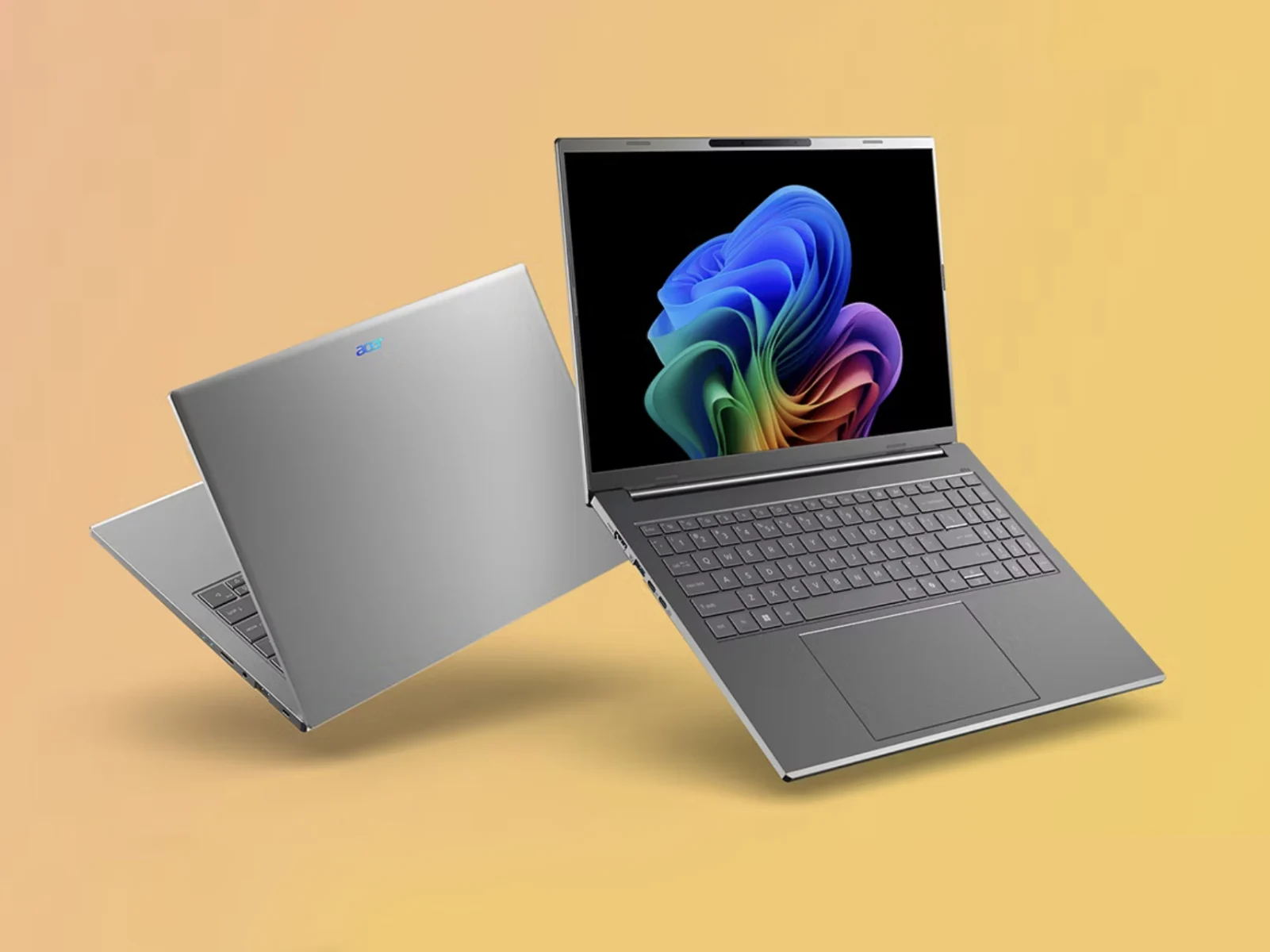
      Almost five months have passed since Acer updated the Aspire 14 AI with new models. As we discussed at the time, the company introduced Intel Panther Lake models to replace the Lunar Lake edition we reviewed in 2025 (curr. $598 on Amazon). At the same time, Acer launched AMD-powered equivalents too.

      Now, the latter are available to purchase in Europe.

      Now, the latter are available to purchase in Europe. Specifically, Acer’s new 14-inch laptop can be purchased in the Eurozone and the UK, where prices start at €1,199 and £999, respectively. At the time of writing, this entry-level edition features the Ryzen AI 5 430, a quad-core Zen 5 processor that sits at the bottom of AMD’s Gorgon Point family.

      Alternatively, a Ryzen AI 7 445 variant can be picked up for €1,299 and £1,099 in the same markets.

      Alternatively, a Ryzen AI 7 445 variant can be picked up for €1,299 and £1,099 in the same markets. According to our benchmarks, this €100 and £100 surcharge will yield around a 20% performance in CPU-heavy tasks. Both processors feature a Radeon 840M iGPU, albeit with a 3.5% clock speed uplift in the Ryzen AI 7 445’s favour.

      Meanwhile, both Aspire 14 AI configurations contain 16 GB of LPDDR5X RAM and a 512 GB SSD.

      Meanwhile, both Aspire 14 AI configurations contain 16 GB of LPDDR5X RAM and a 512 GB SSD. Also, Acer claims that the included 65 Wh battery should last up to 21 hours between charges. All configurations ship with a 120 Hz and 1200p IPS display in a housing that weighs 1.27 kg and measures 312 x 226 x 16 mm. Please see Acer’s website for more details.


    • Lenovo Launches 16-Inch Laptop Worldwide with AMD and 500-Nit Display

      Lenovo Launches 16-Inch Laptop Worldwide with AMD and 500-Nit Display

      Key Takeaway

      – AMD-powered ThinkPad T16 Gen 5 is globally released with regional configuration differences (NA: Ryzen 7 Pro 250, 16GB RAM, 512GB, 75Wh, 1200p/60Hz; Australia: Ryzen AI Pro 440/450, up to 64GB RAM, 2TB, 4G, 60/75Wh).
      – NA availability currently limited to a single AMD config; other NA options not yet confirmed by Lenovo.
      – Pricing varies by region (NA ~$1,639 USD; Canada ~CAD 2,279; Australia starting AU$2,359 with higher-end models up to AU$6,259).


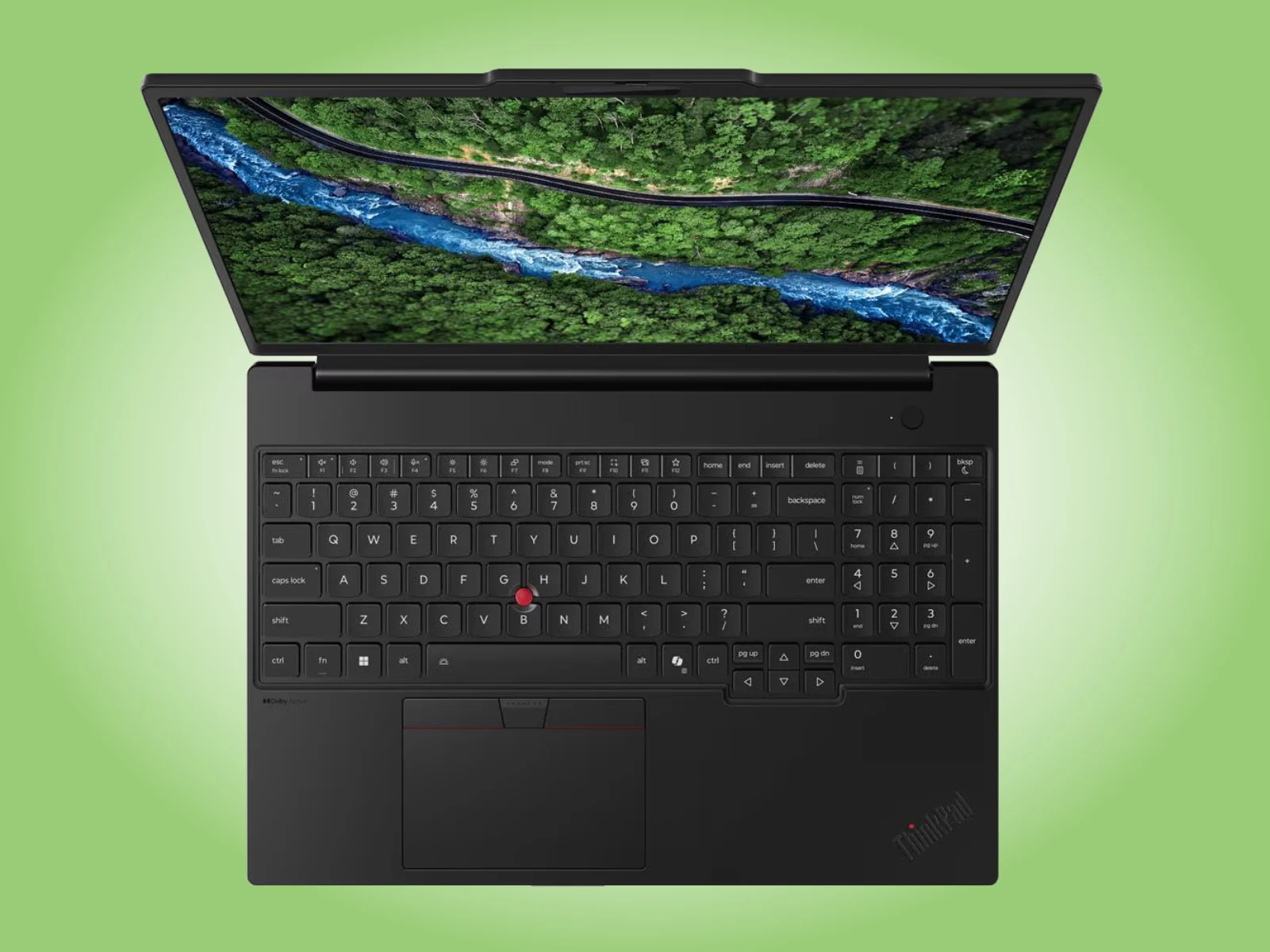
      Lenovo has finally released AMD-powered versions of the ThinkPad T16 Gen 5 globally. For context, the company announced successors to the ThinkPad T16 Gen 4 (curr. $1,999 on Amazon) in March during MWC 2026. Then a month later, AMD and Intel versions of the ThinkPad T16 Gen 5 arrived in Europe.

      Summary of Availability Across Regions

      Now, AMD versions have joined Intel alternatives in Australia, Canada and the US. However, Lenovo has released different versions in Australia from those sold in North America. Currently, AMD versions of the ThinkPad T16 Gen 5 can only be purchased in North America with a Ryzen 7 Pro 250, 16 GB of RAM, 512 GB of storage, a 75 Wh battery and a 500-nit IPS display that resolves at 1200p and 60 Hz.

      Pricing Details

      At the time of writing, Lenovo charges $1,639 for this configuration in the US. By contrast, the laptop has reached Canada for CAD 2,279 (~$1,651). Unfortunately, Lenovo has not confirmed when it plans to expand configuration options in North America.

      Regional Variants in Other Markets

      Meanwhile, Australia has received Ryzen AI 5 Pro 440 and Ryzen AI 7 Pro 450 variants with up to 64 GB of RAM and 2 TB of storage. A 4G cellular modem can be configured too, as can 60 Wh or 75 Wh batteries. Pricing starts at AUD 2,359 in Australia (~$1,688) and rises to AUD 6,259 (~$4,480) for a fully configured unit.

    • Nothing Phone Pro 4a Zoom Camera Lies Exposed: Users Claim Review Bias

      Nothing Phone Pro 4a Zoom Camera Lies Exposed: Users Claim Review Bias

      Key Takeaway

      – Clarity in marketing: Distinguish optical vs. digital zoom in primary headlines to avoid misleading implications about zoom capabilities.
      – Accuracy over hype: Emphasize real, measurable optical zoom performance and image quality rather than数字 zoom figures reliant on cropping and AI upscaling.
      – Consumer trust: Transparent zoom specs can reduce backlash and build trust, especially for flagship camera performance.


      Nothing (X) controversy over zoom marketing sparks debate

      Nothing (X) has found itself tangled in a online fuss after a promotional post claimed the Nothing Phone (4a) Pro sports the “most powerful zoom on the market” with a 140x capability. The post quickly drew attention, and not in a good way, as many folks accused it of exaggeration and misleading marketing, especially since the number clearly points to digital zoom rather than a true optical magnification. The reaction across social media was swift and varied, yet the tone skewed negative from the outset, casting doubt on the brand’s honesty and product clarity.

      Mixed perceptions emerge from pricing and spec details

      Pricing and specification details have been quoted in discussions surrounding the phone, with some users noting that the 140x claim is not backed by comparable hardware fundamentals across the market. Critics argue that digital zoom, heavily dependent on software crop and AI upscaling, cannot be equated with optical prowess, making the marketing claim feel hollow for serious photographers who value real magnification. This disparity between impression and technical reality became a central talking point in the online discourse.

      Optical versus digital zoom becomes the focal point

      The thread of commentary underscores a broader industry trend: the distinction between optical zoom, which relies on physical lens movement, and digital zoom, which magnifies an image after cropping. The Nothing Phone (4a) Pro reportedly offers a modest 3.5x optical zoom through a periscope telephoto lens, a figure pale in comparison to competitors. Yet enthusiasts point out that even with similar sensor sizes, the optics still play a crucial role in image quality at high zoom levels, revealing the limits of the marketing number.

      Comparative tech talk highlights true leaders

      In this dialogue, some tech-savvy users reference the Oppo Find X9 Ultra as a benchmark for zoom capabilities, noting its 120x digital zoom but pairing it with a compelling 20x lossless zoom through a dedicated periscope system. The debate thus shifted from bare figures to practical performance, where the presence of a periscope lens and optical quality can dramatically influence real-world outcomes. This comparison has intensified scrutiny of the Nothing offering and its emphasis on an exaggerated digital zoom figure.

      Public sentiment questions marketing clarity

      Public sentiment leans toward a belief that brands should clearly separate optical and digital zoom in primary marketing headlines to prevent confusion. Viewers argue that presenting a single, large figure without context misleads consumers who might assume true optical magnification rather than a digitally enhanced result. The controversy thus expands beyond a single post to broader concerns about transparency in promotional material and the responsibilities of tech brands toward their audiences.

      Sources
    • Acer Launches Gaming Laptop with 32GB RAM and 165Hz Display

      Acer Launches Gaming Laptop with 32GB RAM and 165Hz Display

      Key Takeaway

      – The Predator Helios Neo 18 PHN18-I71 launched with a 115 W RTX 5060, 1600p IPS display at 165 Hz, and is expected to offer a higher-end RTX 5080 option later.
      – A larger battery than the previous model was introduced, with pricing around $2,799 (current Amazon listing) and regional releases planned for Africa, Europe, Middle East in June, and Australia/North America in July.
      – Acer plans multiple configurations (Core Ultra 7 270HX Plus, RTX 5080 options) and staggered pricing in June and July, potentially offering cheaper to more expensive variants.


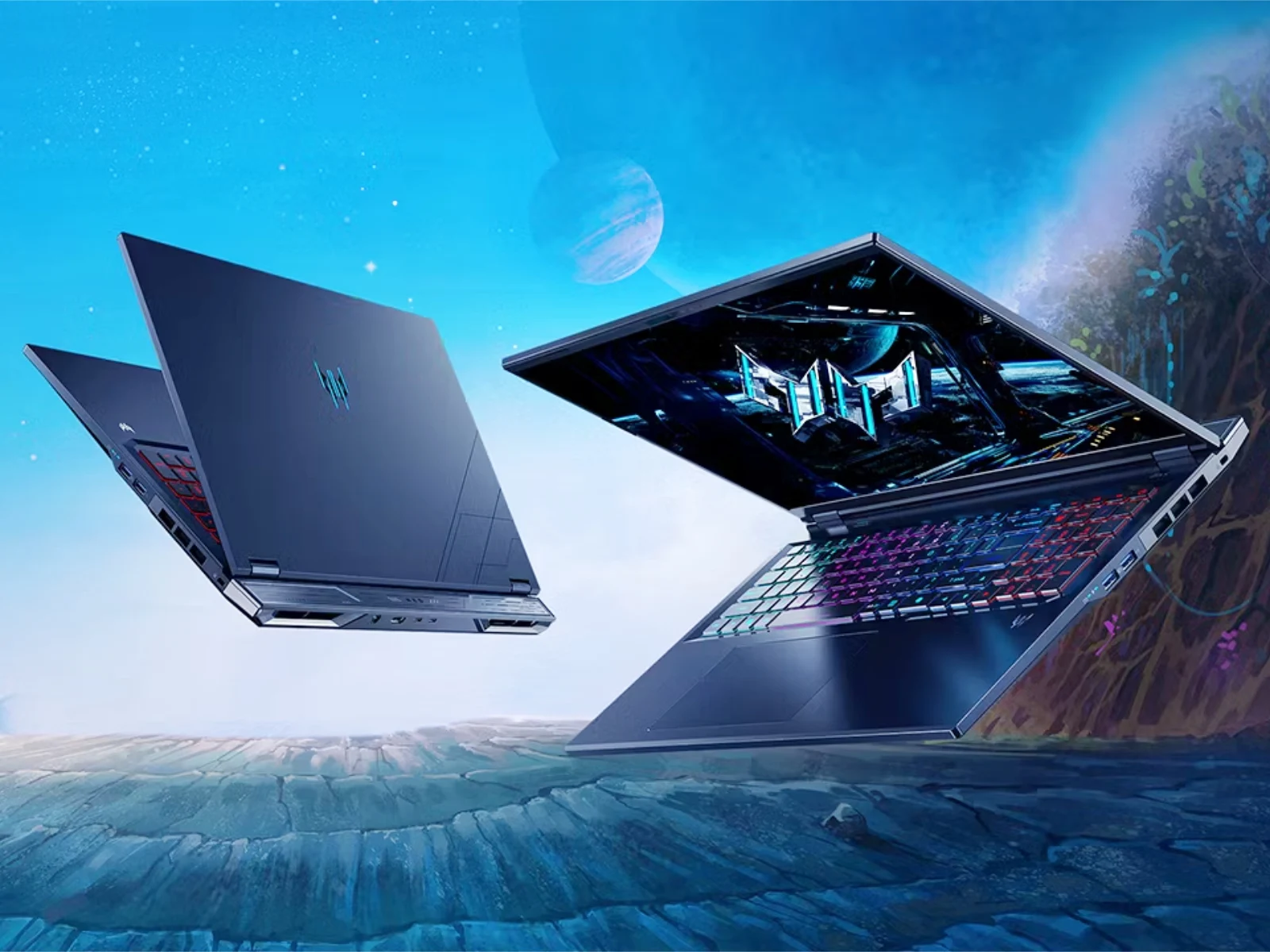
      Acer has finally released its latest Predator Helios Neo 18 in some capacity

      Acer has finally released its latest Predator Helios Neo 18 in some capacity. To recap, the laptop debuted in March with a slightly larger battery than last year’s model (curr. $2,799 on Amazon). At the time, Acer claimed that this PHN18-I71 variant would reach Africa, Europe and the Middle East in June, with Australian and North American releases occurring in July. the information is presented as a summary of announcements and market plans, with various regional timelines noted, which could shift based on logistics and regional approvals.

      Hardware specs and performance expectations

      Also, the laptop includes the GeForce RTX 5060 with a 115 W TGP. For reference, this pricing currently converts to around $2,715 excluding taxes. On top of that, the new laptop contains a 1600p IPS display with a 165 Hz refresh rate. A 240 Hz alternative with 500 nits peak brightness should be coming, though. the description mixes performance figures with pricing conversions, and hints at future display options that may influence user experience and power draw across different configurations.

      Future variants and regional availability

      The Helios Neo 18 PHN18-I71 should eventually be available with a Core Ultra 7 270HX Plus and up to an RTX 5080 laptop GPU, too. Hence, we would expect Acer to start selling cheaper and more expensive variants in June and July. Please see the company’s website for more details. regional release plans often include staggered launches, with adjustments for market demand, import duties, and local retailer partnerships, which may impact when each variant becomes widely available.


      Sources

    • Acer Swift Spin 14: 120 Hz Touchscreen with Snapdragon X2 Elite

      Acer Swift Spin 14: 120 Hz Touchscreen with Snapdragon X2 Elite

      Key Takeaway

      – Convertible design with 360-degree hinge and Wacom AES 2.0 stylus support for tilting and pressure-sensitive drawing.
      – 14-inch IPS touchscreen (16:10, 1920×1200, 120 Hz, 300 nits) with full sRGB and 1200:1 contrast.
      – Two variants: Snapdragon X2 Plus/Elite with up to 16 GB RAM and 512 GB PCIe 4.0 SSD (no 32 GB/1 TB options).
      – Well-connected: 2x USB-C (USB 4), 2x USB-A, HDMI 2.1, Wi-Fi 7, Bluetooth 6.0; aluminum chassis; 65 Wh battery up to ~16.5 hours web browsing.
      – Release timing and price not yet announced.


      Acer unveils a new convertible alongside Predator Atlas 8 Gaming handheld

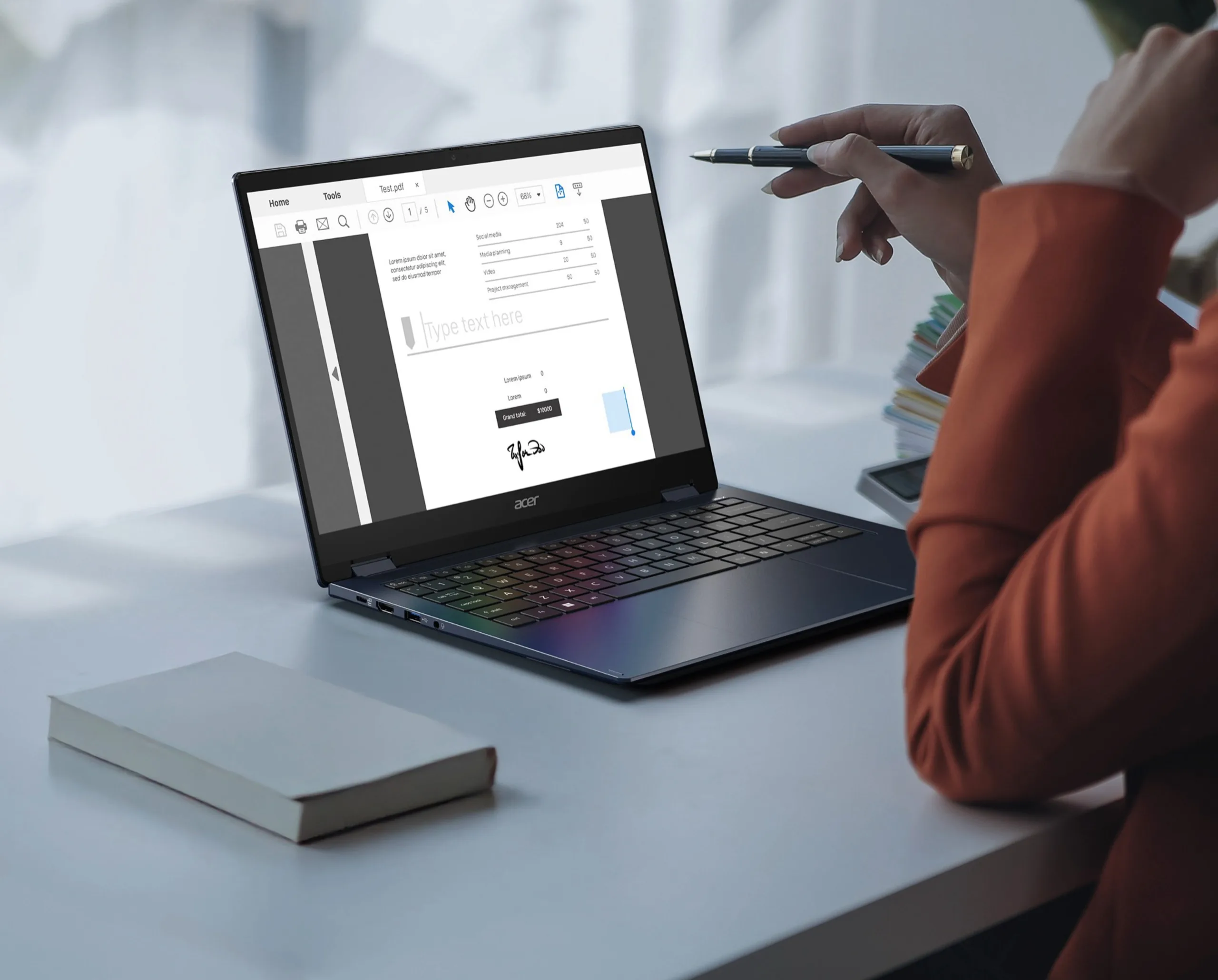
      The announcement mentions a brand new convertible named the Acer Swift Spin 14 AI, a device described as 16.5 millimeter thick and weighing 1.34 kilograms, featuring a 14 inch touchscreen that works with an Acer Active Stylus 420. The stylus is Wacom AES 2.0, and it can detect tilt and pressure across 4,096 levels, making the drawing feel quite natural in practice.

      Display and usability

      In use, the display can fold back on a 360-degree hinge so the laptop becomes like a tablet for more comfortable sketching or note taking. The screen is a 14-inch IPS panel in a 16:10 aspect ratio, delivering a resolution of 1,920 by 1,200 pixels, a refresh rate of 120 Hz, and a brightness rated at 300 nits. Acer claims full sRGB coverage and a contrast ratio of 1,200 to 1, which should give vivid colors and decent blacks in typical lighting.

      Hardware variants and connectivity

      Depending on the configuration, the Swift Spin 14 AI runs on either Qualcomm Snapdragon X2 Plus or Snapdragon X2 Elite chips, with options up to 16 GB of RAM and a 512 GB PCIe 4.0 SSD. Because of the DRAM shortage, Acer reportedly decided against models with 32 GB RAM or 1 TB SSD. For ports and wireless, there are two USB-C ports with USB 4 support, two USB-A ports, HDMI 2.1, Wi‑Fi 7, and Bluetooth 6.0, which keeps the device well connected for most tasks. The chassis is aluminum, and a 65 Wh battery is claimed to allow up to 16.5 hours of web browsing on a charge.

      Release timing and pricing

      As of now, Acer has not confirmed when the Swift Spin 14 AI (SFSP14-Q51T) will hit the market, nor has any price been disclosed, leaving potential buyers in a wait-and-see mode until more details emerge.

      Sources