Tag: variable aperture camera

  • iPhone 18 Pro 48MP Camera Lens Upgrade Leak

    iPhone 18 Pro 48MP Camera Lens Upgrade Leak

    Key Takeaway

    – iPhone 18 Pro may feature a 48MP variable aperture lens with anticipated ASP pricing 50% higher than the iPhone 17 Pro’s high-end 7P primary lens, driven by Sunny Optical’s sizable supply share.
    – Apple is reportedly absorbing the higher component costs to maintain prices, potentially lowering profit margins to boost market share against high-end Android rivals.
    – The iPhone 18 Pro lineup is expected to keep the existing camera system except for the variable aperture lens, with potential image quality gains from the A20 Pro chip and ISP; revamped camera app and deeper Visual Intelligence integration are also anticipated in iOS 27.


    First impressions of the iPhone 18 Pro design models

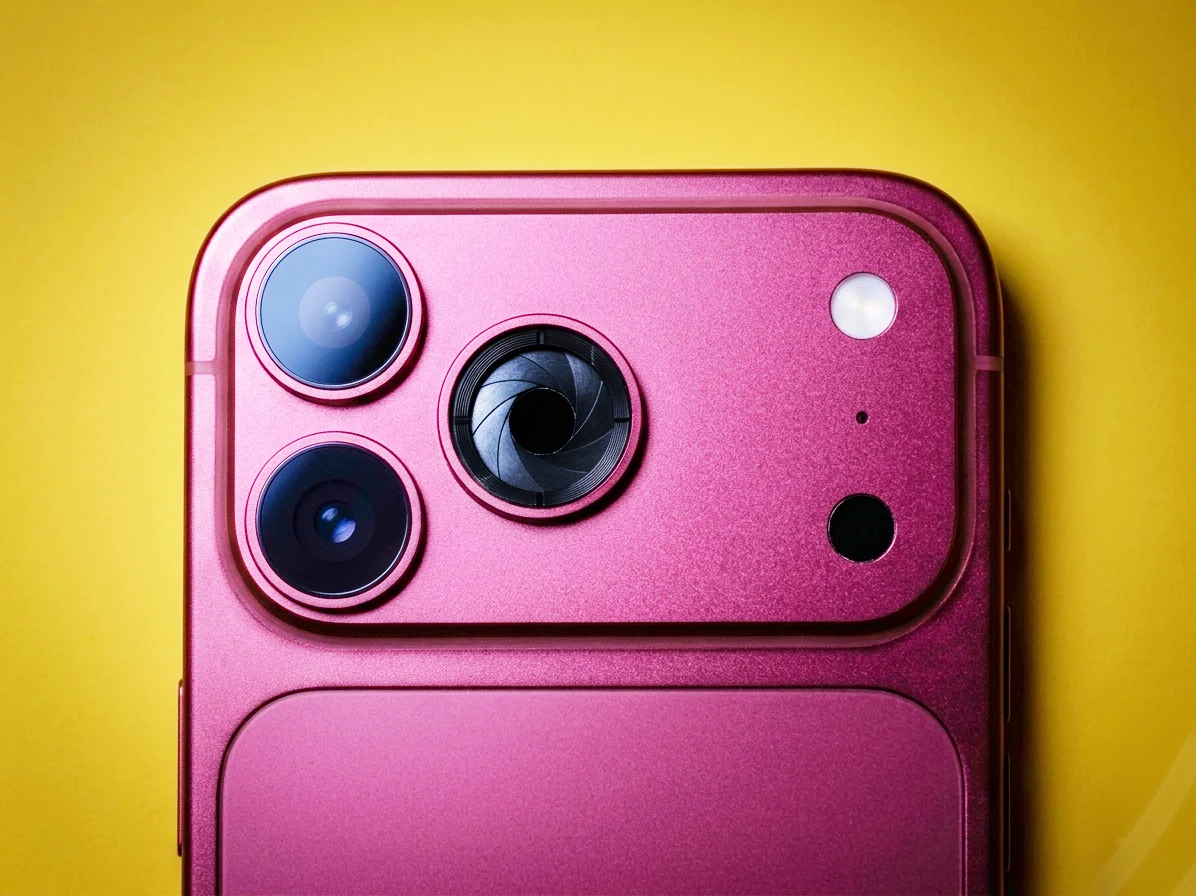
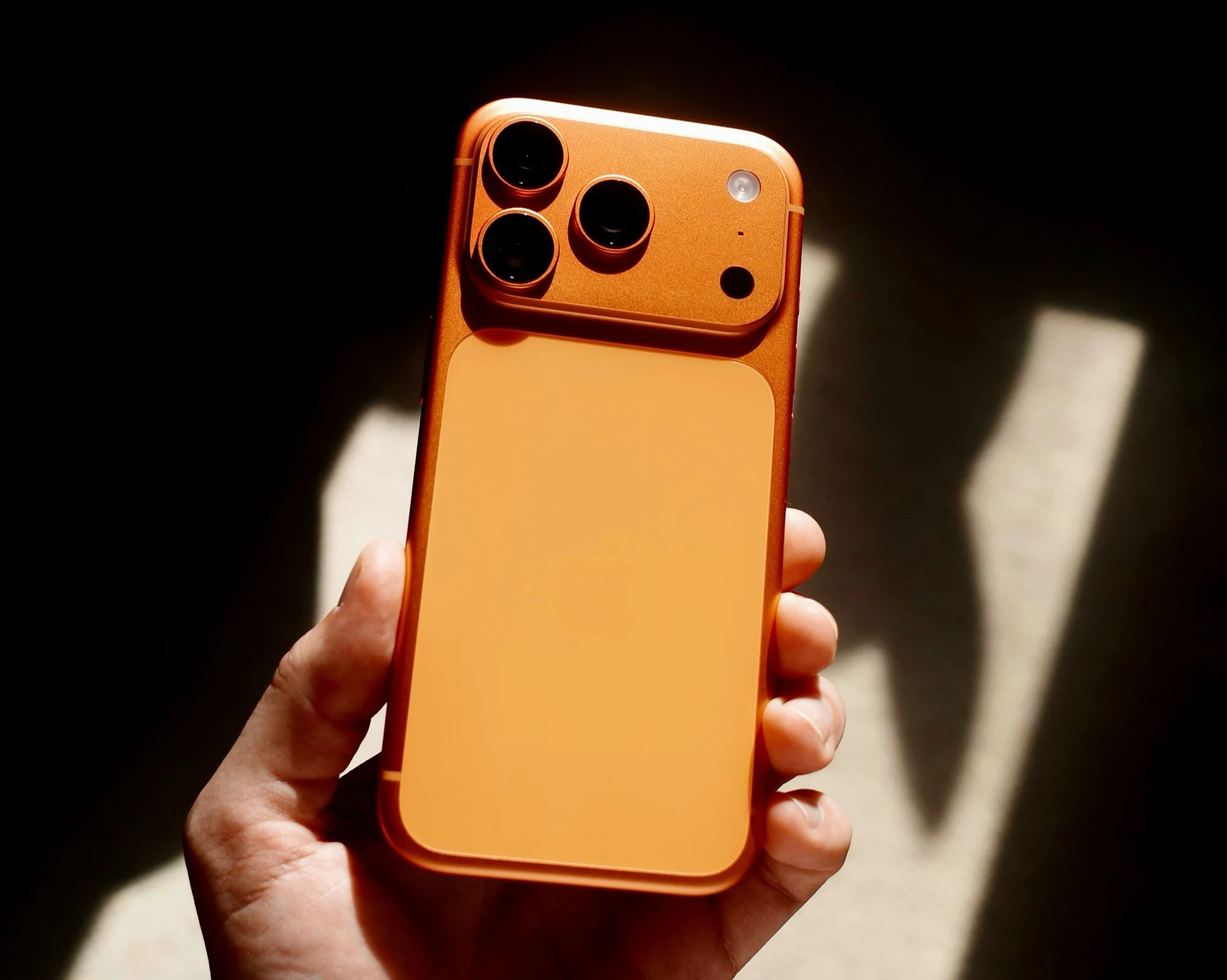
    We just saw our first iPhone 18 Pro design models, which revealed what colors to expect from Apple’s upcoming flagships. However, a fresh new leak talks about the variable aperture camera expected in the iPhone 18 Pro series, and as it turns out, this is a hardware leap that significantly alters Apple’s bill of materials.

    Pricing shifts and supplier dynamics

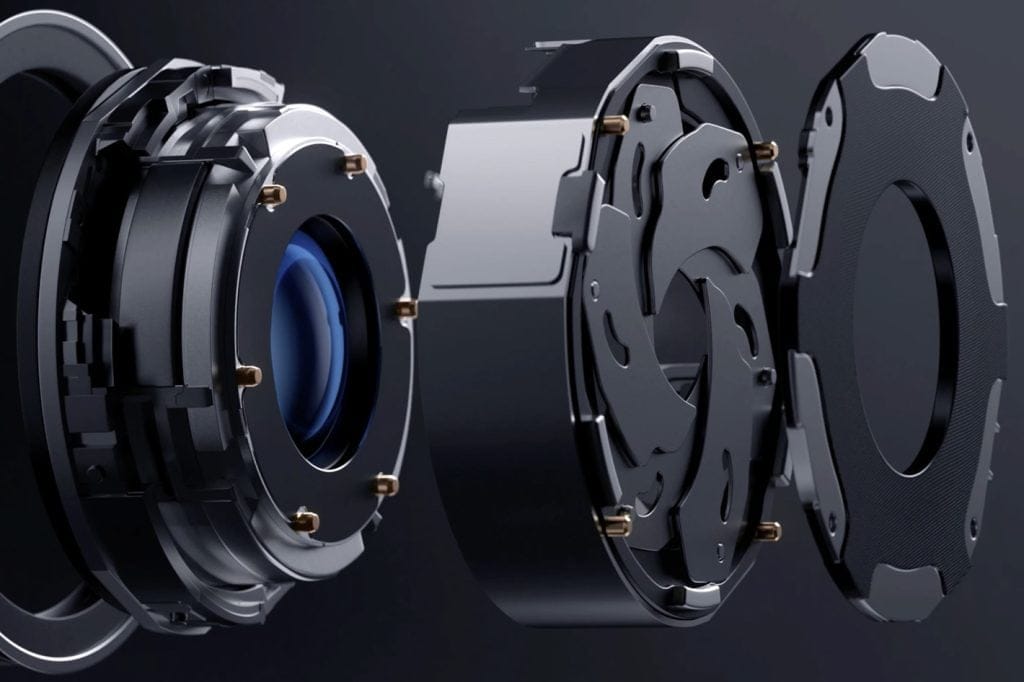
    According to the latest supply chain info, this new moving optics carry an Average Selling Price (ASP) 50% higher than the high-end 7P primary camera lens currently found in the iPhone 17 Pro lineup. Sunny Optical is reportedly securing a substantial 40-50% supply share for these complex components. Traditionally, such a sharp increase in component costs would inevitably trickle down to the consumer in the form of higher retail prices. However, insiders have suggested that Apple intends to absorb these costs, a strategy also reportedly applied to rising memory component prices.

    Strategic pricing and market position

    All in all, in a departure from its usual premium-pricing playbook, Cupertino appears willing to cut its profit margins on the iPhone 18 Pro to aggressively capture market share from high-end Android competitors, which have been increasing the prices of phones (even retroactively). In fact, it is expected that Samsung will increase the prices of the Galaxy S26 series in Europe soon (the flagships were released in March).

    Camera system expectations and new tech

    The iPhone 18 Pro and 18 Pro Max are expected to retain the camera system of the iPhone 17 Pro series, with the exception of the 48MP variable aperture lens. If the leaks are accurate, we should expect another triple 48MP camera from Apple, with potential image quality improvements likely coming from the new A20 Pro chip and its ISP (Image Signal Processor).

    App and software enhancements teased

    In related news, we just got our first look at what’s said to be the revamped camera app for the iPhone 18 Pro and iOS 27. Apple is said to give users more choice to arrange the camera app’s toggles, while Siri might become a permanent option within the app, in order to allow for the use of Visual Intelligence directly from the camera.

    Ming-Chi Kuo
    Sources
  • iPhone 20 Pro to Feature New Apple Camera Sensor, iPhone 18 Pro Upgrades

    iPhone 20 Pro to Feature New Apple Camera Sensor, iPhone 18 Pro Upgrades

    Key Takeaways

    1. The iPhone 18 Pro will feature a primary camera with a variable aperture for improved depth of field in photography.
    2. A periscope telephoto camera with a wider aperture is expected in the iPhone 18 Pro, enhancing low-light photography and videography.
    3. Camera enhancements may be exclusive to the higher-end iPhone 18 Pro Max model.
    4. Apple is developing its own camera sensor using LOFIC technology, expected to debut in the 2027 anniversary iPhone.
    5. LOFIC technology improves dynamic range by allowing overexposed pixels to be read again, reducing detail loss in bright areas.


    Following chatter about the upcoming iPhone designs planned for the next three years, two sources are now shedding light on exciting camera enhancements that we can look forward to in the next two iPhone models. First off, leaker Digital Chat Station has confirmed previous speculations that the successor to the iPhone 17 Pro will include a primary camera with a variable aperture.

    Improved Depth of Field

    This feature will enable photographers to adjust the lens aperture as necessary, allowing for better depth of field in images. This is particularly helpful for taking clear photos of multiple subjects positioned at different distances. The iPhone 18 Pro is also anticipated to come equipped with a periscope telephoto camera that has a wider aperture. For context, the current 48 MP telephoto camera found in the iPhone 17 Pro uses a 1/2.55-inch sensor along with a 100 mm f/2.8 lens. A quicker lens should result in improved photography and videography in dim lighting conditions. Digital Chat Station suggests that these enhancements may only be available on the pricier iPhone 18 Pro Max.

    Future Technology Developments

    On another note, Korean leaker yeux1122 has disclosed that not only Chinese smartphone makers like Xiaomi, Honor, Huawei, Oppo, and Vivo are developing cameras with LOFIC sensors, but Apple is also reportedly working on its own camera sensor utilizing this tech. This sensor is expected to make its first appearance in the anniversary iPhone set for release in 2027. LOFIC stands for “Lateral Overflow Integration Capacitor.” This innovative technology allows for overexposed pixels to be read a second time with reduced light sensitivity, which helps avoid the loss of details in overly bright areas of a photo. Consequently, this significantly boosts the dynamic range without needing to merge multiple differently exposed images into an HDR shot.

    Source:
    Link


  • Samsung Developing New Cameras with Variable Aperture Technology

    Samsung Developing New Cameras with Variable Aperture Technology

    Key Takeaways

    1. The Samsung Galaxy S25 Ultra may feature a variable-aperture camera, a technology not seen since the Galaxy S10 in 2019.
    2. Samsung’s variable-aperture camera development is primarily aimed at competing with flagship devices from Chinese brands and Apple.
    3. Apple plans to introduce a variable-aperture camera in the iPhone 19 Pro, set for release in 2027.
    4. Chinese brands, such as Xiaomi, are expected to launch high-end devices with variable apertures as early as late next year, while Huawei currently leads in this technology.
    5. Many manufacturers have moved away from variable apertures due to size and cost, but with stabilizing megapixel counts and sensor sizes, they are reconsidering it for high-end cameras.


    Rumors have been going around for quite a while that the next version of the Samsung Galaxy S25 Ultra will include a variable-aperture camera, marking its first appearance since the Galaxy S10 back in 2019. A recent report from ET News, which relies on insights from industry insiders, has confirmed that Samsung Electronics is working on such a camera. However, it seems that this technology is mainly aimed at flagship devices from Chinese brands and the Apple iPhone; it might not be available in time for the Galaxy S26 Ultra’s launch.

    Apple’s Plans for Variable Aperture

    Apple is reportedly looking into implementing a variable-aperture camera for the iPhone 19 Pro, targeted for a 2027 release. In contrast, Chinese smartphone brands like Xiaomi may introduce several high-end devices featuring variable apertures as soon as the latter half of next year. At present, Huawei is the leading brand incorporating variable apertures into their smartphones. Meanwhile, the Xiaomi 15 Ultra’s main camera still utilizes a fixed aperture of f/1.6, limiting its capabilities.

    The Challenges of Fixed Apertures

    The combination of a relatively large 1-inch sensor with a fixed aperture leads to a shallow depth of field, which can hinder the ability to capture sharp images of the entire subject. This is particularly problematic in landscape or group photography where objects are in both the foreground and background. According to ET News, many manufacturers have moved away from using variable apertures over recent years due to the increased size and cost they bring to camera systems. However, as the megapixel trend stabilizes at 200 MP and the sensor sizes have plateaued at 1-inch sensors, companies are now reevaluating variable apertures as the next significant advancement for high-end cameras.

    Source:
    Link


  • iPhone 18 Pro May Feature First Variable Aperture Camera

    iPhone 18 Pro May Feature First Variable Aperture Camera

    Apple appears to be gearing up to follow a trend that has been popular among various Android brands. According to analyst Ming-Chi Kuo, the iPhone 18 Pro, which is anticipated to be announced in 2026, may feature a variable aperture camera system.

    Variable Aperture Advantages

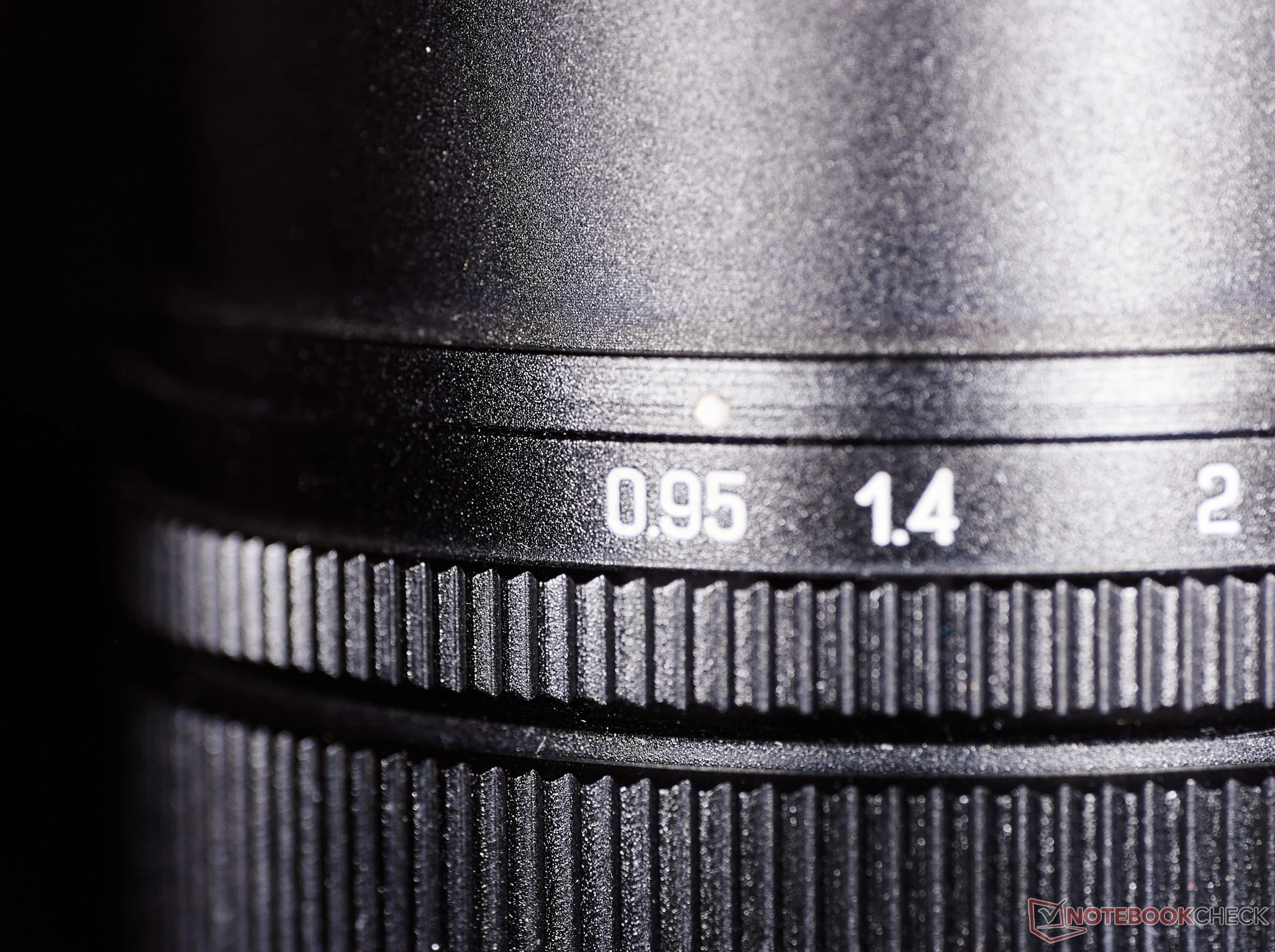
    Android phone makers have been testing variable aperture lenses for a while, offering users better control over light intake and depth of field. These lenses can change their opening size, similar to what you find in professional cameras. In well-lit conditions, a smaller aperture results in clearer images and a greater depth of field, keeping both foreground and background in sharp focus. On the other hand, a larger aperture lets in more light, making it perfect for taking well-lit photos in darker settings, though this results in a shallower depth of field that blurs the background behind the main subject.

    iPhone 18 or 17?

    Earlier reports from The Information hinted that one of the iPhone 17 models might introduce a variable aperture camera, but Kuo’s new findings suggest that this feature may be pushed back to the iPhone 18 series in 2026. He specifically points out that the main rear camera on the iPhone 18 Pro is likely to incorporate this technology. Kuo’s industry analysis shows that Sunny Optical is expected to be the main supplier of the camera’s shutter mechanism, with Luxshare serving as a secondary supplier. Interestingly, Sunny Optical is also projected to provide the variable aperture lens, while Largan Precision will remain the primary lens supplier.

    Current iPhone Limitations

    Up to now, every iPhone model has utilized fixed aperture lenses, which limits how much users can control light intake and depth of field. With the introduction of variable aperture technology, users could gain more precise control over these settings, allowing for adjustments that match their personal preferences. It’s worth mentioning that Kuo’s insights are drawn from industry surveys, so they should be seen as educated guesses rather than confirmed information. Since the iPhone 18’s release is still two years away, Apple has plenty of time to fine-tune its plans and potentially alter its camera approach.


    Image 1
  • Apple iPhone 18 Series May Feature Variable Aperture Camera

    Apple iPhone 18 Series May Feature Variable Aperture Camera

    Apple has finally added a periscope telephoto lens to its iPhone 15 Pro Max last year, and this upgrade was later rolled out to the iPhone 16 Pro. This shift illustrates how the Cupertino-based company has embraced new technologies after its rivals.

    Upcoming Innovations

    Recent reports indicate that Apple may introduce a variable aperture camera in the iPhone 18 series. This is a feature that Samsung first launched back in 2018 with its Galaxy S9 and S9 Plus. Since then, several smartphone brands have played around with this technology in their flagship models, and some continue to include it, like the Xiaomi 14 Pro and Xiaomi 14 Ultra.

    Pro Models Set Apart

    It’s expected that the variable aperture feature will only be available on the iPhone 18 Pro models, which could help to highlight the differences between the regular and Pro versions of the iPhone. This new feature could greatly enhance the imaging capabilities of the iPhone.

    While Samsung did not gain a substantial edge from the optical upgrade at the time, Apple’s strategy might lead to a more considerable influence. Analyst Ming-Chi Kuo, who is well-regarded for his insights into Apple, believes this feature will debut in 2026 with the iPhone 18 series.

    Improved Photography

    For those who might not know, a variable aperture allows the camera to adjust the lens opening according to different lighting conditions, letting in more or less light to the sensor. This enhancement for the iPhone 18 series could potentially improve photo quality in low-light environments and provide better control over depth of field when there’s enough light.

    This kind of flexibility is something we see in high-end DSLR cameras and some Android devices, including the previously mentioned models. Moreover, it would mark a significant boost to the iPhone’s photography features, possibly giving Apple an advantage for users who value high camera quality.

    Supplier Changes Ahead

    Apple’s choice to partner with a well-known Android supplier underscores a rising trend of cross-platform technology adoption in the smartphone market. Additionally, there are whispers that Apple might turn to Samsung for camera sensors, which could signal the end of Sony’s exclusive position in this domain.

    Alternatives Available Soon

    For those not inclined to wait until the iPhone 18 series, anticipated in late 2027, the iPhone 17 Pro series may be a great option. It promises a more powerful chipset, potentially more RAM (crucial for advanced on-device AI functionalities), and a 48MP telephoto lens aimed at providing clearer long-range zoom capabilities.


    Image 1