
Tag: LOFIC sensor

  • Sony LOFIC Sensor Lytia L910: Vivo X500 & Oppo Find X10 Advantage

    Sony LOFIC Sensor Lytia L910: Vivo X500 & Oppo Find X10 Advantage

    Key Takeaway

    – Sony unveiled a new 50MP LYTIA L910 sensor with LOFIC technology to prevent blown-out bright areas.
    – The sensor offers 100 dB HDR dynamic range in a single exposure, using Triple Conversion Gain (TCG-HDR).
    – It achieves over 30% better noise reduction than conventional sensors and reduces motion blur.
    – Key performance specs: up to 120 fps at 12.5MP burst, 30 fps at 50MP, and 60 fps HDR at 12.5MP/4K.
    – The 1/1.28-inch L910 is expected to succeed the LYT-828 in upcoming Oppo and Vivo Pro models.


    New Sony Sensor for Flagship Phones

    For weeks, leakers such as the highly reliable Digital Chat Station have been emphasizing that the successors to the Oppo Find X9 Pro and Vivo X300 Pro will benifit from a new 50-megapixel Sony main camera featuring “Lateral Overflow Integration Capacitor” or LOFIC technology. Today, June 17, 2026, the Japanese company unveiled a matching 50 megapixel sensor, which is suppose to prevent bright areas of an image from being blown out. A short video from Sony clearly demonstrates this advantage by comparing the new LYTIA L910 sensor with a conventional camera sensor under challenging conditions.

    Surprising Model Number Choice

    Anyone familiar with Sony’s Lytia sensors may be somewhat surprised by the LYT L910 designation, as it is highly reminiscent of the LYT-910, the first Sony 200-megapixel sensor, which has been used in the Vivo X300 Ultra and the Oppo Find X9 Ultra. It is unclear why Sony is using the model number L910 instead of the expected LYT-838 name. In any case, the specs point to a top-tier image sensor that, with its 1/1.28-inch size, will likely succed the LYT-828 in the Oppo Find X10 Pro and Vivo X500 Pro.

    Key Specifications and Features

    • 100 dB HDR dynamic range with a single exposure
    • Triple Conversion Gain (TCG-HDR)
    • Improved noise reduction of more than 30 percent compared with conventional sensors
    • Reduced motion blur when capturing moving objects
    • Lower power consumption
    • Up to 120 fps for 12.5 MP burst shots
    • 30 fps for 50-megapixel captures
    • At full HDR quality: up to 60 fps at 12.5 megapixels or in 4K video

    Performance Advantages Explained

    Sony advertises a 100 dB HDR dynamic range with a single exposure, Triple Conversion Gain (TCG-HDR), and improved noise reduction of more than 30 percent compared with conventional sensors. According to Sony, eliminating multiple exposures for a higher dynamic range also reduces motion blur when capturing moving objects. Other advantages of the sensor include reduced power consumption, up to 120 fps for 12.5 MP burst shots, and 30 fps for 50-megapixel captures. At full HDR quality, it supports up to 60 fps at 12.5 megapixels or in 4K video.
    Sources
  • First look at all-screen iPhone X successor renders reveal major design changes

    First look at all-screen iPhone X successor renders reveal major design changes

    Key Takeaway

    – Expect a dramatic design shift toward a heavily rounded chassis with a possible quad-curved display and thinner panel assembly using CoE technology.
    – Face ID could move completely under the display, potentially reducing the notch/Dynamic Island to a single camera hole-punch.
    – Camera system may shift to new LOFIC-type sensors with enhanced HDR and dynamic range, possibly starting with a dual-camera setup on the anniversary model.


    Intro

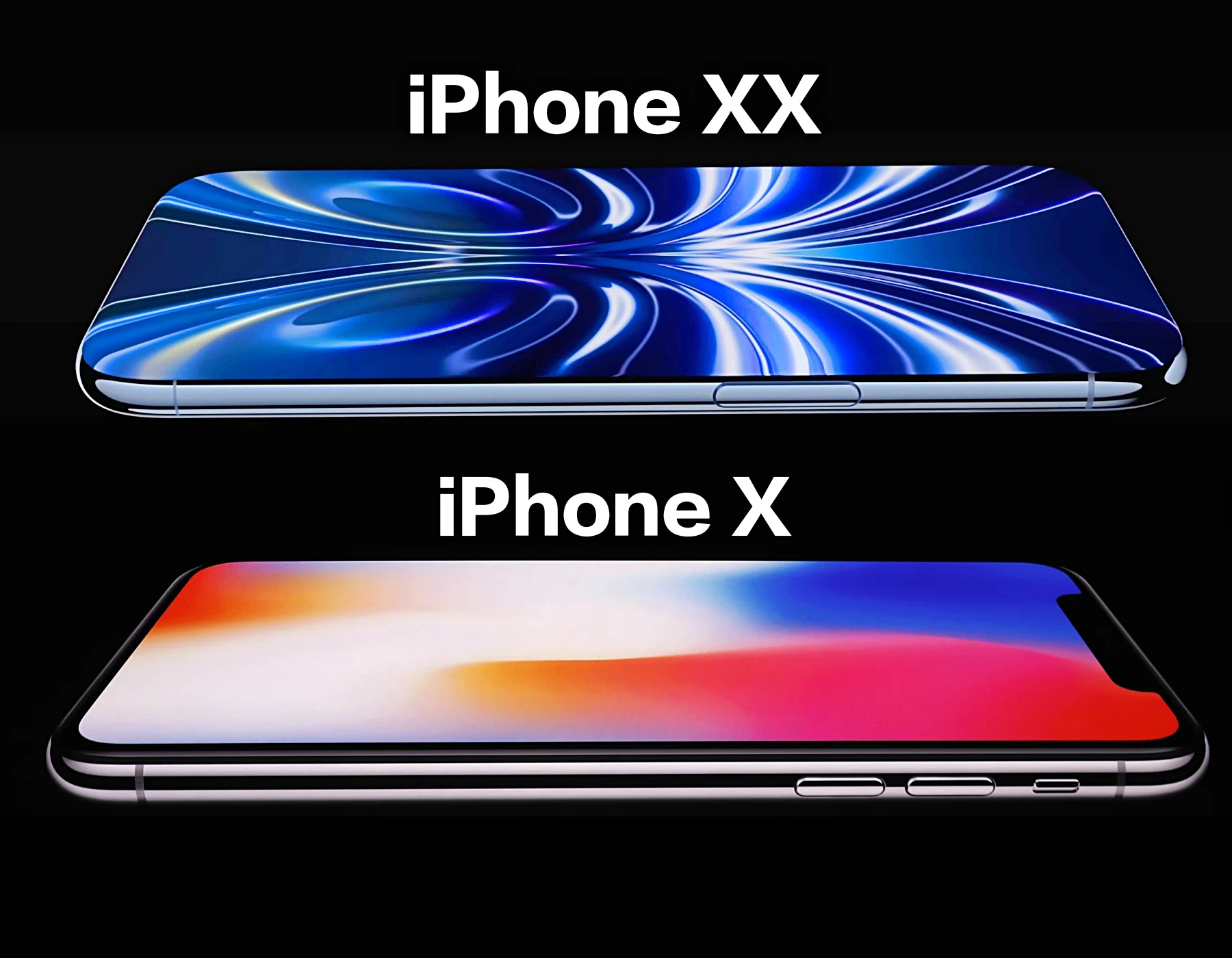
    As we approach the 20th anniversary of the phone that redefined the smartphone industry, anticipation is mounting regarding Apple’s next major design overhaul. While the name remains a mystery, with “iPhone XX/20” being a highly anticipated nod to the 2017 iPhone X (2017), fresh reports have shed light on what to expect from the 2027 flagship.

    Design Expectations

    Now, industry insiders are aligning on the belief that Apple is preparing a significant visual departure from its current iPhone 17 Pro design. Alleged iPhone 20 renders based on prototypes (which might or might not be 100% accurate) suggest a dramatic shift toward a heavily rounded chassis combined with a “quad-curved” display panel. Meanwhile, reports originating from the Apple supply chain suggest that Cupertino is currently evaluating advanced Samsung panels to facilitate this distinctive curved glass look.

    Display and Interface

    While a completely uninterrupted screen may still be a reach for 2027, internal testing reportedly involves moving Face ID hardware entirely beneath the display panel, potentially reducing the notch or “Dynamic Island” to a solitary hole-punch for the front-facing camera. Apple is said to be exploring “CoE” (Color filter on Encapsulation) technology, which promises a significantly thinner display assembly, which calls for a new anti-reflective coating.

    Buttons and Sensors

    Furthermore, rumors continue to swirl regarding the adoption of capacitive, solid-state buttons on the iPhone XX/20, marking a potential end to traditional physical switches. However, it’s important to note that this rumor (and other supply chain leaks) can change at any given moment due to a variety of reasons.

    Camera Tech

    The latest leak also suggests the camera department on the 20th anniversary iPhone might also be seeing a shake-up. New sensor technology is currently in the works, specifically targeted at pushing the limits of HDR performance and overall dynamic range, thanks to a LOFIC sensor (like the one in the Xiaomi 17 Ultra).

    Renders and Speculations

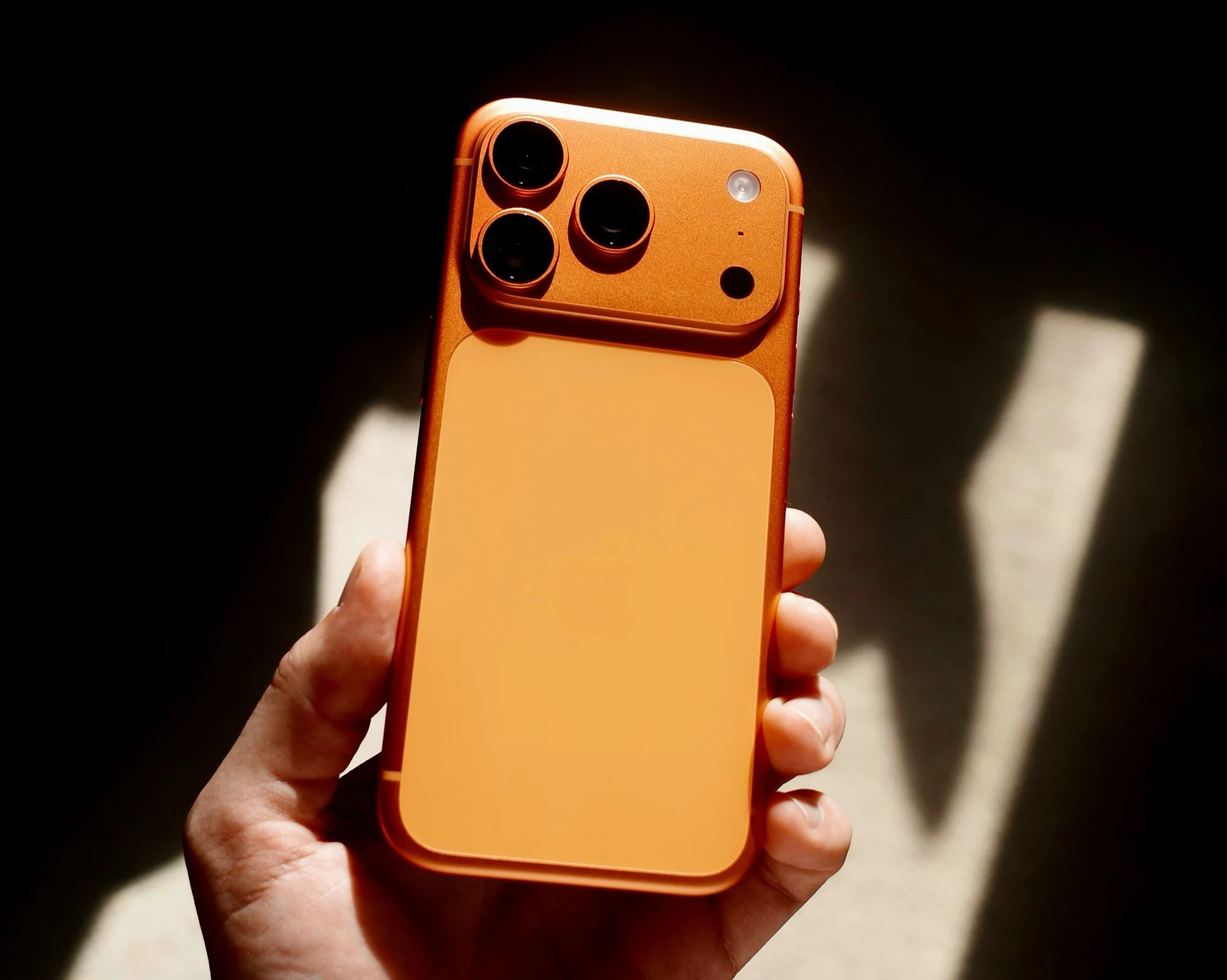
    Speaking of cameras, the renders in the video you see below show a dual-camera setup, which is surprising, to say the least. Of course, Apple’s top flagships have three cameras, including a zoom and ultra-wide-angle snappers.

    Product Strategy

    If the dual camera prototype of the iPhone XX/20 ever ships, it only makes sense it’ll be joined by a set of “Pro” iPhones with a more powerful camera system, while the anniversary iPhone might end up being a “special edition” iPhone (like a fancier iPhone Air). Of course, that’s just an educated guess based on the current leaks/rumors.

    Progress and Timeline

    Once again, these early leaks reflect work-in-progress hardware (at best). With the 2027 release of the iPhone XX/20 still over a year away, much of this design could evolve before the final product reaches the assembly line.

    That said, the iPhone 18 Pro should be launching in September, together with the long-awaited foldable iPhone Ultra.

  • iPhone 20 Pro to Feature New Apple Camera Sensor, iPhone 18 Pro Upgrades

    iPhone 20 Pro to Feature New Apple Camera Sensor, iPhone 18 Pro Upgrades

    Key Takeaways

    1. The iPhone 18 Pro will feature a primary camera with a variable aperture for improved depth of field in photography.
    2. A periscope telephoto camera with a wider aperture is expected in the iPhone 18 Pro, enhancing low-light photography and videography.
    3. Camera enhancements may be exclusive to the higher-end iPhone 18 Pro Max model.
    4. Apple is developing its own camera sensor using LOFIC technology, expected to debut in the 2027 anniversary iPhone.
    5. LOFIC technology improves dynamic range by allowing overexposed pixels to be read again, reducing detail loss in bright areas.


    Following chatter about the upcoming iPhone designs planned for the next three years, two sources are now shedding light on exciting camera enhancements that we can look forward to in the next two iPhone models. First off, leaker Digital Chat Station has confirmed previous speculations that the successor to the iPhone 17 Pro will include a primary camera with a variable aperture.

    Improved Depth of Field

    This feature will enable photographers to adjust the lens aperture as necessary, allowing for better depth of field in images. This is particularly helpful for taking clear photos of multiple subjects positioned at different distances. The iPhone 18 Pro is also anticipated to come equipped with a periscope telephoto camera that has a wider aperture. For context, the current 48 MP telephoto camera found in the iPhone 17 Pro uses a 1/2.55-inch sensor along with a 100 mm f/2.8 lens. A quicker lens should result in improved photography and videography in dim lighting conditions. Digital Chat Station suggests that these enhancements may only be available on the pricier iPhone 18 Pro Max.

    Future Technology Developments

    On another note, Korean leaker yeux1122 has disclosed that not only Chinese smartphone makers like Xiaomi, Honor, Huawei, Oppo, and Vivo are developing cameras with LOFIC sensors, but Apple is also reportedly working on its own camera sensor utilizing this tech. This sensor is expected to make its first appearance in the anniversary iPhone set for release in 2027. LOFIC stands for “Lateral Overflow Integration Capacitor.” This innovative technology allows for overexposed pixels to be read a second time with reduced light sensitivity, which helps avoid the loss of details in overly bright areas of a photo. Consequently, this significantly boosts the dynamic range without needing to merge multiple differently exposed images into an HDR shot.

    Source:
    Link