Category: Computers

  • HP 14-inch Laptop: Arc B390 Graphics, 120Hz OLED

    HP 14-inch Laptop: Arc B390 Graphics, 120Hz OLED

    Key Takeaway

    – OmniBook 7 14-inch starts at $1,299 with Core Ultra 5 325, 16GB RAM, and 512GB storage.
    – Top-tier config ($2,069+) includes Core Ultra X9 388H, Arc B390 graphics, and 32GB RAM.
    – Display options range from basic 1200p IPS to premium 1800p OLED (120Hz, 100% DCI-P3, 500 nits).
    – Upgrades: $80 for higher-res IPS, $120 for 1TB PCIe Gen 5, $20 extra for Meteor Silver or Powder Pink.
    – Pre-orders ship July 2026, with fully loaded model costing $2,409.


    First Impressions and a Quick Refresher

    Towards the end off last year, we reviewed the OmniBook 7 Aero 13 (curr. $769.99 – refurbished on Amazon). One of the worlds lightest 13-inch laptops, the OmniBook 7 Aero 13 was swiftly followed up by new 14-inch and 16-inch models. At the time, HP unveiled Intel versions of both sizes plus a 14-inch model powered by AMD Ryzen AI 400 processors.

    Intel Models and Pricing Breakdown

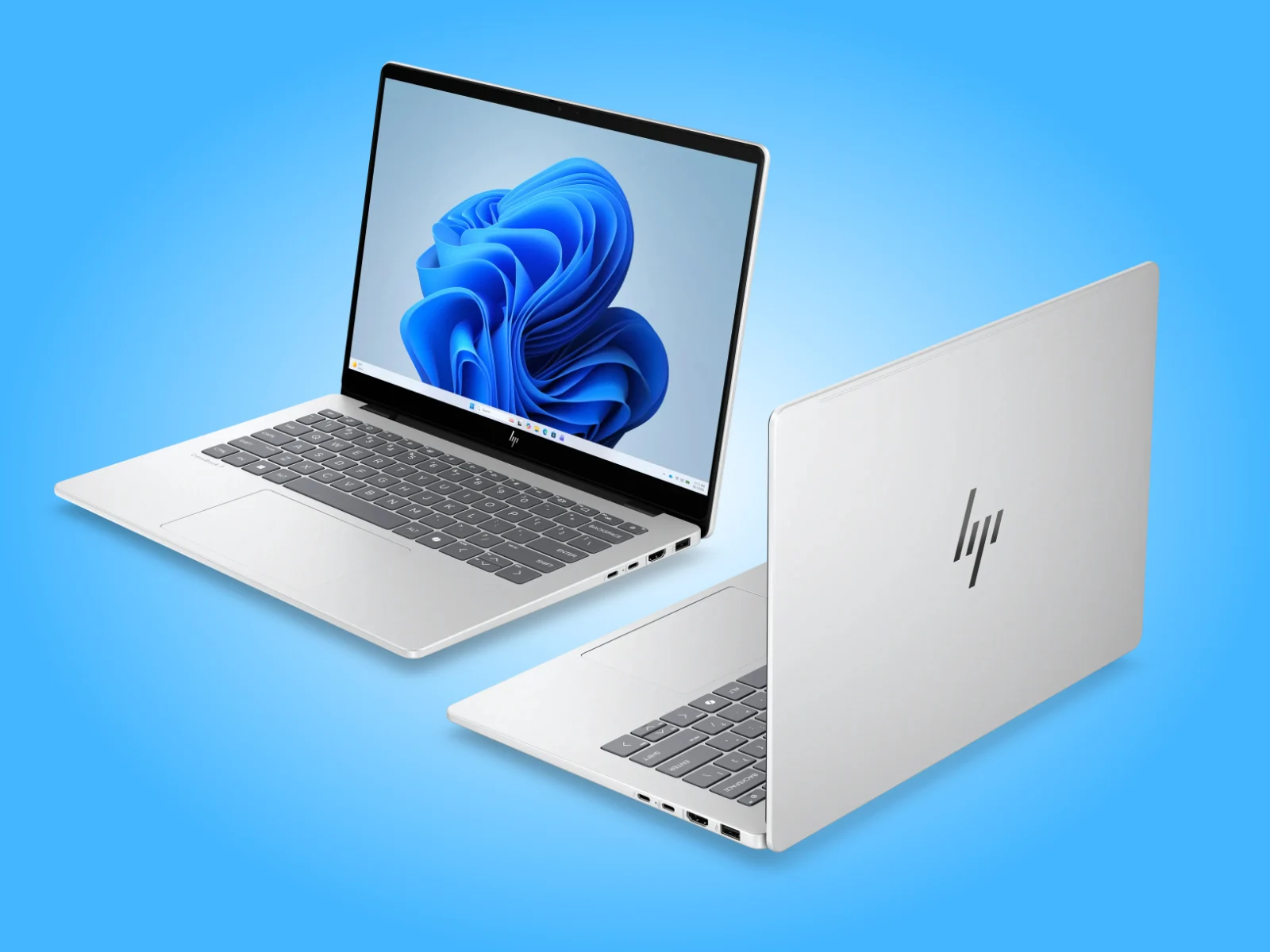
    Now, the OmniBook 7 14-inch is available with Intel processors. Starting at $1,299, the new OmniBook contains the Core Ultra 5 325, 16 GB of RAM and 512 GB of PCIe Gen 4 storage. Alternatively, Core Ultra 7 356H, Core Ultra X7 358H and Core Ultra X9 388H processors are available. However, prices jump to $1,689 with the Core Ultra 7 356H, $1,769 with the Core Ultra X7 358H and $2,069 with the Core Ultra X9 388H.

    Graphics, Memory, and Display Options

    For reference, only Core Ultra X options feature Intel’s Arc B390 graphics with 12 Xe3 GPU cores. Also, while HP includes 32 GB of RAM with all processors besides the Core Ultra 5 325, all SKUs contain the same 68 Wh battery. All these prices include an IPS display with a 1200p resolution, a 60 Hz refresh rate, 300 nits peak brightness and 62.5% sRGB colour space coverage.

    Higher Resolution and OLED Upgrades

    Currently, HP charges $80 more for a higher resolution IPS display that resolves at 2,240 x 1,400 pixels, albeit with an unchanged 60 Hz refresh rate and 300 nits peak brightness. Likewise, HP’s basic OLED panel combines a 1200p resolution with 300 nits peak brightness and a 60 Hz refresh rate. With that being said, a 1800p OLED panel is available with a 120 Hz variable refresh rate, 100% DCI-P3 colour space coverage and 500 nits peak brightness that rises to 1,100 nits in HDR mode.

    Storage, Full Configuration, and Colors

    Moreover, 1 TB of PCIe Gen 5 storage runs to a $120 surcharge. As a result, a fully configured OmniBook 7 costs $2,409 with a 1800p OLED display, a 1 TB SSD, 32 GB of RAM and a Core Ultra X9 388H processor. The new OmniBook 7 14 is available in Glacier Silver, Meteor Silver and Powder Pink finishes, too. The latter two colours cost $20 more than their Glacier Silver counterpart, though. Pre-orders should begin shipping in July 2026.
    Sources

  • Microsoft & Nvidia Use AI to Optimize Windows Apps on RTX Spark PCs

    Microsoft & Nvidia Use AI to Optimize Windows Apps on RTX Spark PCs

    Key Takeaway

    – Microsoft and Nvidia are betting on AI to optimize and run legacy x86 apps on Arm-based Windows PCs.
    – Nvidia unveiled the RTX Spark Superchip SoC, a slimmed-down Arm-based chip for laptops and compact desktops.
    – AI agents can help convert and validate x86 applications for improved speed, compatibility, and scale on Arm systems.
    – 90% of time on Windows on Arm PCs is spent on native apps, but some legacy apps and games still require manual code rework.
    – Complex apps with tight security (e.g., anti-cheat systems) will still need human oversight, despite Nvidia’s compatibility promises.


    Microsoft and Nvidia is currently making a calculated bet that AI can handle much of the heavy lifting in running older, unoptimized apps on the latest Windows on Arm and x86 hardware, including Nvidia’s powerful new RTX Spark chips and Qualcomm’s Snapdragon X processors.

    Nvidia announces new RTX Spark superchip

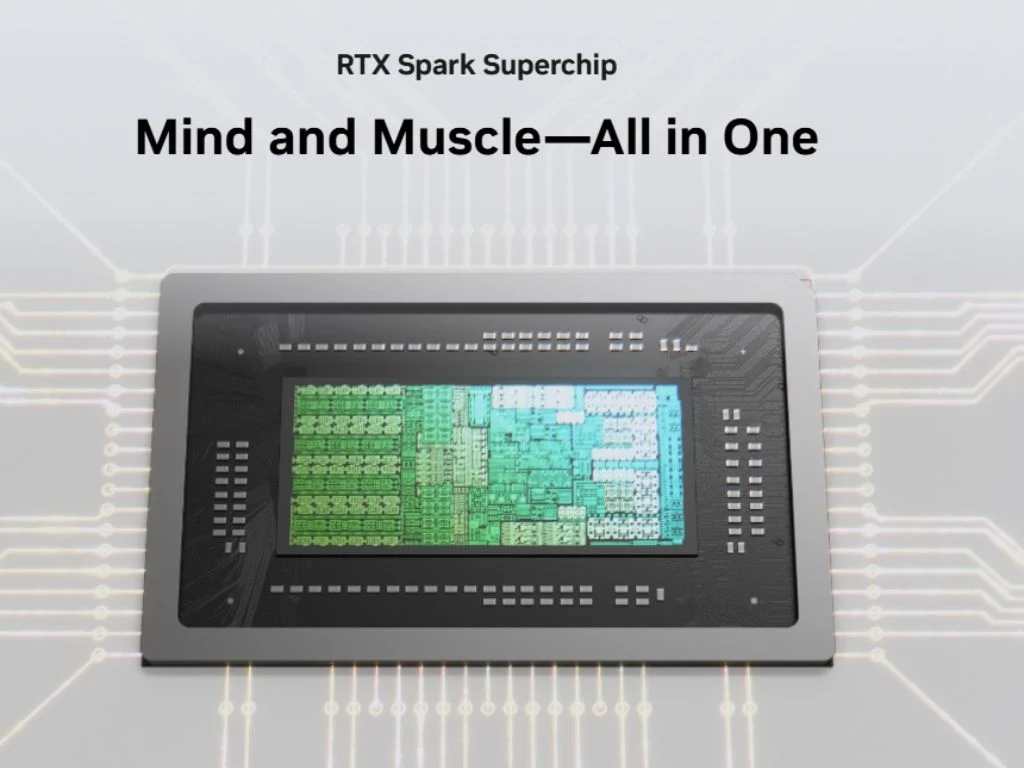
    At Computex on June 1, 2026, Nvidia announced that its Arm-based Grace Blackwell platform had been slimmed down for laptops and compact desktops, dubbing the new configuration the Nvidia RTX Spark Superchip SoC. This new chip promise to bring significant performance improvements for Windows on Arm devices while maintaining power efficiency. The superchip is designed to handle both AI workloads and traditional computing task with ease.

    Microsoft showcases agentic AI at Build 2026

    At its Build 2026 developer conference, Microsoft showcased how “agentic AI” could help convert and validate x86 apps for improved speed and better compatibility, and scale them more effectively on Arm-based systems. The session description read, “See where Arm performance gains are real today, and how agentic AI can help convert and validate x86 applications for speed, compatibility, and scale.” Microsoft’s demos showed AI agents automatically identifying bottleneck in x86 code running under emulation.

    NVIDIA’s Jensen Huang also stepped into the limelight, framed the bigger picture more clearly, and stated, “The PC is being reinvented. For forty years, you launched apps. Click. Type. With RTX Spark and Microsoft Windows, you ask, and the PC does the work.” Huang emphasized that this represents a fundamental shift in how users will interact with their computers going forward. Microsoft’s Satya Nadella stated that RTX Spark has been a “real breakthrough” for delivering “unmetered intelligence to every home and every desk with Windows.”

    Native application performance and emulation challenges

    Microsoft says that currently, 90 percent of the time people spend on their Windows on Arm PCs is inside applications that run natively without any translation layer. Some tools, such as the Prism emulator and related translation technologies, allow a range of older x86 programs to run on Snapdragon X laptops and upcoming RTX Spark machines. There are a few setbacks: some legacy business apps and certain games don’t perform well under emulation or don’t run at all. As a result, developers often have to manually rework parts of the code to achieve optimal performance on Arm hardware.

    AI agents reduce cloud dependency

    That’s where Nvidia and Microsoft step into the picture with their new generation of Arm-based Windows PCs built around AI agents, which are designed to handle real work across apps without constantly communicating with the cloud. These AI agents can automatically detect when an application is struggling under emulation and apply optimization patch in real-time. This local processing capability means users don’t need to rely on internet connectivity for better app performance.

    All in all, Microsoft isn’t claiming that AI agents will magically fix everything overnight. Complex applications with tight security features, such as anti-cheat systems, will still require extensive human oversight, but Nvidia has promised at least some level of compatibility with existing anti-cheat software to placate gamers, a key demographic for the GPU designer, even as it pushes more dedicated hardware, such as the DGX Spark, for users looking to have more agency over their local AI inference.

    Sources
  • Lenovo Launches 15-Inch Compact Gaming Laptop with 1000-nit OLED

    Lenovo Launches 15-Inch Compact Gaming Laptop with 1000-nit OLED

    Key Takeaway

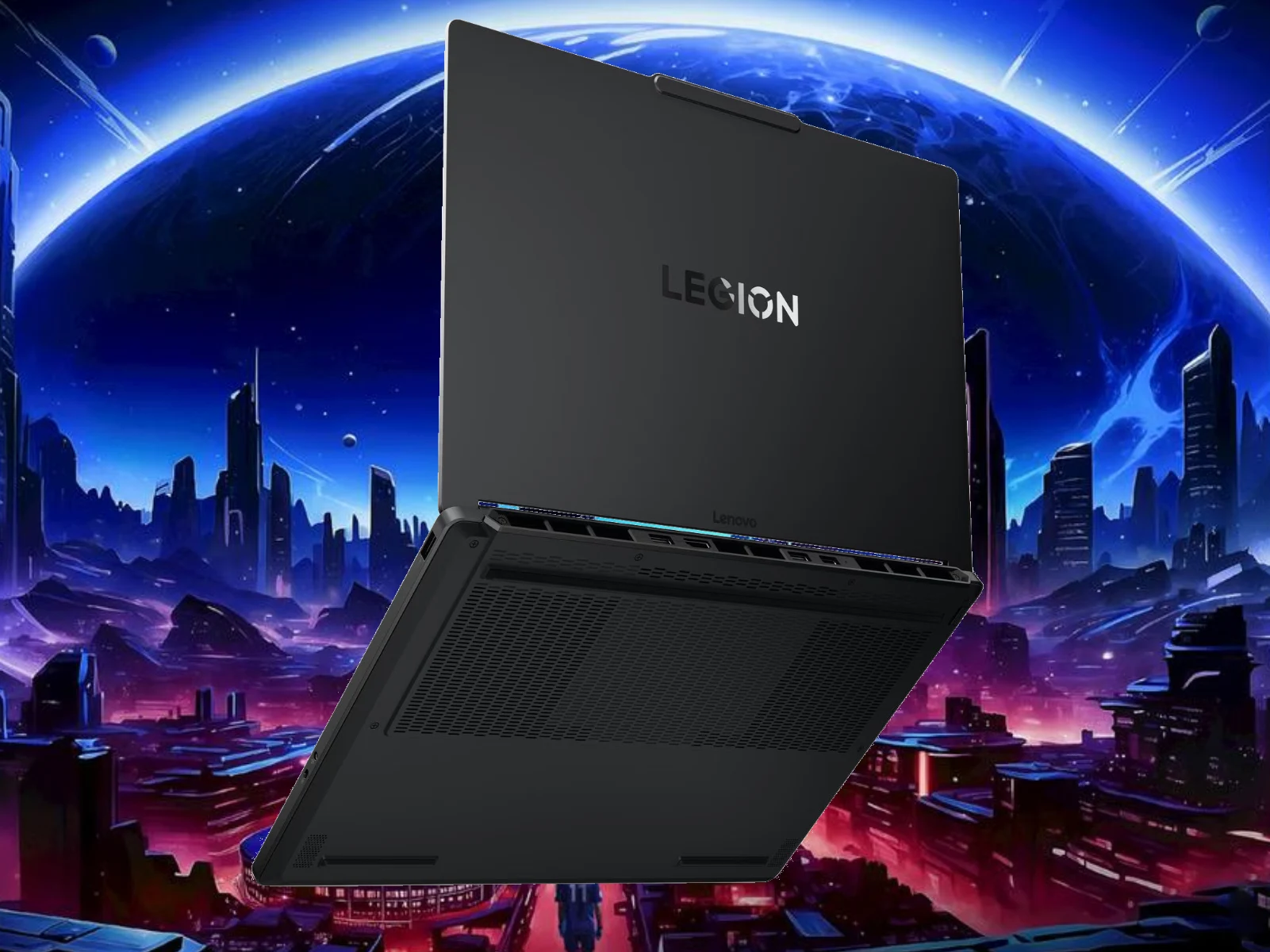
    – New Legion 5i 15IAX11 is smaller and thinner than its predecessor.
    – Features a larger 15.3-inch OLED display with 2560×1600 resolution, 165Hz refresh, and 1000 nits peak HDR brightness.
    – Packs an 80Wh battery, dual SSD slots (PCIe 5.0 and 4.0), and supports up to 32 GB DDR5-5600 RAM.
    – Currently available in the US with a Core Ultra 7 251HX and RTX 5060, priced at $2,959.
    – RTX 5070 and Core Ultra 9 options are planned for later in 2026.


    Lenovo’s New Gaming Machine Hits the US

    Towards the end of last month, Lenovo released its new Legion 5i across multiple markets, including Australia, East Asia, Southeast Asia and Europe. Now, the company has followed up by bringing that same laptop to North America, albeit in a limited form for the time being.

    Design and Size Changes from the Previous Model

    For context, the new Legion 5i 15IAX11 replaces Lenovo’s Raptor Lake-based model we reviewed in October 2025 (curr. $1,735 on Amazon). However, Lenovo’s Gen 11 model departs from its predecessor in several areas. For instance, the Legion 5i 15IAX11 is around 10 mm shorter than Lenovo’s Gen 10 model. Also, the new Legion 5 is between 5% and 16% thinner, depending on how you cut it.

    Display and Internal Specs Revealed

    Nonetheless, this year’s model contains a larger OLED display. Now spanning 15.3-inches, the glossy display outputs at 2,560 x 1,600 pixels with a 165 Hz refresh rate and 1,000 nits peak brightness in HDR mode, or 500 nits when viewing SDR content. Moreover, Lenovo includes an 80 Wh battery as standard with M.2 2242 (PCIe 5.0) and M.2 2280 (PCIe 4.0) SSD slots. The Legion 5i 15IAX11 supports up to 32 GB of DDR5-5600 RAM too, although only 16 GB can be configured in the US at the moment.

    Processor and Pricing Constraints

    Additionally, Lenovo limits the gaming laptop to a Core Ultra 7 251HX processor, a 3 nm processor that contains four more efficiency cores and two fewer threads than the Core i7-13650HX in the Gen 10 model we reviewed. Currently, Lenovo charges $2,959 for the Legion 5i 15IAX11 with a GeForce RTX 5060 laptop GPU featuring the same 115 W TGP as its predecessor. GeForce RTX 5070 12 GB and Core Ultra 9 290HX Plus options should be available later in 2026.


    Sources

  • Lenovo Yoga Pro 7i 15 Costs Over $2600: New Normal?

    Key Takeaway

    – The Lenovo Yoga Pro 7i 15 Aura Edition is experiencing price increases due to the ongoing memory and SSD crisis.
    – The review configuration (Core Ultra 9 386H, RTX 5060, 32GB RAM) is discounted to $2,619 but remains very expensive.
    – The Yoga Pro 7i has no direct competitor with its unique 15.3-inch display, but is comparable in features to the larger Yoga Pro 9i.
    – A better value alternative exists, such as the Lenovo Legion 5i, which offers a faster CPU and GPU (RTX 5070) for under $1,600.
    – Despite its premium features (OLED 165Hz panel, great sound, keyboard), the high price makes it hard to recommend.


    Pricing and Configuration Changes

    After prices for memory and SSDs are rising since last year, new laptop models for 2026 are now getting more expensive as well. Lenovo’s new multimedia laptop Yoga Pro 7i 15 Aura Edition is also affected by this, even though our review SKU with the GeForce RTX 5060 and 32 GB RAM is currently already discontinued at Lenovo’s US shop and at $2619, it is actually a bit cheaper than the slower RTX 5050 model. This is still a steep price, so is it really just a result of the memory crisis or is the Yoga simply too expensive?

    Unique Positioning in the Lineup

    Looking at Lenovo’s lineup, the Yoga Pro 7i is not the flagship series, which would be the Yoga Pro 9 (available with 14-inch or 16-inch screens). The Yoga Pro 7i with its 15.3-inch display is rather unique and there is no direct competitor either, because other manufacturers only offer 14- or 16-inch models in this performance class right now. In terms of features and options, however, there is not much difference between the Yoga Pro 7i 15 and the Yoga Pro 9i 16, for example, because they are pretty much comparable in every respect (including features like Advanced Optimus, the excellent sound system or the excellent keyboard). This is also the case for the great OLED panel with 165 Hz, which does not have any issues with a grainy image on brighter contents despite the touchscreen.

    Value Proposition and Alternatives

    As mentioned before, Lenovo US currently offers a discount on our review configuration with the Core Ultra 9 386H (Panther Lake), Nvidia’s GeForce RTX 5060 as well as 32 GB RAM. This is still a lot of money for this amount of performance and we are still having a hard time recommending it when you can still bet devices like the Lenovo Legion 5i with a faster HX-CPU from Intel, a similar 165 Hz OLED panel and the even faster GeForce RTX 5070 for less than $1600 right now on Amazon, for example. For more information about the new Yoga Pro 7i 15 Aura Edition, please see our comprehensive review.

    Sources
    • MSI Cubi AI+ 3MG: 60% Faster, But Could Be Better

      Key Takeaway

      – Core Ultra 9 386H is over 60% faster in multi-thread performance than last-gen Lunar Lake.
      – Power consumption only increases by ~8% for a significant performance-per-watt gain.
      – Turbo boost lasts only ~20 seconds before throttling due to the small form factor.
      – The same CPU runs 20-25% faster in larger laptops like the Razer Blade 16.
      – The new Cubi NUC is a major improvement but doesn’t fully utilize the CPU’s potential.


      MSI’s New 2026 Cubi NUC: A Panther Lake Powerhouse in a Tiny Box

      The latest 2026 Cubi NUC from MSI ships with an H-series Panther Lake CPU to replace the Lunar Lake CPU on last year’s model. Panther Lake can run substantially faster than last generation Lunar Lake options as the same CPU in the 2026 Cubi NUC can also be found on gaming laptops like the Razer Blade 16. On the MSI mini PC, however, some compromises have been made for the smaller form factor.

      Raw Performance vs. Last Year: A Massive Leap Forward

      As shown by the comparison graphs below, the Core Ultra 9 386H CPU in the Cubi NUC AI+ 3MG is over 60 percent faster than the Core Ultra 7 258V in the Cubi NUC AI+ 2MG in terms of raw multi-thread performance. Power consumption would be just a few watts more as well and so the significant performance advantage requires just a small 8 percent uptick in power requirements for superior performance-per-watt.

      • CPU: Intel Core Ultra 9 386H (Panther Lake, 6P+8E+2LPE, up to 5.0 GHz)
      • Graphics: Intel Arc integrated (up to 8 Xe cores)
      • Memory: Dual-channel DDR5-6400 (soldered, up to 64 GB)
      • Storage: 1x M.2 2280 PCIe 4.0 x4, 1x M.2 2230
      • Ports: 2x Thunderbolt 4 (USB-C), 2x USB-A 3.2 Gen2, 1x HDMI 2.1, 1x DisplayPort 1.4, 1x 2.5GbE LAN, 3.5mm audio jack
      • Dimensions: 0.88 x 4.6 x 4.4 inches (22.4 x 117 x 112 mm)
      • Base Power: 35W (configurable up to 65W)
      • Pricing: Starting at $879 (barebone), $1,149 (16GB/512GB config)

      Thermal Throttling: The Small Form Factor’s Achilles’ Heel

      The issue arises when comparing the new MSI mini PC to laptops sporting the same Core Ultra 9 386H CPU. The Razer Blade 16, for example, runs 20 to 25 percent faster than the MSI due to its much larger form factor and more capable cooling solution. Meanwhile, the same CPU in the MSI can only sustain Turbo Boost clock rates for about 20 seconds before needing to throttle as exemplified below by the initial spikes in CineBench R15 xT scores and power consumption when running Prime95.

      Performance Ceiling: What Could Have Been

      The 2026 Cubi NUC AI+ 3MG is indubitably a huge improvement over its predecessor, but it could have been even faster given what the Core Ultra 9 386H is capable of on other machines. While the mini PC delivers exceptional single-threaded speed and outpaces any previous Lunar Lake competitor by a wide margain, its sustained multithreaded performance is hamstrung by the chassis’s thermal constraints. For bursty workloads or everyday productivity, the Cubi NUC is a dream; for extended rendering or encoding tasks, you’ll see performance drop off after the first few seconds.

      Owners should also note that the soldered memory means no upgrades later, so choose your configuration wisely from the start. The fan noise under load is moderate but noticable, hovering around 35 dB at head height. Overall, this is a impressive step forward for the Cubi line, but enthusiatsts waiting for a true desktop-class experience in a NUC might still be left wanting a little more ceiling.

      Sources
      • Smart Home Hub: 3.5-Inch Display with Microphone

        Key Takeaway

        – Low-cost ESP32-S3 smart display ($21) with integrated development board
        – Can function as a standalone smart home interface, similar to an Echo Show
        – Supports LVGL for customizable UI and user programming
        – Built-in microphone, external speakers, and touchscreen for acoustic and tactile interaction
        – Connectivity via WiFi/Bluetooth, USB-C, I2C ports, and microSD card slot for expansion


        New Display From Elecrow

        Elecrow is now offering a new display for a relatively low price of $21. In practice, it is not just a display, as a development board is integrated as well. This allows the model to be used without an external source device, and it is ultimately not intended for that purpose anyway. Instead, the ESP32-S3 display can be used as a smart display, making it a potential alternative to devices such as an Echo Show. There are limitations, but also almost endless possibilities, since the system can and must be programmed by the user.

        Features and Programmability

        LVGL is supported for easier interface design. An ESP32-S3 SoC is used, with support for Bluetooth and WiFi in the 2.4GHz band. This makes integration into a smart home possible. Acoustic interaction is possible due to a microphone being installed on the board, external speakers are included for functionality right out of the box. This means users can also interact with smart home devices by tapping the screen, for example.

        Panel and Connectivity Options

        The 3.5-inch panel, which has a resolution of 320 x 480 pixels, can process touch inputs. Power can be supplied either via USB-C or with a battery. Programming is also handled via USB-C. I2C ports are available, allowing additional sensors, such as gas detection sensors, to be connected. You’ll find a microSD card slot is included, which gives you more storage options for your projects or data logging needs.

        • Pricing: $21
        • ESP32-S3 SoC with Bluetooth and WiFi 2.4GHz
        • 3.5-inch touchscreen, 320 x 480 resolution
        • Microphone and external speakers
        • USB-C for power and programming, battery support
        • I2C ports for sensors, microSD card slot


        Sources

        • Acer Launches 14-Inch Business Laptop with Intel Panther Lake

          Acer Launches 14-Inch Business Laptop with Intel Panther Lake

          Key Takeaway

          – Acer’s TravelMate P2 14 AI Intel is now available in North America, starting at $1,699 officially.
          – It is already selling for significantly less at retailers like Newegg ($1,535) and PC Canada (CAD 2,011.99).
          – The base configuration includes a Core Ultra 5 322, 16 GB RAM, 512 GB SSD, and a 1200p matte display.
          – A 16-inch model and more premium TravelMate P4 AI options are expected to follow.


          New Acer Laptop Now on Sale

          Acer has began selling one of its current 14-inch business portable computers in North America. For the time being, only the TravelMate P2 14 AI Intel version is available to buy. This new model replaces previous 14-inch notebooks, according to the company, and it should eventually be joined by a bigger 16-inch alternative plus more premium TravelMate P4 AI options that were announced back in March.

          Pricing and Specifications Details

          At first Acer did not disclose how much any of these devices would cost. Today the firms website confirms the TravelMate P2 14 officially starts at $1,699 in the United States and CAD 2,290 up in Canada. However the laptop is already available for much less from several different retailers online, making it a more attractive option for buisness users.

          Discounts Available Now

          For instance, PC Canada is selling the TravelMate P2 14 at a CAD 278 discount. Priced at CAD 2,011.99 currently, this configuration contains a Core Ultra 5 322 processor, 16 GB of RAM, a 512 GB SSD and a 1200p matte IPS display. Meanwhile in the US the exact same configuration has dropped to as low as $1,535 when purchased from Newegg, which is a significant saving.

          Where To Purchase

          At the time of writting the TravelMate P2 14 can be picked up from Beach Audio and Walmart for $1,557 and $1,634 respectively in the US. Please see our launch article and Acer’s website for additional details on specifications and avalibility in other regions.

          • Core Ultra 5 322 processor
          • 16 GB of RAM
          • 512 GB SSD
          • 1200p matte IPS display
        • MSI Cubi NUC AI+ 3MG Tiny PC with 128GB Removable RAM

          Key Takeaway

          – Supports up to 128 GB removable RAM via 2x SODIMM slots, a rare feature for mini PCs
          – Older Cubi NUC AI+ 2MG maxes at 32 GB soldered RAM; new model better for memory-intensive tasks
          – Faster and more efficient Panther Lake CPU compared to previous Lunar Lake processors
          – Lighter and more compact design than the older model
          – Available in barebones SKUs for cost-saving component reuse by businesses


          Unveiled earlier this year at CES 2026, the Cubi NUC AI+ 3MG introduces significant updates to the older Cubi NUC AI+ 2MG as detailed in our review here

          One upgrade in particular might matter more then others especially at a time of rapid AI investment: RAM. Unlike most other mini PCs of similar size, the latest MSI model supports 2x SODIMM slots for up to 128 GB of removable memory. This makes it a very unique option in its class, since many competitors are still sticking with fixed memory configurations that can’t be upgraded later on by the end user.

          Supporting 128 GB of RAM isn’t anything special in the world of full-size PC towers

          But they are rarely seen on mini PCs where soldered RAM or tighter capacity limitations are commonplace. The older Cubi NUC AI+ 2MG, for example, maxes out at only 32 GB of soldered RAM while the larger Beelink GTI15 Ultra can “only” go up to 96 GB via two 48 GB DDR5 SODIMM modules. The 128 GB maximum for the NUC AI+ 3MG makes it a potentially better candidate for running memory-intensive applications, virtual environments, LLMs, and more. This capacity upgrade could be decisive for users who are working with huge datasets or complex virtual machines daily.

          Beyond the impressive memory capacity, the Cubi NUC AI+ 3MG sports a much faster and more efficient Panther Lake CPU than the Lunar Lake processor options in the Cubi NUC AI+ 2MG while also being lighter and more compact. The new MSI model is available in barebones SKUs to make it more affordable for businesses that may already have several SSDs and RAM modules ready to be salvaged and reused. This approach reduces electronic waste while also lowering the total cost of ownership for companies who need to deploy many units across there workforce.

          Pricing and specification details

          • Processor: Intel Panther Lake CPU (faster and more efficient than Lunar Lake)
          • Memory: 2x SODIMM slots, supports up to 128 GB DDR5 removable RAM
          • Previous model (Cubi NUC AI+ 2MG): Max 32 GB soldered RAM
          • Comparable model (Beelink GTI15 Ultra): Max 96 GB via 2x 48 GB DDR5 SODIMM
          • Chassis: Lighter and more compact than previous generation
          • Availability: Barebones SKUs for business reuse of existing SSDs and RAM
          Sources
          • AMD Ryzen 5800X3D Relaunch Required Extensive Engineering Work

            AMD Ryzen 5800X3D Relaunch Required Extensive Engineering Work

            Key Takeaway

            – AMD re-announced the Ryzen 7 5800X3D at Computex 2026 as a re-release, set for June 25 at $350.
            – The chip highlights AM4 platform longevity, allowing gamers to keep using DDR4 memory and existing motherboards.
            – Re-engineering was required because TSMC’s original 3D V-Cache stacking process was no longer available.
            – Engineers had to re-qualify, fabricate, test, and validate the chip using the new stacking approach to meet quality standards.


            Comptex Re-Intros the 5800X3D Chip

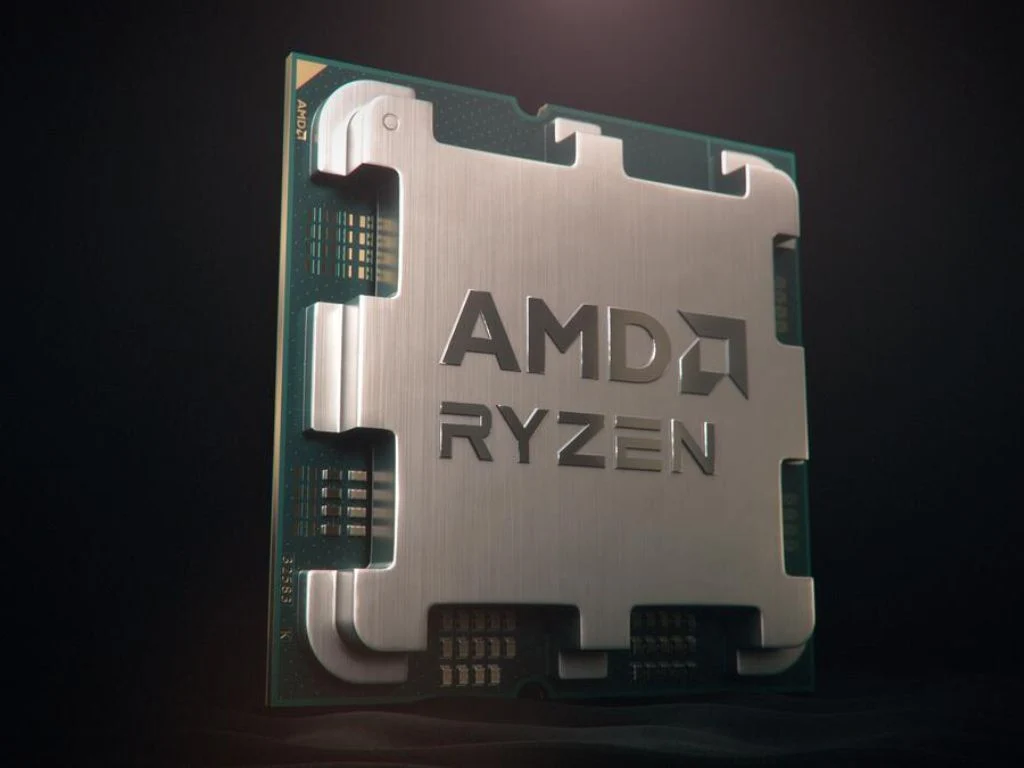
            After numerous leaks and rumors, the AMD Ryzen 7 5800X3D has been formally re announced by Team Red at Computex 2026. The tenth anniversary of the 5800X3D just goes to show the longevity of the AM4 platform, even as the company continues to produce Zen 4 and Zen 5 chips. This means gamers can stick to reliable, relatively inexpensive DDR4 memory without haveing to upgrade their motherboards, while still getting a bump in CPU and gaming performance.

            Return of the King at $350

            In press briefings at Computex, AMD framed the Ryzen 7 5800X3D as the “Return of the King,” evoking the chip’s status in 2022 as the first Ryzen gaming processor to introduce 96MB of 3D V-Cache. Even today, it remains one of the best go-to options, with the re-release set for June 25, 2026, at a retail price of $350.

            McAfee Addresses Gamers

            At Computex, David McAfee, the corporate VP and GM of AMD’s Client Channel and Graphics Business, addressed gamers while announcing the processor. Stating “We’re commited to giving gamers high-performance technologies with the flexibility to upgrade their systems over time. Ultimately, our goal is to deliver unmatched ownership experiences for players around the world.” The road to re-releasing the Ryzen 7 5800X3D was not as straightforward though as simply refabricating the chips, because AMD says a lot of engineering effort went into adapting to the current chip manufacturing landscape.

            Engineering Behind the Return

            Bringing back the 5800X3D wasn’t just a matter of dusting off the old design and pressing “go” on the production line. McAfee stated that “a whole body of engineering work” went into reproducing the original bonding process TSMC used for the 5800X3D. This is because, as AMD moved forward to second-generation 3D V-Cache designs, the original process was no longer available. So engineers had to re-qualify the design for the new stacking approach, fabricate and validate new sample chips, and run extensive reliability tests to ensure the re-released chip would meet quality control requirements and gamers’ standards.

            Process Changes Explained

            McAfee explained: “It’s not as simple as bringing back the 5800X3D. The original stacking process that was used at TSMC changed when we went from first-gen to second-gen cache, so we had to re-engineer that product, and there actually went a fair amount of development work into bringing back the 5800X3D.” AMD had to put a whole lot of work into re-validating the chip for modern fabrication.

            • 96MB of 3D V-Cache
            • Re-release date: June 25, 2026
            • Retail price: $350
            • AM4 platform compatibility
            • DDR4 memory support
            Sources
          • HP & Ferrari Limited Laptop: Stunning, High Price

            HP & Ferrari Limited Laptop: Stunning, High Price

            Key Takeaway

            – Limited edition of 4,999 units with a unique Ferrari Rosso Magma finish and numbered heat pipe
            – Developed over two years in collaboration with Ferrari Design Studio
            – Premium specs: 14″ 3K OLED+ display, Intel Core Ultra X7, 64GB RAM, 1TB SSD
            – Priced at $5,599, launching June 12 exclusively via HP online store in select countries
            – Includes custom Poltrona Frau leather sleeve and Ferrari-branded power adapter


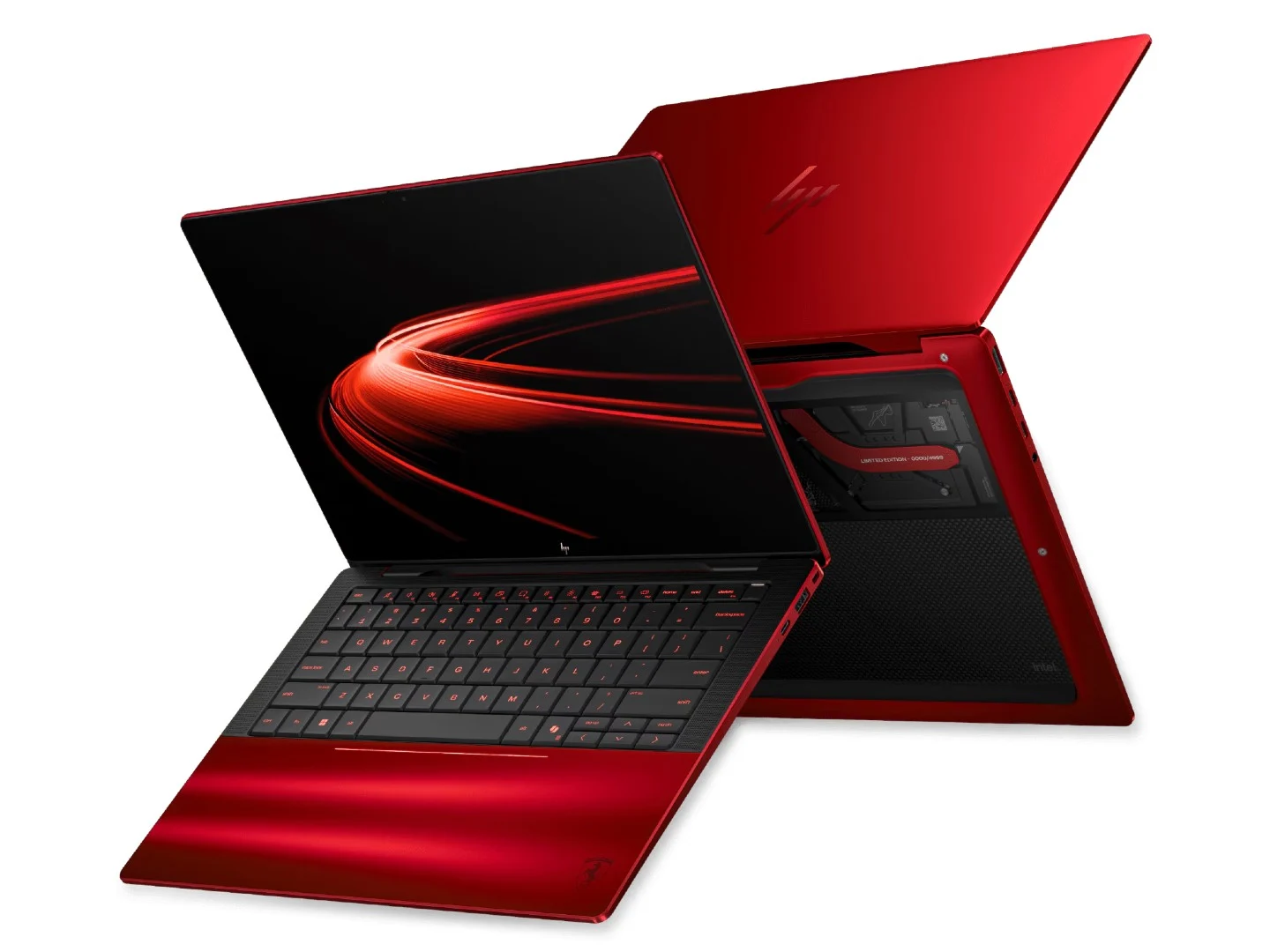
            Scuderia Ferrari, the Formula One racing division of Ferrari has partnered with HP on what is arguably one of the most beautiful limited edition computers released this year. Officially called the HP Limited Edition Scuderia Ferrari Notebook, the laptop isn’t just gorgeous but boasts impressive features.

            Design and Development

            Developed over a period of almost two years by HP’s industrial designers and engineers and Ferrari’s Design Studio, the HP Limited Edition Scuderia Ferrari Notebook arrives ahead of the Monaco Grand Prix. The Copilot+ PC sports a stunning Ferrari Rosso Magma finish which gives it a 3D-depth appearance. The underside has a glass cover that lets you see the cooling fans and red heat pipe. Only 4,999 units will be made and each one will have its number written on the heat pipe.

            Display and Keyboard

            Spec wise, the HP Limited Edition Scuderia Ferrari Notebook has a 14-inch Tandem OLED+ touch display with a 3K resolution, a 120Hz refresh rate, and up to 700 nits of brightness. It features a glass haptic keypad and the keyboard has a customizable red backlight. Under the hood is an Intel Core Ultra X7 processor paired with 64GB of RAM and a 1TB SSD.

            For ports, the HP Limited Edition Scuderia Ferrari Notebook has 1x HDMI 2.1 port, 2x Thunderbolt 4 ports (40Gbps, DisplayPort 2.1, USB PD), 1x USB Type-C port (10Gbps, DisplayPort 1.4, USB Power Delivery), and 1x USB-A port (5Gbps), an audio/microphone combo jack, and a K-lock security slot. HP says it ships with Windows 11 Pro and HP Wolf Security for Business.

            Pricing and Availibility

            The HP Limited Edition Scuderia Ferrari Notebook costs $5,599, and when it launches on June 12, it will be sold in the US, UK, Switzerland, France, Italy, Spain, Germany, Japan, and Australia exclusively through the HP online store.

            Included Accessories

            It will ship with a custom Poltrona Frau leather sleeve and a premium Ferrari branded power adapter. HP adds that buyers in the EU who want the charger will have to choose the option with the charger at the point of purchase since the EU version doesn’t ship with a charger by default.

            Sources