Category: Computers

  • GPD Confirms June 2026 Release, Global Pricing & SKUs

    GPD Confirms June 2026 Release, Global Pricing & SKUs

    Key Takeaway

    – GPD G2 eGPU dock launches on Indiegogo June 15 at 02:00 UTC for $385 (20% off $459 MSRP).
    – GPD Box mini-PC launches on same date, starting at $1,452 with Core Ultra 7 356H, 32GB RAM, 1TB storage.
    – GPD Box also available with Core Ultra X7 358H, but this variant lacks MCIO support.
    – Both devices feature MCIO 8i port, offering higher bandwidth than OCuLink eGPU docks like Minisforum DEG1.


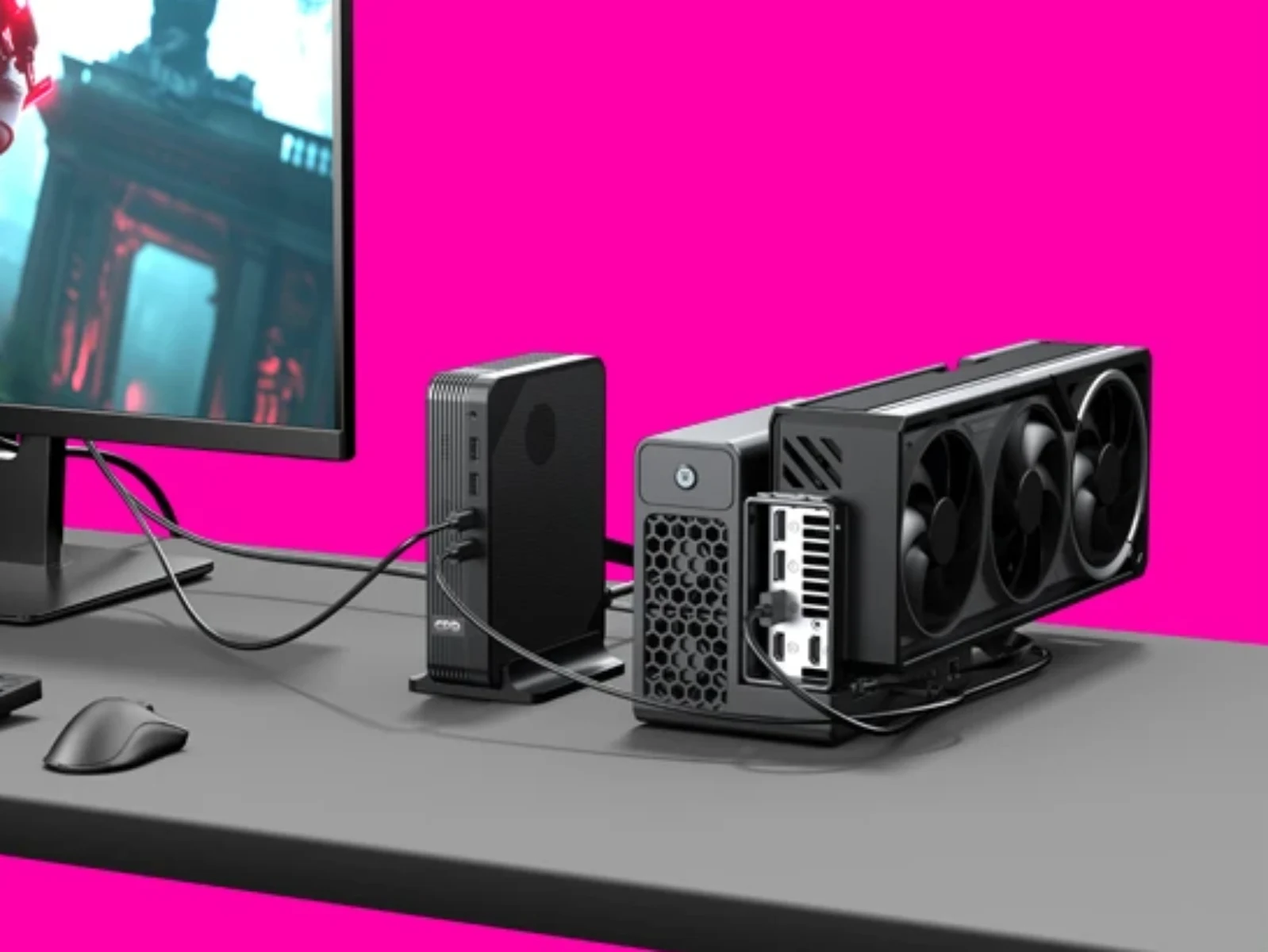
    Around six weeks have passed since GPD unveiled its G2 eGPU dock. At the same time, it announced the GPD Box, which it advertised as the first mini-PC leveraging USB4 V2.0 connectivity. Also, both devices contain MCIO 8i, a port that promises to surpass the bandwidth provided by OCuLink eGPU docks like the Minisforum DEG1 (curr. $109 on Amazon).

    Launch details and crowdfunding campaign

    While GPD shared multiple details about the GPD Box and GPD G2, it decided against confirming when or how they would launch. Now, the company has rectified that by revealing that the pair will reach Indiegogo on June 15 at 02:00 UTC. Not only that, but it has outlined launch pricing, too.

    Pricing and specifications for both models

    On the one hand, the GPD G2 will land on Indiegogo for $385, a 20% saving on its $459 MSRP. On the other hand, the GPD Box will start for $1,452 with a Core Ultra 7 356H processor, 32 GB of RAM and 1 TB of storage. Alternatively, the mini-PC will be available with the Core Ultra X7 358H. This variant will not support MCIO, though.

    • GPD G2 eGPU dock: Indiegogo launch price $385 (MSRP $459)
    • GPD Box mini-PC (Core Ultra 7 356H): Indiegogo start price $1,452 (32 GB RAM, 1 TB storage)
    • GPD Box alternative (Core Ultra X7 358H): does not support MCIO
    • Both devices utilise MCIO 8i and USB4 V2.0 technology



    Sources

  • Buggy Dell, HP software bricking Windows 11 PCs

    Buggy Dell, HP software bricking Windows 11 PCs

    Key Takeaway

    – Dell SupportAssist version 5.5.16.0 causes Blue Screen of Death crashes every 30 minutes.
    – HP BIOS updates break TPM communication, triggering recursive BitLocker recovery loops.
    – Uninstalling Dell SupportAssist or installing hotfix 5.5.16.1 stops the crashes.
    – HP requires emergency BIOS revisions or suspending BitLocker to resolve fleet-wide lockdowns.
    – The crashes are caused by Dell and HP software/firmware, not Microsoft’s Windows 11 updates.


    System Crashes Wreak Havok on Windows 11 Users

    A wave of severe system crashes and infinite reboot loops has left thousands of Windows 11 users unable to access their desktops in the weeks leading up to June’s critical Patch Tuesday deployment. While corporate helpdesks and consumer forums reflexively point fingers at Microsoft’s impending quality updates, deep-dive telemetry diagnostics have completely vindicated Redmond. The actual culprits behind the widespread instability are faulty background software and firmware updates pushed independently by PC manufacturing giants Dell and HP.

    Dell’s SupportAssist Malefunction Causes Kernel Errors

    For Dell hardware owners, the primary source of recent instability is a botched automated update to the proprietary Dell SupportAssist Remediation suite. Specifically, version 5.5.16.0 of the pre-installed device recovery tool triggers a catastrophic kernel error causing an immediate Blue Screen of Death. Affected machines across the XPS, Alienware, and Latitude lines have been hitting a definitive critical process died bugcheck code every thirty minutes, locking systems into a relentless crash-and-reboot cycle. Because the tool runs invisibly as an elevated system component, everyday users are completely unaware that Dell’s own health utility is the engine behind the unending instability, which the vendor has since attempted to address with an emergency version 5.5.16.1 hotfix.

    HP Firmware Updates Disrupt Bitlocker and Secure Boot

    Simultaneously, enterprise IT administrators managing corporate networks have been battling a secondary infrastructure disaster originating from HP. A series of native BIOS updates pushed across enterprise-grade HP EliteBooks, ProBooks, and ZBook workstations has abruptly broken communication with local Trusted Platform Modules. The sudden firmware mismatch prevents the system from verifying its core boot state, instantly triggering recursive BitLocker recovery loops as platforms fail to smoothly process Microsoft’s incoming 2023 Secure Boot keys. The failure has crash-landed directly on top of Microsoft’s broader Secure Boot certificate transition, turning a routine hardware lifecycle patch into a fleet-wide lockdown.

    Immediate Workarounds for Affected Systems

    To prevent widespread endpoint failures ahead of tonight’s global Microsoft update window (10:00 AM PDT / 1:00 PM EDT / 7:00 PM SAST), defenders need to deploy targeted workarounds. For the Dell SupportAssist disaster, completely uninstalling the software or manually pulling Dell’s recently released version 5.5.16.1 hotfix halts the half-hourly crashes instantly. Alternatively, administrators can run an elevated command prompt to manually disable the problematic service to stabilize the system. For impacted HP fleets, administrators are forced to pause all upcoming endpoint distributions until the machines can be flashed with emergency BIOS revisions or have their BitLocker protection temporarily suspended.

    Conclusion: Blame the OEMs, Not Microsoft

    The dual-vendor crisis serves as a stark reminder to tech consumers that while Windows 11 consistently absorbs the public blame for system instability, the real point of failure frequently lies within the unoptimized software ecosystems running quietly in the background.


  • HP 14-Inch Laptop Launches Globally: 800 Nit Display, 32GB RAM

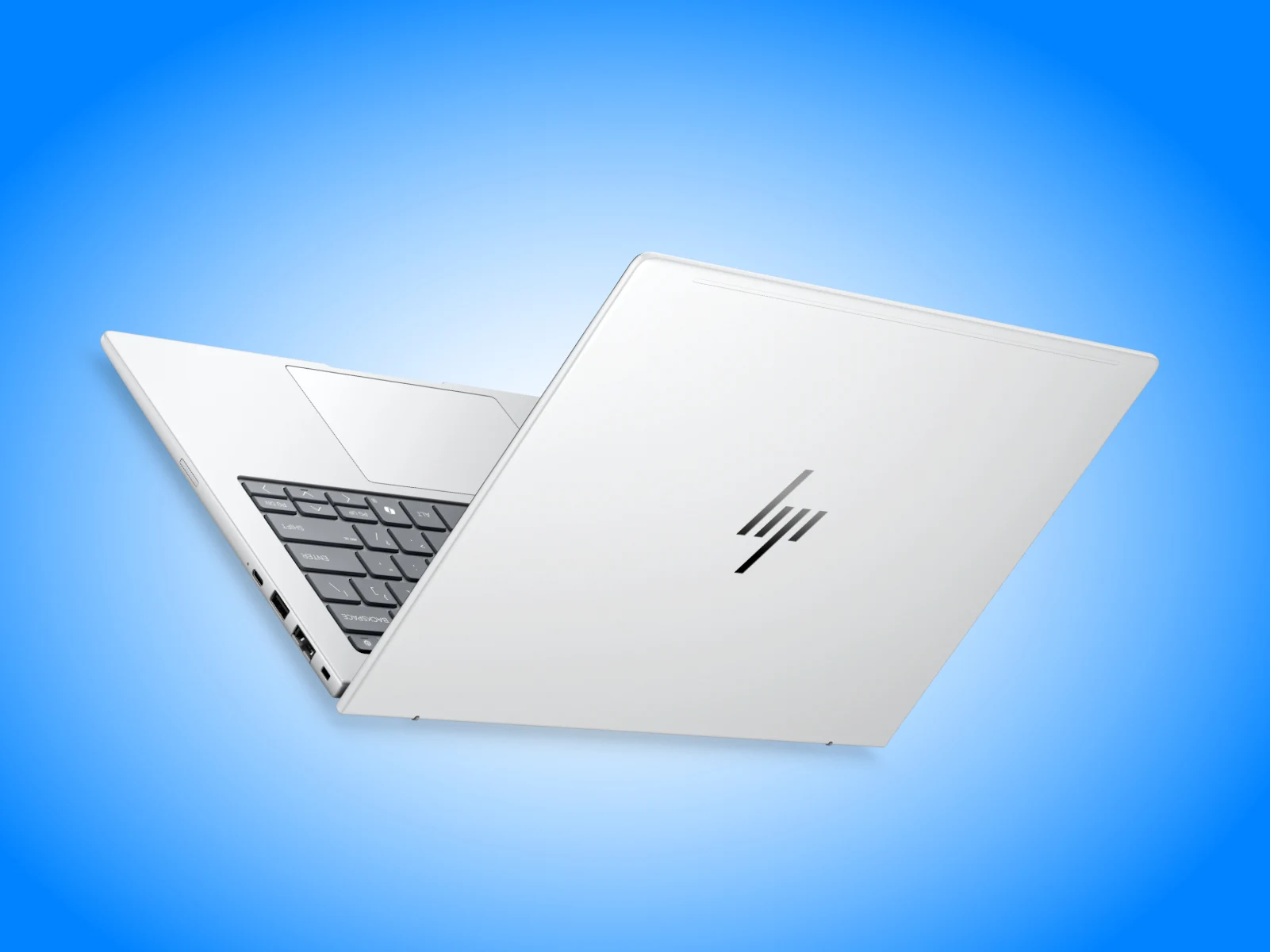
    HP 14-Inch Laptop Launches Globally: 800 Nit Display, 32GB RAM

    Key Takeaway

    – HP EliteBook 8 G2i 14 now on sale in Europe, starting at £1,348 / €2,251.
    – Available with Intel Core Ultra 5 and Core Ultra 7 (Panther Lake) processors.
    – Core Ultra 7 355 is the only configuration offering up to 32 GB of RAM.
    – 1200p display standard; 800-nit options exist, but 1600p 120 Hz VRR panel is not yet available.
    – No confirmed release date for other markets, including the US.


    New EliteBook 8 Models Appearing

    HP continues to quietly release its latest batch of EliteBook 8 laptops. Presented almost three months ago, the EliteBook 8 G2 range is already available in 13-inch and 13-inch convertible forms with Intel Panther Lake processors. Based on the company’s March announcement, a total of six models will be are coming.

    14-Inch Variant Hits Europe

    Now, HP has started selling the EliteBook 8 G2i 14 across Europe. For context, the new 14-inch laptop replaces the Arrow Lake-based EliteBook 8 G1i ($1,475), rather than the AMD counterpart we reviewed in October 2025. Nonetheless, a new AMD model is on its way to receiving a global release too.

    Pricing and Configuration Details

    In the meantime, the EliteBook 8 G2i 14 starts at around £1,348 in the UK with a Core Ultra 5 325 processor, 16 GB of RAM, 256 GB of storage and a 1200p display backed by a 68 Wh battery. In comparison, HP has priced this configuration at €2,251 in the Eurozone. However, only a Core Ultra 7 355-powered SKU, priced at over €200 more, is orderable at the time of writing.

    UK Options and Display Choices

    Alternatively, the EliteBook 8 G2i 14 is available in the UK with the Core Ultra 5 335. Only the Core Ultra 7 355 is configurable with up to 32 GB of RAM, though. Also, HP sells its new 14-inch laptop with 800-nit displays in some instances, too. Unfortunately, a promised 120 Hz VRR panel with a 1600p resolution is yet to materialise. Likewise, it is unclear when HP will begin selling the EliteBook 8 G2i 14 in other markets, such as the US.

    • Core Ultra 5 325 with 16 GB RAM, 256 GB storage, 1200p display starts at £1,348 (UK) or €2,251 (Eurozone)
    • Core Ultra 7 355 SKU costs over €200 more in the Eurozone
    • Core Ultra 5 335 option available in the UK
    • Only Core Ultra 7 355 can be configured with up to 32 GB RAM
    • 800-nit display avalible in some configurations
    • 120 Hz VRR 1600p panel not yet released

    Future Availability

    Likewise, it is unclear when HP will begin selling the EliteBook 8 G2i 14 in other markets, such as the US. Nonetheless, a new AMD model is on its way to receiving a global release too, so consumers in other regions may have to wait a little longer for the full range.


  • Save 20% on AMD Ryzen 7 Mini PC with Amazon Prime Deal

    Save 20% on AMD Ryzen 7 Mini PC with Amazon Prime Deal

    Key Takeaway

    – 20% discount on Geekom A6 (16GB RAM, 1TB storage) from June 9-21; $479 for Prime members, $519 for regular buyers
    – Use code NCGKA620 to activate the deal; Geekom guarantees it beats Amazon Prime pricing or refunds double the difference
    – Powered by AMD Ryzen 7 6800H with Radeon 680M, suitable for office work, light gaming, and creative tasks
    – Upgradeable RAM (up to 64GB) and storage (up to 4TB) in a compact, Vesa-mountable aluminum chassis
    – Robust connectivity: dual USB4/Type-C, HDMI 2.0, 2.5Gb Ethernet, SD card slot, Wi-Fi 6E, Bluetooth 5.2


    Geekom A6 Mini PC Gets a Hefty Price Cut

    The brand Geekom has become almost a household name in the mini PC space, and the A6, one of the brand’s popular models, it has been discounted by 20% on Amazon and Geekom’s own online shop. From June 9 to June 21, the Geekom A6 —with 16 GB of RAM and 1 TB of storage — will cost $479 for Amazon Prime members or $519 for regular buyers. Meanwhile, there is a 512 GB storage version available for a discounted price of $479 on the Geekom store, and the 1 TB version will cost the same $519.

    How to Claim This Discount

    Buyers looking to take advantage of the deal will need to use the code NCGKA620 to get the discount, and Geekom guarantees that the deal will be lower than the upcoming June Amazon Prime pricing for the same mini PC. In the event that the Amazon Prime price is lower, Geekom will refund double the price difference between the two prices. I think this is a really good safety net for people who are on the fence.

    Performance and Hardware Specs

    The Geekom A6 is a compact mini PC powered by the AMD Ryzen 7 6800H and its Radeon 680M, both of which make it a versatile all-round office and home PC that’s even capable of running some games, creative programs, or video editing tasks on the side. The AMD Ryzen 7 6800H in the A6 is backed up by 16 GB of dual-channel DDR5 RAM and 1 TB of PCIe Gen4 storage, and the storage and RAM are both upgradeable, with up to 64 GB of memory and 4 TB of storage supported.

    Chassis, Cooling, and Connectivity

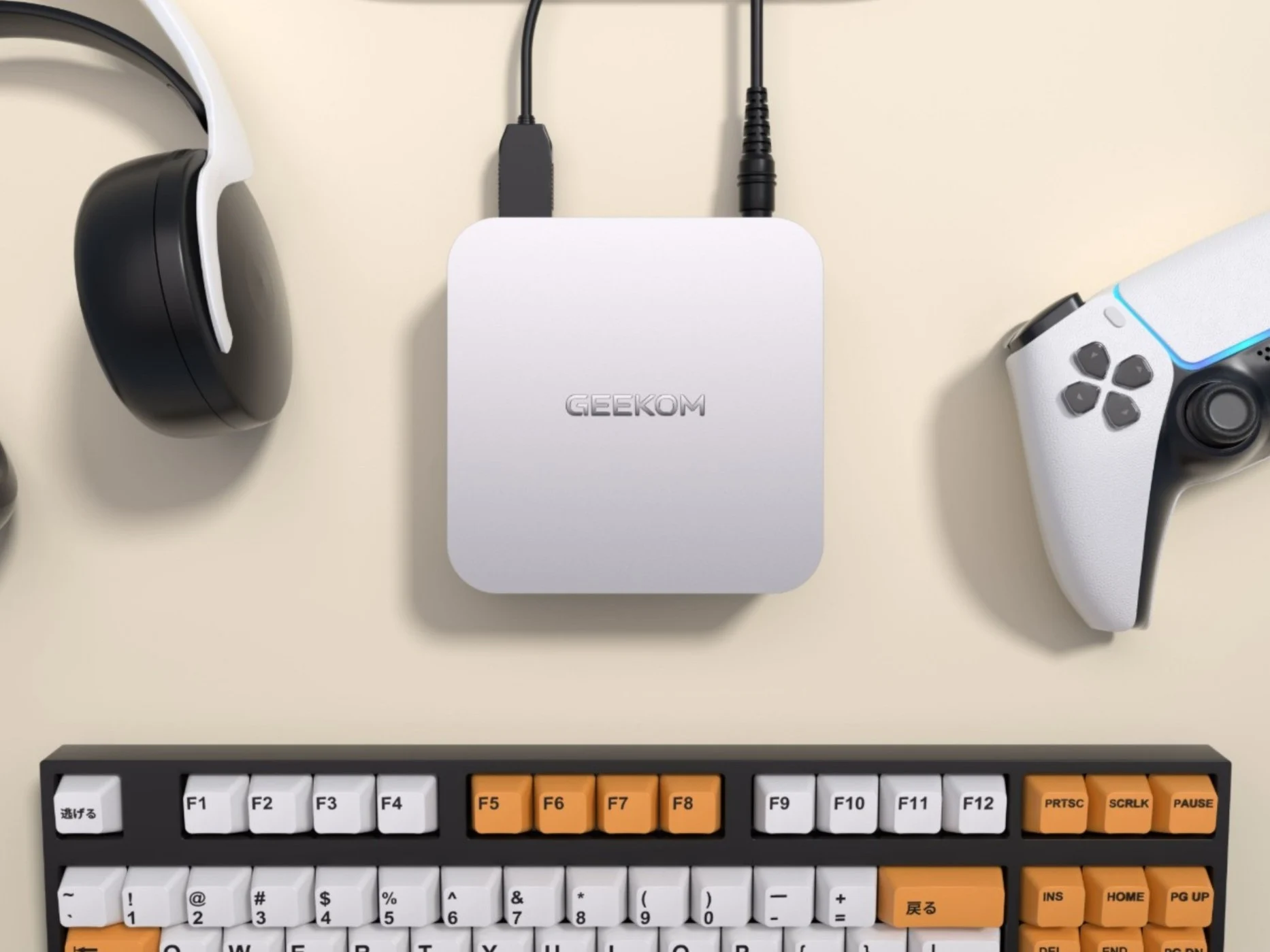
    The A6 boasts an aluminium chassis that measures in at just 11.2 cm × 11.2 cm and 3 cm thick, but despite the small form factor, Geekom has not compromised on ports or performance. The case also has support for an optional 100 × 100 mm Vesa mount for mounting the mini PC to the back of a monitor for a cleaner desktop setup. The internal cooling system is capable of cooling the 8-core, 16-thread Ryzen 7 6800H’s full 45 W.

    The front I/O consists of 2× USB 3.2 Gen2 Type-A ports and a 3.5 mm headphone jack, while the rear features an HDMI 2.0 port, a 2.5 Gb RJ45 port, a USB 2.0 Type-A port, a USB 3.2 Gen2 Type-A port, a full-speed USB4 Type-C port, and a USB 3.2 Gen2 Type-C port, in addition to the DC power in. The left side of the mini PC also houses a full-size SD card slot for media transfer from devices like cameras. Between the HDMI and USB-C ports, the Geekom A6 can drive up to four 4K displays at the same time for optimum productivity.

    Wireless Features and Final Offer

    If wireless connectivity is more your speed, the Geekom A6 also supports Bluetooth 5.2 and Wi-Fi 6E, making it excellent for peripherals and file transfers as well. It’s a pretty neat little package when you think about all the things it can do. Use the discount code NCGKA620 to get 20% off the Geekom A6, with all its performance and charm, on Amazon or the Geekom online shop before June 21.


    Sources
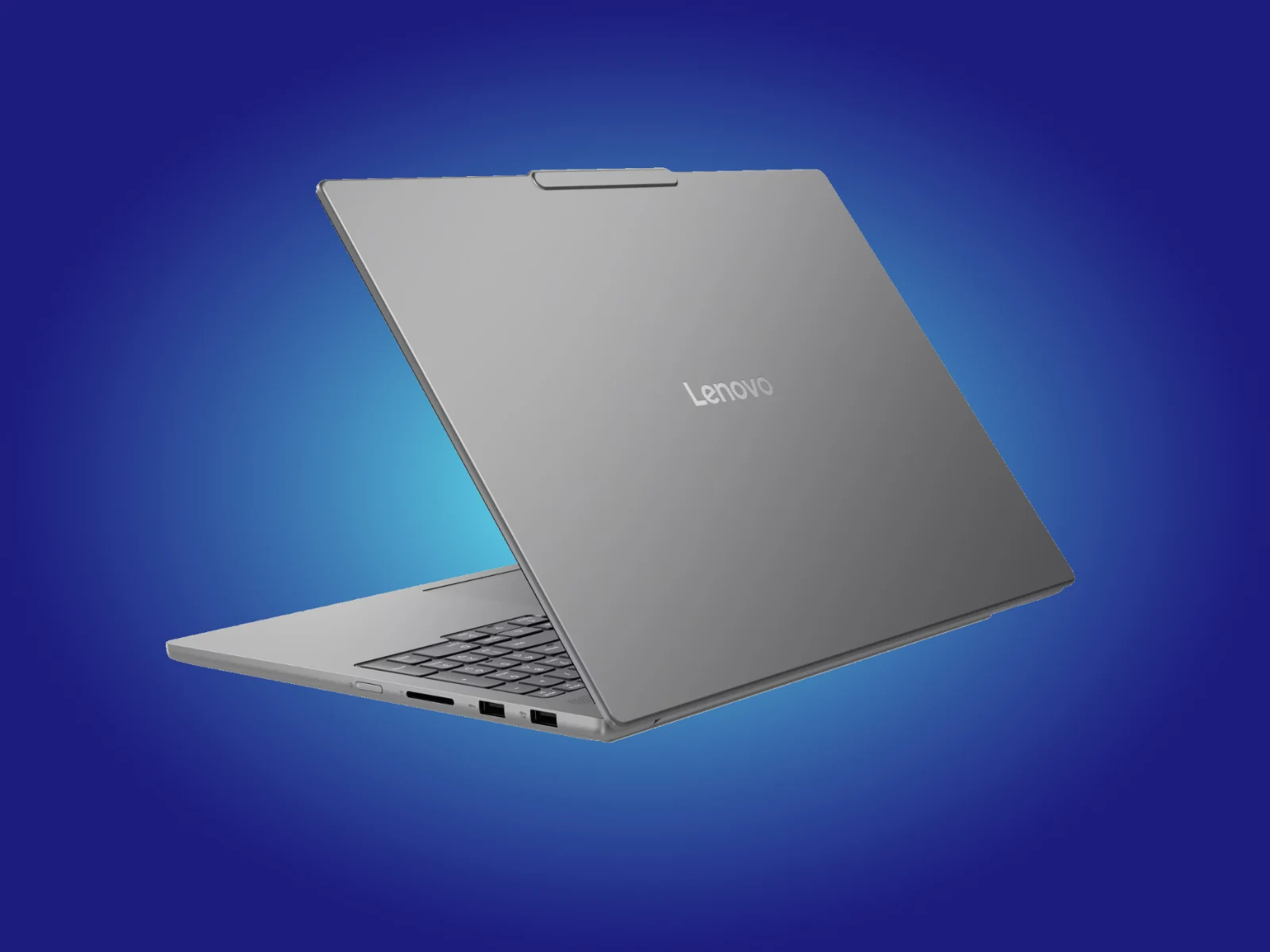
  • Lenovo ThinkPad 14″ Laptop Global Launch: 120 Hz VRR, Intel Panther Lake

    Lenovo ThinkPad 14″ Laptop Global Launch: 120 Hz VRR, Intel Panther Lake

    Key Takeaway

    – ThinkPad E14 Gen 8 upgrades to Intel Panther Lake processors (Gen 7 used Lunar Lake).
    – Entry-level CPU (Core Ultra 5 322) is slower than last gen’s Core Ultra 5 228V, but stronger options like Core Ultra 7 355 are available.
    – Supports up to 32 GB user-upgradeable RAM, dual SSD slots, and choice of 48 Wh or 64 Wh batteries.
    – Default display is 1200p/60 Hz/400 nits at 45% NTSC; optional upgrade to 1800p/120 Hz/500 nits with 100% sRGB.
    – Pricing starts at $1,399 in the US, £1,500 in the UK, and €1,419–€1,789 in the Eurozone.


    Lenovo ThinkPad E14 Gen 8 Goes Global with Intel

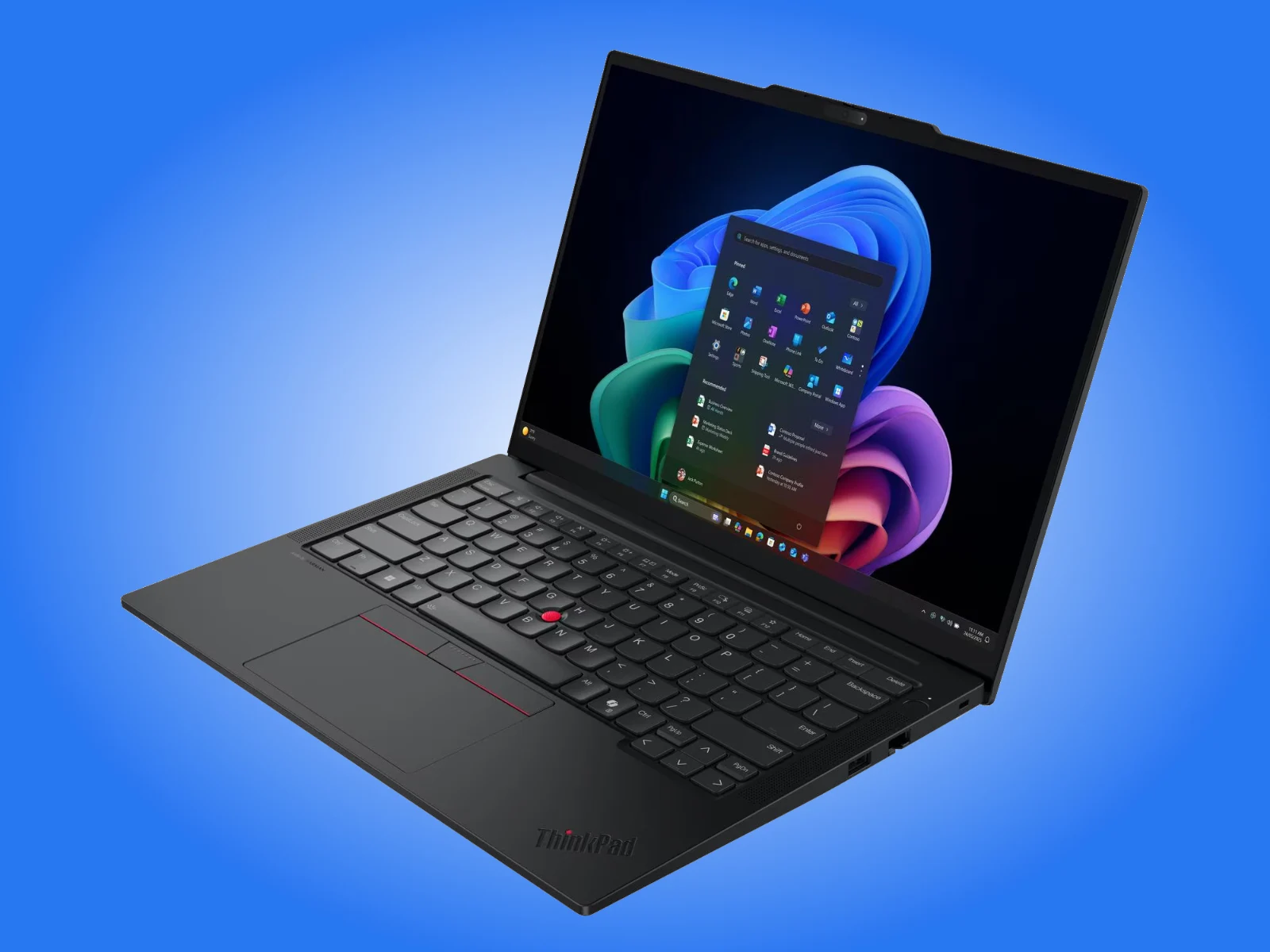
    Lenovo has finally released the ThinkPad E14 Gen 8 globally featuring Intel processors. For context, Lenovo launched Gen 7 models last year with Lunar Lake processors. Incidentally, these surpassed their AMD Hawk Point-based counterparts in several areas. By contrast, the ThinkPad E14 Gen 8 jumps to Intel’s newer Panther Lake platform.

    Processors, Memory and Storage Options

    Currently, the 14-inch laptop starts with the Core Ultra 5 322, a 6-core processor that trails the Core Ultra 5 228V in our ThinkPad E14 Gen 7 review unit. However, the ThinkPad E14 Gen 8 can be configured with the more powerful Core Ultra 5 325, Core Ultra 5 336H, Core Ultra 7 355 and Core Ultra 7 356H. Moreover, 32 GB of RAM and 512 GB or 1 TB of storage is available, rather than the 16 GB of RAM and 256 GB of storage that feature in entry-level SKUs.

    Please note that the ThinkPad E14 Gen 8 supports user-upgradeable RAM and has two SSD slots. Also, the laptop can be configured with 48 Wh or 64 Wh batteries and plastic or aluminium base covers. All versions will ship in an Eclipse Black finish, though.

    Display Configurations and Pricing Details

    Setting that aside, Lenovo equips the ThinkPad E14 Gen 8 with a 1200p and 60 Hz IPS display by default that peaks at 400 nits with 45% NTSC colour space coverage. Alternatively, Lenovo sells a 1800p IPS panel with a 120 Hz variable refresh rate, 500 nits peak brightness and 100% sRGB colour space coverage.

    Regional Pricing Breakdown

    Pricing starts at £1,500 in the UK and €1,419-€1,789 in the Eurozone. Meanwhile, the ThinkPad E14 Gen 8 costs at least $1,399 in the US. Lenovo France, Germany, Ireland & UK

    • Core Ultra 5 322 processor (6-core)
    • Up to 32 GB user-upgradeable RAM
    • 512 GB or 1 TB storage options
    • 48 Wh or 64 Wh battery choices
    • 1200p 60 Hz or 1800p 120 Hz displays
    • Eclipse Black finish only


  • Lenovo 17-Inch Laptop Gets Global Launch: 32GB RAM, Intel Wildcat Lake

    Lenovo 17-Inch Laptop Gets Global Launch: 32GB RAM, Intel Wildcat Lake

    Key Takeaway

    – Intel Wildcat Lake chips are powering new Windows laptops, many initially exclusive to China.
    – Lenovo’s IdeaPad Slim 3i 17IWC11 (17-inch, 2.03 kg) has expanded to Europe from £799/€799.
    – Base model includes 8 GB RAM, 256 GB storage, and a Core 3 304 processor (5-core).
    – Configurable up to Core 7 350, 32 GB RAM, 1 TB SSD, and 60 Wh battery (max £1,669).
    – All variants feature a 1080p, 300-nit IPS display with 72% NTSC color coverage.


    Windows OEMs Adopt Intel’s Wildcat Lake

    In recent weeks, various Windows OEMs have been putting Intel’s Wildcat Lake platform to use inside MacBook Neo competitors. As it stands, many of these are exclusive to China, such as the HP StarBook Plus 14 that debuted in late May. The same is the case with Lenovo, which updated its Lecoo Air range in May with multiple Wildcat Lake-powered options.

    Lenovo IdeaPad Slim 3i 17IWC11 Launch

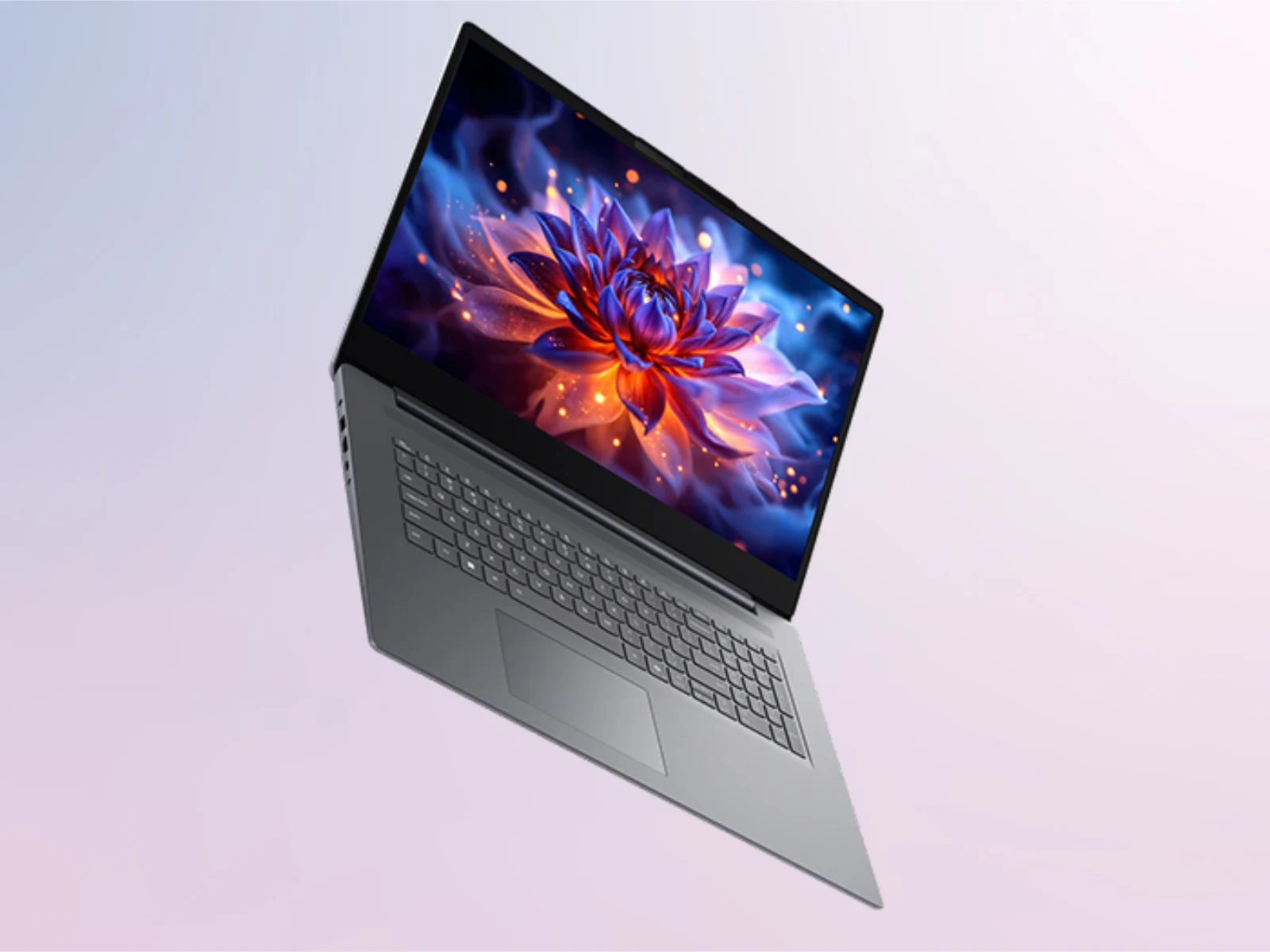
    Additionally, the company created the IdeaPad Slim 3i 17IWC11, a 2.03 kg laptop that is now available in more countries. Previously, Lenovo sold the laptop in East Asia and Southeast Asia. However, the company has now expanded availability to Europe with £799 and €799 starting prices.

    Currently, these prices include 8 GB of RAM, 256 GB of storage and the Core 3 304, a 5-core processor that should perform about as well as quad-core Zen 4 processors like the Ryzen 3 210. Lenovo offers the IdeaPad Slim 3i 17IWC11 with the more powerful Core 5 315, Core 5 320 and Core 7 350, though. Also, 16 GB or 32 GB of DDR5-5600 RAM is available from the factory, as is 512 GB or 1 TB of M.2 2242 storage.

    Configuration and Display Details

    Moreover, Lenovo’s new 17-inch laptop can be configured with 50 Wh or 60 Wh batteries and in Cosmic Blue or Luna Grey finishes. All SKUs ship with a 300 nit and 60 Hz IPS display though, which resolves at 1,920 x 1,080 pixels with 72% NTSC colour space coverage. Please note that pricing rises to £1,669 for a fully configured unit with a Core 7 350 processor, 32 GB of RAM, a 1 TB SSD, a 60 Wh battery and other optional extras.

    • Core 3 304: 8GB RAM, 256GB storage, £799/€799
    • Optional processors: Core 5 315, Core 5 320, Core 7 350
    • RAM options: 16GB or 32GB DDR5-5600
    • Storage options: 512GB or 1TB M.2 2242
    • Battery options: 50Wh or 60Wh
    • Colours: Cosmic Blue, Luna Grey
    • Display: 300 nit, 60 Hz, 1920×1080, 72% NTSC
    • Max price: £1,669 for fully configured unit


  • Lenovo unveils 16-inch laptop: 1100-nit OLED, 105W GPU

    Lenovo unveils 16-inch laptop: 1100-nit OLED, 105W GPU

    Key Takeaway

    – Global release of IdeaPad Pro 5i 16IPH11 is now live in UK and Eurozone after delays.
    – Only available with Core Ultra 7 356H in Europe; US also gets the more powerful Core Ultra 9 386H.
    – Fixed specs: 32GB RAM, 1TB SSD, 84Wh battery, RTX 5050 (105W TGP), and 1800p 120Hz OLED display.
    – Pricing starts at £2,500 in UK and €2,569–€2,900 in Eurozone.
    – Connectivity options vary: Wi-Fi 6/BT 5.3 or Wi-Fi 7/BT 5.4 depending on configuration.


    The IdeaPad Pro 5i 16IPH11 has finally received a global release

    Replacing the older IdeaPad Pro 5i 16IAH10 in the process. To recap, Lenovo announced its new 16-inch laptop in January during CES 2026. Then in March, Lenovo began selling the laptop in certain markets, despite claiming there would be no availability before April.

    Fast forward to June and the IdeaPad Pro 5i 16IPH11 has finally reached the UK and the Eurozone

    Configuration options are rather limited for the time being, though. Currently, the laptop is only available with the Core Ultra 7 356H, a 16-core processor featuring a 4-core Xe3 iGPU from Intel’s Panther Lake family. By contrast, the US and other markets have also received the more powerful Core Ultra 9 386H.

    Likewise, the IdeaPad Pro 5i 16IPH11 is only available in Europe with 32 GB of LPDDR5X-8533 RAM

    A 1 TB M.2 2242 SSD and an 84 Wh battery. Moreover, the 16-inch laptop comes with an Nvidia GeForce RTX 5050 laptop GPU with a 105 W TGP at its disposal. Also, Lenovo includes a 1800p and 120 Hz VRR OLED display with 500 nits SDR and 1,100 nits HDR peak brightness values.

    As it stands, Lenovo offers the IdeaPad Pro 5i 16IPH11 with a choice between Wi-Fi 6 and Bluetooth 5.3 or Wi-Fi 7 and Bluetooth 5.4 connectivity in Europe

    Pricing starts at £2,500 in the UK with a Windows 11 Home licence. Meanwhile, the 16-inch laptop starts at €2,569-€2,900 in the Eurozone, depending on from where you order it.


  • AMD RDNA 5 Gaming GPUs Launch Possibly Delayed to 2028

    AMD RDNA 5 Gaming GPUs Launch Possibly Delayed to 2028

    Key Takeaway

    – AMD Radeon RX 9070 and 9070 XT launched spring 2025, followed by a DRAM crisis.
    – No RDNA 5 gaming GPUs expected until 2027–2028, a three-year gap from the RX 9070 XT.
    – Traditional two-year GPU launch cycle is obsolete.
    – High demand from AI companies (OpenAI) prioritizes profitable server chips over gaming GPUs.
    – Global chip production overload delays new gaming hardware.


    Next-Gen AMD Gaming GPUs Delayed to 2027

    The AMD Radeon RX 9070 and Radeon RX 9070 XT were launched in spring 2025, only shortly after Nvidia GeForce RTX 5000. In the second half of 2025, the DRAM crisis hit and not only drove up the prices of RAM, SSDs and graphics cards, but also caused the cancellation of Nvidia GeForce RTX 5000 Super. It seems that gaming enthusiasts will also have to wait a while longer for the next generation of AMD graphics cards.

    Board Partners Speak at Computex

    Tweakers spoke to several board partners who sell AMD Radeon desktop graphics cards at Computex in Taiwan. Some board partners expect the first gaming graphics cards based on the AMD RDNA 5 architecture to ship in the second or third quarter of 2027, while others said they are more likely to ship in late 2027 or early 2028. This means that there could be three years between the launch of the Radeon RX 9070 XT and its successor.

    Traditional Launch Cycles Are Over

    The usual launch cycle, in which graphics cards are first launched on the market, followed by a refresh a year later and a successor two years later, is therefore a thing of the past. The reason for the delays is the extremely high demand for chips and DRAM from AI giants such as OpenAI – selling expensive server processors and GPUs brings more profit, and as global production capacities for computer chips are currently overloaded, it hardly makes sense for companies such as Nvidia and AMD to bring “cheap” gaming products onto the market and no longer produce as many expensive server chips.


    Sources
  • Nvidia RTX 50 Super Series Launch Tipped for Later Date

    Nvidia RTX 50 Super Series Launch Tipped for Later Date

    Key Takeaway

    – RTX 50 Super series now rumored for CES 2027 unveiling, despite earlier expectations of a 2026 or even 2025 launch.
    – Recent reports have been contradictory, with some claiming a Q3 2026 release and others denying a 2026 arrival.
    – Leaked models include RTX 5060 Super (12 GB), 5070 Super (18 GB), 5070 Ti Super (24 GB), and 5080 Super (24 GB).
    – The Super lineup will use new 3 GB GDDR7 memory chips, already seen in laptop RTX 5070 and RTX 5090.
    – Nvidia prioritized AI and datacenter products over gaming GPUs, delaying the Super series release.


    Nvidia’s RTX 50 Super Series: New CES 2027 Rumour Emerges

    There has been a lot of back and forth about when Nvidia’s ‘Super’ version of the RTX 50 GPU’s will come out, with different sources giving conflicting release windows. A fresh report from a Chinese publication called Benchlife is now claming these graphics cards will be unveiled at CES 2027, even though previous stories were still saying we might see them as early as late 2026. The information seams to come from industry insiders, but Benchlife hasn’t stated who exactly their source is.

    According to the report, the RTX 50 Super series is set to be announced during the CES 2027 event, which usualy takes place in early January. This is a big shift from earlier expectations, where many thought Nvidia would reveal the cards at CES this year, but that never materialized. Instead, the company decided to focus their efforts on AI and datacenter products, leaving gamers waiting for a proper update to their high-end lineup.

    Contradictory Timelines and Launch Dates

    Back in February of this year, a different report suggested that the RTX 50 Super cards wouldn’t be arriving at all in 2026. Then just a few days later, another story cited a Q3 2026 launch date for at least one model in the Super lineup. Because there has been so much contradictory information floating around about the launch window, scepticism about the latest Benchlife rumor is completly justified. It’s hard to know what to belive at this point.

    For now, leaks and rumors about the RTX 50 Super cards are sugesting that there will be several new models. These includes an RTX 5060 Super with 12 GB VRAM, an RTX 5070 Super with 18 GB, an RTX 5070 Ti Super with a full 24 GB, and an RTX 5080 Super also with 24 GB of memory. All of these cards are expected to be based on the new 3 GB GDDR7 memory chips, which are already present in the current laptop RTX 5070 with 12 GB VRAM and the laptop RTX 5090 with 24 GB VRAM.

    Memory and Specification Details

    All these upcoming Super GPUs will leverage the 3 GB GDDR7 memory modules, which is a key upgrade over the standard 2 GB chips used in earlier generations, and this allows for higher VRAM capacities without needing more physical memory slots on the board. This is similar to the technology Nvidia already used in their mobile RTX 5070 and RTX 5090 laptop chips. It means that even the mid-range RTX 5060 Super will get a decent memory boost, making it more suitable for modern games and higher resolutions.

    Sources
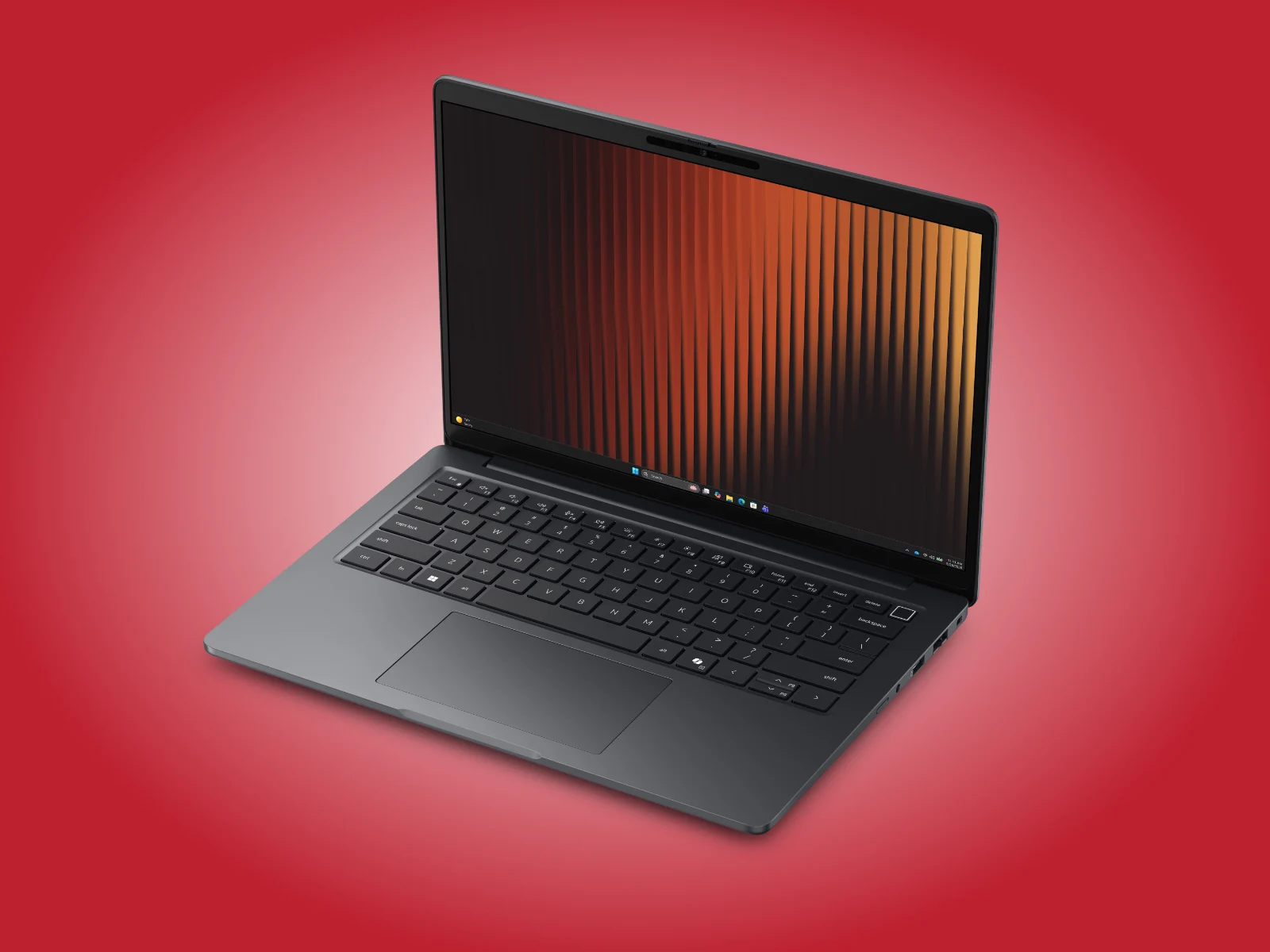
  • Dell launches 14-inch laptop globally with 120Hz VRR and AMD Zen 5

    Dell launches 14-inch laptop globally with 120Hz VRR and AMD Zen 5

    Key Takeaway

    – Dell Pro 3 Series 14 (P314265) uses AMD Ryzen AI 400, outperforming Intel alternatives.
    – Configurable with Ryzen AI 5/7 Pro processors, up to 64 GB DDR5-5600 RAM.
    – Storage and connectivity options: PCIe Gen 4/5 SSDs, Wi-Fi 6E or Wi-Fi 7.
    – Battery choices: 45 Wh, 57 Wh, or 70 Wh, with Long Life Cycle options.
    – Display limited to 1200p IPS (no touchscreen); only one panel reaches 500 nits with 120 Hz VRR.


    Dell Has Rounded Off Its Pro 3 Series

    Dell has rounded off its Pro 3 Series with a new 14-inch model. To recap, the company introduced an Intel alternative in May alongside multiple other Wildcat Lake-powered Pro laptops. By contrast, the Pro 3 Series 14 (P314265) adopts AMD’s more powerful Ryzen AI 400 platform, which should help it outshine the Pro 14 Plus PB14255 we reviewed in January.

    Specific Configuration Options

    Specifically, the P314265 can be configured with the Ryzen AI 5 Pro 435, Ryzen AI 7 450 or the Ryzen AI 7 Pro 450. According to our benchmarks, even the entry-level Ryzen AI 5 Pro 435 surpasses the performance of Dell’s Intel-powered alternatives. Additionally, these AMD processors can be complemented with 16 GB, 32 GB or 64 GB of DDR5-5600 RAM running in dual-channel mode.

    Moreover, Dell offers its new 14-inch laptop with PCIe Gen 4 or PCIe Gen 5 SSDs and Wi-Fi 6E or Wi-Fi 7 modems. On top of that, one can equip 45 Wh, 57 Wh or 70 Wh batteries with dedicated Long Life Cycle options. Currently, the P314265 only comes with 1200p IPS display options. All lacking a touchscreen layer too, only one panel reaches 500 nits and supports a 120 Hz variable refresh rate. In comparison, Dell’s other three options peak at 400 nits with a 60 Hz refresh rate.

    Pricing and Availablity

    The P314265 starts at £1,472 in the UK and €1,654-€1,728 in the Eurozone before delving into Dell’s configurator. Meanwhile, Dell requires those in Australia to call to place an order. Currently, the P314265 is unavailable in North America, although pricing should start at $1,799 in the US and CAD 2,299 in Canada. Please see Dell’s website for more details.

    Global Market Details

    Dell Australia, France, Germany, Ireland & UK

    • Ryzen AI 5 Pro 435, Ryzen AI 7 450, or Ryzen AI 7 Pro 450
    • 16 GB, 32 GB, or 64 GB DDR5-5600 RAM
    • PCIe Gen 4 or Gen 5 SSDs
    • Wi-Fi 6E or Wi-Fi 7
    • 45 Wh, 57 Wh, or 70 Wh batteries
    • 1200p IPS display (one 500-nit 120 Hz; others 400-nit 60 Hz)