Category: Computers

  • Mac Studio with M5 Ultra set for WWDC debut

    Mac Studio with M5 Ultra set for WWDC debut

    Key Takeaway

    – iOS 27, iPadOS 27, macOS 27, and watchOS 27 are expected to be announced at WWDC 2026.
    – A new Mac Studio with an Apple M5 Ultra chip is likely to be revealed.
    – The M5 Ultra is rumored to have 36 processor cores and 84 GPU cores (though GPU specs may be inaccurate).
    – It may support up to 512 GB of RAM with over 1,000 GB/s memory bandwidth, making it ideal for AI applications.


    The opening event of the World Wide Developers Conference (WWDC) 2026 begins shortly. Apple traditionally uses WWDC to announce major operating system updates, so iOS 27, iPadOS 27, macOS 27 and watchOS 27 are likely to be revealed. Although the updates are not usually released until September, the announcement in June gives developers some time to optimize their apps for the new operating systems.

    New Hardware Rumours and Chip Details

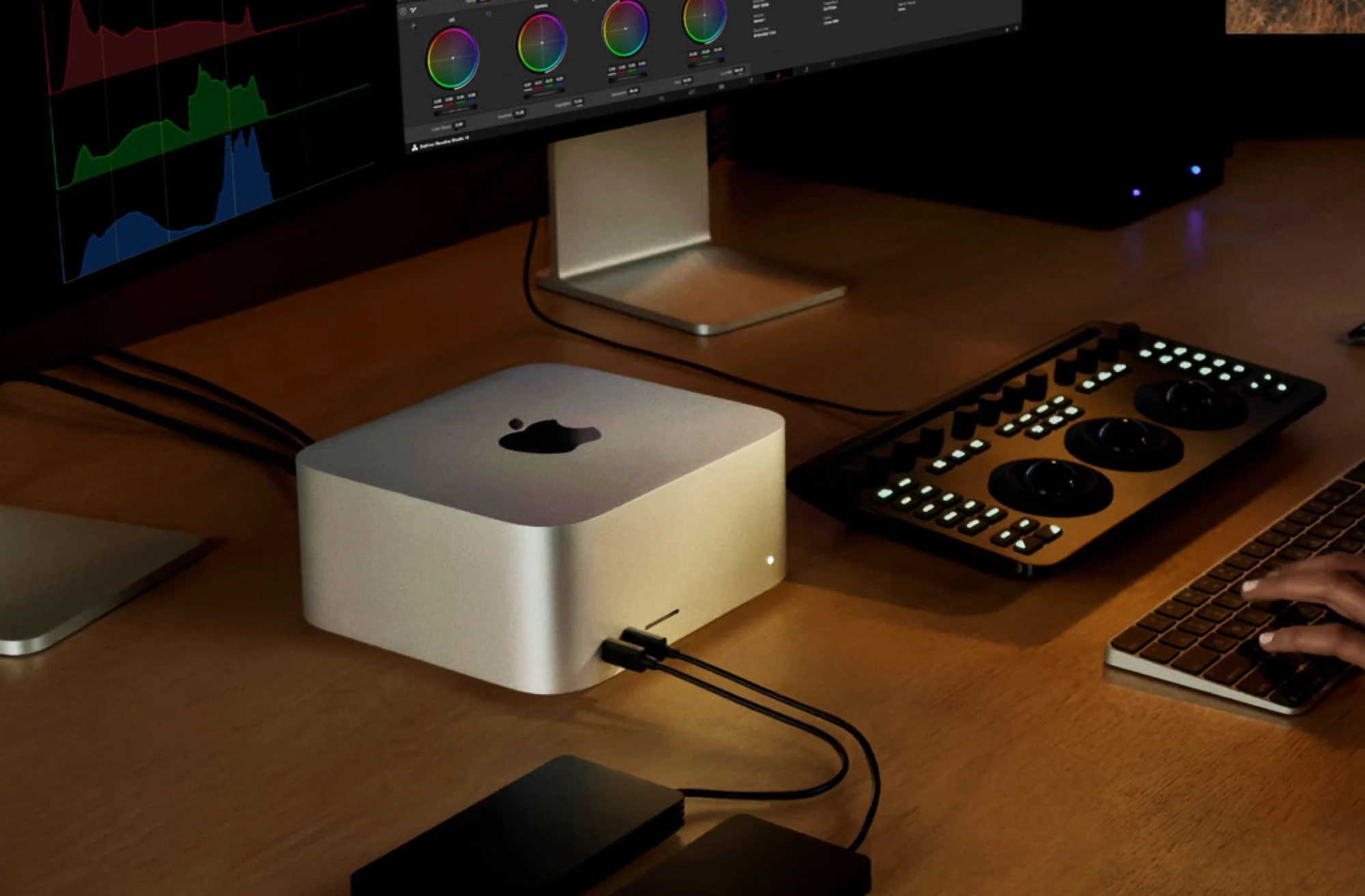
    According to a report by Commercial Times Taiwan, Apple could also announce new hardware, namely a new Mac Studio. The compact desktop computer was previously available either with the Apple M4 Max, or with the older but more powerful Apple M3 Ultra. The top model therefore offers 32 processor cores and a graphics chip with 80 cores.

    Apple M5 Ultra Specifications

    The Apple M5 Ultra, on the other hand, is said to fuse two Apple M5 Max and thus offer 36 processor cores. The Commercial Times reports that the GPU offers 84 cores, but the M5 Max has a maximum of 40 GPU cores, so this information should be viewed with caution.

    The chip is to be offered with up to 512 GB of RAM, which can be accessed by both the processor and the graphics chip, and which is to achieve a memory bandwidth of over 1,000 GB/s. This would make the Apple M5 Ultra perfect for AI applications, offering significantly more RAM than AMD Ryzen Strix Halo or Nvidia DGX Spark or RTX Spark.
    Sources
  • Apple MacBook Pro Becomes the Bargain Laptop Option

    Apple MacBook Pro Becomes the Bargain Laptop Option

    Key Takeaway

    – Apple MacBook Pro offers better build quality, quieter operation, and superior efficiency.
    – MacBook has better value when discounted, often costing less than comparable Windows laptops like the Lenovo Yoga Pro 7i.
    – Yoga excels with its OLED touchscreen, higher refresh rate, and better keyboard, but has glossier display and minor build issues.
    – For gaming and Windows compatibility, the Yoga (with RTX 5060) is preferable; otherwise, the MacBook is stronger overall.
    – Battery life depends on usage: MacBook wins at adjusted brightness; Yoga wins at full brightness.


    Pricing and Specs Comparison

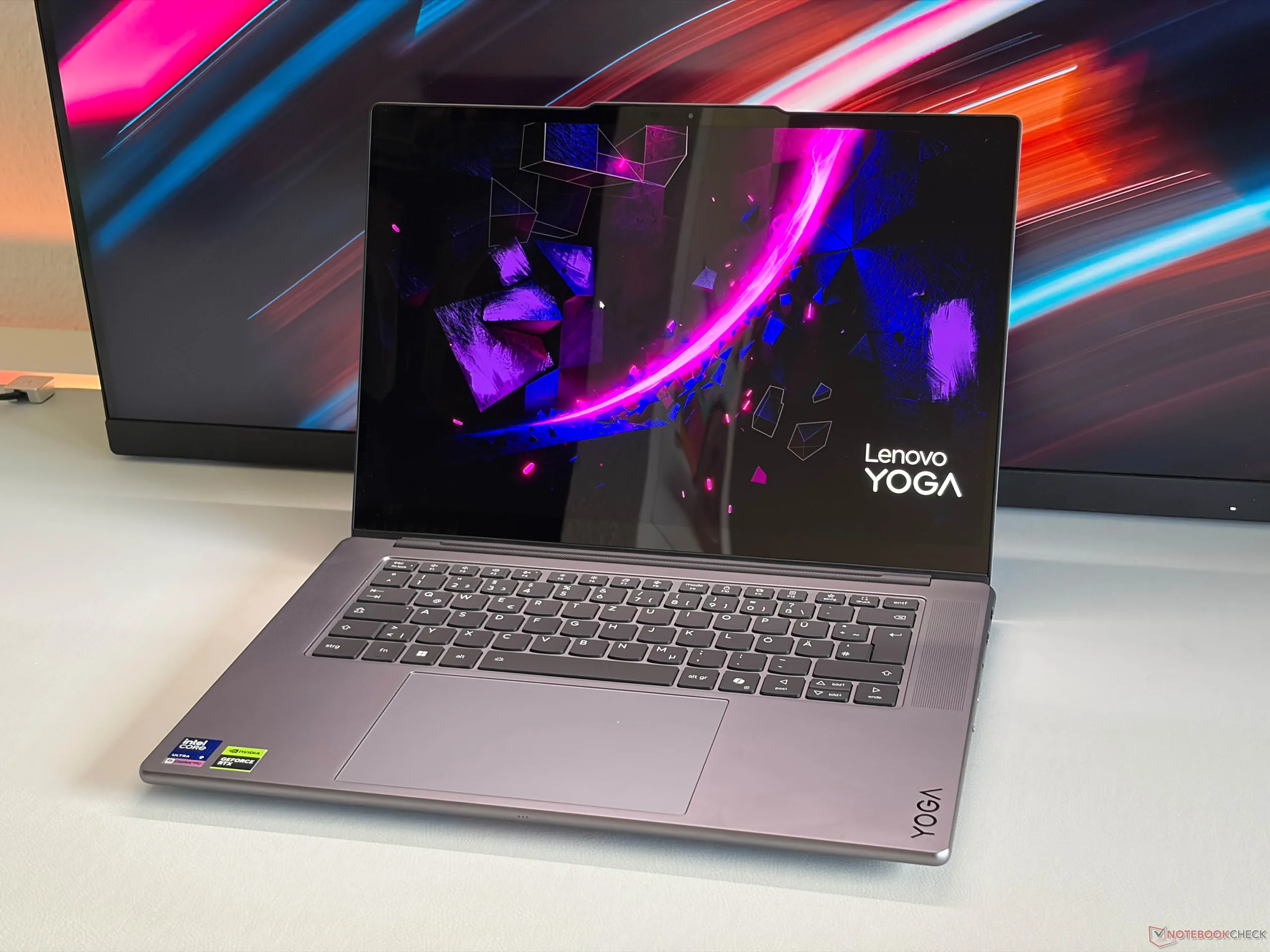
    Apple’s MacBook Pro models are among the best multimedia laptops you can buy and the overall package is still hard to beat. They’re expensive devices specially when you select some options, but preconfigured models which are also sold by other retailers are usually heavily discounted. This is becoming a bigger issue for Windows laptops like the new Lenovo Yoga Pro 7i 15, witch we recently reviewed. In terms of size it is more comparable to the slightly smaller MacBook Pro 14 (the MBP 16 is noticeably larger), which is already available for around $2050 with the M5 Pro, 24 GB RAM and 1 TB SSD. So you really have to think about weather you want to spend around $600 more for the mentioned Yoga, for example.

    Build Quality and Ports

    If you dont want to play games (where the RTX 5060 in combination with the superior selection of games for Windows), the MacBook is better in some respects. This starts with the chassis quality, were our Yoga suffered from some minor creaking sounds from the hinges. The MacBook also offers Thunderbolt 5 ports, whereas the Yoga offers two regular USB-A ports, which are still useful in practise. Its key to note that the MacBooks unibody construction feels more premium overall, while the Yoga’s plastic elements might flex under pressure, though this doesn’t affect daily use significantly.

    Display Panel Differences

    The display situation is a bit more complicated. The Mini-LED panel of the MacBook Pro 14 offers superior brightness results, but the OLED panel of the Yoga does not have to hide, neither in terms of brightness nor color accuracy. It even features a higher refresh rate and you can get a touchscreen, which does not affect the image quality. However it is also super glossy, which is less of a problem on the MacBook Pro (which is even available with a matte panel). For creative professionals, the MacBooks local dimming zones provide better contrast in HDR content, while the Yoga’s OLED delivers perfect blacks in dark enviroments.

    Performance and Efficiency

    In terms of pure CPU performance, the M5 Pro is superior to the Intel Core Ultra 9 386H (Panther Lake), which has a bigger focus on efficiency but does not stand a chance against the M5 Pro (neither performance nor efficiency). The MacBook is also super quiet in everyday situations even in short load situations, where you can hear the fans of the Yoga. The speaker systems are very comparable, but the Yoga has a better keyboard. Then there is the battery runtime, where the MacBook is superior at an adjusted panel brightness, while the Yoga has an advantage at full brightness (but it is also a bit darker). This makes the Yoga a better choice for outdoor use, while the MacBook excels in indoor long-session work.

    Overall Value Proposition

    All in all the devices are comparable and except for the differences in terms of operating system and compatibility issues, Apple offers the better overall package for a lower price. The Yoga provides a touchscreen, higher refresh rate, and USB-A ports for legacy devices, but suffers from fan noise and hinge creaking. Meanwhile the MacBook delivers superior build, Thunderbolt 5, quiet operation, and better battery life in normal conditions. For gamers and Windows users, the Yoga remains a viable option, but for multimedia tasks and productivity, the MacBook Pro 14 wins with its lower entry price of $2050. Consider your software needs before choosing between these two excellent machines.


  • Intel Wildcat Lake Refresh doubles low-cost laptop cores

    Intel Wildcat Lake Refresh doubles low-cost laptop cores

    Key Takeaway

    – Wildcat Lake Refresh will feature up to 4 performance cores and 4 low-power cores, a significant upgrade from the current 2+4 configuration.
    – The fastest Wildcat Lake Refresh processor is expected to outperform the Apple A18 Pro in the MacBook Neo.
    – Despite the performance boost, the iGPU remains limited to 2 Xe3 cores, making the chips unsuitable for gaming.
    – Laptops using current Wildcat Lake processors, like the Dell XPS 13, are lighter than the MacBook Neo with comparable performance.
    – Intel Wildcat Lake Refresh is scheduled for launch in 2027.


    Affordable Laptops Get a Second Wind

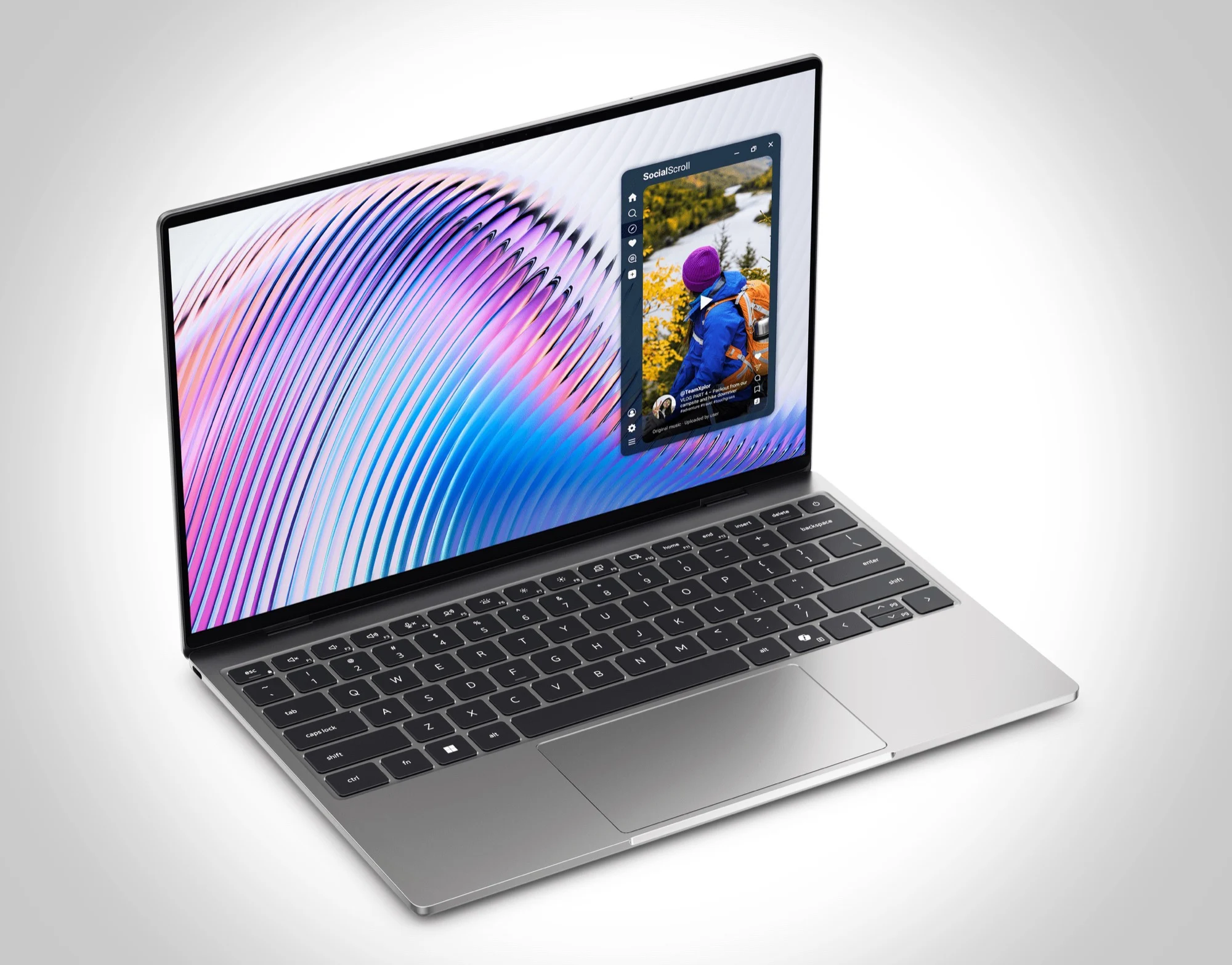
    After the Apple MacBook Neo ($589 on Amazon) made inexpensive laptops with only 8 GB of RAM socially acceptable again, Intel is offering a processor series with Wildcat Lake, which is intended for similarly inexpensive laptops. Models such as the Dell XPS 13 already show that Wildcat Lake can be used to create laptops that are significantly lighter than the MacBook Neo, but still offer comparable performance and significantly better features in some areas, such as the choice of ports or the display’s frame rate.

    Intel’s Wildcat Lake Refresh Is on the Horizon

    According to the latest information from the usually extremely well-informed leaker @jaykihn0, Intel is already developing a new edition of these low-cost laptop processors. Wildcat Lake Refresh is set to be significantly more powerful. Because while the Intel Core 7 350 only offers two performance cores with boost clock speeds of up to 4.8 GHz and four low-power cores with clock speeds of up to 3.6 GHz, Wildcat Lake Refresh is said to offer a maximum of four performance cores and four low-power cores.

    Performance and Graphics Outlook

    If this information is correct, the fastest Intel Wildcat Lake Refresh processor should outperform the Apple A18 Pro in the MacBook Neo, while more expensive chips such as the Apple M5 or the Qualcomm Snapdragon X are likely to remain well ahead of Intel’s low-cost laptop processors. The graphics chip is also unlikely to change much, as Intel will continue to use an iGPU with two Xe3 cores, making the chips unsuitable for gaming. Intel Wildcat Lake Refresh is expected to launch in 2027.

    • Dell XPS 13 already shows lighter design potential
    • Wildcat Lake Refresh: up to 4 performance cores and 4 low-power cores
    • iGPU remains at two Xe3 cores, gaming not a focus
    • Expected launch year: 2027
    Sources
  • HP Mini PC with Nvidia RTX Spark, 128GB RAM, ConnectX-7

    HP Mini PC with Nvidia RTX Spark, 128GB RAM, ConnectX-7

    Key Takeaway

    – HP’s unnamed RTX Spark mini PC features a bold, prototype-level design with unlabeled ports.
    – It includes two proprietary Nvidia ConnectX-7 data-center-grade ports, which may not appear in the final retail version.
    – HP is one of several OEMs that have not published press releases or announced pricing/availability for their RTX Spark mini PCs.
    – The overall marketing and rollout of Nvidia’s RTX Spark mini PCs at Computex 2026 has been lackluster, despite their potential to compete with Apple’s Mac Mini and Mac Studio.


    First Look at HP’s Mysterious New Mini PC

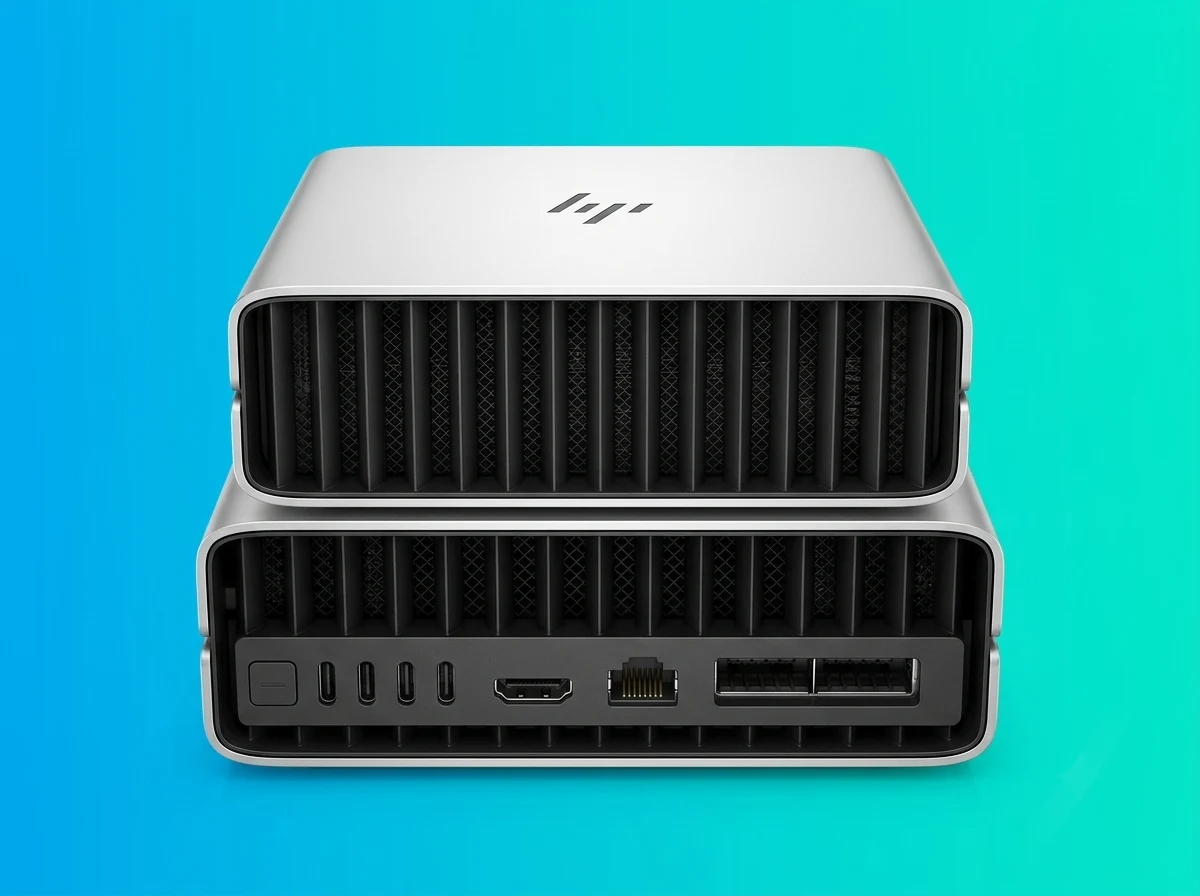
    While the new HP OmniDesk Mini Desktop PC was unveiled as the world’s first “Mini AI PC” to feature Thunderbolt Share, the company’s first RTX Spark-powered mini PC somehow went unnder the radar in the first few days of Computex 2026. However, the wait is now over, as we can reveal hands-on images of HP’s RTX Spark mini PC, which might just have the boldest design of all new Nvidia RTX Spark-powered mini PCs announced at Computex (from Asus, Dell, MSI, and Lenovo).

    The Name is Still a Mystery

    What’s interesting is that HP hasn’t decided on a name yet. As bizarre as it sounds, none of the reports from Computex 2026 mention a name for the mini PC, while HP’s press release for the new OmniBook Ultra 16 and OmniBook X 14 explicitly says the mini PC is indeed on the way but doesn’t share a name for it. On top of that, none of the ports on the PC are labeled, which signals we might be looking at a prototype of the final design.

    Unique Ports and Connectivity

    Speaking of ports, the I/O layout of HP’s RTX Spark mini PC is similar to other RTX Spark mini PCs but, at the same time, it stands out due to the inclusion of two proprietary Nvidia ConnectX-7 ports. Whether the data-center-grade ports will remain on the final retail version of the PC or they are exclusive to the units showcased at Computex remains to be seen. Perhaps HP is planning to launch two completely different RTX Spark mini PCs (and this has something to do with the whole naming mystery).

    The I/O on HP’s RTX Spark mini PC is as follows:

    • 2x Nvidia ConnectX-7 ports
    • Standard USB Type-A and Type-C ports
    • HDMI and DisplayPort outputs
    • Ethernet jack
    • Audio jack

    Pricing and Availability Still Undisclosed

    As the story with all new Nvidia Spark RTX laptops and mini PCs goes, HP is yet to announce pricing and availability for its nameless RTX Spark mini PC. Strangely enough, while the naming mystery stands out, HP is one of several OEMs refusing to publish press releases on their new RTX Spark mini PCs, even though they were officially revealed at Computex 2026.

    All in all, the hardware marketing around Nvidia’s new chips seems to be rather lackluster following Computex 2026. That’s somewhat bizarre considering these new mini PCs (and laptops) are supposed to be game-changing for the prosumer Windows market and even rival Apple’s super-popular Mac Mini and Mac Studio.


  • Best Affordable Gaming Laptop Deal: Lenovo LOQ 17

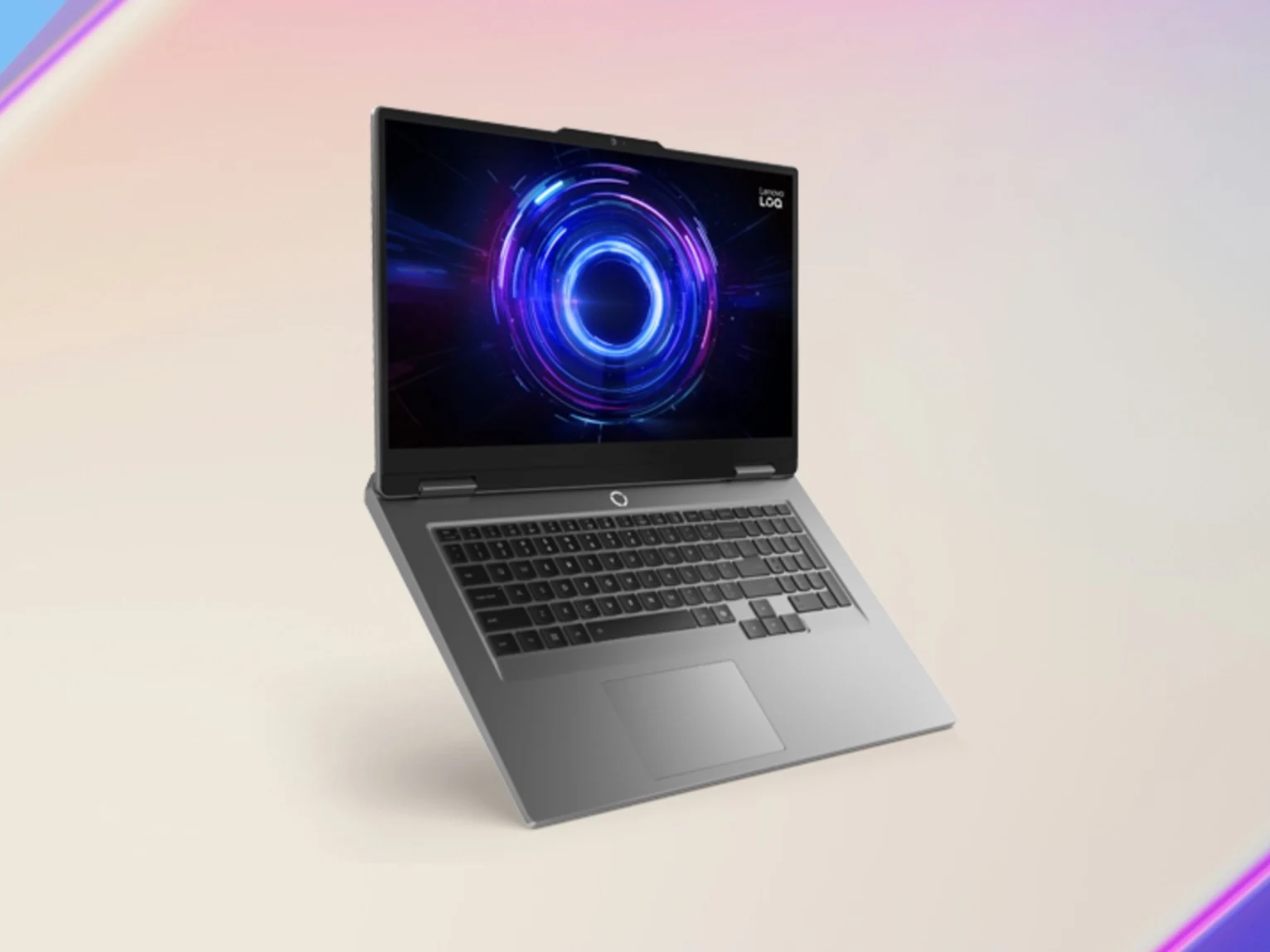
    Best Affordable Gaming Laptop Deal: Lenovo LOQ 17

    Key Takeaway

    – Lenovo LOQ 17 RTX 5050 gaming laptop is on sale for $749 ($381 off) at B&H Photo.
    – Features a 17.3-inch 1080p 165Hz display with 100% sRGB and G-Sync.
    – Equipped with Intel Core i5-13450HX, 12GB RAM, and 512GB storage (upgradable).
    – RTX 5050 with DLSS delivers 60+ FPS in AAA titles at 1080p.
    – Weak battery life (~3 hours) is only a concern for unplugged multimedia use.


    Gaming Laptop Deals in 2026

    Unlike last year, when you could find plenty of affordable gaming laptops with good specifications, 2026 has been a little dry. Sure, there have been some good gaming laptop deals over the past few months, but the market is arguably much worse than 2025. That said, we do still get some decent offers, and the Lenovo LOQ 17 currently on sale at B&H Photo is one such offer.

    Discount and Specifications

    B&H Photo has discounted the Lenovo LOQ 17 Gen 10 gaming laptop by $381. As a result, the RTX 5050-powered laptop is now just $749. The laptop comes with 12 GB of RAM and 512 GB of storage. A $50 upgrade is available for 16 GB of RAM.

    But, you can always update the storage and memory down the line, as the LOQ 17 has two M.2 and two SO-DIMM slots for these upgrades, respectively. Rounding off the insides is an Intel Core i5-13450HX, two 2W speakers, and a 60 Wh battery.

    Display and Webcam

    On the outside, you will find a large 17.3-inch IPS panel with a 1080p resolution, a 165 Hz refresh rate, 100% sRGB coverage, 300 nits of brightness, and a 3 ms response time. The display also supports Nvidia G-Sync. There is also a 5 MP webcam on top of the panel that comes with a privacy shutter.

    Performance Expectations

    You can check out our revuew of the Lenovo LOQ 17 17IRX10. Our unit came with an RTX 5070 and a Core i7-14700HX. So, it was considerably more powerful than the RTX 5050 and the Core i5-13450HX SKU on sale. Our review device will, therefore, give you a good idea about everything other than the performance of the LOQ 17.

    The combination of the 10-core Core i5-13450HX and the RTX 5050 should be plenty enough for 1080p AAA gaming. This is especially true if you use DLSS in titles that support it. Per our testing, the RTX 5050 can deliver, on average:

    • 60 FPS in heavy-hitting AAA titles with DLSS enabled

    Battery Life and Upgrades

    So, if you use DLSS, the RTX 5050 can easily deliver 60 FPS in heavy-hitting AAA titles.

    Finally, we mentioned that the battery life of the Lenovo LOQ 17 was quite weak, coming in at just 3 hours in our WLAN test. This is only a problem if you want to use the LOQ 17 as a multimedia laptop away from the plug. For gamers, this shouldnt be an issue.


    Sources
  • Lenovo Yoga Slim 7x (2026) $330 Off, 32GB RAM, 25hr Battery

    Key Takeaway

    – Lenovo Yoga Slim 7x (2026) is now discounted by $337, priced at $1,362.99
    – Features a Snapdragon X2 Elite X2-80-100, 32 GB RAM, and 1 TB SSD
    – Achieves 25 hours of local video playback and fast charges to 3 hours in 15 minutes
    – Includes a 14-inch OLED display, 70 Wh battery, and 9 MP IR webcam
    – Quiet cooling, no performance drop on battery, and excellent keyboard


    Lenovo laptops have a sort of tradition of getting big price cuts not long after they go on sale. The same has happened to the Lenovo Yoga Slim 7x (2026). The configuration of the laptop with the Snapdragon X2 Elite X2-80-100 went on sale in May, and Lenovo has already discounted it by $337.

    Pricing and Specifications You Need to Know

    So, you can now buy the Lenovo Yoga Slim 7x (2026) with the 12-core Snapdragon X2 Elite X2-80-100, 32 GB of RAM, and a 1 TB SSD for just $1,362.99 from Lenovo. The notebook also boasts a 14-inch 1,920 x 1,200 OLED panel that covers 100% DCI-P3 with 400 nits of brightness.

    Battery Life and Ports Are Impressive

    Additionally, the Lenovo Yoga Slim 7x 2026 packs a large 70 Wh battery, three USB 4.0 Type-C ports, and a 9 MP webcam with an IR sensor for secure log-in. All of this tech is placed inside a chassis that weighs just 1.17 kg (2.58 lbs.) and is only 13.9 mm thick.

    Performance Testing Shows Great Results

    While we are yet to review the Yoga Slim 7x (2026) ourselves, the laptop puts the available hardware to good use. Dave2D tested a pre-production unit and reported great battery life thanks to the large 70 Wh cell and the super-efficient Snapdragon X2 Elite SoC.

    Charging Speed Is a Game Changer

    The Lenovo Yoga Slim 7x (2026) lasted a whopping 25 hours while playing a local video. The laptop can also be fast-charged to get 3 hours of battery life in just 15 minutes with the included 65 W adapter. So, in theory, you could just charge the Yoga Slim 7x for an hour every morning and expect to make it to bedtime without any worries.

    Cooling and Keyboard Are Both Excellent

    Moreover, Dave2D’s testing, which is linked below, showed that Lenovo has done a good job cooling the machine, as the machine stays quiet even when pushed. The Yoga Slim 7x also doesn’t suffer from performance degradation on battery.

    A Superb Deal Worth Recommending

    Add an excellent keyboard, fast performance, 4x speakers, and almost no Windows on ARM compatibility issues, and the $1,362.99 Yoga Slim 7x (2026) becomes a superb deal. One that is easily worth a recommendation.

    Pricing and Availability Disclaimer

    This item was available at the time of writing and may be subject to time restrictions and/or limited unit availability. The discounted price or deal mentioned in this item was available at the time of writing and may be subject to time restrictions.

    • Snapdragon X2 Elite X2-80-100 processor
    • 32 GB of RAM and 1 TB SSD
    • 14-inch 1,920 x 1,200 OLED panel with 100% DCI-P3
    • 400 nits brightness and 70 Wh battery
    • Three USB 4.0 Type-C ports and 9 MP webcam
    • Weighs 1.17 kg and is 13.9 mm thick
    • Priced at $1,362.99
    Sources
  • Ugreen Launches AMD NAS with Dual 10 GbE, Up to 144TB

    Key Takeaway

    – Ugreen’s new NASync DXP4800 GT uses an AMD Ryzen Embedded R2514 processor, which is less powerful than the Intel chips in the Plus and Pro models.
    – The device features dual 10 GbE ports (upgraded from a 2.5 GbE + 10 GbE setup) and ships with 8 GB DDR4 ECC RAM, expandable to 64 GB.
    – It offers 4 SATA bays and 2 M.2 slots, with support for U.2 SSDs in the first two bays.
    – The launch price is $525.99 (20% off the $659.99 MSRP) using the code “DXP4800GT,” making it cheaper than the Plus and Pro models.


    New NAS Models from Ugreen

    UGreen has expanded its NASync DXP lineup by introducing two new NAS devices, namely, the NASync DXP4800 GT and the DXP2800 GT, in the global market. To recall, Ugreen already announced the GT lineup in its home country last month. The former is a 4-bay NAS, which joins the Intel-powered DXP4800 Plus and DXP4800 Pro models in the brand’s roster. However, we have already covered the DXP2800 GT separately, and you can read about it here.

    AMD Ryzen Processor Choice

    This time around, Ugreen has opted for an AMD Ryzen option for its NASync GT lineup. Speaking more precisely, the DXP4800 GT is powered by a 4-core, 8-thread AMD Ryzen Embedded R2514 processor, which is less powerful compared to the Pentium Gold 8505 and Core i3-1315U found in the Plus and Pro models.

    Memory and Storage Details

    Furthermore, Ugreen has paired the DXP4800 GT NAS with a single 8 GB DDR4 memory with ECC support. In any case, the DDR4 memory can be expanded up to 64 GB, but the global model only ships with 8 GB RAM. The new DXP4800 GT features a black-and-gold color design instead of the silver finish used on the previous models. Like its siblings, there are four bays for traditional 3.5-inch SATA drives plus two M.2 slots. However, the first and second bays can also accommodate U.2 SSDs.

    Connectivity Options

    In terms of connectivity, Ugreen now offers dual 10 GbE ports for the DXP4800 GT, replacing the 2.5 GbE + 10 GbE setup found in the last generation models. Nevertheless, it offers a variety of ports on the rear panel, including 2 x USB 2.0 ports, 1 x 10 Gbps USB-A, and HDMI. Up front, you get another 10 Gbps USB-A and 10 Gbps USB-C port, plus an SD card reader and status LEDs for the drives and Ethernet connections.

    Pricing and Availability

    The Ugreen NASync DXP4800 GT has an MSRP of $659.99. As a part of a launch offer, the company is offering a straight 20% discount via the “DXP4800GT” code, bringing its price down from $659.99 to $525.99 for a limited time. Interested buyers can purchase it from Ugreen’s official website and Amazon. For context, the GT model is slightly cheaper than the DXP4800 Plus and Pro models, which are currently available in the US for $619.99 and $679.99, respectively. We also have the review unit and are working on a full review. We are excited to see how the DXP4800 GT stands against its competitors.


    Sources

    • Microsoft Autopatch adds Secure Boot report to block boot loops

      Microsoft Autopatch adds Secure Boot report to block boot loops

      Key Takeaway

      – Microsoft’s new Secure Boot status report uses live hardware telemetry, not just policy checks, to verify readiness.
      – The report sorts managed devices into five statuses: High confidence, Under observation, No data observed, Temporarily paused, and Not supported.
      – Machines marked High confidence automatically receive new UEFI CA 2023 certificates; Temporarily paused devices are blocked due to known firmware conflicts.
      – Admins can monitor device status via a dedicated Certificate status column in the Windows quality updates tab within Intune.
      – Locally, Event IDs 1808 (success) and 1801 (failure/block) in the System Event Log help IT teams identify and fix compatibility issues before the June deadline.


      Microsoft rolled out a Secure Boot status report for Windows Autopatch to keep corporate PCs from crashing ahead of a major firmware deadline. The update deals with expiring Third-Party UEFI Certificate Authority keys. If enterprise machines do not get the new Windows UEFI CA 2023 certificates before the June cutoff, they risk failing to boot or getting stuck in BitLocker recovery loops.

      Live Telemetry Integration

      Rather than just checking if a policy reached a PC, Autopatch now uses live hardware telemetry to verify actual readiness. This gives sysadmins a realistic view of how their machines are handling the firmware migration before Microsoft triggers automated enforcement.

      Status Grouping in Intune

      Found inside the Microsoft Intune admin center, the new report automatically groups managed hardware based on live system data. It sorts endpoints into five distinct statuses: High confidence, Under observation, No data observed, Temporarily paused, and Not supported.

      This sorting allows Autopatch to handle updates without breaking systems. Machines marked High confidence get the new certificates automatically through standard Windows Update paths. If a computer shows up as Temporarily paused, it means there is a known hardware or OEM firmware conflict, telling the system to hold off until a stable BIOS patch drops.

      Dashboard Metrics Access

      Admins can access these metrics under the Windows quality updates tab in Intune, which now features a dedicated Certificate status column. Devices here are labeled as Up to date, Not up to date, or Not applicable. Note that it takes about 12 hours after a reboot for local client diagnostics to update on the cloud dashboard.

      Local Event Log Checks

      To check a specific computer on the ground, techs can jump straight into the local Windows System Event Log. Look for Event ID 1808, which confirms the hardware successfully applied the new 2023 certificates to the firmware. If the deployment fails or is blocked, the machine logs Event ID 1801 instead.

      Tracking these error events early allows IT teams to pinpoint compatibility blocks and apply necessary OEM firmware fixes before the hard June deadline triggers a sudden boot failure across the company.

    • Lenovo Mini PC with Nvidia RTX Rivals Mac, 128GB RAM

      Lenovo Mini PC with Nvidia RTX Rivals Mac, 128GB RAM

      Key Takeaway

      – Lenovo SFF RTX Spark is the first Arm-based mini PC from Lenovo using Nvidia’s new RTX Spark platform.
      – All ports are located on the back of the device, which some users may find inconvenient.
      – Cooling capacity and thermal design vary by manufacturer; Lenovo has not yet disclosed its thermal headroom.
      – Specific configurations, pricing, and availability have not been announced by Lenovo.
      – The mini PC uses the same RTX Spark platform as the Yoga Pro 9n laptop.


      New Lenovo Mini PC Spotted at Computex

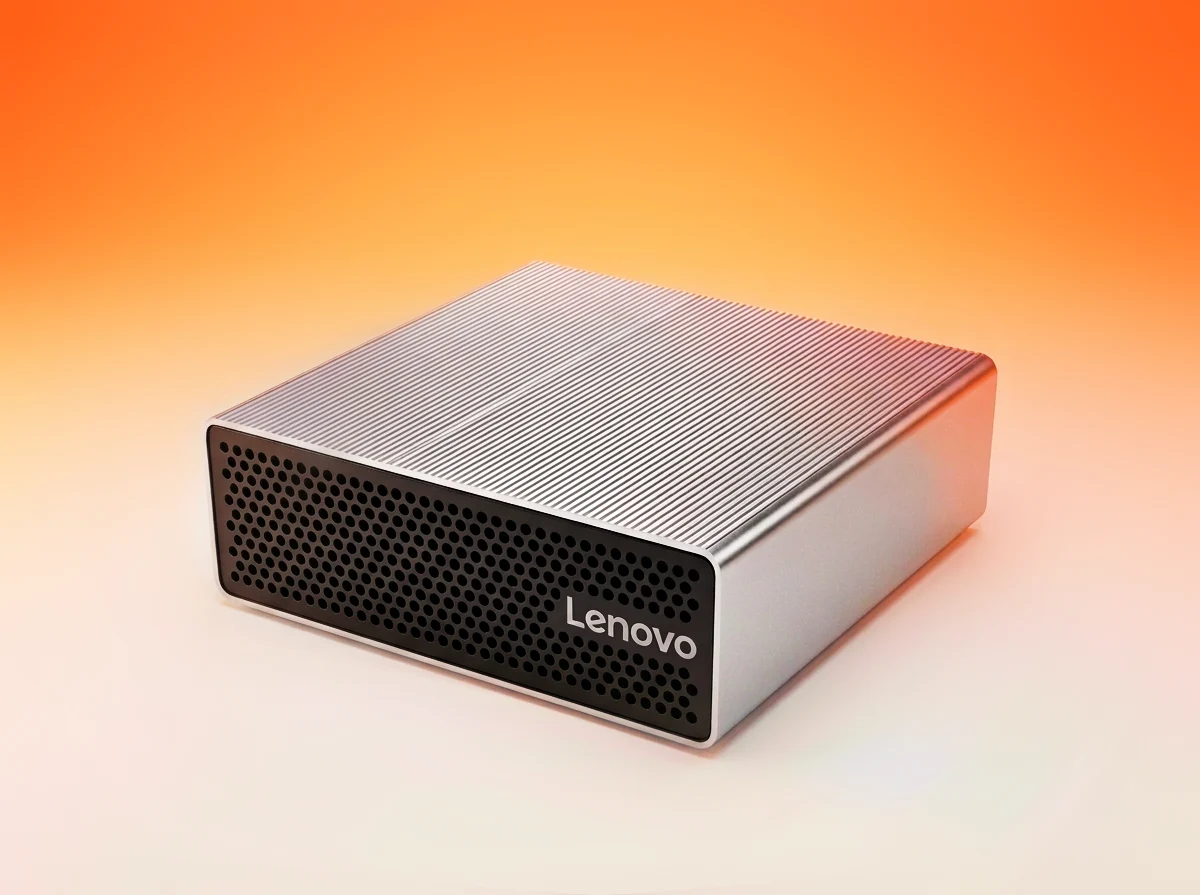
      Although we recently reported on the unveiling of the new Yoga Pro 9n, which is Lenovo’s first laptop powered by Nvidia’s revolutionary RTX Spark platform, Lenovo has proven to be one of the most secretive companys at this year’s Computex trade show. Despite Lenovo’s reluctance to publish press releases for its new hardware, we no longer have to wait to check out the brand-new Lenovo SFF RTX Spark, which (as the name implies) becomes the first Lenovo mini PC to get the Arm-based RTX Spark chips.

      Box Design and Port Layout

      The Lenovo SFF RTX Spark is one of five RTX Spark mini PCs to be revealed at Computex 2026, and it arrives in a pretty minimalistic dual-tone box in the colors black and silver. Unlike the Dell XPS RTX Spark Desktop, which has two USB-C ports and an SD card reader on the front, Lenovo’s mini PC hides all of its ports in the back (something many PC users find to be inconvenient). The (rear-facing) port selection on the new Lenovo SFF RTX Spark mini PC is as follows:

      • Multiple USB-C ports with variable speeds
      • Standard USB-A connectors for legacy devices
      • HDMI and DisplayPort outputs for monitors
      • Ethernet jack for wired networking
      • Headphone and microphone combo jack

      Cooling Capacity and Platform Details

      So far, only Asus has revealed the thermal headroom of its new RTX Spark mini PC, the Asus ProArt, which is built around 140W of thermal ceiling. Cooling capacity depends on each manufacturer’s specific chassis design and performance priorities, so Lenovo may target lower or higher thermal capacity, depending on the factors it chooses to prioritize for the Lenovo SFF RTX Spark (like noise, portability, or cost). The SFF RTX Spark mini PC uses the same RTX Spark platform as the newly-announced Yoga Pro 9n laptop.

      Chip Variants and Configurations

      The RTX Spark is said to come in two flavors, dubbed as the N1x and N1. Of course, specific configurations and their pricing will vary widely, depending on RAM and SSD size. Just like with all other Nvidia Spark RTX laptops and mini PCs, Lenovo is yet to announce pricing and availability for the Lenovo SFF RTX Spark mini PC. In fact, this early reveal is a collection of official specs and features based on Nvidia’s press release and hands-on previews.

      Manufacturer’s Silence Continues

      Like Dell, Lenovo is one of the few OEMs that hasn’t published press releases for their new RTX Spark mini PCs, even though they were officially revealed at Computex 2026. This lack of official word is frustraiting for enthusiasts who want concrete numbers, but the hardware itself is now out in the wild for viewing. The device remains a tantalizing peek into what could be a very powerful little machine, assuming Lenovo finalizes its thermal and performance targets soon.


      Sources

    • Lenovo ThinkPad 14″ International Launch: Cellular & 64GB RAM

      Lenovo ThinkPad 14″ International Launch: Cellular & 64GB RAM

      Key Takeaway

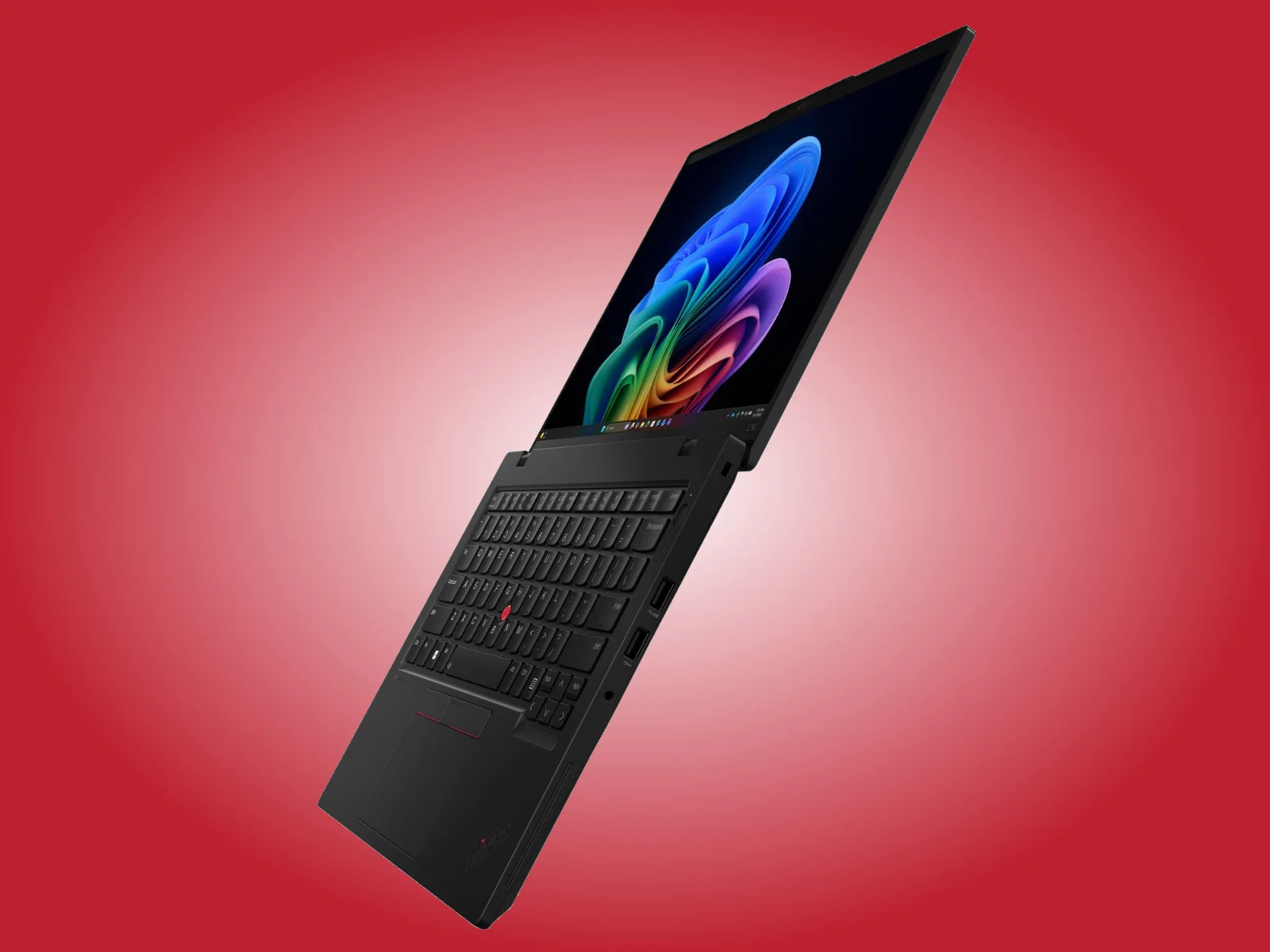
      – ThinkPad L14 Gen 7 launched internationally with AMD Ryzen AI 400 processors, but not yet in North America or parts of Europe.
      – Pricing is significantly higher than initially claimed, starting at €2,222 in Ireland and £1,905 in the UK.
      – Base specs vary by region: Europe starts with Ryzen AI 7 445, 32GB RAM, 512GB storage; Asia-Pacific starts with lower-end Ryzen AI 5 430, 16GB RAM, 256GB storage.
      – Configurable with up to 64GB DDR5-5600 RAM, 2TB PCIe Gen 5 SSD, and optional 4G modem/fingerprint reader/57Wh battery.
      – Only 1200p, 60Hz, 400-nit, 45% NTSC display available; Intel models expected globally later in 2026.


      ThinkPad L14 Gen 7 Finally Hits Shelves Worldwide

      The new ThinkPad L14 Gen 7 is now being sold internationaly with AMD Ryzen AI 400 series processors inside. This 14-inch machine has already touched down in countries like Australia, parts of East Asia, Southeast Asia, and some European nations. Despite Lenovo saying just a few weeks ago that a May 2026 launch was coming, they havent started selling it in North America or places like France and Germany yet.

      Unexpected Price Hikes Confuse Buyers

      Lenovo originally claimed the ThinkPad L14 Gen 7 would cost around €1,500 to take over from the Gen 6 model we looked at back in January. While that older version had way faster processors than the one before it, the ThinkPad L16 still uses AMD Zen 5 chips for its seventh generation. Sadly, the L14 Gen 7 is turning out to be way more costly than Lenovo told us, just like what happend with the ThinkPad L16 Gen 3 earlier.

      European Pricing Starts Much Higher Than Expected

      Right now, the starting price is €2,222 in Ireland and £1,905 in the UK. A big reason for this is that in those places, the laptop comes with a Ryzen AI 7 445 chip, 512 GB of storage, and 32 GB of memory. On the other hand, Lenovo sells the exact same machine in Australia, Hong Kong and Singapore with a weaker Ryzen AI 5 430, only 256 GB of storage, and just 16 GB of RAM inside it.

      Configuration Options Are Limited and Costly

      In Europe, you can only set up the ThinkPad L14 Gen 7 with pricier parts as well. At the moment, the Ryzen AI 7 Pro 450 is the only other processor choice over there, which Lenovo prices at €2,374 or £2,035. Meanwhile, the laptop goes for AUD 1,929, HKD 8,974, and SGD 1,738. Thats over 20% off in both Hong Kong and Singapore though.

      Top Specs and Features Across All Regions

      Putting that aside, you can get the ThinkPad L14 Gen 7 with up to 64 GB of DDR5-5600 RAM and a 2 TB PCIe Gen 5 solid state drive in every market. Lenovo also sells a Snapdragon X12 4G modem, a fingerprint reader, and a bigger 57 Wh battery instead of the usual 46.5 Wh one. But they only offer 1200p screens with 60 Hz refresh, 400 nits brightness and 45% NTSC color coverage. Intel versions are supposed to come out world wide later on in 2026.

      • Lenovo Australia
      • Hong Kong
      • Ireland
      • Singapore
      • UK