Category: Computers

  • Acer 18-Inch Gaming Laptop: 240Hz Display & RTX 5080

    Acer 18-Inch Gaming Laptop: 240Hz Display & RTX 5080

    Key Takeaway

    – New Predator Helios Neo 16S offers over double the battery life of the previous model, featuring Intel’s Panther Lake platform.
    – Predator Helios Neo 18 gets a more powerful RTX 5080 option, with the Core Ultra 9 290HX Plus delivering ~7% better CPU performance than the 275HX.
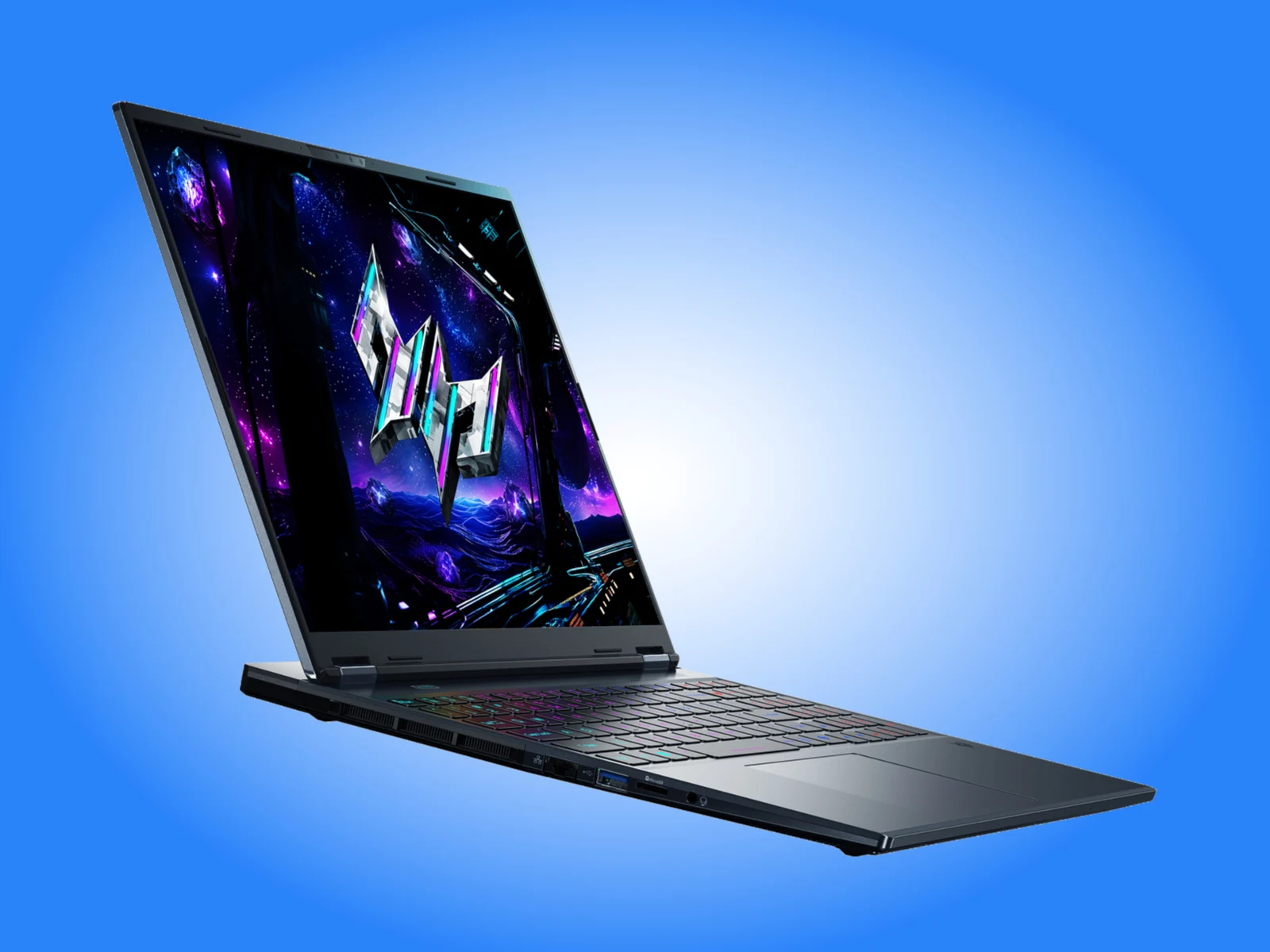
    – The 18-inch model uses a 2,560 x 1,600 IPS panel (240 Hz, 100% DCI-P3, 500 nits) instead of a Mini LED option.
    – RTX 5080 laptop GPU in the Neo 18 tops out at 115 W (140 W with Dynamic Boost).
    – UK pricing: £3,499 for the new 18-inch SKU with 32 GB RAM and 1 TB storage—£200 more than a comparable 2025 model.


    A new spin on the Predator Helios Neo 16S

    So Acer just begun selling a fresh version of their Predator Helios Neo 16S over in Europe. This new model, it apparantly boasts over twice the battery life compared to the review unit they put out recently. This lateast release is one of them 16-inch gaming laptops that are now featuring Intel’s new Panther Lake platform. At the same exact time, the company has also finally released a more powerful version of theyre Predator Helios Neo 18, so theres options for people who want a bigger screen.

    Recap of the Helios Neo 18 updates

    To get you up to speed, Acer updated the Helios Neo 18 back in March using Intel’s Arrow Lake HX Plus processors. Just so you dont get it mixed up with the Helios 18 that we reviewed in July 2025, this Helios Neo 18 model was previously offered with up to Intel’s Core Ultra 9 275HX processor. Acer claimed that the PHN18-I71 variants would become available in June, but interestingly models featuring the Core Ultra 9 290HX Plus and the GeForce RTX 5060 actually reached Europe back in May already.

    Now theres a RTX 5080 option

    Now, Acer has complemented these existing models with a new alternative that uses the GeForce RTX 5080. Based on our own benchmarking, the Core Ultra 9 290HX Plus should provide the Predator Helios Neo 18 with about 7% more CPU performance than what youd get from the Core Ultra 9 275HX. As far as we can currently tell, the GeForce RTX 5080 laptop GPU continues to top out at 115 W, or it can reach 140 W whenever Dynamic Boost is activated on the system.

    Display specs and final pricing details

    Also, Acer has included a 2,560 x 1,600-pixel IPS panel, choosing to not go with the Mini LED option that was in its 2025 edition this time around. For reference here, this new panel combines a fast 240 Hz refresh rate with quick 3 ms response times, full 100% DCI-P3 colour space coverage, and it also offers 500 nits of peak brightness for good visibility. Acer charges £3,499 for its new 18-inch gaming laptop which comes with 32 GB of RAM and a 1 TB of storage, making it £200 more expensive than what an equivalent 2025 SKU would cost you.

    Sources

  • June 9 Patch Tuesday: Secure Boot Deadline Looms

    June 9 Patch Tuesday: Secure Boot Deadline Looms

    Key Takeaway

    – June 9 is the final Patch Tuesday before Secure Boot certificates expire on June 24; any unpatched device will lose future boot-security protections.
    – Devices that missed the May deployment now have a compressed 15-day window; treat June 9 as emergency triage, not a normal cycle.
    – Run the PowerShell command to check registry key `UEFICA2023Status`; “Failed” status requires immediate manual remediation.
    – Windows Server 2025 with BitLocker Group Policy needs extra caution and a test deployment due to unresolved recovery bug.
    – Completing the certificate transition before June 24 is urgent, but the October 2026 expiration of the Windows Production PCA 2011 remains the most critical long-term risk.


    Microsoft’s Upcoming Patch Tuesday Carries Unprecedented Boot Security Stakes

    Microsoft’s June 9 Patch Tuesday is a few days away, and it carries more weight than any routine monthly update. It is the final structured deployment window before the 2011-era Secure Boot certificates begin expiring on June 24, leaving any unpatched device in a degraded boot-security state from that date. The certificate expiration window runs June 24-27. The Microsoft Corporation KEK CA 2011 expires June 24, the Microsoft UEFI CA 2011 expires June 27, and the Microsoft Windows Production PCA 2011 follows in October. Devices that have not recieved the 2023 replacement certificates before June 24 will not stop working, but they will lose the ability to recieve future boot-level security protections, including updates to the Windows Boot Manager, Secure Boot revocation lists, and fixes for newly discovered boot-chain vulnerabilities.

    Rollout Timeline and Enterprise Pressure

    Microsoft has been rolling out the 2023 replacement certificates since February 2026 through cumulative updates, with the May 12 Patch Tuesday advancing that rollout further. Organisations that delayed the May deployment are now facing a compressed window. The gap between June 9 and the June 24 expiration date is 15 days. For enterprise teams managing large device fleets, that is not a comfortable runway. Security analysts have clearly flagged the pressure. The decision to defer May deployment to June has reduced the avalible window by more than 60 percent. Any organisation assuming June 9 restores a normal deployment timeline is wrong. June 9 is emergency triage for teams that missed May.

    Pre-Deployment Verification Commands

    Before June 9, IT administrators should run the following PowerShell command with administrator privileges to check certificate status on any device in question: Get-ItemProperty -Path “HKLM:SYSTEMCurrentControlSetControlSecureBootServicing” -Name UEFICA2023Status. The expected result for an OS-driven migration is “Completed.” Crucially, a “NotStarted” status is not an automatic failure; it often indicates that the device is already secure because the OEM has injected the 2023 certificates natively via a recent BIOS update. The real red flags to hunt for are a status of “Failed” or hex codes populated in the adjacent UEFICA2023Error key. Anything hitting those failure states after the June 9 deployment requires immediate, manual remediation.

    Server 2025 BitLocker Issues

    Devices running Windows Server 2025 with certain BitLocker Group Policy configurations require extra caution. The boot-to-BitLocker-recovery bug originated in the April 2026 update cycle. The May update resolved it for Windows 11, but the fix for Windows Server 2025 remains pending, and the behaviour is volatile in some configurations. Server 2025 enviroments should complete a test deployment before rolling June 9 updates fleet-wide. June 9 is also expected to address vulnerabilities discovered since the May 12 release, including any that have entered active exploitation in the weeks between cycles.

    Netlogon Flaw and Active Exploitation

    The Netlogon flaw CVE-2026-41089, flagged as actively exploited by the Centre for Cybersecurity Belgium on May 29, is already patched via the May update. Any devices that have not applied that fix should treat June 9 as a double-priority deployment. Completing the Secure Boot certificate transition before June 24 closes the most urgent window but is not the end of the process. The Microsoft Windows Production PCA 2011 certificate, which signs the Windows bootloader itself, expires in October 2026. That is the most structurally significant of the three expirations and the one that carries the greatest long-term boot integrity risk for devices that miss it. June 9 Patch Tuesday is scheduled to release at 10:00 AM PST.

  • Bosgame VTA-439 Mini PC: Ryzen AI 9, 86 TOPS, 256GB RAM

    Bosgame VTA-439 Mini PC: Ryzen AI 9, 86 TOPS, 256GB RAM

    Key Takeaway

    – Runs AI applications like OpenClaw locally with 86 TOPS total AI compute (55 TOPS NPU + 31 TOPS CPU/GPU).
    – Powered by AMD Ryzen AI 9 HX 470 CPU, supports up to 256 GB DDR5 RAM and 6 TB NVMe storage.
    – Integrated Radeon 890M GPU (≈ Nvidia 1650 performance), upgradable via OCuLink eGPU port (supports up to RTX 5090).
    – Priced at $1,049 (sale) down from $1,599 MSRP for the 32GB RAM / 1TB SSD model.


    Bosgame Launches New AI Mini PC

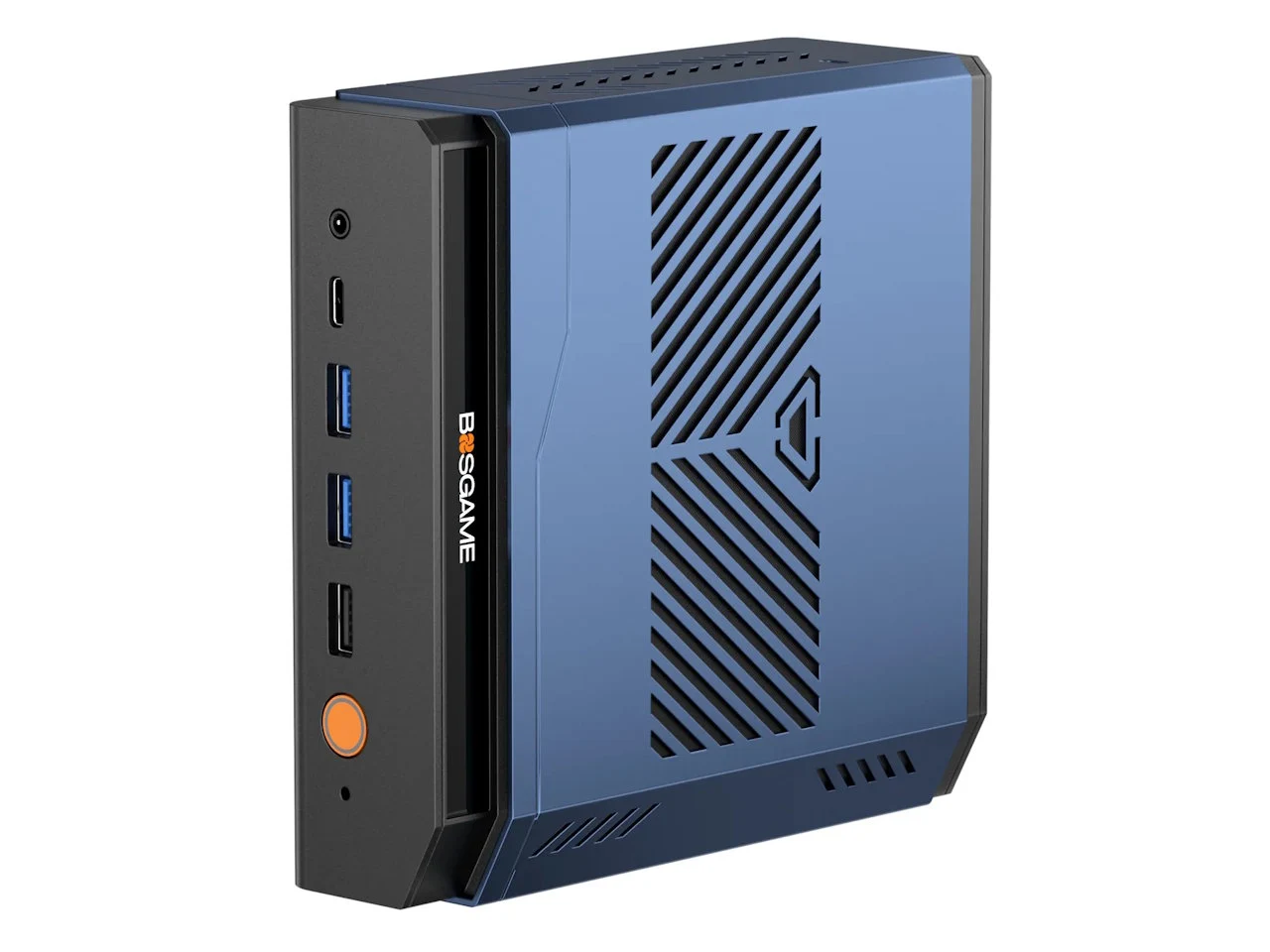
    Bosgame has unveiled there VTA-439 mini PC, a device specifically engineered for running AI applicationns and services like OpenClaw locally, which potentially help owners circumvent the cost of purchasing AI tokens. This little machine is quite a powerhouse for its size, offering alot of compute capability for various tasks. It’s aimed at users who want to do heavy lifting without relying on cloud services.

    Powerful Specifications Under the Hood

    This mini PC is driven by a 12C/24T AMD Ryzen AI 9 HX 470 CPU, which can be paired with up to 256 GB of DDR5 SO-DIMM 5600MT/s RAM installed across two slots. For those needing ample storage, it supports up to 6 TB of M.2 2280 NVMe PCIe4.0 x4 storage across three slots, based on currently available 2 TB SSDs, providing plenty of space for large model files. The system is designed to not bottleneck even demanding workflows, making it a serious contender for local AI workloads.

    Importantly, the HX 470 offers a total of 86 TOPS of AI compute power, broken down into 55 TOPS from the NPU and 31 TOPS from the CPU/GPU. This enables the VTA-439 to smoothly run large AI models, OpenClaw, and various applications for image and video generation directly on the device. The levels of performance here allows for local inferencing without relying on internet connectivity.

    Graphics Performance and Connectivity

    For Windows 11 applications and games, the system utilizes an integrated AMD Radeon 890M graphics, which provides performance comparable to an Nvidia GTX 1650. Users can significantly boost this by connecting an external GPU (eGPU) to its OCuLink PCIe 4.0 x4 port, which supports powerful cards including the latest Nvidia RTX 5090. This makes it a very flexible setup for both productivity and occasional gaming, provided you have the budget for an eGPU enclosure.

    Pricing and Availability Details

    The VTA-439 configuration with 32 GB of RAM and a 1 TB SSD has an MSRP of $1,599.00, but is currently available for a lower price of $1,049 on the Bosgame website. This significant discount makes it a more accessible option for developers and hobbyists alike, though it’s still a considerable investment for most people. The pricing reflects its positioning as a premium device in the mini PC market, focusing on AI capabilities rather than being a budget option.


    Sources

  • Q8B: Raspberry Pi 5 Rival with 32GB RAM & Snapdragon 4K120

    Key Takeaway

    – AI performance up to 29 TOPS (system-wide) with Snapdragon 8cx Gen 3
    – Supports up to 32GB LPDDR4X memory and dual M.2 2280 slots (PCIe 3.0 x2 and x4)
    – Dual 2.5 Gbps Ethernet ports and M.2 2230 slot for wireless networking
    – 40-pin GPIO header with I2C, SPI, and PCIe 3.0 via FPC connector
    – Priced at ~$210 (8GB model), shipping late July


    The Radxa Dragon Q8B is a new single-board computer and therefore competes with the Raspberry Pi 5, though Radxa is likely targeting a different audience with this model, including users who need a system for industrial or professional applications that can provide relatively high AI performance locally. Real-time object detection, for example, would be conceivable.

    Hardware Specifications and Performance

    The Dragon Q8B comes with a Snapdragon 8cx Gen 3, with AI performance listed at up to or even over 29 TOPS, though this apparently refers to the performance of the overall system and not just the NPU. Up to 32GB of LPDDR4X memory is supported. For installing mass storage, two M.2 2280 slots are available, one with two PCIe 3.0 lanes and one with four PCIe 3.0 lanes. Universal Flash Storage (UFS) can be used, and a microSD card slot is also included. Network connectivity is possible via two Ethernet ports with data transfer rates of up to 2.5 Gbps. M.2 2230 cards can be used for wireless networking. Display output is supported via HDMI 2.1 and two USB Type-C ports at up to 120Hz and 4K resolution.

    Physical Dimensions and Connectivity Options

    This SBC measures 3.8 x 3.0 inches and comes with a pin header that is more or less mandatory for single-board computers. It has 40 individual pins and supports GPIO, I2C, and SPI, among other things. PCIe 3.0 with one lane can also be connected for expansion cards via an FPC connector. At Arace Tech, the model with 8GB of RAM is currently listed for roughly $210. Shipping is scheduled to start in late July, the Raspberry Pi 5 alternative is also listed on Amazon, but not orderable there at the time of writing.


    Sources

  • Detailed Leak: Surface Laptop 8 Snapdragon X2 Specs & Release

    Detailed Leak: Surface Laptop 8 Snapdragon X2 Specs & Release

    Key Takeaway

    – ARM-based Surface Laptop 8 uses Qualcomm Snapdragon X2 chips with major AI gains and a new “Jade” color.
    – First OLED display option for the series, retaining 13.8-inch and 15-inch PixelSense touchscreens.
    – Processor choices: 12-core Snapdragon X2 Elite or 10-core Snapdragon X2 Plus, both up to 4.0 GHz.
    – No “Privacy Display” feature on consumer ARM models, unlike Intel enterprise versions.
    – Official launch on June 16, 2026, with a premium price expected.


    Microsoft is Finally Refreshing the Surface Lineup

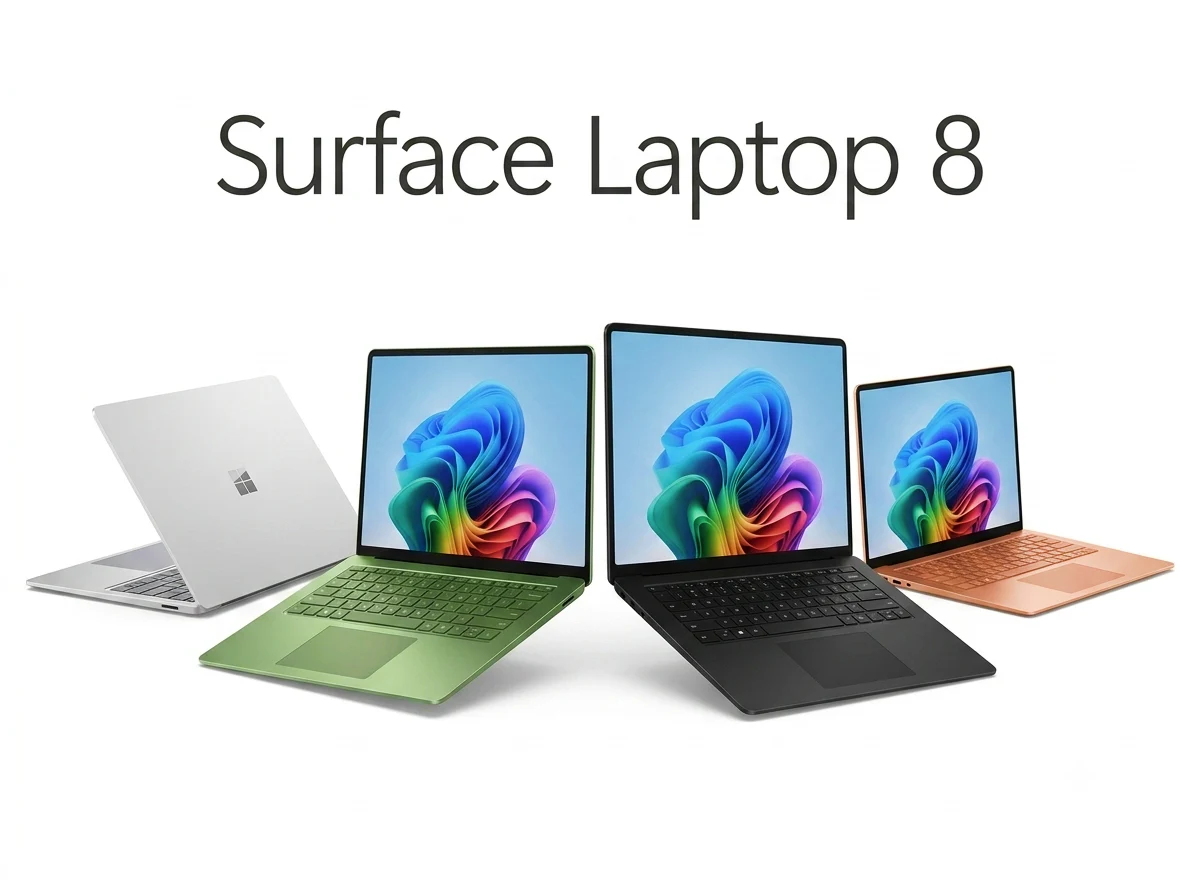
    After revealing the premium Surface Laptop Ultra, running on the Nvidia RTX Spark, its become clear that Microsoft is preparing to refresh its consumer-facing lineup with the Surface Pro 12 (which leaked hours ago) and the Surface Laptop 8 series. Thats right, we dont have to wait for the (now revealed) June 16 launch date to find out everything new about the Surface Laptop 8 series, thanks to a super-detailed leak, which includes the full specs and high-res marketing images. While the Intel-based versions of the Surface Laptop 8 have already hit the enterprise market, the highly anticipated ARM-based variants for private consumers are using Qualcomms Snapdragon X2 chips, with significant AI performance gains and a new colorway.

    Design Language and Display Advances

    Microsoft appears to be sticking to its established design language for the Surface Laptop 8th Edition. The laptops will retain there 13.8-inch and 15-inch PixelSense touchscreen form factors. However, there is a notable display upgrade on the horizon, with the leaked info pointing toward the introduction of an OLED-based panel for the first time in this series. And while the port selection and chassis remain largely unchanged, Microsoft is introducing a fresh “Jade” color. This light green hue will join the existing palette of Platinum, Gold/Dune, and Black.

    Processor Options and Pricing Details

    Depending on the configuration, users will be able to choose between the 12-core Snapdragon X2 Elite (X2E-78-100) or the 10-core Snapdragon X2 Plus (X2P-64-100). Both processors feature boost clock speeds of up to 4.0 GHz. Notably, the marketing materials for these consumer-facing ARM models do not mention the “Privacy Display” feature found in the corporate-focused Intel variants. Given the high-performance memory and storage configurations, consumers should expect a premium price tag when the device officially launches on June 16, 2026, says the leaked info.

    Sources
  • AMD Ryzen 7 5800X3D Relaunch Bundle: Noctua Cooler & Carbice Pads

    AMD Ryzen 7 5800X3D Relaunch Bundle: Noctua Cooler & Carbice Pads

    Key Takeaway

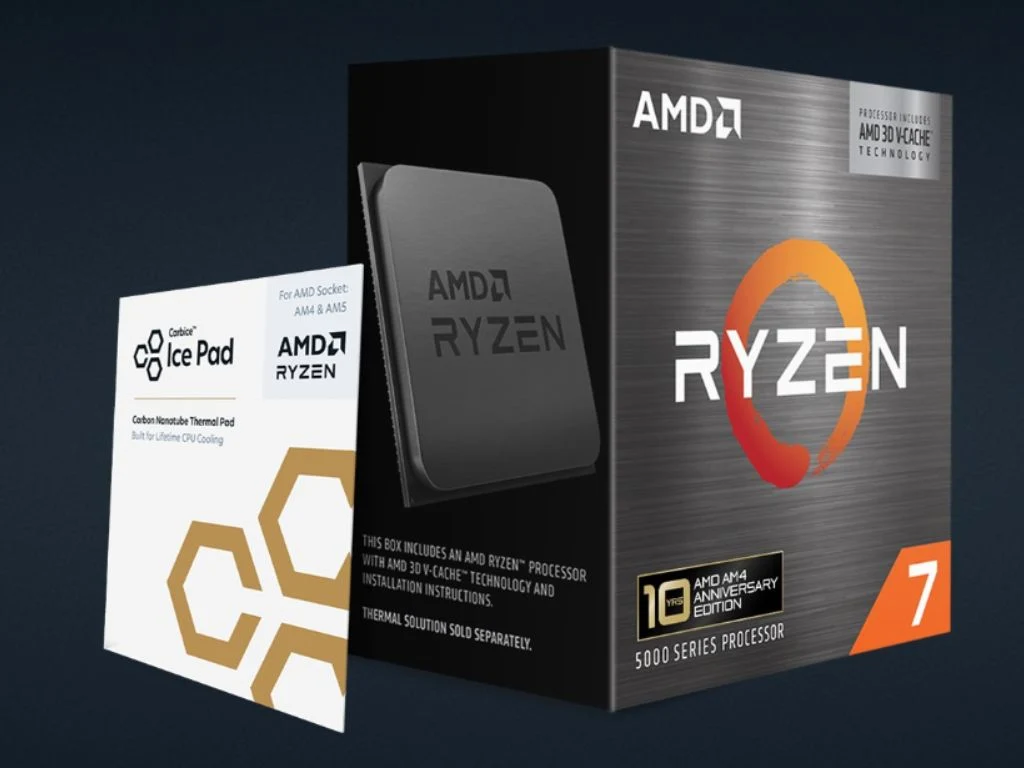
    – AMD re-releases Ryzen 7 5800X3D as a 10th Anniversary Edition at a lower price ($349).
    – Bundle includes Carbice carbon nanotube thermal pads and a Noctua cooler.
    – Carbice pads offer long-term reliability without needing to replace dried thermal paste.
    – Upgrade targets gamers on older AM4 platforms, avoiding costly DDR5 and AM5 upgrades.
    – Product launch scheduled for June 25, 2026.


    AMD Revives the Legendary 5800X3D

    After numerus visual leaks and rumors, AMD is finally bringing back the Ryzen 7 5800X3D, now bundled with Carbice Thermal Ice Pads and a Noctua cooler. To provide gamers with older systems a smart, inexpensive upgrade path, AMD has launched the Ryzen 7 5800X3D as a 10th Anniversary Edition. For context, the new carbon nanotube-based thermal pad promises stable temperatures and long-term reliability without the usual three to six months of maintenance required to scrape off old, dried-up thermal paste.

    A Unique Collaberation with Noctua

    At the same time, AMD and Carbice have also collaborated with industry-leading heatsink and PC fan manufacturer Noctua, allowing DIY PC builders to get their hands on Carbice’s thermal pads for the first time. So, what exactly are Carbice’s Ice Pads? Carbice’s thermal solution uses vertically aligned carbon nanotubes layed on an aluminum backbone and topped with a nanoscale polymer coating that helps it conform more closely to surfaces over time. The currently available consumer product is Carbice’s IP90 pads, starting with the NT-CP1 AM5/4 model, and is expected to hit shelves in September 2026.

    Improved Heat Dissapation

    Carbice’s thermal solution actually improves heat dissipation as the system continues to heat and cool, instead of breaking down and drying out over time. Applying Carbice Ice Pads is straightforward. PC builders simply have to peel and stick the easy-to-use thermal pad without creating a blotchy mess, and they can swap thermal pads easily if they need to switch heatsinks or coolers. Noctua CEO Roland Mossig described its solution, saying:

    “Carbice’s unique, innovative TIM technology has already proven to be a game changer in applications that demand ultimate reliability, such as satellites, aerospace, and critical infrastructure. We’re confident that the superior long-term performance, ease of use, and dependability of Carbice pads will be equally attractive to PC enthusiasts, so we’re excited to bring them to this market and to collaborate with Carbice on future R&D.”

    The Glorious Return of the CPU

    On the other end of the spectrum, we have the glorious return of the Ryzen 7 5800X3D, which couldn’t have arrived at a better time, as DDR5 memory prices have jumped to unprecedented levels, making an upgrade to AM5 less feasible. The Ryzen 7 5800X3D, still boasting strong gaming performance, ships with 8 Zen 3 cores and 96 MB of total V-Cache, making it a go-to solution for gamers still on AM4 motherboards. It’s now expected to be available at a more attractive $349 for the 10th anniversary edition starting 25th june 2026, down from its 2022 retail launch price of $449, even as current price tags for the older SKU on Amazon make it seem like a much less approachable play for users intending to stay on AM4.

    Sources
  • Surface Laptop Ultra specs, upgrades officially revealed

    Surface Laptop Ultra specs, upgrades officially revealed

    Key Takeaway

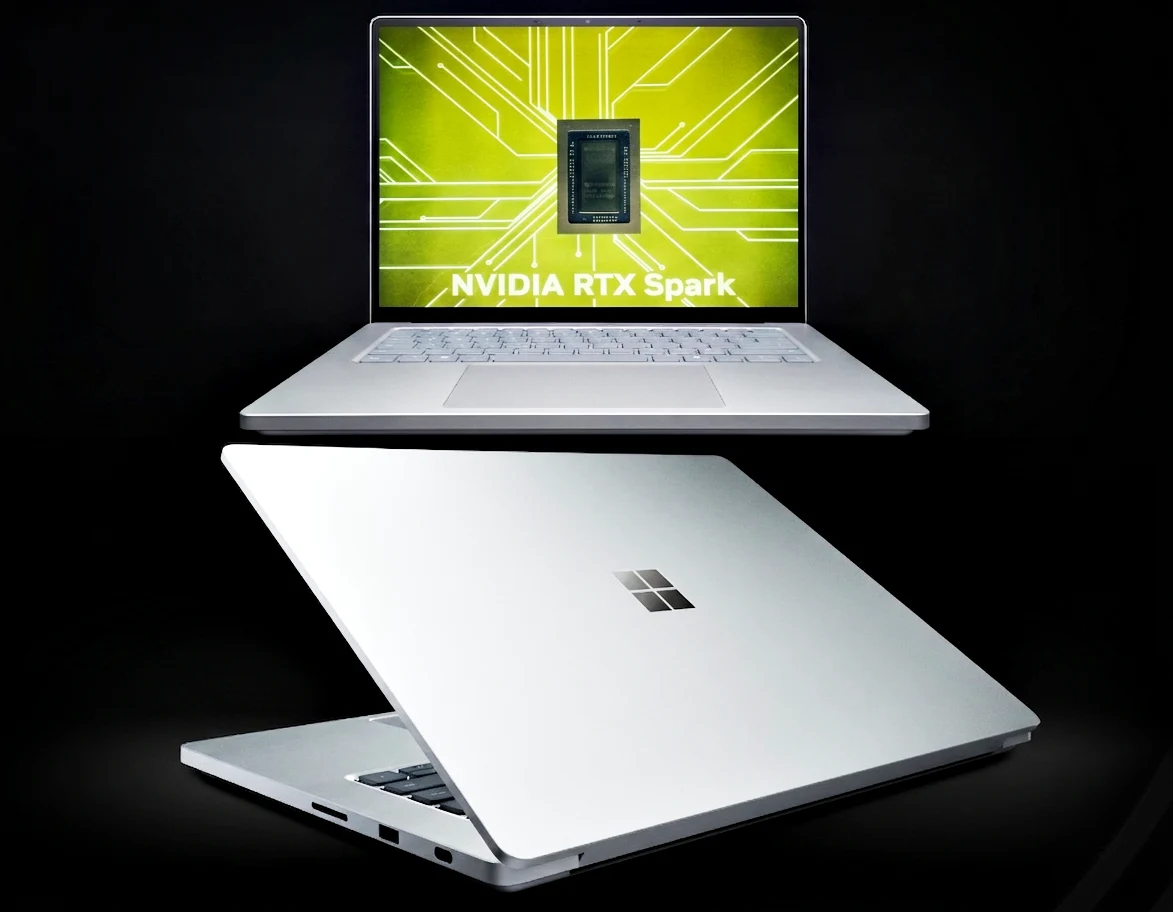
    – Nvidia RTX Spark platform with 1 petaflop of AI compute and up to 128GB unified memory for intensive local AI processing
    – Significantly improved thermal system with 2.5x the capacity of the 15-inch Surface Laptop 7th Edition
    – 15-inch mini-LED PixelSense Ultra display with 2,000 nits peak HDR brightness and 262 ppi
    – User-replaceable SSD and larger trackpad, distinguishing it from competitors like the MacBook Pro
    – Slim, lightweight design (under 18mm thick, under 4.5 lbs) with port selection including USB-C, USB-A, HDMI, and SD card reader


    Microsoft Just Dropped New Details About the Surface Laptop Ultra

    Microsoft has just revealed everything we didn’t know about the new Nvidia RTX Spark-powered Surface Laptop Ultra, providing a comprehensive look at the hardware and design elements that set its new premium laptop apart from its predecessor and the competition. Based on the specs the company shared, the Laptop Ultra appears to prioritize localized AI processing and modular maintenance, moving away from the more restrictive design language of previous Surface models.

    Core Hardware and the Nvidia RTX Spark Platform

    Of course, at the heart of the laptop is the new Nvidia RTX Spark platform, which aims to handle intensive local workloads by pairing an efficient CPU with an RTX GPU capable of delivering one petaflop of AI compute. To support these demands, the system utilizes up to 128GB of unified memory, enabling users to run larger models directly on-device, which aims to reduce reliance on cloud computing and lower latency.

    Thermal Performance and Display Specifications

    Speaking of performance, thermals have been a frequent point of critique for the Surface line, and Microsoft claims this new model incorporates a thermal system providing up to 2.5 times the capacity of the 15-inch Surface Laptop 7th Edition, likely necessary to manage the higher power of the RTX Spark. As far as the display is concerned, you are looking at a 15-inch mini-LED PixelSense Ultra touchscreen with a 3:2 aspect ratio. It offers a pixel density of 262 ppi and a peak HDR brightness of 2,000 nits, clearly aiming to appeal to pro content creators.

    • 15-inch mini-LED PixelSense Ultra touchscreen
    • 3:2 aspect ratio
    • 262 ppi pixel density
    • 2,000 nits peak HDR brightness

    Design, Ports, and User Replaceable SSD

    You get a choice of two colors (Platinum and Nightfall), while the chassis is less than 18mm thick, weighing under 4.5 pounds, which is in line with Apple’s MacBook Pro 16. To make the whole package lighter, apparently, you get a compact charger designed for easy portability, which Microsoft refuses to show. This might have something to do with the mysterious new USB-C port on the right side of the laptop, which might or might not be magnetic. Speaking of ports, you get three USB-C ports, one USB-A port, HDMI, a headphone jack, and a full-size SD card reader. However, the big news here is something we can’t be taking for granted. The Surface Laptop Ultra has a user-replaceable SSD, which is something you can’t find in competing laptops like Apple’s MacBook Pro. Meanwhile, the trackpad is over 30% larger than previous iterations.

    Market Positioning and Release Window

    All in all, it’s not hard to tell that Microsoft is positioning the Surface Laptop Ultra as the MacBook Pro running Windows 11. From the design, down to the Nvidia chip, the similarities are undeniable. Therefore, the Laptop Ultra is likely going to be judged based on how well it stacks up against the current industry standard in the prosumer laptop market. Pricing, availability, and details on the different SKUs for the Nvidia RTX Spark-powered Surface Laptop Ultra are expected to be announced at a later date. Meanwhile, the actual release is likely to take place in the fall. That said, it won’t be a surprise if reviews of the Surface Laptop Ultra start popping up earlier.

    Stay tuned!

    Sources
  • Acer 16″ Gaming Laptop 165Hz OLED, 2x Longer Battery Life

    Acer 16″ Gaming Laptop 165Hz OLED, 2x Longer Battery Life

    Key Takeaway

    – Acer now sells Panther Lake (Core Ultra 9 386H) versions of the Predator Helios Neo 16S.
    – Panther Lake models cost significantly more but offer weaker CPU performance than Arrow Lake HX counterparts.
    – At the same price (€2,799), the Panther Lake variant includes a slower GPU (RTX 5060 vs. RTX 5070 Ti) and less storage (1 TB vs. 2 TB).
    – Panther Lake laptops are claimed to deliver over twice the battery life (up to 15 hours) from the same 76 Wh battery.
    – Availability is currently limited to Acer France, but wider global release is expected soon.


    Helios Neo 16S Gets a Confusing Update

    The Predator Helios Neo 16S has had something of a topsy-turvy ride in the last few months. To recap, Acer unveiled Intel Panther Lake-powered versions in January during CES 2026. Then in March, the company presented alternatives featuring Intel’s Arrow Lake-HX Plus generation.

    A Overview of New Configurations

    In the intervening period, we reviewed the Helios Neo 16S with the Core Ultra 9 275HX and the GeForce RTX 5070 Ti (curr. $1,929 on Amazon). Now, Acer has started selling Panther Lake-powered alternatives with the Core Ultra 9 386H. For the time being, we can only find listings on Acer’s French website; the laptop is listed as being out of stock in the UK. However, we would expect Panther Lake versions to reach other parts of the world soon.

    Pricing and Specification Comparison

    In the meantime, Acer France indicates that these Panther Lake versions will cost significantly more than their Arrow Lake HX counterparts. At the time of writing, the Predator Helios Neo 16S retails for €2,799 with a GeForce RTX 5070 Ti, 32 GB of RAM, a 2 TB SSD and a 240 Hz IPS display. By contrast, Acer charges the same amount for a Panther Lake variant with the slower GeForce RTX 5060, half as much storage and a 165 Hz OLED.

    Meanwhile, the Predator Helios Neo 16S costs €2,899 with the Core Ultra 9 386H, 32 GB of RAM, 1 TB of storage, a 165 Hz OLED display and the GeForce RTX 5070 with 8 GB of RAM running at up to 115 W. According to our benchmarks, these Panther Lake variants also fail to match the CPU performance of their Arrow Lake HX counterparts.

    Battery Life and Efficiency Claims

    They should run far more efficiently though, which Acer’s official battery life estimates reinforce. Specifically, the company claims its new Panther Lake-based gaming laptop lasts over twice as long from the same 76 Wh battery. Whether the PHN16S-I51 variant achieves up to 15 hours of battery life under light use remains to be seen, though.


    Sources

  • Acer Launches 15-Inch Gaming Laptop with 165Hz Display

    Acer Launches 15-Inch Gaming Laptop with 165Hz Display

    Key Takeaway

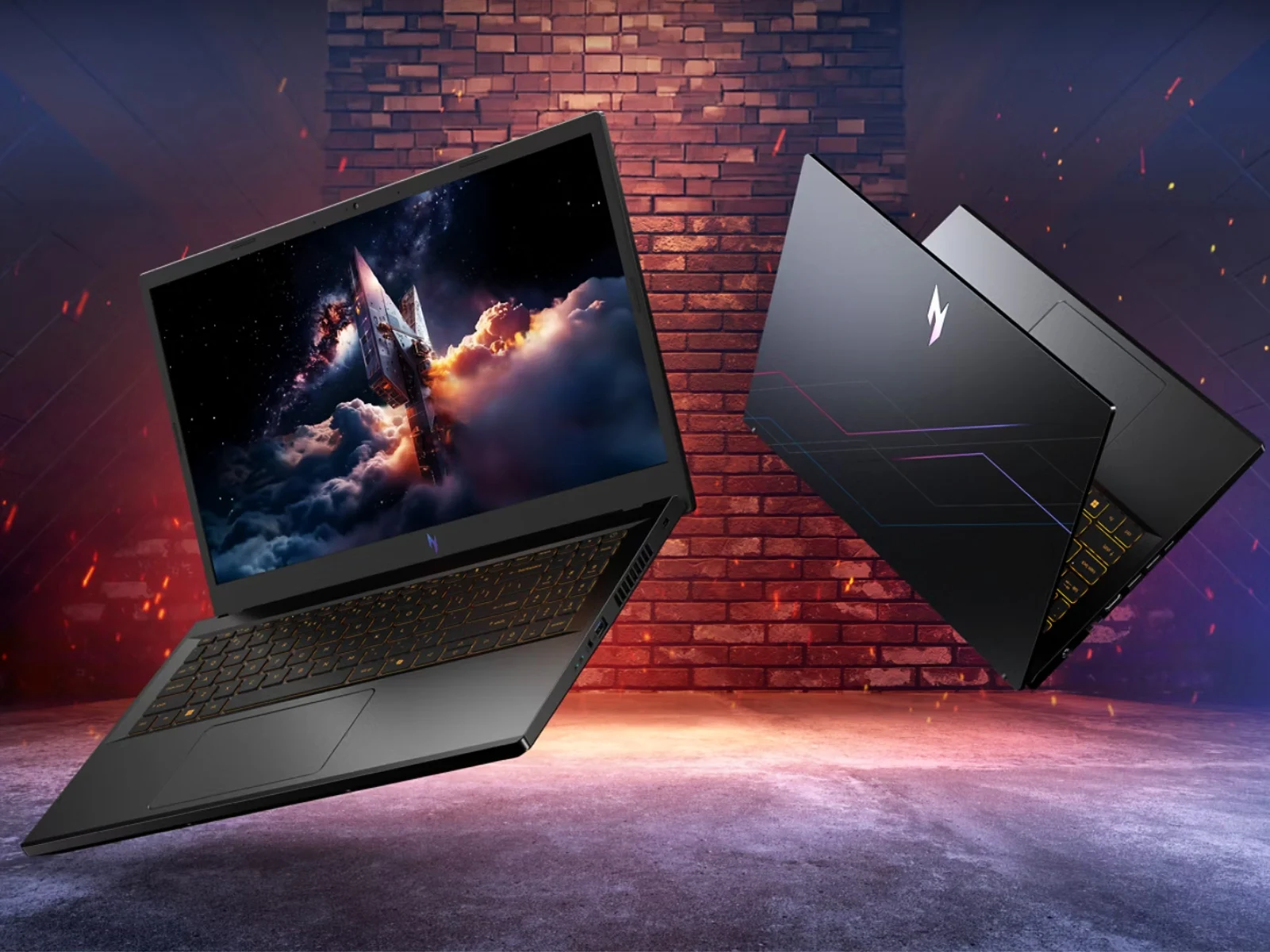
    – New Acer Nitro V 15 model powered by Intel Core 9 270H processor (14 cores, 20 threads)
    – Available with GeForce RTX 5050 or RTX 5060 laptop GPU, still limited to 75W TDP
    – Features 15.6-inch 1080p IPS display with 165Hz refresh rate
    – Retains 76Wh battery, 512GB PCIe Gen 4 storage, and 16GB DDR4 RAM
    – Pricing starts at £1,699 in the UK and €1,799-€1,899 in the Eurozone


    New Laptop Launch from Acer

    Acer has started selling a new 15-inch laptop across the Eurozone and in the UK. Specifically, the company has introduced a new version of the Nitro V 15. To recap, we reviewed the Nitro V 15 earlier this year with the Core i5-13420H and Nvidia’s GeForce RTX 5050 laptop GPU.

    Processor and Performance Updates

    For the time being, this version shows no sign of going anywhere. Nonetheless, Acer has released alternatives powered by the Core 9 270H. A Raptor Lake Refresh processor, the Core 9 270H contains twice as many Gracemont E-Cores as the Core i5-13420H. Additionally, Intel includes 6 Raptor Cove P-Cores for a total of 14 cores and 20 threads compared to the 8 cores and 12 threads inside the Core i5-13420H. Please see our benchmarks for comparisons between the two processors.

    Display and Hardware Specifications

    The newer Nitro V 15 also comes with a 165 Hz and 1080p IPS display to match the 16:9 and 15.6-inch panel we tested in February. Likewise, Acer continues to limit the GeForce RTX 5050 and GeForce RTX 5060 to 75 W TDPs. Moreover, the latest Nitro V 15 retains a 76 Wh battery, 512 GB of PCIe Gen 4 storage and 16 GB of DDR4 RAM.

    Pricing and Availabilty Details

    Nonetheless, Core 9 270H variants start at £1,699 in the UK and €1,799-€1,899 in the Eurozone. At the time of writing, Acer charges €100 extra for a GeForce RTX 5060. As a result, the Nitro V 15 can cost up to €1,999 in parts of the Eurozone. There is no word on pricing or availability in other markets yet.


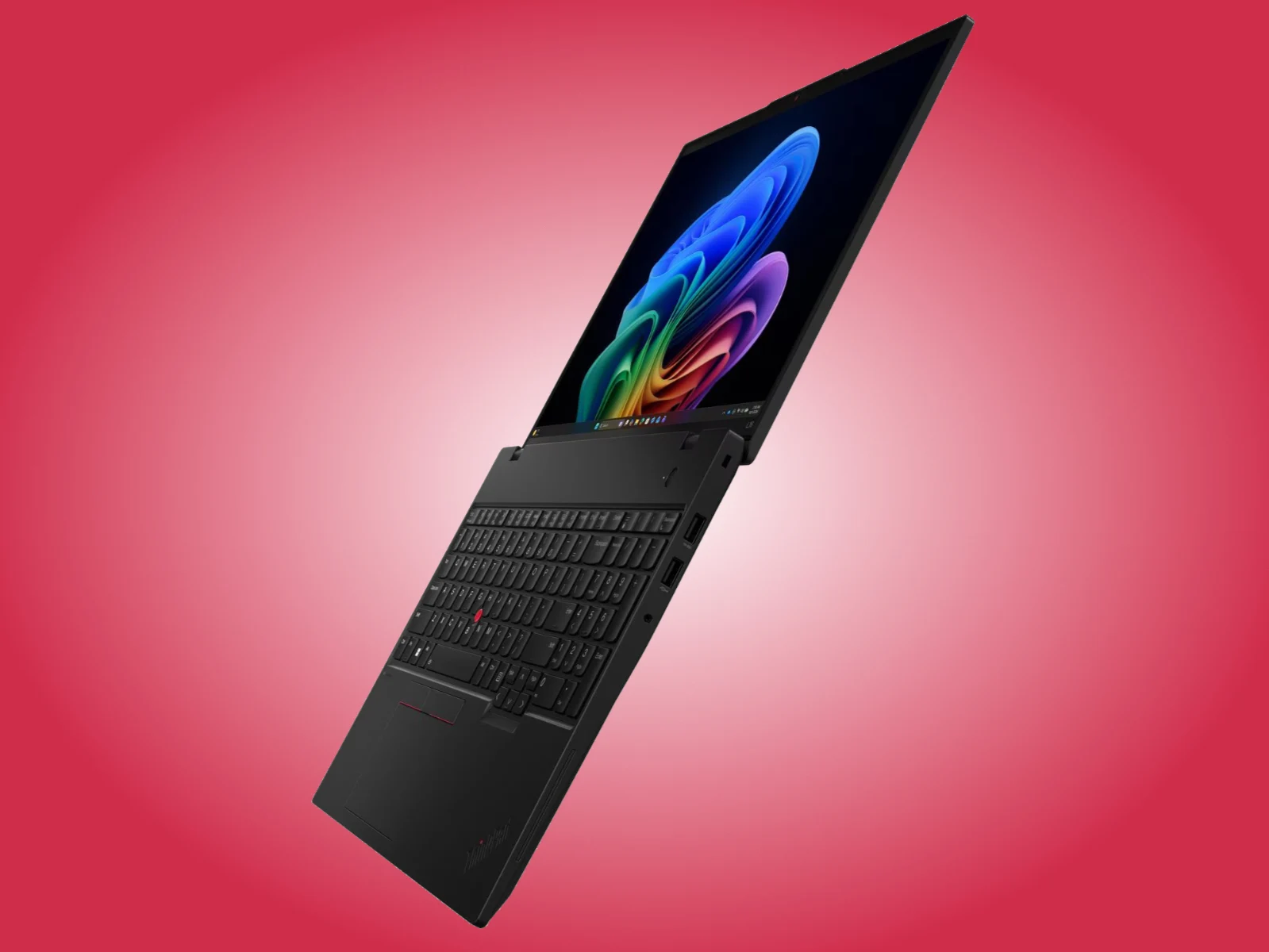
  • Lenovo ThinkPad L16 launches with AMD, up to 64GB RAM

    Lenovo ThinkPad L16 launches with AMD, up to 64GB RAM

    Key Takeaway

    – Lenovo ThinkPad L16 Gen 3 launched internationally with AMD Ryzen AI (Zen 5) processors.
    – Offers Ryzen AI 5/7 and Pro variants, with up to 64GB DDR5 RAM and 1TB storage.
    – Display limited to 1200p 60Hz IPS with 45% NTSC color coverage.
    – Pricing ranges from £1,320 (UK) to €1,399+ (Eurozone); not yet available in North America.
    – Expected US starting price of $1,440, with higher configurations likely exceeding $2,500.


    Lenovo have now released the ThinkPad L16 Gen 3 interntionally featuring AMD processors. To recap, the company launched its ThinkPad L16 Gen 2 successor in April. However, it waited a month befor detailing its new budget-oriented globally.

    New Processor Options and Memory Details

    Now, the ThinkPad L16 Gen 3 is available to purchase in Australia, East Asia, Southeast Asia, the UK and the Eurozone. Currently, the 16-inch laptop starts with the Ryzen AI 5 430, a Zen 5 APU that should surpass Hawk Point processors found in the ThinkPad L16 Gen 2 we reviewed in February 2026 (curr. $909 on Amazon).

    Specifications and Upgrades

    Alternatively, the ThinkPad L16 Gen 3 can be configured with the Ryzen AI 5 Pro 435, Ryzen AI 7 445, or the Ryzen AI 7 Pro 450 and 16 GB, 32 GB or 64 GB of DDR5-5600 RAM. Up to 1 TB of M.2 2280 storage and 46 Wh or 57 Wh battery options are available too. Unfortunatly, only 1200p and 60 Hz IPS panels can be configured with 400 nits peak brightness and 45% NTSC colour space coverage.

    Pricing Across Regions

    Pricing starts at £1,320 in the UK but rises to £2,869 in the laptops top configuration. Likewise, the ThinkPad L16 Gen 3 retails for €1,399-€1,550 in the Eurozone, plus AUD 1,949, HKD 9,178 and SGD 1,746 in Australia, Hong Kong and Singapore, respectively.

    North America Availibility

    At the time of writing, Lenovo is not selling the ThinkPad L16 Gen 3 in North America. Previously, the company claimed the laptop would start at $1,440 in the US. Based on pricing elsewhere, the ThinkPad L16 Gen 3 will easily cost over $2,500 for some of its more powerful configuragions, though.