Category: EV vehicles

  • California Cuts Tax Credit for Tesla Model Y, Supports Non-Tesla EVs

    California Cuts Tax Credit for Tesla Model Y, Supports Non-Tesla EVs

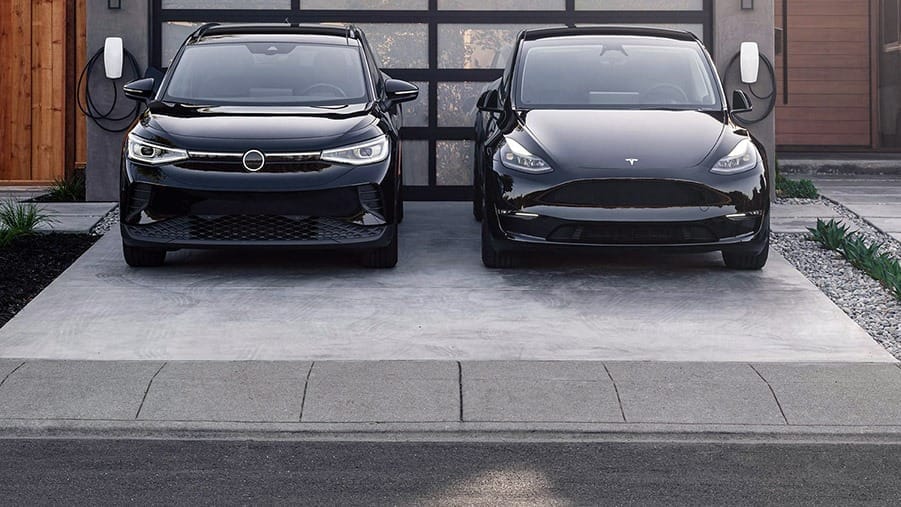
    The new Trump administration is looking to eliminate the federal tax credit for new electric vehicles, which could negatively impact Tesla’s sales, especially in California.

    State Rebate Plans

    California’s Governor Newsom has announced that the state will bring back its rebate incentive for new EV purchases that was removed last year. This move is intended to help automakers cope with the potential loss of the federal tax credit.

    The Inflation Reduction Act, which oversees the federal EV tax credits, was initially designed to last until 2032. However, the incoming administration seems to have different budget priorities, focusing more on new technologies like carbon capture rather than the established EV market.

    Price Increase for Tesla Buyers

    For those looking to buy Tesla vehicles in California, particularly the much-anticipated Model Y Juniper facelift, they may face a price increase of $7,500 compared to the existing Model Y. This is not due to Tesla raising prices for its Juniper refresh, but rather the impact of the changing incentives.

    Governor Newsom mentioned that the state rebate will be allocated based on market share to foster competition among electric vehicle manufacturers. “It’s about creating the market conditions for more of these car makers to take root,” he said.

    Impact on Tesla’s Market Share

    This strategy will effectively leave Tesla out of the state funds meant to offset the loss of the federal tax credit, as Tesla holds the largest market share in the state.

    Even though Tesla’s EV market share in California has declined from last year, the company still accounts for more than half of all electric vehicle sales in the state. Therefore, the sudden removal of all tax incentives could hinder its growth opportunities.

    Elon Musk has pointed out that Tesla is the only company producing electric vehicles in California, suggesting that excluding it from future state rebates would not make much sense.

    Source: Link
  • Hyundai and Kia Recall 208,000 EVs for Power Loss Risk

    Hyundai and Kia Recall 208,000 EVs for Power Loss Risk

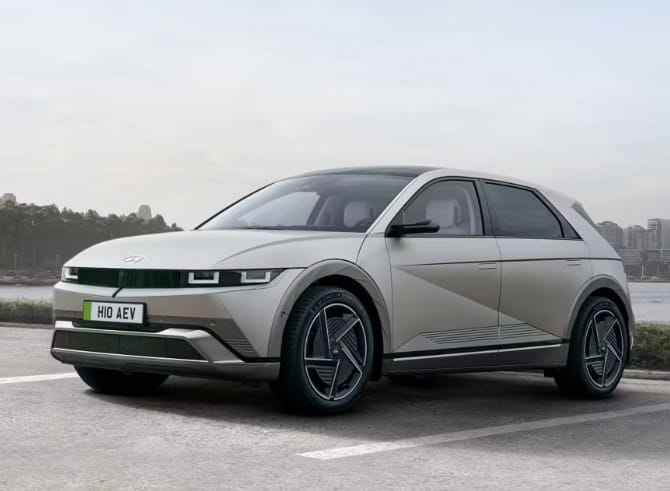
    Related auto brands Hyundai and Kia are recalling a total of 208,000 electric vehicles (EVs) in North America due to a problem that could heighten the chances of an accident. Correspondence from the National Highway Traffic Safety Agency (NHTSA) to Hyundai Motor America reveals that the issue lies within the Integrated Charging Control Unit (ICCU), which may fail and stop the 12-volt battery from charging. This malfunction can result in a loss of driving power.

    Affected Models

    Most of the recalled cars belong to the Hyundai brand, with 145,235 units possibly impacted. The models included in this action are the Genesis GV60, Genesis GV70 “Electrified,” Genesis G80 “Electrified” (for the years 2023-2024), Ioniq 5 (2022-2024 editions), and Ioniq 6 (2023-2025 editions).

    Inspection and Repairs

    To fix the issue, car owners will need to take their vehicles to a dealer. There, the ICCU and its fuse will be checked and replaced if needed, all at no cost to the owner. Additionally, the dealer will update the software for the ICCU.

    The NHTSA has indicated that this current Hyundai recall takes precedence over an earlier one. The solution will also cover any vehicles that have already undergone repairs.

    Kia Recall Details

    Kia is recalling approximately 63,000 EV6 models from the 2022-2024 lineups for a similar concern. A malfunctioning transistor in the ICCU might hinder the 12-volt battery’s ability to charge, which could lead to a loss of power.

    Owners of the Kia EV6, including those previously recalled for the same issue, must visit a Kia dealer to have their ICCU unit checked and possibly replaced for free. They will also receive a software update.

    Both Hyundai and Kia aim to issue recall notifications, with Hyundai expected to do so in January and Kia in December.

    Source: Link

  • Tesla Responds to High Fatality Crash Rate with Model 3 Safety Data

    Tesla Responds to High Fatality Crash Rate with Model 3 Safety Data

    Tesla’s chief engineer, Lars Moravy, is actively countering claims from a recent report that states Teslas have the highest fatality crash rate among all vehicles. He argues that the report’s conclusions are misleading.

    Report Overview

    The report examined data from the federal U.S. Fatality Analysis Reporting System (FARS), which is managed by the NHTSA. It focused on accidents involving cars from the 2018 to 2022 model years that resulted in at least one death, either for drivers or passengers.

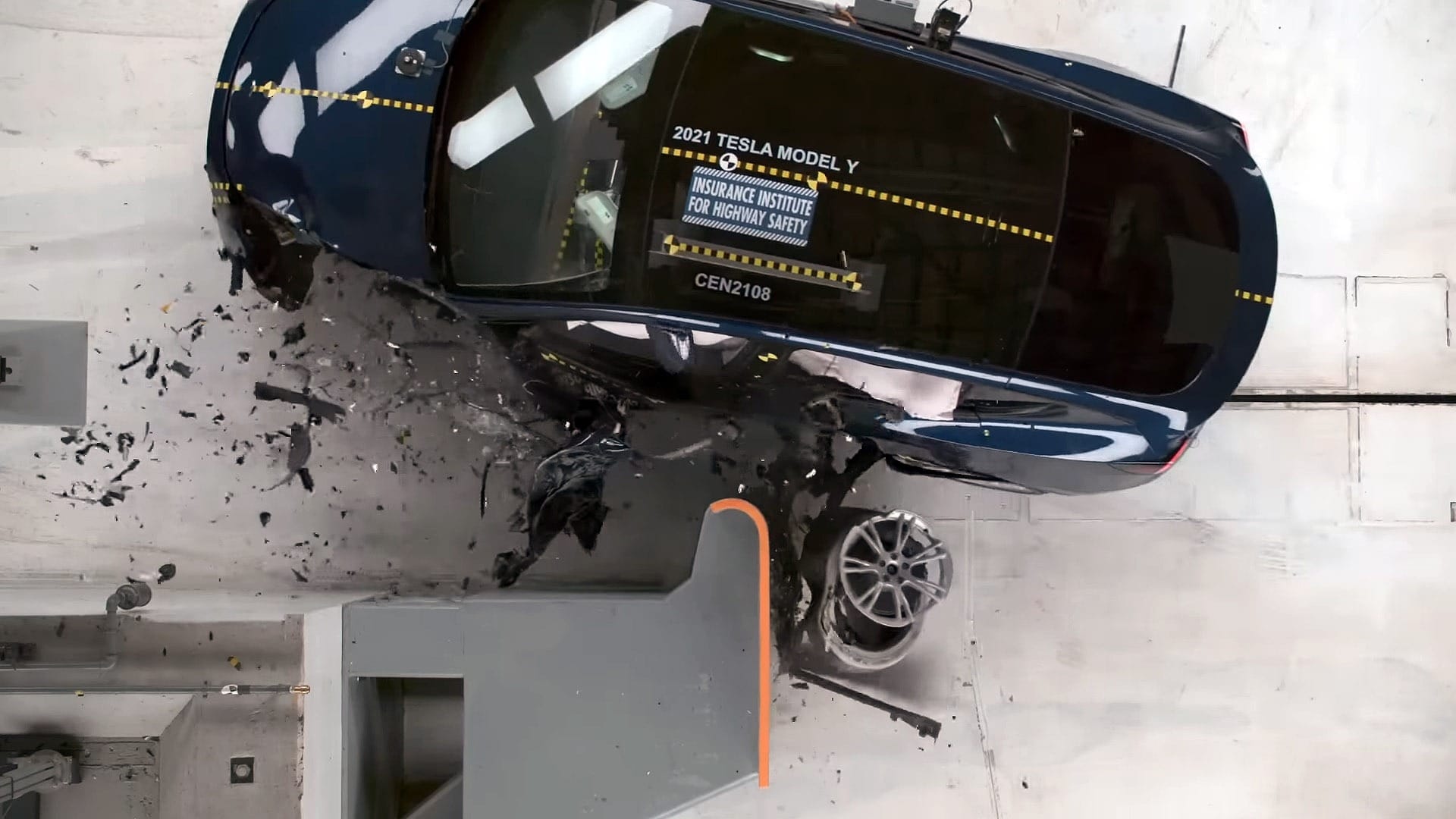
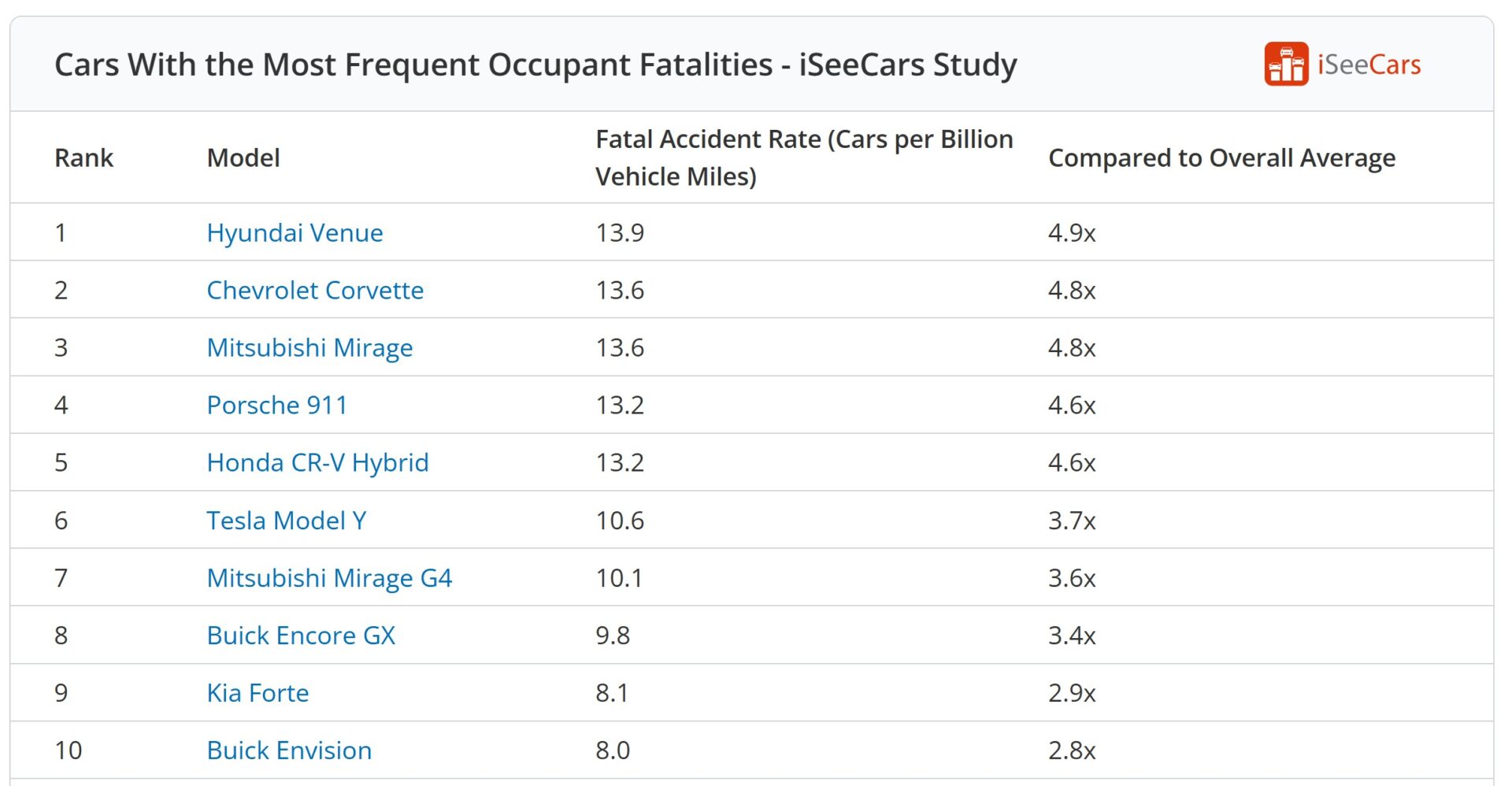
    In this analysis, Tesla emerged as the brand with the highest fatality crash rate overall. Although the Hyundai Venue held the worst record for individual models, the Model S had a fatality rate that was twice the average, while the popular Model Y of Tesla had a crash death rate nearly four times higher than average. This placed it among the top 10 most dangerous vehicles in the U.S., according to the study.

    Issues with Comparisons

    However, while it may seem accurate to label Tesla as having the highest fatality rate based on the FARS data, this comparison is flawed. Tesla has significantly fewer models on the market compared to other manufacturers, which often offer a wider range of vehicles.

    In defense of Tesla, Moravy asserted, “the math is incorrect – crash test data is real; Teslas are among the safest cars.” He suggested that the calculations might suffer from a poor denominator, noting that by the end of 2022, U.S. model year miles driven exceeded 7 billion, with the Model 3 alone at around 19 billion. While Tesla’s safety data from crash tests is indeed impressive, it doesn’t necessarily explain the fatality rates in real-world accidents, which could be influenced by many factors.

    Additional Information

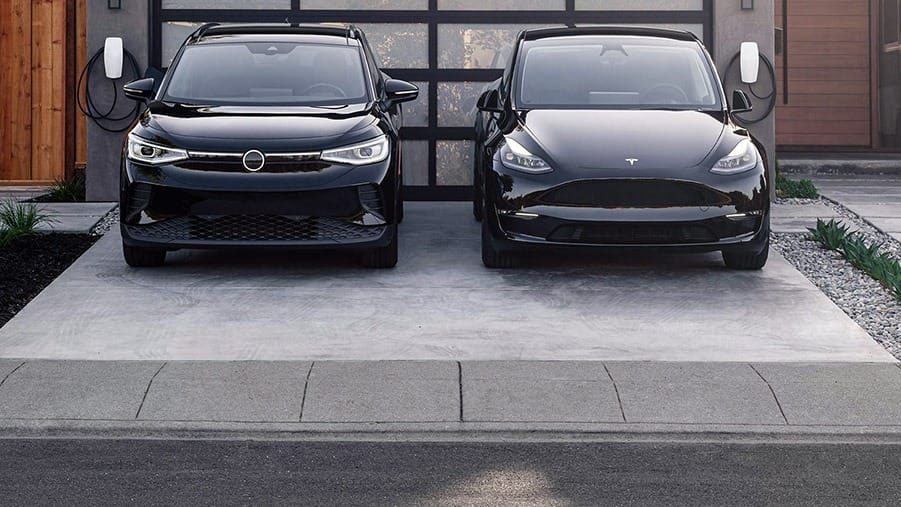
    If you’re in the market for charging solutions, you can find the 80A Tesla Gen 2 Wall Connector with a 24-foot cable on Amazon.

    Source: Link,Link


    Image 1
  • Tesla Launches Smart Summon Feature in Europe and Middle East

    Tesla Launches Smart Summon Feature in Europe and Middle East

    Tesla vehicles get better over time thanks to updates that introduce new features and improve existing ones. Yet, some buyers in various regions have to wait longer to access these features. A recent example is the Actually Smart Summon, which took a while to reach customers in Europe and the Middle East. According to a post on X (previously Twitter) from one of Tesla’s official accounts, the feature has finally launched in those regions.

    Feature Launch in the U.S.

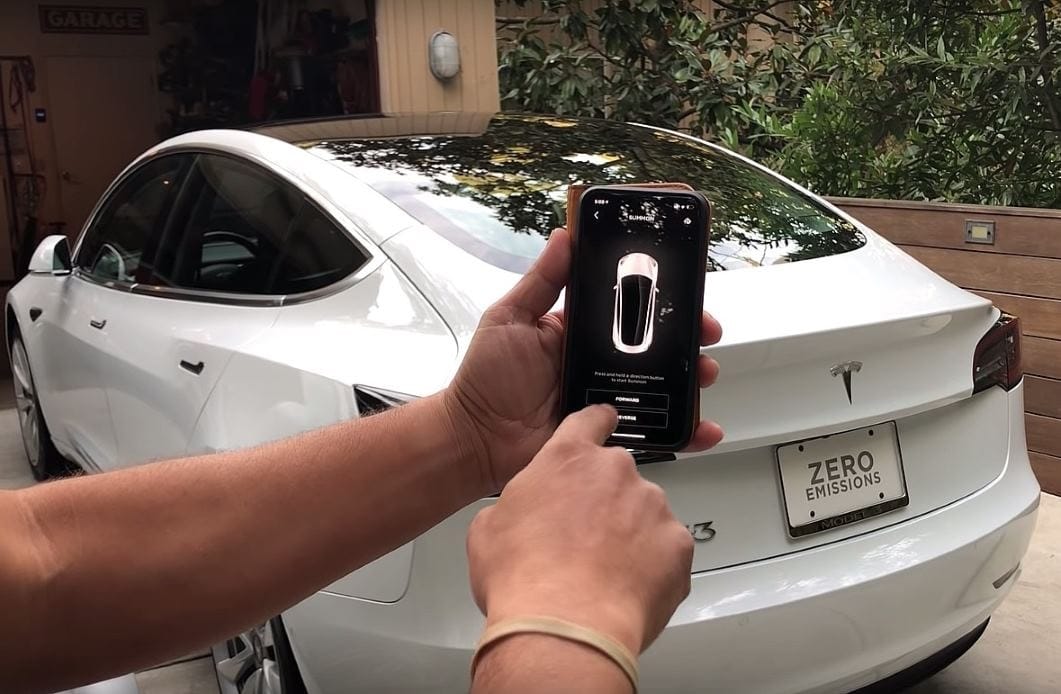
    The feature was made available in the United States back in September. It allows Tesla owners to summon their car from its parked spot to their current location using the Tesla app, as long as the vehicle is not too far away. For instance, this could be handy for retrieving your Tesla from a store’s entrance, saving you the hassle of carrying your shopping all the way back to the parking lot.

    Limitations in Europe and the Middle East

    However, there is a notable restriction with the version released in Europe and the Middle East. While the US version functions within a range of approximately 213 ft (65 m), drivers in these regions must stay within 19.7 ft (6 m) of their car, turning the feature into more of a gimmick than a useful tool.

    This limitation arises from the United Nations Economic Commission for Europe’s (UNECE) regulations, which require drivers to be 20 ft (~6 m) or closer to their vehicles when operating them autonomously. The specific regulation is UNECE Regulation No. 79 Revision 5, which pertains to advanced driver assistance systems (ADAS) and automated driving systems (ADS).

    Future Prospects

    On the bright side, this rollout is seen as a step toward the launch of FSD (Supervised) in Europe, China, and other regions. In the U.S., Tesla debuted Actually Smart Summon alongside an update to FSD (Supervised); this could suggest that the highly awaited ADAS will soon be available outside of North America.

    Drivers in Europe might voice their frustration over receiving a limited version of the feature, but it seems even more challenging for Canadians, who still don’t have access to Actually Smart Summon. Typically, Canada follows closely behind the U.S. in getting new Tesla features, so this delay is unexpected.

    Tesla Europe & Middle East shared this update on X (formerly Twitter).

    Source: Link

  • Tesla Tackles Supercharger Congestion with AI and Long Cables

    Tesla Tackles Supercharger Congestion with AI and Long Cables

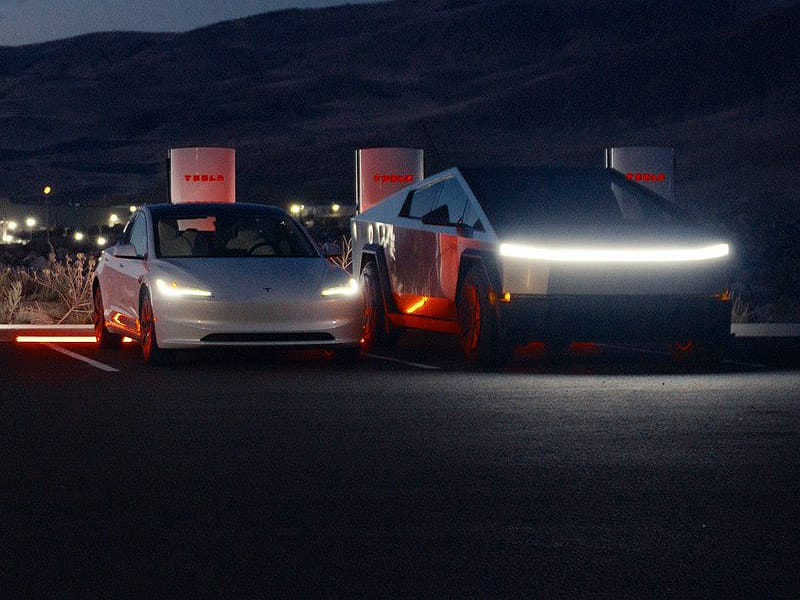
    Tesla is set to enhance the Supercharger wait times for all electric vehicle (EV) owners. This will be done by boosting the number of V4 chargers with longer cables, refining their availability algorithms, and striving for a standardized charging port location for non-Tesla EVs.

    Future Plans for Supercharger Expansion

    In the next 18 months, Tesla aims to increase the number of Superchargers that feature longer cables, which will be mounted on the outside of the charger, a shift from the previous design that had shorter cables inside.

    As of now, Tesla has stated that they have “modified over 1,500 sites to ensure drivers never need to use more than 2 charging spots to charge, which increases stall availability for everyone.” In addition, they have rolled out software upgrades that offer more precise predictions about Supercharger availability than ever before.

    Enhanced Charging Experience

    The system can now identify when another EV with a differently located charge port is connected to a short-cable Supercharger stall. This improvement means no more overpromising on stall availability, allowing drivers to travel with peace of mind. Tesla plans to keep enhancing this algorithm to ensure it remains as accurate as possible, including detailed site mapping and quicker updates on stall availability.

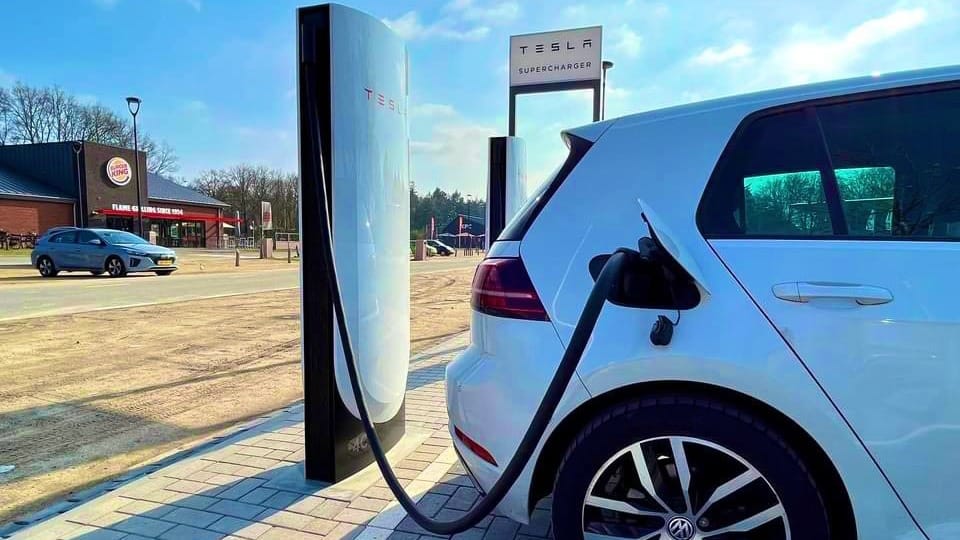
    There are hardly any EV brands that haven’t adopted Tesla’s NACS charging standard. The growing number of Supercharger users with unique charging port positions has pushed Tesla to work on standardizing these locations.

    Standardization Efforts

    “Since we opened the Supercharger network in Europe in 2021, we have been encouraging car manufacturers to relocate charge ports to the rear left or front right,” states Tesla.

    Currently, around 10% of Tesla’s Superchargers worldwide are the latest V4 models, with a higher concentration in Europe compared to the US. Thus, exceeding the number of chargers with shorter cables indicates that Tesla intends to expand V4 Supercharger availability fivefold within the next 18 months. All of these initiatives should collectively boost availability and reduce Supercharger wait times.

    Source: Link

  • Judge Rejects Tesla’s Bid to Dismiss ‘Phantom Braking’ Lawsuit

    Judge Rejects Tesla’s Bid to Dismiss ‘Phantom Braking’ Lawsuit

    Tesla, a leading name in self-driving technology, is facing its share of unhappy customers. In 2023, the well-known car maker was named in a class-action lawsuit in a Chicago district court. Judge Georgia Alexakis, overseeing the case, has decided that it will proceed despite Tesla’s efforts to dismiss it.

    Lawsuit Details

    The case, titled Joshua Santiago et al. v. Tesla, claims that the company did not inform potential buyers about a “phantom braking” problem, which they have known about since 2015. The two individuals who filed the lawsuit argue that Tesla’s forward collision detection system gives false alerts when there is no actual danger, which can lead to the vehicle unexpectedly slowing down or stopping altogether.

    Court Rulings

    While Tesla was unable to get the entire lawsuit dismissed, Judge Alexakis did agree to remove some parts of it. She threw out claims that Tesla’s insurance division charged drivers too much for premiums based on the supposed braking issue. The argument that the false collision alerts resulted in higher insurance costs for drivers did not persuade the judge.

    Tesla claims they were unaware of the alleged problem until one of the plaintiffs purchased their Model 3 in 2021.

    Future of Tesla’s Technology

    However, Judge Alexakis recognized that the lawsuit has shown that potential buyers ought to be able to rely on the information presented on Tesla’s website, supporting claims of Tesla’s failure to disclose safety-related information.

    Tesla has ambitious goals for its self-driving capabilities. The company recently introduced the Cybercab and Robovan, which received a lot of attention. The Cybercab is a future taxi designed for two passengers without a steering wheel or pedals. The Robovan is a larger automated vehicle meant for public transport.

    Tesla currently provides Autopilot with every new model, featuring basic options like Cruise Control and Autosteer. The Full Self-Driving (Supervised) option includes more advanced functions such as Navigate on Autopilot, Auto Lane Change, Autopark, and Smart Summon, available through either a subscription or a one-time payment.

    Source: Link

  • BYD Set to Open EV Plant in Cambodia Soon

    BYD Set to Open EV Plant in Cambodia Soon

    BYD is rapidly expanding its operations globally, as the Chinese car manufacturer selects yet another overseas production site. The company has announced its intention to produce electric vehicles (EVs) in Cambodia, following the paths of Ford and Toyota.

    New Production Plans

    After launching a facility in Thailand in 2024, BYD is now aiming to create a presence in an additional Southeast Asian nation. Discussions with Cambodian authorities about building a production plant are reportedly nearing completion.

    During a graduation ceremony at the Royal University of Phnom Penh (RUPP), Cambodian Prime Minister Hun Manet shared this news. He mentioned that a final decision regarding the project is anticipated in 2025.

    Boosting the Economy

    The Prime Minister is eager to draw in more automakers, especially as some companies adjust their production plans due to geopolitical issues. His administration aims to increase exports in vehicles and electronics to over $2 billion and create more than 22,000 new jobs through these efforts.

    Manet reassured potential investors in the auto industry that Cambodia possesses the necessary human resources to support industries that require specialized knowledge and skills.

    Opportunities for Growth

    In response to the announcement, Natharoun Ngo Son, the Country Director of EnergyLab in Cambodia, remarked that establishing EV production facilities presents an opportunity for Cambodia to enhance the skills of its workforce and generate higher-paying job opportunities. Natharoun’s organization is set to launch a skills development program aimed at supporting Cambodia’s EV sector in 2025.

    It’s worth noting that Ford began its production in Cambodia in 2022, with Toyota following in May 2024.

    BYD’s Market Presence

    In October 2024, BYD launched its Shark 6 Plug-in Hybrid Electric Vehicle (PHEV) in Cambodia. The company’s new energy vehicle (NEV) division is thriving, reporting over 500,000 units sold globally in October 2024, marking its fifth consecutive month of growth. To enhance its worldwide delivery capabilities, BYD is also considering manufacturing EVs in Mexico, Brazil, Pakistan, Hungary, and Turkey.

    BYD offers a variety of affordable EVs but is also aiming to enter the luxury market segment.

    Source: Link

  • Tesla offers free charging and FSD trials with new vehicle purchases

    Tesla offers free charging and FSD trials with new vehicle purchases

    Now that Tesla’s stock of vehicles has decreased noticeably, the company is offering free Supercharging and Full Self-Driving trials for all new car purchases.

    New Offers for Inventory Vehicles

    Last week, Tesla rolled out a fresh deal for buyers of its existing stock of vehicles, excluding used ones. The promotion includes three months of complimentary charging at Tesla stations and the Full Self-Driving feature for free during the same duration, allowing customers to test it out and see if they can manage without it.

    Cybertruck Details

    However, those looking to get an inventory Cybertruck were limited to the free Supercharging deal. This is because the only available models are the Foundation Series pickups, which already have FSD included but come with a starting price of over $100,000. In contrast, Tesla does offer non-Foundation Series Cybertrucks that start below $80,000; however, these do not qualify for the free FSD offer as it is only for inventory vehicles.

    Expanded Promotion for New Models

    Now, Tesla is broadening its free Supercharging and FSD trial offer to customers who receive any new Model Y, Model 3, Model S, Model X, or even the base Cybertruck by the year’s end. Customers who take delivery of a new Model S, Model 3, Model X, Model Y, or Cybertruck before December 31, 2024, can receive three months of free Full Self-Driving (Supervised) and Supercharging. This offer can’t be delayed or shifted to another account or vehicle. Also, no alternative will be provided for those who buy Full Self-Driving (Supervised). This promotion does not apply to used vehicles or business orders.

    Potential for Record Shipments

    This push for year-end incentives could lead to unprecedented quarterly shipments, as Tesla now has numerous promotional offers running. Besides the Supercharging and FSD trials, they are also offering a 0% APR financing rate and free FSD transfers, along with state-specific promotions like free overnight charging in Texas.

    Source: Link

  • Magnet and Cybertruck: A Recipe for Rusty Problems

    Magnet and Cybertruck: A Recipe for Rusty Problems

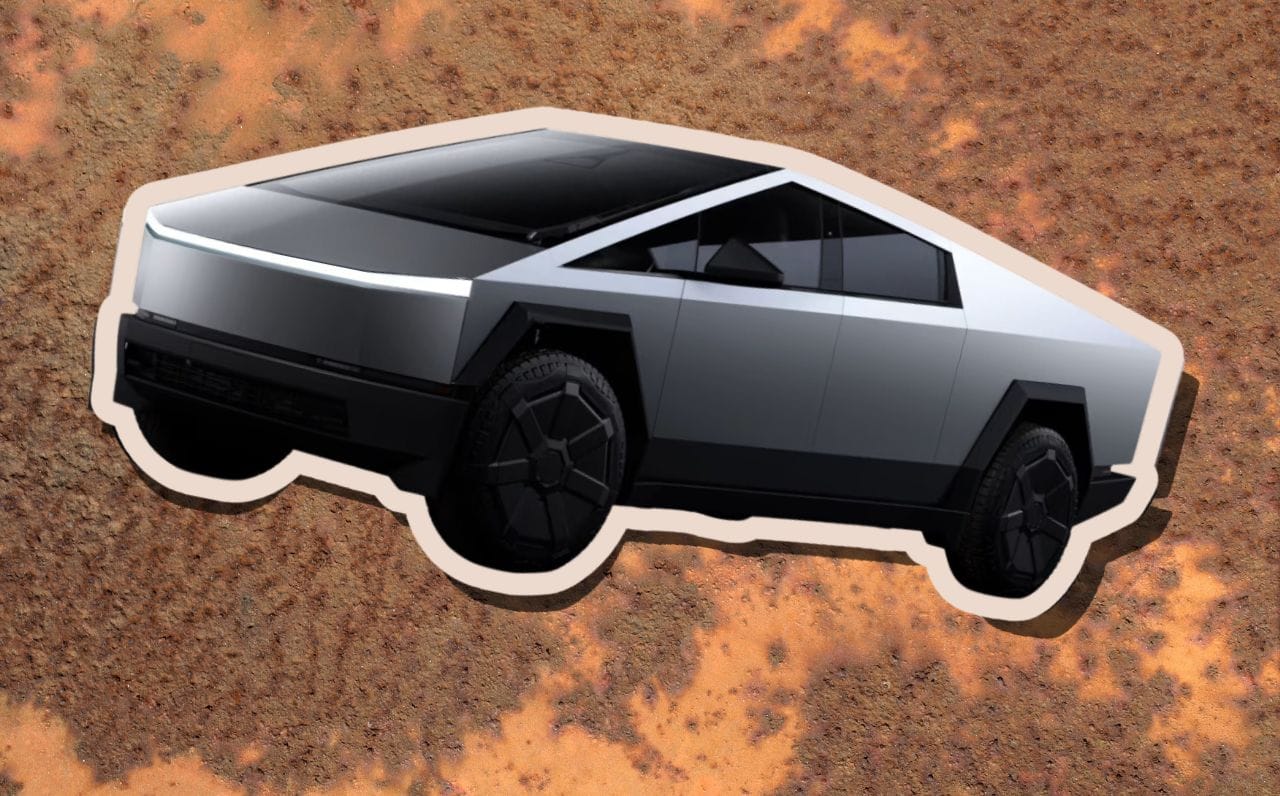
    As initially mentioned by Torquenews, Cybertruck owners are once again sharing their experiences on cybertruckownersclub about the delicate nature of their vehicles. In a thread titled "Don’t put magnets on your CT! Corrosion?" a user named cybertooth expresses regret after attaching advertising magnets to his Cybertruck. Just a month after applying the magnets, he discovered rust and corrosion forming beneath them. Fortunately, he managed to fix the issue using kitchen stainless steel cleaning products, though another member noted that there were still signs of pitting.

    Other Users Share Concerns

    While cybertooth’s situation was particularly severe, other users chimed in with their own worries about potential damage. Many expressed that the decals on their trucks might also lead to similar corrosion problems, regardless of the magnet’s size. User SentinelOne mentioned experiencing some corrosion after leaving a small magnet on his tailgate for four months, stating, "I had a small magnet on my tail gate for 4 months and it’s corroded underneath, not too bad but it’s there….bummer. Wonder if stickers do the same??" Sadly, both stickers and vinyl might also lead to corrosion, as the adhesives can be tough to remove from the stainless steel surface of the electric vehicle.

    Risks of the Stainless Steel Body

    Regarding the stainless steel structure, users noted that introducing magnetic elements to stainless steel creates conditions that can foster rust. Additionally, the absence of a clear coat on the Cybertruck exacerbates the problem. For those looking to customize their vehicles in a safer way, painting the electric truck is currently the most reliable yet pricey option. Luckily, for potential owners, the more affordable Cybertruck variant may allow for a paint job to fit within their budget.

    Source: Link,Link

  • Electric Vehicle Sales May Hit 60 Million by 2030 Amid Battery Shortages

    A recent study by the International Renewable Energy Agency (IRENA) estimates that the yearly sales of electric vehicles (EVs) could hit 60 million units by 2030 to comply with the 1.5°C target. This figure is over four times the current sales of 14 million vehicles as of 2023. Such a swift increase in EV usage will require a notable rise in the production of essential minerals used in batteries.

    Projected Battery Demand

    The report titled Critical Materials: Batteries for Electric Vehicles predicts that the annual demand for EV batteries will soar from 850 gigawatt-hours (GWh) in 2023 to more than 4,300 GWh by 2030, marking a fivefold surge. While the document suggests that existing reserves of critical minerals are adequate to satisfy this demand and even produce potential surpluses, it stresses that proactive policies are vital to avoid supply shortages.

    Supply Chain Challenges

    For lithium, IRENA anticipates a possible surplus of 25% by 2030. Nevertheless, issues within the supply chain might lead to a deficit of as much as 40%, emphasizing the importance of good supply chain management. Cobalt presents more significant challenges due to a strong dependence on nickel-cobalt combinations in batteries. The report suggests that enhancing current supply channels and improving technologies to lessen cobalt reliance could prevent shortages. Likewise, nickel shortages can be addressed by speeding up the shift to LFP (lithium iron phosphate) and LMFP (lithium manganese iron phosphate) battery technologies, which depend less on nickel.

    Innovation and Sustainability

    The research highlights the critical role of ongoing innovation to maximize the usage of vital minerals.

    “With the sustainable growth of material supply chains, along with ongoing advancements in battery technologies, nations can satisfy the increasing need for EV battery materials. This is achievable even with a rapid rise in EV adoption, following a 1.5°C decarbonization strategy,” the report emphasizes.