Category: EV vehicles

  • US Grant for Low-Cost High-Energy Density Sodium-Ion Batteries

    US Grant for Low-Cost High-Energy Density Sodium-Ion Batteries

    The US Energy Department is funding efforts to enhance the energy density of sodium-ion batteries to rival the cost-effectiveness of lithium iron phosphate (LFP) cells, widely used in power banks and electric vehicles.

    They are providing $50 million for research into sodium-ion batteries through the Low-cost Earth-abundant Na-ion Storage (LENS) consortium, which is led by the Argonne National Laboratory of the Department of Energy.

    Research Collaboration

    The LENS initiative involves several national laboratories, including Brookhaven, Lawrence Berkeley, Pacific Northwest, Sandia, and SLAC National Accelerator labs. The director of the consortium stated that the aim is to “boost sodium-ion energy density to equal and then surpass that of phosphate-based [LFP] lithium-ion batteries while reducing and eliminating the reliance on critical elements,” which are typically sourced from China.of phosphate-based [LFP] lithium-ion batteries

    Recently, BYD, a Chinese company, revealed a sodium-ion energy storage system that boasts exceptional energy density. The US is eager to enhance its capabilities, given that it is one of the top producers of sodium, the essential and inexpensive material for Na-ion batteries.

    Battery Cost Comparisons

    Lithium batteries tend to be significantly more costly to manufacture, particularly those that include high-value metals like cobalt and nickel. This situation also heightens the reliance on Chinese suppliers, as the primary battery manufacturers and raw material suppliers are located there.

    In addition to national labs, the LENS consortium comprises prestigious academic institutions, including Florida State University, University of California San Diego, University of Houston, University of Illinois Chicago, University of Maryland, University of Rhode Island, University of Wisconsin–Madison, and Virginia Tech.

    Excitement for Innovation

    Feng Lin, a chemistry professor at Virginia Tech, expressed enthusiasm about participating in the sodium-ion battery commercialization initiative for electric vehicles: “Our world is on the edge of a major transformation in how we fuel our daily lives. With the shared knowledge of the LENS consortium, we now hold a special chance to advance new battery technologies for electric vehicles and to educate a new wave of scientists and engineers who will play a role in our domestic battery innovation and production.”

    The primary objective is to develop innovative electrode and electrolyte materials for sodium-ion batteries, as well as to create prototype cells that will be integrated into new sodium-ion battery packs, which are designed to have extended life cycles and high energy density.
  • Drone Photos Show Cybertruck-Shaped Exit at Tesla Giga Texas

    Drone Photos Show Cybertruck-Shaped Exit at Tesla Giga Texas

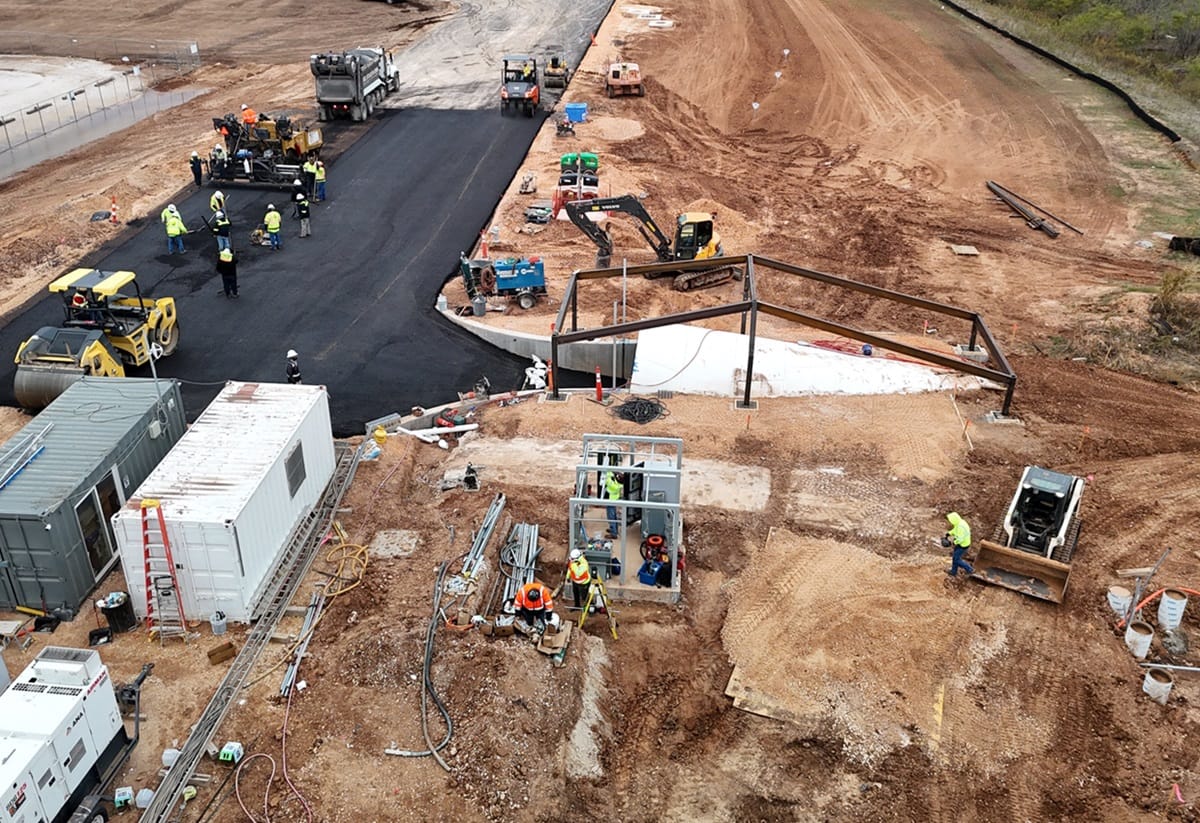
    Tesla has finished digging its Giga Texas tunnel, called the Cybertunnel, and new drone images of the exit have come to light. Photos shared on X (previously Twitter) by @JoeTegtmeyer reveal that the end of the tunnel will take on the unique shape of a Cybertruck. The images display a black structure inspired by the sleek design of the electric pickup truck.

    Tunnel Construction Details

    The tunnel was excavated by one of Elon Musk’s companies, The Boring Company (TBC). The excavation began in March with the use of the Prufrock-3 boring machine, and workers have been seen finalizing the asphalt work. Just last month, another drone operator captured images showing that the interior of the tunnel has already been painted.

    Route and Purpose

    The Cybertunnel originates on the west side of the factory and extends under State Highway 130 (SH 130). Its purpose is to link the Cybertruck production line to the logistics area, where Tesla plans to ship the pickup trucks. Musk first mentioned the tunnel concept back in 2020.

    Musk founded TBC to build underground transportation tunnels to alleviate urban traffic issues, which he has described as soul-crushing. Other significant projects from TBC include the Loop at the Las Vegas Convention Center (LVCC), which helps transport attendees between various parts of the city, such as the well-known Strip and downtown areas. There are intentions to introduce self-driving vehicles into the tunnels by the end of 2024.

  • Water Supplier Completes Contract for Tesla Giga Berlin

    Water Supplier Completes Contract for Tesla Giga Berlin

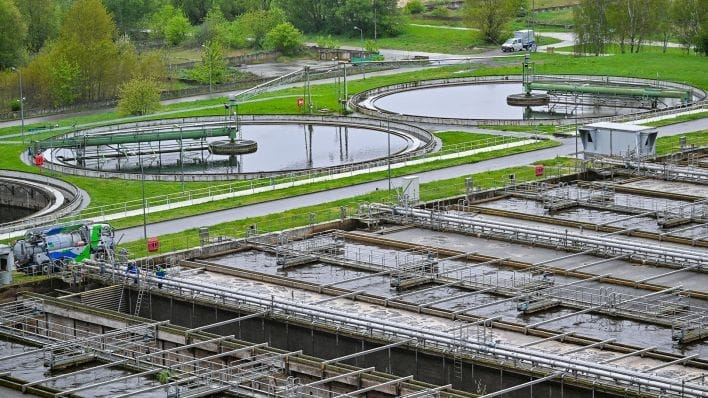
    Water usage at Giga Berlin has become a hot topic for Tesla, sparking protests from local environmental groups around the facility. Yet, there appears to be a possible solution coming up, as the Strauberg-Erkner Water Association (WSE) has drafted a water contract aimed at the electric vehicle plant.

    WSE’s Role

    WSE is a regional water supplier and waste management service in Germany. It serves 16 municipalities and has gained attention lately for its lengthy discussions with Tesla regarding the Giga Berlin plant.

    Contract Details Pending

    While the specifics of the contract haven’t been revealed yet, reports indicate that it includes a reduced water supply for Tesla, along with new guidelines for managing wastewater generated at the factory. The WSE plans to send the draft to Tesla for their assessment.

    Hopes for Quick Resolution

    Thomas Krieger, the chairman of the association and the mayor of Fredersdorf-Vogelsdorf, is optimistic that Tesla will give a positive feedback before Christmas. However, it’s possible that both parties will have to go through more rounds of negotiations if Tesla asks for changes, which seems likely since it has expressed concerns about not being included in or updated on the final revisions to the draft.

    Tesla has managed to cut down its water use significantly, thanks to its effective wastewater treatment system. Nevertheless, the downside is that the wastewater produced is too concentrated for WSE’s disposal system.

  • Anker Nano 75W Car Charger with Retractable USB-C Cable Now Global

    Anker Nano 75W Car Charger with Retractable USB-C Cable Now Global

    Anker has begun to introduce its latest Nano Car Charger (75W, USB-C Port, Built-in Retractable USB-C Cable) across Europe. Speculations surrounding this device started in October, with its official launch taking place in the US during November.

    Availability Across Europe

    The charger is now listed on Amazon in several European nations, including the UK, France, and Germany, where it’s priced at £29.99/€35.99. Additionally, product pages in countries like the Netherlands, Spain, and Sweden suggest that the Nano Car Charger may soon be available in more regions.

    Charging Capabilities

    With the Anker Nano Car Charger, you can charge two devices at the same time. The integrated USB-C cable provides a power output of 45W, while a second device can be charged with 30W via the USB-C port. Anker claims that this charger can boost an iPhone 15 Pro to 50% in just 25 minutes and a MacBook Air (2022) to the same level in 34 minutes. The retractable cable can extend as much as 29 inches (~75 cm), and the charger comes with an 18-month warranty. You can find the Anker Nano Car Charger (75W, USB-C Port, Built-in Retractable USB-C Cable) on Amazon US for $29.99.

  • Model 3 Performance Aero Kit Boosts Style and Downforce

    Model 3 Performance Aero Kit Boosts Style and Downforce

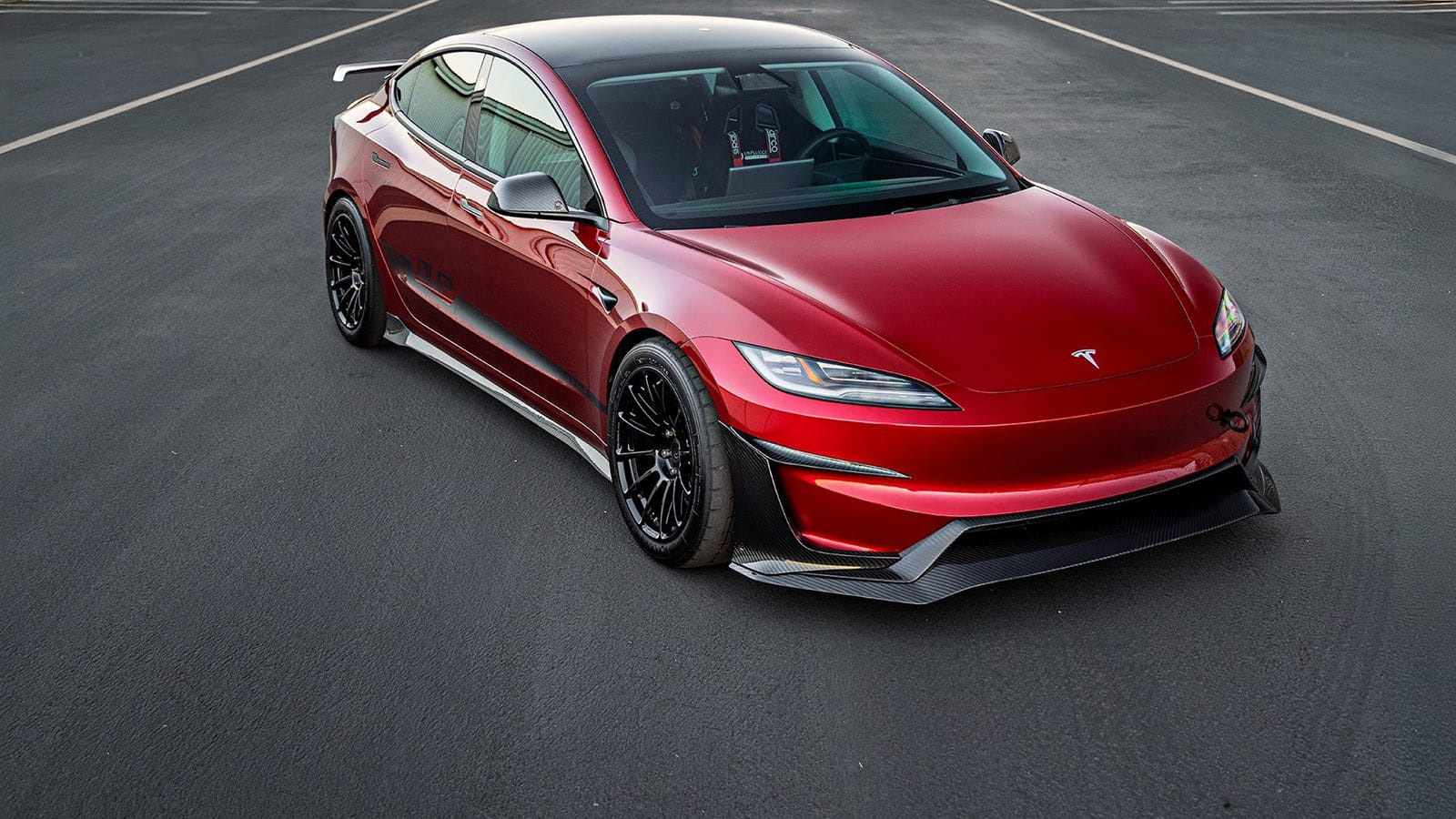
    The Tesla Model 3 Performance, a car that can go from 0 to 60 MPH in under three seconds, already has a fast and stylish design. However, Unplugged Performance felt it could be improved.

    Upgraded Carbon Fiber Aero Kit

    They have introduced a new Carbon Fiber Full Aero Kit for the 2024 Tesla Model 3 Performance that elevates its sporty look without looking overdone or pointless. The elements made of carbon fiber in the front fascia and the subtle rear spoiler help push the car down, increasing stability at high speeds, achieving 426lbs (1896N) of downforce while only increasing the drag coefficient by a mere 1.93%.

    Customizable Options

    Moreover, the Aero Kit is designed to be modular, allowing owners of the Model 3 Performance to choose the parts they want. However, the complete setup is visually impressive as it is. When asked about their decision to enhance the most performance-oriented Model 3, Unplugged Performance shared their view on Tesla’s somewhat plain vehicle designs.

    Tailored for Enthusiasts

    They mentioned that Tesla focuses on efficient manufacturing and broad usability for their cars. In contrast, they’ve tailored their kit for serious car enthusiasts who are looking for something distinct, akin to a premium AMG variant. It’s clear that the aftermarket kit not only makes the Model 3 Performance more noticeable but also adds “stability and grip when you need it, with only a rounding error’s worth of drag.”

    The Carbon Fiber Full Aero Kit for the 2024 Tesla Model 3 Performance features aerodynamics optimized through CFD and is currently available for preorder. Pricing starts at $395 for front deflectors or rear spats, $2,695 for the rear carbon fiber wing, and $7,430 for the complete M3P Aero Kit.


    Image 1
    Image 1
    Image 1
    Image 1
  • Tesla FSD V13.2 Launches: Full Parking Automation & 3-Point Turns

    Tesla FSD V13.2 Launches: Full Parking Automation & 3-Point Turns

    Tesla has unveiled its newest Full Self-Driving (Supervised) V13 edition, just a few months after the release of V12.5.

    Launch Timing and Features

    Previously, the AI team at Tesla had indicated that FSD 13 would be ready by October, likely coinciding with the Robotaxi demonstration. At the event, Cybercabs were indeed utilizing FSD 13. The public rollout has just occurred, and Tesla shared an extensive list of updates for FSD 13.2, highlighting improvements like a response speed that is twice as fast and enhanced collision avoidance, made possible by a three times larger AI model trained on computers that operate five times quicker.

    User Experience Enhancements

    While the statistics on processing capabilities, such as 5x-6x improvement in miles driven without needing intervention, are noteworthy, there are real benefits for users of FSD 13. For example, drivers can now engage FSD directly from Park with a simple button press. The new profiles for city and highway driving also contribute to a more pleasant driving experience.

    Development Insights

    Yun-Ta Tsai from Tesla mentioned the extraordinary effort to launch FSD 13:

    “We completely restructured the system to greatly simplify the flow—from direct photons to control—while adding much more functionality within the same unified framework. This is likely one of the most significant rewrites in years since we began our journey with ‘photon count’ four years ago.”

    New Functionalities

    Among the most noticeable features in FSD 13 are the capabilities for three-point turns and self-parking. The Tesla can now exit a parking spot, reverse, or park itself in locations like driveways or garages, with these features coming in a future update. FSD 13 also includes enhancements in camera visibility and cleaning, with plans for future updates to improve how the system handles camera view obstructions.

    Navigation Improvements

    FSD 13 can now identify road closures and suggest alternate routes, thanks to its ability to process mapping data more efficiently. Additionally, Tesla has tackled some common grievances of FSD users, such as unnecessary braking and overly cautious driving in parking areas.

    Hardware Limitations

    It’s unfortunate that all the new features in FSD 13.2 are only available for Tesla owners equipped with the latest HW4 or AI4 computer and camera systems. Most Teslas still operate on HW3, but Elon Musk hinted that the company might offer free upgrades to HW4 if it proves challenging to make the next unsupervised FSD update compatible with older hardware.

    With Elon Musk now leading the DOGE government efficiency department, the rollout of unsupervised FSD could happen more quickly, and it will soon be determined whether HW4 retrofits will be necessary.


    Image 1
  • Tesla Model 3 Long Range RWD Hits 408 Miles on One Charge

    Tesla Model 3 Long Range RWD Hits 408 Miles on One Charge

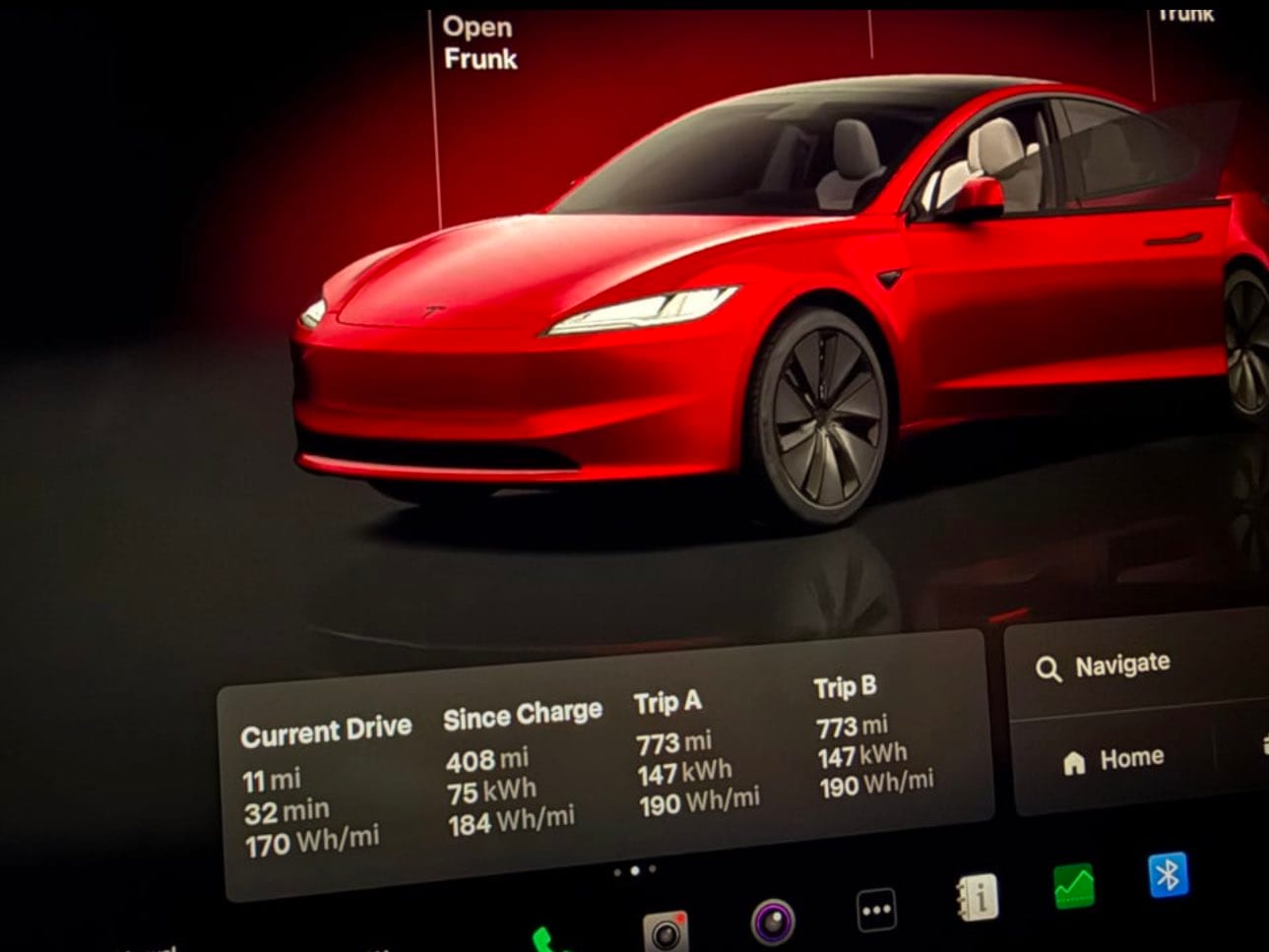
    Tesla’s Model 3 Long Range Rear-Wheel Drive (LR RWD) has gone well beyond its stated EPA-rated range of 363 miles (584 km), with a real-world test showing it achieved 408 miles (656 km) on just one charge. This impressive feat was highlighted by a user on X/Twitter, David (@dkrasniy), who posted a picture of the car’s dashboard readings, catching the eye of both electric vehicle fans and skeptics.

    Efficient Energy Consumption

    The post’s image shows that the 408-mile journey was accomplished with an energy use of 184 Wh/mile, which is notably higher than usual daily driving efficiency. The dashboard also notes a total energy consumption of 75 kWh for the trip, which is quite close to the Model 3’s battery capacity.

    Competitive Pricing

    Earlier this year, Tesla reintroduced the Model 3 LR RWD, advertising a 363-mile EPA-rated range, making it one of the top options for long-range in the Model 3 series. This vehicle is promoted as a blend of cost-effectiveness and extended range, with a price tag of $42,490 in the United States. It features Tesla’s latest efficiency upgrades and incorporates advanced powertrain software. Though the advertised range has been surpassed in the past, these new figures are indeed remarkable.

    Implications for Buyers

    The 408-mile achievement exceeds the EPA rating by over 12%. Most electric vehicles typically do not surpass their rated range in real-life conditions due to elements like weather, terrain, and driving habits. The dashboard image shared also includes more details from the trip.

    This information should intrigue potential buyers, as the Model 3 makes a compelling argument for long-range electric cars. While not every driver may replicate the same outcomes as demonstrated in the test, this real-life example offers valuable insights into the vehicle’s capabilities. Additionally, Tesla’s new lease buyout policy, which also applies to the Model 3, will make this electric vehicle an even more attractive option.


    Image 1
  • BYD Launches 2.3 MWh Sodium-Ion Battery for Grid Storage

    BYD Launches 2.3 MWh Sodium-Ion Battery for Grid Storage

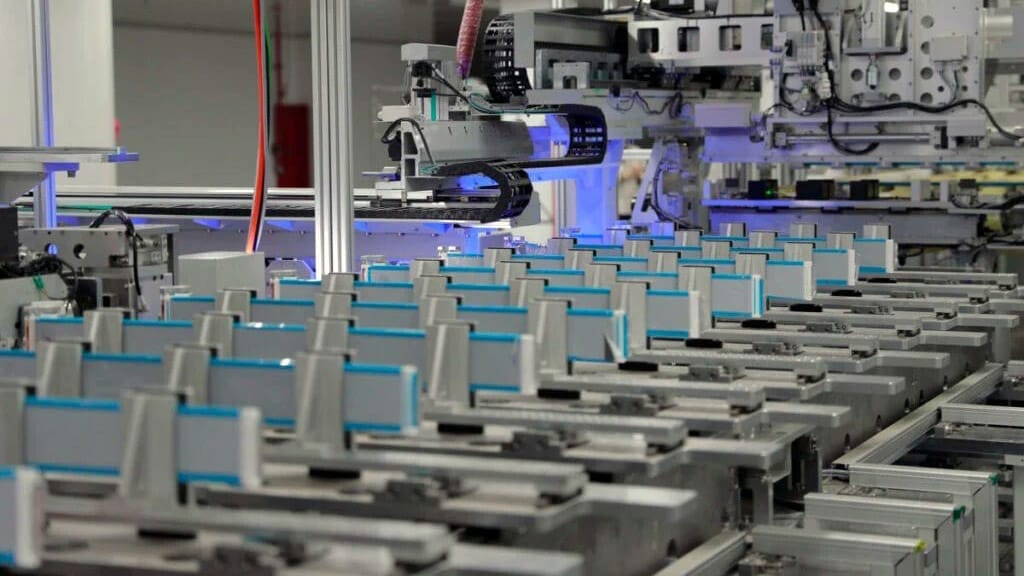
    The second biggest battery producer in the world, BYD, has successfully created a sodium-ion battery pack that meets all the needs of a grid-level battery energy storage system (BESS). This innovative battery offers a long cycle life and impressive energy density.

    A New Era of Sodium-Ion Technology

    The MC Cube-SIB ESS container, which BYD claims is the “world’s first high-performance” sodium-ion battery for grid energy storage, features the company’s unique Blade packing design, as noted by Kai Wang from BYD. The MC Cube is rated at 1200V with a capacity of 2.3 MWh, and its voltage can range from 800V to 1400V.

    Comparison with Tesla’s Megapack

    In contrast, Tesla’s Megapack has a capacity of 3.9 MWh, but it utilizes LFP batteries similar to those found in the Bluetti Portable Power Station, which is currently available on Amazon at a 50% discount for Black Friday.

    Sodium-ion batteries are generally lower in cost because their raw materials are readily available. They also provide a longer lifespan and higher discharge rates even in cold conditions. Furthermore, sodium-ion batteries are considered safer than lithium batteries, which can face risks like piercing, exposure to high temperatures, or manufacturing flaws that might lead to dangerous thermal runaway.

    Future Prospects for BYD

    Even though lithium prices have significantly dropped in the last year due to a slowing EV market and increased production efficiency, BYD remains committed to its plan of constructing the world’s largest 30 GWh sodium-ion battery factory. This strategic decision will pay off when the factory becomes operational, especially with products like their high-performance Na-ion battery for grid energy storage.

    It is worth mentioning that HiNa Battery already has a functioning grid-level BESS that helps balance a local utility’s renewable energy network. Nonetheless, BYD’s 2.3 MWh MC Cube boasts superior energy density and overall performance, potentially lowering electricity costs below the $0.03/kWh level of HiNa’s sodium-ion grid battery solution, making it an exciting development in energy storage technology.

    Source: Link

  • Tesla Model Y Juniper Launch May Arrive Earlier Than Expected

    Tesla Model Y Juniper Launch May Arrive Earlier Than Expected

    Tesla’s Shanghai Gigafactory is reportedly getting ready to release the refreshed Model Y, nicknamed “Juniper.” The production lines are currently being used for both the existing Model Y and this new version. Currently, the Juniper model takes up a smaller share of the production capacity, indicating a careful increase in preparation for its expected launch in January 2025, which is sooner than the previously thought March 2025 date, according to a tweet from @zhongwen2005.

    Expected Upgrades and Challenges

    The Model Y Juniper is rumored to come with several design and tech improvements. However, Tesla is facing hurdles in California, where Governor Gavin Newsom’s administration is looking to cut Tesla from the state’s electric vehicle (EV) rebate program. This program is aimed at boosting competition in the EV market by helping newer companies. In response, Elon Musk, the CEO of Tesla, has called this decision “insane,” highlighting that Tesla is the only EV maker in California.

    Financial Implications of Policy Changes

    Being excluded from California’s rebate program could mean that the Model Y Juniper will cost $7,500 more for customers in the state, which could affect sales of EVs. This situation is also influenced by the federal government reducing EV tax credits, making things even trickier for Tesla’s buyers.

    Battery Production Concerns

    On top of these policy issues, there are some doubts about Tesla’s 4680 battery technology for the new Model Y. The chairman of CATL, the largest battery maker globally, has openly questioned whether Tesla can produce these batteries at a competitive price. Nonetheless, Tesla remains hopeful about increasing its 4680 battery output in the U.S. and taking advantage of government incentives to help reach its manufacturing targets.

    As the Austin-based electric vehicle leader navigates these changing regulations and market conditions, the Model Y Juniper is set to become more significant in Tesla’s 2025 strategy than initially anticipated. The upcoming launch will indeed challenge Tesla‘s ability to adapt in a market that is increasingly competitive.

    Source: Link,Link


    Image 1
  • Cybertruck Turning Radius Test: Rear Wheel Steering Performance

    Cybertruck Turning Radius Test: Rear Wheel Steering Performance

    Tesla’s first electric pickup, the Cybertruck, is massive yet can maneuver easily thanks to its four-wheel steering feature.

    Exceptional Maneuverability

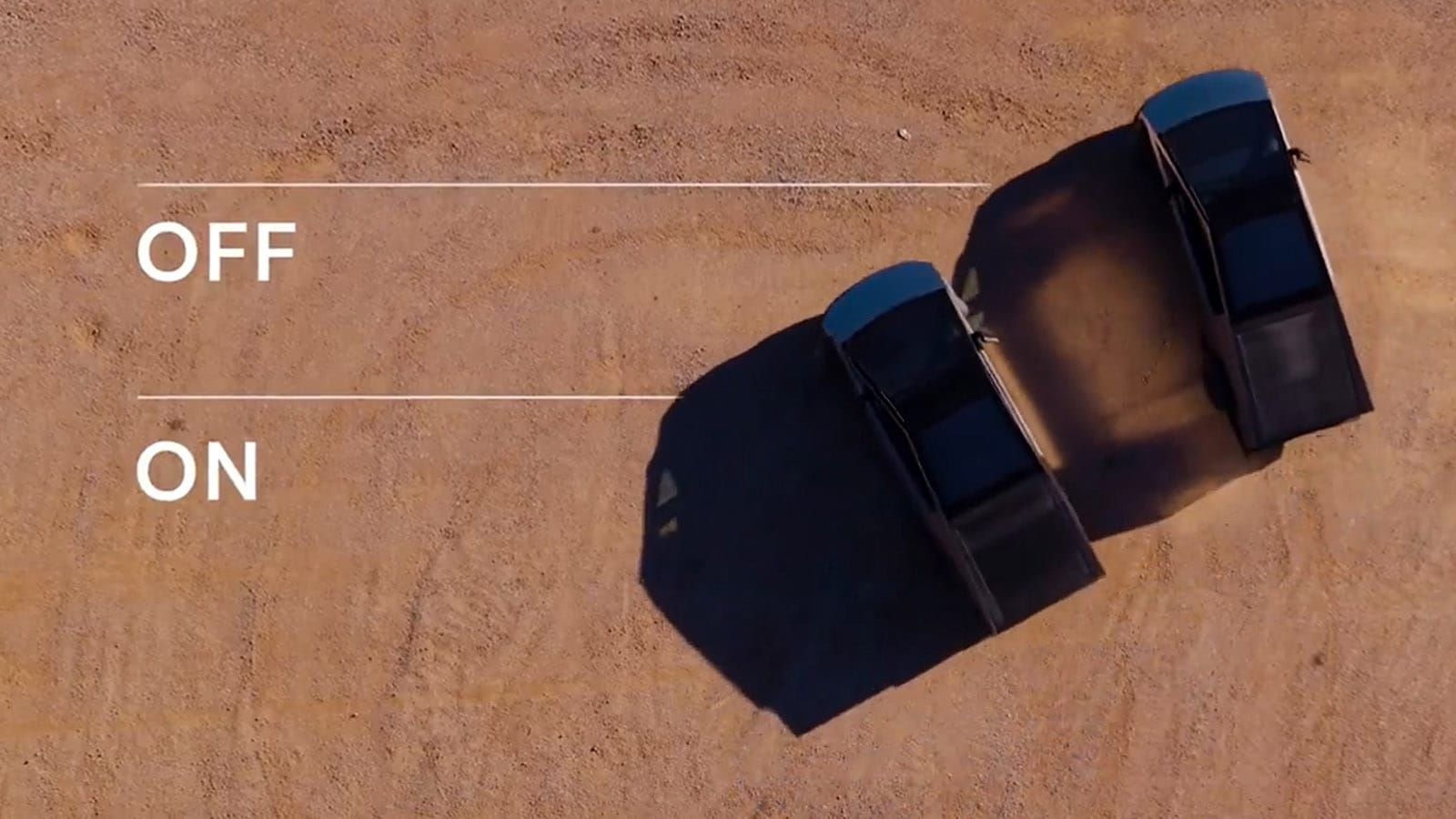
    As is common with this kind of technology, the rear wheels can turn slightly opposite to the front wheels, allowing even larger vehicles to make tight turns. The Cybertruck showcases this ability, and there’s a direct visual comparison of its turning radius with the four-wheel steering both engaged and disengaged.

    In a brief video, the Cybertruck without the rear steering is seen making tight turns around another one that has its rear steering active.

    Innovative Engineering

    Tesla’s chief engineer, Lars Moravy, has stated that the four-wheel steer-by-wire system and the rear steering angle are facilitated by the new 48V low-voltage system. In the past, the power required to operate the rear electric steering motors would have been too much for the older 12V system.

    It’s worth noting that Tesla’s steer-by-wire design includes safety measures like having two electric motors at the front, ensuring that the vehicle can still function if one motor fails.

    Off-Road Capabilities

    Along with its impressive turning ability, which is essential for navigating city streets and tight parking spaces, the Cybertruck is also designed for off-roading. It features ample approach and departure angles for overcoming obstacles, along with a highly capable air suspension that can raise the vehicle significantly in lifted mode. Additionally, it has a compressor that seals the battery in Wade Mode, allowing it to cross rivers with ease.

    Source: Link