Category: EV vehicles

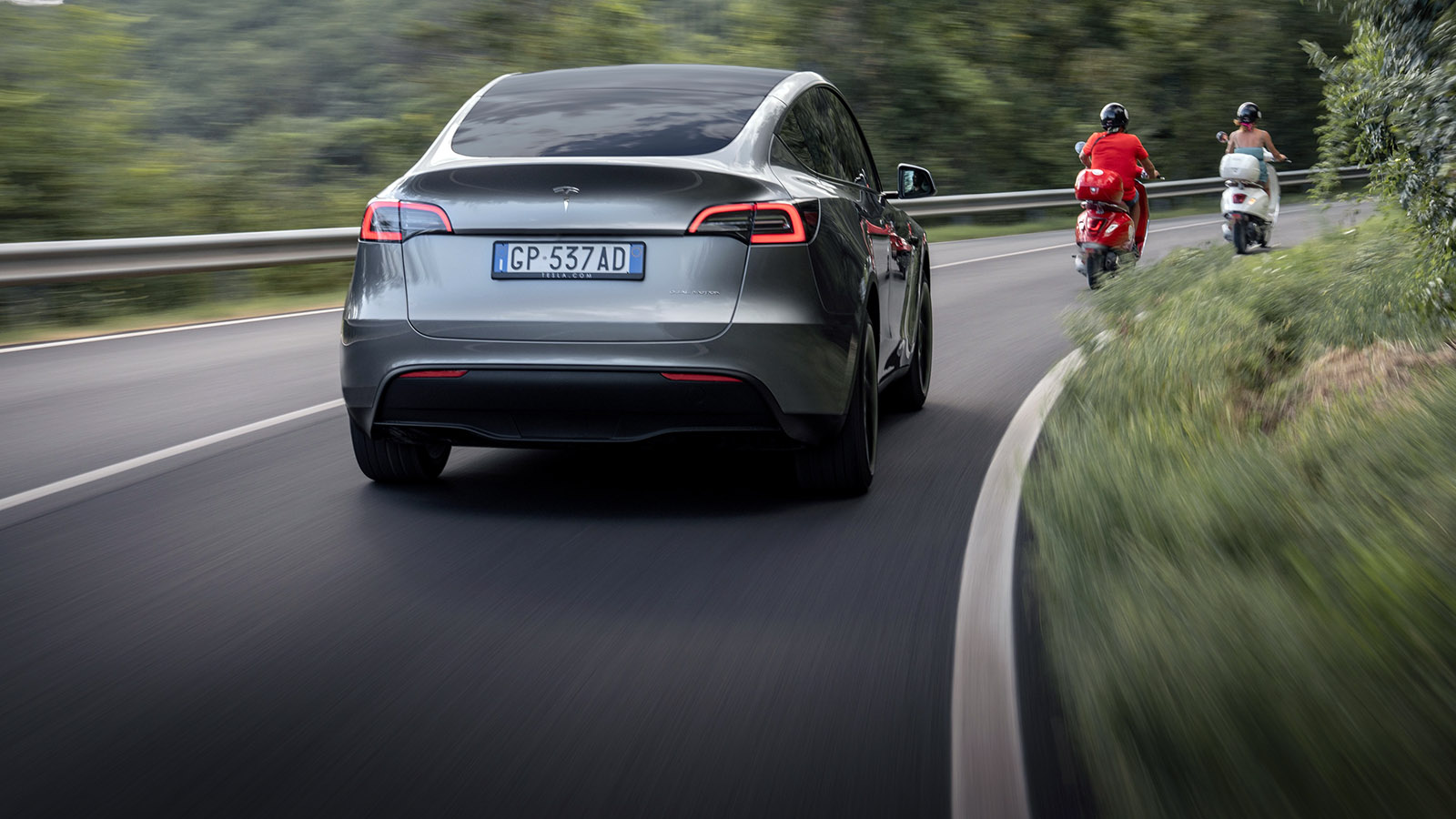
  • Model Y Juniper Price Rise as Gov Funds Shift to Tesla Lithium

    Model Y Juniper Price Rise as Gov Funds Shift to Tesla Lithium

    Instead of spending $200 million each month on direct tax credits that make electric vehicles cheaper, the government might be using that money to buy raw materials for batteries. Tesla plans to do this with the first lithium refinery in America.

    Tesla’s Progress

    Tesla has just processed its first sustainably sourced raw material in its Gulf Coast refinery, aiming to have it fully operational by 2025, as they promised. Interestingly, Trump’s transportation transition team is working on laws for self-driving vehicles that could help Tesla’s Robotaxi rollout. At the same time, they may shift the $7,500 tax credit for the Model Y towards projects like Tesla’s refinery.

    Government Funding Changes

    The transition team has labeled materials like lithium and rare earth minerals as “critical to defense production” in a leaked document, which is different from the focus on regular electric vehicles or charging points. Biden’s Inflation Reduction Act includes $7.5 billion for building charging infrastructure and also offers a $7,500 direct tax credit, with Tesla’s Model Y being the main recipient. This funding could change if a new administration comes into power.

    This shift could mean that future buyers of Tesla’s Model Y Juniper refresh may not benefit from the same tax credit that current owners received.

    Future Implications

    Trump’s team believes that the main focus of government funding should be on securing the supply chain for battery materials, not on EV subsidies, citing studies by the Defense Department that highlight the importance of this for national security. The Inflation Reduction Act does have a part that supports local battery production, but only vehicles with US-made battery packs are eligible for it, so it’s uncertain if this funding will remain.

    Moreover, the Trump administration is getting ready to revert emission and fuel economy standards for gasoline cars to the levels of 2019 and to prohibit government mandates for electric vehicles. This could create more challenges for automakers like Tesla. A spokesperson for the transition team stated, “When President Trump takes office, he will support the auto industry, providing space for both gas-powered and electric vehicles.”

    Source: Link

  • Tesla Upgrades 325 kW Superchargers for 20-Minute Cybertruck Charge

    Tesla Upgrades 325 kW Superchargers for 20-Minute Cybertruck Charge

    Tesla’s Cybertruck is the only model in their lineup that supports rapid charging, thanks to its advanced 800V powertrain system.

    Fast Charging Capabilities

    Lars Moravy, Tesla’s lead engineer, has stated that with compatible V4 Superchargers, the Cybertruck can recharge in less than 20 minutes. However, the new V4 Supercharger stations currently only feature long cables, while still using the older V3 charging cabinets, which have a maximum output of 250 kW.

    Upcoming Upgrades

    Tesla has announced plans for a V4 cabinet upgrade that will increase the peak charging power from 350 kW to 500 kW. Additionally, there are plans to support up to 1.2 MW for charging the Semi, which complies with the North American Charging Standard. For now, to satisfy Cybertruck users until the full rollout of V4 cabinets in 2025, Tesla will offer a temporary fast charging option with 325 kW output at selected V4 Supercharger sites that are currently using V3 cabinets.

    Expanding Charging Network

    At the moment, only about 20 Supercharger locations are available for the Cybertruck, but Tesla has indicated that more will be added shortly. The upgrades are expected to continue next year, when V4 stations will be equipped with cabinets that can deliver a peak output of 500 kW. It is then that Moravy’s statement regarding the Cybertruck’s 20-minute charging time will be thoroughly evaluated.

    Currently, Cybertruck owners are pleased that Tesla addressed the slow charging curve issue related to the 4680 battery packs, which had previously caused Model Y vehicles with these batteries to charge slower than those equipped with 2170 cells.

    Initially, the Cybertruck faced similar charging delays, taking over 40 minutes to reach 80% charge instead of the promised 18 minutes, even at 350 kW third-party chargers. As Tesla gathered more real-world data on charging performance, they released a software update that optimized the charging curve for the Cybertruck’s 4680 battery pack. However, users still require access to a fast Supercharger to benefit from this enhancement, which is what Tesla is now providing.

    Source: Link

  • Tesla Reintroduces Free Lifetime Supercharging for Fastest, Longest Range Car

    Tesla Reintroduces Free Lifetime Supercharging for Fastest, Longest Range Car

    Despite the initial issues with the valve positioning in early Tesla Model S batteries that led to frequent failures, these cars remain highly desired in the used car market, especially those with upgraded batteries that were replaced under warranty.

    Reasons for Popularity

    The main attraction is the free lifetime Supercharging and premium connectivity that used to come with these Model S vehicles. Even though prices have dropped significantly, those that still offer free Supercharging maintain their value quite well, with a 2014 Model S being listed at around $28,995.

    Exciting News for Buyers

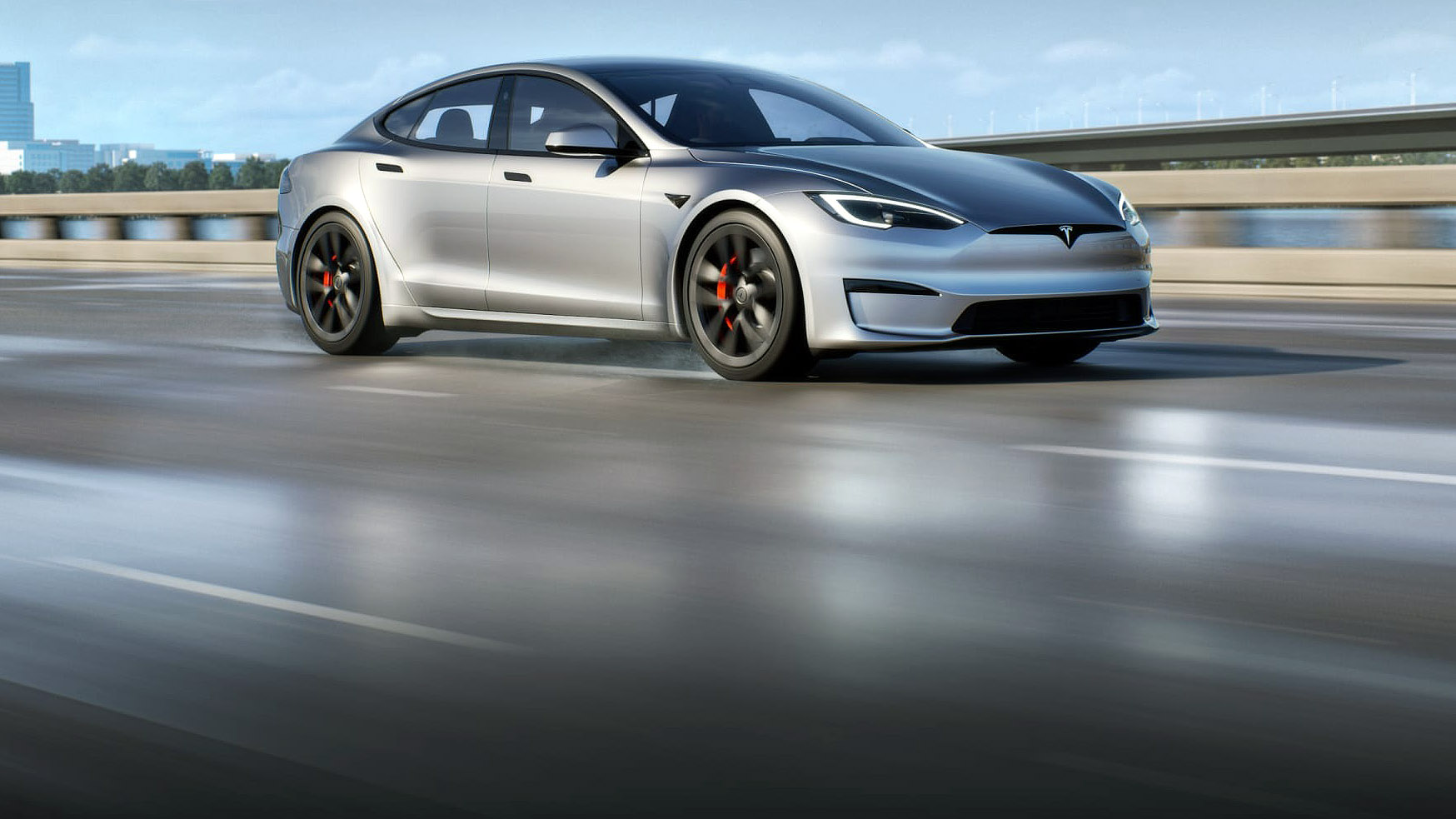
    For those interested in purchasing Tesla’s longest-range car, the Model S AWD, or the fastest version, the Model S Plaid, there’s good news: Tesla is bringing back the free lifetime Supercharging offer for this powerful sedan.

    Anyone who buys or leases a new Model S after December 13 will receive free Supercharging for life. This offer can be combined with other promotions that Tesla is currently offering, which are plentiful in the last quarter of the year.

    Important Conditions

    While owners will still have to pay congestion or idle fees at Superchargers, they won’t need to pay for driving their Model S for many years. However, unlike the early versions of this offer, the free lifetime Supercharging will be linked to the buyer’s Tesla Account and cannot be transferred to another Tesla vehicle or a new owner.

    Tesla typically starts with strict rules regarding the transfer of services or incentives like FSD or free Supercharging, but often changes these rules after some time to boost sales and encourage upgrades.

    It is uncertain how long this free lifetime Supercharging offer for the Model S will be available. However, considering that both the Model X and the Cybertruck now start at the same $79,990 price as the Model S, Tesla needed to provide a compelling incentive for customers choosing its fastest and longest-range model.

    Source: Link

  • Cybertruck Seen Near BYD Facility in China Sparks Reverse Engineering

    Cybertruck Seen Near BYD Facility in China Sparks Reverse Engineering

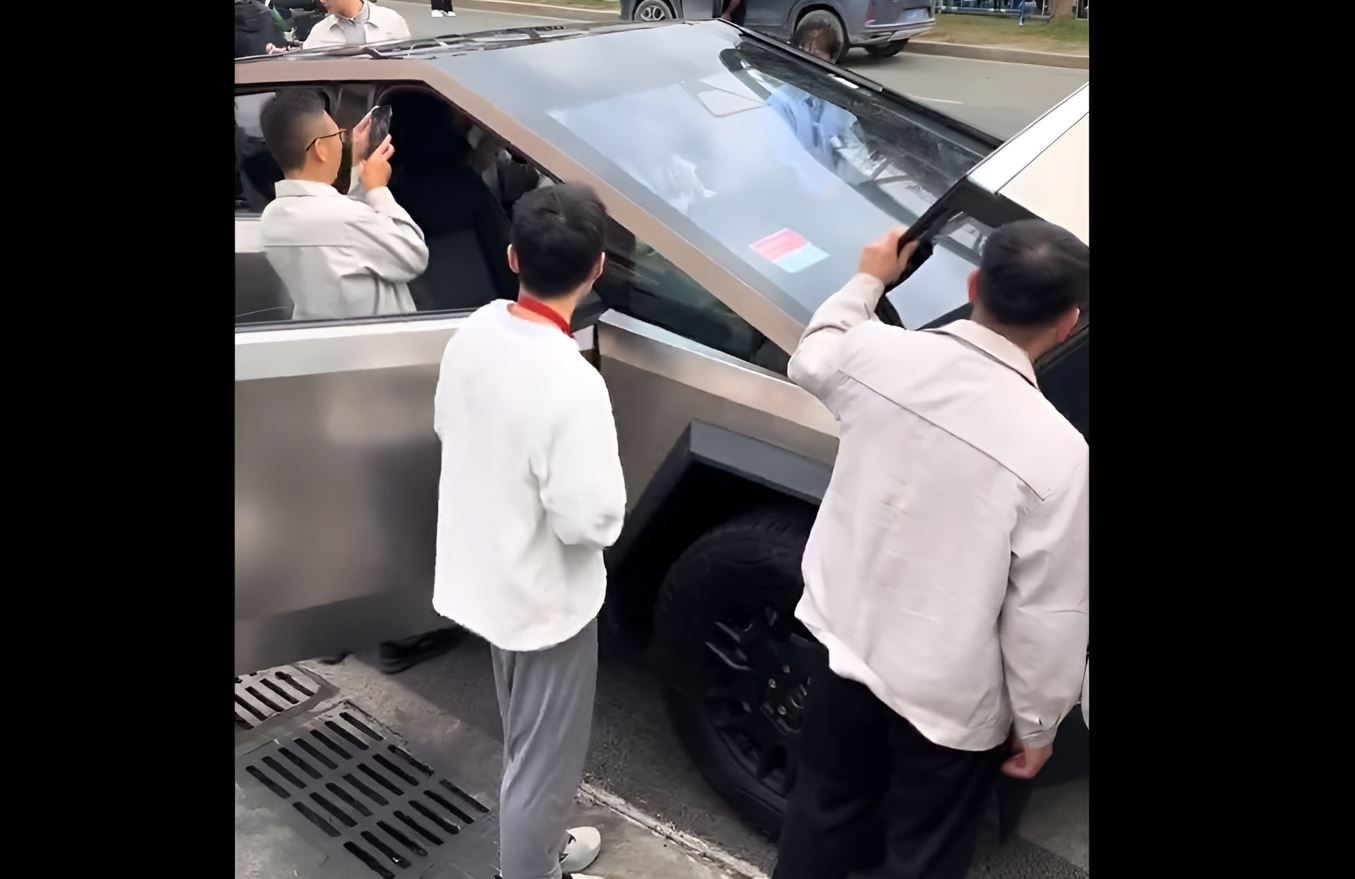
    A new video that’s been shared online is catching a lot of attention, and it’s not hard to understand why. The footage shows a Tesla Cybertruck entering a BYD facility in China, where a group of individuals, presumably BYD staff, are seen giving it a thorough inspection.

    Cybertruck’s Controversial History

    Since its launch over four years ago, the Cybertruck has stirred quite a debate. While it showcases remarkable technology, it has faced criticism, especially regarding its build quality. Another significant concern has been its range when towing heavy loads, which decreases notably as it approaches its maximum towing limits.

    BYD’s Interest in the Cybertruck

    Despite these criticisms, the Cybertruck has achieved impressive sales numbers, likely piquing BYD’s interest in the vehicle. For some time now, BYD has been competing with Tesla on price and performance, and a potential alternative to the Cybertruck from the Chinese manufacturer could address many of its quirks. Additionally, BYD might also be intrigued by the Cybertruck’s technical features, like its acclaimed steer-by-wire system, which could enhance their future electric vehicles.

    Collaborative Innovation

    Inspiration between companies is common, and usually, this leads to advancements in technology and better prices for customers. As the largest seller of electric vehicles globally, BYD clearly doesn’t want to miss out on new technologies and innovative strategies in the market.

    Source: Link

  • Tesla CyberCab Display in LA, Chicago, and 3 More Cities This Weekend

    Tesla CyberCab Display in LA, Chicago, and 3 More Cities This Weekend

    Tesla is increasing the excitement around its CyberCab by showcasing the vehicle at five new sites throughout the United States this weekend. The company is eager to create interest in its fully self-driving ride-share system. The CyberCab will be open for public viewing at:

    Affordable Pricing and Specs

    Touted as one of the least expensive options from Tesla (excluding the Model Q), the CyberCab is available for less than $30,000. It utilizes only 40% of the components found in the Tesla Model Y while providing the advantage of Full Self-Driving (FSD) technology. Elon Musk has continually highlighted the car’s simple two-seater layout, designed to maximize efficiency and low cost. The CyberCab ride-share service will also incorporate redundancy systems similar to those used by Waymo, such as teleoperation. Tesla aims to launch this service in states like California and Texas, where regulations concerning autonomy are more lenient.

    A Strategic Move for Tesla

    In summary, these new showcases represent another vital step in Tesla’s ongoing effort to make consumers more familiar with its first dedicated self-driving vehicle. While earlier displays have merely piqued public interest (and stirred debate), this upcoming event is intended to further strengthen the CyberCab’s status as a leader in the growing autonomous ride-hailing market. Rivals such as Alphabet’s Waymo and Amazon’s Zoox are working hard to gain a strong foothold. Waymo, in particular, has been broadening its robotaxi offerings in cities like San Francisco and Phoenix.

    Looking Ahead

    As the weekend nears, eager attendees at these locations can witness firsthand what might soon become a significant part of city transport.

    Source: Link

  • Xiaomi EV Global Launch Begins in Select Regions

    Xiaomi EV Global Launch Begins in Select Regions

    Xiaomi’s SU7 has become a notable success in China, and it is now looking to attract customers beyond its borders, as per recent news.

    International Appearances

    Previously, the SU7 was showcased in international events, primarily as a demo at MWC and as the Ultra variant that achieved remarkable times at the Nürburgring. However, the situation could evolve in the near future.

    Plans for European Expansion

    The CEO of Xiaomi, Lei Jun, has mentioned the intention to have their vehicles on European roads by 2030. Reports now suggest that steps are being taken to turn this ambition into a reality. The company is busy assembling teams that may help establish automotive sales in markets outside of China, indicating a serious commitment to expanding its electric vehicle (EV) initiatives.

    Future Sales Locations

    While the specific target areas have not been disclosed, it is believed that these regions will be those where Xiaomi already operates as an original equipment manufacturer (OEM) for other items, like its well-known Android smartphones. This means there would be existing sales frameworks in place, including physical stores that might one day also offer the cars.

    Challenges Ahead

    Despite this momentum, Xiaomi’s goal of becoming a prominent global car brand is likely to encounter challenges, particularly in ensuring that its smart car technology meets the varying national and regional safety regulations.

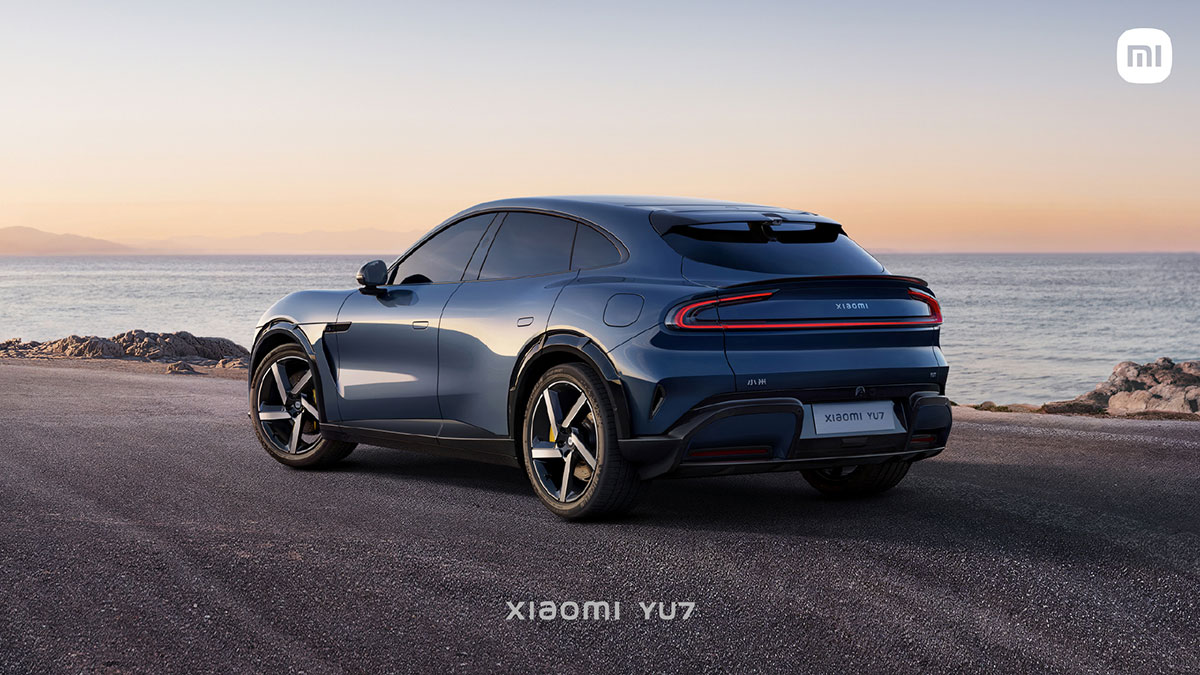
    With that said, the company likely has sufficient brand recognition in numerous markets to pave the way for the SU7—and perhaps the future YU7 SUV—to become electric vehicles seen on roads around the world eventually.

    Source: Link


  • Lightship AE1 RV with 77 kWh Battery: Off-Grid Cybertruck Towing

    Lightship AE1 RV with 77 kWh Battery: Off-Grid Cybertruck Towing

    America’s fondness for mobile homes and self-sufficiency has been reimagined for the electric vehicle (EV) age with the introduction of Lightship’s AE.1 Cosmos trailer.

    Innovative Electric Trailers

    This company is the first in the U.S. to focus solely on electric trailers, unveiling its first mobile home equipped with the biggest battery ever seen in a trailer. It can operate as a "self-containing microgrid" and comes with connectivity that’s ready for Starlink.

    Impressive Specifications

    The Lightship AE.1 Cosmos boasts a 77 kWh battery, which offers up to 300 miles of range when towed by electric vehicles like the Cybertruck or Rivian R1T. It features a NACS port for direct access to Tesla’s Superchargers and a solar roof that can provide an additional 15 kWh of charging power each day.

    With its auto-leveling capability, the trailer comfortably sleeps four people and includes its own HVAC system, full bathroom, and a galley kitchen. This kitchen is well-equipped with a dishwasher, refrigerator, microwave, convection oven, and induction cooktop.

    Advanced Technology

    The first Lightship Aero-Electric trailer is equipped with TrekDrive technology, which provides "self-propulsion" and features a smart hitch that senses force between the trailer and the tow vehicle. This allows the trailer to draw extra power when climbing and apply controlled braking on descents.

    This showcases the advantages of electric propulsion, but Lightship has gone further. The CampQuiet system allows the HVAC and electric appliances to run for weeks using the 77 kWh battery or solar roof without needing a noisy fuel generator.

    Pricing and Availability

    As is customary, the AE.1 Cosmos Edition is the top-tier model, priced at $250,000 before the federal tax credit, featuring exclusive colors and a well-designed interior. Orders are currently being accepted, but only 50 units will be produced for delivery starting in the summer of 2025. Meanwhile, more affordable trims, including Atmos, Panos, and Terros, which will cut the price in half, are expected to be available from 2026.

    Source: Link

  • New Toyota Urban Cruiser EV Launching in 2025

    New Toyota Urban Cruiser EV Launching in 2025

    Toyota has revealed its new Urban Cruiser EV aimed at the European market. This battery electric vehicle (BEV) boasts a roomy interior, partly due to a sliding rear seat design. The compact SUV measures 4,285 mm (about 168.7 inches) in length, 1,640 mm (around 64.6 inches) in height, and has a wheelbase of 2,700 mm (approximately 106.3 inches).

    Different Versions Available

    Customers interested in the Urban Cruiser can select from three different versions, all built on a brand-new BEV platform. The base model features a front-wheel drive (FWD) system with 144 horsepower and 189Nm of torque, powered by a 49kWh battery. The next tier also offers FWD, but with an output of 174hp and the same torque rating, paired with a larger 61kWh battery. Lastly, the premium option is an all-wheel drive (AWD) variant which provides 184hp, 300Nm of torque, and utilizes the larger 61kWh battery.

    Performance Details Pending

    Details on performance metrics like the estimated driving range are still pending. The FWD variant includes a unique snow mode that modifies torque to minimize wheel slip. On the other hand, the AWD model is equipped with Downhill Assist Control and a Trail Mode that can detect wheel spin and apply brakes as needed. All configurations will come standard with features such as adaptive cruise control, a collision detection system, lane-keeping assist, and 360° cameras. The debut of the Toyota Urban Cruiser EV is scheduled for the Brussels Motor Show in 2025, taking place from January 10th to 19th. The electric SUV is anticipated to hit the UK market in the autumn, although the pricing details are still unknown.

    Source: Link

  • Tesla Model Y Juniper: Design Upgrades Confirmed Ahead of Launch

    Tesla Model Y Juniper: Design Upgrades Confirmed Ahead of Launch

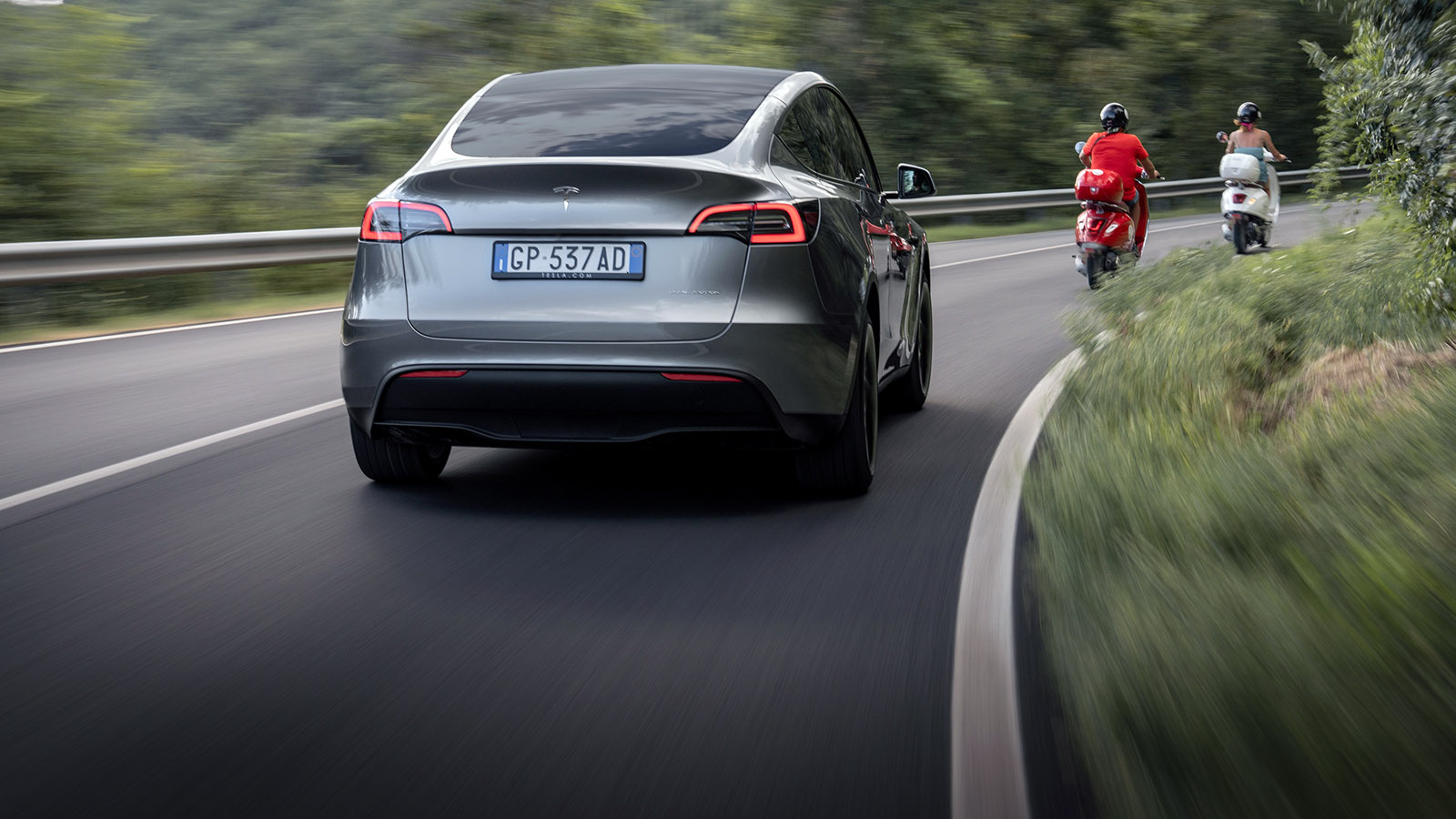
    A new short video showing the upcoming Tesla Model Y “Juniper” facelift has appeared, giving us a glimpse of some exciting design updates. Spotted in San Jose, the test vehicle remains (sadly) camouflaged, but it confirms important features like redesigned headlights and minor modifications to its body shape.

    Design Details Revealed

    The video shared on X/Twitter shows a refreshed Model Y featuring two-part headlights, which are quite similar to the recent designs seen in the Cybertruck. This indicates that Tesla is unifying its design style across various models, giving the Model Y Juniper a sharper and more contemporary look at the front.

    Potential New Features

    Previous reports suggested that the Model Y Juniper could include a front bumper camera to assist with low-speed driving and parking, instead of offering Full Self-Driving (FSD) capabilities. Although the camera has not been confirmed yet, its addition would certainly help owners maneuvering in tight spots.

    Hardware Upgrades Expected

    In addition to exterior changes, the facelift is anticipated to include significant updates to the hardware. Tesla is likely planning to install HW4 FSD hardware, a better powertrain setup, and larger battery packs. This could lead to improved range and efficiency, possibly supported by an 800V high-voltage system and enhanced CATL batteries.

    Reports have also suggested that the Model Y Juniper might make its debut as soon as January 2025, with production lines already gearing up for the updated model. Tesla’s Shanghai Gigafactory is supposedly sharing production lines between the current Model Y and the Juniper version, though at a reduced ratio. Either way, it’s clear that Tesla is gradually introducing the new design before ramping up full production next year.

    Impact on Pricing and Competition

    It’s important to note that the updated Model Y will not be eligible for federal tax credits starting in 2025, following changes in government incentives for electric vehicles. This might encourage Tesla to keep the Model Y’s price competitive, compensating for the loss of tax credits by optimizing manufacturing costs. The vehicle will likely face tougher competition from updated models from traditional automakers and Chinese EV brands. Key competitors include BYD and Volkswagen, both of whom have seen success with affordable models in the electric vehicle market.

    If the planned updates — including a modernized look, HW4 hardware, and enhanced efficiency — are implemented as anticipated, the Model Y Juniper could become Tesla’s standout model. For now, sightings like these in San Jose are all we have to go on, but that could change pretty soon.

    Source: Link


    Image 1
    Image 1
  • Tesla Model Y Loses Top Spot to Toyota and BYD Gains Ground

    Tesla Model Y Loses Top Spot to Toyota and BYD Gains Ground

    Tesla is currently offering its largest set of discounts and incentives ever for the Model Y and Model 3, aiming to end the year strong with a record number of deliveries.

    Incentives and Competition

    Even with 0% APR financing and free Supercharging deals, it might not be enough for the Model Y to reclaim its title of the world’s top-selling vehicle, a title it held last year.

    Recent data from 162 countries shows that the Model Y has slipped from its position at the top of global vehicle sales. The Toyota Corolla has taken back its crown as the best-selling car worldwide, selling 901,991 units.

    Sales Figures

    In the same timeframe, Tesla sold 865,868 Model Y vehicles, while the Toyota RAV4 followed closely behind with 836,258 units sold, marking a significant 13.7% increase in sales year-on-year.

    The highest growth rate in sales belongs to BYD, with its Song model experiencing an impressive 42% surge compared to last year. BYD is prioritizing international sales and continues to open new showrooms in different countries, and this strategy appears to be working well.

    Market Dynamics

    Toyota had previously dominated the rankings for popular vehicle models until Tesla introduced its mid-range crossover SUV, which was quickly embraced by early EV enthusiasts. While electric vehicle sales are currently slowing down, Tesla still enjoys advantages in production costs and brand recognition over competitors. Thus, moving from first to second place in global vehicle sales is still a commendable achievement.

    Additionally, Tesla is set to unveil the Model Y refresh, codenamed Juniper, in the first quarter of next year. This means that the Model Y could potentially reclaim its status as the world’s most popular vehicle in 2025 after a short break from the top position this year.

    Source: Link