Category: EV vehicles

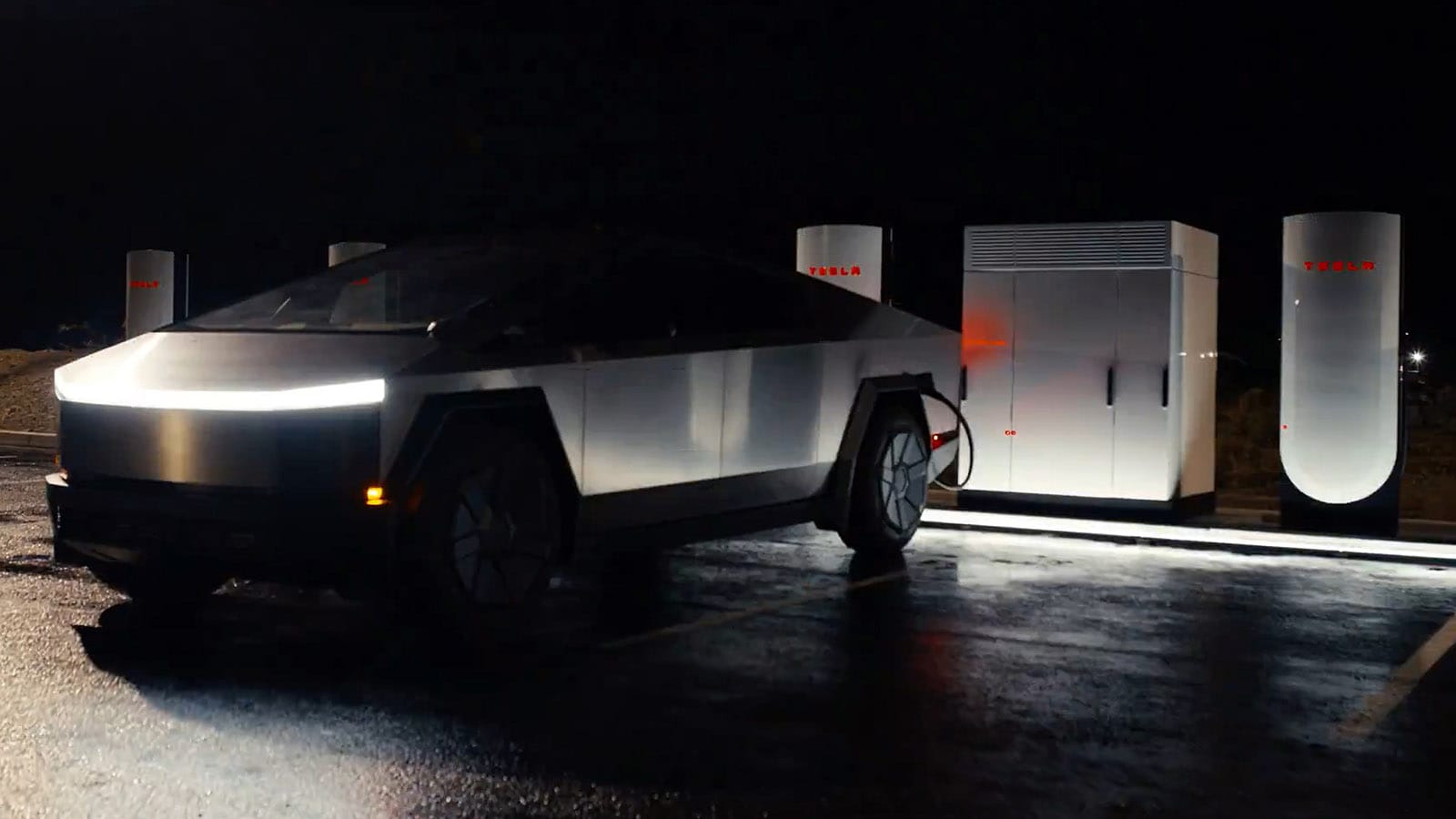
  • Tesla Offers 0% APR Financing on Home Chargers and Cybertruck Gear

    Tesla Offers 0% APR Financing on Home Chargers and Cybertruck Gear

    After launching its Model 3 and Model Y with 0% APR financing, Tesla is expanding that offer to its accessory and parts shop as well.

    New Financing Options

    The Tesla Shop has partnered with Klarna to allow customers to make four equal monthly payments without any interest on almost all products available in the store. This means you can purchase Tesla’s $550 universal home charger for just $137.50 each month, or get the newly available Cybertruck wiper blade for $18.75 monthly.

    Replacement Parts for Cybertruck Owners

    The Gigawiper is a distinct feature of the Cybertruck that many owners found difficult to replace without going through Tesla’s service centers. However, as Cybertrucks become more common on roads and a year has passed since their debut, Tesla has added replacement Gigawipers to its store.

    Klarna’s payment options are widely recognized across many online retailers, and the fintech company is so prominent that it is looking to file for an IPO in the US soon.

    Interest Rates and Payment Plans

    If you prefer to extend your payment beyond the four installments, be prepared for a hefty interest charge, as Klarna needs to profit somehow. However, as long as you stick to the four-month plan, you won’t incur any interest.

    For pricier items in the Tesla Shop, like the $5,000 Model Y Clear Paint Protection Film, Klarna will apply an interest rate based on your credit score from the start, since these loans aren’t available for the four equal payment method.

    Source: Link


  • Zero-Emissions Hydrogen Truck Sets World Record for Distance

    Accelera, part of Cummins based in the U.S., has achieved a remarkable feat by setting a new Guinness World Record for the furthest distance covered by a hydrogen fuel cell electric vehicle (FCEV) heavy-duty truck without needing to refuel. This milestone was reached with their H2Rescue truck, a Kenworth T370 prototype that has been specially designed for emergency response operations.

    Impressive Distance Achieved

    The truck managed to travel an astonishing 1,806 miles (2,900 kilometers), which is about the same distance as traveling from Berlin, Germany, to Porto, Portugal. Throughout this journey, it utilized 168 kilograms of hydrogen from an initial fill of 175 kilograms, all while emitting zero carbon dioxide (CO2). In contrast, a diesel truck would have released an estimated 664 pounds (300 kilograms) of CO2 during the same trip.

    Real-World Testing Conditions

    Equipped with a fuel cell engine and a 250-kilowatt (kW) traction motor, the H2Rescue truck underwent testing in real-life scenarios, including busy rush hour traffic. During the journey, the truck maintained speeds ranging from 80 to 88 kilometers per hour and faced temperature variations from 15°C to 26°C.

    Collaborative Efforts for Innovation

    The development of the H2Rescue truck involved a partnership between Accelera, the U.S. Department of Homeland Security’s Science and Technology Directorate, the U.S. Department of Energy, and the U.S. Department of Defense. This collaboration underscores the increasing potential of hydrogen fuel cells in heavy-duty transportation and emergency response fields.

    Challenges Ahead for Hydrogen Fuel

    Even with this noteworthy accomplishment, hydrogen as an alternative fuel still encounters obstacles, especially concerning cost. Presently, hydrogen fuel for FCEVs is priced between EUR 7 and EUR 8 per kilogram, influenced by factors like production site, energy source, and intended use, according to data from Independent Commodity Intelligence Services (ICIS) from 2023. However, experts are optimistic that prices may fall to around EUR 4 per kilogram in the future, making hydrogen a more viable option compared to traditional diesel fuels.

    Source: Link,Link

  • BYD Set to Launch Passenger Cars in South Korea Next Year

    BYD Set to Launch Passenger Cars in South Korea Next Year

    Next year could pose some difficulties for Tesla and Hyundai in South Korea, largely due to BYD’s recent announcement about entering the local passenger vehicle market. BYD has been active in South Korea since 2016, but primarily in commercial vehicles like buses and forklifts. For those who aren’t aware of this brand and why it might concern Tesla or Hyundai, it’s important to note that the Chinese electric vehicle company has secured an order for at least 100,000 electric vehicles from Uber. Additionally, the upcoming 2025 refresh of the BYD Seal AWD is set to give Tesla’s similarly priced models a run for their money in terms of value.

    New Market Entry

    As reported by KED Global, BYD is set to launch in the South Korean passenger car market next year with premium models. The company aims to be the first Chinese car brand to win over Korean consumers, a feat that has eluded its Chinese competitors in the past due to their inability to meet the high standards of Korean drivers.

    Lessons from the Past

    Previous electric vehicle models that struggled in South Korea, like the BAIC Motor Corp. KENBO 600, faced significant safety and quality problems that hindered their acceptance in the market. However, the BYD Seal midsize sedan and the Atto 3 compact SUV come equipped with features that could help them avoid the same pitfalls.

    The Seal offers over 500 km on a single charge and is projected to be priced below $30,000 in South Korea. In contrast, the Atto 3 boasts a range exceeding 400 km at a similar price point. If these models succeed, BYD is considering introducing additional high-end electric vehicles, including the luxury Denza brand and the HAN series, according to sources familiar with the company’s plans, as reported by KED Global.

    Source: Link


  • Tesla Offers Inventory Cybertrucks for Immediate Purchase

    Tesla Offers Inventory Cybertrucks for Immediate Purchase

    Tesla has a variety of Cybertrucks available in its inventory for the first time, signaling what might be an early conclusion to the two-million reservations that were once valued higher than BMW.

    Easy Access to Cybertrucks

    Now, anyone interested in a Cybertruck can purchase one for under $80,000, with delivery possible in about a week. For those who can’t wait, select locations offer immediate access to vehicles from the inventory lot.

    Current Inventory Details

    The available Cybertrucks consist solely of the Foundation Series AWD and tri-motor Cyberbeast models. This could mean that these are either canceled orders or extra stock that Tesla is trying to move, especially since customers can now choose lower-priced models.

    The cheaper models do not include all the features of the Foundation Series, which retails for $100,000 and comes with Tesla’s Full Self-Driving (Supervised) package, an additional $8,000. Plus, the Foundation Series has more premium interior details that add up in value.

    Market Implications

    Despite the Cybertruck’s unexpected popularity as an electric pickup, making it the third best-selling electric vehicle in the US, the sudden decrease in the reservations list with millions of preorders could indicate challenges for this segment in the future.

    If anyone wishes to purchase a Foundation Series Cybertruck without being an early supporter on the reservations list, they can now buy it directly from Tesla’s inventory.

    Source: Link

  • Tesla Model 3 Passes Truck Crash Test with Top Performance

    Tesla Model 3 Passes Truck Crash Test with Top Performance

    Tesla vehicles have consistently received top marks in crash tests conducted by various international transportation safety organizations.

    This impressive performance can be attributed to the low center of gravity created by the heavy battery situated at the bottom of these electric cars, as well as smart chassis design aimed at absorbing as much kinetic energy from a collision as possible before it impacts the cabin where drivers and passengers sit.

    Recent Crash Test Results

    The latest testament to Tesla’s remarkable safety features comes from the challenging trailer crash test administered by the Chinese DCAR Institute for Collision Safety.

    This isn’t the infamous Devil’s Drill Card test, where a car crashes into a stationary semi-truck, sliding underneath it while another vehicle hits it from behind. However, it is still one of the toughest crash assessments one can encounter for any automobile.

    In the trailer drill test, the Model 3 excelled, becoming the only car out of around 30 to pass with outstanding results. The Model 3 managed to slide under the truck, barely touching the A-pillar before bouncing back, while many other vehicles suffered deformation up to the C-pillars.

    Other Vehicles in the Test

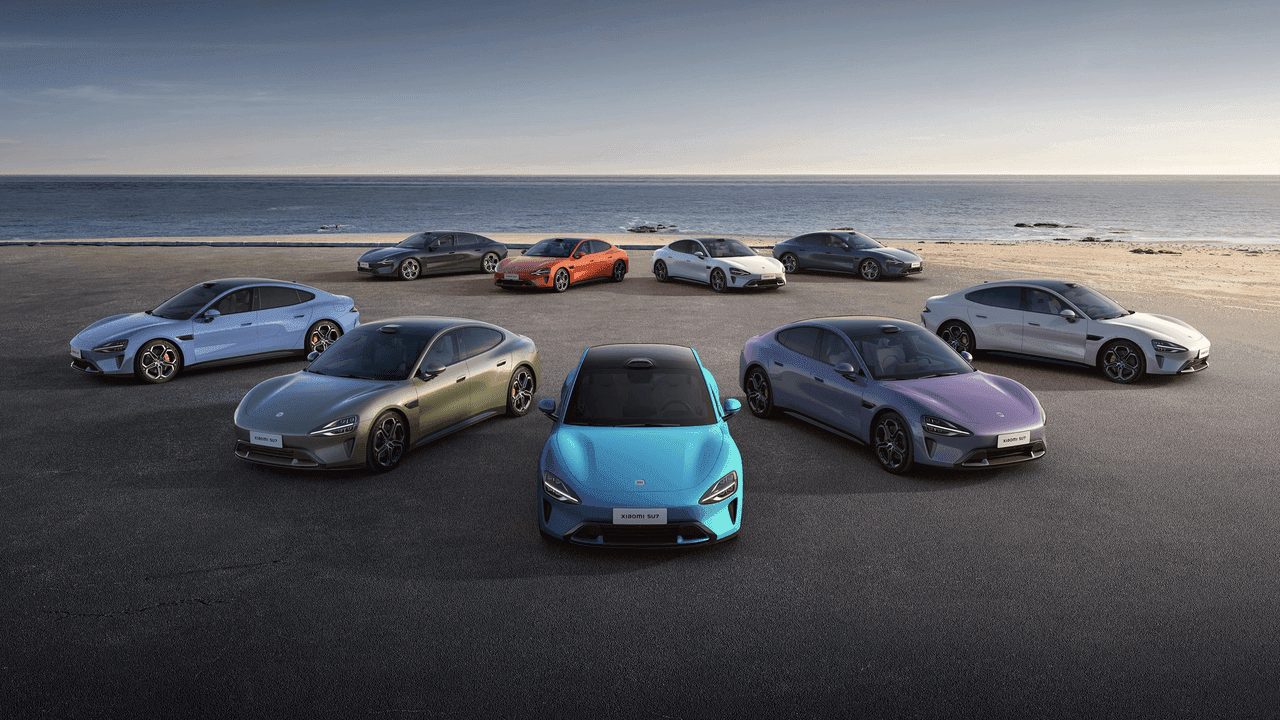
    Interestingly, Xiaomi’s first attempt at an electric vehicle, the SU7, also performed well, directing the energy away from the crash test dummies. However, the testers pointed out that panoramic glass roofs do not provide much help in such impact scenarios.

    According to Tesla’s chief engineer Lars Moravy, the Model 3’s chassis is designed with flexibility in mind to gradually absorb kinetic energy during a collision, with the highest levels of force occurring just before reaching the cabin.

    Ultimately, the testers concluded that the passengers in the Model 3 would likely have survived a potentially fatal scenario, such as rear-ending a truck.

    Source: Link,Link


    Image 1
  • Tesla Optimizes Sentry Mode to Reduce Battery Drain from Cameras

    Tesla Optimizes Sentry Mode to Reduce Battery Drain from Cameras

    Tesla has been facing complaints regarding its Sentry Mode system, which notifies owners about suspicious activities near their cars. Users have found that this feature has been draining the battery since it was introduced.

    Functionality of Sentry Mode

    Sentry Mode is turned off by default but can be activated using voice commands or through the app. This feature keeps the necessary cameras and sensors powered up, allowing them to record movements around a locked Tesla in Park mode. However, the ongoing power needed for the cameras in Sentry Mode has turned out to be a significant battery drain. The system must constantly process and record a large amount of video footage, which can be saved on a dedicated drive located in the glove compartment.

    Law Enforcement Awareness

    Police are familiar with Tesla’s Sentry Mode. There have been instances where officers were unable to reach the vehicle’s owner. In such cases, they have towed the car to the nearest precinct under a court order to access the potential crime scene recordings for investigations.

    Addressing Battery Drain

    To tackle the battery drain issue associated with Sentry Mode, Tesla released the 2024.32.6 software update. This update reduces power consumption by shutting down the 12V outlets and USB ports in theft-prevention mode. This means that devices plugged into these ports won’t be able to charge or draw from the main battery.

    While this might not be the best solution for those who like to keep their devices charging in the car or need to run a portable fridge overnight, it does help reduce the immediate power drain caused by Sentry Mode.

    Improvements with New Updates

    For the ongoing power drain caused by processing video recordings from multiple cameras— which can consume as much as 14% of a Model Y’s battery in a single day—Tesla has introduced a more sophisticated solution. The recent 2024.38.4 software update promises an up to 40% decrease in Sentry Mode battery drain. The company has optimized how the video feed is processed, which helps preserve battery capacity while Sentry Mode is activated.

    This update is initially being rolled out to the Cybertruck, and it remains unclear how quickly the Model 3 and Model Y will receive the significant improvements in battery drain for Sentry Mode.

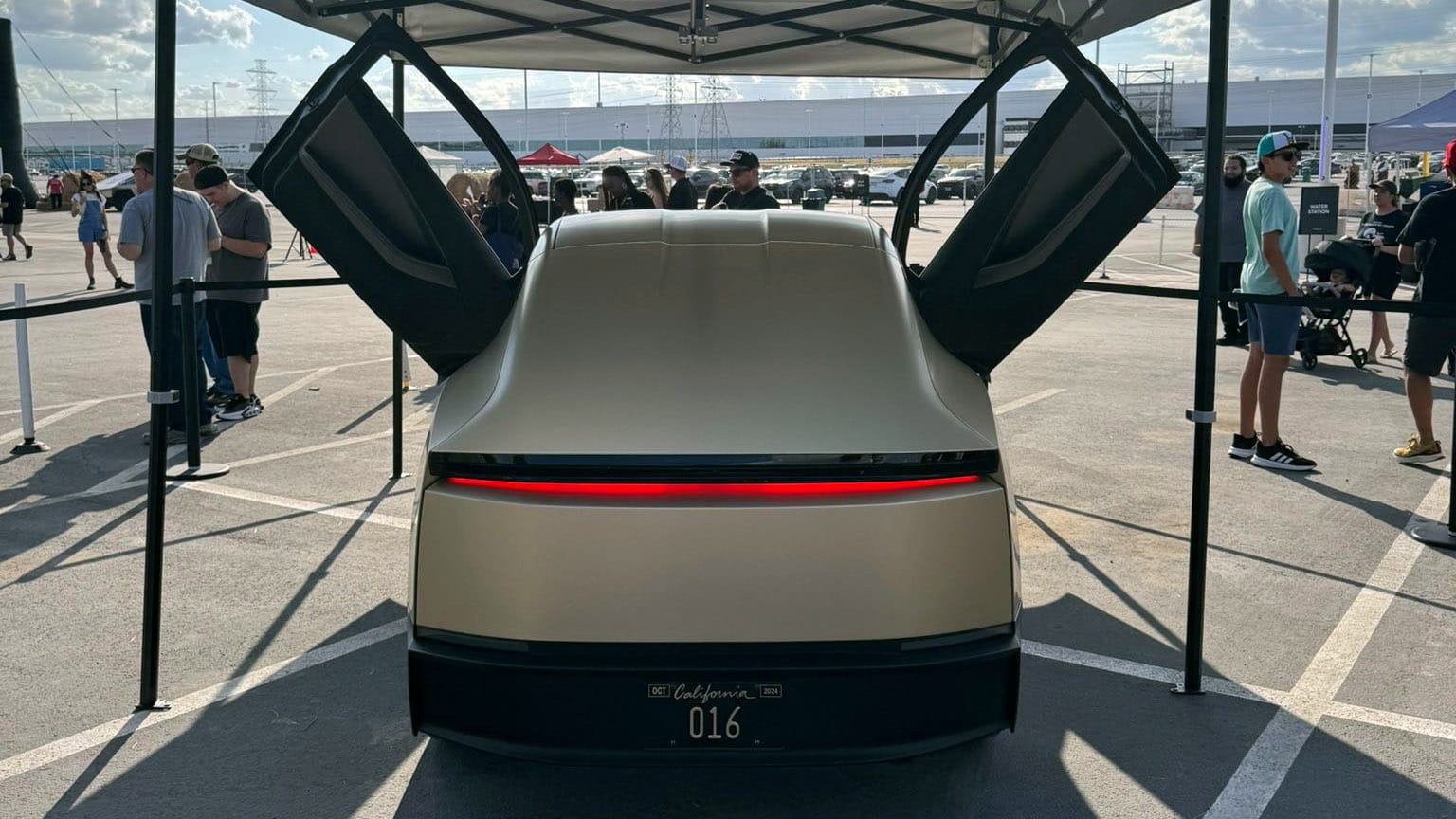
  • Sleek Audi Sportback EV Accelerates in 3.6 Seconds Without Logo

    Sleek Audi Sportback EV Accelerates in 3.6 Seconds Without Logo

    Audi has introduced a new brand in China, aiming to create a distinct identity that even lacks the famous four-ring logo.

    A Trendy New Identity

    This new brand, simply called Audi in a fashionable font, focuses exclusively on producing "intelligent" electric vehicles equipped with advanced infotainment and driver-assist features. The company has partnered with the major Chinese firm SAIC for its operations in the local market, revealing its first concept vehicle, the AUDI E. This electric sportback is said to "drive like a real Audi in terms of comfort as well as dynamics."

    Innovative Technology

    The vehicles from this new Audi line, which does not feature the four-ring emblem, will utilize an Advanced Digitized Platform co-developed with SAIC. It includes a cutting-edge 800V powertrain that can provide over 200 miles of range to the sportback’s 100 kWh battery within just 10 minutes of charging.

    Despite its relatively large size, the AUDI E concept can accelerate from 0 to 60 mph in merely 3.6 seconds, thanks to Audi’s renowned "quattro" all-wheel-drive system powered by two electric motors that produce over 760HP combined.

    A Strategic Move

    "With the launch of this new brand for electric and intelligent models in China, Audi is exploring new opportunities to reach tech-savvy consumers," remarked Audi’s CEO during the unveiling. Alongside the AUDI E concept, which is expected to retail for around $42,000 upon its debut in August, the new brand will also roll out two additional electric models in the mid- and full-size categories. Audi’s parent company, VW, has faced challenges in its transition to electric vehicles, offering models that have not performed well in terms of software, coinciding with a downturn in the EV market in the West.

    Conversely, the electric vehicle market in China is thriving, and Audi is eager to secure its share, despite shutting down EV factories and laying off employees in Europe. This new branding strategy, which replaces the iconic four rings with a simple text logo, is meant to convey both a connection to and a distinction from its sister brand.


    Image 1
    Image 1
    Image 1
    Image 1
  • Tesla FSD Dodges Deer as NHTSA Investigates Misleading Claims

    Tesla FSD Dodges Deer as NHTSA Investigates Misleading Claims

    Elon Musk has openly stated that he anticipates Tesla will demonstrate its Full Self-Driving (Supervised) feature is safer than human drivers by the second quarter of 2025.

    Future of Driverless Technology

    Once this is shown, it can remove the "supervised" label and create a path for the driverless Robotaxi service to get regulatory approval, allowing it to operate Cybercab services on public roads. This is expected to happen ahead of the anticipated mass production in 2026.

    Recent Highway Incident

    A recent event on a Canadian highway close to Calgary serves as further evidence of the necessary FSD responses that must be proven to assure regulators about safety for unsupervised driving. During the incident, a Tesla was driving on FSD at approximately 70 mph at night when a deer unexpectedly darted in front of the car. The FSD system reacted swiftly, briefly braking to allow the deer to pass, which startled the passengers inside.

    The deer was later seen running away unharmed in the rearview camera, and the Tesla owner explained the momentary pause in the video: when the vehicle applied brakes, the speed difference between the deer and the car lessened momentarily, enabling the camera to capture more frames during that time. This can be observed in the slow-motion replay, where there is a noticeable halt in the deer’s movement, coinciding with the moment the brakes were activated.

    Regulatory Investigations

    However, instead of easing the regulatory pressure on Tesla’s FSD, the NHTSA has initiated another investigation regarding potentially misleading communications about its capabilities on social media. Tesla often highlights incidents like the deer event that portray FSD positively on X, but the NHTSA claims these representations can mislead the public.

    The NHTSA contends that Tesla behaves as if its FSD system is sufficiently advanced to serve as an autonomous robotaxi, instead of portraying it as a partial automation and driver-assist system that necessitates constant attention and occasional driver intervention.

    Tesla, on the other hand, counters this claim, asserting that there are numerous warnings while driving and precautionary statements within its FSD manual. "We believe that Tesla’s postings conflict with its stated messaging that the driver is to maintain continued control over the dynamic driving task," continues the NHTSA, which is also conducting another investigation into FSD’s safety performance in low-visibility situations that remains ongoing.

  • Rivian R2 Battery Outperforms Tesla Model Y Juniper 4680 Cells

    Rivian R2 Battery Outperforms Tesla Model Y Juniper 4680 Cells

    In its latest financial report for shareholders, Rivian has revealed details about the propulsion system for its R2 compact SUV, which will be going head-to-head with the upcoming Tesla Model Y Juniper facelift.

    Pricing Insights

    Even with all the enhancements, the Juniper refresh is anticipated to be priced similarly to the existing Model Y, which begins at $44,990 before any incentives. Interestingly, Rivian has also set the R2’s price tag at the same amount, suggesting that the company plans to cut down on production expenses compared to its original R1 lineup that starts at $69,900.

    Battery Innovations

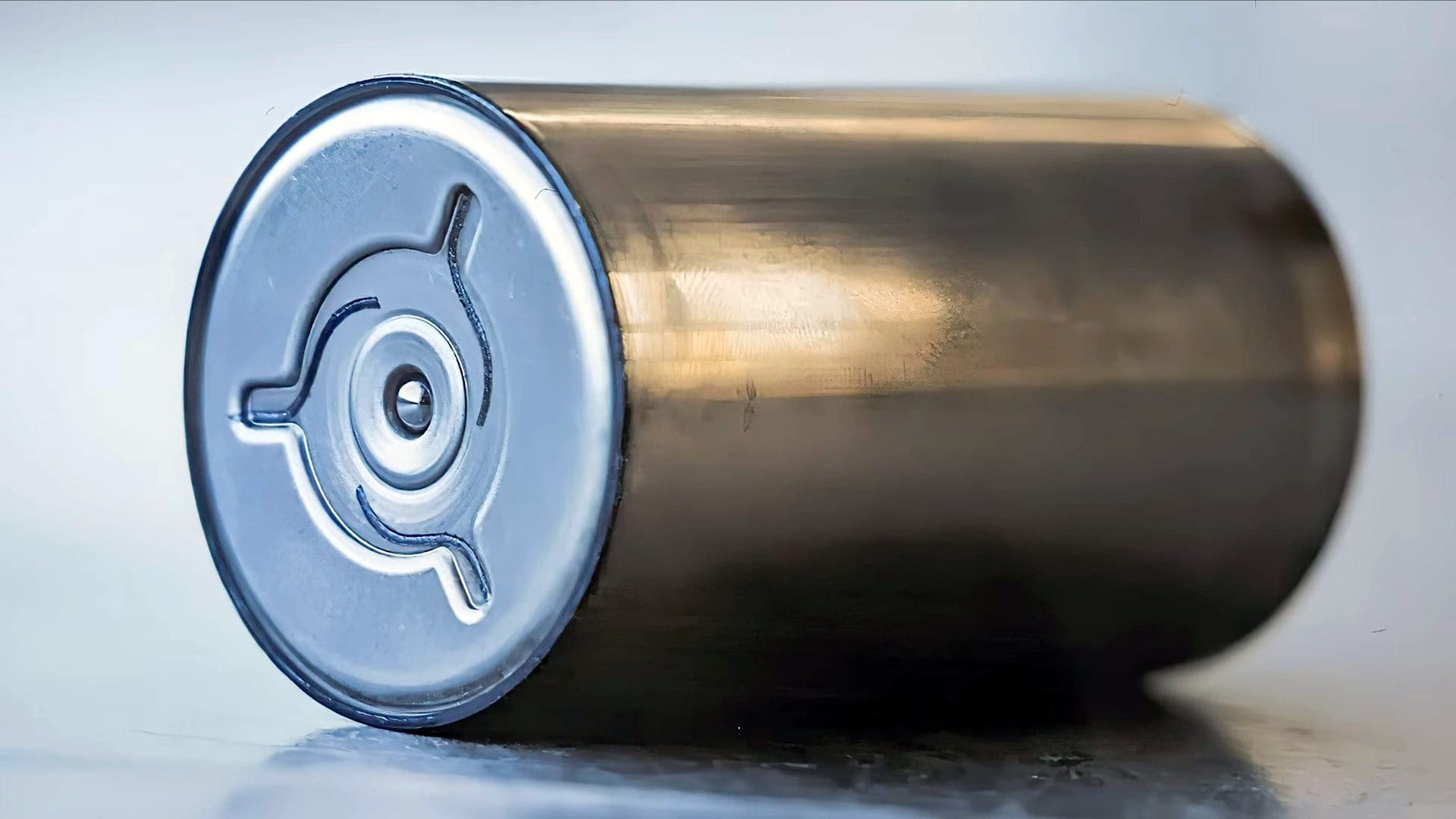
    Rivian shared that both the R2 and R3 will utilize LG’s new 4695 battery, boasting six times the energy density of the 2170 cells currently utilized in the R1 line and in the Model Y. Rivian and LG have inked a five-year deal for 67 GWh of 4695 cells, which is enough to power around 700,000 R2 SUVs.

    Elon Musk mentioned during Tesla’s latest quarterly results presentation that the company might soon manufacture 4680 batteries, which could be the least expensive domestically produced cells thanks to advantages in manufacturing, such as the dry cathode method and federal subsidies.

    Competitive Edge

    There are whispers that Tesla aims to begin producing four types of 4680 battery packs next year for the Cybertruck, Model Y Juniper, Model 3, and Robotaxi, with each qualifying for federal tax credits. However, the 4680 cells used in the Model Y Juniper will be smaller than the 4695 cells being produced for the Rivian R2; although both have the same diameter, the 4695 cells are taller. Rivian claims that these larger cells will provide a 45% improvement in manufacturability and battery pack assembly, which will ultimately lead to a significant reduction in costs per kilowatt-hour (kWh) at the pack level compared to the R1 platform.

    In essence, Rivian is opting for battery cells that have a higher energy density compared to what Tesla will use in the Model Y Juniper, which is likely to lower production costs and justify the similar price. Rivian noted, “Within the first year of production, these batteries are expected to be made at LG’s Queen Creek, Arizona facility, aligning with Rivian’s aim for domestic manufacturing and IRA compliance,” suggesting that the R2 will also be eligible for the full federal made-in-US tax credit.

    Production Challenges

    Until lately, Tesla faced challenges in producing 4680 cells at the same cost-efficiency as its suppliers, Panasonic and LG. It was only after presenting the first Cybertruck featuring the 4680 battery made through the economical dry cathode production method that Tesla began to assert it would reach cost parity with LG and Panasonic, potentially achieving lower costs factoring in federal subsidies.

    It seems LG isn’t remaining idle either; its innovation in 4695 cells could offer some cost advantages for the Rivian R2 over the Model Y Juniper, depending on how quickly LG ramps up production in Arizona to take advantage of the federal tax credit of $35 per kWh.

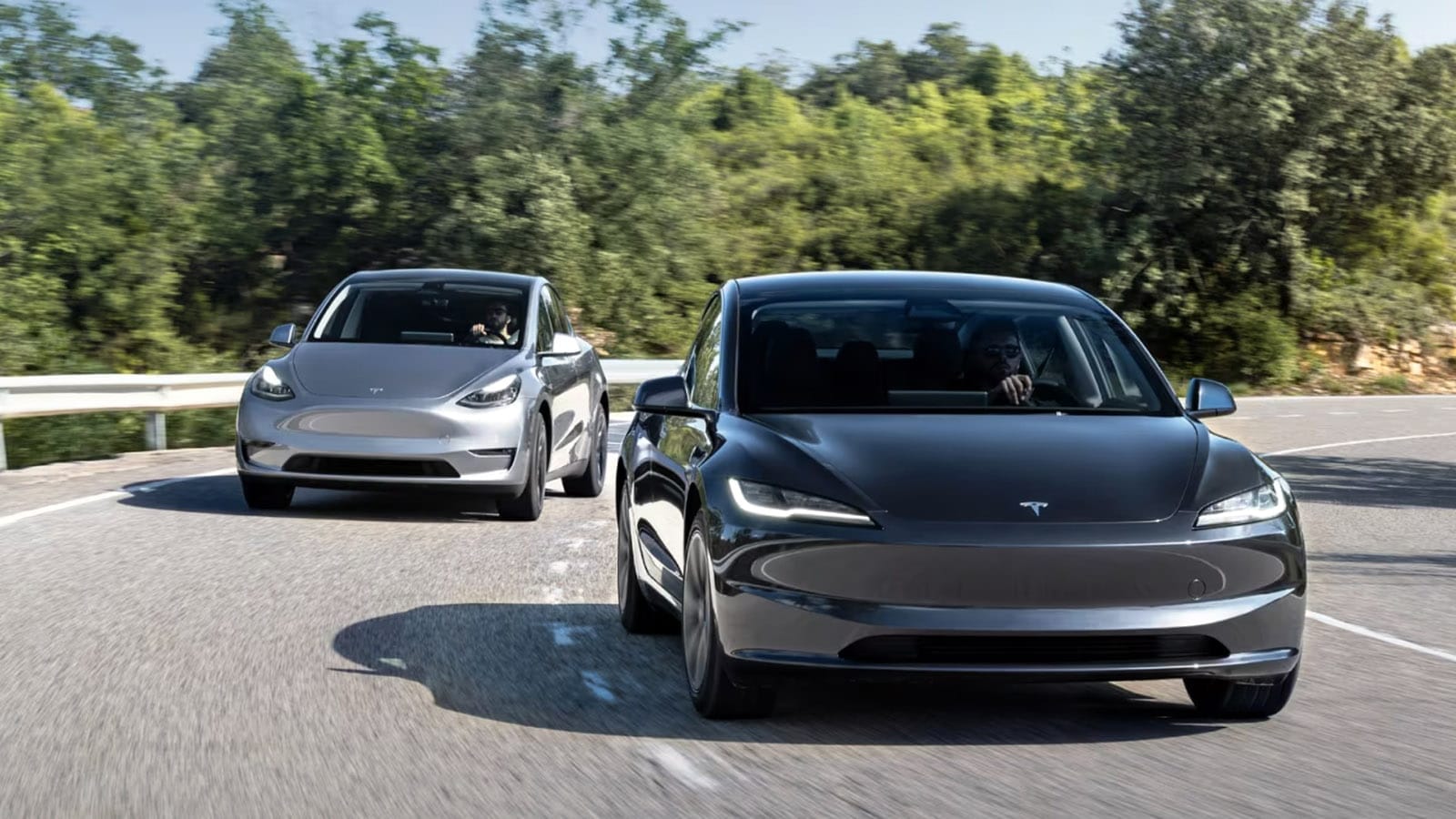
  • Model Y Juniper Seen with FSD Camera in Front Bumper

    Model Y Juniper Seen with FSD Camera in Front Bumper

    The rumor that trial production of the Tesla Model Y Juniper facelift has commenced appears to have some basis, as reports of camouflaged test vehicles on the streets are becoming more common.

    Recent Sightings

    After noticing a supposed Model Y Juniper refresh in the US featuring a rear light bar reminiscent of the Cybertruck or the Robotaxi, and then seeing it tested at night in Europe, it’s now time to examine the front end more closely.

    Close-Up Details

    A recent sighting of the alleged Tesla Model Y Juniper has provided a closer look at the front bumper. Even with the camouflage covering key areas, there is an apparent opening on the front bumper, hinting at a camera placement resembling that of the Cybertruck.

    The electric pickup also includes a front bumper camera. However, this camera does not belong to Tesla’s HW4 FSD package and isn’t intended for autonomous driving. In its interactive overview video for the Cybertruck, Tesla clarifies that the front bumper camera is simply there "to improve visibility ahead during low-speed parking and offroading" rather than to assist when utilizing the Cybertruck’s Full Self-Driving (Supervised) feature.

    Mule-Only Features?

    On another note, the front bumper feature seen in the video of the camouflaged Model Y Juniper could just be a mule-specific element, similar to what was seen with the Model 3 Highland during its prototype phase. Tesla ultimately decided against including this in the Model 3 refresh, believing that the existing HW4 camera setup would be sufficient for parking the compact sedan, especially since offroading isn’t exactly what people do with it.

    However, since the Model Y Juniper is expected to have a higher stance and will definitely offer an AWD version, the front bumper camera might be a permanent addition in the final retail model. The Juniper facelift is anticipated to be revealed next quarter, featuring larger batteries, an HW4 FSD package, new design elements at the front and rear, an improved powertrain layout, vented seats, and ambient lighting inside.

    Pricing Expectations

    Despite these enhancements, Tesla might aim to maintain the current pricing or even lower it slightly, benefiting from the introduction of new 4680 or CATL battery packs, along with the anticipated 800V high-voltage and 48V low-voltage systems, plus a more streamlined interior.