Key Takeaways
1. Battery Preconditioning: Tesla’s feature heats the battery for optimal charging efficiency, reducing Supercharger wait times.
2. Temperature Influence: Environmental temperature significantly impacts battery performance, with seasonal adjustments potentially cutting charging times by up to ten minutes.
3. Charging Speed Comparison: Tesla vehicles, many with older 400V designs, can charge at 250 kW, while competitors like BYD offer platforms supporting 1 MW charging speeds.
4. Cybertruck Limitations: Despite having an 800V architecture, the Cybertruck’s 4680 battery cells are less thermally efficient, affecting its charging performance.
5. Importance of Preconditioning: For the Cybertruck, preconditioning is crucial to achieve faster charging times at Supercharger stations.
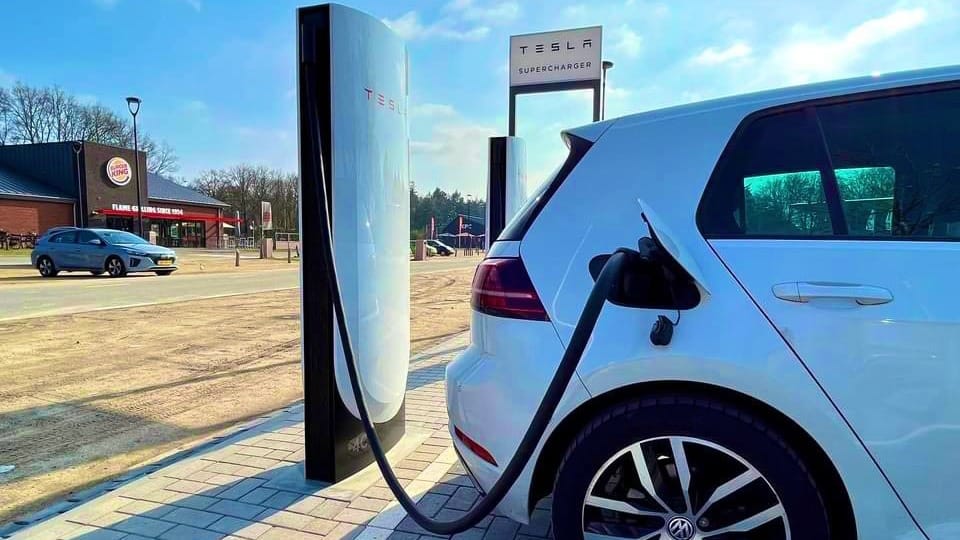
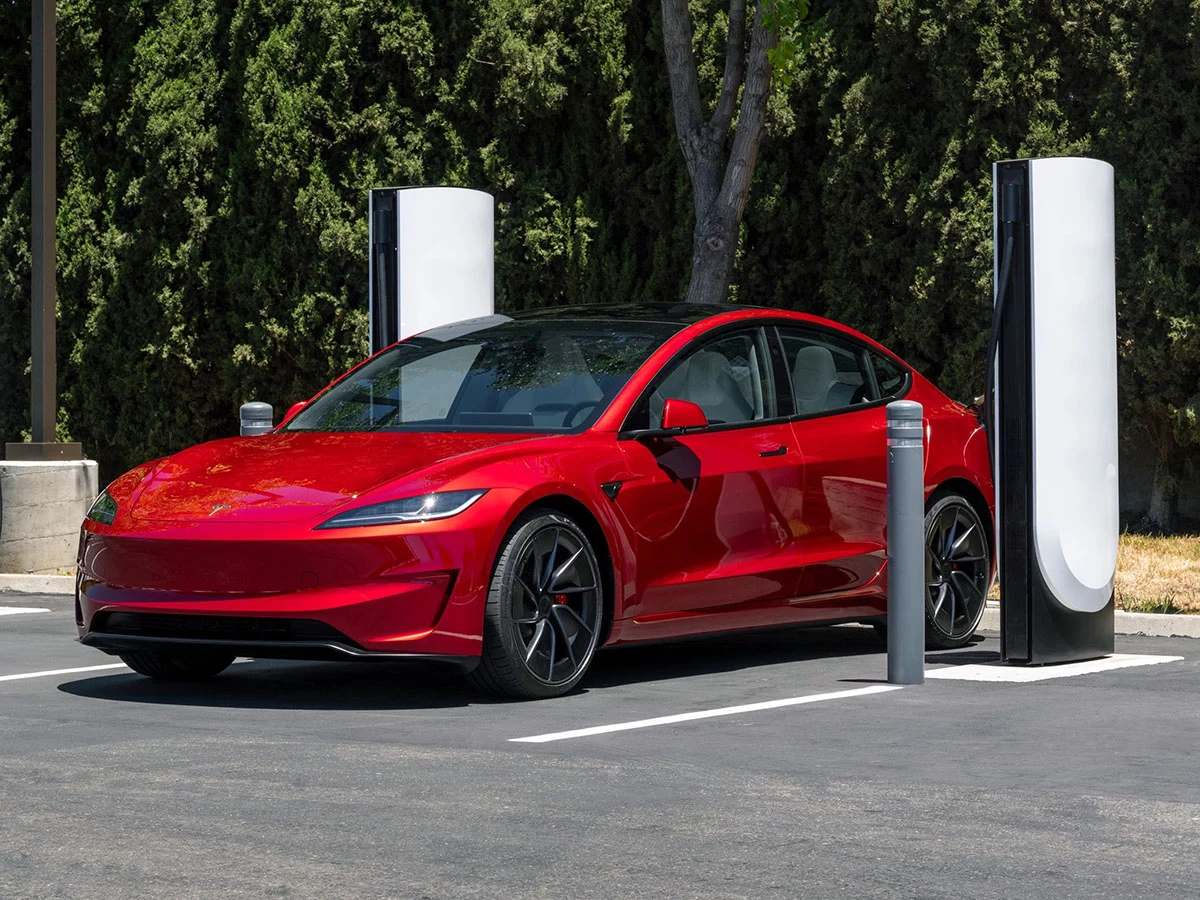
The battery preconditioning feature in Teslas and other electric vehicles is a handy way to maximize charging efficiency, allowing drivers to spend less time at Superchargers before heading off on their journeys.
This feature uses energy from the high-voltage battery to heat it up, making it easier for ions to transfer and ensuring the best charging speed when arriving at a Supercharger station. As per Tesla’s engineers, the Tesla Trip Planner activates this warmup process and is smart enough to adapt to changing temperatures, taking into account the weather based on the current season.
Temperature Impact
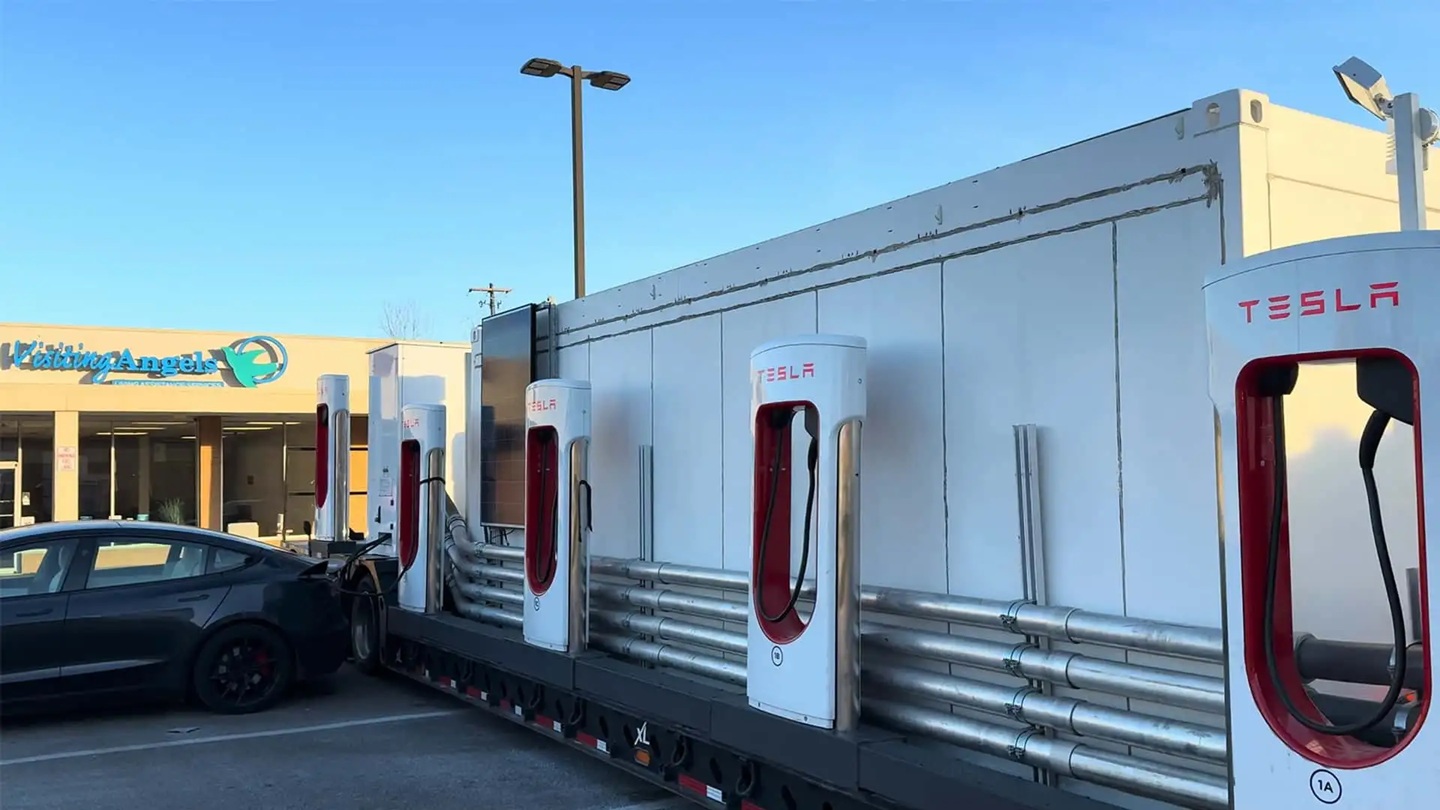
The temperature of the environment plays a crucial role in automatically preconditioning the high-voltage battery. Tesla asserts that by considering seasonal changes, they can reduce Supercharger session times by up to ten minutes. This is significant because Tesla cars charge relatively slowly; many still utilize the older 400V powertrain design and can only handle charging speeds of 250 kW. In contrast, BYD, a major competitor of Tesla, has introduced a new EV platform that supports 1 MW charging speeds, enabling 5-minute charging sessions.
Cybertruck’s Charging Limitations
Although the Cybertruck is equipped with a more advanced 800V architecture, the 4680 battery cells it uses aren’t the most thermally efficient available. As a result, its charging performance still leaves room for improvement. Even with Tesla’s quickest 500 kW V4 Superchargers, the Cybertruck requires about 35 minutes to reach an 80% charge—provided it arrives at the station with a low charge level and a warm battery, making every aspect of preconditioning vital.
Recently, Tesla shared an impressive time-lapse video showcasing how the ambient temperature shifts at its Supercharger stations worldwide, emphasizing the importance of adapting preconditioning.
Source:
Link