Category: Computers

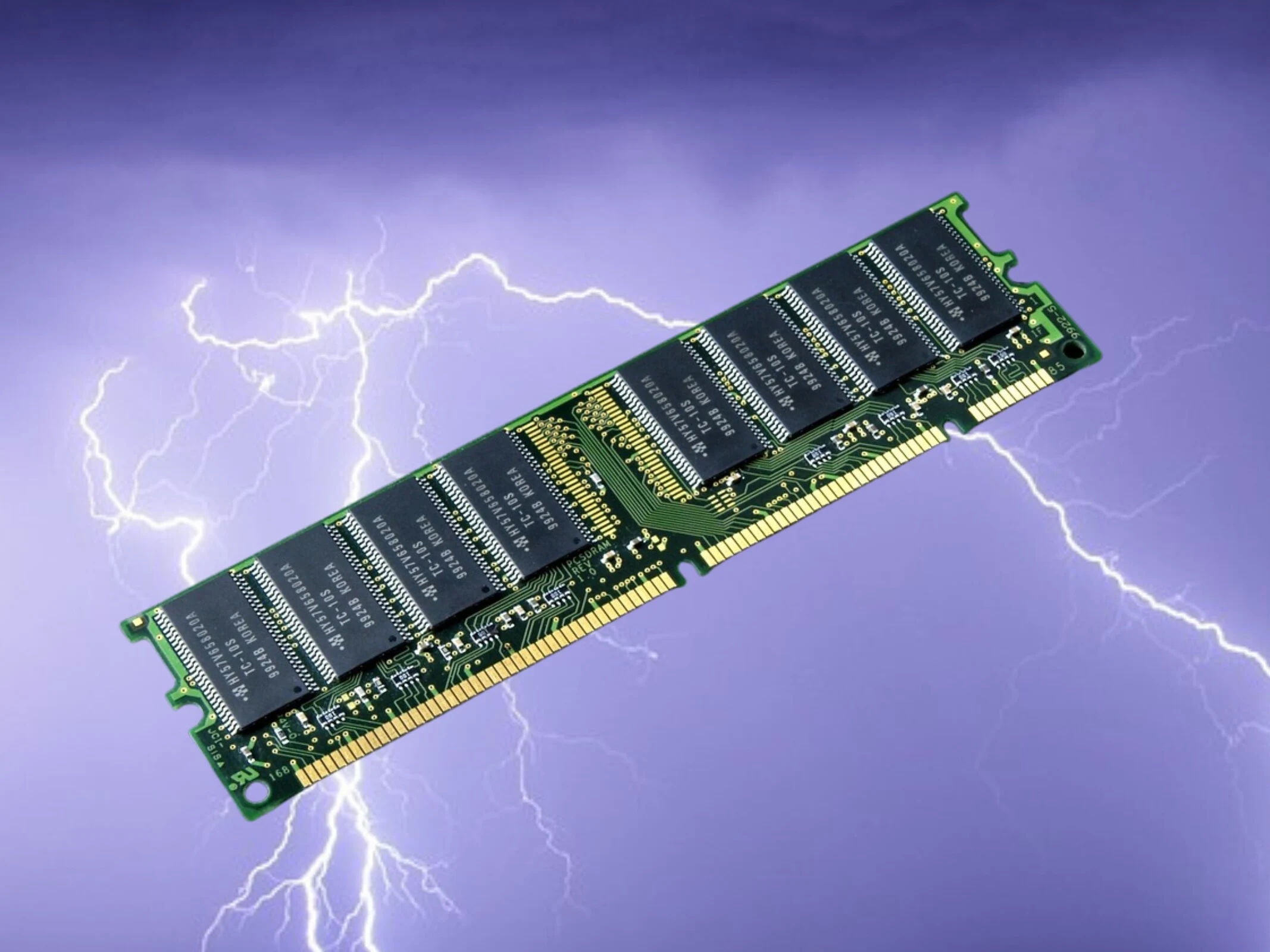
  • DRAM Crisis Forecast: SK Hynix Predicts No Quick Recovery Until 2028

    DRAM Crisis Forecast: SK Hynix Predicts No Quick Recovery Until 2028

    Key Takeaways

    1. The memory crisis is worsening, with Samsung reportedly doubling contract prices for DDR5 RAM.
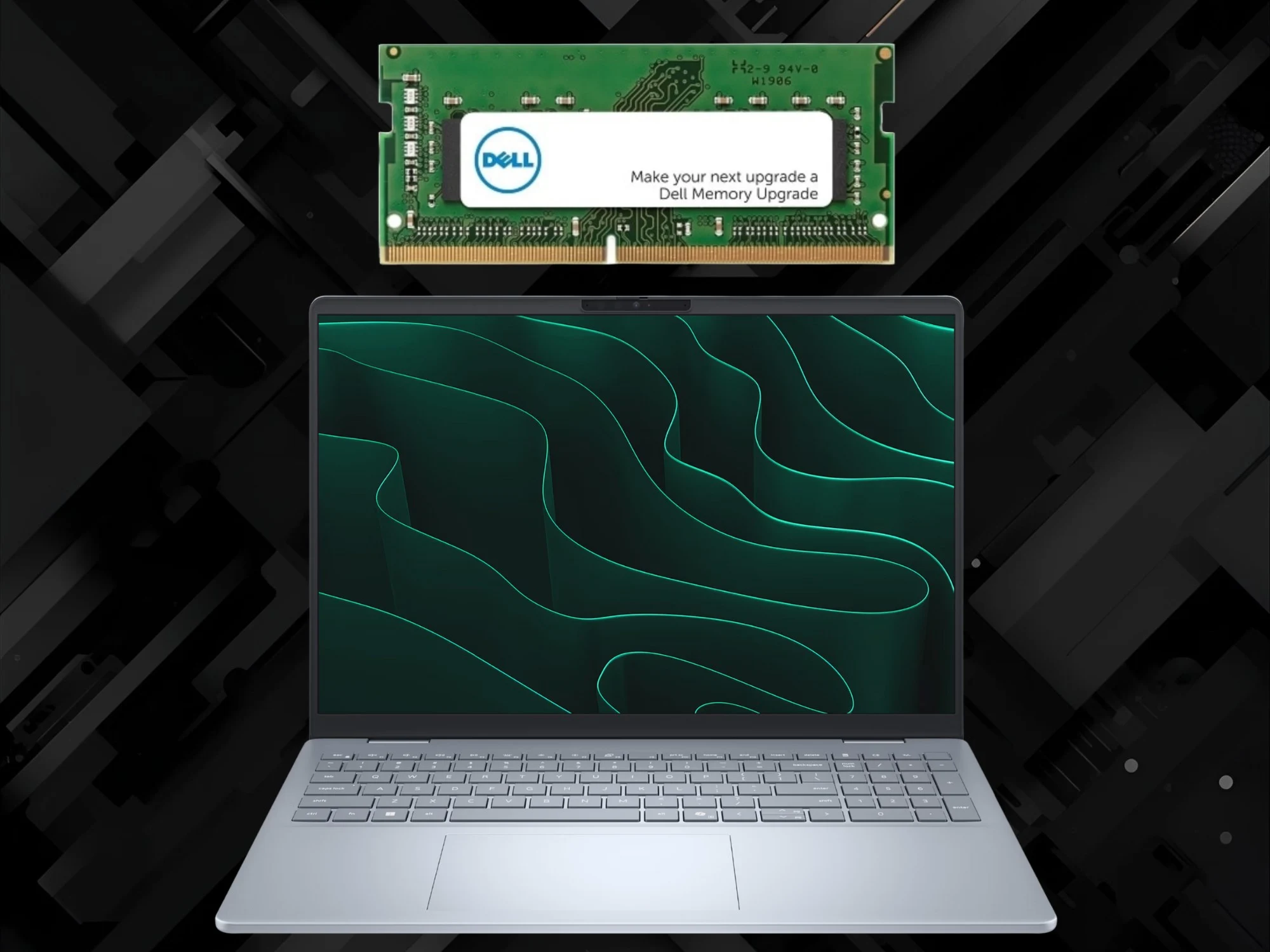
    2. Companies like Dell and Lenovo are limiting mid-range laptops to 8 GB of RAM due to the shortage.
    3. SK Hynix predicts the DRAM shortage could last until at least 2028, driven by slow production capacity expansion.
    4. AI data centers are significantly increasing demand for memory, impacting supply for PCs.
    5. While some experts believe DDR5 prices could stabilize in 6 to 8 months, SK Hynix’s outlook remains grim.


    The memory crisis, fueled by the rising needs of AI data centers, seems to be worsening. Reports indicate that Samsung has allegedly increased contract prices for DDR5 RAM by two times. Additionally, companies like Dell and Lenovo are reportedly restricting mid-range laptops to only 8 GB of RAM. The much-awaited Steam Machine might also experience delays or be launched as a basic model due to this shortage. While many are eager for a quick fix, SK Hynix offers a much grimmer perspective on the future.

    Long-lasting Shortage Expected

    SK Hynix suggests that the DRAM shortage could persist until at least 2028, as revealed in internal reports shared by tech analyst BullsLab Jay on X.

    The main factor contributing to this dismal forecast is the sluggish pace of expanding production capacity. New DRAM fabrication plants are not expected to provide substantial output until 2028. Meanwhile, demand continues to surge: AI servers are taking up an increasing portion of production, alongside the growing memory needs for PCs, especially as AI PCs become more popular (currently, a 2 x 16 GB kit of Crucial Pro DDR5 RAM is priced around $390 on Amazon).

    Market Imbalance Continues

    Due to the current mismatch between supply and demand, SK Hynix estimates that the DRAM market won’t find stability before 2028. However, this is only one perspective among many, and it doesn’t represent a fixed prediction—more positive forecasts are out there. For instance, Edward Crisler, PR manager at Sapphire, argues that DDR5 prices could stabilize within six to eight months, assuming consumers refrain from panic buying.

    Source:
    Link


  • HP OmniBook 7 Aero 13 Now 40% Off – Only 4 Months Old!

    HP OmniBook 7 Aero 13 Now 40% Off – Only 4 Months Old!

    Key Takeaways

    1. The HP OmniBook 7 Aero 13 is now priced at $770, down from its original price of $1250, offering a savings of $480.
    2. It features a Ryzen 7 AI 350 CPU, 16 GB of RAM, and a 1200p IPS display, making it a strong performer in its category.
    3. Weighing only 1 kg (2.2 lbs), it is one of the lightest 13-inch laptops available.
    4. The laptop’s ultra-light design and premium materials justify its initial high price compared to other laptops under $1000.
    5. There are some trade-offs, like limited display options and graphics capability, but it excels in battery life and portability.


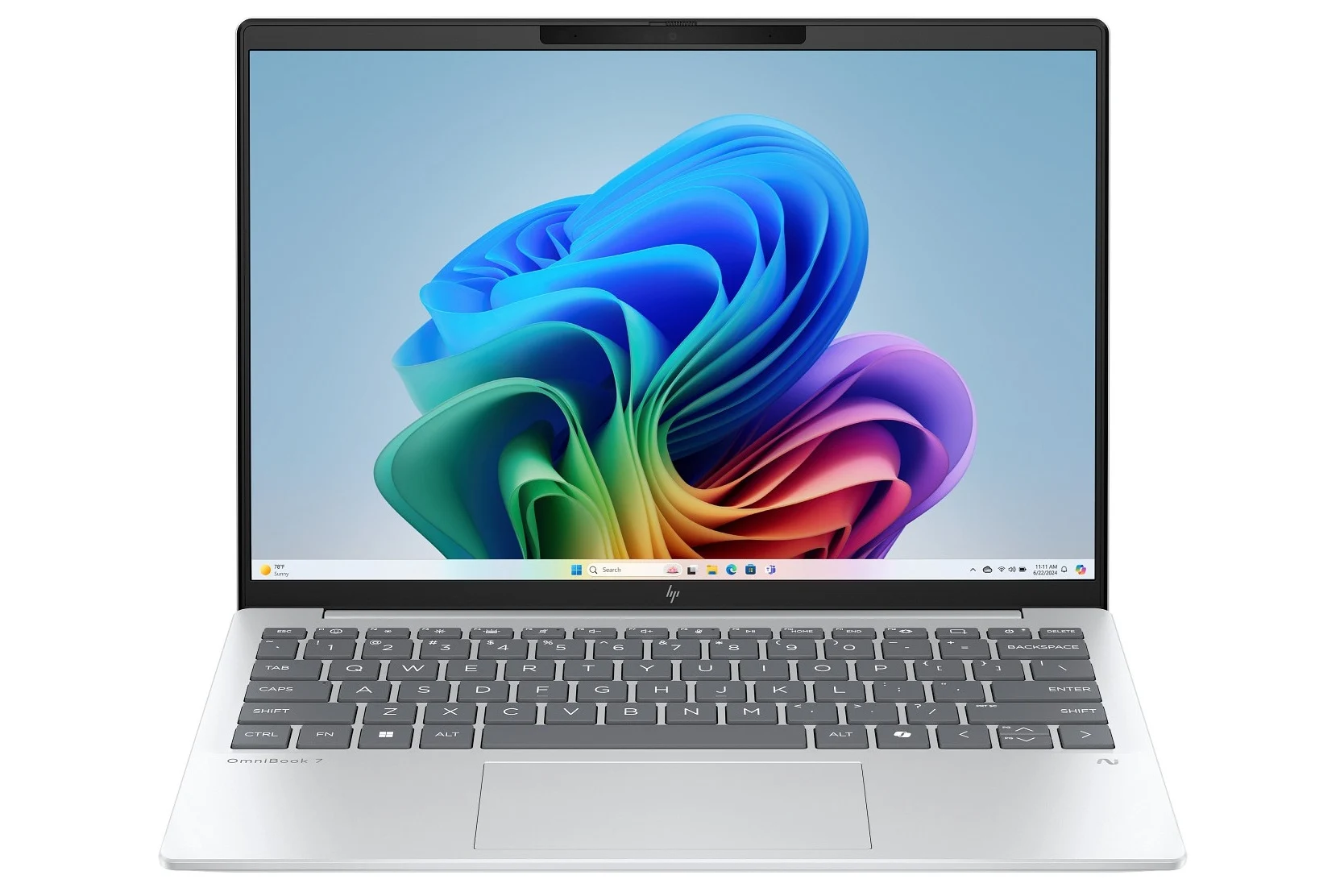
    The HP OmniBook 7 Aero 13 was introduced a few months back in the third quarter of 2025, priced at $1250 USD. This configuration comes with a Ryzen 7 AI 350 CPU, 16 GB of RAM, and a 1200p IPS display. As the end of December approaches, this same setup is now available for only $770, providing a savings of $480. The OmniBook 7 Aero 13 stands out as one of the lightest 13-inch laptops on the market, featuring an AMD Zen 5 CPU and weighing merely 1 kg or 2.2 lbs.

    Special Sale Price

    The new price aligns with what many budget to midrange multimedia laptops offer, which have comparable performance to the OmniBook 7 Aero 13. What differentiates this sale is that this specific model is considerably lighter than most other laptops in its price range. The initial price tag of over $1000 reflected the ultra-light design and superior materials used, setting it apart from many laptops under that $1000 mark.

    Key Features to Consider

    While there are some compromises to be aware of due to the lightweight build, such as limited display options and graphics capability, the device still performs well in aspects like battery longevity and ease of transport. We suggest taking a look at our review of the laptop to find out more about its strengths and weaknesses.

    Disclaimer: Notebookcheck isn’t liable for any price changes made by retailers. The discounted price or deal mentioned here was accurate at the time of writing and may change depending on time limits and/or availability of units.

    HP OmniBook 7 Aero 13 product page

    Source:
    Link


  • Asus ROG NUC 2025 Launches Worldwide with Nvidia GeForce RTX 5090

    Asus ROG NUC 2025 Launches Worldwide with Nvidia GeForce RTX 5090

    Key Takeaways

    1. Thunderobot is launching the premium mini-PC Mix G2 globally, alongside the new Zero Air gaming laptop.
    2. The Mix G2 features Intel Arrow Lake HX processors and Nvidia GeForce RTX 50 laptop GPUs, competing with Asus’ ROG NUC.
    3. The Mix G2 can be equipped with the powerful GeForce RTX 5090, outperforming the RTX 5080 by 17%.
    4. The price of the Mix G2 in China is CNY 24,999 (approximately $3,546), attributed to its high-end components.
    5. Global availability details will be revealed on January 6 during CES 2026, with uncertainty about cheaper configurations outside of China.


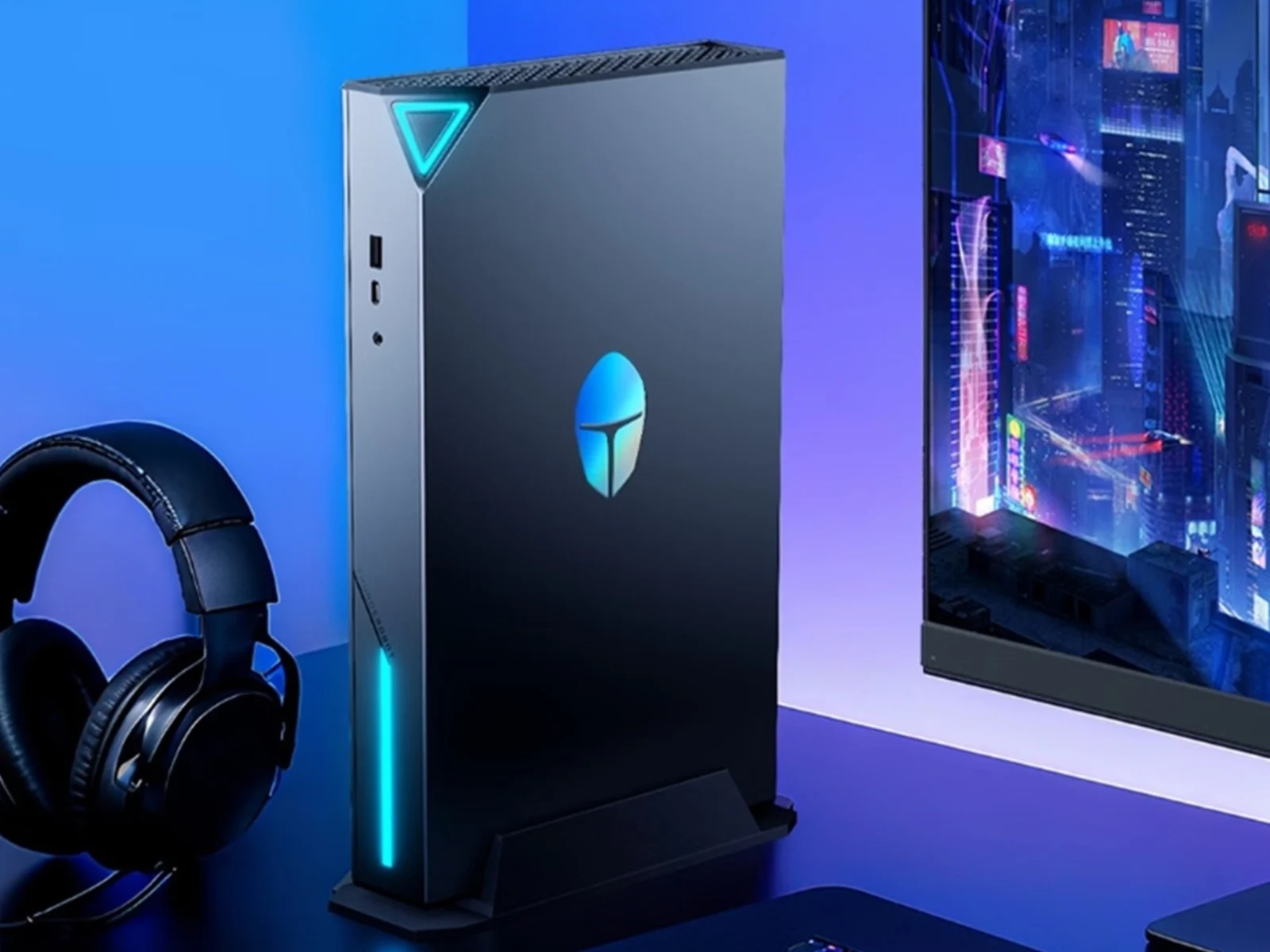
    Thunderobot has hinted at the worldwide launch of a premium mini-PC that first appeared last month in China. The Mix G2 will be released at the same time as the Zero Air gaming laptop, which is a completely new model that hasn’t even been introduced in Thunderobot’s own market yet.

    Product Features

    To summarize, the Mix G2 was launched in mid-November featuring Intel Arrow Lake HX processors and Nvidia GeForce RTX 50 laptop GPUs. This mini-PC can be viewed as a competitor to the ROG NUC (2025), which Asus markets with a maximum of a GeForce RTX 5080 laptop GPU (currently priced at $3,199 on Amazon).

    In contrast, the Mix G2 offers the option to be equipped with the more powerful GeForce RTX 5090. In our tests, the GeForce RTX 5090 outperforms the GeForce RTX 5080 by about 17%, which contributes to the Mix G2’s steep price of CNY 24,999 (approximately $3,546) in China. This is also due to the inclusion of a Core Ultra 9 275HX processor and 64 GB of RAM.

    Global Availability

    Thunderobot has confirmed that the Mix G2 will also be released globally with the GeForce RTX 5090. Nevertheless, it’s still uncertain if more affordable configurations with a Core Ultra 7 255HX, a GeForce RTX 5070 Ti or a GeForce RTX 5080 will be available outside of China. The complete global reveal of the Mix G2 is scheduled for January 6 during CES 2026 in Las Vegas.

    Thunderobot’

    Source:
    Link


  • Samsung Increases DDR5 Contract Prices by Over 100%

    Samsung Increases DDR5 Contract Prices by Over 100%

    Key Takeaways

    1. Samsung has raised DDR5 contract prices by over 100%, reaching $19.2 per Jukan, leading to ongoing high prices for DRAM.
    2. DDR4 prices are also increasing, with 16 GB now costing $18, impacting budget options for consumers and OEMs.
    3. Spot prices for DDR5 have significantly inflated in December, with no signs of price decreases for DDR4 either.
    4. OEMs are likely to pass the increased memory costs onto consumers, potentially raising prices for laptops and smartphones.
    5. Immediate purchases of memory products are advised, as significant price increases are expected in early 2026, with improvements not anticipated until 2027.


    It seems that the extremely high prices of DRAM are likely to continue, as Samsung has supposedly raised the contract price for DDR5 by more than 100%. This abrupt rise has pushed the DDR5 contract price to $19.2 per Jukan on X. According to reports from Taiwanese media, Jukan states that Samsung has told “downstream customers,” or OEMs, that there is “no stock!”

    DDR4 Prices on the Rise Too

    In addition to the increase in DDR5 prices, the contract pricing for DDR4 DRAM has also surged. Jukan mentions that the cost for 16 GB of DDR4 DRAM has now reached $18. Therefore, OEMs and consumers looking at DDR4 memory as a temporary, budget-friendly option may now face similar price hikes as those seen with DDR5.

    Spot Prices and Future Expectations

    Lastly, Taiwanese media has noted that, against the hopes of a gradual price decrease, spot prices for DDR5 memory have experienced even more significant inflation in December. DDR4 memory costs are also climbing, with “no signs of stopping.”

    Samsung’s increase in DDR5 contract pricing will directly impact the OEMs who purchase memory chips in bulk, and it’s likely that these OEMs will pass the extra costs on to consumers. For instance, Lenovo might raise the prices of its 2026 laptop models to reflect the new DDR5 pricing. Laptop manufacturers may also cut down on the memory in entry-level models to save money. The same could apply to smartphone producers like Apple and Samsung.

    So, if you find yourself needing a new phone, laptop, or desktop RAM right away, it could be wise to purchase what you need immediately. We anticipate significant price increases in the first quarter of 2026, and improvements are not expected until 2027.

    Source:
    Link


  • Dell and Lenovo May Cap Mid-Range Laptops at 8GB DDR5 RAM

    Dell and Lenovo May Cap Mid-Range Laptops at 8GB DDR5 RAM

    Key Takeaways

    1. Higher DDR5 RAM prices could lead to more laptops with 8GB of RAM and a lower price-to-performance ratio.
    2. Mid-range laptops are likely to feature more 8GB options, while models with 16GB or more will still meet user needs.
    3. Premium laptops with 32GB or 64GB of DDR5 are expected to have higher prices, while budget models may struggle with reduced specifications.
    4. Consumers are pushing for streamlined options without unnecessary software, but Windows’ increasing memory requirements pose a challenge.
    5. The impact of high DDR5 RAM prices extends beyond laptops, affecting smartphone manufacturers and other tech devices.


    Higher DDR5 RAM prices could significantly affect the market for several years. A recent report from TrendForce indicates that manufacturers might start producing more laptops with 8GB of RAM. However, consumers might have to deal with a lower price-to-performance ratio.

    Price Increases and Consumer Choices

    Big names like Dell and Framework have already raised the costs of memory upgrades. Because of this, it becomes harder to attract buyers with discounts on these devices. Downgrading specifications is not the best solution, but it might be the only way to keep prices manageable.

    Changes in Mid-Range Models

    TrendForce points out that the most significant shifts could happen with mid-range laptops. Models with 16GB or more memory can meet most user needs. The report forecasts that 8GB laptops will be much more prevalent in this price range. Those worried about performance might have to look at pricier options.

    Premium Models and Budget Constraints

    Luxury business or gaming laptops featuring 32GB or 64GB of DDR5 memory will likely see higher MSRPs. On the other hand, manufacturers are limited in how they can adjust budget laptops. Reducing their specifications could leave these affordable models struggling with even simple tasks on Windows 11.

    Another challenge for manufacturers involves laptops that come with soldered DRAM. Specifically, ultrathin models would require redesigns to change their configurations.

    Consumer Demands for Streamlined Options

    To make way for less powerful laptops, buyers are urging vendors to remove unnecessary software. Sadly, many resource-heavy background processes are inherent to Windows. Every new iteration of the Microsoft operating system has used more memory, which has become an obvious problem now.

    Although shoppers are feeling the sting of higher prices, it might not be until Q2 2026 that all laptops experience price increases. Some vendors are better equipped for the challenges ahead with larger reserves of components. Others may be willing to take losses, hoping the situation improves.

    Broader Implications in Tech

    With high demand from AI data centers, laptops using DDR5 RAM aren’t the only devices at risk. The TrendForce report also explains how smartphone manufacturers will adjust their inventories.

    Source:
    Link


  • Beelink Launches Modular ME Pro NAS with Swappable CPU Boards

    Beelink Launches Modular ME Pro NAS with Swappable CPU Boards

    Key Takeaways

    1. Beelink has revealed a stylish unibody design for the ME Pro NAS, available in two-bay and four-bay models.
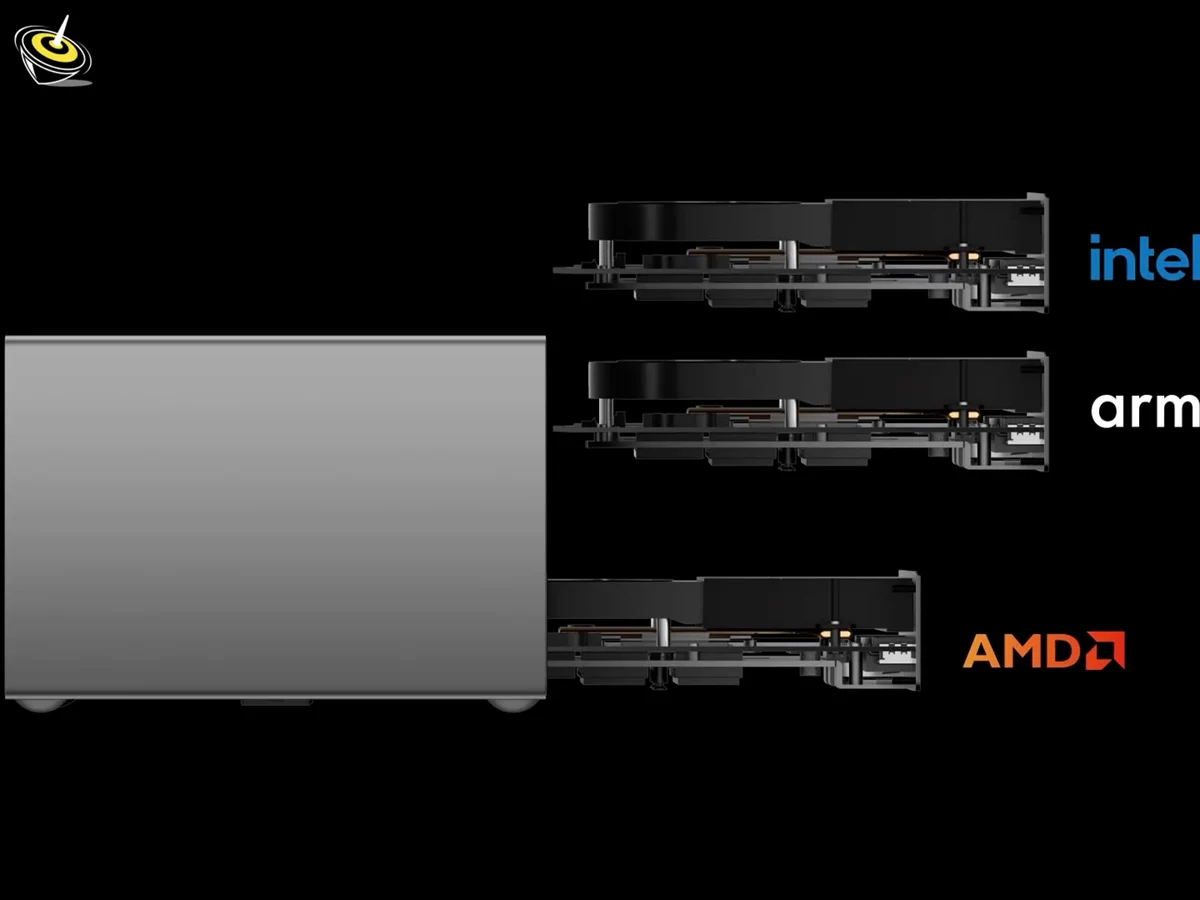
    2. The two-bay NAS features a compact design and a modular drawer-style interior for easy interchange of AMD, Intel, and ARM-based motherboards.
    3. Beelink plans to maintain a custom NAS-oriented operating system to support its multi-platform capabilities, making the ME Pro unique in the market.
    4. The ME Pro will function as both a mini PC and a NAS, with interchangeable boards that are equipped with powerful processors and M.2 slots for additional SSD storage.
    5. There is currently no launch date or detailed specifications available for the ME Pro, but more information is expected to be released soon.


    Beelink has been teasing the ME Pro since December 2025, and now they’ve revealed more about its design. In two new videos, one highlights the stylish unibody structure of the NAS device. This particular video focuses on the two-bay model, but the company has previously noted there will also be a four-bay version.

    Compact Design

    The two-bay NAS appears to be quite compact, although it’s still uncertain if it will be 50% smaller than its competitors. The second teaser video is particularly intriguing, as it showcases the modular design of the Beelink ME Pro.

    The video illustrates that the NAS will incorporate a drawer-style interior, making it easy for users to interchange AMD, Intel, and ARM-based motherboards. This design is reminiscent of what Framework is doing with its Laptop 13, but tailored for NAS use.

    Multi-Platform Challenges

    However, it remains unclear how Beelink plans to manage the multi-platform aspect of the NAS. This approach suggests that the company will have to maintain a custom NAS-oriented operating system for various architectures. Yet, the added flexibility makes this NAS quite distinctive in the market.

    Beelink has also indicated that the ME Pro will function both as a mini PC and a NAS. This implies that the interchangeable boards will be equipped with powerful processors. The second teaser further reveals that M.2 slots will accommodate SSDs (a 2 TB Samsung 990 Pro SSD is currently priced at $209.99 on Amazon), enabling the two-bay model to support up to five drives.

    Awaiting Launch Details

    Currently, there’s no information regarding the launch date for the ME Pro, and the core specifications of the NAS remain undisclosed. More official information is anticipated to be released soon.

    Source:
    Link


  • Samsung to Halt SATA SSD Production, Prices to Rise for 18 Months

    Samsung to Halt SATA SSD Production, Prices to Rise for 18 Months

    Key Takeaways

    1. Samsung is planning to completely exit the SATA SSD market, impacting consumer prices significantly.
    2. SATA SSDs still represent a large portion of retail sales, especially in budget segments, making their absence a concern for price stability.
    3. The removal of Samsung’s SATA SSDs could lead to supply shortages, raising prices for both SATA and NVMe drives.
    4. Unlike brand reshuffles, Samsung’s exit means a genuine decrease in supply, potentially causing panic buying among consumers and builders.
    5. Future pricing trends may improve by 2027, but the availability of low-cost SATA SSDs from Samsung is likely over.


    Samsung is said to be getting ready to shut down its SATA SSD production. A well-known hardware leaker has stated that this decision might have a bigger impact on consumer prices than Micron’s choice to stop its Crucial-branded consumer RAM. This information comes from Tom, who runs the Moore’s Law Is Dead YouTube channel. He claims that various sources in distribution and retail have confirmed Samsung’s long-term exit from the SATA SSD market. This news follows a report stating that Samsung has increased DDR5 memory prices by as much as 60%.

    Impact on Retail Sales

    Even though interest in SATA SSDs is decreasing among enthusiasts, they still play a significant role in retail sales. They make up a large portion of the best-selling SSDs on major sites like Amazon, especially in budget and upgrade categories. Tom points out that losing a major manufacturer like Samsung could restrict supply and lead to higher SSD prices across the board, at least in the near to medium term.

    Supply Concerns

    Tom emphasizes that the main concern isn’t whether SATA SSDs are outdated, but how much they still contribute to the market. He mentions that around 20% of Amazon’s top SSD bestsellers are still SATA-based, with Samsung drives being a significant part of this. If that quantity is removed from the market, even gradually, it lowers the overall availability of SSDs, which raises prices for both SATA and NVMe drives.

    This aligns with a recent forecast from memory expert Dave Eggleston, who told Tom during a podcast, while addressing a question from the audience, that NAND SSDs might be the next PC components to see price hikes.

    A Different Scenario

    Tom also notes that Samsung’s decision is quite different from a brand reshuffle. Sources indicate that Samsung intends to completely stop SATA SSD production after completing current contracts, instead of just supplying the same NAND under different consumer brands. This results in a real supply decrease, not merely a change in branding. Moreover, the potential difficulty in sourcing SATA could lead to panic buying among system builders and companies that still depend on this interface, which Tom believes would further drive up short-term prices.

    In contrast, he compares Samsung’s situation with Micron’s choice to reduce the Crucial consumer RAM brand, which he sees as mostly symbolic regarding its market impact. Micron, similar to Samsung and SK Hynix, already provides memory chips directly to other brands like G.Skill and ADATA. Therefore, the supply remains mostly unchanged even without the Crucial-branded kits.

    Future Price Trends

    Looking into the future, Tom mentions that industry forecasts indicate pricing pressure could decrease once manufacturers shift back towards consumer hardware, likely by 2027. This shift would be fueled by local AI workloads and next-gen consoles needing fast SSDs and ample RAM. However, he warns that while SSD prices might eventually lower, the days of inexpensive SATA SSDs are probably over, especially from Samsung.

    Moore’s Law Is Dead

    Source:
    Link


  • Lenovo Yoga Slim 7 Aura Edition Touchscreen vs. Traditional Mouse

    Lenovo Yoga Slim 7 Aura Edition Touchscreen vs. Traditional Mouse

    Key Takeaways

    1. The Lenovo Yoga Slim 7 Aura Edition touchscreen can effectively replace a mouse for everyday tasks like email, web browsing, and document editing, offering a more engaging interaction with content.

    2. Windows 11 enhances the touchscreen experience with intuitive touch gestures, making actions like window arrangement and scrolling smooth and natural.

    3. While the touchscreen is great for casual gaming and touch-friendly genres, it struggles with precision-heavy games, where a mouse is still preferred.

    4. User habits play a significant role; many Lenovo users forget about the touchscreen feature and stick to traditional input methods, but those who adapt find it more direct and natural.

    5. Overall, using the touchscreen as a sole input method is enjoyable for casual tasks, but it doesn’t entirely replace the need for a mouse in precision-demanding scenarios.


    I decided to try something a bit unusual: no mouse at all. No trackpad gestures, no external pointing tools. Just my fingers and the Lenovo Yoga Slim 7 Aura Edition touchscreen: Model 15ILL9.

    Exploring Touchscreen Productivity

    This experiment wasn’t just for casual scrolling while lounging. I aimed to discover if a laptop built with touch features could truly replace the classic mouse-driven method for daily tasks… and maybe even some gaming. Essentially, I wanted to find out if the Lenovo Yoga Slim 7 Aura Edition and its touchscreen could genuinely act as a substitute for a mouse in both work and play situations.

    For regular activities like checking email, browsing the web, and editing documents, the touchscreen performed better than I had anticipated.

    Navigating an inbox, moving windows, selecting text in Word, and switching tabs in Chrome felt direct and engaging. Instead of just nudging a pointer, you’re actually interacting with the content. This sense of immediacy is something a mouse struggles to replicate.

    Windows 11 Enhancements

    Windows 11 is a big help. The standard touch gestures from Lenovo, paired with Microsoft’s interface, make actions like pinch-to-zoom, smooth scrolling, and arranging windows into layouts feel intuitive. Once you stop instinctively reaching for a mouse, dragging a window to dock it becomes second nature.

    However, there’s a downside, which is tiredness and lack of precision. Keeping your arm up to tap the screen for extended periods can be exhausting, and making small, precise movements—like clicking tiny icons or adjusting sliders—can be quite fiddly.

    Most of the time, though, the combination of a clear 2.8K display and responsive Intel Arc graphics means that touches are registered quickly and accurately. For general productivity, the touchscreen is not only usable… it’s genuinely comfortable… until fatigue kicks in.

    Gaming Experience

    Now, gaming is where it gets interesting. The Yoga Slim 7 isn’t a high-end gaming laptop, but with the touchscreen as the only input, some game genres really shine.

    Turn-based games like Civilization VI, simple card games such as Microsoft Solitaire, and touch-friendly puzzle or rhythm games work well with taps and swipes. It feels satisfying to directly poke and drag units, cards, or tiles using your fingertips. In some cases, it’s even faster than moving a mouse cursor around.

    However, this setup has its limits when it comes to precision-heavy gaming. First-person shooters, MOBAs, and real-time strategy games with small click targets are still much better with a mouse. Fast aiming, quick camera control, and precise unit selection are simply not strengths of a touchscreen.

    For casual or touch-optimized games, though, relying on the touchscreen can add a playful, hands-on feel, making the laptop behave more like a large, powerful tablet.

    User Perspectives

    If you browse through Reddit threads, a common theme emerges: many Lenovo users hardly utilize their touchscreens. Many admit that they often forget the feature exists, sticking to the trackpad or mouse out of habit.

    Frequent complaints include fingerprints, occasional mis-taps, and the fact that many individuals have spent years training themselves to reach for a mouse. However, there’s another group—those who fully embrace touch—and they often describe it as more “direct” and “natural” once you adapt.

    On the Lenovo Yoga Slim 7 Aura Edition, AI-assisted features and smooth gesture handling help mitigate some of the challenges. The way the screen tracks fingers and translates motion across the display makes a touchscreen-only workflow feel more realistic than it would on older or less responsive devices.

    Final Thoughts

    After using the Lenovo Yoga Slim 7 Aura Edition touchscreen as my sole pointing device, here’s what I discovered:

    For everyday tasks and casual gaming, fully embracing touch is not only feasible; it’s surprisingly enjoyable. It compels you to reconsider your habits, making the laptop feel more immediate and tactile.

    Yet, it doesn’t entirely replace traditional input methods. Precision tasks still benefit from a mouse, and long periods of tapping the screen will give your arm a workout you didn’t ask for.

    Still, this experiment shifted my perspective on the laptop. The Lenovo Yoga Slim 7 Aura Edition touchscreen isn’t merely a nice feature for the occasional scroll; it’s a valid approach for navigating work and play, particularly if you’re prepared to change how you interact with your device.

    Mouse enthusiasts don’t have to ditch their peripherals. But if you’re curious, consider spending a few days using just your fingers. On a modern touchscreen laptop like the Lenovo Yoga Slim 7 Aura Edition, you might find that touch-first computing feels more freeing—and a lot less crazy—than it seems.

    Source:
    Link



  • Lenovo ThinkPad P1 Gen 8: Bright OLED Display at 1500 Nits

    Lenovo ThinkPad P1 Gen 8: Bright OLED Display at 1500 Nits

    Key Takeaways

    1. The ThinkPad P1 16 Gen 8 features a new tandem OLED touchscreen with exceptional brightness levels.
    2. It can reach 600 nits in SDR mode and up to 1500 nits in HDR mode, outshining many competitors.
    3. The tandem OLED display eliminates the halo effect often seen in mini-LED laptops, enhancing HDR content quality.
    4. The high HDR brightness may not be necessary for the primary professional users of the workstation.
    5. Lenovo may use this advanced panel in future premium multimedia and gaming laptops where HDR is more relevant.


    The ThinkPad P1 16 Gen 8 might appear just like its predecessor, the ThinkPad P1 16 Gen 7, but it comes with some noteworthy upgrades. A standout feature is the new tandem OLED touchscreen, which provides several advantages over standard OLED displays, notably its remarkable brightness levels. In fact, the ThinkPad P1 16 Gen 8 can achieve 600 nits in SDR mode and an impressive 1500 nits in HDR mode, a fact we verified using our independent X-Rite colorimeter.

    Brightness Comparison

    At 600 nits, this Lenovo workstation outshines many IPS or OLED multimedia laptops, which typically max out between 400 and 500 nits. When HDR is turned on, the maximum brightness of 1500 nits surpasses that of even high-end gaming laptops with mini-LED technology, such as the Razer Blade 18. Furthermore, the tandem OLED display does not experience the halo effect commonly seen in mini-LED laptops, resulting in HDR content looking exceptionally vivid on the ThinkPad P1 16 Gen 8.

    Target Audience Consideration

    However, having such a high HDR brightness feature on a mobile workstation feels a bit odd, since professionals who are the main users may not require such elevated brightness levels. It’s likely that Lenovo will incorporate this same panel option in some of their premium multimedia and Legion gaming laptops down the line, where HDR functionalities could be seen as a more valuable selling point.

  • Modular Low-Profile Mechanical Keyboard with Num Pad and More

    Modular Low-Profile Mechanical Keyboard with Num Pad and More

    Key Takeaways

    1. Modular Design: The Naya Connect features a unique modular design, allowing users to customize their keyboard setup with various modules that connect around a central hub.

    2. Typing Experience: The Naya Type uses Kailh Choc V2 switches for a smooth and pleasant typing experience, distinguishing it in the low-profile mechanical keyboard market.

    3. Connectivity Features: The keyboard and modules utilize magnetic connections and proprietary pogo pins for seamless electrical links, with the Naya Type supporting both wired and wireless connectivity.

    4. Battery Life: The modules for the Naya Connect have battery capacities between 800 mAh and 1,500 mAh, with expected good battery life based on the Naya Create’s performance.

    5. Launch Offers: The Naya Connect will have special launch discounts for early buyers on its various components, with the Kickstarter campaign starting on January 13.


    Naya, the brand behind the Naya Create modular, ergonomic, and sleek wireless mechanical keyboard, is preparing for its upcoming product launch. This time, they are taking a more traditional approach, yet still keeping a modular element that enables users to customize the keyboard to fit their specific preferences and optimize their experience. The Naya Connect is set to be a low-profile wireless mechanical keyboard that will work with Naya’s range of modules designed for the Create. A recent announcement reveals that the Naya Connect will debut on Kickstarter on January 13, but the pricing can get tricky due to the keyboard’s modular design.

    Modular Design Features

    Unlike a typical low-profile mechanical keyboard, the Naya Connect offers a system of interconnected modules that can be arranged around a central hub. The primary components include either the Naya Type, which is a 75% low-profile mechanical keyboard, or the Naya Dock, a separate hub that accommodates one of the other input devices designed for the ergonomic wireless keyboard, the Naya Create. By default, the Naya Type functions as a wired mechanical keyboard; however, connecting it to a Dock and a module adds wireless features, similar to the Naya Create. The Dock itself has four extra keys beneath the input module, likely intended for macros or specific functions based on the module in use.

    Typing Experience

    The Naya Type is a compact 75% low-profile keyboard utilizing Kailh Choc V2 switches, which we have previously examined in the Iqunix Magi65 Pro (currently priced at $128.79 on Amazon). During our tests, these Kailh switches provided an impressively smooth typing experience along with a pleasant sound, which has been somewhat uncommon in the low-profile mechanical keyboard market until this point.

    Connectivity and Features

    Modules for the Naya Connect connect magnetically and use proprietary pogo pins for electrical links. Besides its modular design, the Naya Type includes several attractive features, such as a full aluminum casing only 14.9 mm thick with switches and keycaps. It also features a split space bar for better efficiency and unique shine-through polycarbonate keycaps for the white backlighting. When not being used wirelessly, the Naya Type connects via USB-C, and it comes with an easy-access hardware on/off switch.

    Naya promotes the Connect as a tool for enhancing productivity, so the expansion modules focus on productivity features. Some modules, such as the Float mentioned earlier, introduce innovative navigation or interaction methods for the keyboard or Dock hub. While additional modules might be available at launch, the current confirmed lineup for the Naya Connect module ecosystem includes:

    Battery and Firmware

    The Naya Dock does not appear to feature a built-in battery or antenna; however, the modules that attach to the Dock include wireless connectivity components, with battery capacities ranging from 800 mAh to 1,500 mAh. It remains uncertain how long the Naya Connect devices will operate on battery alone, but the Naya Create split keyboard is said to last about 80 days on a single charge, depending on the module in use. It’s reasonable to expect that the Type and Connect will offer good battery life, as they are less complex devices with fewer wireless components than the Create. The Naya Create runs on ZMK firmware, recognized for its high customizability and efficiency, and it is believed that the same Flow configuration tool will be utilized for the Naya Connect.

    Special Offers for Early Buyers

    Customers purchasing the Naya Connect devices will receive a special launch discount on the new Type low-profile keyboard, Multipad, 6-key module, and Dock through a VIP offer currently available on the Naya website. There is also a discount for existing modules when bought together with the Naya Connect Dock. The Naya Type keyboard starts at $99 with the VIP discount, but the standard MSRP will be $189. The Multipad has a VIP price of $44 with an MSRP of $69, the 6-key module is $29 for VIPs and $49 MSRP, while the Dock will be available for $39 for VIPs and $69 retail. Although these products are not available yet, the Kickstarter campaign will launch on January 13.

    Source:
    Link