Category: Computers

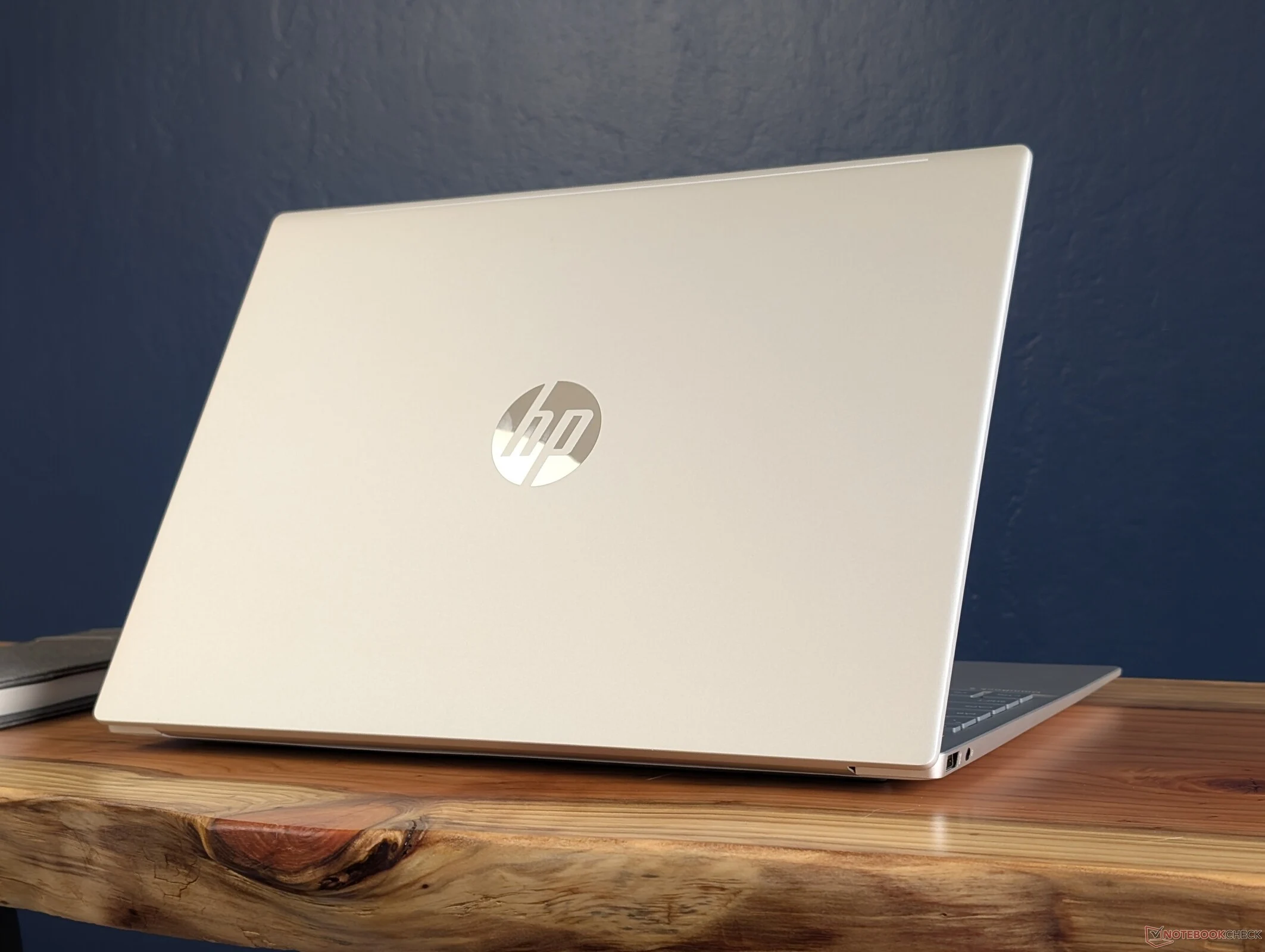
  • HP OmniBook 5 16 Review: Simple Design with Reliable Performance

    HP OmniBook 5 16 Review: Simple Design with Reliable Performance

    Key Takeaways

    1. The HP OmniBook 5 16 is an affordable 16-inch laptop designed for students and home entertainment, priced from $660.
    2. It offers strong fundamentals, including good build quality, long battery life, and comfortable typing, while avoiding TN panels.
    3. The laptop features a modern Core Ultra 7 255U Arrow Lake processor but lacks advanced features found in pricier models.
    4. Graphics capabilities are limited to Core U-series and Arc 4 graphics, making it less suitable for gaming and graphic editing.
    5. Competing laptops, like the Dell 16 Plus, offer significantly better graphics performance and faster NPU speeds for enhanced tasks.


    The HP OmniBook 5 16 is an affordable 16-inch laptop aimed at students and home entertainment. It differs from the more expensive Spectre or OmniBook 7 models by cutting back on features like HDR, Thunderbolt support, high refresh rates, high resolutions, and expandability. Instead, it focuses on essential functions.

    Strong Fundamentals

    This laptop serves as a solid entry-level option, excelling in key areas like build quality, battery longevity, and typing comfort. Importantly, all configurations avoid TN panels, making them a good pick in this price segment. Because it skips the advanced features, the OmniBook 5 16 can be priced as low as $660 while still packing a modern Core Ultra 7 255U Arrow Lake processor.

    Graphics Limitations

    However, it does have some downsides, particularly in graphics capabilities. The device is restricted to the Core U-series and only features Arc 4 graphics. In contrast, rival laptops with Lunar Lake-V, such as the Dell 16 Plus, can deliver significantly better graphics performance, boasting gains of 80 to 90 percent, along with quicker NPU speeds for Co-Pilot+ support. If you’re into gaming or graphic editing, you might want to seek options outside the budget-friendly OmniBook 5 16.

    For further information and performance metrics on the OmniBook 5 16, check out our comprehensive review of the product here.

    Source:
    N/A)


  • AMD Zen 9 and Zen 8 Core Architecture Codenames and Socket Leaks

    AMD Zen 9 and Zen 8 Core Architecture Codenames and Socket Leaks

    Key Takeaways

    1. AMD’s Zen 6 architecture is the focus as users anticipate its release, while Zen 5 processors near the end of their lifecycle.
    2. Leaks suggest future architectures, Zen 8 (codenamed “Penelope”) and Zen 9 (codenamed “Nemesis”), may debut in the 2030s.
    3. Zen 8 and Zen 9 desktop CPUs are expected to use the new AM6 socket, while the current AM5 platform is likely compatible with Zen 7.
    4. Zen 7 will feature a new Matrix Engine and expanded AI data formats, but further details remain limited until Zen 6 is released.
    5. The information from leaks should be taken with skepticism due to a lack of concrete details on core counts and performance for Zen 8 and Zen 9.


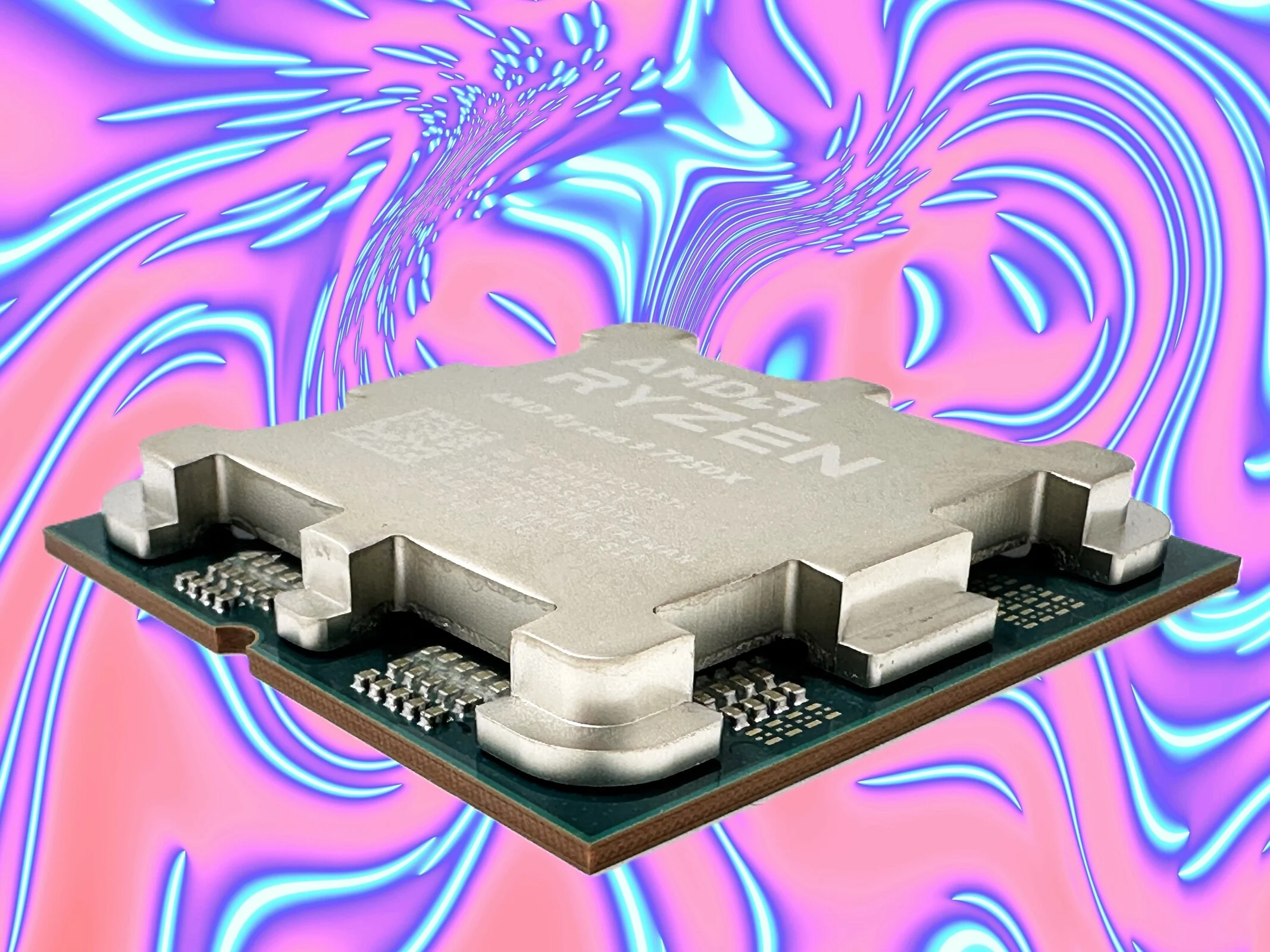
    As AMD’s Zen 5 Ryzen 9000 desktop processors move into the latter part of their life, many users are starting to think about Zen 6, which is the upcoming architecture from Team Red. However, Moore’s Law Is Dead is looking even further into the future, sharing some intriguing details about the Zen 8 and Zen 9 core designs.

    Future CPU Architectures

    Indeed, you read that correctly. MLID has disclosed information regarding AMD’s CPU architectures that are expected to come out in the 2030s. While these leaks about Zen 8 and Zen 9 might have some truth to them, it’s wise to approach the information from MLID with a huge dose of skepticism.

    Details of the Leak

    According to MLID, the core architectures for Zen 8 and Zen 9 are codenamed “Penelope” and “Nemesis,” respectively. The leaker also mentions that desktop CPUs featuring these new architectures will use the AM6 socket, as the existing AM5 platform is likely to be compatible with Zen 7 CPUs. Given the long lifespan of the AM4 platform, it wouldn’t be shocking for AM5 to continue on for Zen 7.

    Insights on Zen 7

    Regarding Zen 7, AMD has only confirmed that these CPUs will be manufactured on an unnamed “Future node,” will include a new Matrix Engine, and will expand AI data formats. This is probably all the information available until Zen 6 processors come to market in late 2026 or early 2027.

    Unfortunately, MLID has not provided any additional details about the Zen 8 and Zen 9 architectures. Therefore, we lack any information on core counts, process nodes, expected performance, and so on.

    Source:
    Link


  • Samsung Employees Accused of Taking Bribes Amid DDR5 RAM Price Surge

    Samsung Employees Accused of Taking Bribes Amid DDR5 RAM Price Surge

    Key Takeaways

    1. Samsung is investigating possible kickbacks from distributors amid a memory shortage, indicating potential internal corruption issues.
    2. The demand for DRAM, particularly for AI data centers, is driving DDR5 prices to new highs, with predictions of sustained high prices until at least 2028.
    3. There are suspicions that senior Samsung employees in Taiwan may have violated internal rules related to the memory supply chain.
    4. Consumer distrust in memory manufacturers is rising due to increased prices and perceived neglect from companies like Micron.
    5. Despite current challenges, some experts believe DDR5 prices may improve in the near future, potentially benefiting the overall hardware market.


    Whenever a part becomes hard to find, some people try to make money from the situation. In this instance, it looks like Samsung workers might be taking advantage of the memory shortage. According to DigiTimes, some suppliers in Taiwan are said to have received kickbacks from distributors. This prompted the company to start an investigation, which led to changes in its marketing and sales teams.

    Increasing Demand for Memory

    With DRAM supplies running low, Samsung and other big players are focusing on AI data centers. As demand from businesses grows rapidly, DDR5 prices have reached new highs. Certain analysts predict that prices won’t decrease until 2028 or even later. Consequently, anyone who can get their hands on this memory could earn significant profits.

    Potential Bribery Issues

    It’s not clear how much distributors were prepared to pay Samsung employees or the size of possible bribes. Nevertheless, when buying in large quantities, the chance for profit was likely very high.

    Samsung has been quiet about the report, which isn’t surprising. However, DigiTimes suggests that the chip manufacturer has recently interviewed several employees in Taiwan. There are suspicions that even workers at the “senior management level” may have violated internal rules. The issue might also reach beyond Taiwan, with possible connections in Singapore and China.

    Consumer Distrust Grows

    Nowadays, consumers have more reasons to be skeptical of memory makers. Other companies, like Micron, have stopped their Crucial brand, leaving buyers feeling neglected. The rising costs are not just affecting DRAM; storage prices are also going up. Samsung denied a rumor that it would stop making SSDs, which could have made the situation worse.

    The whole hardware sector is facing challenges, as buyers are paying extra for essential parts. Still, not every company has such a dark view of the future of PC building. A representative from Sapphire PR thinks that DDR5 prices might improve in about six months, which would also help the VRAM used by GPUs. Until that happens, distributors will search for any way to buy and resell the memory at inflated prices.

    Source:
    Link


  • Beelink Launches Ultra-Compact ME Pro NAS with 72TB Storage

    Beelink Launches Ultra-Compact ME Pro NAS with 72TB Storage

    Key Takeaways

    1. Beelink has launched the ME Pro, a new NAS solution, following the earlier ME mini NAS, which is priced at $359 on Amazon.
    2. The ME Pro model can support up to 72 TB of storage with three M.2 SSD slots and two 3.5-inch HDD slots, while the ME mini supports up to 24 TB.
    3. The ME Pro is powered by the Intel Processor N95, featuring 4 cores, 4 threads, and a peak clock speed of 3.4 GHz.
    4. It includes 12 GB of RAM, a 120 W external power supply, and various connectivity options including multiple USB ports and HDMI output at 4K 60 Hz.
    5. Pricing for the ME Pro starts at approximately $262 and it may be available globally, though exact release details outside China are not confirmed.


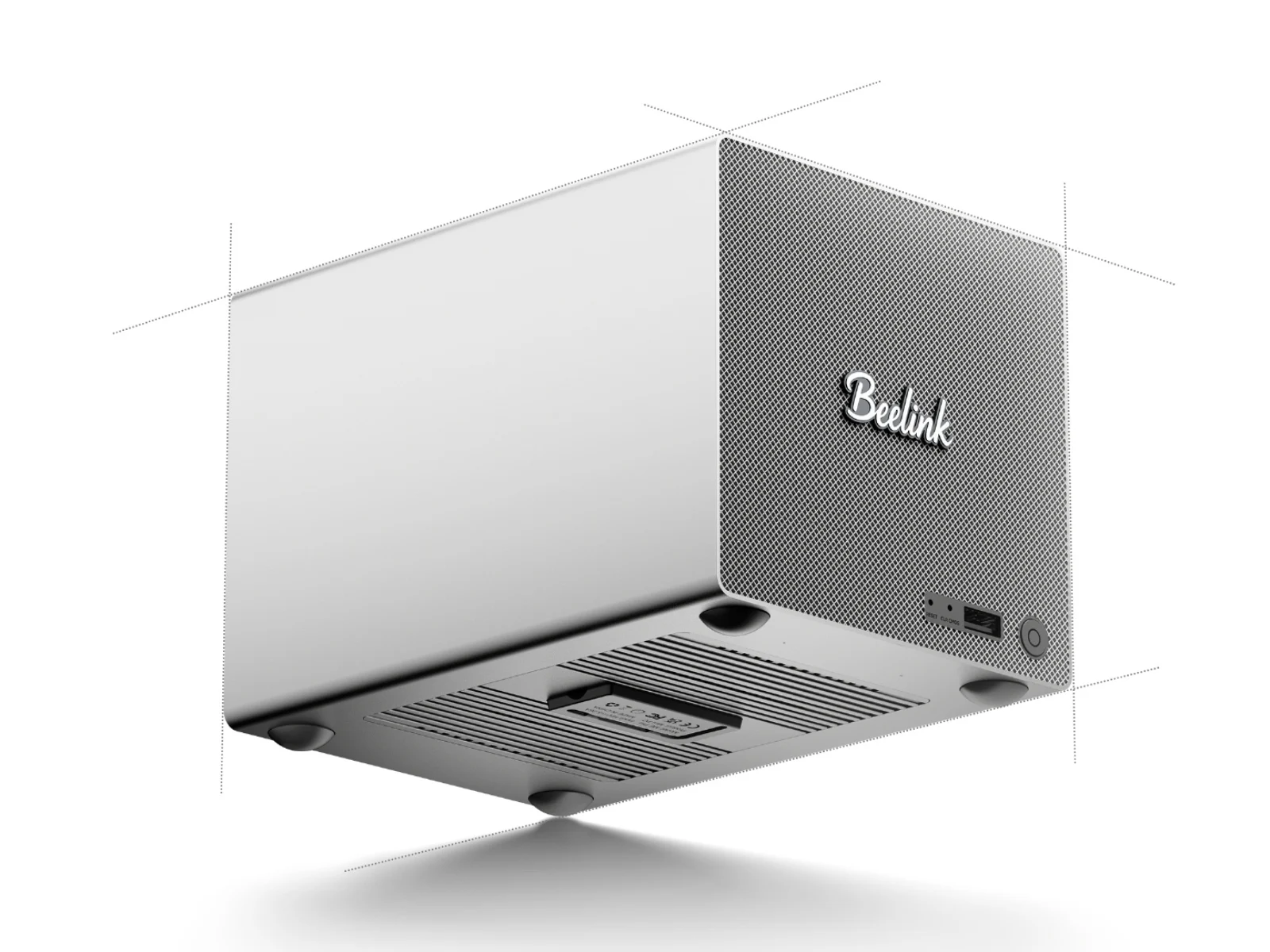
    Beelink has officially unveiled its newest network-attached storage (NAS) solution after hinting at its arrival earlier this month. Known mainly for their mini-PCs, Beelink also rolled out the ME mini NAS earlier this year, which is currently priced at $359 on Amazon. The ME Mini is equipped with either an Intel Processor N95 or Processor N150, offering six M.2 2280 slots that can accommodate up to 24 TB of storage.

    A Step Up in Capacity

    In contrast, the latest ME Pro model can support a whopping 72 TB, thanks to its three M.2 2280 SSD slots and two 3.5-inch HDD slots. However, it’s worth noting that the ME Pro is limited to using only the Processor N95, a Twin Lake architecture processor designed with 4 cores, 4 threads, and a peak clock speed of 3.4 GHz. The Processor N95 also guarantees that the ME Pro provides PCIe 3.0 bandwidth to its SSDs, which is a nice feature.

    Specifications and Features

    Beelink’s new NAS comes with a single configuration of 12 GB of RAM and a 120 W external power supply. As illustrated in the images below, the ME Pro features a front-mounted USB Type-A (10 Gbps) port, along with two rear-mounted Type-A ports, one Type-C port, and a full-sized HDMI port that can output at 4K and 60 Hz, making it quite versatile.

    Additionally, Beelink enhances connectivity by providing a single 2.5 Gigabit port in tandem with a faster 5 Gigabit option. The pricing for the ME Pro begins at CNY 1,848 (~$262) and goes up to CNY 1,999 (~$284) for the version with 128 GB of built-in storage. Although Beelink has suggested that it will be available globally, it has yet to confirm pricing or an official release date outside of China.

  • Framework Laptop Price Increases Again After Just One Week

    Framework Laptop Price Increases Again After Just One Week

    Key Takeaways

    1. Framework Laptop SSD prices have increased: €92 for 500 GB, €150 for 1 TB, €259 for 2 TB.
    2. The price hike for SSDs ranges from €13 to €35 based on size.
    3. Cheaper alternatives are available elsewhere, e.g., WD Black SN7100 prices are lower on Amazon.
    4. SSD prices have risen significantly in recent weeks, with a 1 TB model increasing from €69 to €99.
    5. Framework anticipates continued SSD price increases in the first half of 2026 due to high demand for NAND memory.


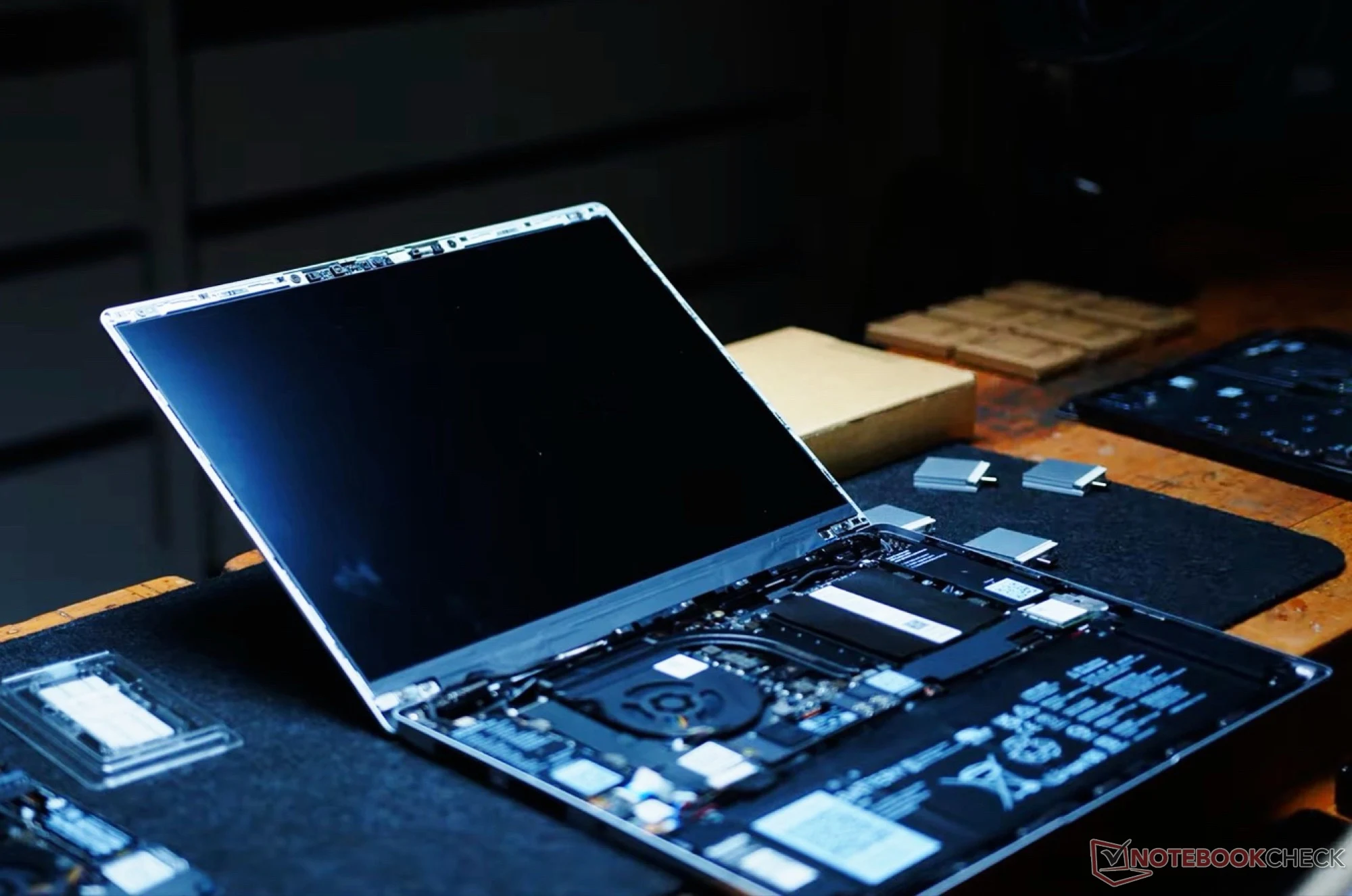
    The Framework Laptop models 12, 13, and 16 saw a price hike last week due to the surge in RAM prices. Now, Framework has revealed another increase, this time for the SSDs.

    New SSD Pricing

    Framework has set new prices: €92 for a 500 GB SSD, €150 for a 1 TB SSD, and an astonishing €259 for a 2 TB SSD. This change indicates an increase ranging from €13 to €35, based on the size. It’s actually cheaper to purchase the SSDs elsewhere, as the WD Black SN7100 M.2 SSD is priced at just €64 on Amazon for 500 GB, €109 for the 1 TB version, and €190 for the 2 TB model.

    Price Trends in the Market

    When looking at the price changes, it’s evident that there has been a significant rise in recent weeks. A WD Black SN7100 with 1 TB was priced at €69 in October but now starts at a minimum of €99. PC Part Picker indicates a similar pattern in its review of the US SSD market.

    Future Expectations

    Framework predicts that SSD prices will keep climbing in the first half of 2026. The reason for this steep increase is identical to that of RAM: the current demand far outpaces supply. This is largely because fast NAND memory is crucial for AI technology and data centers. Consumers will feel the impact of OpenAI’s high demand in 2026, as nearly all laptops, many smartphones, and even gaming consoles like the Nintendo Switch 2 are anticipated to see price increases.

    Source:
    Link


  • MIT’s New Tech Promises Longer-Lasting Devices and Smarter AI

    MIT’s New Tech Promises Longer-Lasting Devices and Smarter AI

    Key Takeaways

    1. Rising demand for AI and computing is increasing energy requirements, highlighting inefficiencies in conventional chip designs.

    2. MIT researchers propose a new chip design approach by integrating logic and memory components on the back end to enhance energy efficiency.

    3. The use of amorphous indium oxide allows for the creation of ultra-thin transistors at low temperatures, preventing damage to underlying circuits.

    4. The innovative stacking of transistors enables a compact vertical arrangement, facilitating versatile and energy-efficient electronics.

    5. The introduction of hafnium-zirconium-oxide for 20-nanometer transistors results in extremely fast switching speeds while consuming lower voltage compared to existing technologies.


    As the need for artificial intelligence and powerful computing rises, there’s another aspect that comes with it — the rise in energy demand. Conventional chip architectures add to this issue by keeping logic and memory parts apart, leading to inefficient data movement. A group of researchers from MIT has proposed a breakthrough that could greatly improve energy efficiency — by arranging these components together at the chip’s back end.

    New Approach to Chip Design

    In typical scenarios, fragile transistors are placed on one side of a silicon chip, while the other side is set aside for wiring. Increasing the number of components presents a challenge since the heat generated would damage the layers already in place. An MIT research team, led by Yanjie Shao, has addressed this issue by creating a process that works at low temperatures.

    Innovative Material Use

    By utilizing a special material known as amorphous indium oxide, the team successfully created ultra-thin layers of transistors at only 150 °C (302 °F) — a temperature low enough to safeguard the underlying circuits. This innovation enabled them to stack active transistors directly on the back end, effectively combining logic and memory into a compact vertical arrangement.

    “We can now construct a versatile electronics platform on the chip’s back end that allows us achieve high energy efficiency along with various functionalities in very small devices. We have a solid device architecture and material to utilize, but continuous innovation is essential to reach the utmost performance limits,” Yanjie Shao expressed.

    Breakthrough in Transistor Technology

    The researchers advanced the current design by employing a ferroelectric material called hafnium-zirconium-oxide to produce 20-nanometer transistors. In their evaluations, the devices showcased incredibly fast switching speeds of merely 10 nanoseconds, which is the maximum limit of the team’s measuring tools, while consuming much less voltage compared to similar technologies.

    Source:
    Link


  • China Develops Successful Prototype of EUV Machine

    China Develops Successful Prototype of EUV Machine

    Key Takeaways

    1. China has developed an EUV lithography machine in Shenzhen with help from ex-ASML engineers, marking a significant advancement in its chipmaking capabilities.

    2. The EUV machine is not yet ready for chip production, with full functionality expected by 2028 or 2030, while competitors may advance to high-NA EUV technology.

    3. China will need to produce the EUV machine’s components domestically and acquire used parts from other vendors due to the lack of official support from ASML.

    4. China has previously relied on older DUV machines to create advanced chips, pushing their limits to produce 5-nm-class chips.

    5. Despite this achievement, China faces major challenges in scaling production and navigating the complexities of new technology.


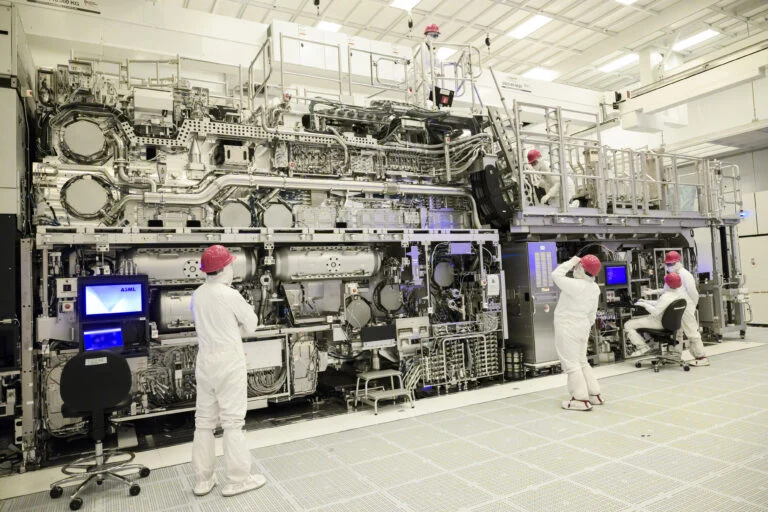
    A recent report from Reuters reveals that China has achieved a major milestone by developing an EUV (Extreme Ultraviolet) lithography machine at a lab in Shenzhen, with help from several ex-ASML engineers. This advancement validates earlier speculations and represents a crucial step forward in China’s chipmaking capabilities. It could enable Chinese firms like SMIC to create advanced chips that could rival those produced by TSMC, Intel, and Samsung. The project was reportedly kept under wraps, with the engineers working using pseudonyms.

    Future Challenges Ahead

    Despite this progress, the EUV machine still doesn’t have the ability to manufacture chips just yet. It is anticipated to reach full functionality by 2028 or potentially as late as 2030. By that time, industry rivals are expected to have moved on to high-NA EUV, the next-gen lithography technology created by ASML. Furthermore, scaling up production will be a tough task, as China will need to produce everything domestically due to ASML’s absence of official backing. To make matters more complicated, it must also acquire used components from different vendors, including Nikon and Canon.

    Relying on Older Technology

    Up until this point, China has depended on older DUV (Deep Ultraviolet) machines, which are the only models it can legally obtain from ASML. SMIC’s N+3 node has pushed DUV beyond its traditional limits by creating 5-nm-class chips like the Kirin 9030. There was even a recent patent that explored pushing the technology down to 2 nm. However, with the new EUV development, this may not be necessary due to the technology’s complexity and low yield rates.

    In conclusion, this report signifies a notable achievement for China, but significant hurdles remain in the way of fully realizing its chipmaking ambitions.

    Source:
    Link


  • Core i9 Mini PC with RTX 5060 Ti and 64GB RAM for High Performance

    Core i9 Mini PC with RTX 5060 Ti and 64GB RAM for High Performance

    Key Takeaways

    1. The msecore MV10 mini PC is currently available for purchase on Amazon in the US, but not yet in Europe or other regions.
    2. It features an Intel Core i9-14900F processor with a peak clock speed of 5.8GHz, making it suitable for running the latest games smoothly.
    3. The MV10 is equipped with an Nvidia GeForce RTX 5060 Ti GPU with 16GB GDDR7 VRAM and supports DLSS 4.
    4. It offers options for either 32GB or 64GB of DDR5 RAM and comes with a default 4TB M.2 2880 NVMe SSD.
    5. The desktop includes effective cooling with four fans and multiple connectivity options, including WiFi, Gigabit Ethernet ports, and various USB ports.


    The selection of compact desktop computers designed for gaming is quite extensive. Following the review of the Asus ROG NUC 15, msecore has introduced another contender in this area called the MV10. Currently, this mini PC isn’t broadly accessible, but customers in the US can already find the MV10 available for purchase on Amazon. Unfortunately, there’s no news yet regarding its availability in other regions, including Europe.

    Specifications and Performance

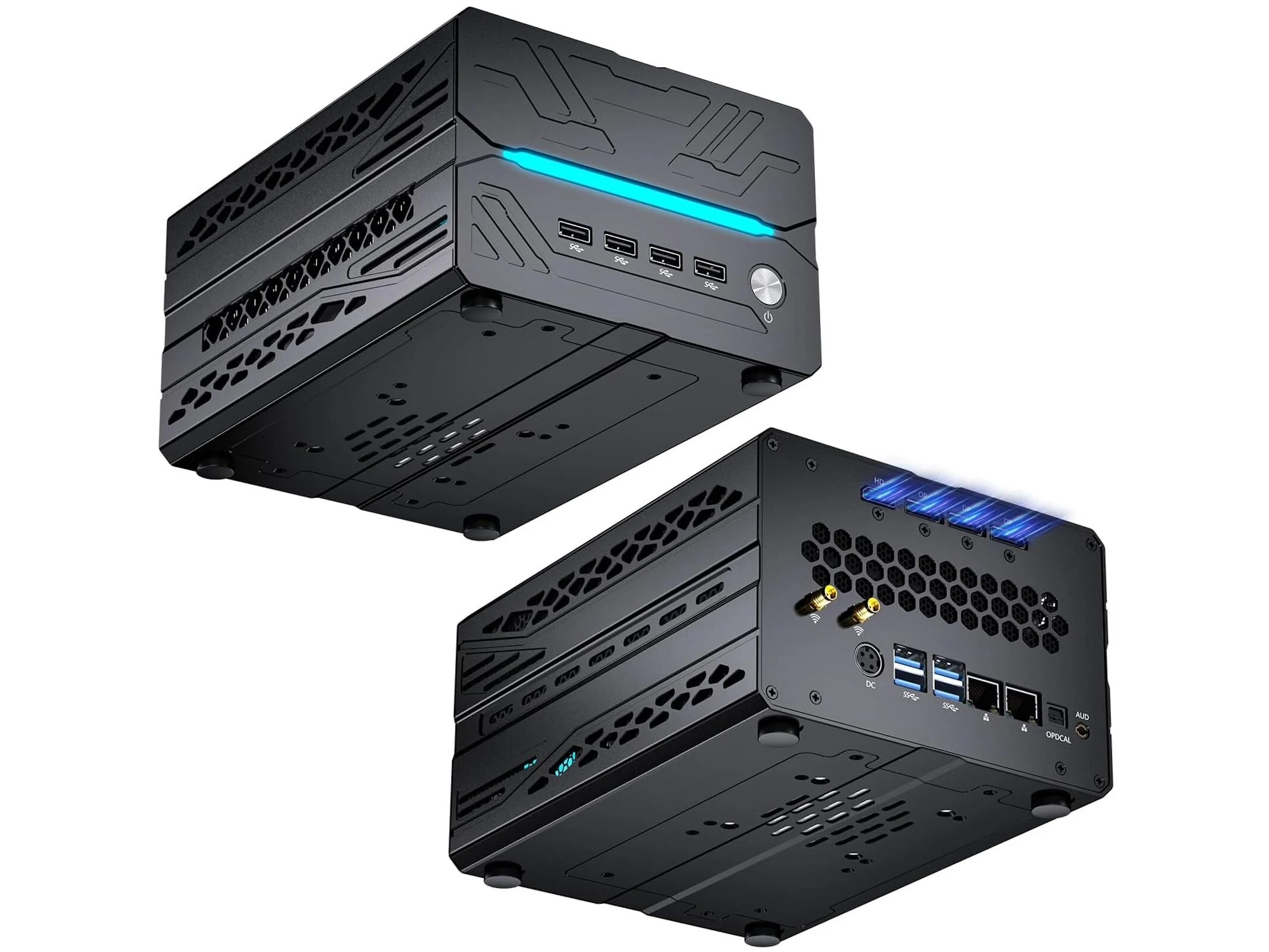
    This mini PC measures approximately 8.6 x 6.6 x 4.5 inches and comes with an Intel Core i9-14900F, which is a high-end processor from 2024. The CPU boasts a peak clock speed of 5.8GHz, making it generally suitable for running all the latest games smoothly. Additionally, the msecore MV10 is equipped with an Nvidia GeForce RTX 5060 Ti featuring 16GB GDDR7 VRAM and supports standard features like DLSS 4. Depending on its setup, the mini PC offers either 32GB or 64GB of DDR5 RAM, while the default M.2 2880 NVMe SSD can hold up to 4TB of data.

    Cooling and Connectivity

    To ensure effective cooling, the desktop is fitted with four fans, addressing the common issue of overheating in powerful mini PCs. For network connections, users can choose WiFi or utilize two Gigabit Ethernet ports located at the back. Moreover, the msecore MV10 mini PC includes four USB 3.2 ports, an optical audio output, four USB 2.0 ports, and a power button conveniently placed on the front.

    Source:
    Link


  • New HP OmniBook X Flip 16 with Intel Panther Lake Priced at $999

    New HP OmniBook X Flip 16 with Intel Panther Lake Priced at $999

    Key Takeaways

    1. HP is set to update the OmniBook X Flip 16, which was announced less than a year ago.
    2. The new models will replace existing Intel Core Ultra 7 processors with lower-tier Panther Lake options.
    3. The upcoming Core Ultra 7 355 is expected to have a peak clock speed of 4.7 GHz and a TDP of 55 W.
    4. The new model will likely include a 4-core Xe3 integrated GPU and support a 2K, 16-inch display.
    5. The updated OmniBook X Flip 16 is anticipated to be revealed at CES 2026, with a rumored price of $999.


    The OmniBook X Flip 16 isn’t even a year old yet. It was announced in March and launched alongside several other OmniBook models, including 14-inch and 17.3-inch versions. However, an early listing from Walmart suggests that HP might be ready to update the current Intel Lunar Lake models they offer, which are priced at $929.99 on Amazon.

    Upcoming Changes

    Walmart has mentioned that HP plans to replace the existing Core Ultra 7 266V and Core Ultra 7 268V with some of Intel’s lower-tier Panther Lake options. The retailer specifically points to the Core Ultra 7 355, which is said to have a peak clock speed of 4.7 GHz. This aligns with recent leaks that suggest the Core Ultra 7 355 will feature 4 performance cores and 4 low-power cores, with a thermal design power (TDP) of 55 W.

    Display and Specifications

    Additionally, it’s rumored that the Core Ultra 7 355 will include a 4-core Xe3 integrated GPU designed to support a 2K, 16-inch display. This display reportedly has a resolution of 1,920 x 1,200 pixels and a refresh rate of 60 Hz, matching the entry-level display of the current OmniBook X Flip 16. Walmart lists the new Panther Lake-based convertible at a price of $999, featuring 16 GB of RAM and 512 GB of storage. It’s likely that HP will introduce the new OmniBook X Flip 16 next month at CES 2026 in Las Vegas.

    Walmart via momomo_us

    Source:
    Link


  • OLED iMac Launch After M5 Max iMac Pro with Brightness Boost

    OLED iMac Launch After M5 Max iMac Pro with Brightness Boost

    Key Takeaways

    1. Apple is transitioning its larger devices, including the iMac, to OLED display technology after using it in iPhones and iPads.
    2. The new OLED iMac is expected to maintain a pixel density of 218 ppi and a resolution of 4480 x 2520 pixels for software compatibility.
    3. Apple is requesting a peak brightness of 600 nits for the OLED iMac, which is 20% brighter than current models.
    4. Samsung and LG are developing new OLED technologies, including Samsung’s stacked QD-OLED, to meet Apple’s requirements.
    5. The first OLED iMac could launch as early as 2027, with proposals from LG and Samsung due next year.


    After making the switch to OLED displays for its iPhones and iPads, Apple is now gearing up to transition its larger devices, including the iMac all-in-one (AiO) computer, to this advanced display technology.

    Display Features

    Apple promotes its latest AiO with the catchy slogan “Briiiiiiliant,” where the six “i’s” emphasize the variety of colors available for the iMac, not the brightness of the display. The 24-inch iMac has a brightness of 500 nits, which is indeed brighter than many other all-in-one screens in the market. However, when it is updated with an OLED variant, its specifications are expected to improve significantly.

    OLED Development Requests

    Reports indicate that Apple has reached out to Samsung and LG with a request for proposals that specify the display requirements for the upcoming OLED iMac AiO. The memo outlines a minimum pixel density of 218 ppi, suggesting that Apple aims to maintain the existing resolution of 4480 x 2520 pixels to ensure compatibility with software scaling. Other specifications likely to be retained include the wide color P3 gamut coverage and the True Tone technology that adapts to variations in ambient light.

    Brightness Improvements

    In terms of peak brightness, Apple is requesting that Samsung and LG create an OLED panel for the iMac that achieves 600 nits of peak brightness, which is 20% more than the current models. This increase in brightness, combined with the high contrast ratios that OLED technology offers, will make the iMac much more comfortable to use in well-lit environments.

    Creating such bright OLED displays for the large sizes of iMac screens is quite a challenge. Samsung is expected to utilize its newly introduced stacked QD-OLED technology, which features five BBGBG layers. This technology is already implemented in Samsung’s 27-inch Odyssey G6 gaming monitor, which has a refresh rate of 500 Hz and is currently on sale at a 33% discount on Amazon.

    Future Releases

    The additional green layer in each pixel serves as a brightness enhancer. In response to Apple’s demand for larger OLED displays, LG is also working on different OLED technologies, which are anticipated to first appear in the 2026 MacBook Pro models. Apple has set a timeline for LG and Samsung to submit their OLED display proposals by next year, indicating that the first OLED iMac could launch as early as 2027. This timeline implies that the recent code string discovery referencing an Apple iMac desktop with the potent M5 Max processor is likely about a revived iMac Pro set for a 2026 debut, rather than the debut of the first OLED iMac, which will probably be powered by an M6 series processor.

    Source:
    Link